Seven films about religion and faith that will bring you deep reflection this Holy Week 2026.
Staying home during Holy Week? Make it a productive one by binge-watching our classic cinematic watchlist about the power of faith. From Cecil B. DeMille’s epic biblical classic The Ten Commandments, where Moses parts the Red Sea with his staff, to the funky tunes of Andrew Lloyd Webber’s seminal rock opera Jesus Christ Superstar, there are many hidden gems and classic films to enjoy.
The Ten Commandments (1956)
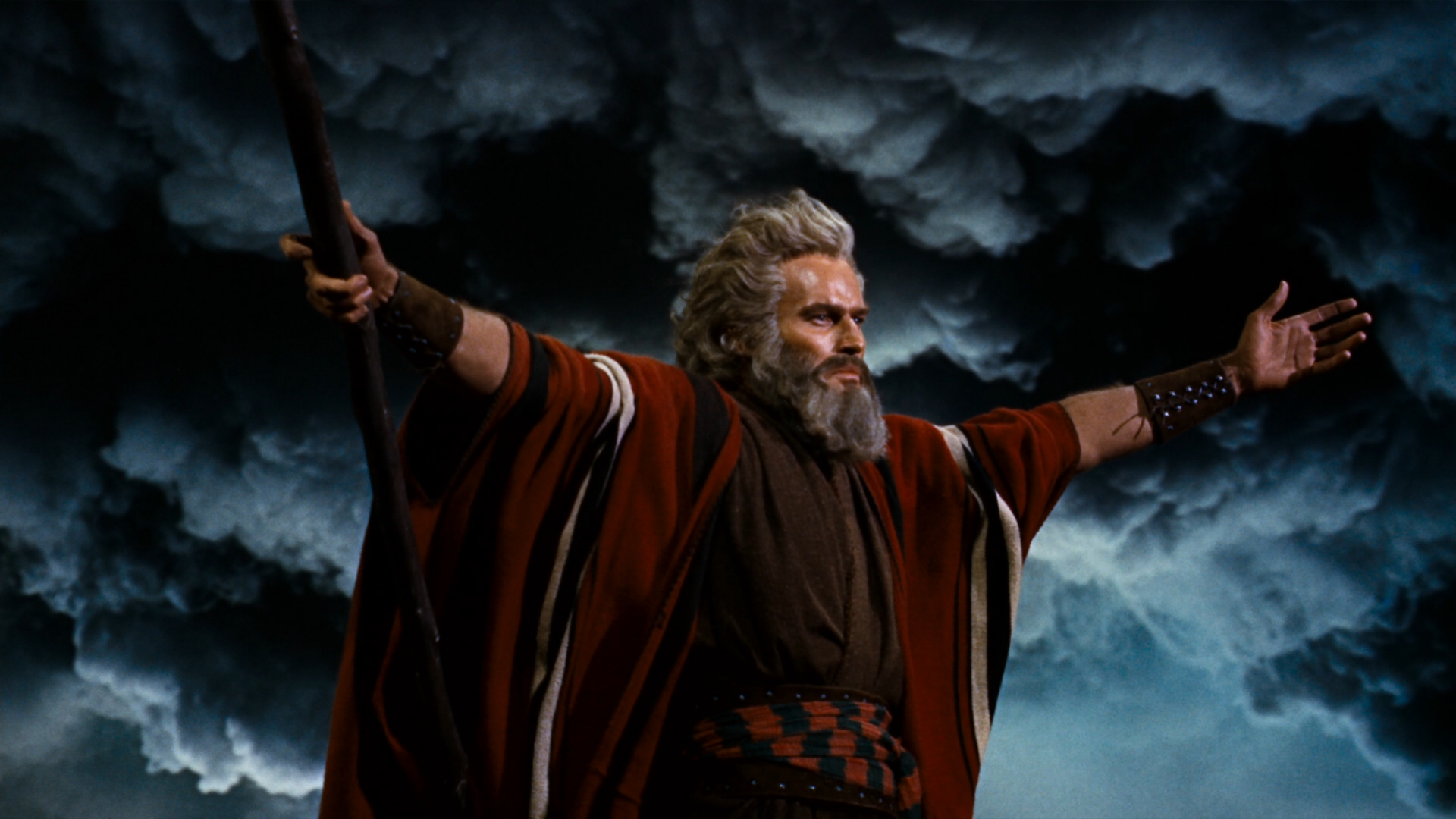
With a budget of over $13 million, Cecil B. DeMille’s The Ten Commandments was considered the most expensive film ever made when it was first released in 1956. Every dollar spent is seen on screen, as the film remains a true epic spectacle—one that only Hollywood’s Golden Age could produce. Practical sets, gorgeous costumes, vivid VistaVision cinematography, and innovative visual effects still hold up today, securing its place as one of the greatest motion pictures ever made.
The film tells the story of Moses (played by film icon Charlton Heston), once the Prince of Egypt, who discovers his Jewish roots and is banished to the desert by his adoptive cousin, Pharaoh Rameses II (Yul Brynner). While away, Moses speaks to God on Mount Sinai and is given instructions to lead the Jewish people to freedom. The ancient biblical story comes to life in the hands of a master like DeMille—and honestly, watching it today still makes your heart flutter with awe, while at the same time racing with excitement. Especially in that iconic moment when Moses parts the Red Sea. This film will make your Holy Week truly epic.
The Exorcist (1973)
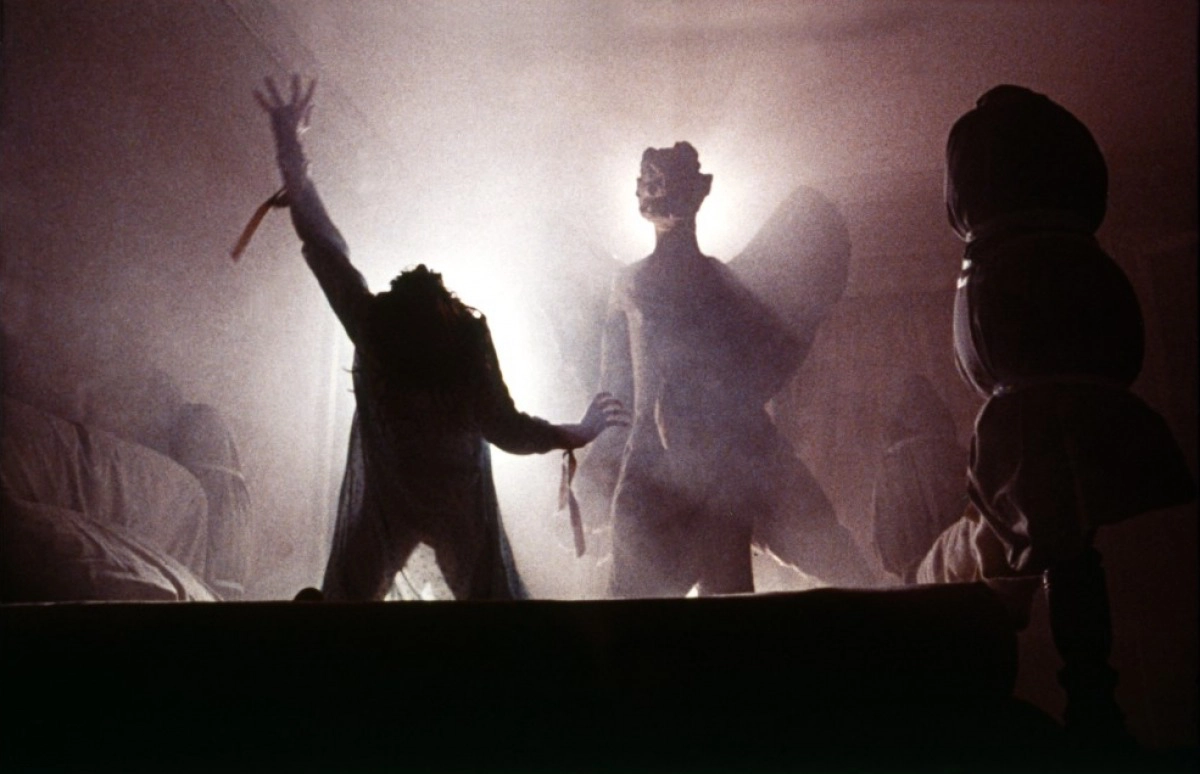
Not exactly the kind of film you’d expect on a Holy Week watch list, right? Surprisingly, despite being widely regarded as one of the most terrifying and shocking horror films of all time, The Exorcist was actually embraced by the Catholic Church upon its initial release for its portrayal of faith, spiritual warfare, and the idea that religion can triumph over evil. Still, the film remains a fascinating case study, especially given its reputation as a “cursed production,” with numerous on-set accidents, injuries, and even deaths affecting members of the cast and crew. Director William Friedkin and his team nevertheless managed to create one of the greatest films of all time—one that was not only a box office juggernaut but also earned a Best Picture nomination at the Oscars, among many other accolades.
For those still unfamiliar, the story follows Chris MacNeill (Ellen Burstyn), a famous actress filming on location in Georgetown, Washington. When her young daughter Regan (Linda Blair) begins exhibiting increasingly disturbing and seemingly demonic behavior beyond the reach of medical explanation, Chris turns to a local priest (Jason Miller) and a seasoned exorcist (Max von Sydow) in a desperate attempt to rid her daughter of the evil within.
READ ALSO: From The Desk Of An Exorcist
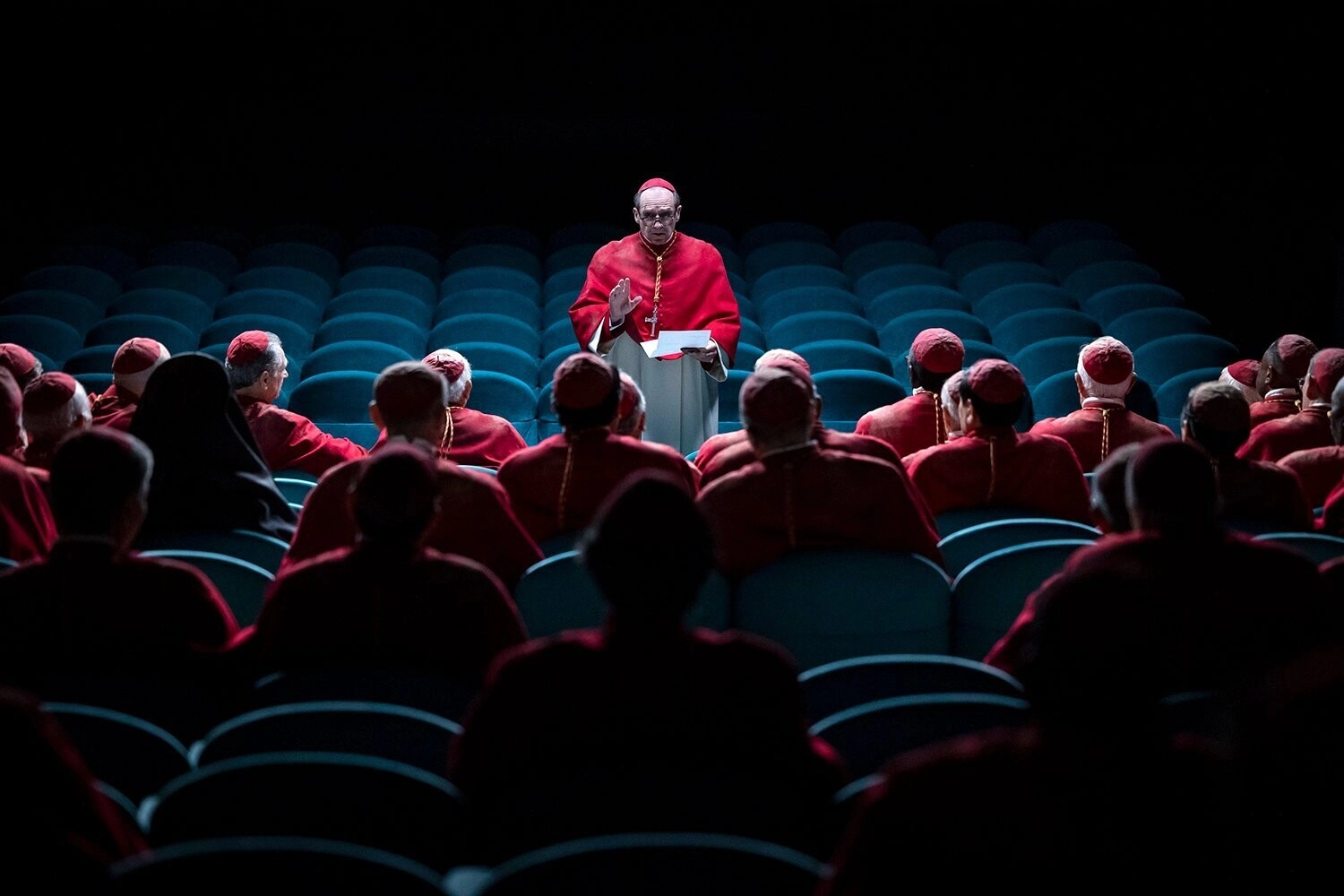
Conclave (2024)
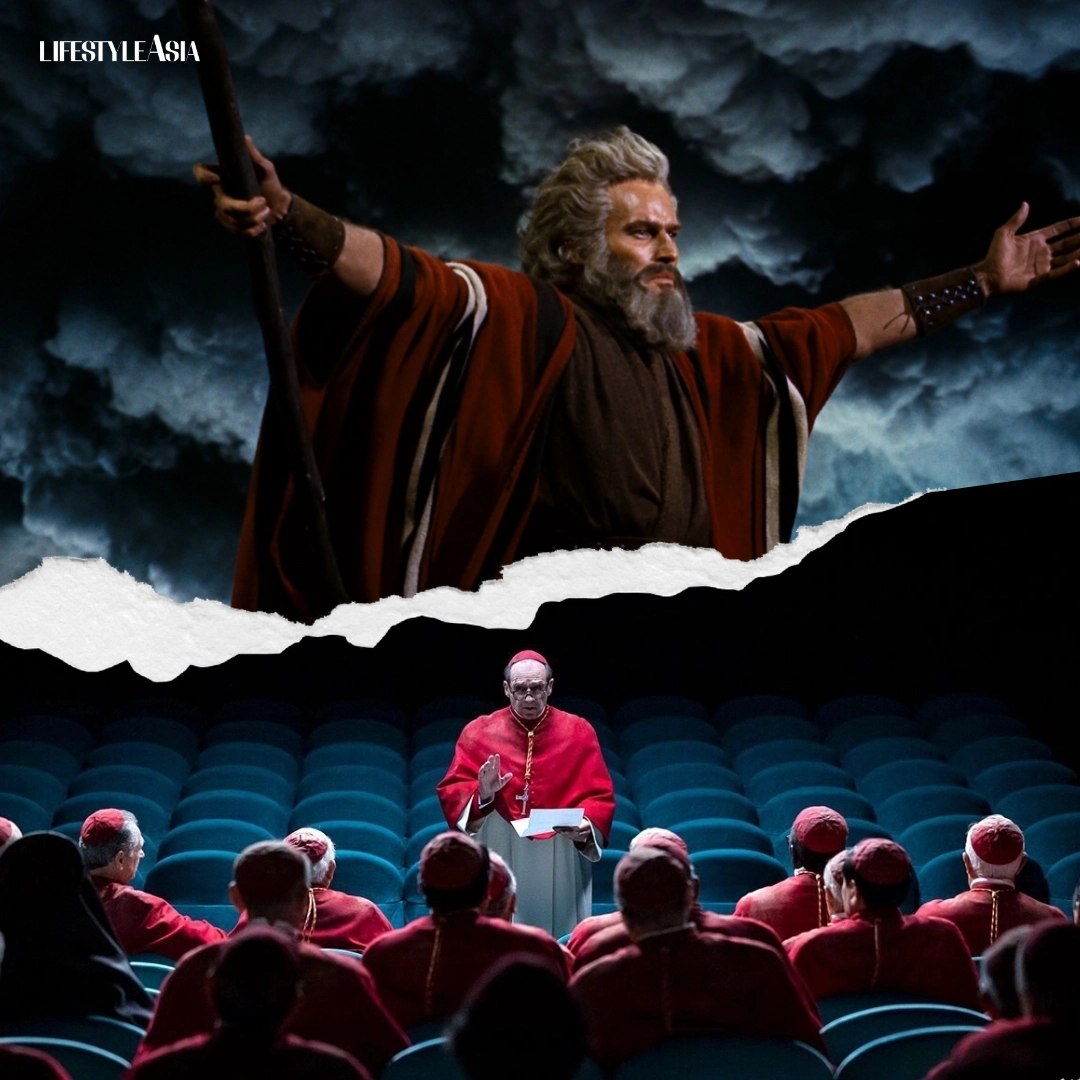
The best joke making the rounds during the 2024 Oscar season compared Conclave to Mean Girls, but set in the Vatican rather than a high school. The film is far more than that, of course—but it’s honestly kind of funny, and a little bit true. In the film, Ralph Fiennes plays Cardinal Lawrence, who is chosen to lead the conclave tasked with electing a new pope. But when the world’s most powerful religious figures are gathered under one roof, dark secrets, quiet scheming, and whispered alliances begin to ripple through the Vatican.
While a plot driven by hushed conversations may not sound thrilling on paper, Conclave is one of the most gripping films about religion in recent memory, thanks to its superb ensemble cast, the precise and tension-filled direction of Edward Berger, and, of course, the tightly constructed, Oscar-winning screenplay by Peter Straughan. Beyond the intrigue and the drama of the story, the film also offers an intimate, up-close look at the processes behind one of the world’s most sacred and ancient rituals, making it as enlightening as it is entertaining.
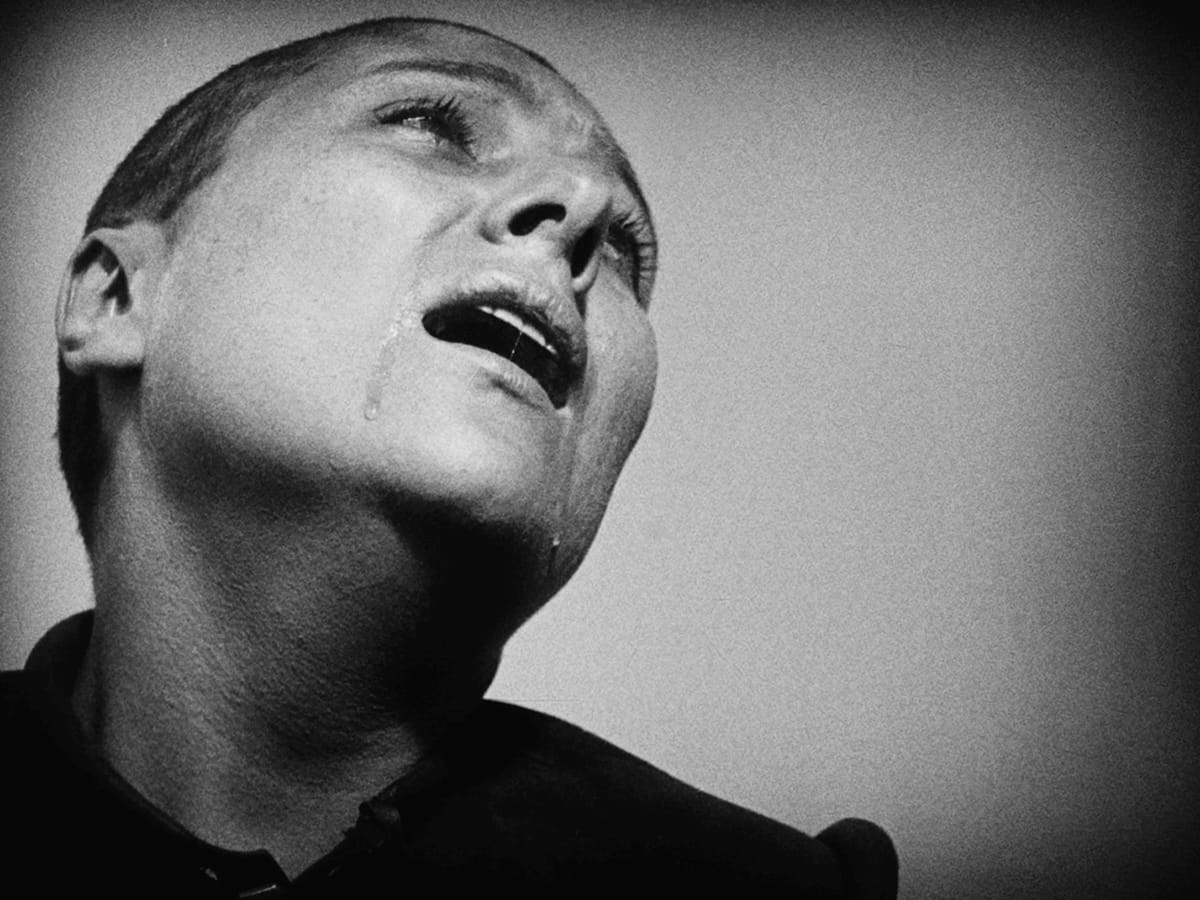
The Passion of Joan of Arc (1928)
Often regarded as one of the most influential silent films of all time, Carl Theodor Dreyer’s The Passion of Joan of Arc stands as a powerful spiritual portrait—capturing the depth of Joan’s faith, her inner turmoil, and her belief in divine guidance. At the heart of the film is Renée Jeanne Falconetti’s stunning performance, a masterclass in expression; without uttering a word, she conveys a spectrum of emotion through her eyes and movements, portraying Joan’s torment and grace with haunting clarity.
Though at times difficult to watch for its raw intensity, Dreyer’s masterpiece is compelling from start to finish. More than just a retelling of Joan’s miraculous story and her conflict with the institutional Church, the film reveals the full potential of cinema as an art form in the hands of a true visionary.
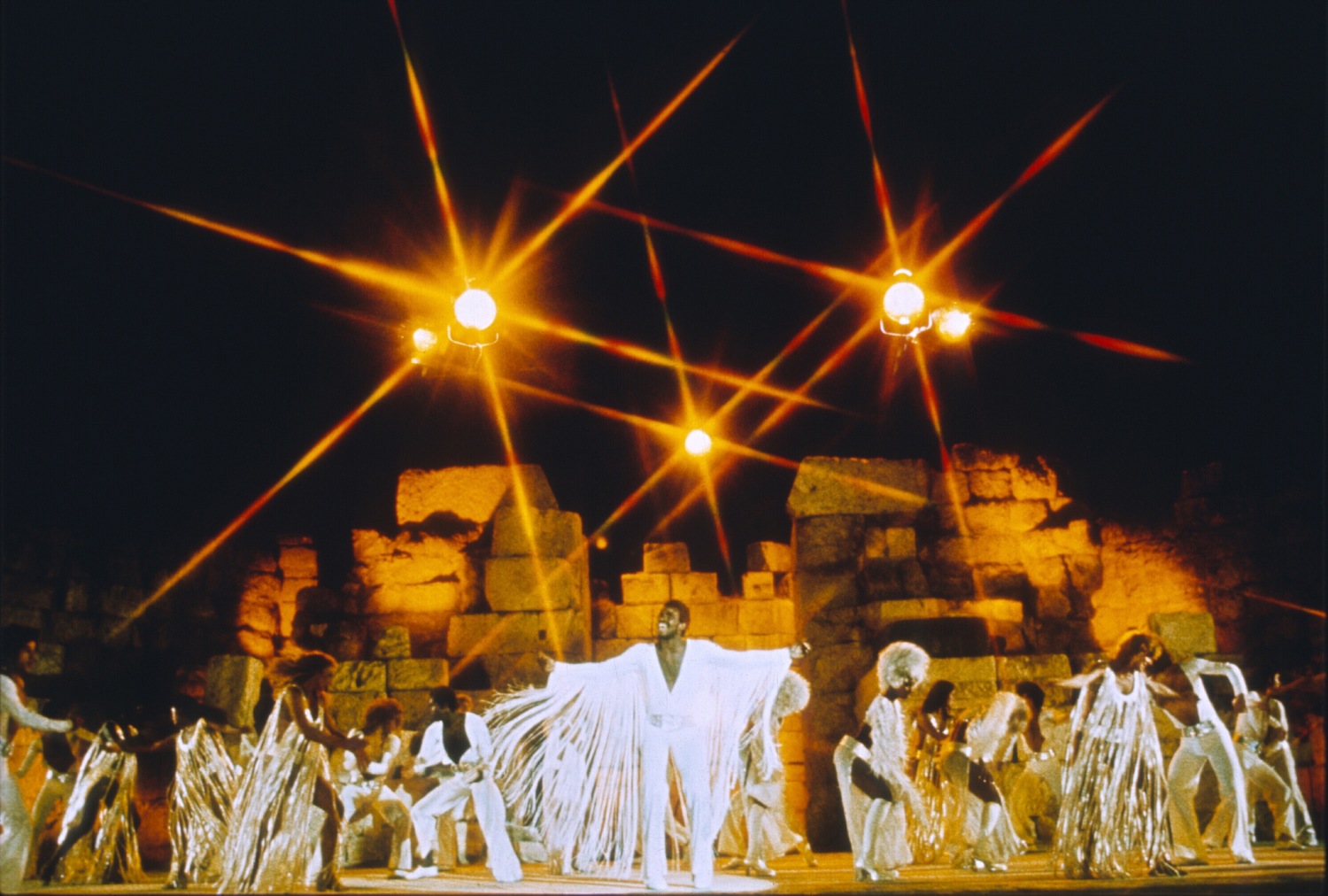
Jesus Christ Superstar (1973)
If you’re looking for something a little less traditional to watch during Holy Week, look no further than Andrew Lloyd Webber and Tim Rice’s seminal rock opera Jesus Christ Superstar. The duo revolutionized musical theater when the original play opened on Broadway in 1971. The completely sung-through musical cleverly incorporates hippie cultureCultureshared traditions, beliefs, values, customs, arts, and social practices that define the identity and way of life of a community, society, or nation.Go to Culture Glossary and rock music to dissect the psychology of Jesus, Judas, Mary, and the other figures present in the Gospel accounts of the Passion.
The film version stays pretty close to telling the classic story we all know: Jesus’s suffering, death, and burial. However, the role of Judas is significantly expanded in this retelling, giving the character a point of view as the narrator of the story. It’s riveting and bold—arguably the most distinctive version of this story that we have. At the center are three wonderful performances: Ted Neely as Jesus, Carl Anderson as Judas, and Yvonne Elliman as Mary Magdalene—their vocals will floor you.
READ ALSO: Romance in Technicolor: Five Films From The Golden Age Of Hollywood To Fall In Love With Again
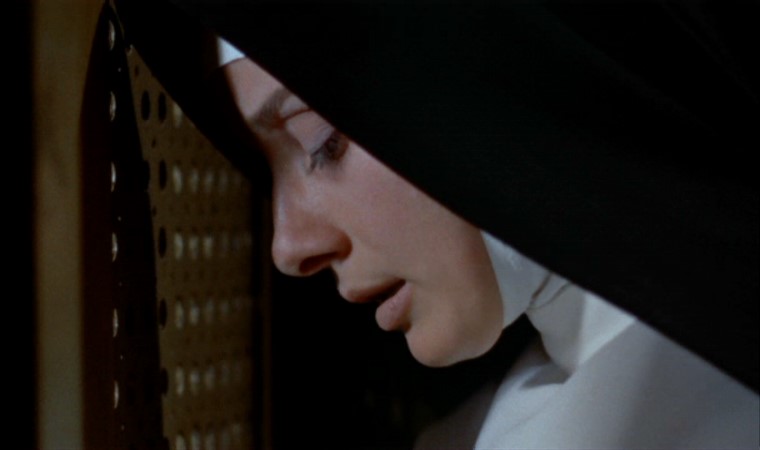
The Nun’s Story (1959)
While Audrey Hepburn was best known for her contributions to the romantic-comedy genre, she is said to have considered the role of Sister Luke in Fred Zinnemann’s The Nun’s Story as her favorite—a quiet, contemplative character study that pushed her to perform in a subtle yet powerful way. It all paid off, as Hepburn proved to both critics and audiences that she wasn’t a one-trick pony, but a skilled performer with a gift for restraint and emotional nuance.
The film, which runs a hefty 152 minutes, follows Sister Luke as she leaves her upper-class life as the daughter of a Belgian surgeon to become a nun in the Belgian Congo, where she serves as a nurse to a doctor. While she excels in her work, Sister Luke is plagued by doubts about whether this is truly her calling—especially as the dangers of World War II begin to loom. The Nun’s Story may not be as widely remembered today, but it remains one of Hepburn’s finest performances.
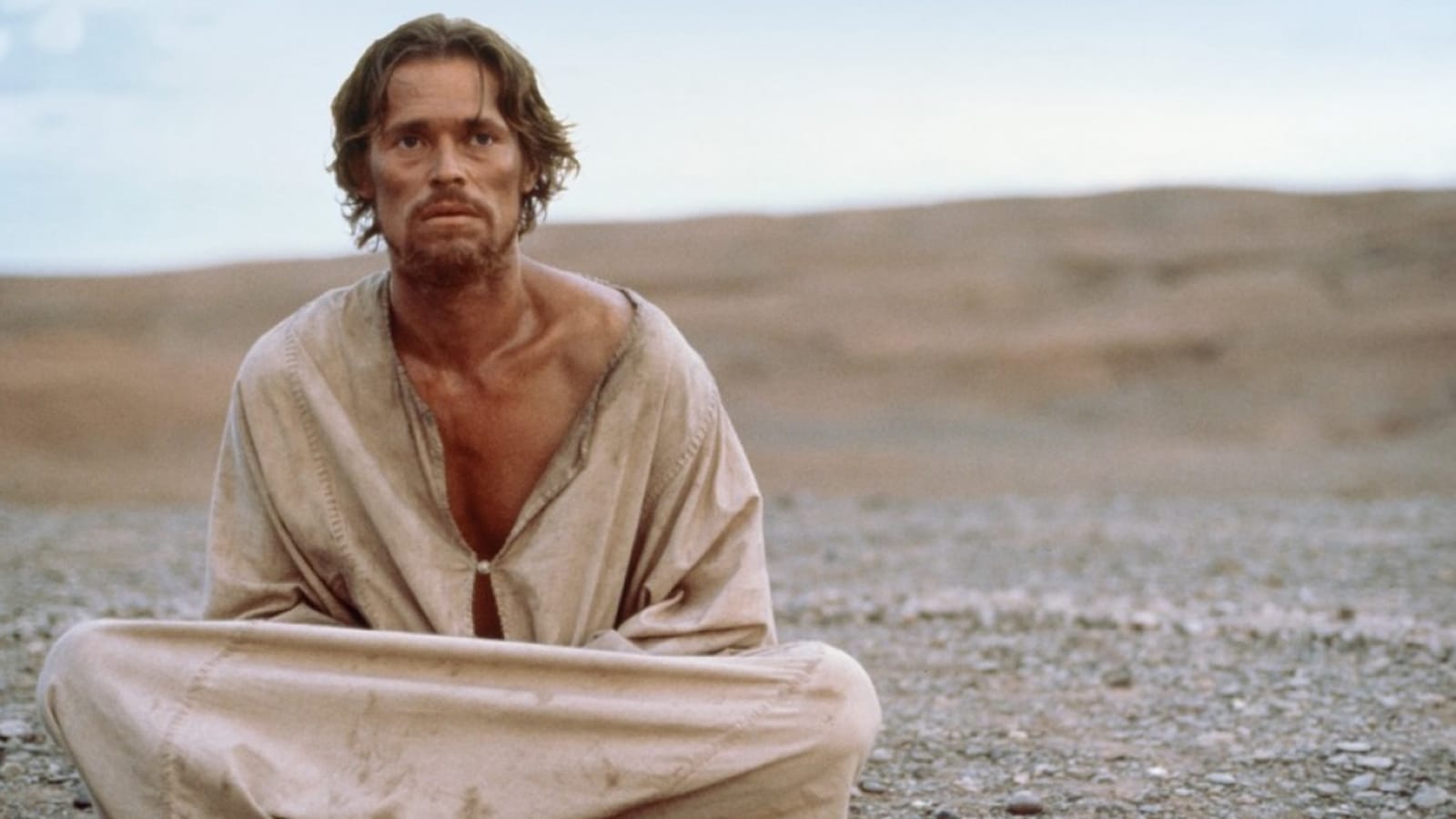
The Last Temptation of Christ (1988)
Directed by auteur Martin Scorsese, The Last Temptation of Christ was incredibly controversial upon its initial release. Based on the 1952 novel by Nikos Kazantzakis, the film reimagines Jesus (played with emotional brilliance by Willem Dafoe) as a mortal man, exploring his inner struggles with faith, flaws, sins, and human desires. Scorsese’s film even includes a fantasy sequence in which Jesus imagines living an ordinary life with a wife and children.
Many found it to be deeply blasphemous and offensive, with numerous Christian groups protesting for it to be banned and for all copies to be destroyed. The film (along with the original novel on which it was based) was banned in several countries, including the Philippines. Today, however, The Last Temptation of Christ has been reappraised as a true work of cinematic art, with viewers and scholars alike recognizing it as a work that reaffirms faith while also serving as a challenging theological text.
Frequently Asked Questions
Some recommended Holy Week films include Calvary, Mary Magdalene, Babette’s Feast, The Two Popes, and Of Gods and Men. They explore themes of sacrifice, faith, doubt, redemption, and communal belonging.
Mary Magdalene is a more recent and reflective take, while classics like The Gospel According to St. Matthew or King of Kings remain definitive for their reverent, faithful representation of Jesus’ life and ministry.
Yes. Films without overt religious content—if they explore themes of betrayal, suffering, death, hope, or forgiveness—can provoke reflection. The key is emotional and ethical resonance, not strictly the subject matter.
A balanced selection of three to five films is often enough—one per major day (e.g. Holy Thursday, Good Friday, Easter). Too many may feel overwhelming; space for reflection between viewings helps deepen their impact.
Absolutely. Films like The Two Popes or Babette’s Feast tend to have milder content and rich spiritual themes. For younger audiences, consider more symbolic or classic Biblical adaptations that are gentle yet meaningful.