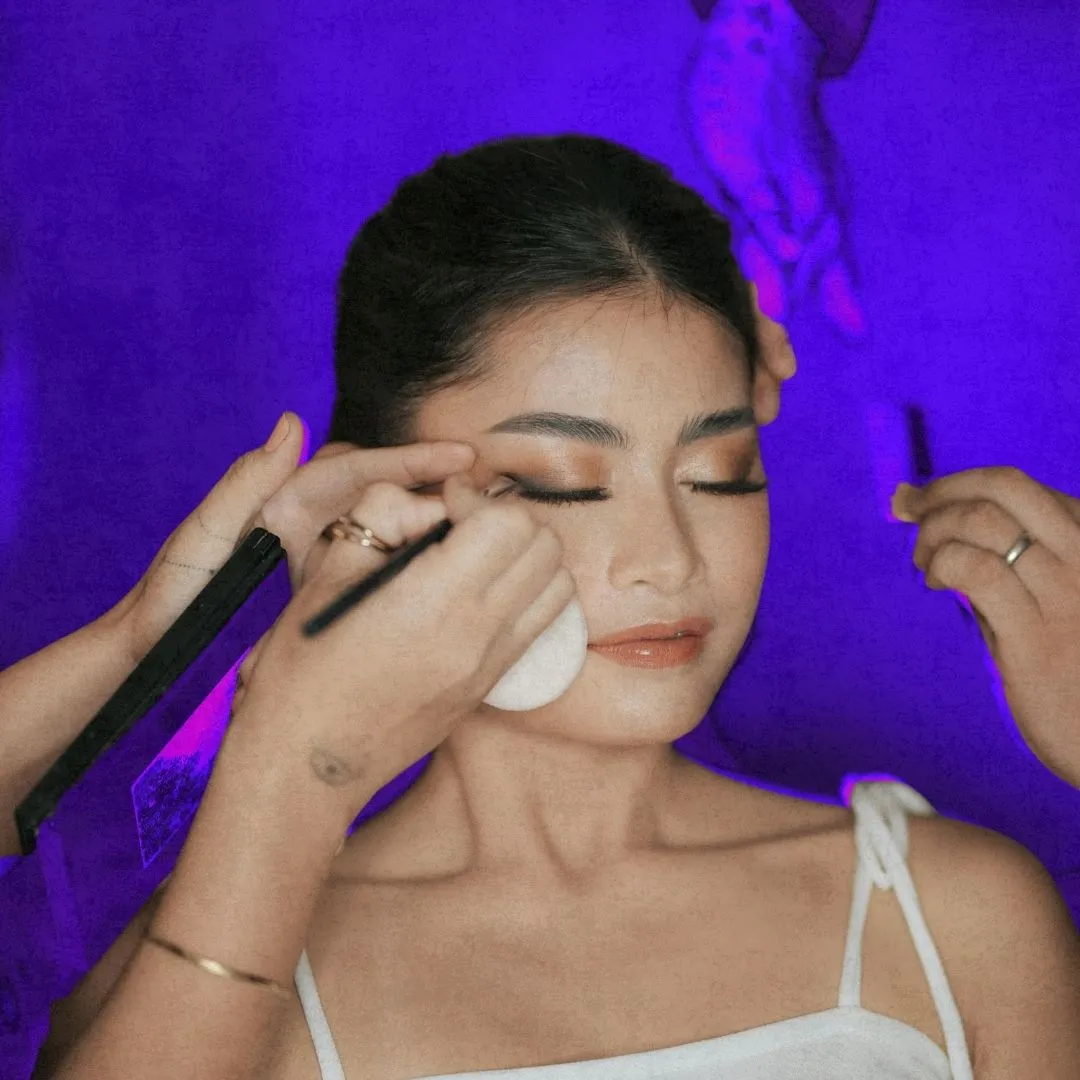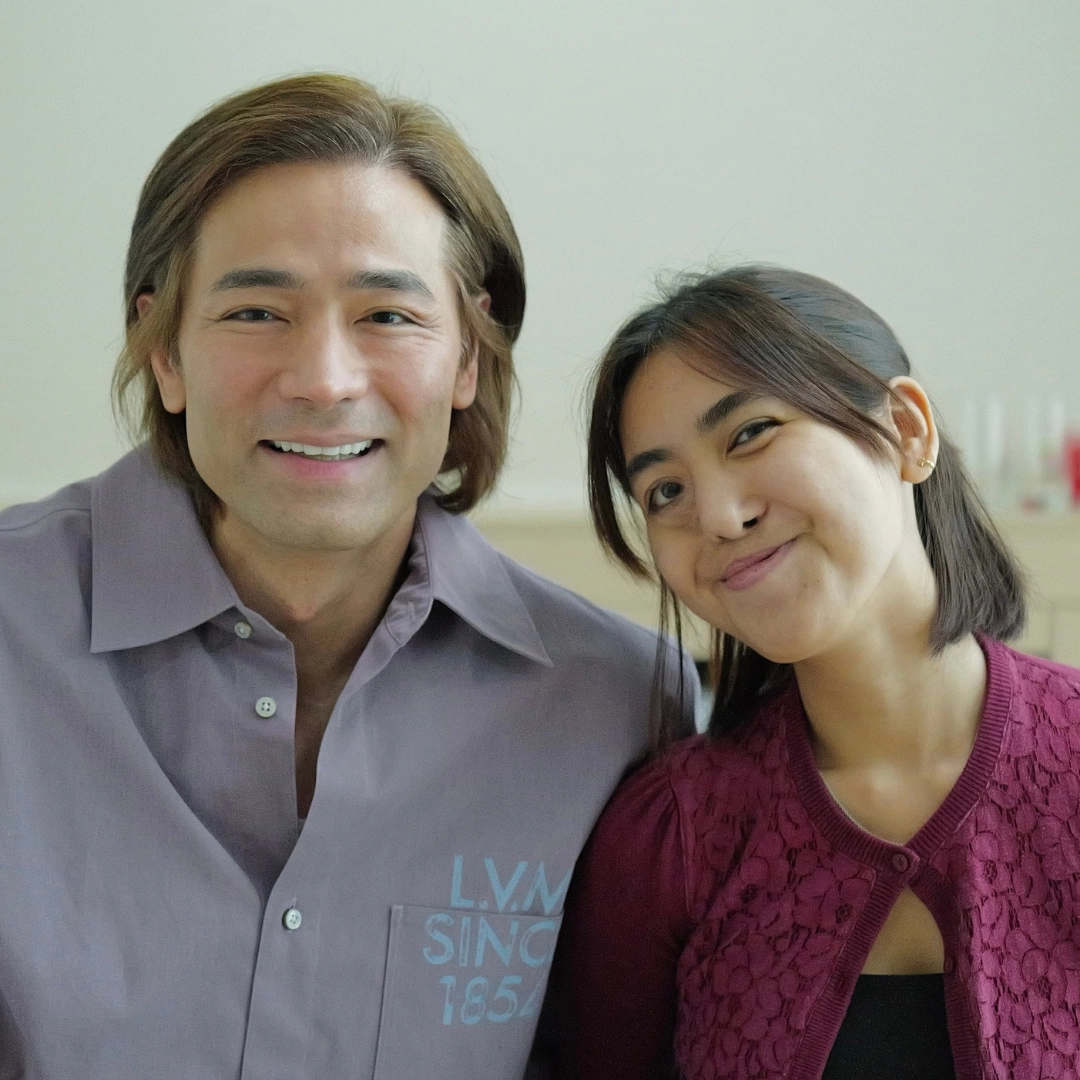
We dive into Belo’s Scar Project, where advanced reconstructive surgery and long-term care are transforming the lives of Filipinos with life-altering scars.
For many people, scars are reminders of survival. But for others, they become daily barriers, shaping how they move through the world, how they see themselves, and how they believe they deserve to be seen. Through the Belo Scar Project, Belo Medical Group is attempting to change that narrative, one patient at a time.
Launched in May 2025, the purpose-driven initiative was created to provide advanced and fully customized treatment for Filipinos living with life-altering scars. From nearly 800 submissions nationwide, Belo selected a small group now known as “The First Seven,” patients whose stories reflect some of the most complex physical and emotional cases in the country.
Since the project began, Belo’s medical team has already completed most of the major surgical procedures for the group, with long-term rehabilitation, treatments, and recovery now ongoing. At the center of this effort is a groundbreaking medical milestone that could reshape reconstructive surgery in the Philippines.

READ ALSO: The Belo Reset: Every Body Deserves A Plan
How The Belo Scar Project Is A Breakthrough In Philippine Reconstructive Surgery
Among “The First Seven” is 20-year-old Kirsten Sofia Barin, who was born with multiple facial clefts, a rare condition that prevented parts of her cheekbones, lips, and surrounding facial structures from fully forming. The condition resulted in severe facial asymmetry that standard reconstructive procedures could not fully address.
To help repair Kirsten’s facial structure, Belo performed what’s believed to be the first-ever facial bone reconstruction in the Philippines using a custom-made, 3D-printed high-density polyethylene (HDPE) implant. The procedure restored the underlying structure of her face with a level of precision previously unavailable in the local medical setting.
According to lead maxillofacial surgeon Dr. Dax Pascasio, Kirsten’s case required a highly individualized solution because no pre-fabricated implant could correct the irregular contour caused by her condition. “Because of the asymmetry and the irregular contour of the defect, there is no pre-fabricated implant that could give a satisfactory result for Kirsten’s case,” he explains.
The surgery also came with an additional layer of complexity. Kirsten had already undergone several procedures as a child “We had to work around scarred tissue and limited soft tissue available for reconstruction, which makes reshaping the face much more challenging,” Dr. Pascasio shares, adding that the procedure demonstrates what is possible through customized treatment and multidisciplinary expertise.
Beyond Kirsten’s personal journey, the achievement signals a wider shift for reconstructive medicine in the country. Dr. Pascasio believes the milestone opens the door to better outcomes for future complex craniofacial cases in the Philippines.
Sophia Abalon: The Burn Survivor Who Wants to Dance
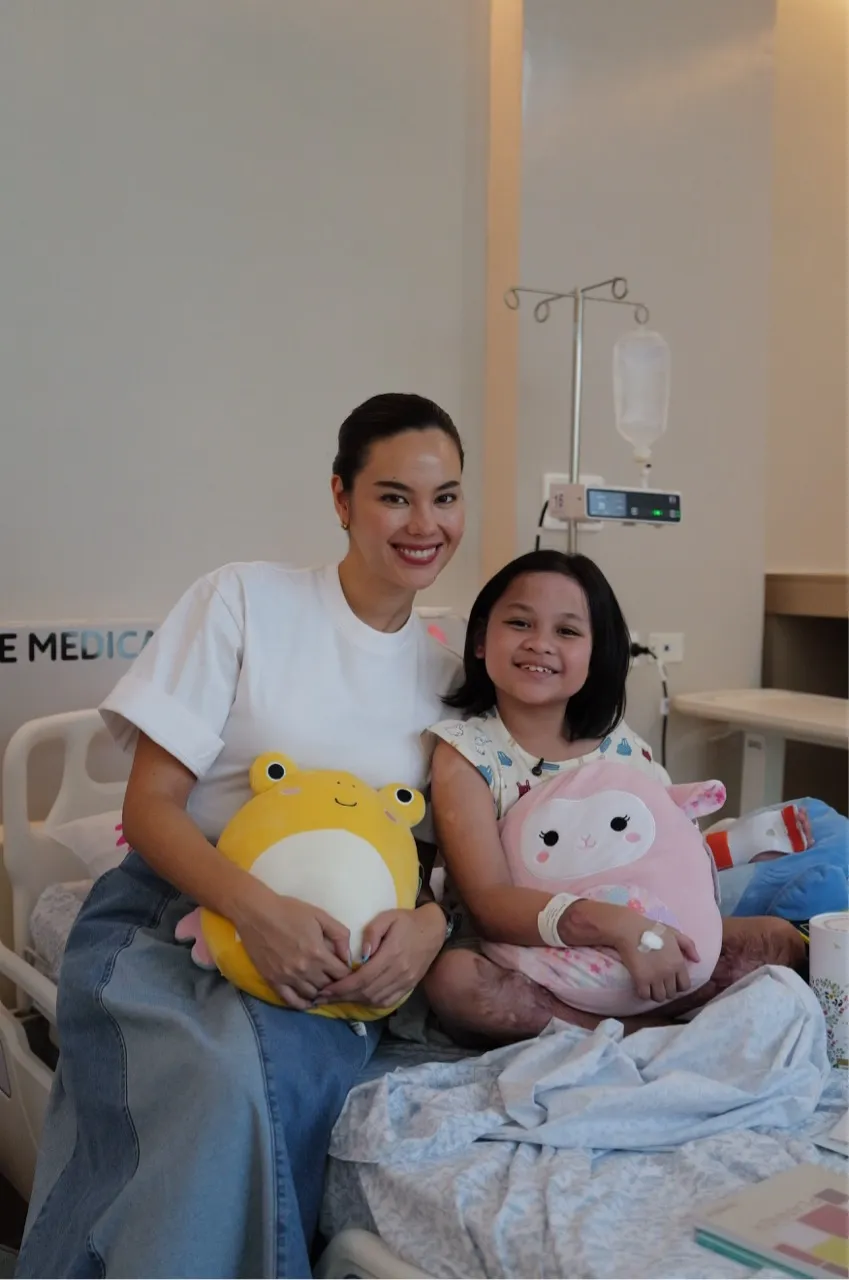
While the Belo Scar Project highlights major medical innovations, its emotional center lies in the story of eight-year-old Sophia Abalon. Sophia survived a tragic house fire that claimed members of her family, leaving her with extensive burn scars and contractures that severely limit her mobility. Yet despite everything she has endured, she remains joyful and hopeful. Her dream, according to the Belo team, is simple: she wants to dance.
Her treatment plan is designed as a long-term journey that includes staged contracture release surgeries, advanced scar remodeling, rehabilitation, and continuous care aimed at restoring both mobility and quality of life. Sophia’s story reflects the larger mission of the Belo Scar Project: not simply to alter appearances, but to restore opportunities, confidence, and freedom of movement for patients whose scars affect nearly every aspect of daily life.
Why Belo Treats Scars As More Than A Physical Concern
For Dr. Vicki Belo, the overwhelming response to the project revealed a deeper truth about the experiences people carry behind visible scars. “The volume of submissions changed us,” she says. “You begin to realize that scars are truly never just physical. They shape how people live, what they avoid, and what they believe they deserve.”
That understanding became the foundation for how Belo approached “The First Seven.” Rather than focusing solely on isolated procedures, the project uses a multidisciplinary system that combines surgery, laser technologies, regenerative treatments, rehabilitation, and psychological support.
According to Belo Medical Group CEO Gina Lorenzana, the initiative requires a level of long-term commitment far beyond cosmetic treatment. “We are not treating isolated concerns,” she said. “We are committing to full journeys.”
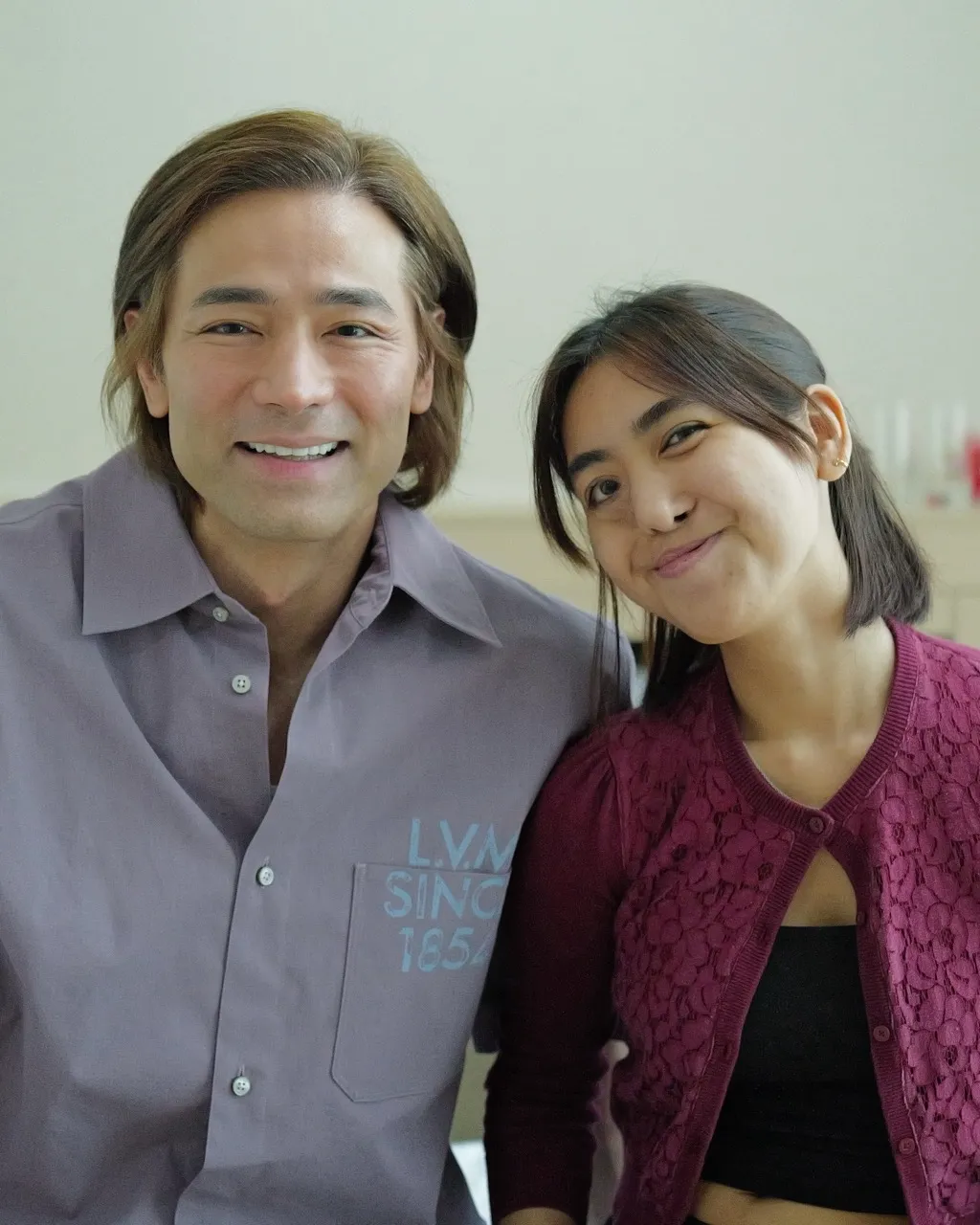

Photos courtesy of Belo.
Frequently Asked Questions
The Belo Scar Project is a purpose-driven initiative by Belo Medical Group launched in May 2025 to provide advanced, fully customized treatment for Filipinos living with life-altering scars. It selected a group called “The First Seven” from nearly 800 nationwide submissions to receive comprehensive reconstructive care.
The Belo Scar Project performed what is believed to be the first facial bone reconstruction in the Philippines using a custom 3D-printed high-density polyethylene implant. The procedure was performed on Kirsten Sofia Barin, a patient born with multiple facial clefts, by lead maxillofacial surgeon Dr. Dax Pascasio.
The patients are collectively known as “The First Seven,” selected from nearly 800 submissions across the Philippines. They include Kirsten Sofia Barin, born with multiple facial clefts, and Sophia Abalon, an eight-year-old burn survivor whose treatment plan focuses on restoring mobility and quality of life.
The Belo Scar Project uses a multidisciplinary approach that combines reconstructive surgery, laser technologies, regenerative treatments, rehabilitation, and psychological support. Rather than addressing isolated concerns, the initiative commits to long-term care journeys tailored to each patient’s physical and emotional needs.
The Belo Scar Project provides fully customized reconstructive treatment to its selected patients at no cost to them. Belo Medical Group covers the full scope of care, including surgery, rehabilitation, and ongoing treatments, as part of its commitment to transforming the lives of Filipinos with life-altering scars.