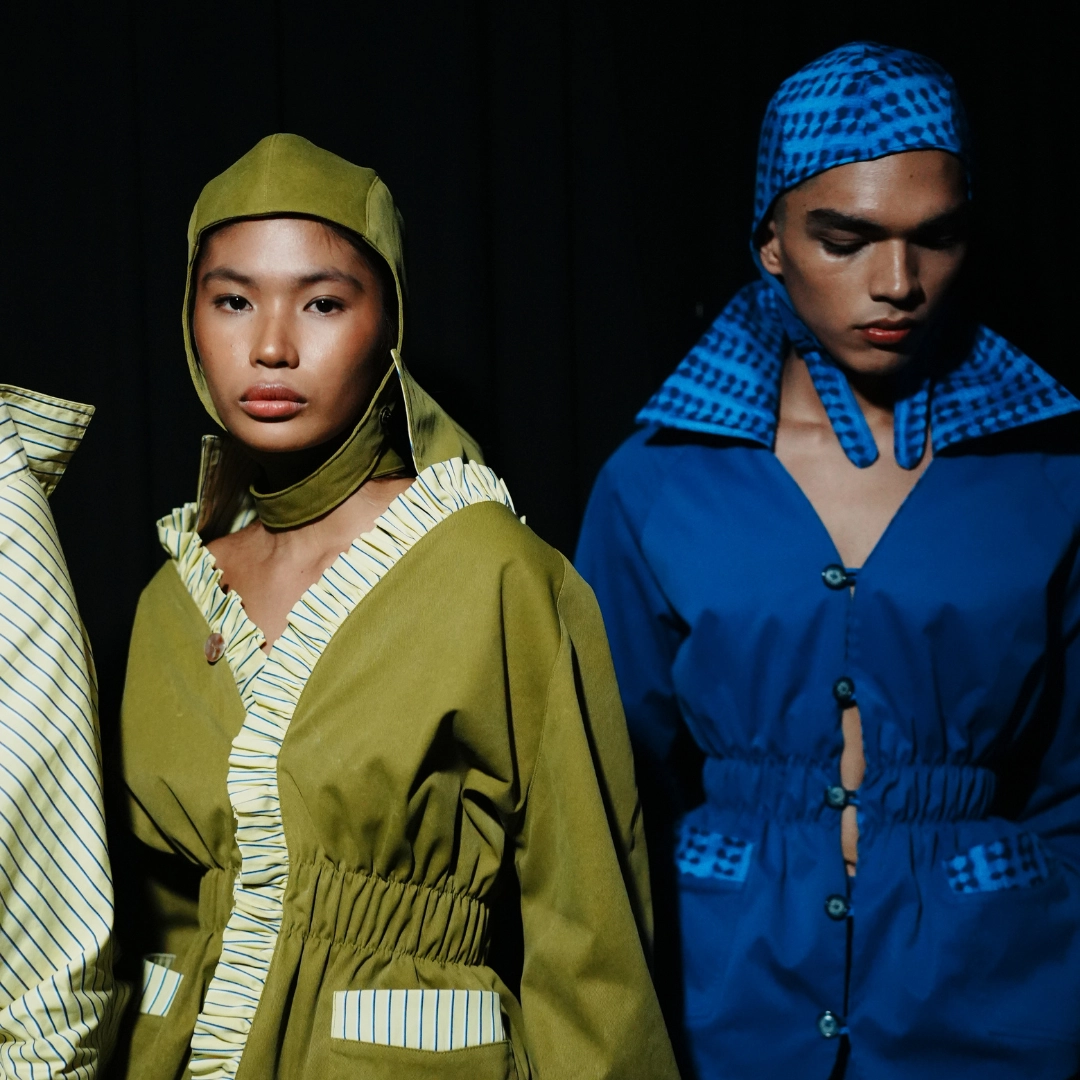
From Tabi boots to Tory Burch mirror dresses, fashion’s global inspirations spark debate on appreciation versus appropriation of culture.
While scrolling through my For You Page on TikTok, I came across a video of a young Indian woman ranting about how another creator, in a now-deleted post, had called the dupatta—a traditional Indian garment—“Scandinavian” and “European” chic. The erasure of South Asian cultureCultureshared traditions, beliefs, values, customs, arts, and social practices that define the identity and way of life of a community, society, or nation.Go to Culture Glossary and influences has sparked conversations about cultural appropriation and appreciation.
The line between appreciation, appropriation, and referencing has always been debated. According to Britannica, cultural appropriation is the exploitation, disrespect, or stereotyping that occurs when a majority group adopts cultural elements from a minority group. Appropriation also occurs when a majority group profits from a minority group’s cultureCultureshared traditions, beliefs, values, customs, arts, and social practices that define the identity and way of life of a community, society, or nation.Go to Culture Glossary. Furthermore, it takes place when a minority group’s culture is taken and rebranded by a majority group.
On the other hand, cultural appreciation is the opposite of cultural appropriation—it’s when a group takes the time to learn about and immerse themselves in another cultureCultureshared traditions, beliefs, values, customs, arts, and social practices that define the identity and way of life of a community, society, or nation.Go to Culture Glossary. There is genuine understanding, respect, and admiration for elements of that culture—factors that clearly distinguish appreciation from appropriation.
The fashion industry has long drawn inspiration from cultures around the globe. Some references have even made their way into mainstream trends, leaving many people unaware that their clothing originates from another cultureCultureshared traditions, beliefs, values, customs, arts, and social practices that define the identity and way of life of a community, society, or nation.Go to Culture Glossary. From your favorite Margiela Tabi Boots to Tory Burch’s newest collection, fashion brands are rich with cultural influences. Let’s look at some of the latest trends and the cultures that inspired them.
READ ALSO: The Unnoticed Gap: Where Are The Female Creative Directors?
The Tabi, A Fashion Girl’s Favorite Shoes
If you’re following fashion trends, you’ve probably heard of the Maison Margiela Tabis—the iconic shoes designed by Martin Margiela. From boots to loafers, a pair of Margiela Tabis, as they’re affectionately called online, can elevate any outfit—instantly making you look chic and in the know.

Before becoming a cult favorite, the Tabi design originated in Japan. Martin Margiela referenced a split-toe sock traditionally worn by Japanese workers—often partnered with thong slipper-style footwear, like setta or geta.

South Asia’s Shisha Embroidery Influence
A Tory Burch silk dress embroidered with mirrors from the Spring 2023 collection has recently gone viral on TikTok. People who bought it to add to their collection call it the “mirrorball” dress—referencing both the Taylor Swift song and the classic disco club staple.
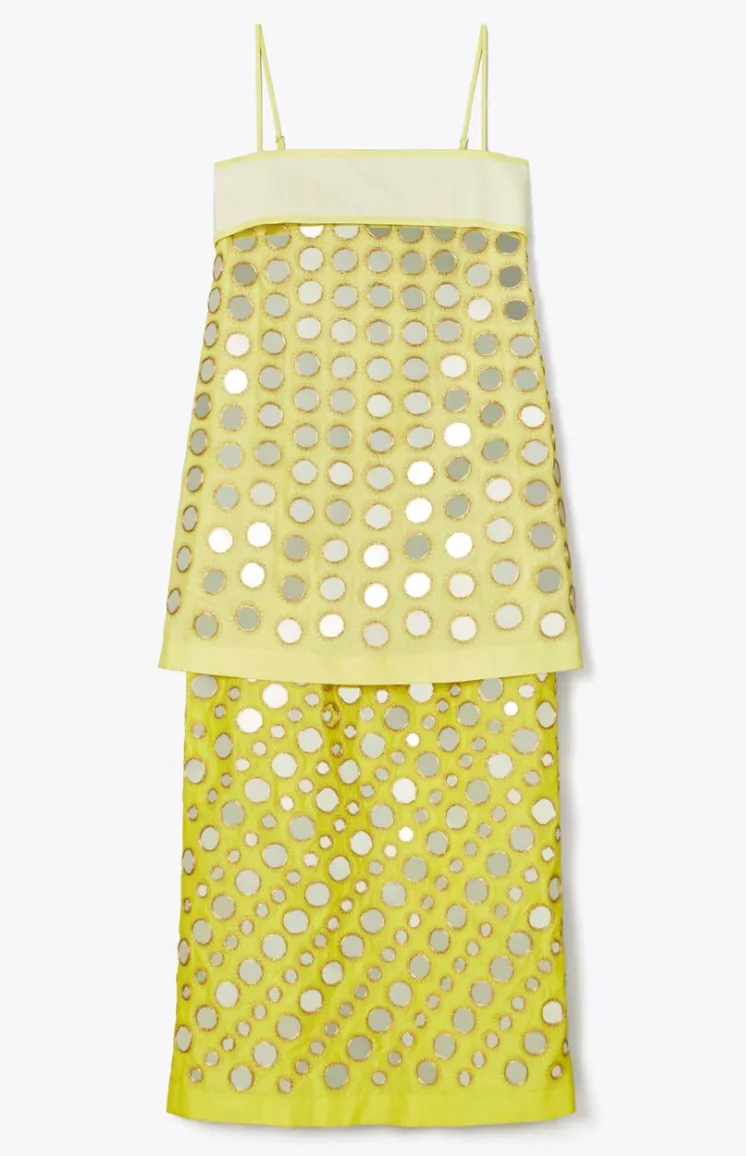
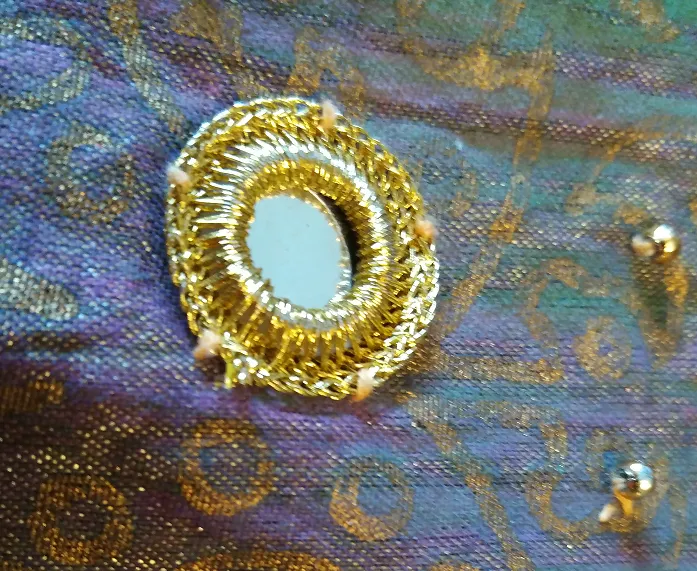
Before Tory Burch made it viral, embroidering mirrors or reflective materials was a technique developed and practiced in India. The method dates back to the 17th century, with local legend attributing its origin to the twinkling stars in the night sky. The Rajasthani and Gujarati communities also believe that the reflective embroidery could ward off evil spirits.
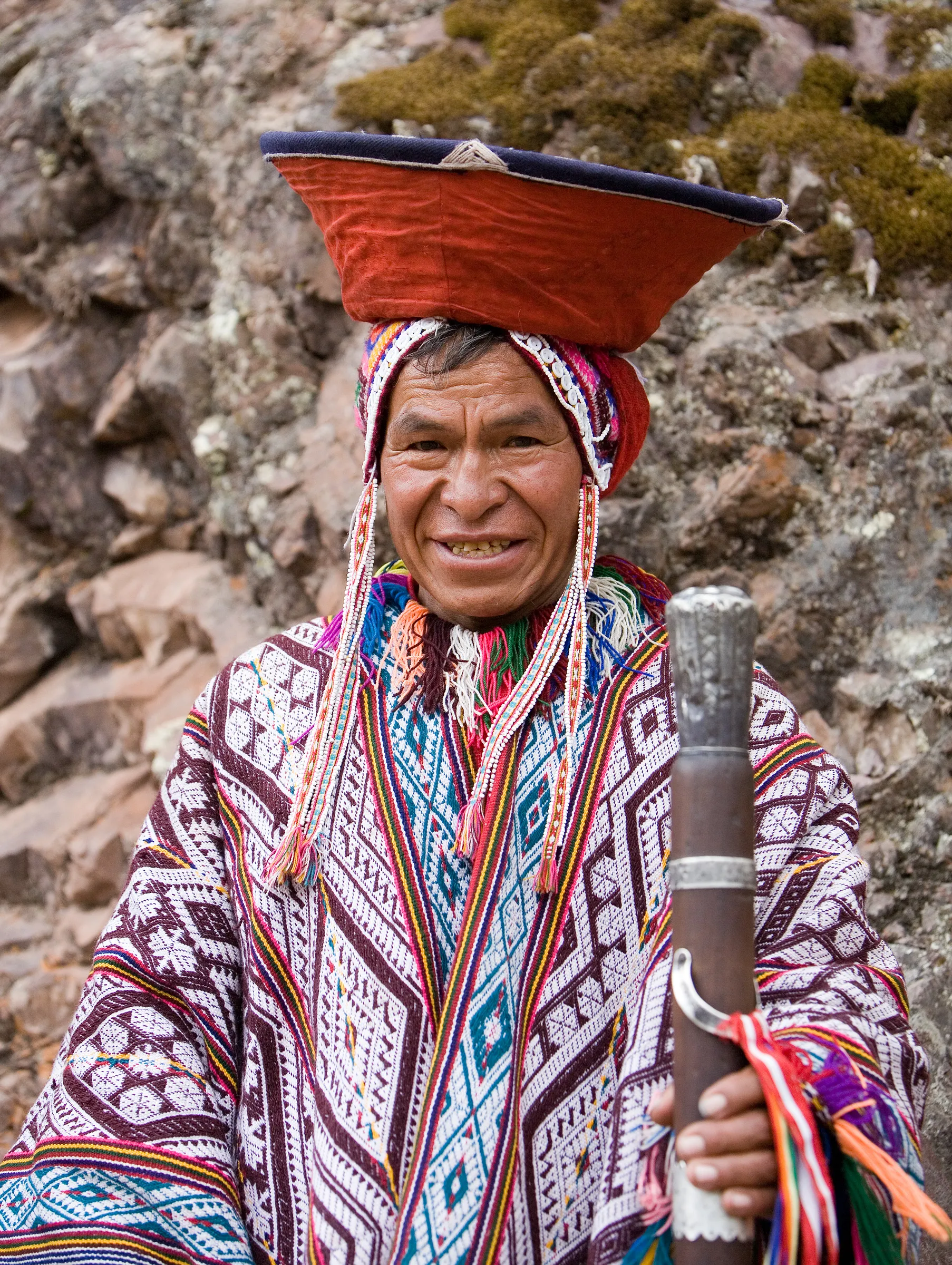
South American Poncho Culture
Every Coachella season, it comes as no surprise to see an influencer or attendee wearing a poncho from Missoni. Colorful, knitted, and effortlessly chic, a Missoni poncho is a staple in every girl’s festival outfit.
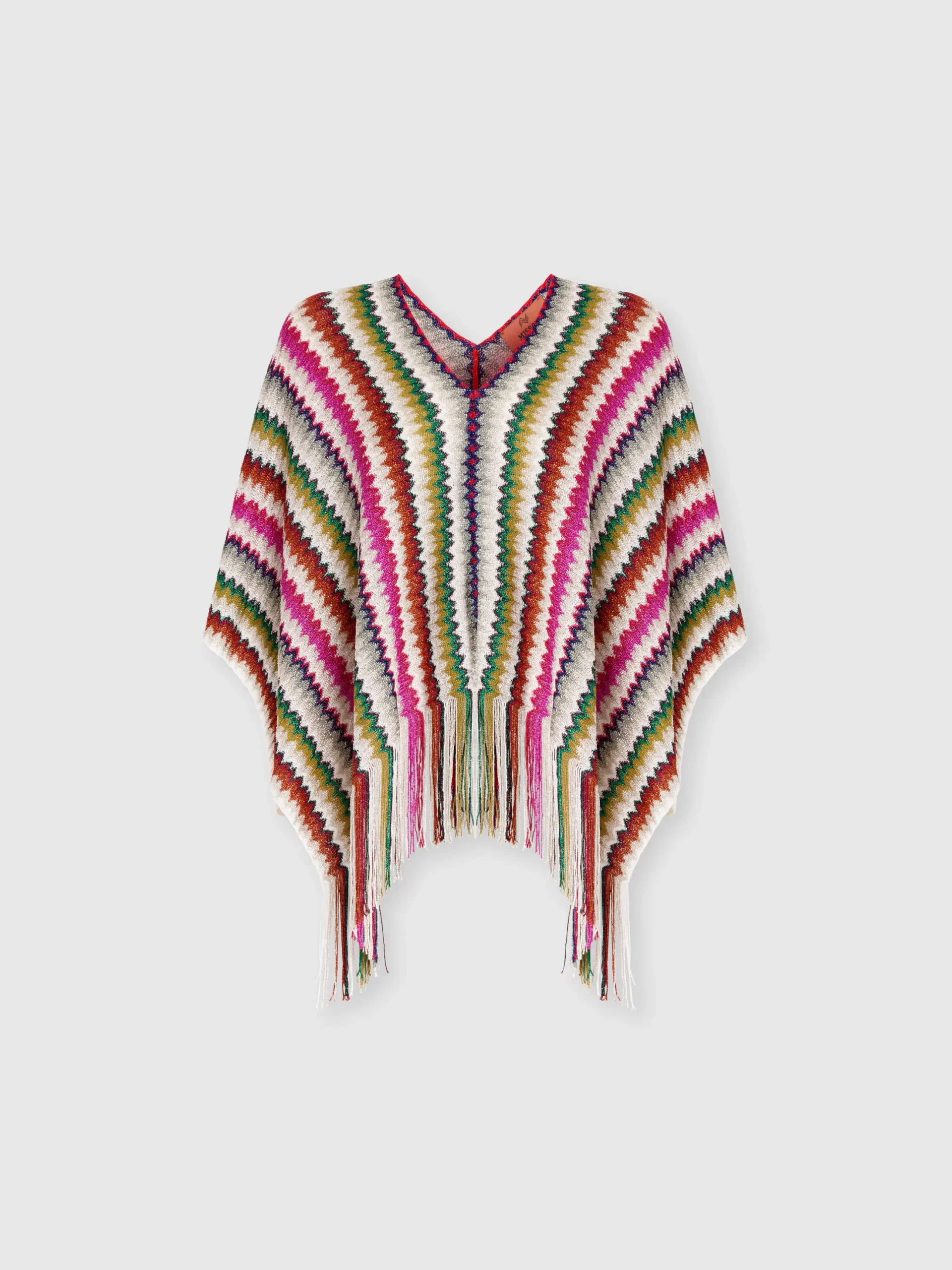
The beloved sleeveless garment originated in South America along the Andes Mountains. It was worn as protective gear against the region’s harsh weather and shifting seasons. Ponchos were woven from alpaca, llama, or vicuña wool, making them warm, durable, and breathable.
Tropical Sarong
A sarong is essential for any beach trip outfit. Often worn as a stylish bikini cover-up, it serves as a versatile transition piece for resort wear. Today’s sarongs are often designed to resemble skirts while retaining the classic sarong silhouette. Pucci, for instance, offers an incredible line of sarongs.
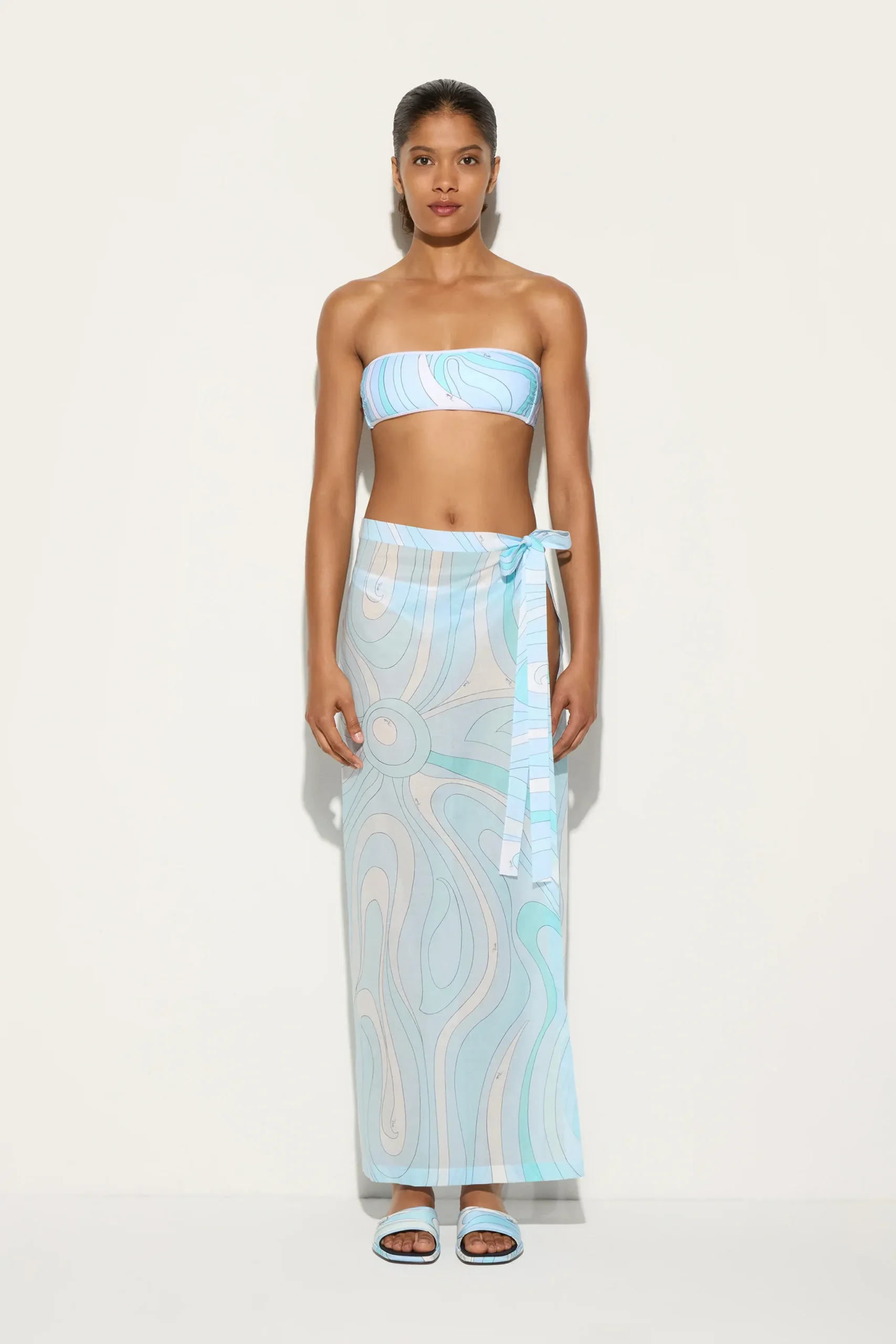
Sarongs originate from Southeast Asia, particularly Indonesia and Malaysia. This traditional garment is a wraparound skirt worn by both men and women, typically made from colorful fabrics and used for various purposes, from ceremonies to casual relaxation.