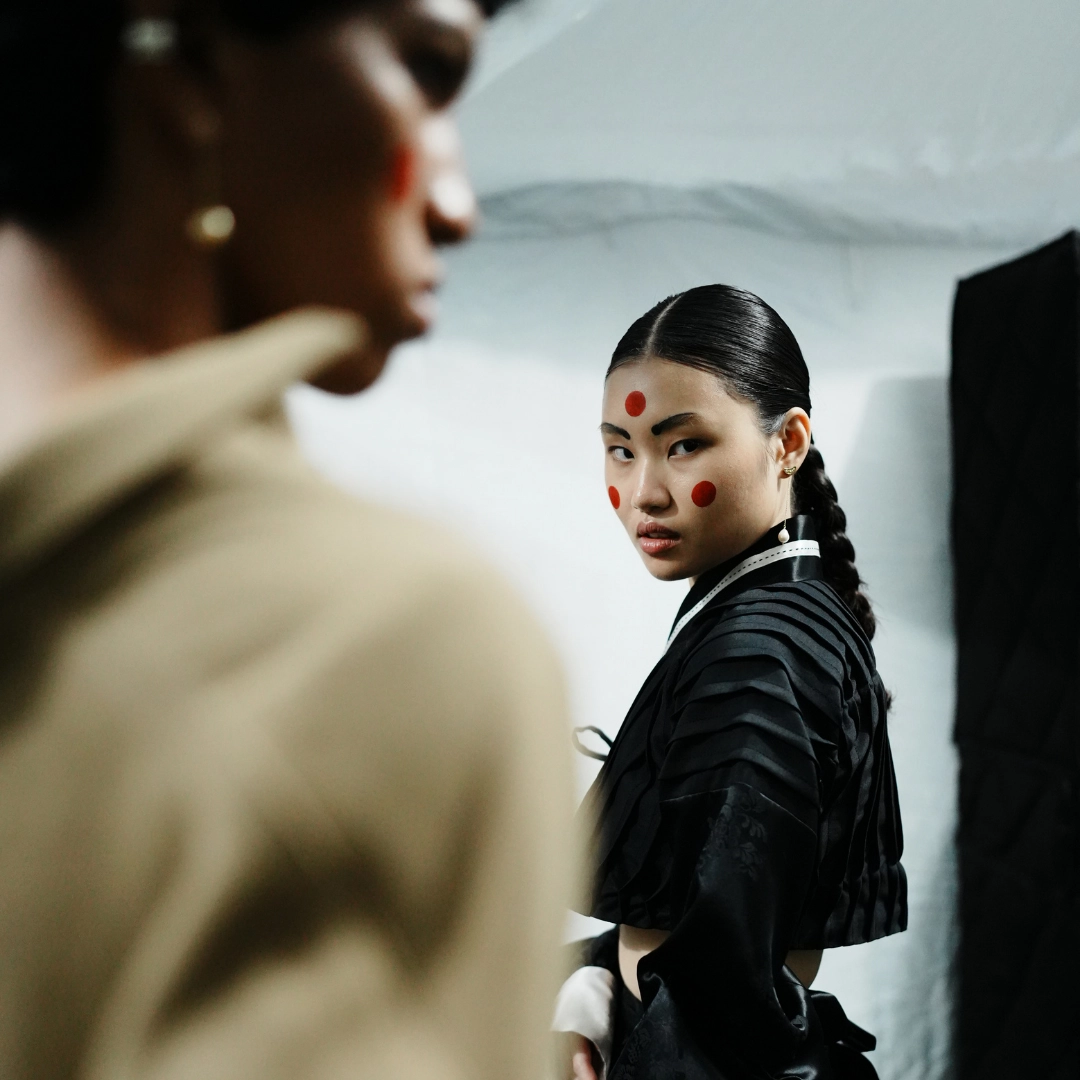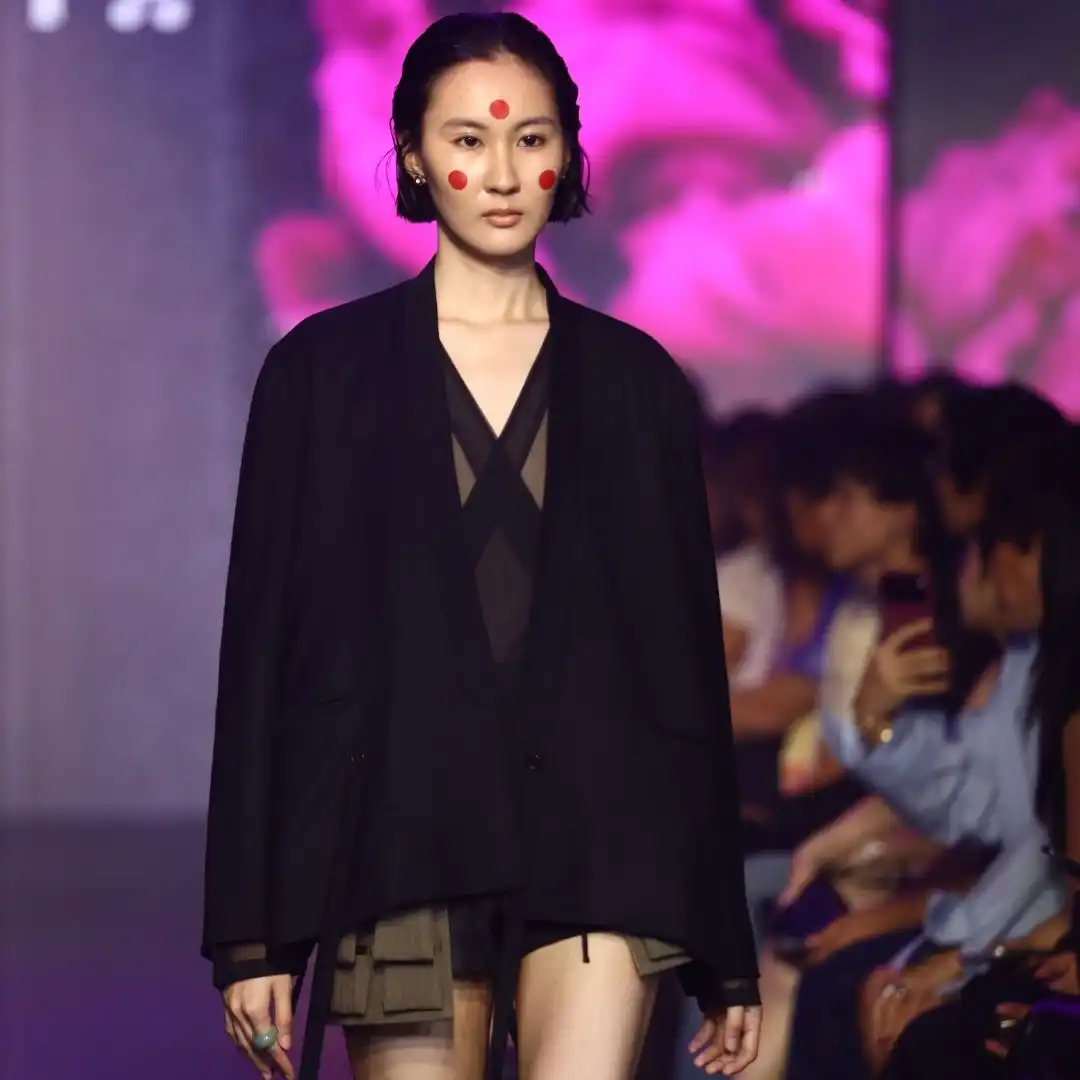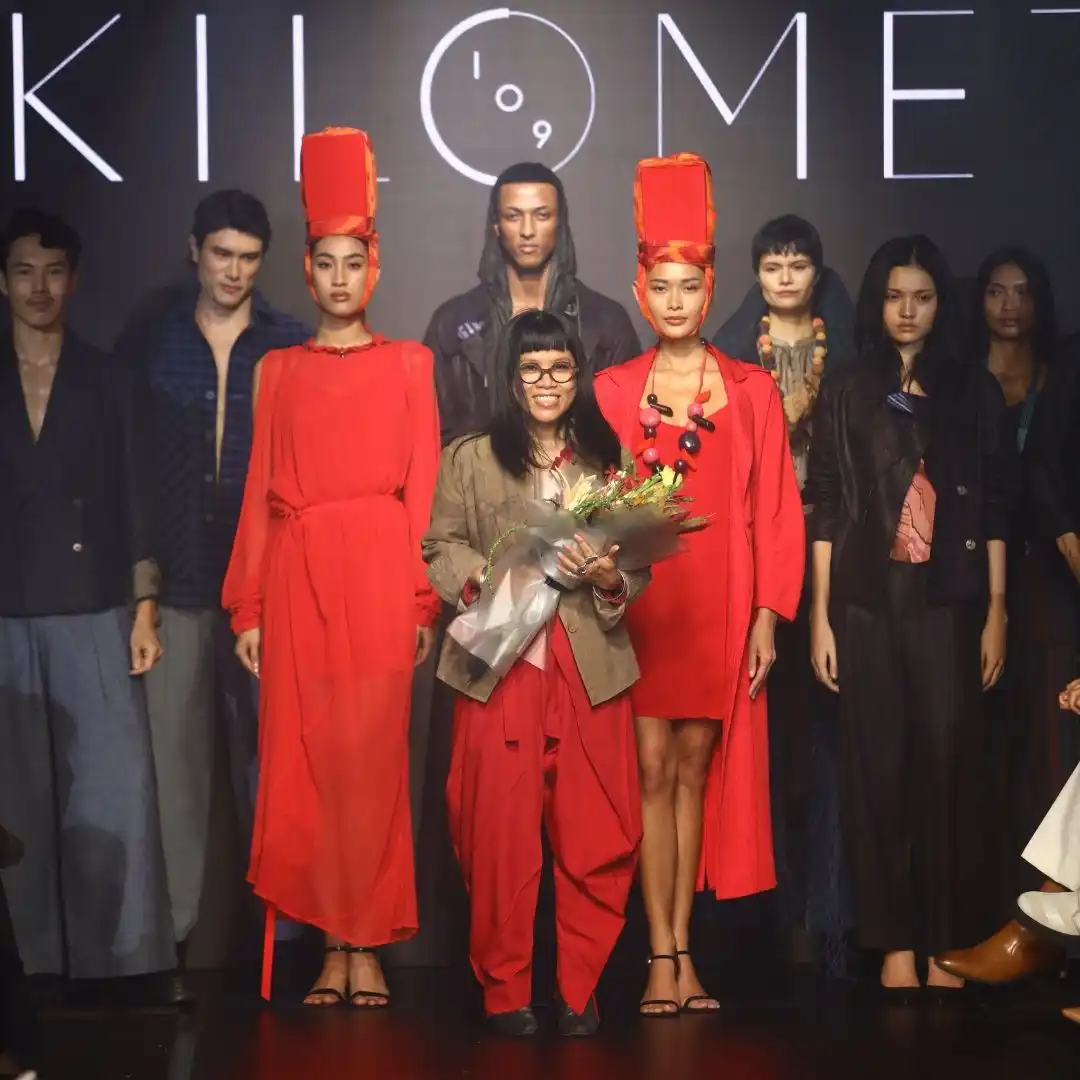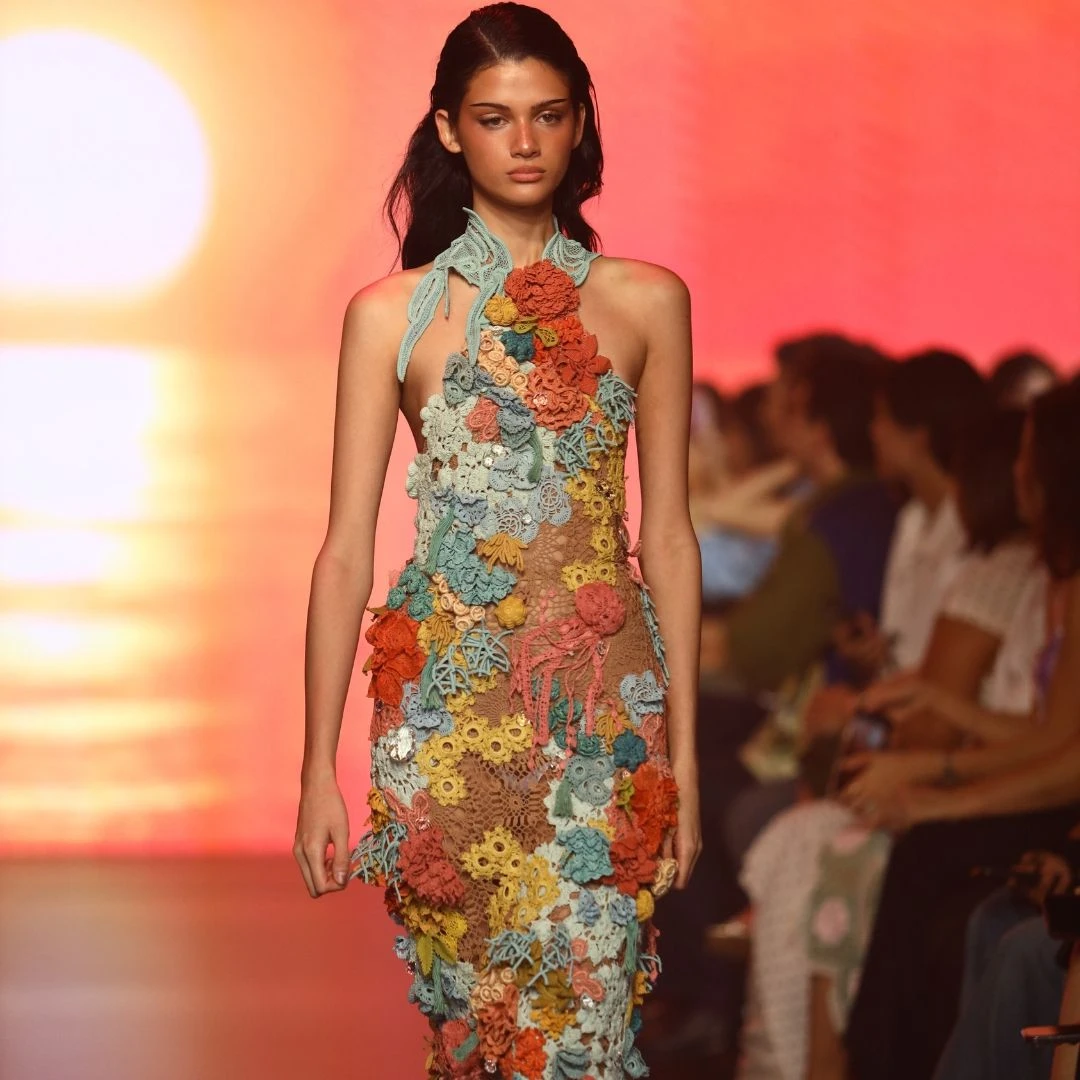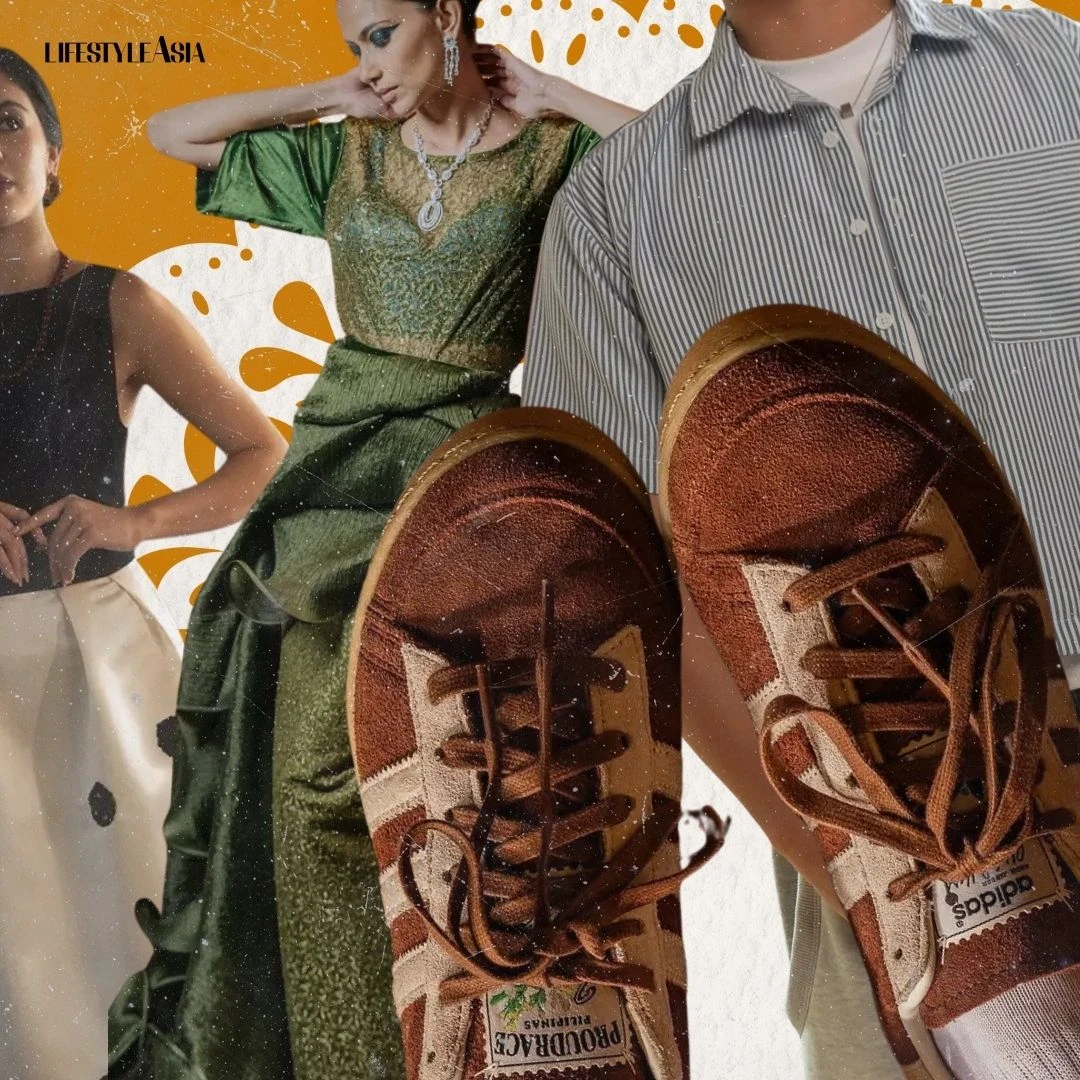
The new year marks a new era for Filipino designers, with homegrown brands breaking boundaries, going global, and finally getting the recognition they deserve.
In the fourth quarter of 2025, Adidas and local Filipino brand Proudrace dropped a major collaboration that instantly caught the attention of the local fashion and streetwear scene. The unexpected capsule blends Proudrace’s signature design ethos with Adidas’ athleisure-forward, sporty sensibility. Beyond the pieces themselves, the partnership signals something bigger—opening doors for Filipino fashion to be seen, recognized, and taken seriously on a global stage.
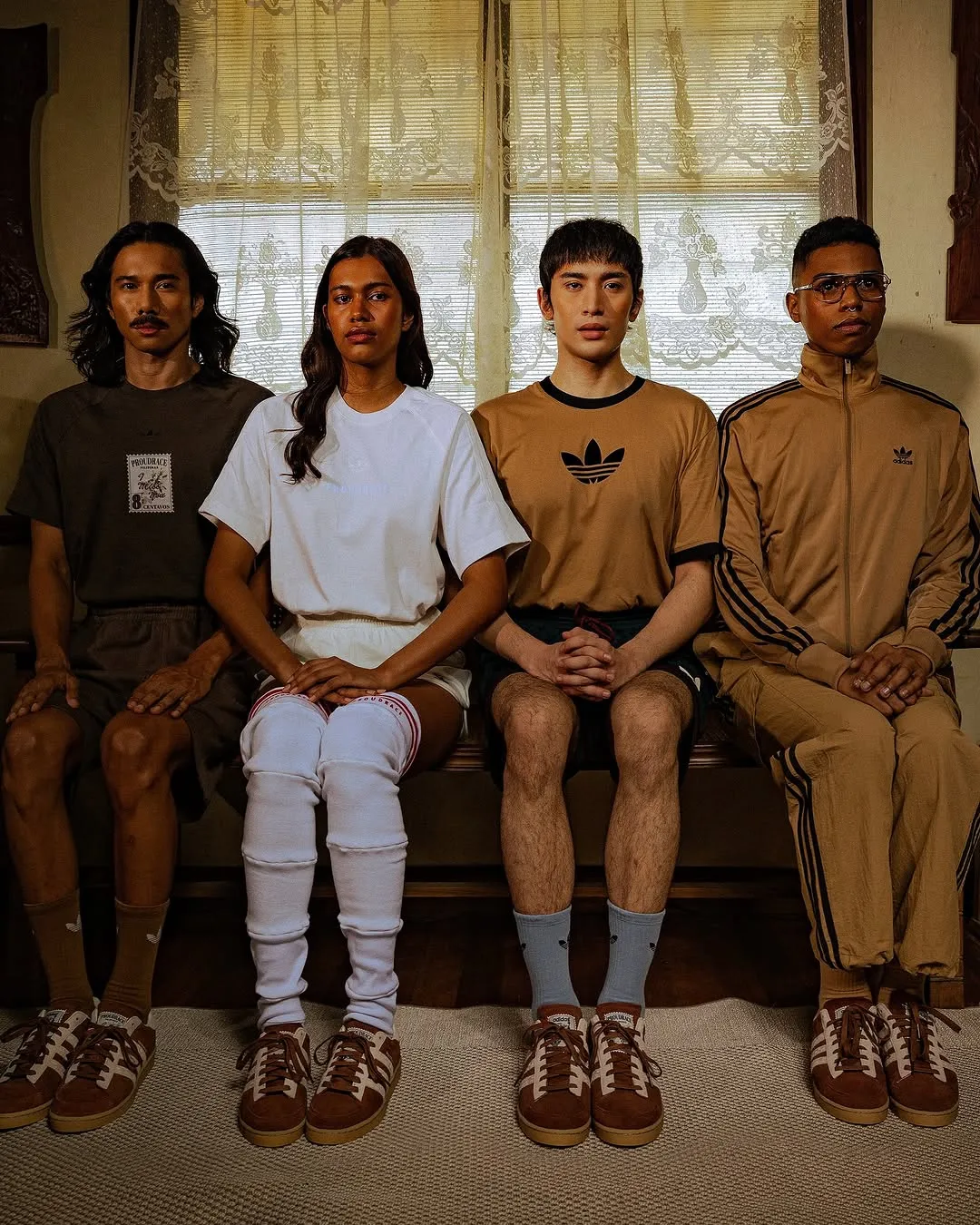
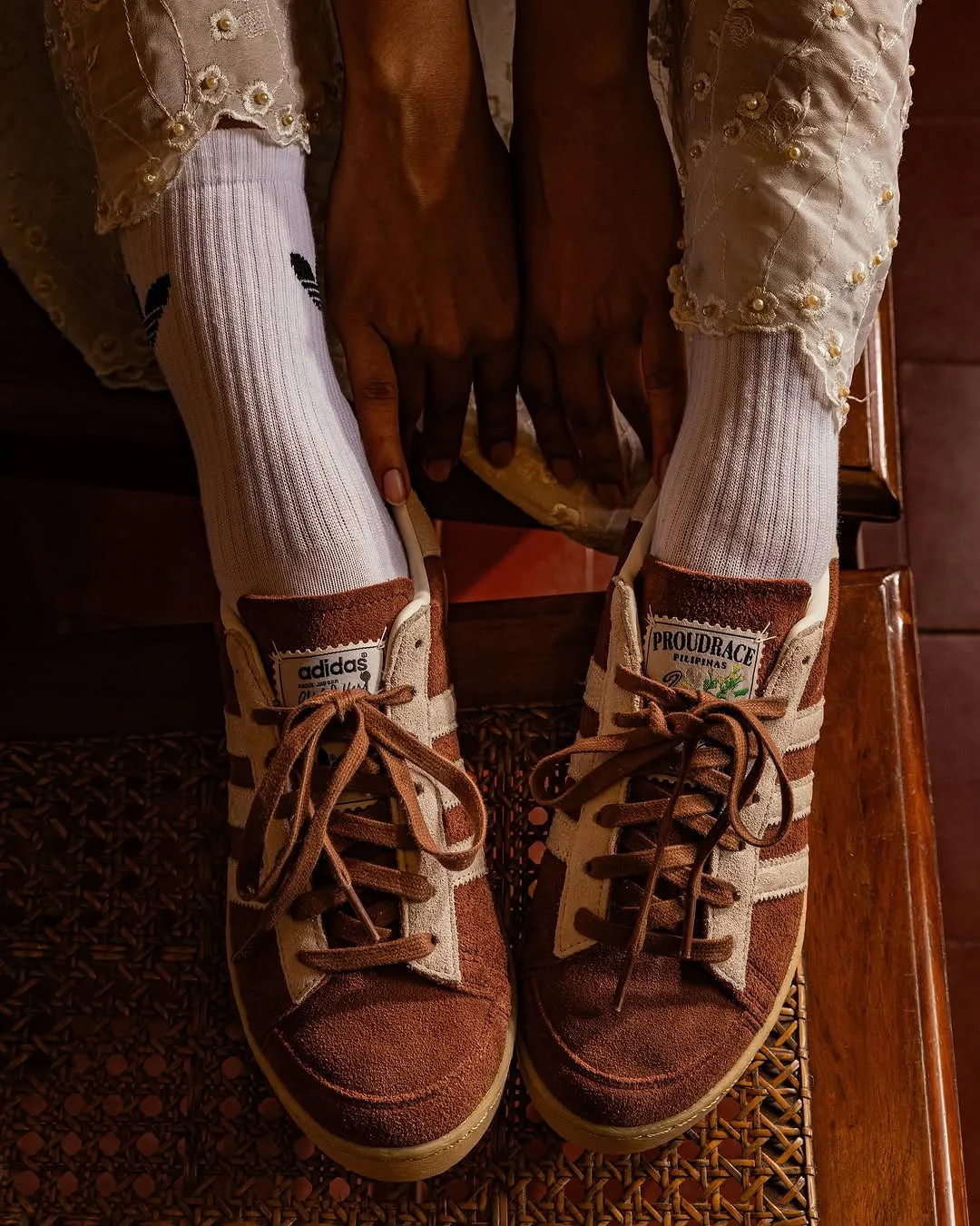
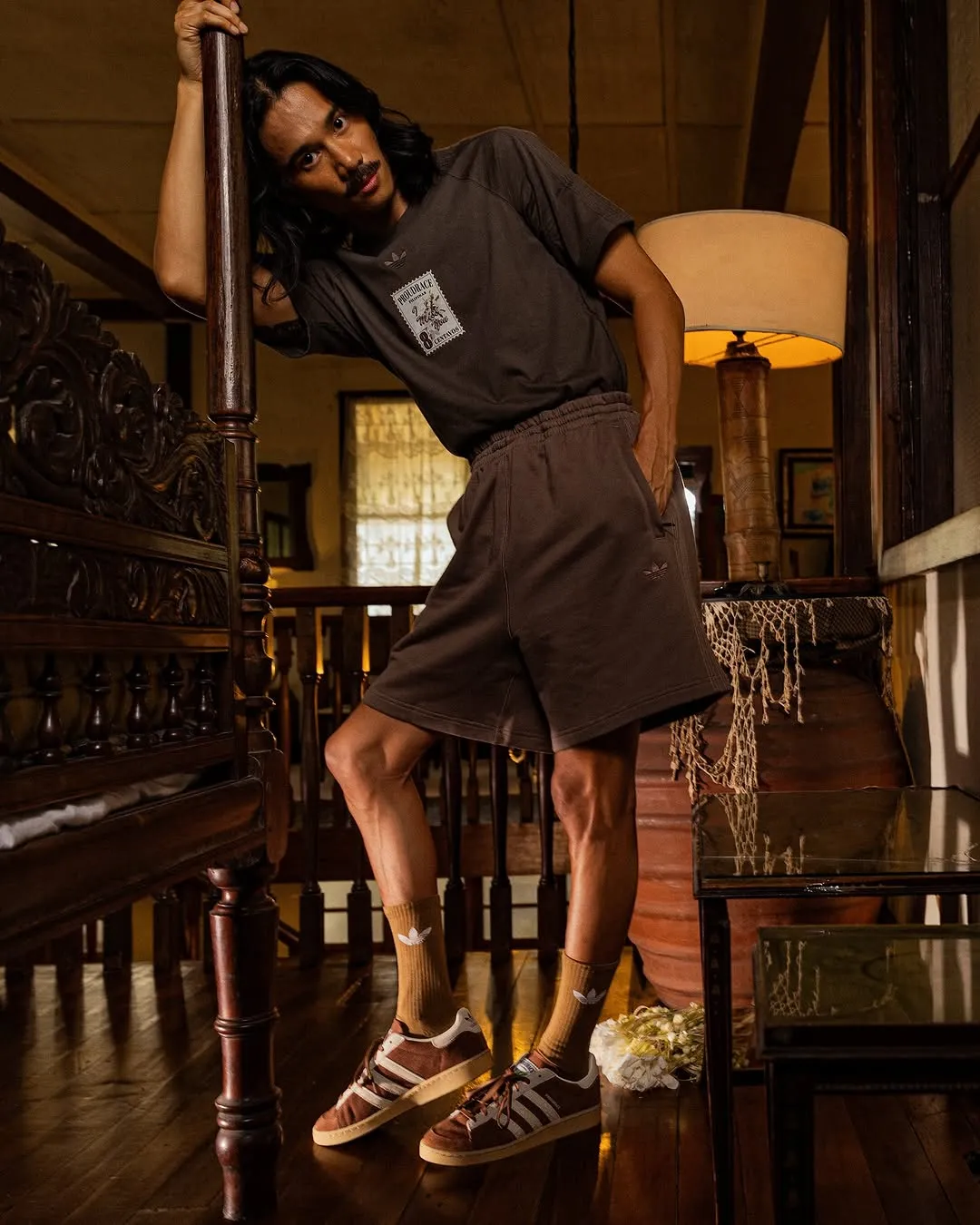
That said, this 2026, a new era for Filipino fashion awaits. With the door more open than ever, we are claiming and manifesting that local fashion brands dominate the global fashion scene. It’s finally time to turn the spotlight toward our local designers and give them the flowers they truly deserve.
READ ALSO: Your Guide To Finding The Right Pair Of Jeans
Indications From 2025
The past year has been an eventful one for the local fashion industry. We saw a wave of new homegrown brands emerge, young designers taking the leap and launching their own labels, and seasoned creatives returning with fresh collections. And really, it feels like this is only the beginning.
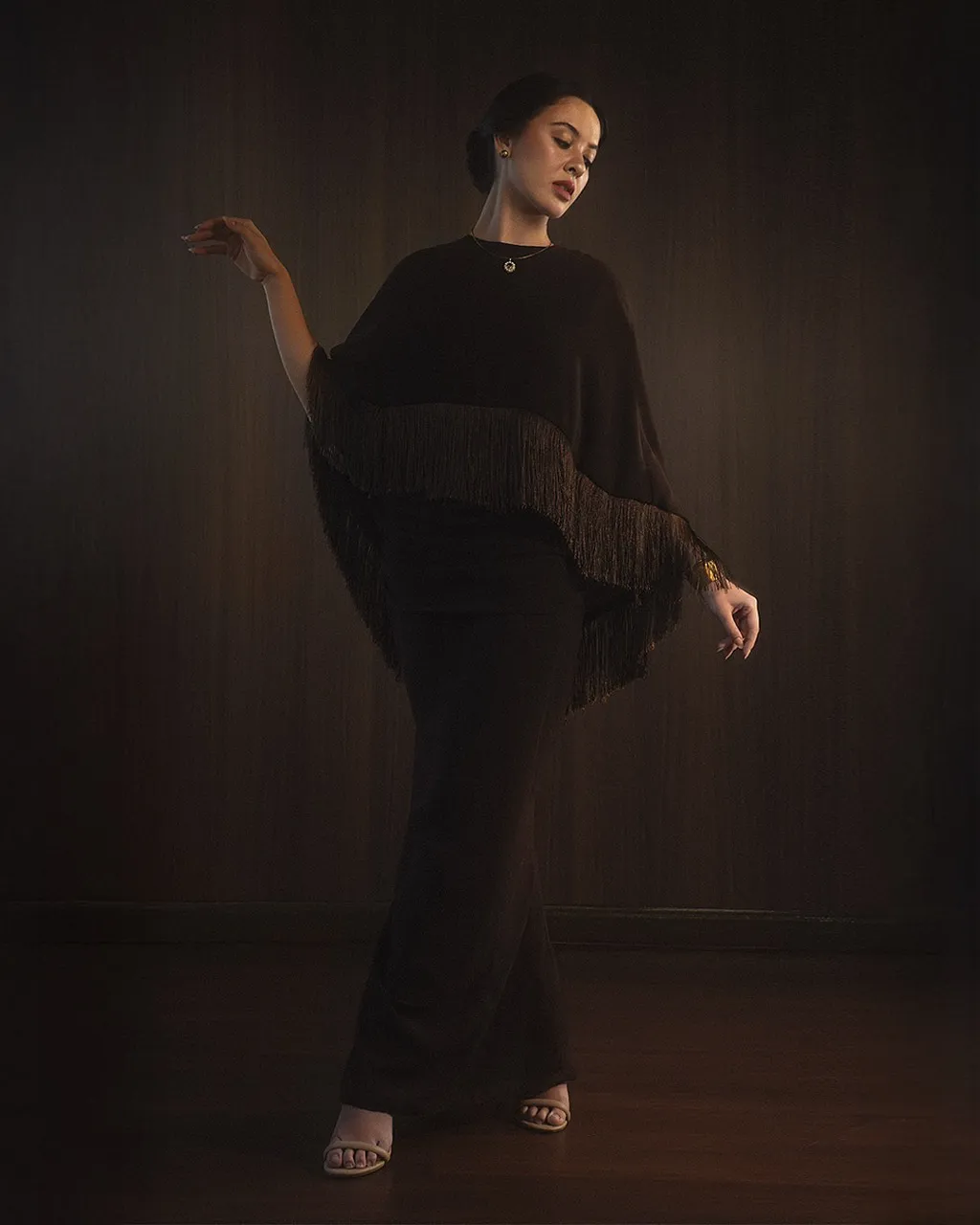
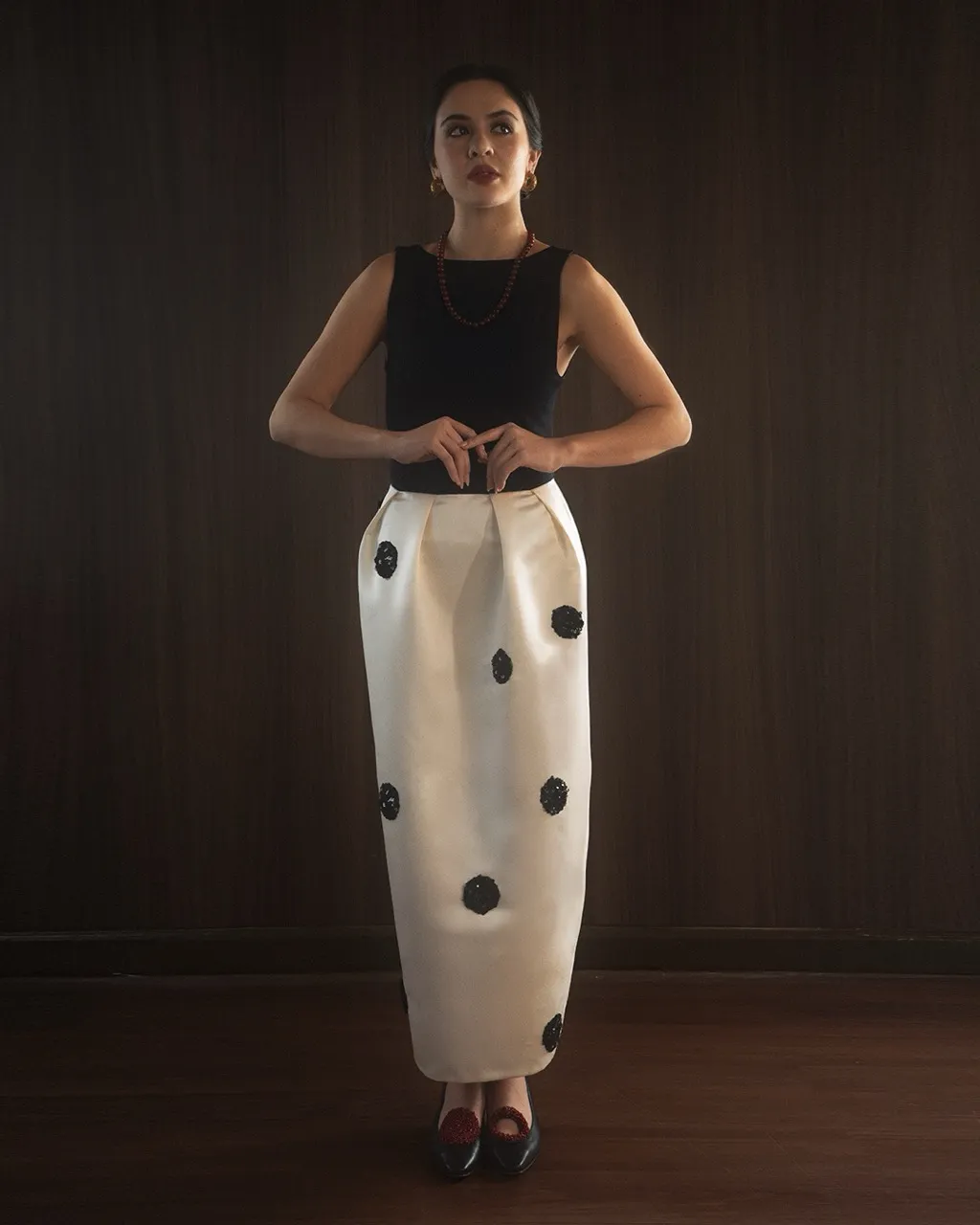
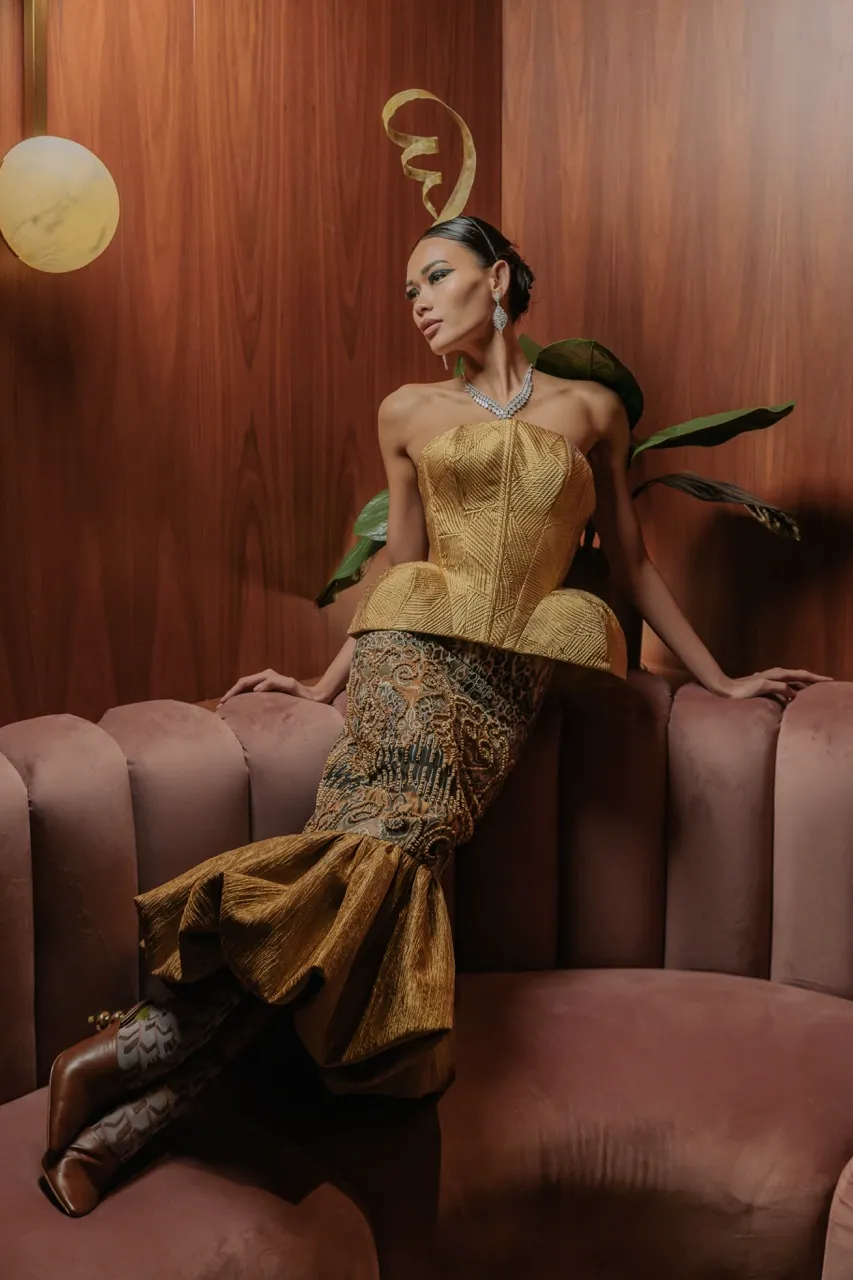
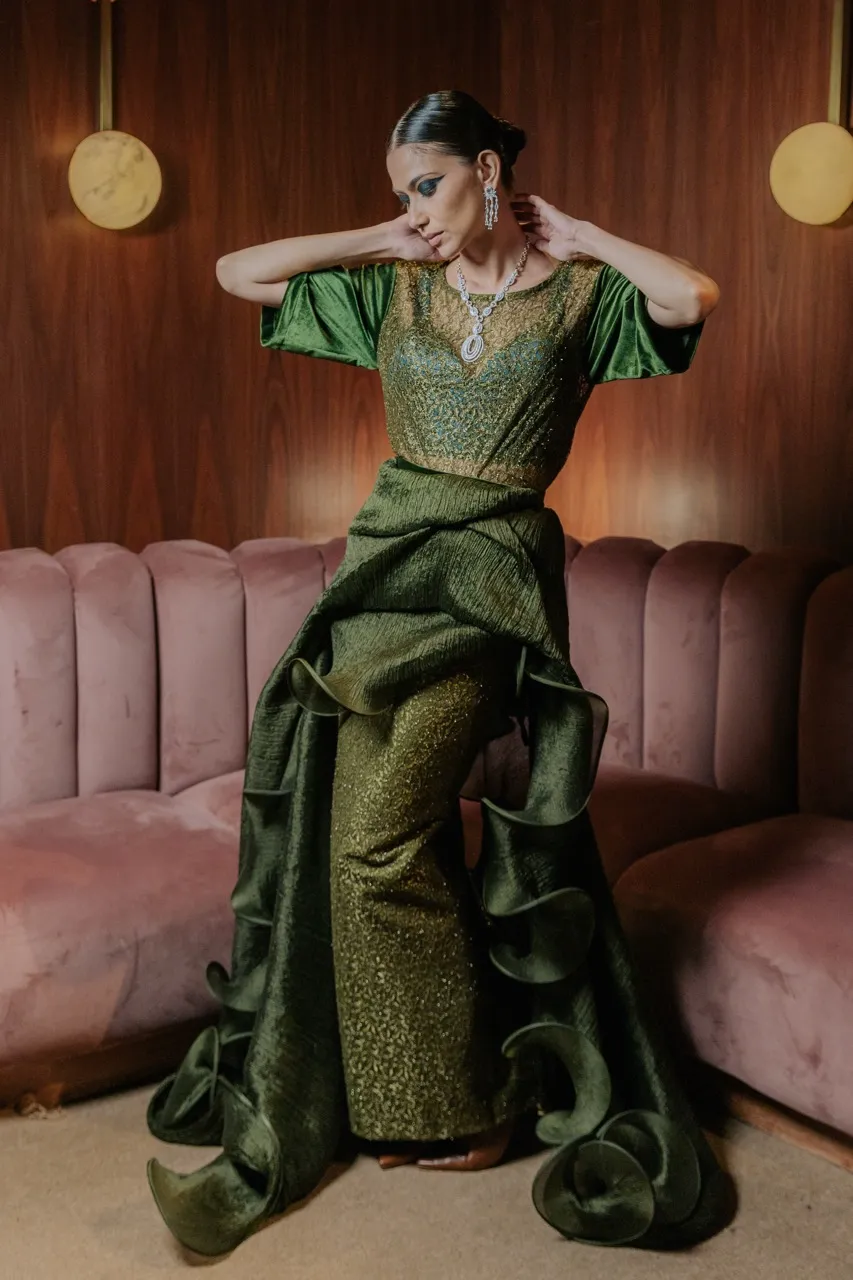
Beyond the rise of local brands, fashion fairs also found their moment in 2025. Where once people mainly looked to Artefino and the MaArte Fair, newer platforms like the Katutubo Pop-up Market and Purveyr Fair stepped in—giving up-and-coming designers a chance to showcase their work to a wider audience. These fairs didn’t just draw crowds; they sparked real buzz on social media, pulling in even those who don’t usually follow fashion and getting them curious about local brands.
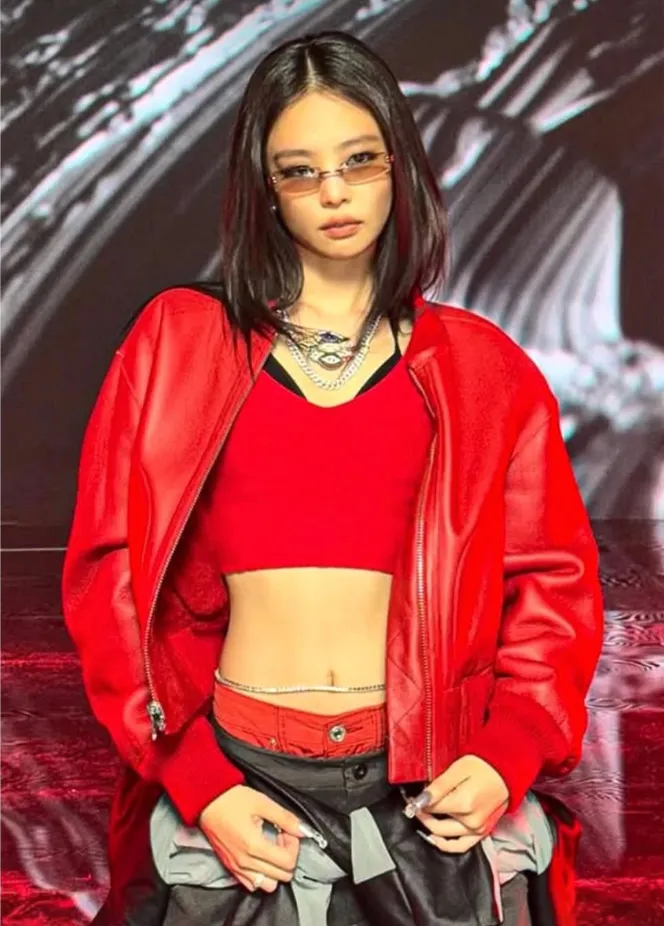
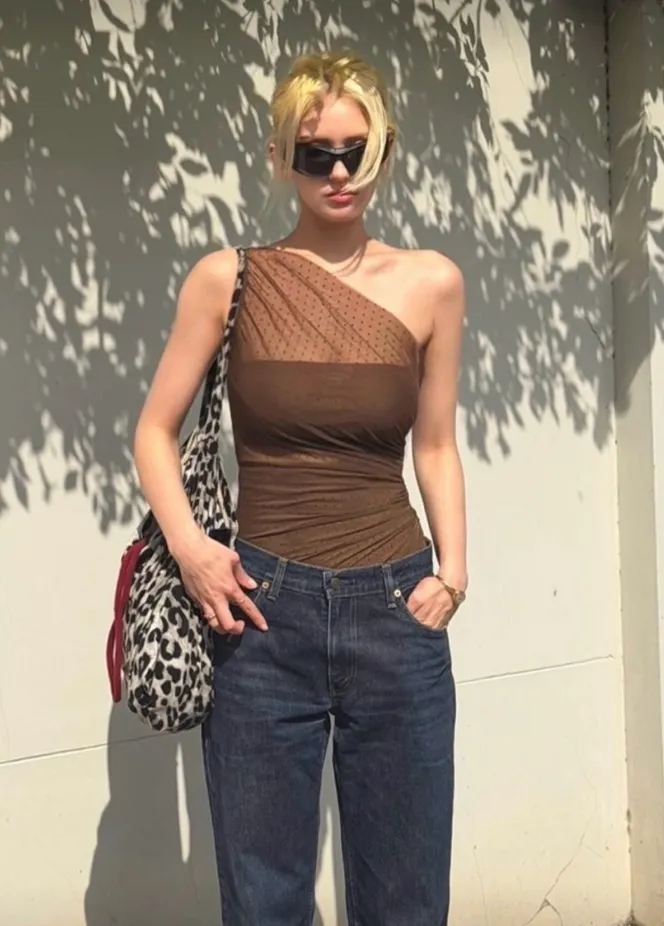
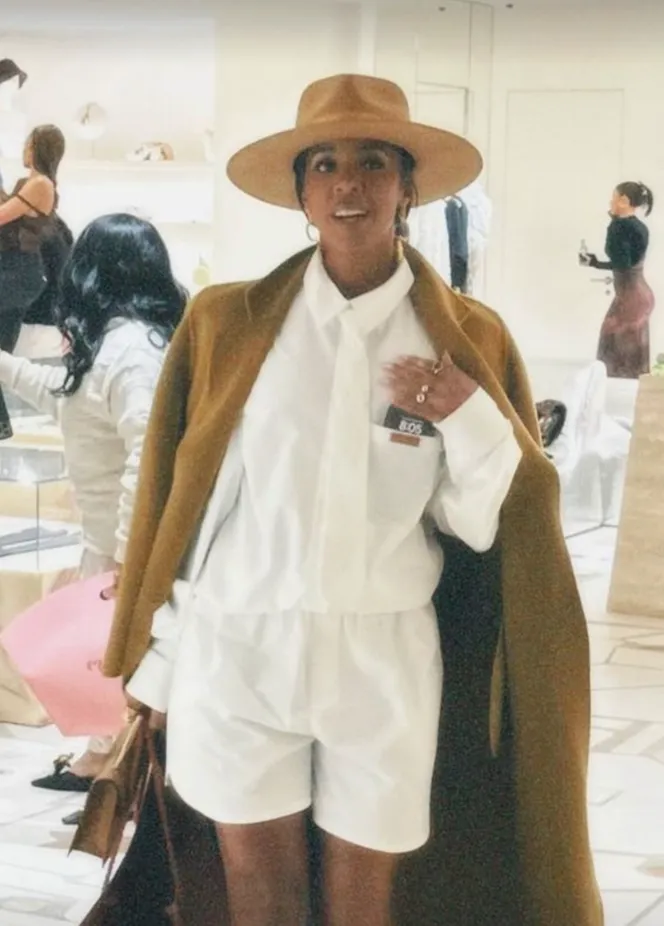
Moreover, there was also a noticeable increase in international personalities wearing pieces from Filipino designers and brands. Take Patton, for example (a personal favorite, if I may add), worn by the likes of Jennie of BLACKPINK, Kelly Rowland, and K-pop stars such as Jeon Somi. I’m not saying local designers need—or are asking for—foreign validation. But moments like these help introduce the international fashion audience to the brilliance of our homegrown creatives.
Local Fashion Domination On All Levels
You’ve probably scrolled through your TikTok For You Page and seen pinstripe barrel pants being sold through a livestream, or a raw denim jacket being advertised by a micro-influencer through an OOTD check video with a TikTok Shop link attached to it. Surprisingly, a lot of these pieces are actually by local brands.
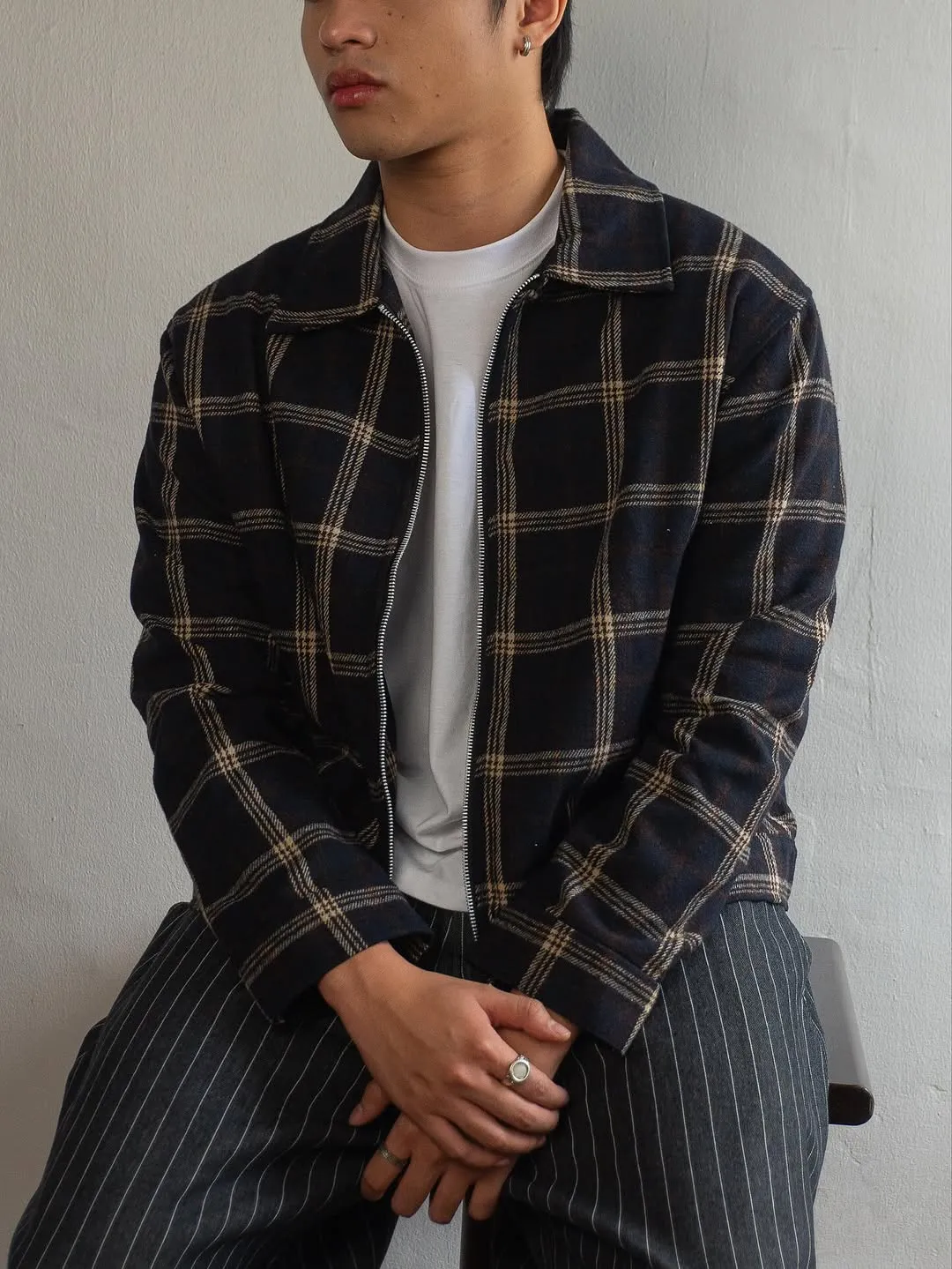
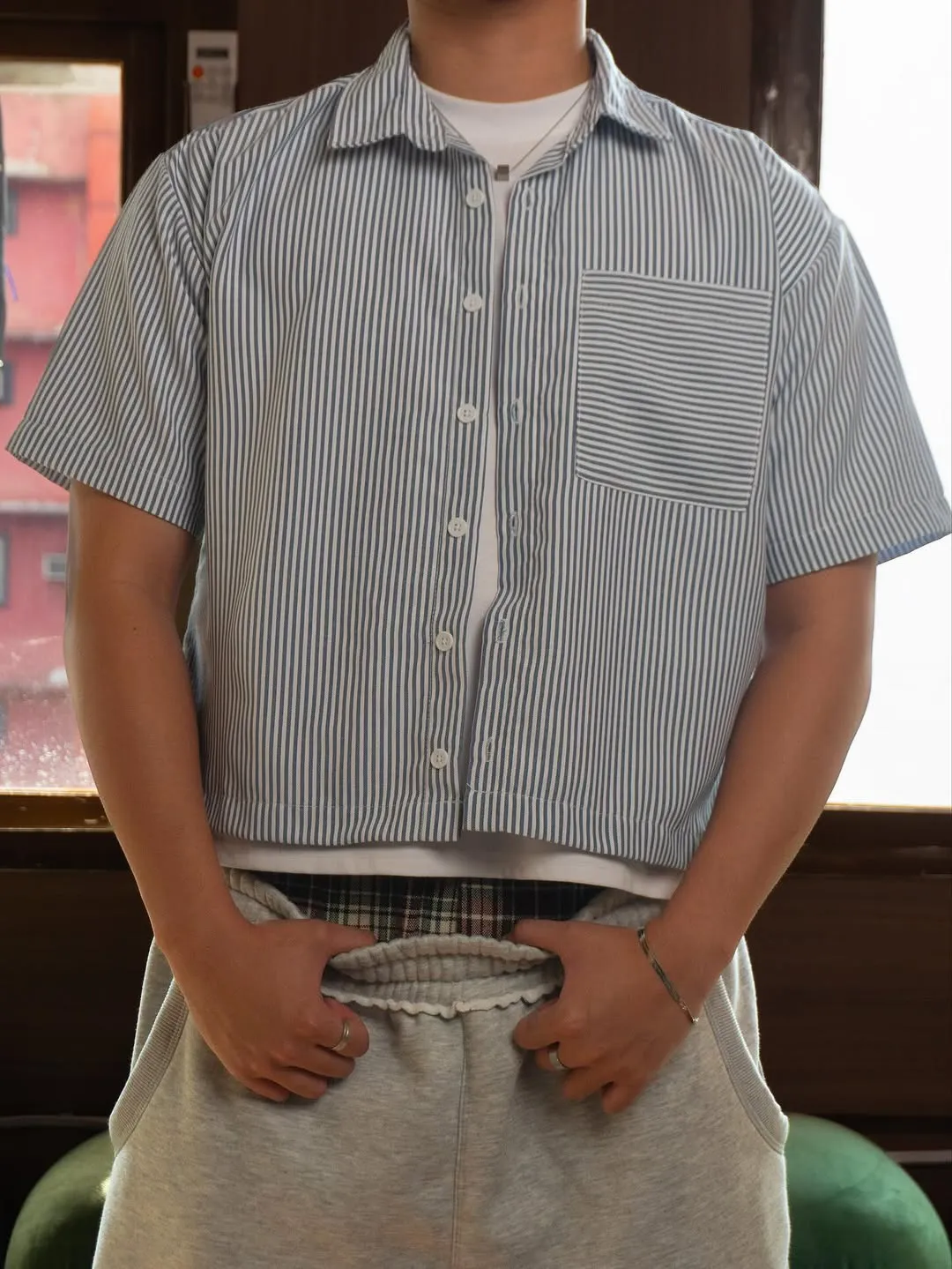
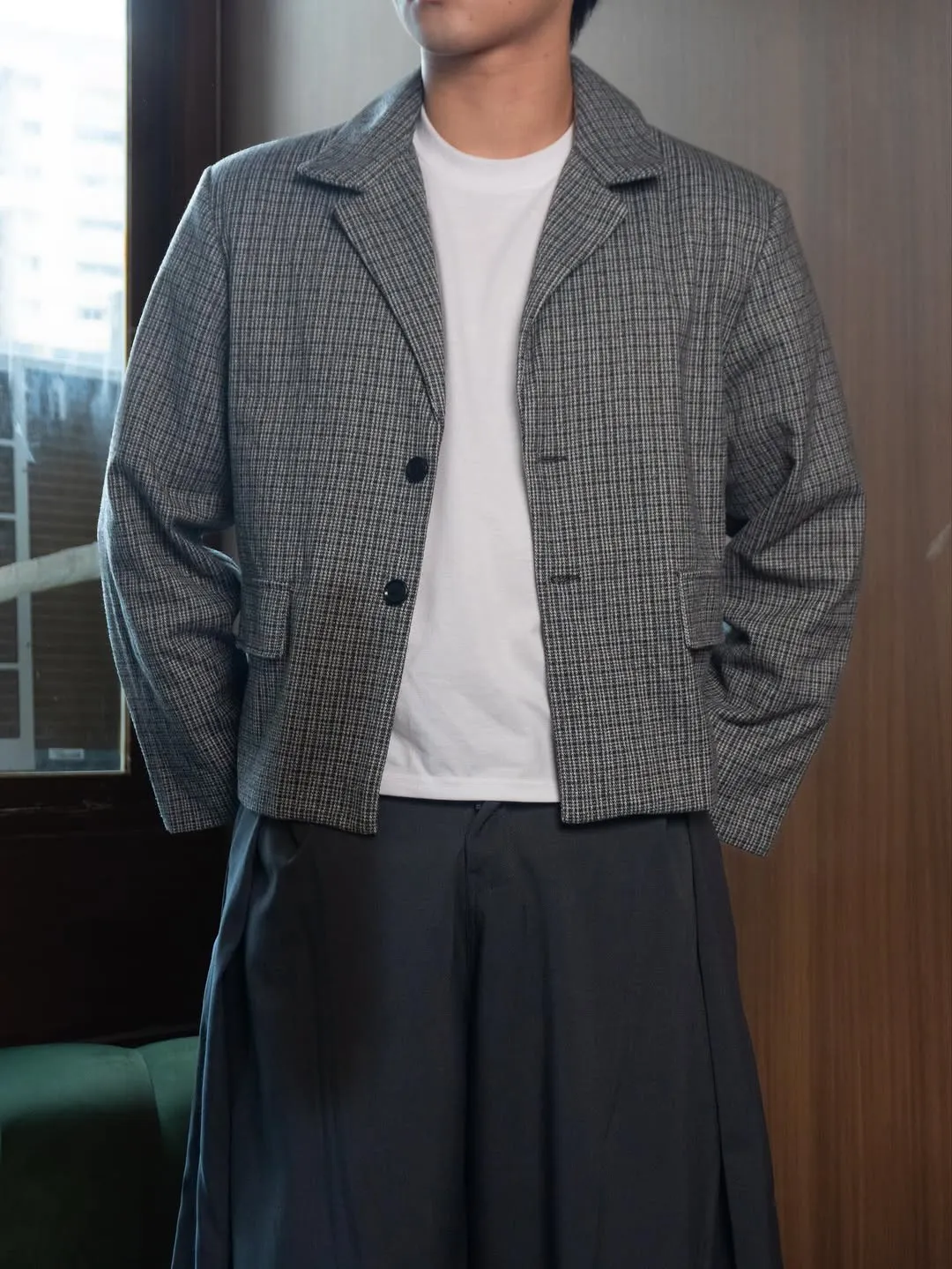
Filipino fashion has long carried a certain high-brow connotation—a cloud of exclusivity that makes it feel like an ‘if-you-know-you-know’ world. But with the rise of TikTok Shop, more emerging local brands, often more affordable, have found their audience online. This has made it possible for even those who don’t usually attend fashion fairs or markets to wear pieces proudly made and sold by local designers.
Gone are the days when local fashion chased niche international brands while the casual shopper settled for basics. Filipino fashion, whether on TikTok Shop, at a pop-up market, or in a designer’s atelier, is rising, thriving, and finally having its moment. This is our time. Homegrown talent is finally claiming the spotlight, and we’re here for it.
Frequently Asked Questions
The collaborative drop between Adidas and local streetwear mainstay Proudrace serves as a critical commercial milestone for domestic fashion. By infusing Proudrace’s deconstructed, avant-garde design language into global athleisure frameworks, the partnership validates Filipino streetwear architecture on an international industrial scale.
Premium domestic basics and resortwear studio Patton has gained extensive global visibility after being integrated into the personal wardrobes of prominent international pop-culture figures. High-profile placements include Jennie of BLACKPINK, global R&B artist Kelly Rowland, and South Korean pop musician Jeon Somi.
While foundational platforms like Artefino and the MaArte Fair historically set preservation standards, newer iterations like the Katutubo Pop-up Market and Purveyr Fair have democratized luxury access. These interactive markets cultivate viral digital footprints, connecting independent artisanal designers with alternative consumer bases.
Filipino fashion has historically been separated by a high-brow barrier of artisanal exclusivity. The integration of algorithmic live commerce ecosystems like TikTok Shop has broken down these barriers, allowing micro-influencers and emerging independent labels (such as Made in MNL) to market raw denim and structured utility tailoring directly to mainstream consumers.
The rise of interactive video commerce platforms and direct-to-consumer digital storefronts has dismantled the historic exclusivity of Filipino design. These algorithms match independent designer ateliers with broader demographics, enabling emerging streetwear and tailored labels to market small-batch artisanal collections successfully without relying on traditional brick-and-mortar retail monopolies.