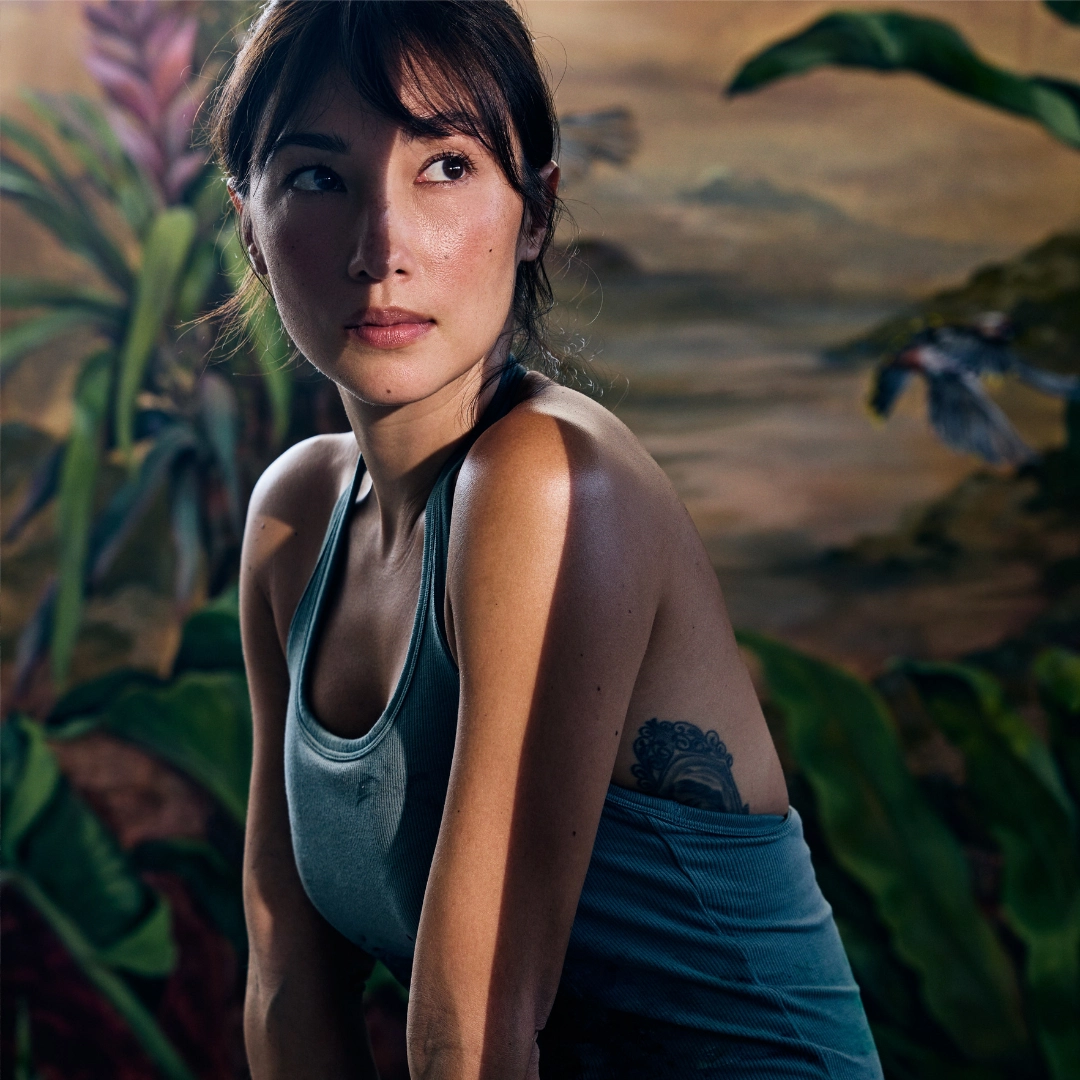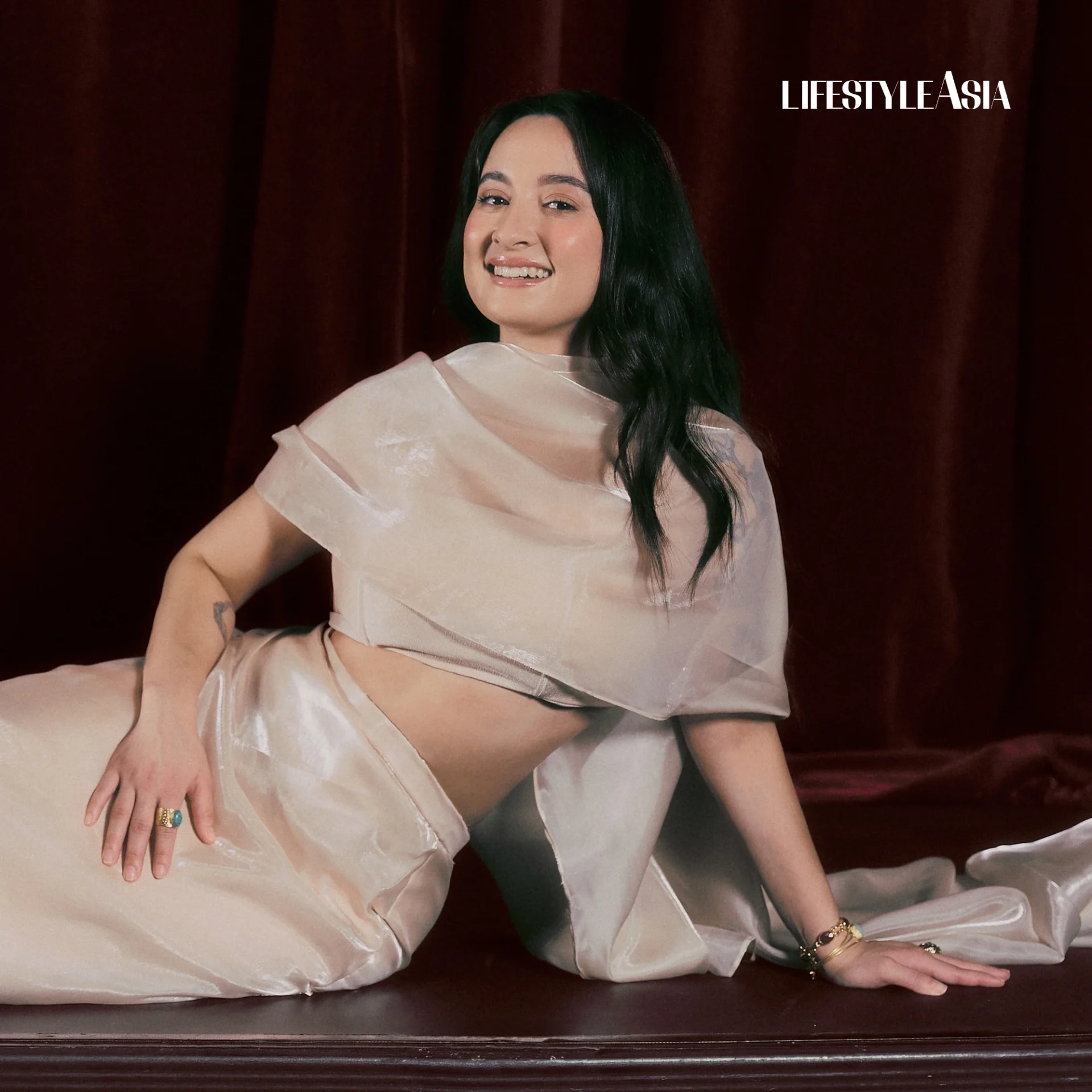
At just 17, Tallulah Proulx becomes the first Filipina to compete in the Winter Olympics, qualifying for Milano Cortina 2026 in alpine skiing and expanding what’s possible for Philippine sports.
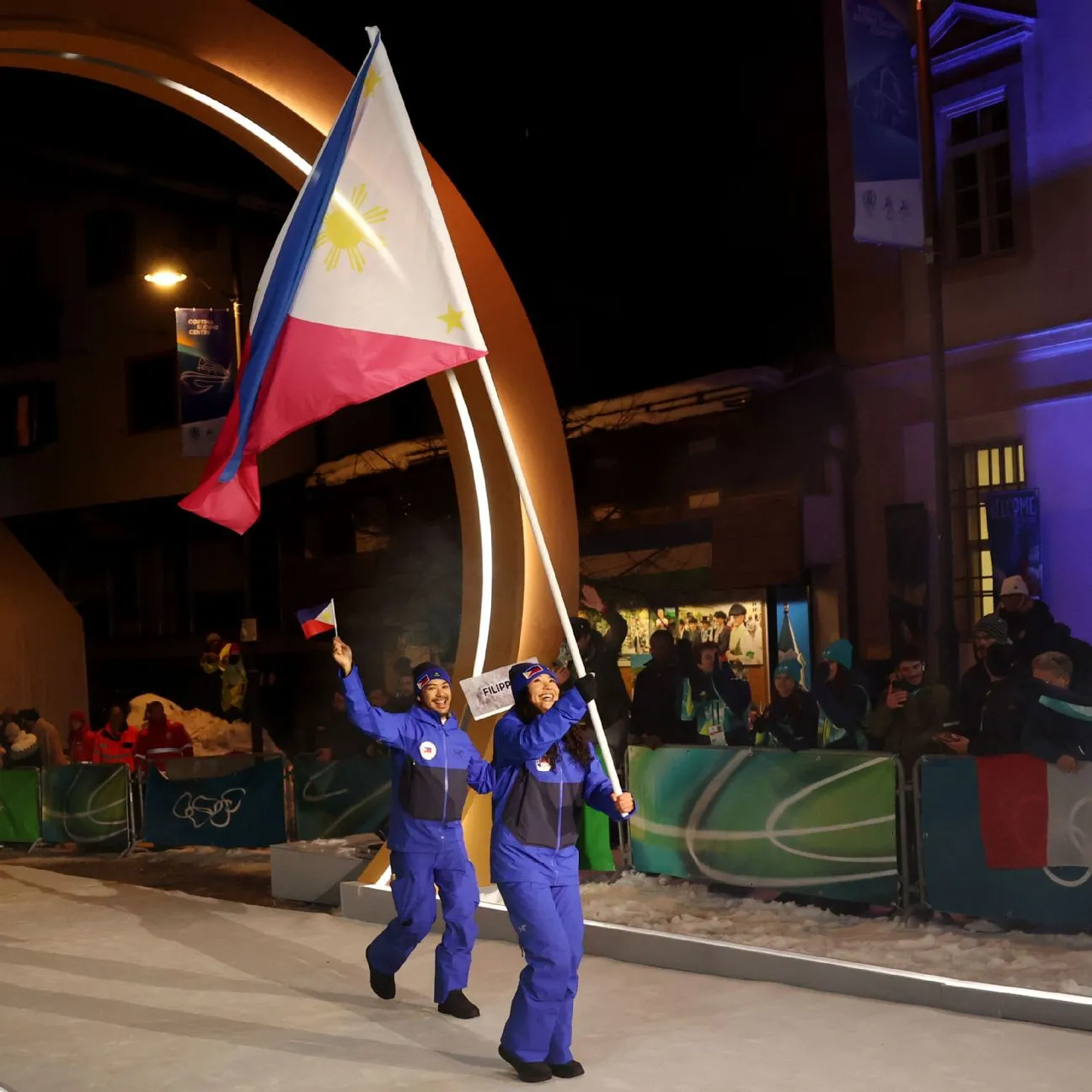
The Philippines is the last place you’d expect to have Winter Olympians representing it. After all, the country has no snow, no naturally formed ice, no frosty terrain outside our imagination. And yet, at the Winter Olympic Games Milano Cortina 2026, the Philippine flag was raised and proudly waved by two young Filipino Winter Olympians. Among them is Tallulah Proulx, who makes history as the first Filipina to represent the country at the Winter Olympics.
To put it into perspective, only six Filipino athletes have represented the country in the Winter Olympics since it began participating in 1972 (excluding this year), all men prior to Proulx. These include alpine skiers Juan Cipriano and Ben Nanasca (1972 Sapporo), Michael Teruel (1992 Albertville), and Asa Miller (2018 Pyeongchang and 2022 Beijing); luge athlete Raymond Ocampo (1988 Calgary); and figure skater Michael Christian Martinez (2014 Sochi and 2018 PyeongChang). The seventh is Francis Ceccarelli, who competes alongside Proulx at this year’s Milano Cortina Games.
READ ALSO: Aleah Sia Brings The Sun’s Warmth To The Vanity Table
Getting To Know Tallulah
Proulx is a 17-year-old Filipino alpine skier born in the United States. She began skiing at just three years old, strapping on her first pair of skis during a family trip to Tahoe, California. What started as a childhood experience soon became a calling. By the age of seven, she was already competing in events; it was there, on the slopes, that her Olympic dream took shape.
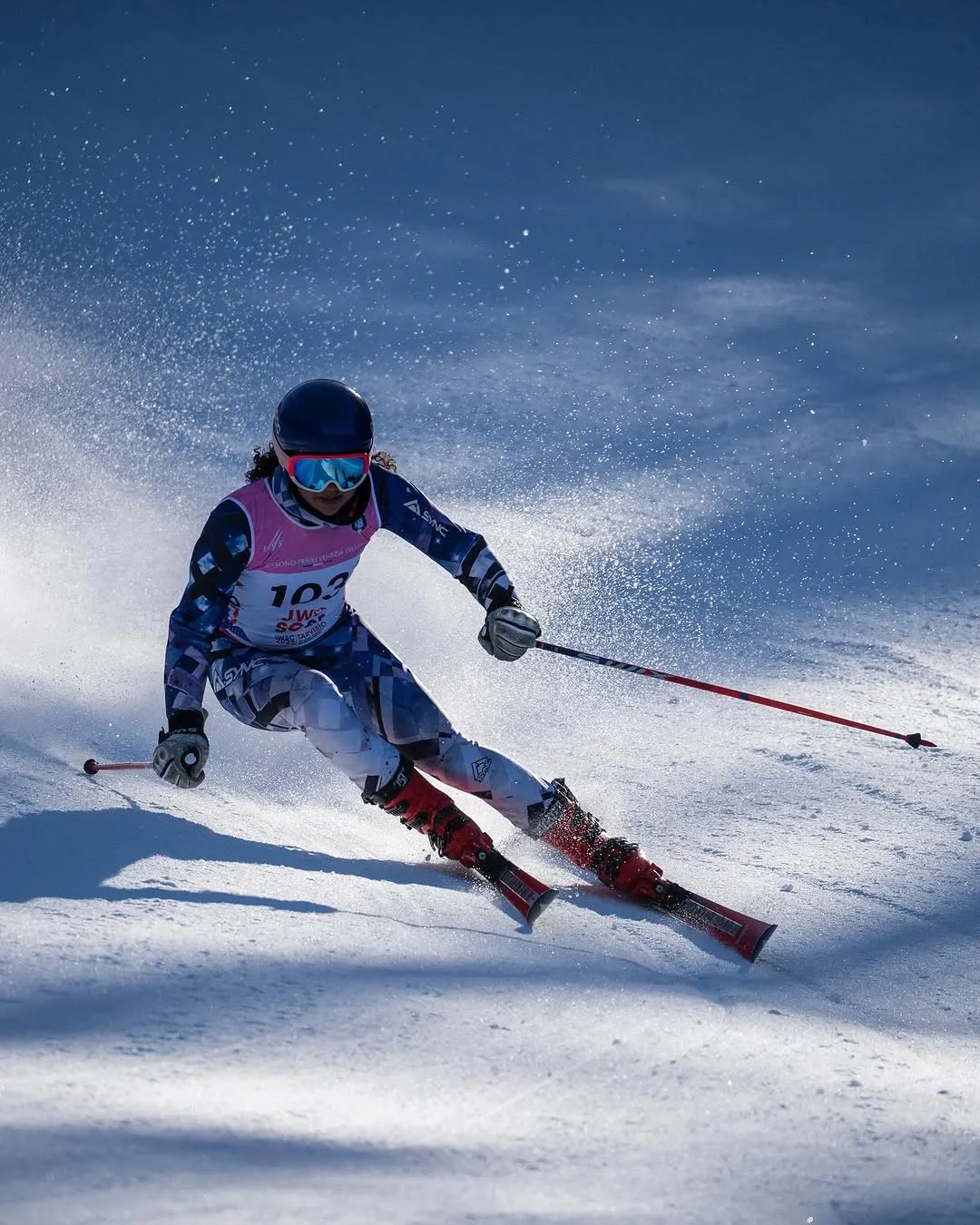
Fresh out of high school, Proulx is making history, not only as the first Filipina to compete for the Philippines in the Winter Olympics, but also as the youngest athlete ever to represent the country on the world’s biggest winter stage.
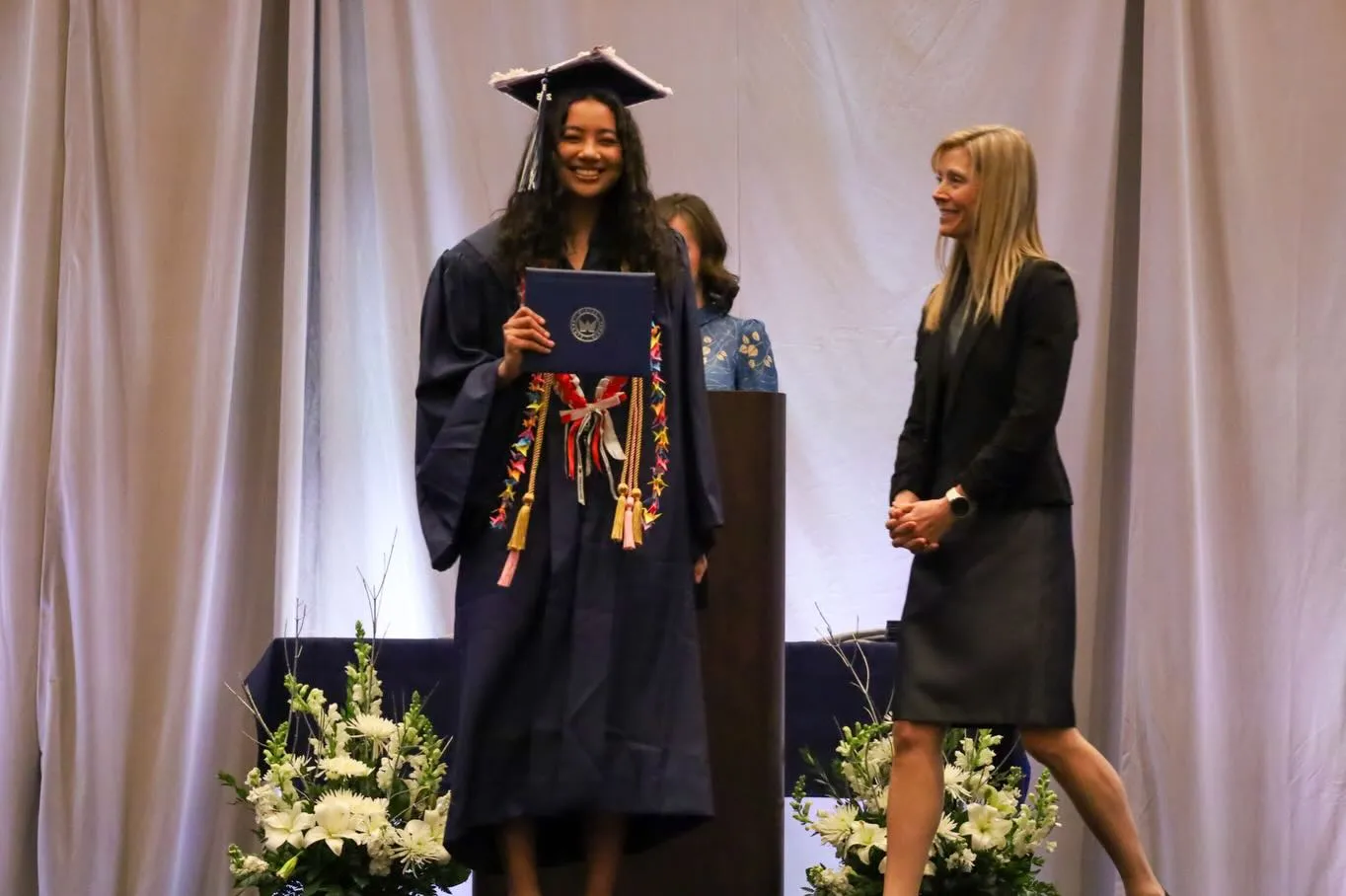
Proulx secured her place in the Winter Olympics after meeting the International Ski and Snowboarding Federation’s (FIS) qualification standard. She earned starts in both the women’s giant slalom and slalom events by reaching the required 120 FIS points. She initially fell just short of qualifying in slalom, missing the mark by a razor-thin margin. But on the final day of the qualification window, five crucial runs pushed her average down to 119.72 points, which was just enough to clinch her spot and officially book her a ticket to Milano Cortina 2026.
In an interview with ABS-CBN, Proulx says, “I’m just really happy, and I hope I can be a role model to other young Filipina girls and Filipinas in general.”
All photos via Instagram @tallulah_proulx.
Frequently Asked Questions
Tallulah Proulx competes in alpine skiing, specializing in technical events that demand precision and control. She made history as the first Filipina to qualify for the Winter Youth Olympic Games, marking a breakthrough for Philippine representation in winter sports.
Raised between cultures, Tallulah’s Filipino and Canadian heritage shaped both her identity and athletic path—blending tropical roots with access to snow التدريب environments abroad. The article highlights how her family’s support and exposure to winter sports in Canada allowed her to pursue a discipline rarely accessible to Filipinos.
Training as a winter athlete tied to the Philippines meant overcoming the absence of natural snow, requiring frequent travel overseas for proper facilities. Physically, alpine skiing’s demands—endurance, strength, and injury risk—were compounded by the financial and logistical strain of sustaining international training.
Competing in 2024 Winter Youth Olympic Games was described as deeply symbolic, bringing together years of sacrifice, travel, and family support. It represented not just personal achievement but a shared milestone for her family, who helped make her unconventional path possible.
Tallulah embraces her role as a pioneer, hoping her visibility inspires Filipinos to see winter sports as attainable despite geographic limitations. She positions her journey as proof that with determination and global access, athletes from non-traditional countries can break into elite winter competition.