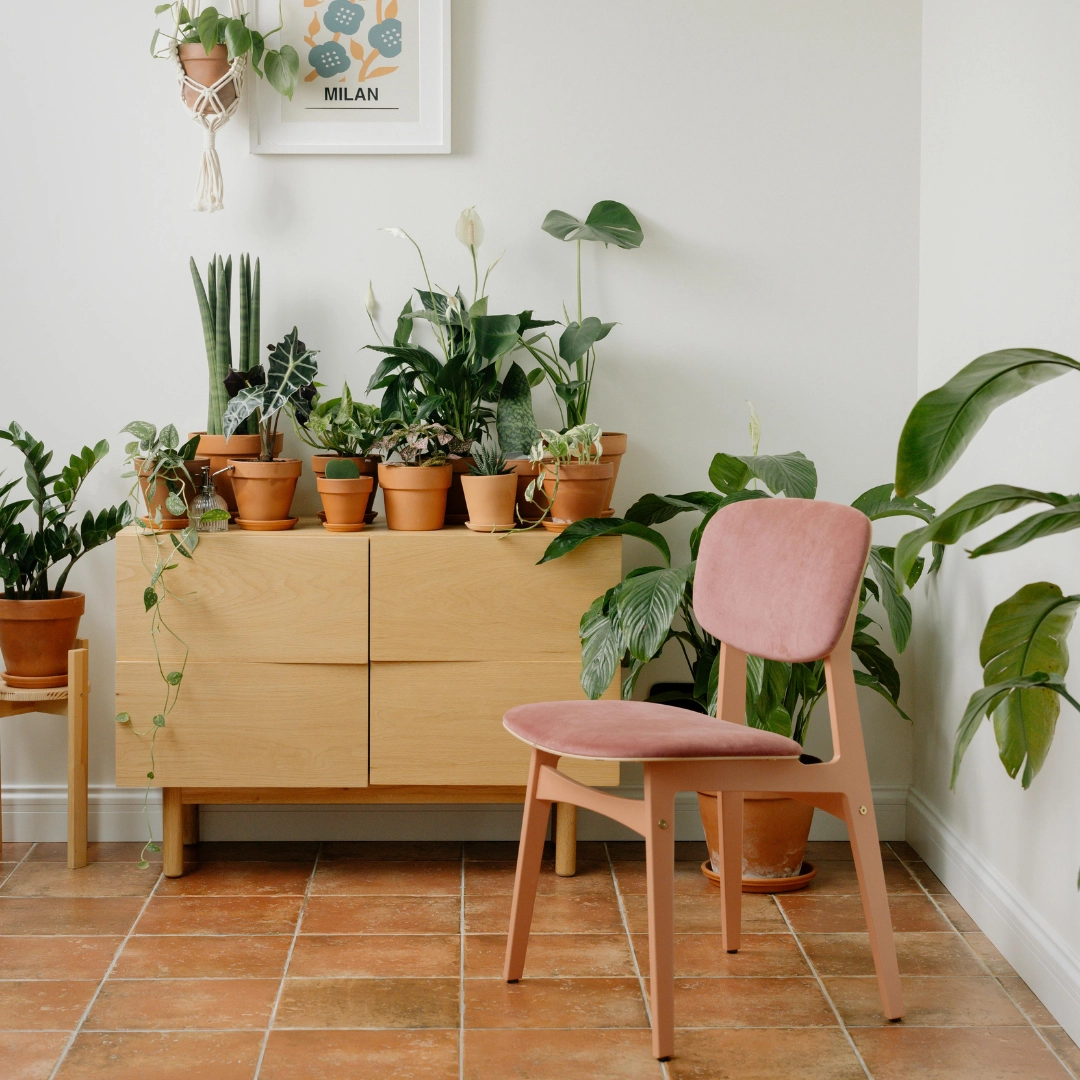
These plants prove that a little green can go a long way, even if you’re not particularly attentive.
Caring for indoor plants is its own journey, but we’re not starting a farm here. What we are doing, however, is inviting a certain small joy into our living spaces. It’s hard to hate the look of greenery at home, and even a small starter plant can change a space’s vibe, making it feel like a place you’re really inhabiting rather than just passing through.
There’s also the benefits. Studies have long suggested that keeping plants can lift the mood, ease anxiety, and even sharpen focus and performance. Whether or not you’re tracking those outcomes, the appeal is intuitive. It’s a bit of care exchanged for a bit of calm and a whole lot of aesthetic. For novices, that’s more than enough reason to start, and exactly where this list begins.
READ ALSO: Living Alone? Here Are 6 Appliances To Make Everyday Life Easier
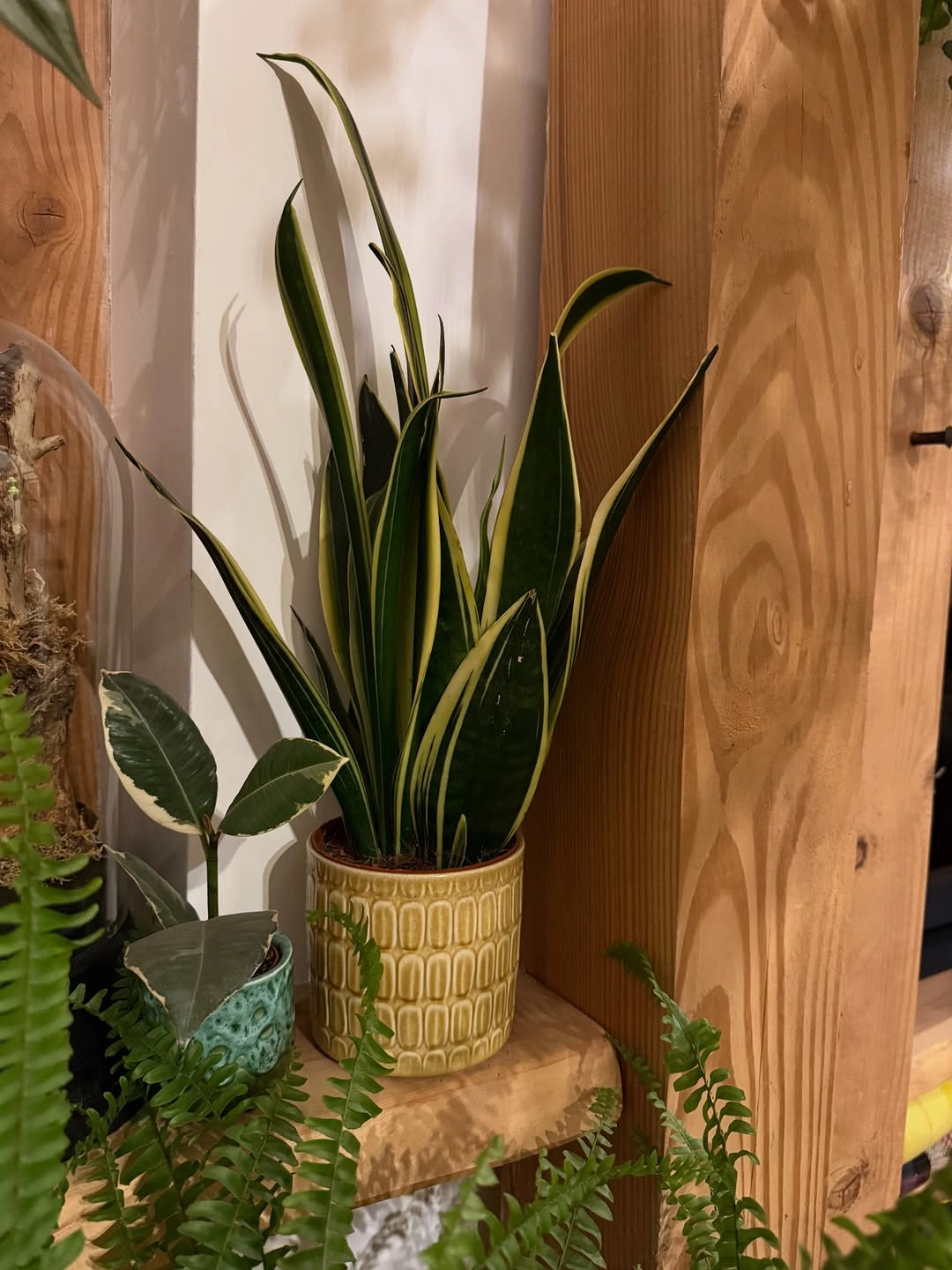
Snake Plant
Scientific name: Sansevieria
Nearly indestructible, the snake plant tolerates low light, dry air, and inconsistent watering without complaint. Its upright leaves make it as decorative as it is practical. It’s also frequently cited for helping filter common indoor pollutants like benzene and formaldehyde.
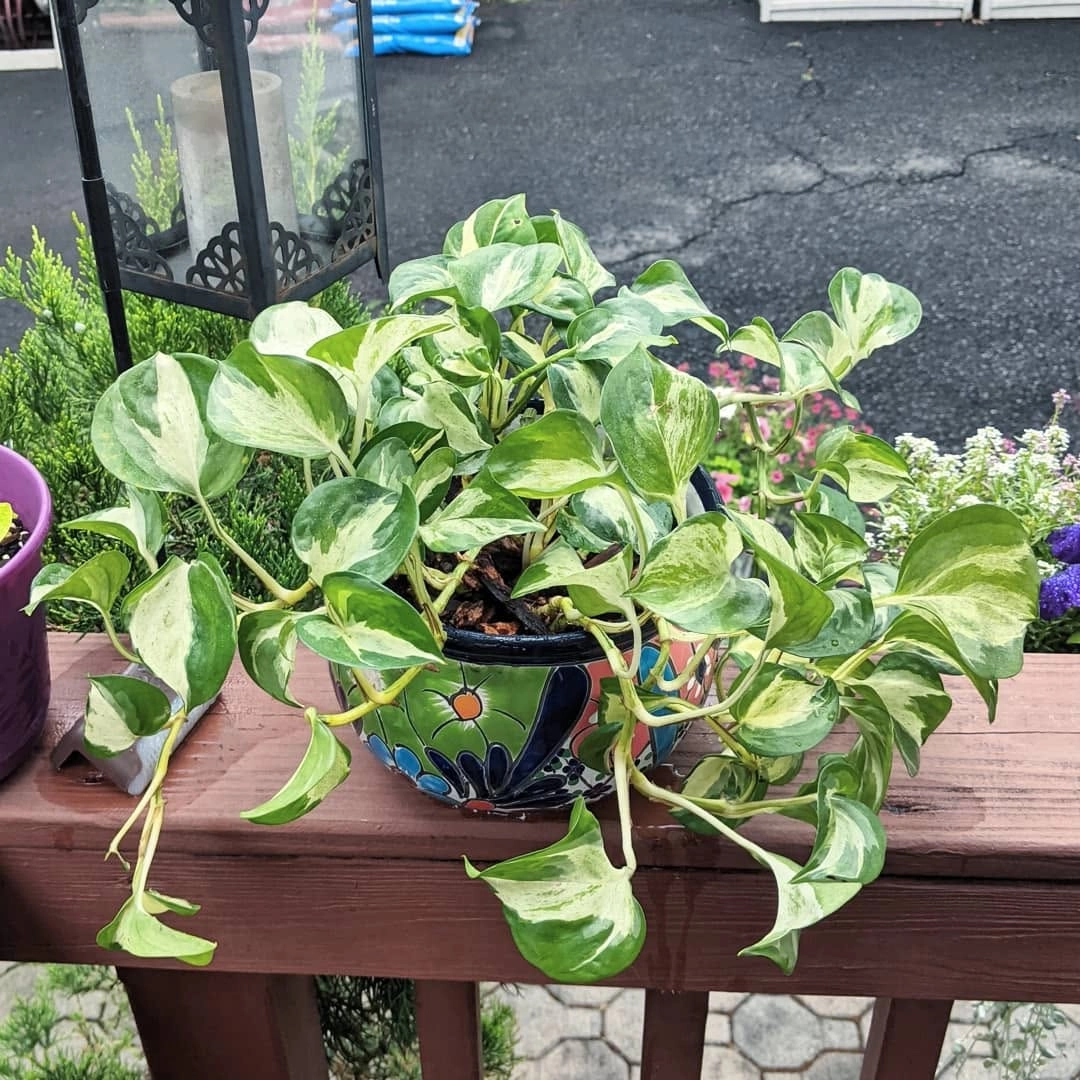
Pothos
Scientific name: Epipremnum
This fast-growing trailing vine feels almost eager to thrive. Pothos adapts easily to anything from low light to bright, indirect sun. It forgives missed waterings, subtly improving the feel and perceived freshness of a room.
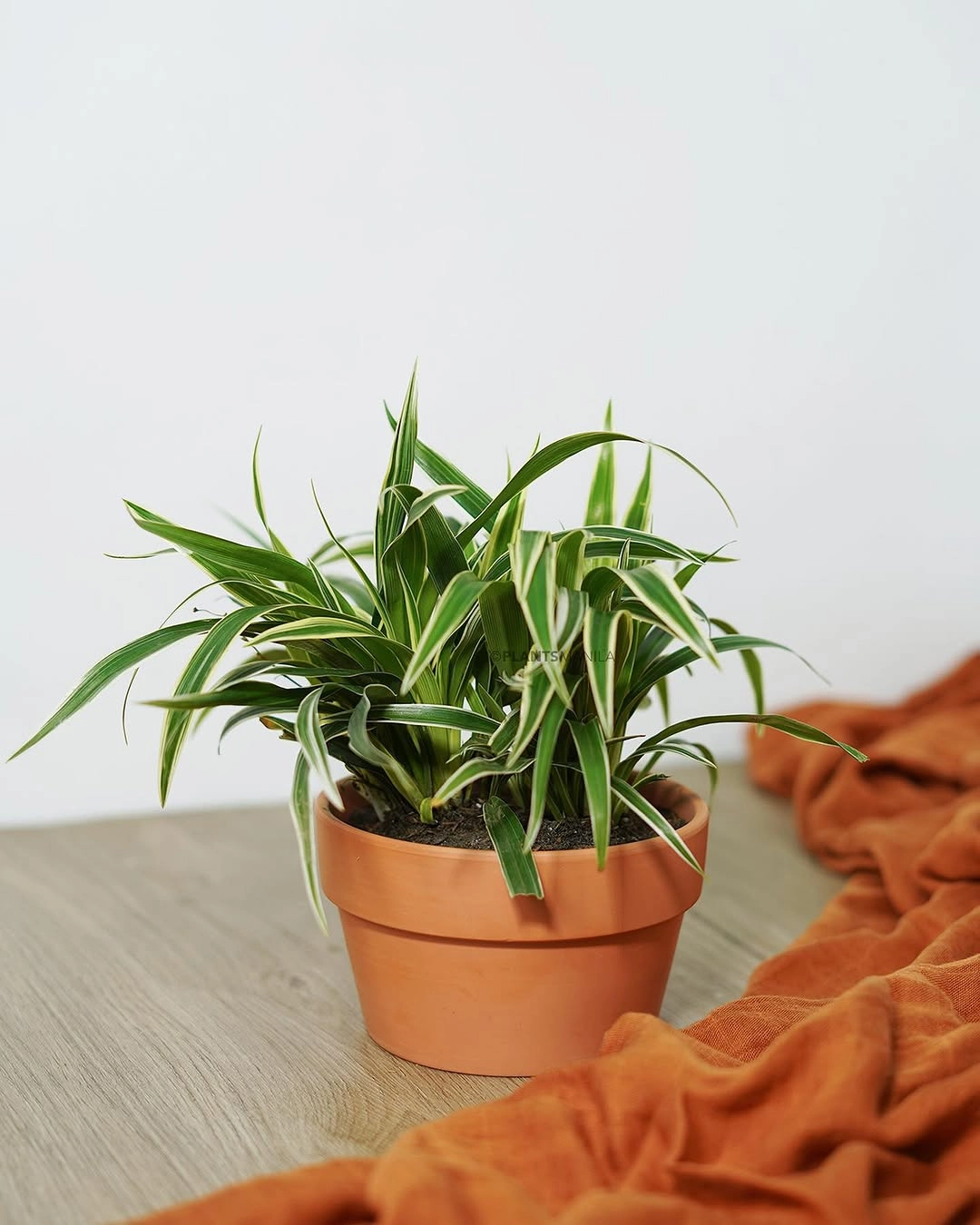
Spider Plant
Scientific name: Chlorophytum
Bright, indirect light suits it best, but the spider plant is generous with second chances if you forget to water. Its languid leaves and offshoot “babies” give it a vibrant, slightly unruly charm. It has appeared in studies for its ability to absorb indoor pollutants while releasing oxygen.
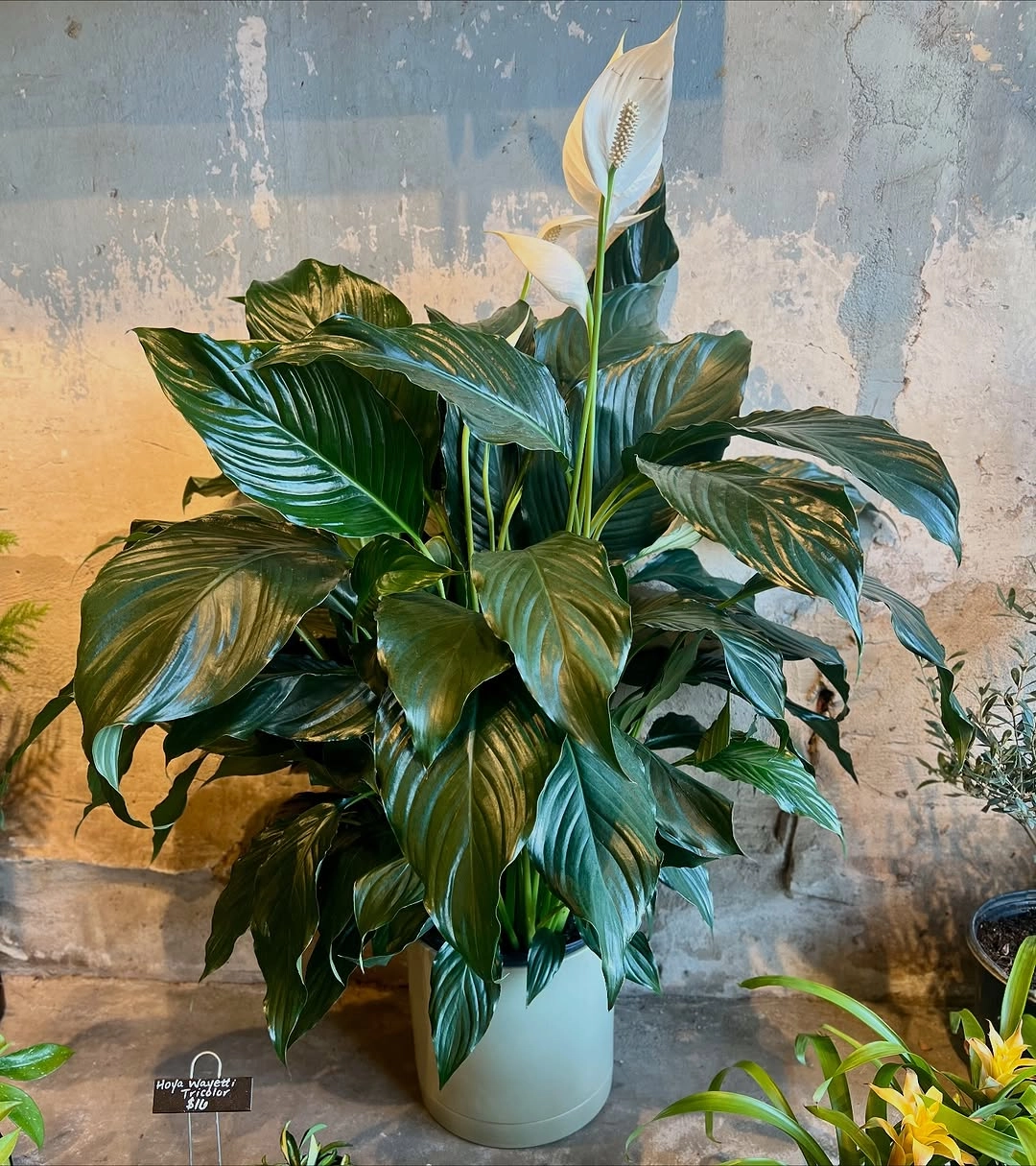
Peace Lily
Scientific name: Spathiphyllum
The peace lily is an intuitive choice for beginners, and quite literally tells you what it needs. Its leaves droop dramatically when it’s time for watering, signaling the need for a pick-me-up. It does well in low to medium light and is known for helping remove airborne toxins like ammonia and benzene.
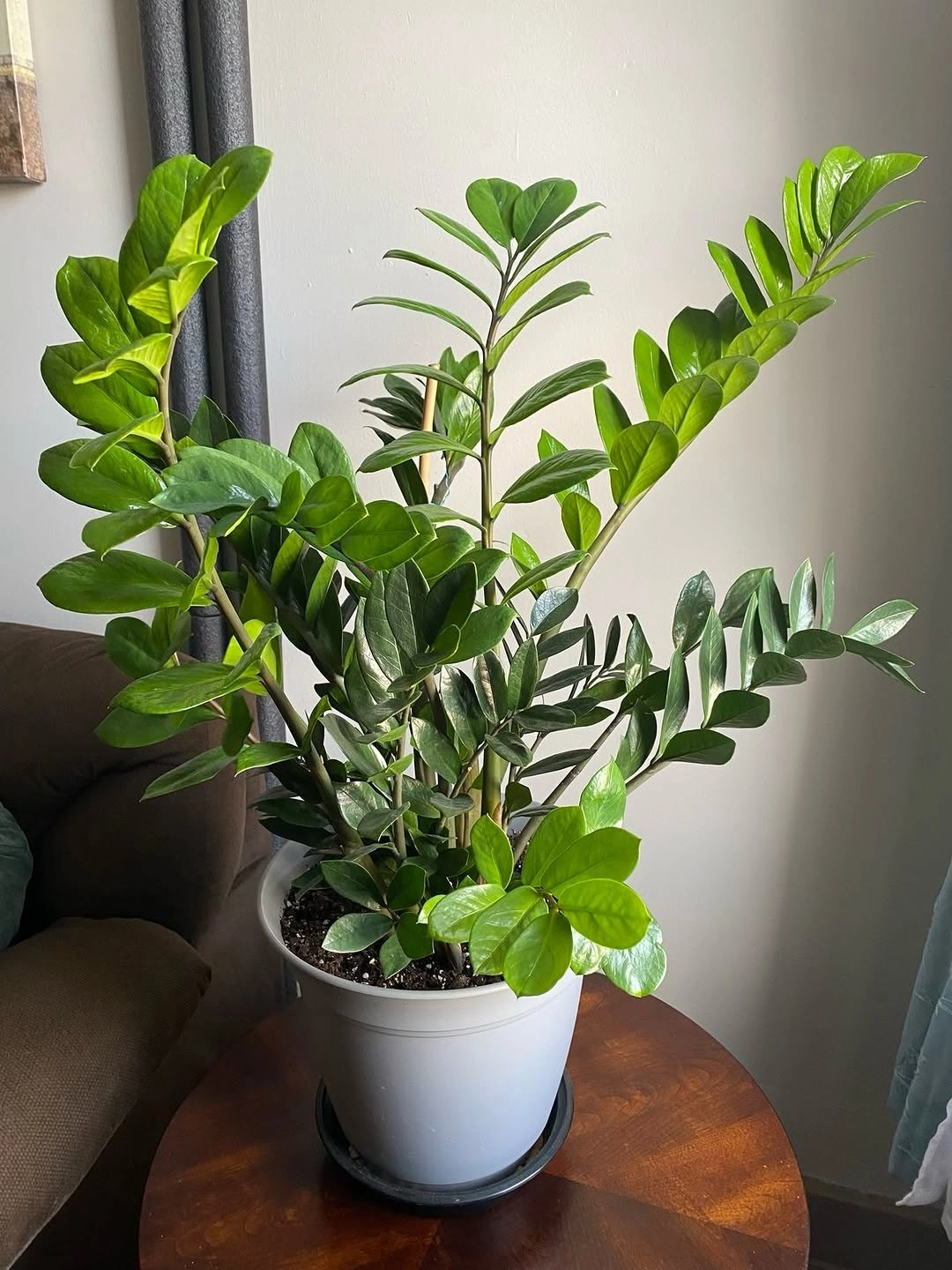
ZZ Plant
Scientific name: Zamioculcas zamiifolia
If tolerance for neglect were a test, the ZZ plant would pass easily. It does fine in low light and can bear long stretches without water, which makes it well suited for frequent travelers or the habitually forgetful. Its deep-green leaves hold their structure with minimal care while offering a steady, almost sculptural look.
Frequently Asked Questions
Some of the most beginner-friendly indoor plants include snake plants, pothos, spider plants, peace lilies, and ZZ plants. These varieties are known for tolerating low light, irregular watering, and general inexperience, making them ideal starting points.
It depends on the plant, but most beginner-friendly houseplants prefer to dry out slightly between waterings. A general rule is to check the top inch of soil. If it feels dry, it’s time to water.
Not necessarily. Many easy-care indoor plants thrive in low to bright indirect light rather than direct sun. In fact, too much harsh sunlight can damage leaves, so placement near a window with filtered light is often best.
Some studies suggest certain houseplants can help filter indoor pollutants like benzene or formaldehyde. While the effect in typical home settings may be modest, plants can still improve overall environment and help a space feel fresher.
Indoor plants are associated with improved mood, reduced stress, and better focus. Beyond measurable benefits, they also make a space feel more lived-in and visually appealing, which can have a subtle but meaningful impact on daily life.