A charming mix of both science and style, the terrarium turns plant care into an exercise in balance, patience, and design.
The concept of building a tiny world and keeping it alive on your desk is an alluring one. Maybe it’s the control of it all, or the romance of watching something grow without having to leave your apartment. Either way, terrariums are making a comeback as decor, sources of ritual, and antitheses to the reality of fast living. In a fast and loud cultureCultureshared traditions, beliefs, values, customs, arts, and social practices that define the identity and way of life of a community, society, or nation.Go to Culture Glossary that constantly demands more, the act of slowly and deliberately tending to a mini world of your creation is refreshing.
READ ALSO: Beginner-Friendly Pottery Studios In Metro Manila And Beyond
What’s A Terrarium?
At its simplest, a terrarium is a sealed or open container (usually made of glass) that’s used to cultivate plants in a controlled environment. Think of it as a miniature greenhouse. The concept dates back to the 19th century, when botanist Nathaniel Bagshaw Ward accidentally discovered that plants could thrive inside sealed glass cases, protected from pollution and harsh climates. This discovery, now known as the Wardian case, changed how plants were transported across continents and led to the terrariums we know today.
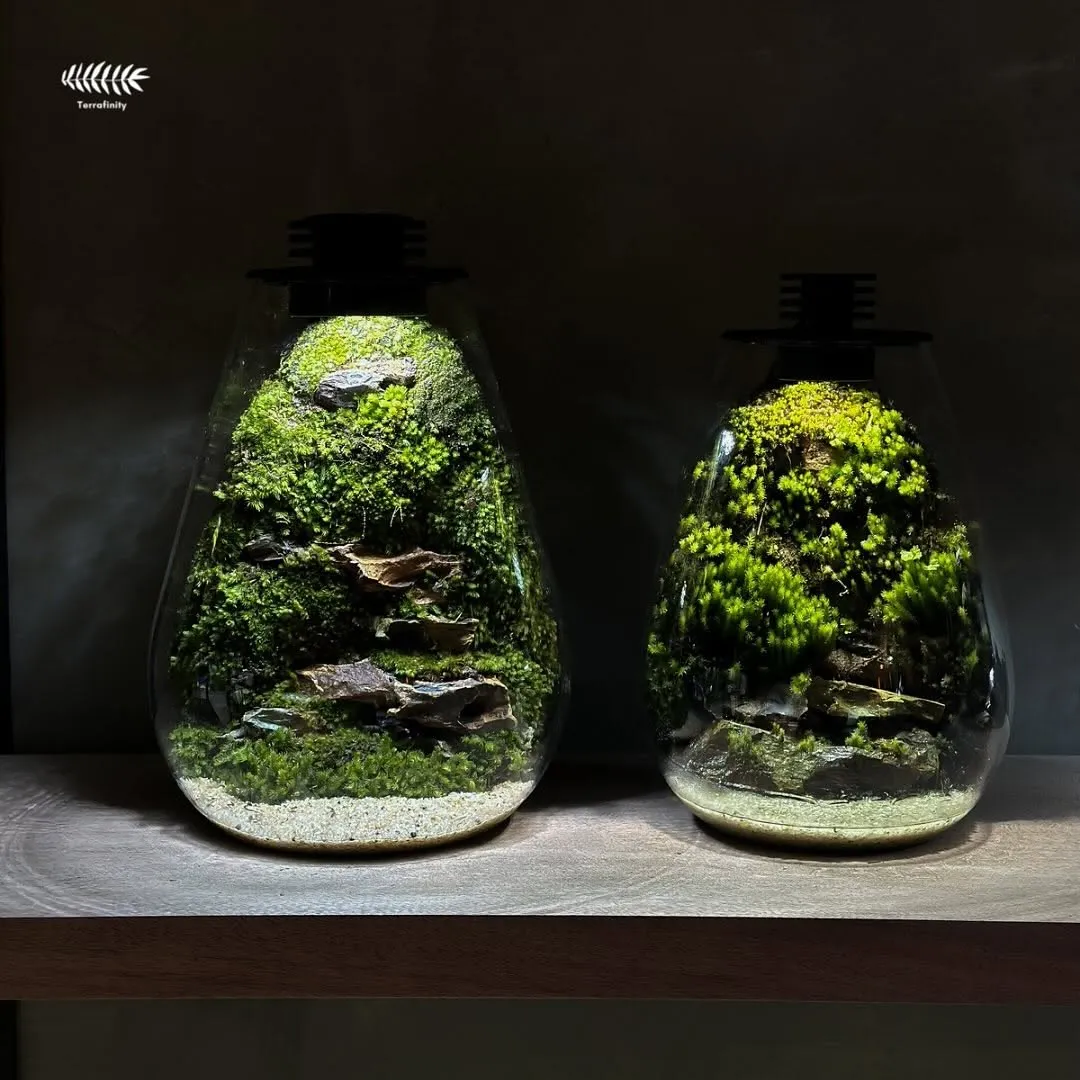
Closed terrariums create their own ecosystem. Moisture evaporates from the soil and plants, condenses on the glass, and returns to the earth, forming a self-sustaining water cycle. According to the Royal Horticultural Society, this makes them ideal for humidity-loving plants like ferns and mosses. Open terrariums, on the other hand, are better suited for succulents and cacti that prefer drier conditions. It’s science, yes, but also a little bit of magic.
How To Make One
Building a terrarium is all about process, rather than perfection. You don’t need a green thumb, just a bit of patience and a willingness to get your hands dirty.
Start with a clear container—anything from a repurposed jar to a sculptural glass vessel. Layering is key. Begin with a base of small pebbles or gravel for drainage, followed by a thin layer of activated charcoal to keep things fresh by filtering impurities and preventing mold. Then comes your soil, tailored to your plant choice: a well-draining mix for succulents, or moisture-retaining soil for tropical plants.
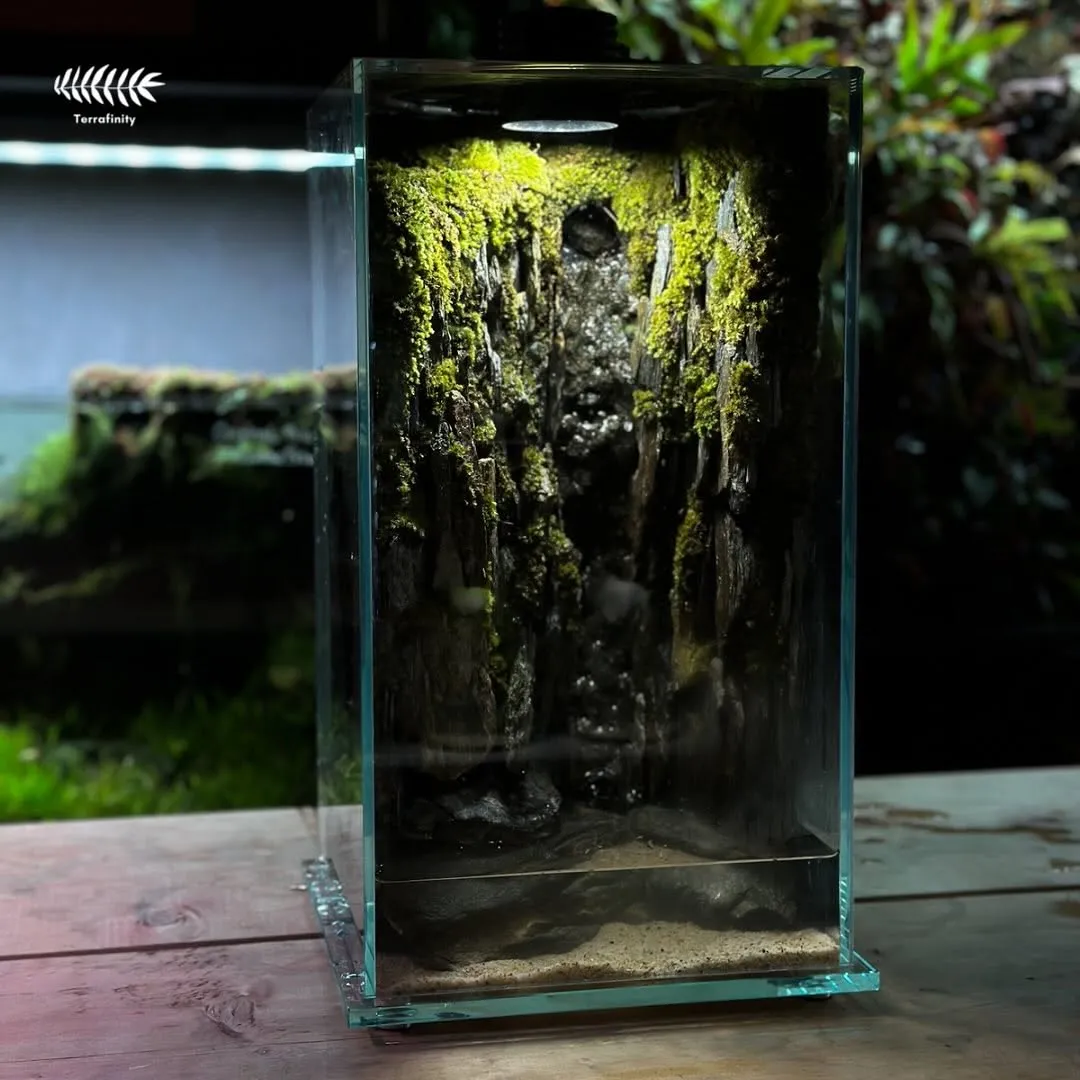
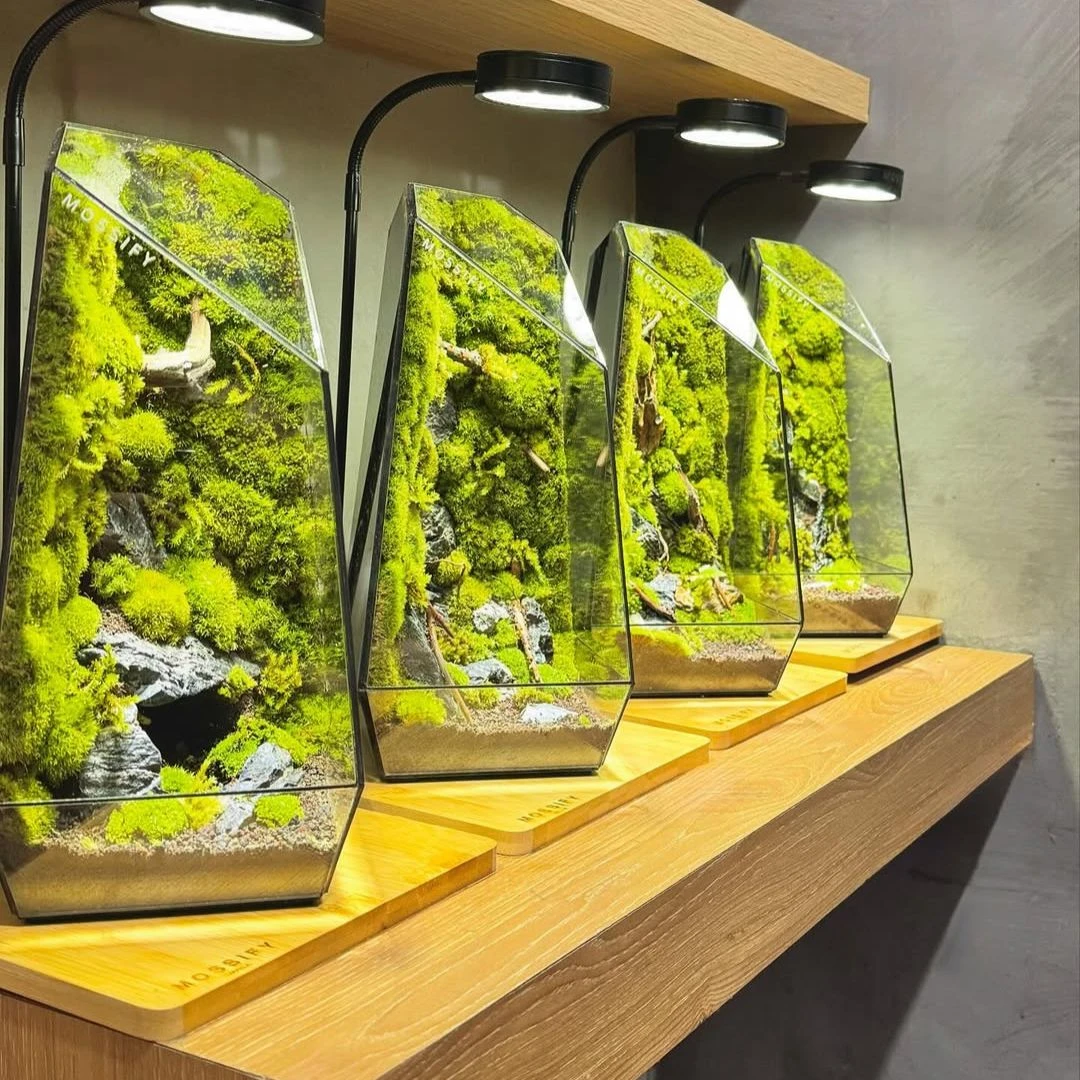
Now comes the fun part: arranging your plants. Composition plays a crucial role in this step. Vary heights, textures, and shades of green. Moss can soften the look, while small stones or driftwood add character. Use water sparingly, as closed terrariums require minimal watering since they recycle moisture, while open ones need occasional upkeep. Place your creation in indirect light and let it settle into its own rhythm.
Why We’re Building Terrariums
It’s easy to dismiss terrariums as just another aesthetic trend, something pretty to fill a corner of your condo or your Instagram grid. But there’s a deeper pull here, one that says more about how we’re choosing to live now.
In a time when digital fatigue is very real, activities that engage the senses have become a kind of therapy. A study published in the Journal of Physiological Anthropology found that interacting with plants—repotting, watering, even just touching leaves—can reduce stress and promote feelings of calm. Terrariums distill that experience into something manageable, especially for those without access to gardens or outdoor spaces. They also tap into a broader shift toward intentional living. Much like sourdough starters and slow fashion, terrariums ask you to participate, care, and wait. There’s no instant gratification here, just the reward of watching something evolve over time.
Then there’s the symbolism. A terrarium is, in many ways, a reflection of balance. Too much water, it fails. Too little light, it struggles. It thrives only when its elements are in harmony. There’s a lesson in that, if you’re paying attention. So yes, it’s a glass jar with some plants. But it’s also a small, living reminder that not everything needs to be rushed, optimized, and made bigger; it’s enough to build something small, keep it alive, and let it be.
Banner photo via Instagram @mossify_mnl.
Frequently Asked Questions
Closed terrariums maintain a self-sustaining moisture cycle ideal for high-humidity plants, whereas open terrariums provide the dry conditions and ventilation required by succulents.
Closed terrariums require minimal watering because the sealed glass design recycles moisture continuously through evaporation and condensation, maintaining a highly efficient, self-sustaining ecosystem.
Moisture-loving plants thrive best in closed terrariums, with ferns, mosses, and tropical varieties being ideal choices due to the consistently humid environment created inside.
Activated charcoal is essential because it actively filters impurities, keeps the closed environment fresh, and prevents the growth of harmful mold or bacteria within soil layers.
Interacting with indoor plants reduces stress by lowering physiological anxiety, promoting a sense of calm, and offering mental relief from digital fatigue through tactile engagement.