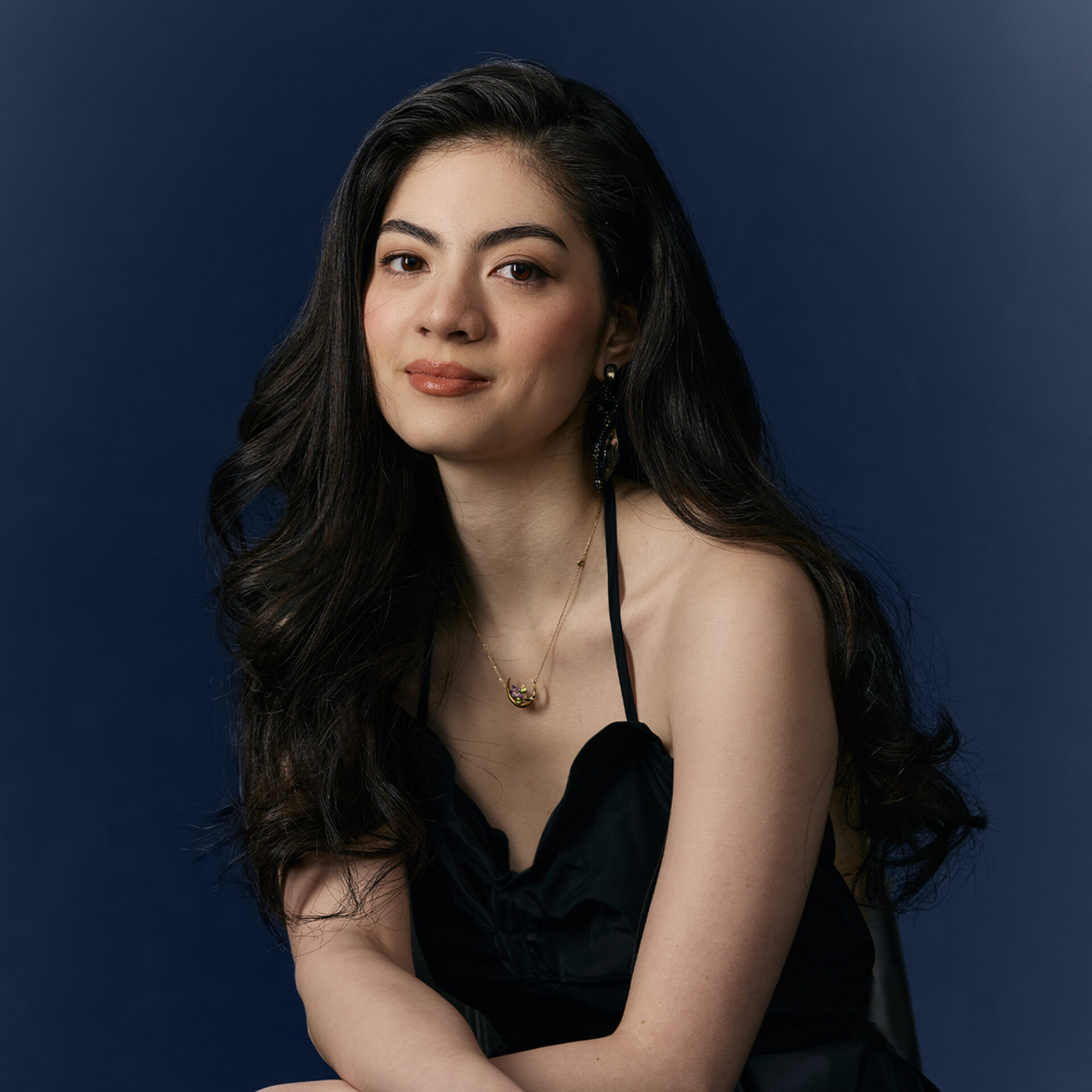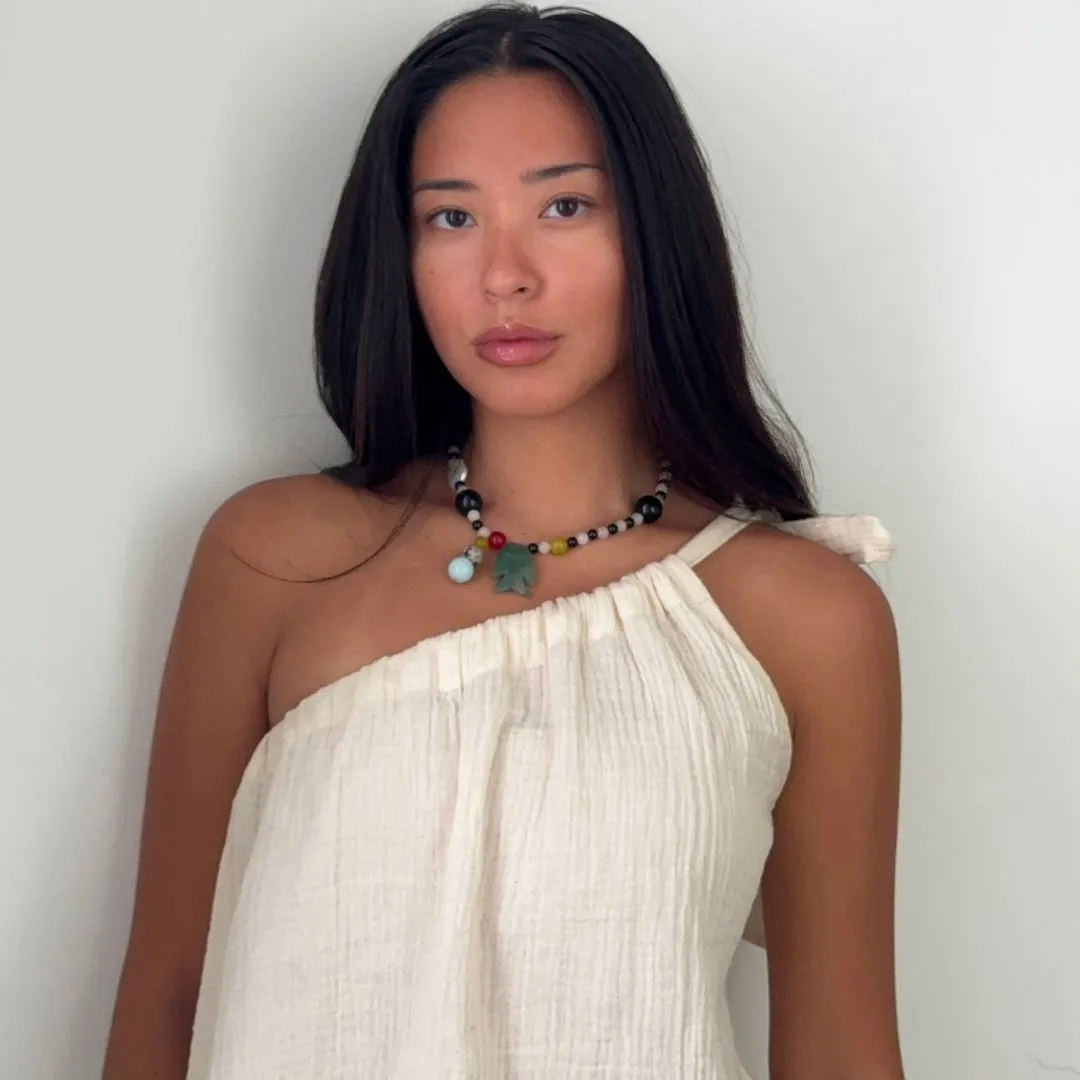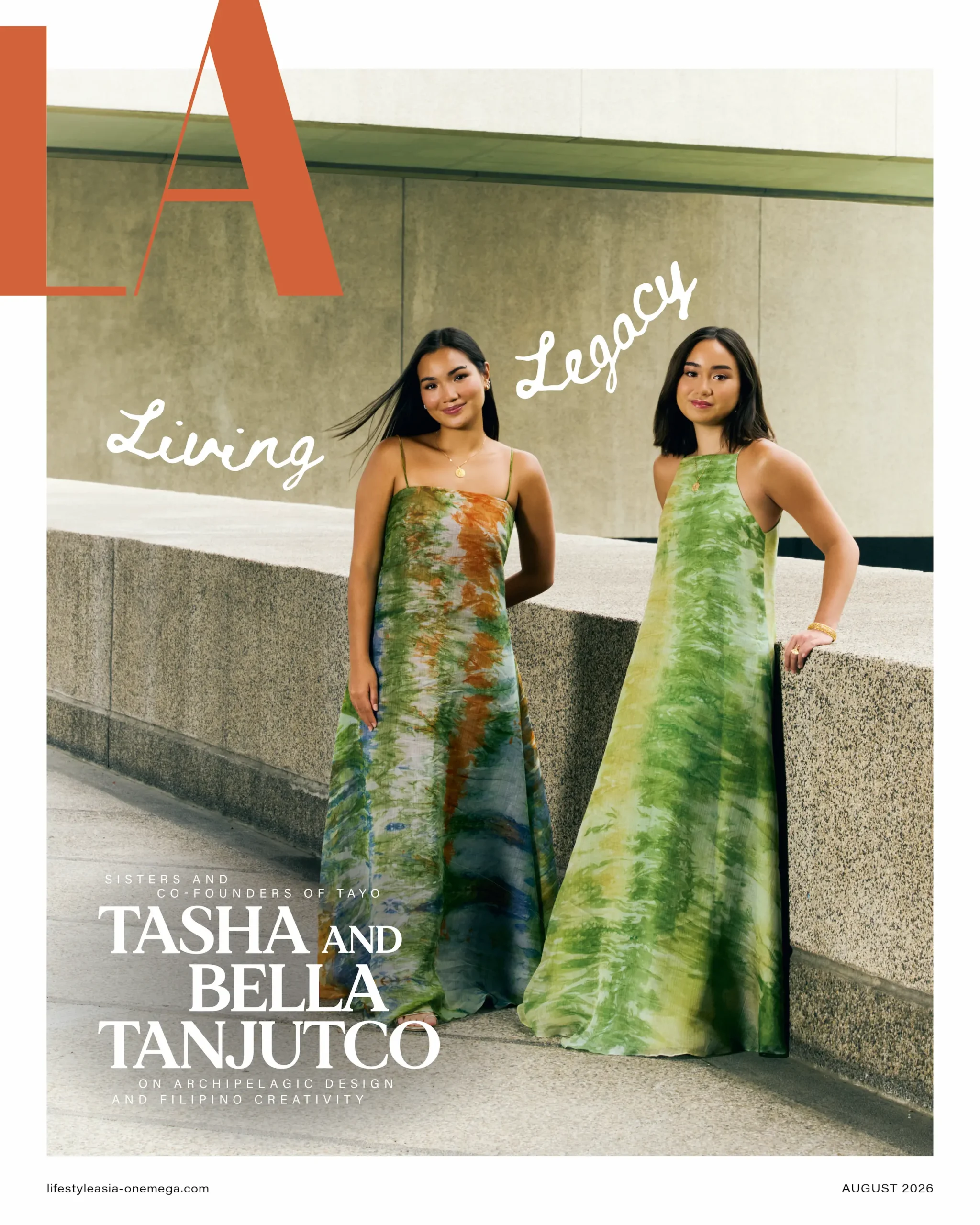
From Kids for Kids to TAYO and Tukod, sisters Bella and Tasha Tanjutco are creating a distinctly Filipino design philosophy that finds its voice in community, ecology, and hope.
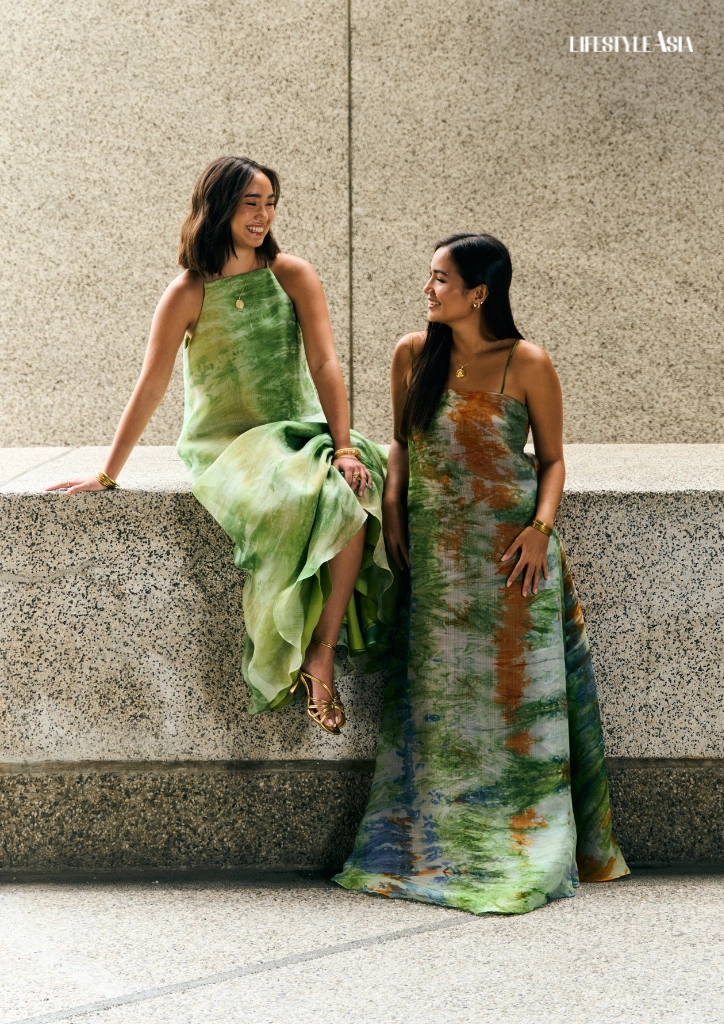
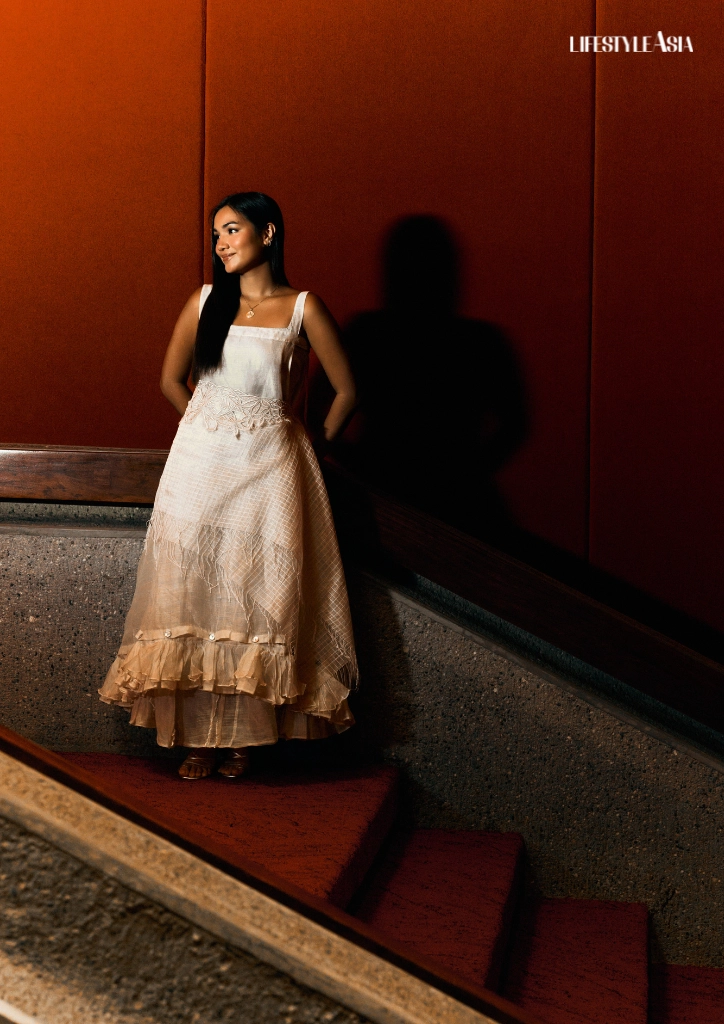
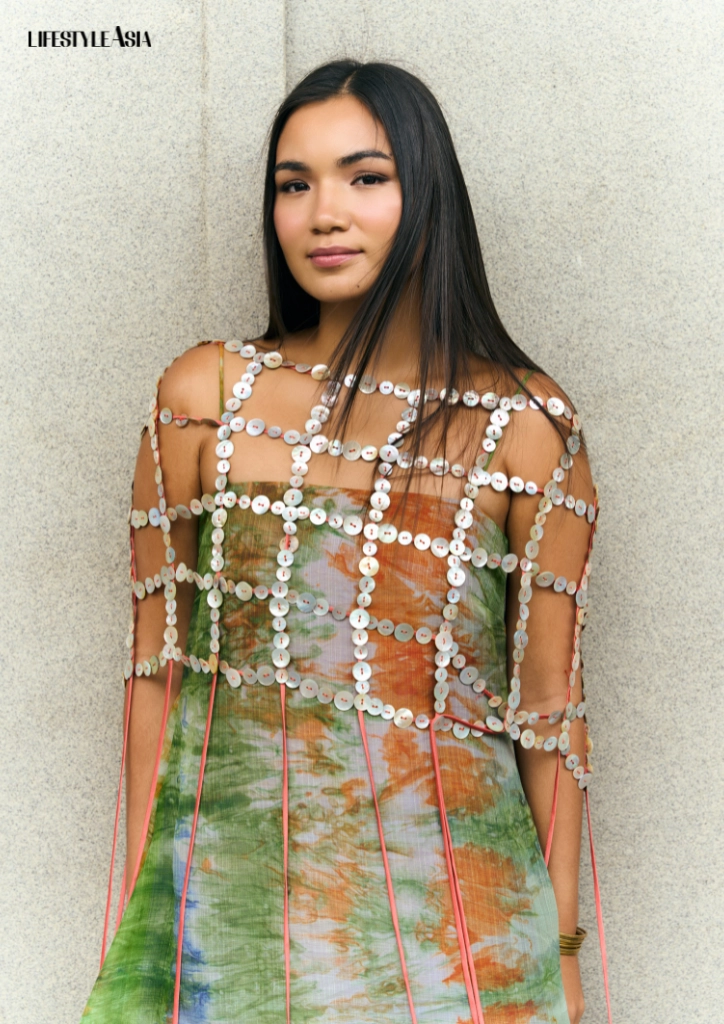
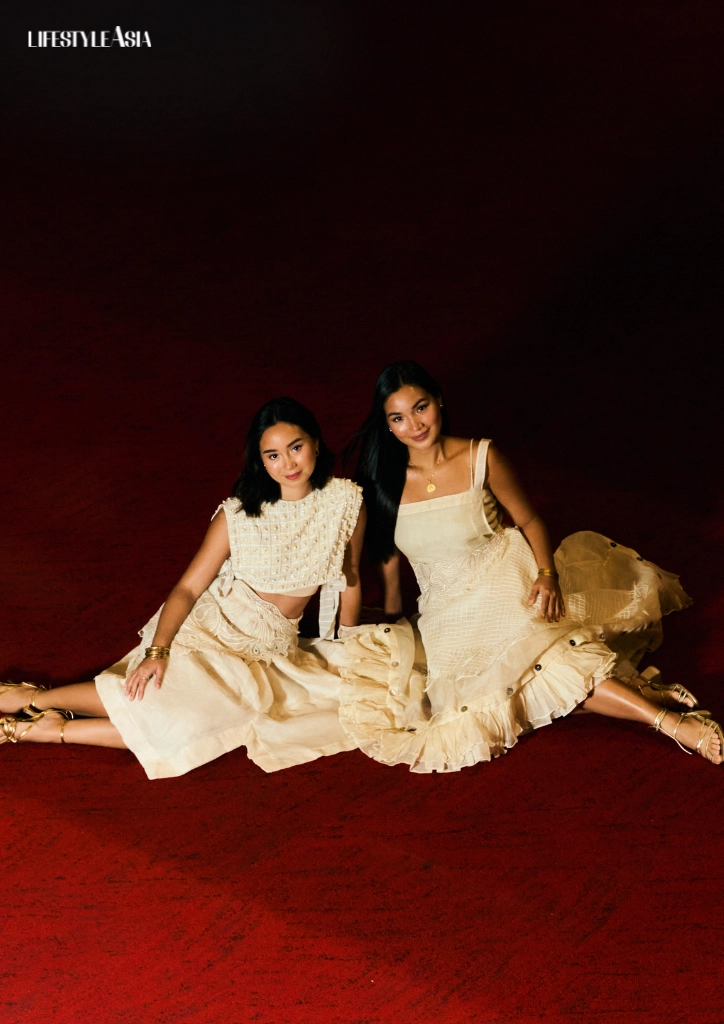
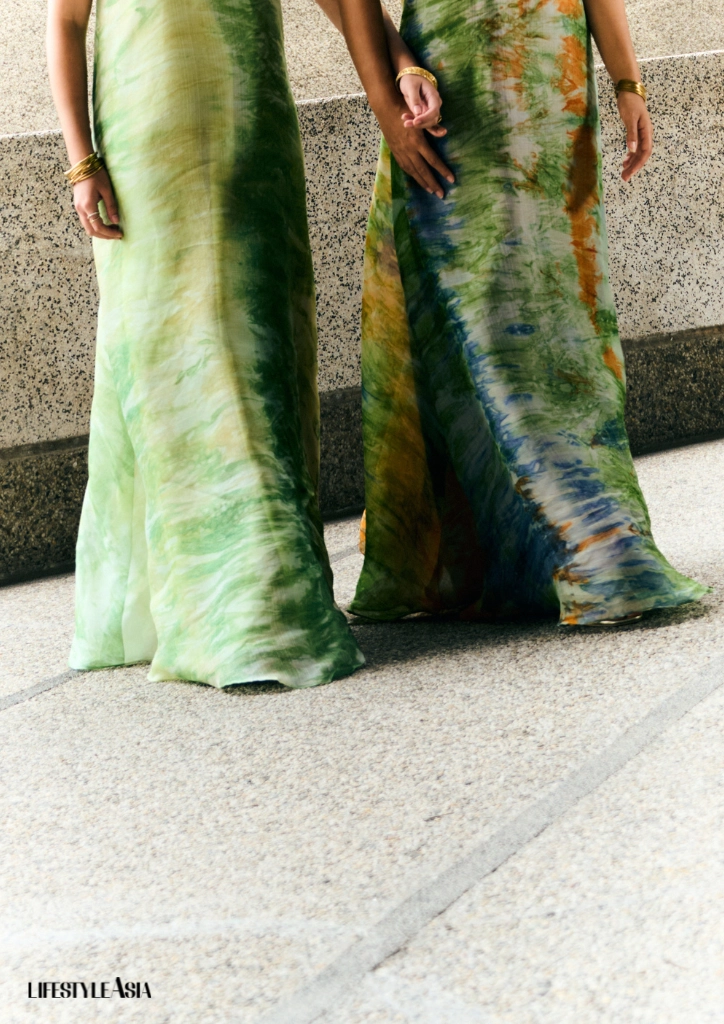
What if the Philippines wasn’t just where we lived, but how we think? For our shoot, we meet sisters Isabella and Natasha Tanjutco, better known as Bella and Tasha, against the concrete geometry of iconic 20th-century architecture in Manila. They’re dressed in softly draped pieces by Filipino designers. It seems an unlikely portrait of nature, until the sisters remind us that Manila, too, is an island–and that we, as humans, are part of nature.
It’s the kind of observation that comes naturally to Bella and Tasha. Over the past decade, the sisters have built a body of work around looking at the relationships between things: art and craft, ecology and design, young people and institutions, inherited knowledge and future generations. Through Kids for Kids, TAYO, and the Tukod Foundation, they’ve moved across disciplines and communities while searching for a distinctly Filipino language to describe the way they work.
Earlier this year, Bella and Tasha formally reintroduced TAYO (Tagalog for “we” and “to stand”) as an Archipelagic Design Agency. The sustainable design consultancy and experience agency combines their years of youth organizing, cultural work, and education. Alongside it, they’re also members of Tukod, the foundation that continues the legacy of their grandfather, National Artist for Architecture Francisco “Bobby” Mañosa. Through Tukod, they’re working on Bayay Halian, a cultureCultureshared traditions, beliefs, values, customs, arts, and social practices that define the identity and way of life of a community, society, or nation.Go to Culture Glossary- and climate-based public school on Halian Island in Surigao del Norte. Between the two projects, the sisters are creating spaces for Filipino design to grow–across disciplines, communities, and generations.
READ ALSO: Cover Story: Missy Macuja Elizalde Goes From Barre To Bar, Embracing Every Next Step
Early Influences Of The Tanjutco Sisters
“We were fortunate enough to grow up in a family of dreamers and self-starters,” Bella and Tasha reflect. “Passion was something innate to everyone, and the drive to use it for something greater for the world was a duty.” If the sisters’ work today can be traced anywhere, it’s perhaps to the way they grew up.
“Growing up, we would always find ourselves making kwento around the dinner table, from topics about what we did today to what was happening in the world,” the girls say, recalling that channels like Discovery, the History Channel, and National Geographic would play in the background. “It was never something we felt separated from. We were always made aware of the context of what type of world we were growing up in, what kind of planet we were inheriting.”
Learning rarely stayed inside the classroom. Their first art teacher was their mother, Bambi Mañosa Tanjutco. As an artist, educator, and founder of the Creative Kids Studio, she welcomed children into spaces where creativity became a way of expressing themselves, processing emotions, and imagining different futures.
“Our mom would take us to her art outreaches where she would teach art therapy to different communities,” the girls recall. “Whether it would be out-of-school youth or post-trauma girls’ centers, we saw the realities of life and the way art would act as the true language of the human soul. We saw how it would deeply connect, deeply express, and deeply heal.”
“That’s when we learned how art can be used as a form of social and environmental justice, and how it goes beyond painting as a hobby or mere aesthetics,” they continue. “It really allows and welcomes transformation, and so that was kind of our earliest form of learning how design can change the world.”
Their father, Vince Tanjutco, added another perspective. Coming from advertising and communications—with his own father a journalist and his mother a poet—he showed them the power of storytelling. Because of their grandfather Bobby Mañosa, they grew up in a home that embodied the principles he championed: open to climate, grounded in Filipino ways of living, and designed around gathering. In their own family, they saw how language and design took on many forms and held so much power.
“Our family was always constantly in service to others,” the sisters say. “We grew up seeing them donate their time and talent—liberating accessibility to good design and safe spaces. Being raised in an environment like that, and being taught that your talent’s purpose is to be shared with others, inspired us to naturally venture into the work we do.”
Their grandmother, whom they affectionately call “Mitch,” gave those ideas a simple refrain: To whom much is given, much is expected.
Looking back, Bella and Tasha rarely describe one defining influence. They speak instead of ideas passing naturally from one generation to the next, across disciplines and designs. Years later, they’d spend more than a decade searching for the language to describe that way of seeing. As teenagers, they simply knew they wanted to be part of it, and in 2015, still in high school, they founded Kids for Kids.

How Bella And Tasha Tanjutco Founded Kids For Kids
Bella and Tasha were only 13 and 15 years old when they founded Kids for Kids, a youth movement built on the belief that every young person has something meaningful to contribute. Having grown up watching their own family offer their time and talents in the service of others, the sisters wanted to create a space where young people could do the same.
“When we began Kids for Kids, we were at an age where naturally everyone wanted to make friends,” they say. “So why not encourage gatherings that also did more for others?” When they approached larger charitable organizations to find ways to give back, they realized the youth were often given simple tasks, such as using donation boxes. “We thought to ourselves: the youth is capable of doing so much more than that.”
The first event they organized was Takbo, a race to raise funds for a UNICEF campaign. They rallied classmates, volunteers, sponsors, and organizations, somehow convincing them to believe in two teenagers with an ambitious idea. Around 600 young people signed up, and they raised ₱300,000.

“That’s when we saw the power of the youth to make a difference when it was presented to them in ways that were fun, meaningful, and spoke their language,” they say. “It all started with the language of creativity—how we used creativity to communicate, organize, and gather people together because it relates to the human, and it relates to the Filipino.”
That lesson stayed with them. Kids for Kids grew into a platform where young people could use their passions and talents in the service of others. As the movement expanded, so did the sisters’ questions. Conversations about children’s rights naturally led to conversations about climate, education, heritage, and the future young people would inherit.
From those conversations emerged Kamalayan, an annual art festival that invited artists, musicians, writers, Indigenous knowledge holders, and young people to explore the realities of the climate crisis through culture. Volunteers created artworks inspired by environmental issues and Indigenous solutions already being practiced across the Philippines, with proceeds supporting the communities and organizations carrying that work forward.
“Our journey began with us realizing it,” they say. “People often ask how we were able to gain the respect of adults when we were just kids. The answer was research and understanding the language that they spoke, and the language depended on what industry they were in and who exactly we were talking to. We learned to code-switch in order for them to understand what exactly we meant and what exactly was the change we wanted.”
Looking back, Bella and Tasha rarely remember those years as a series of separate projects. They describe them as one continuous education in relationships: between young people and institutions, culture and climate, creativity and policy, communities and the systems that shape them. They learned and navigated how different worlds could speak to one another, and that understanding would eventually give rise to TAYO.
Read the full story in our August 2026 e-magazine by subscribing to Lifestyle Asia’s digital access or purchasing your copy at Readly.
Photography by Colin Dancel, assisted by Mak Advincula; creative direction by Paolo Torio; styling by Roko Arceo, assisted by Ahn Roberto; makeup by Cats del Rosario; hair by Ben Villegas; shot on location at the Philippine International Convention Center