Renzo Maano went from a career in finance to award-winning wildlife filmmaking and a mission to protect the Philippines’ biodiversity.
The Philippines, with all 7,641 of its islands, is home to an extraordinary wealth of wildlife and biodiversity. Yet, for many Filipinos (myself included), much of this natural heritage remains unfamiliar. I, for one, had no idea that an endangered species of dolphin called the Irrawaddy dolphin could be found in Philippine waters until my environmental law professor assigned us a documentary by Renzo Maano.
Watching the film opened my eyes to the wonders hiding in our own backyard, as well as the power of wildlife documentaries to bring these stories to light. It also got me curious about the person behind the camera. How does someone go from working in fintech to documenting some of the country’s most remarkable wildlife?
Lifestyle Asia sat down with Renzo Maano to talk about his unexpected career shift, his journey as a wildlife documentarist, and how he uses film to turn our attention to the species and ecosystems that need our protection.

READ ALSO: A Word With Johnny K, The Man Behind Meet Cutes Manila
Renzo Maano Before The Documentaries
Watching a documentary by Renzo Maano, you might assume that wildlife filmmaking has always been his lifelong dream. His passion for the craft certainly makes it seem that way, but his journey to becoming a wildlife documentarist took a few unexpected turns. “Since childhood, I was always drawn to wildlife documentaries and shows from National Geographic, Animal Planet, or the Discovery Channel. But growing up, filmmaking seemed unthinkable as a viable career, let alone wildlife filmmaking,” he shares.
Renzo initially enrolled in a civil engineering program in college before shifting courses and eventually graduating with a finance degree. As it turns out, that detour would prove valuable in ways he didn’t anticipate. “In my early years as an adult, I had a thriving career in the finance industry. As part of a fintech startup, I wore multiple hats, from business development, event management, and product management to even creating our podcast,” he recalls.
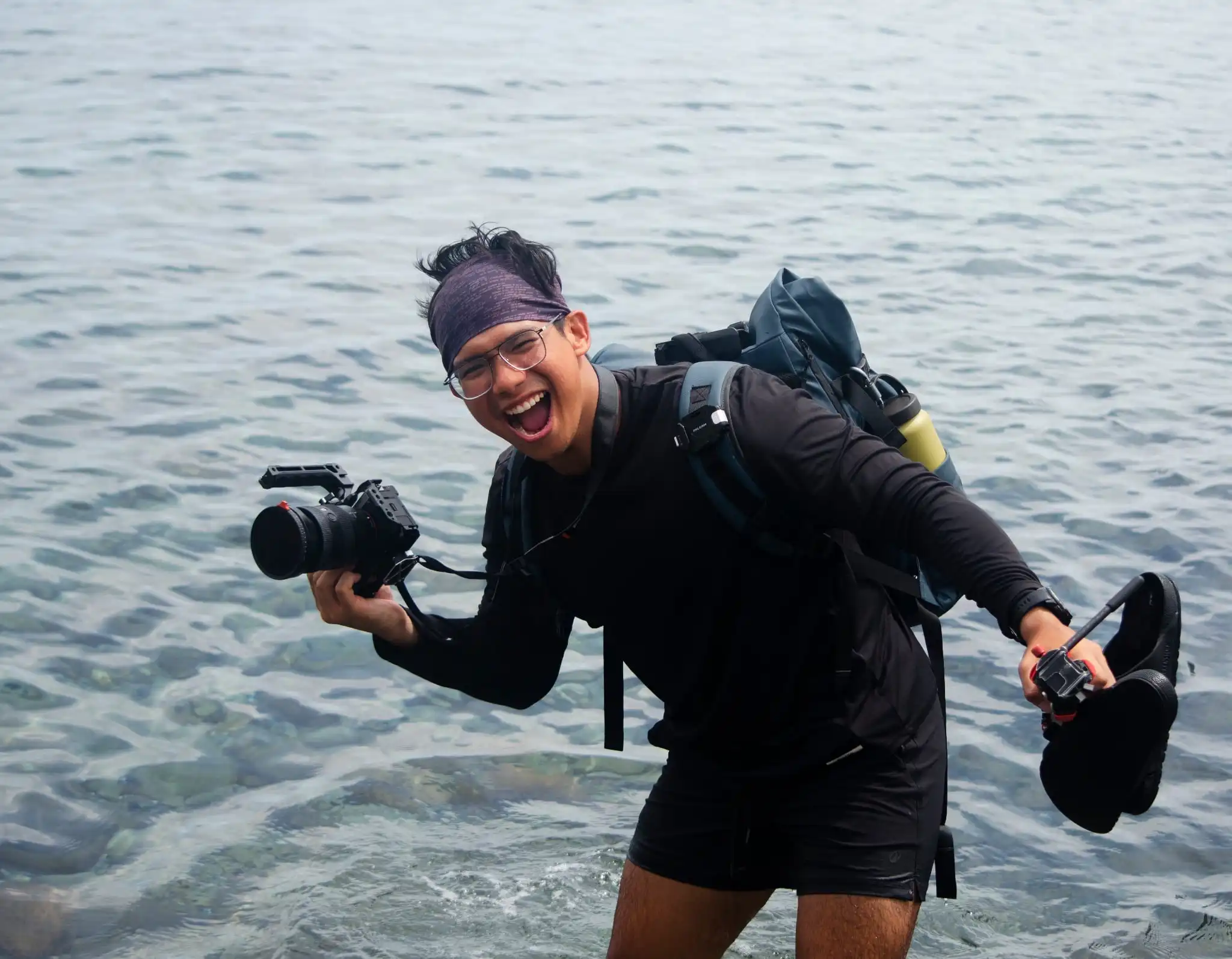
Of all his responsibilities, creating content was what he enjoyed most. He helped build a podcast and a YouTube channel that grew to over 100,000 subscribers, both guided by an ethos close to his heart. “Our mission was simple and noble: to educate millions of Filipinos into becoming financially free,” Renzo shares. But sometimes, all it takes is a quarter-life crisis to send you down an entirely different path. “During the pandemic, I was 25. […] I wanted a more adventurous and fulfilling life. Around July 2022, I resigned and started with 0 subscribers on my YouTube channel,” he tells Lifestyle Asia.
His first videos revolved around the idea of “Travel the Philippines with Purpose.” At the time, however, he had yet to figure out exactly what that purpose would be. As he continued honing his cinematography and storytelling, the answer gradually came into focus. “Becoming a voice for the voiceless, threatened animals in the Philippines,” he declares.
What began as a leap into the unknown eventually gave Renzo a mission that transcended travel and filmmaking: using his camera to tell stories of wildlife that might otherwise go unseen and unheard.
An Encounter That Fueled The Fire
There are certain firsts you never forget, and for Renzo, it was the first wildlife film he made that set the course for his career. “I applied for a grant from an international journalism organization called Earth Journalism Network and told them I wanted to find endangered animals,” he recounts. To his surprise, he received the grant, setting off a series of opportunities that would eventually lead him to work with seasoned journalists Jacque Manabat and Gregg Yan, who coached him through the process.
His first assignment took him to Negros. “I was deployed to the island of Negros to find and document the endangered Visayan Spotted Deer in the wild,” he recalls. Under the guidance and supervision of the Talarak Foundation, Renzo spent three days waiting for a glimpse of the elusive animal.
“With the time I had, the odds of finding them in a 300-hectare forest were close to zero. But on my last night, while driving on a motorcycle, the deer magically appeared and froze for over a minute. Luckily, I brought my camera with me, and I succeeded in filming this extremely rare and beautiful species,” he recounts.
The encounter was brief, but its impact stayed with him. Beyond the challenge of capturing the deer on film, hearing the stories of the local community gave him a deeper appreciation for the wildlife he set out to document. What began as an assignment soon became something much more personal. “At that moment, I decided that this was my mission,” he shares.
The Process Behind The Films
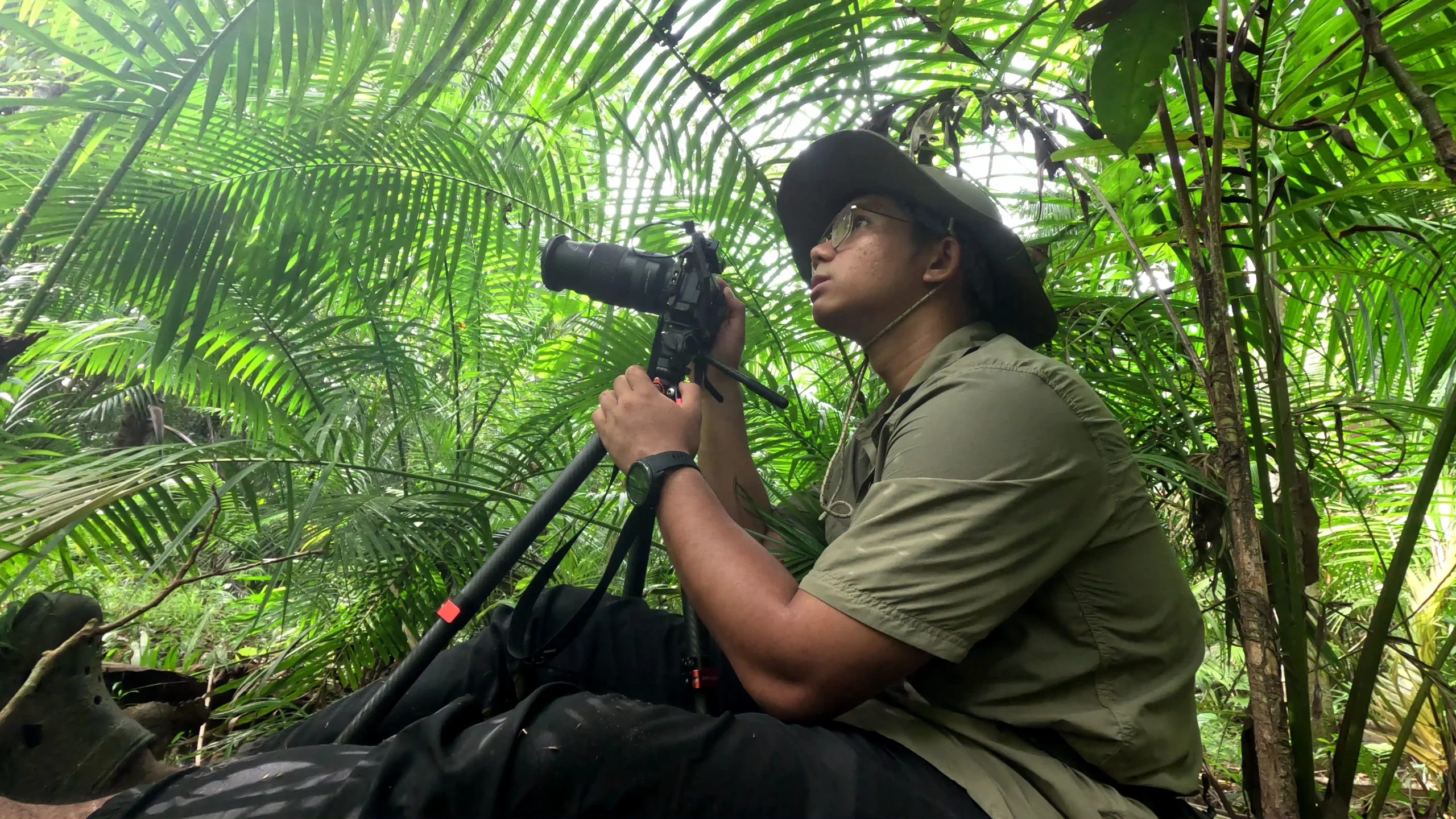
Wildlife documentary filmmaking calls for a particular mix of curiosity, patience, and storytelling. For Renzo, getting the shot is only one part of the job. There’s also the research, preparation, and responsibility of telling a story that can make a difference for the animals he documents. Interestingly, he learned much of this along the way, without a formal background in either filmmaking or science.
“Since I have zero formal or professional background in both filmmaking and science, I treat it cautiously with curiosity and humility,” he shares. Rather than letting his lack of experience hold him back, Renzo learned to embrace the process of discovering something new. “That feeling of ignorance became my superpower, because I was always amazed at the things I found out in the field.”
He also credits the mentors who helped him find his footing and become the filmmaker he is today. “Kindness and wisdom from people I look up to really helped me develop the confidence and skills in my storytelling,” he says.
These days, Renzo approaches each project with a more structured process. He pitches stories he believes can positively impact the animals he hopes to feature, then begins researching and planning once the project receives funding. Depending on the scale of the production, he either works alone with his camera or brings in a cinematographer for bigger-budget projects.
When he arrives at a location, he gives himself time to settle in and get to know the people and environment around him. Only when he feels comfortable does he begin exploring and filming, whether that takes him into the mountains, forests, or out to sea. And after all that time in the field, his next stop is back in the city, where he spends hours putting the story together. As Renzo states, he starts “hibernating in my editing cave.”
Filming wildlife comes with its own set of responsibilities. Renzo makes it a point to capture animals in their natural habitats without feeding or luring them for a shot. He acknowledges that wildlife tourism can be complicated, particularly when local livelihoods are involved, and believes these issues deserve fair representation. For him, telling a compelling story also means respecting the animals and the environments that make those stories possible.
How Nature Changed Renzo Maano
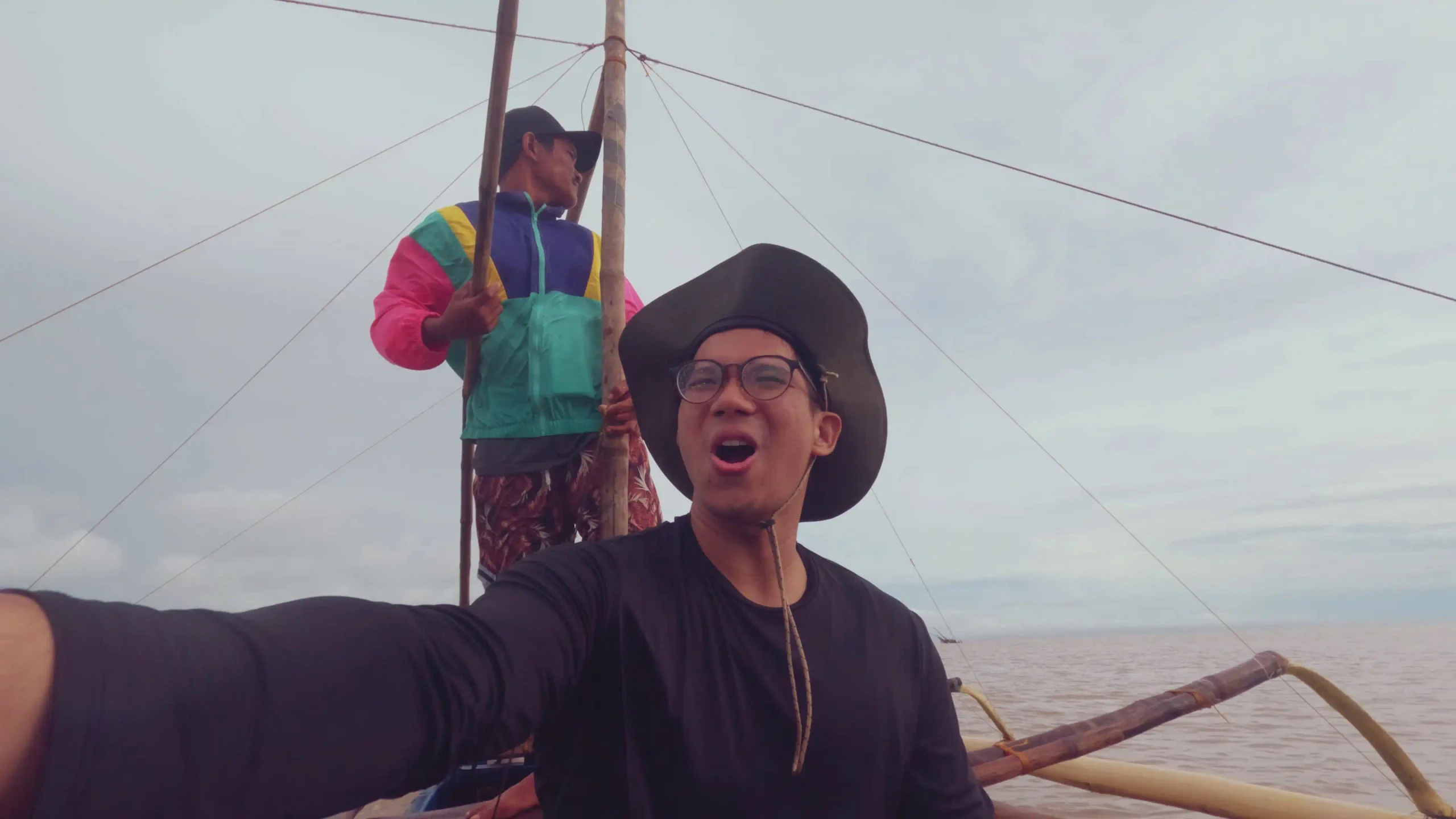
Renzo’s experience documenting the critically endangered Irrawaddy dolphins is one he holds especially close. It took him eight months to catch a glimpse of the elusive species, but the wait proved worthwhile. “It took me eight months to get a glimpse of them, and it was absolutely worth it,” he shares.
The experience also exposed him to a difficult reality: the tension between development and wildlife conservation. The story eventually earned him an international award in London from One World Media, a journalism organization that recognizes stories from around the world. His documentary continues to be used by various NGOs advocating for the protection of the Irrawaddy dolphins. For Renzo, the film’s impact extends far beyond the moment he captured the animals on camera.
His work has also shifted how he views our relationship with nature. He admits that his perspective continues to evolve, and that spending time in conservation has made him more aware of the challenges ahead. There’s a certain pessimism among people working in the field, he explains, especially when change can take years to happen. Still, he has learned to approach the work with patience. “Just like most of the people working in conservation, there is a bit of pessimism that things won’t really improve easily,” he says.
He draws a connection between conservation and the idea of sustainability, which calls for consistent effort over time. “Working with nature taught me a little bit about patience. It taught me that if we want to change things for the better, we need to keep giving it more time and effort continuously,” he explains. That’s one of the biggest lessons behind his films. Protecting wildlife takes time, commitment, and people willing to keep telling these stories, even when progress feels slow.
Looking Ahead
Renzo’s journey from fintech to wildlife filmmaking is proof that finding your purpose means taking a chance on something unfamiliar. Yet, as Renzo has learned, telling these stories is only the beginning. The hope is that people who watch his films will come away with a better understanding of the wildlife that shares our home, and why protecting it matters. From the elusive Irrawaddy dolphins to the Visayan spotted deer, every species has a story worth telling.
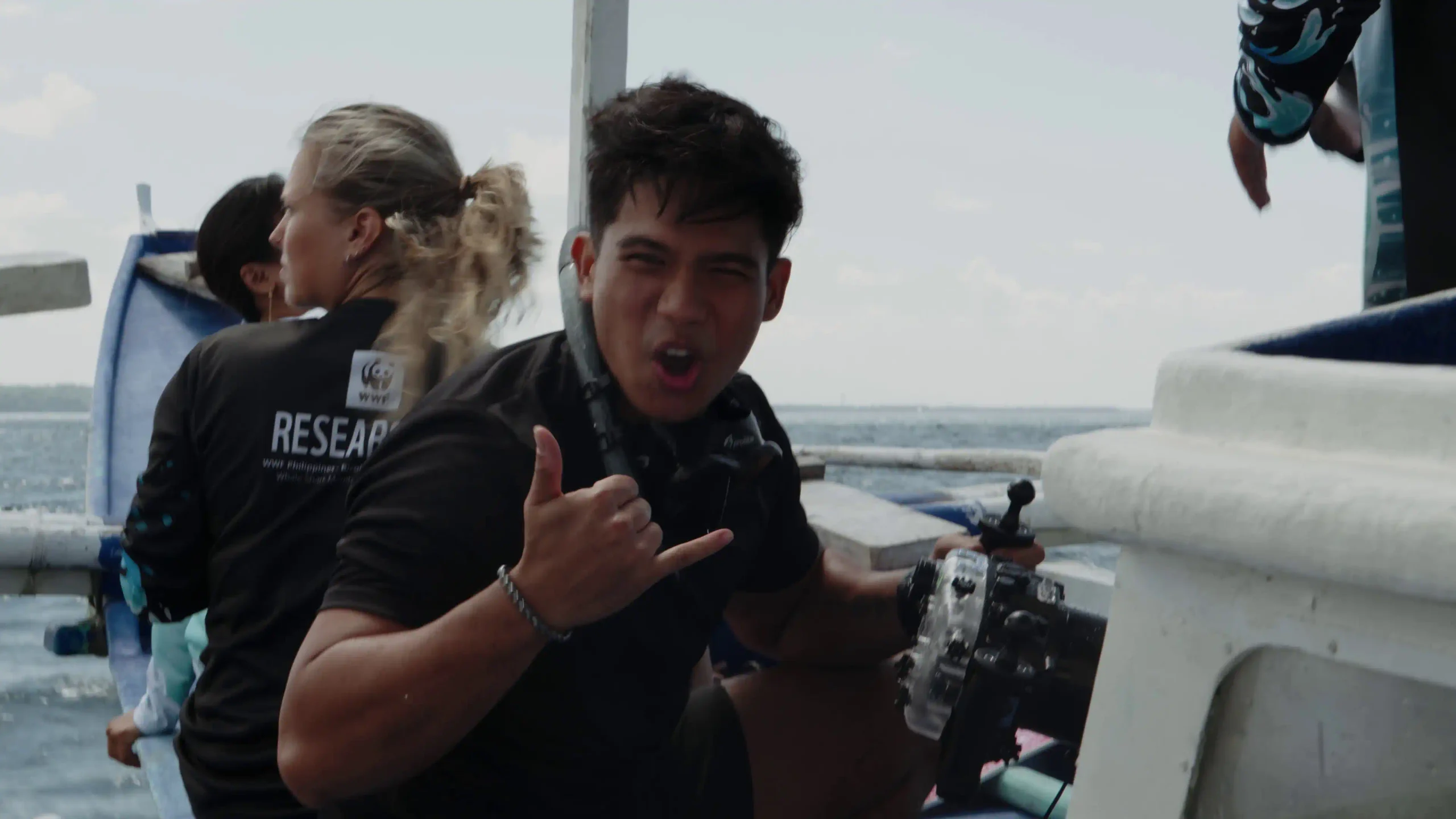
There are still countless animals waiting to be discovered, and Renzo has plenty of expeditions ahead of him. For now, he continues to take his camera into the country’s forests, mountains, and seas, documenting the creatures that make the Philippines so extraordinary. If his work reminds us of anything, it’s that we can’t protect or care about the things we don’t know enough about. Knowledge satiates the heart as much as the mind, and hopefully, through the work of creatives like Renzo, that knowledge can grow into something more than fascination: a deeper appreciation for the wildlife around us, and a greater desire to preserve their living beauty for as long as possible.
All photos courtesy of Renzo Maano
Frequently Asked Questions
Renzo Maano is a Filipino wildlife documentarist who creates films about threatened animal species in the Philippines. He previously worked in the finance and fintech industry before pursuing wildlife filmmaking in 2022.
Renzo Maano left his fintech career around July 2022 after experiencing a quarter-life crisis during the pandemic. He wanted a more adventurous and fulfilling life and eventually found his purpose in documenting endangered Philippine wildlife.
Renzo Maano has documented the endangered Visayan spotted deer on Negros and the critically endangered Irrawaddy dolphins. He also hopes to feature more threatened reptiles and amphibians and see Philippine eagles in the wild.
Renzo Maano received an international award in London from One World Media for his story about the critically endangered Irrawaddy dolphins. His documentary continues to be used by NGOs advocating for the dolphins’ protection.
Renzo Maano researches and pitches stories about threatened animals, plans his shoots, and spends time adapting to each environment before filming. He documents wildlife in its natural habitat without feeding or luring animals to capture footage.