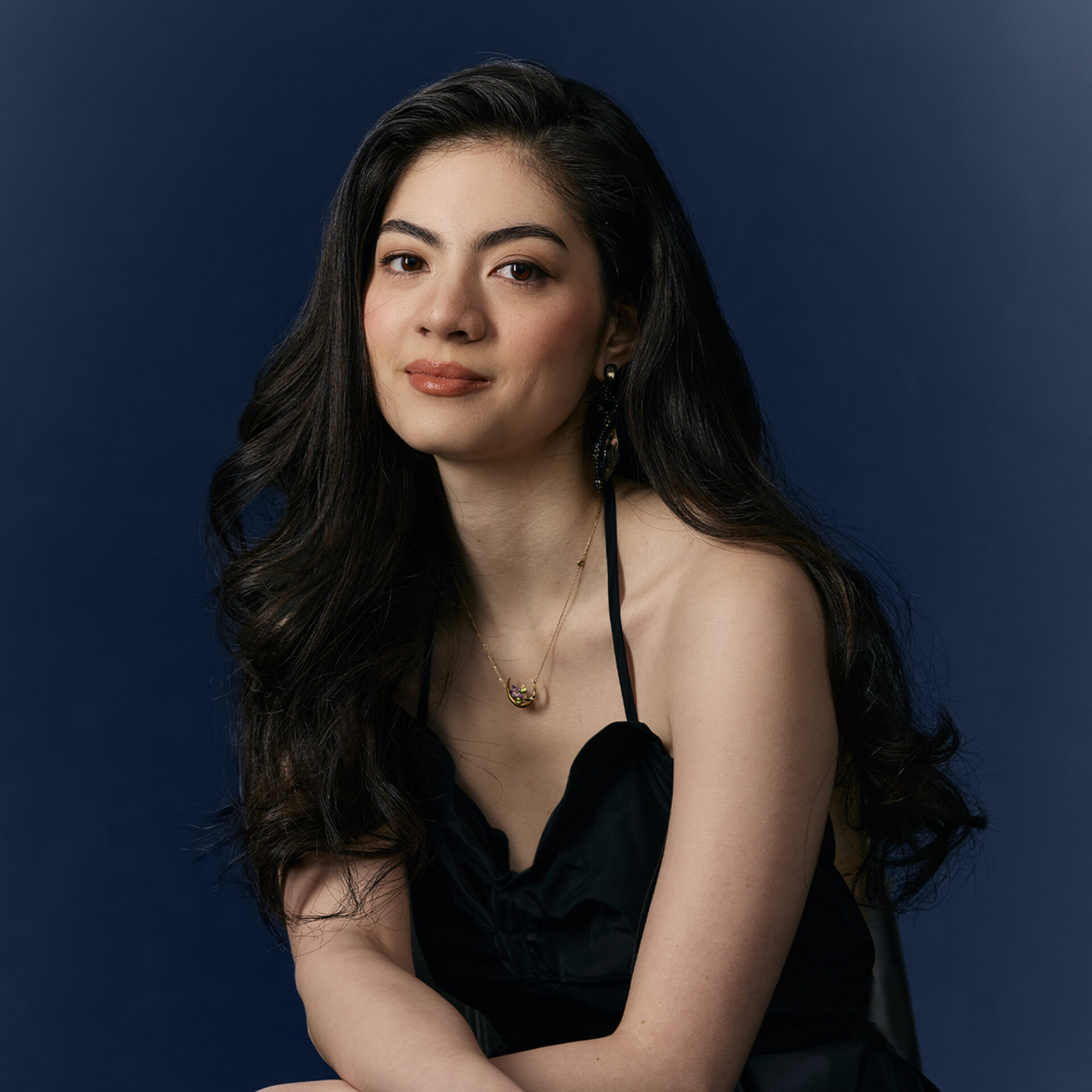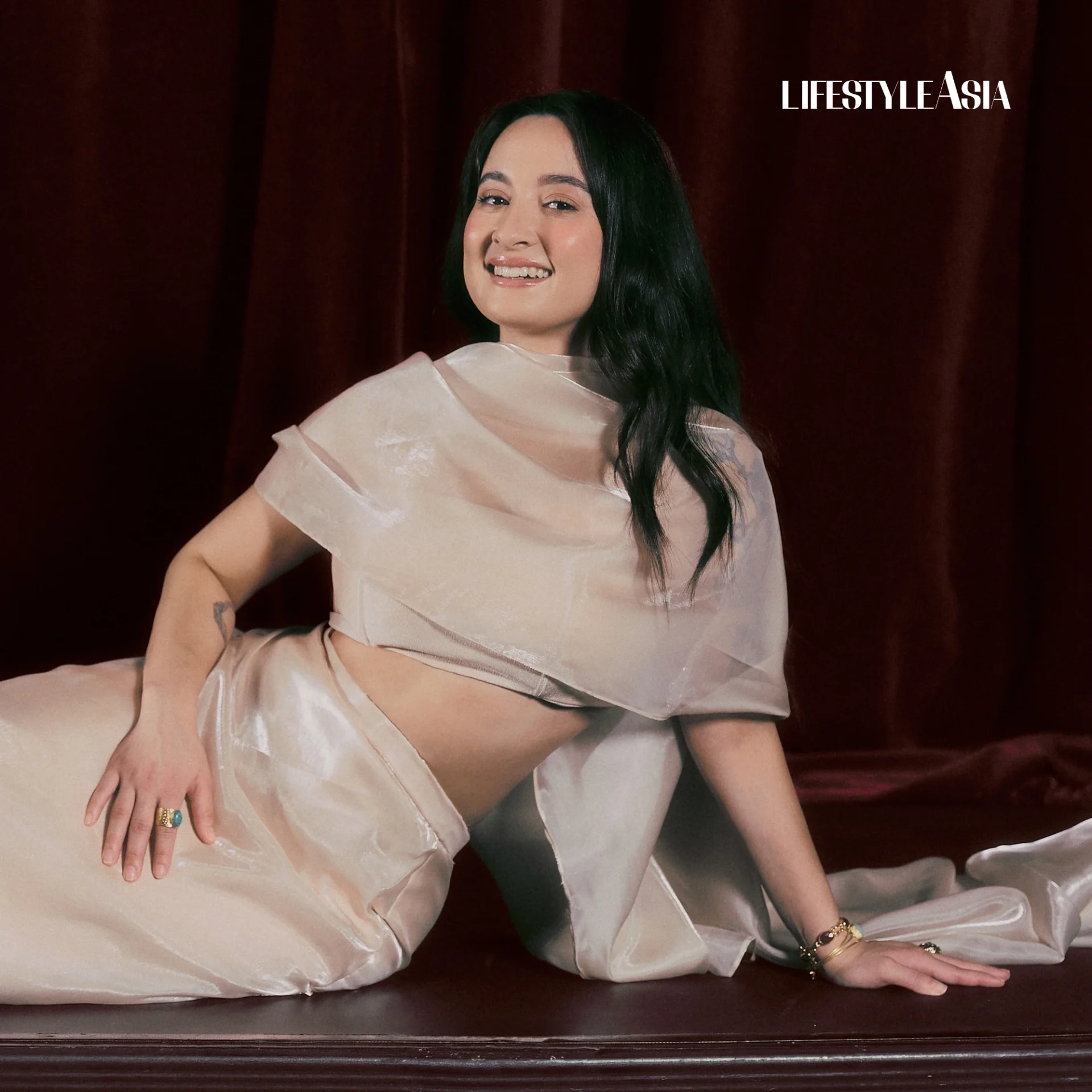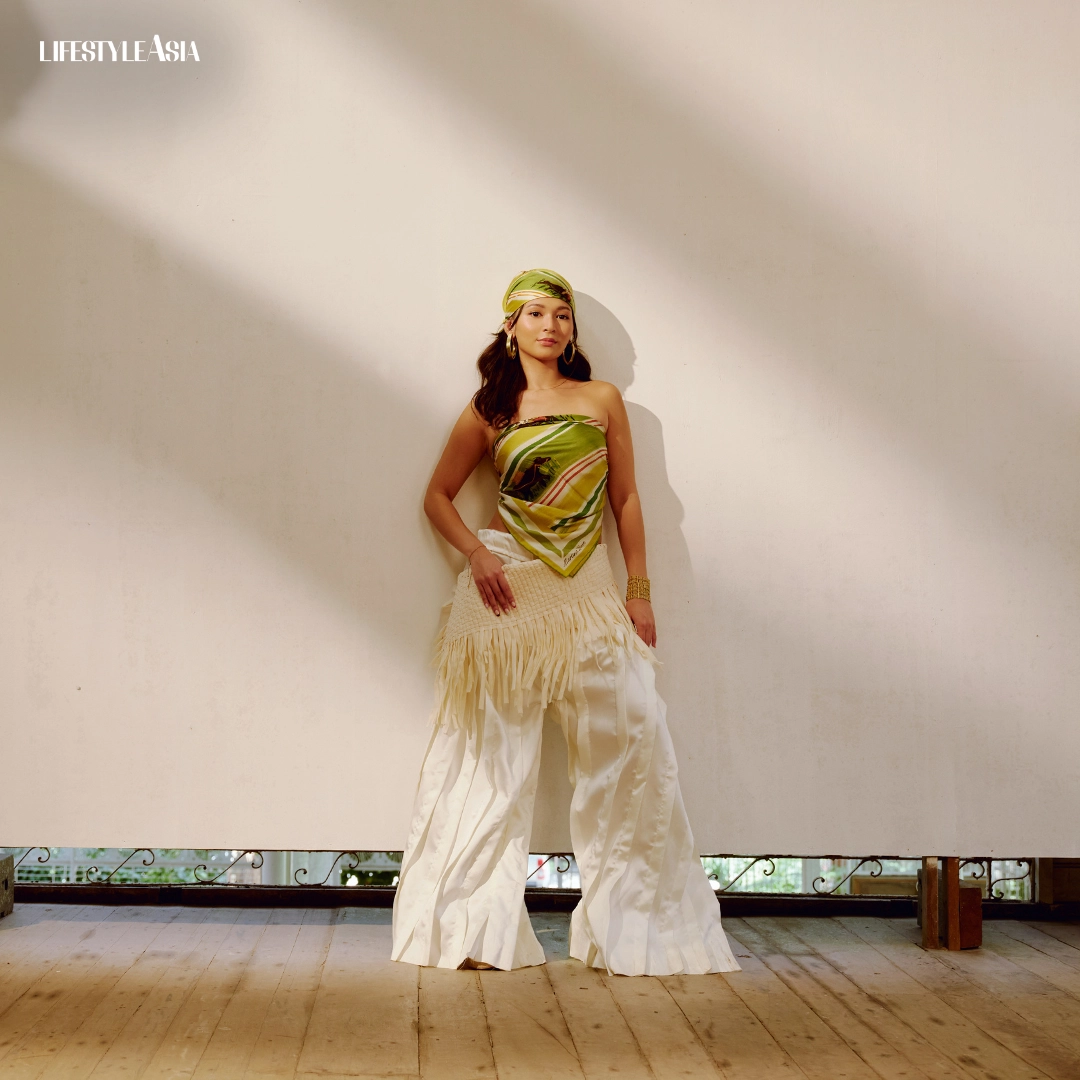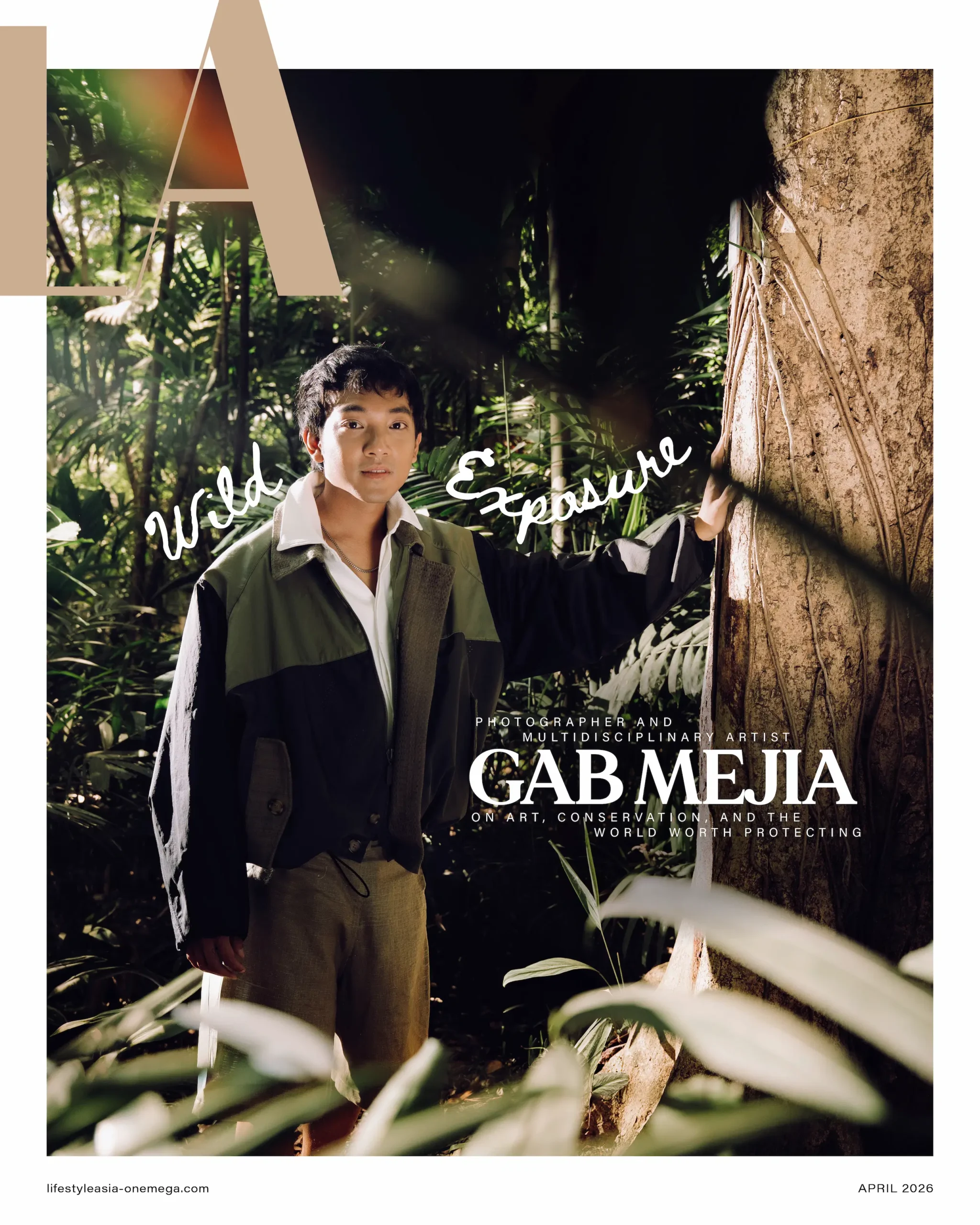
Multidisciplinary artist and conservationist Gab Mejia has spent his life paying close attention to the natural world—and getting the rest of us to do the same.
“Tell me, what is it you plan to do with your one wild and precious life?“
So asks the poet Mary Oliver in “The Summer Day,” where she spends an afternoon in a field watching a grasshopper move through the grass. She gives it her slow, all-consuming attention. It is a poem about an ordinary summer that, if we are willing to really take it all in, can hold the weight of the biggest questions.
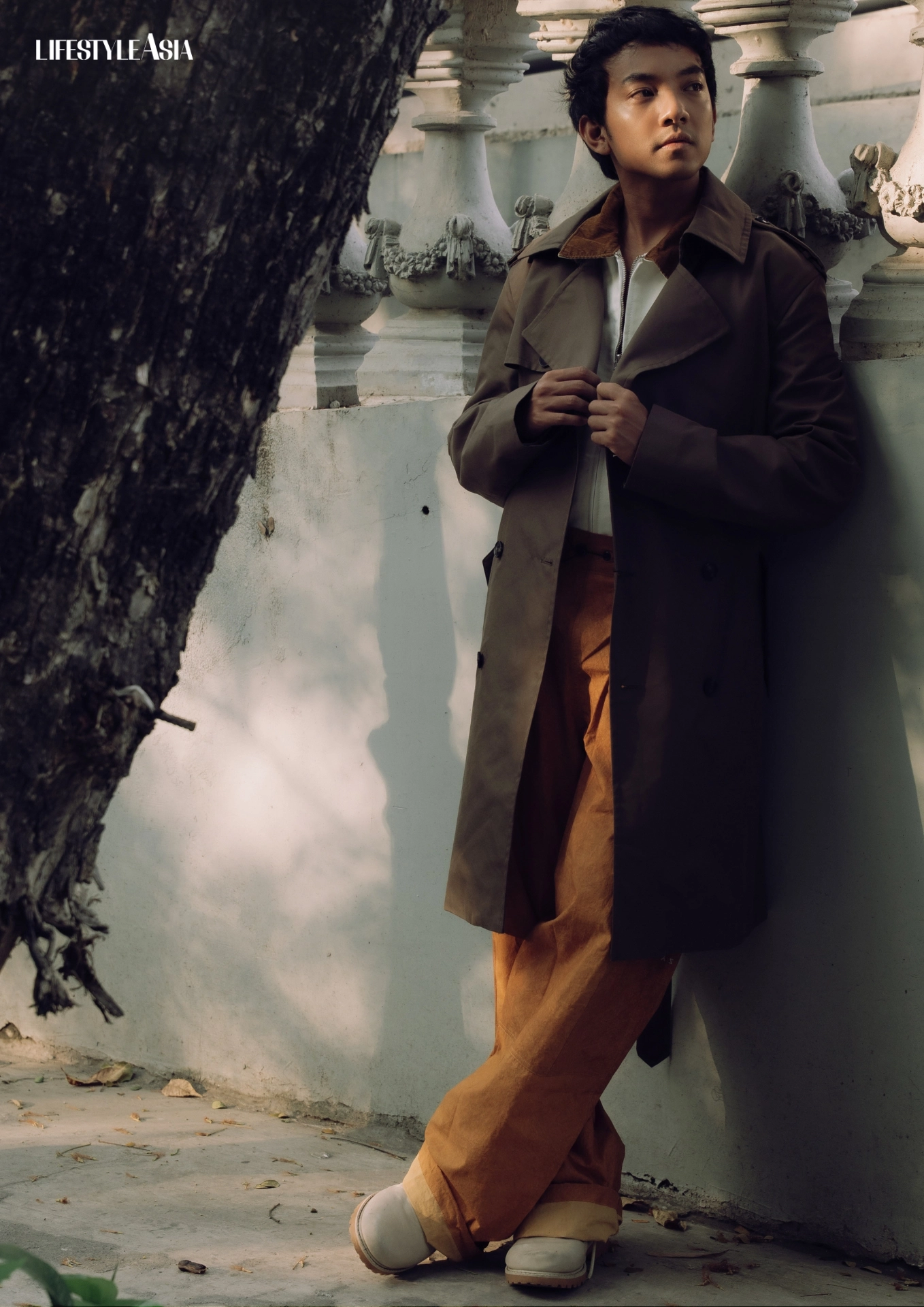
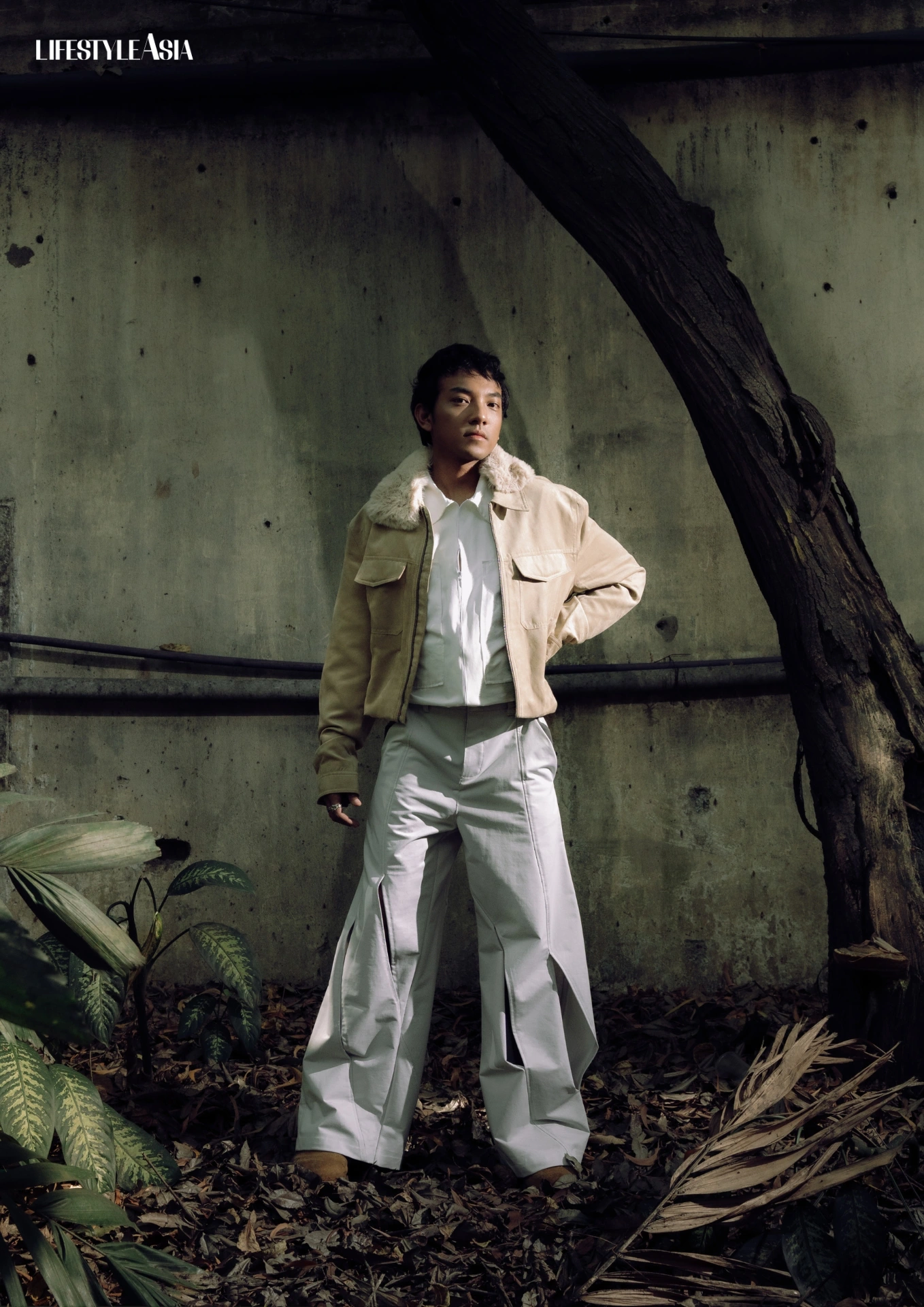
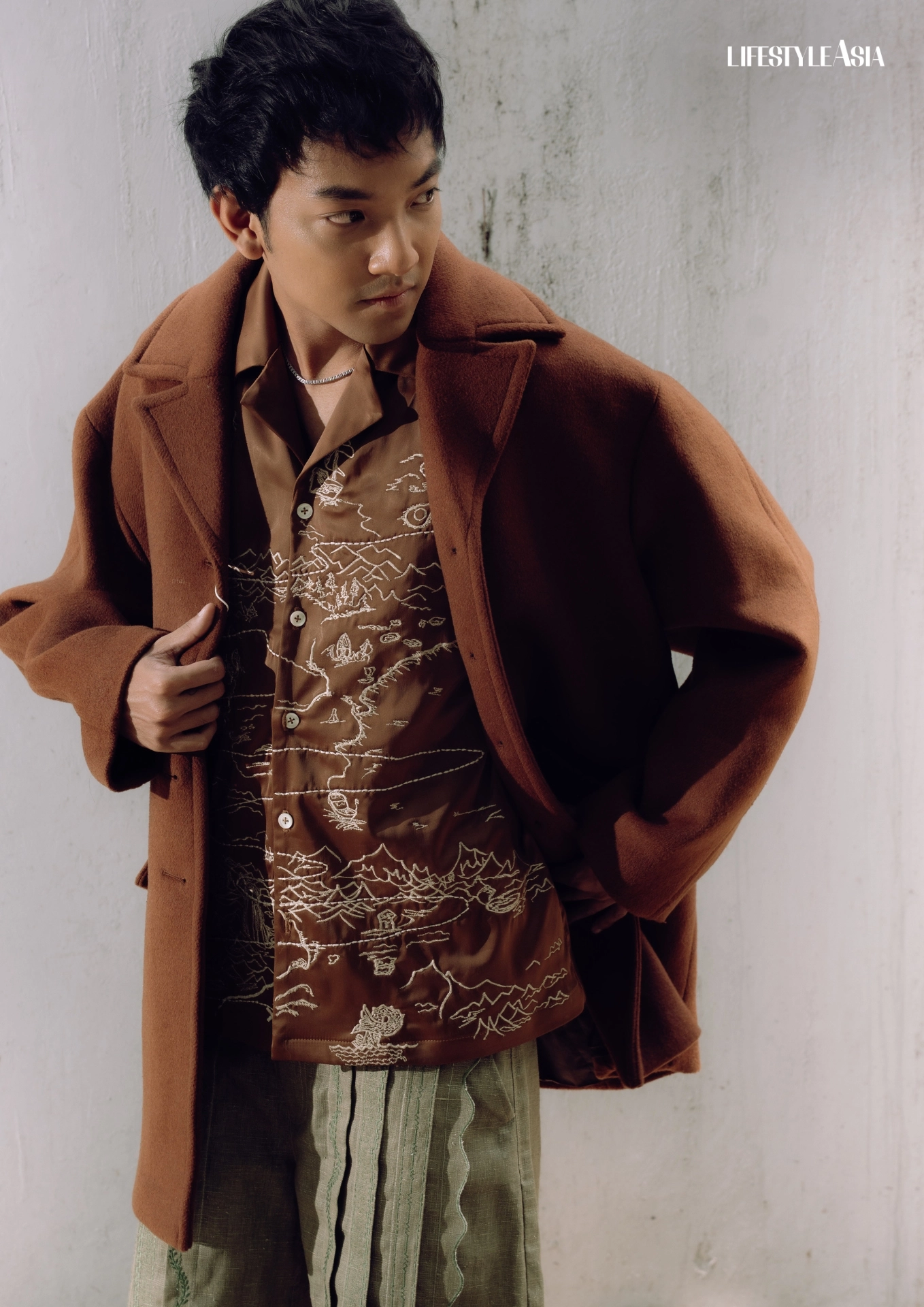
We experience our own summer day for the shoot in the middle of March, the heat already settling over Manila. Luckily for us, we meet our cover star, multidisciplinary artist and conservationist Gab Mejia, at Arroceros Forest Park, a gem of a forest on the south bank of the Pasig River, a breath of fresh air in the middle of the city. Here, the canopy holds, the light comes down in pieces, and, despite the scorching summer day, it is cool and quiet and alive.
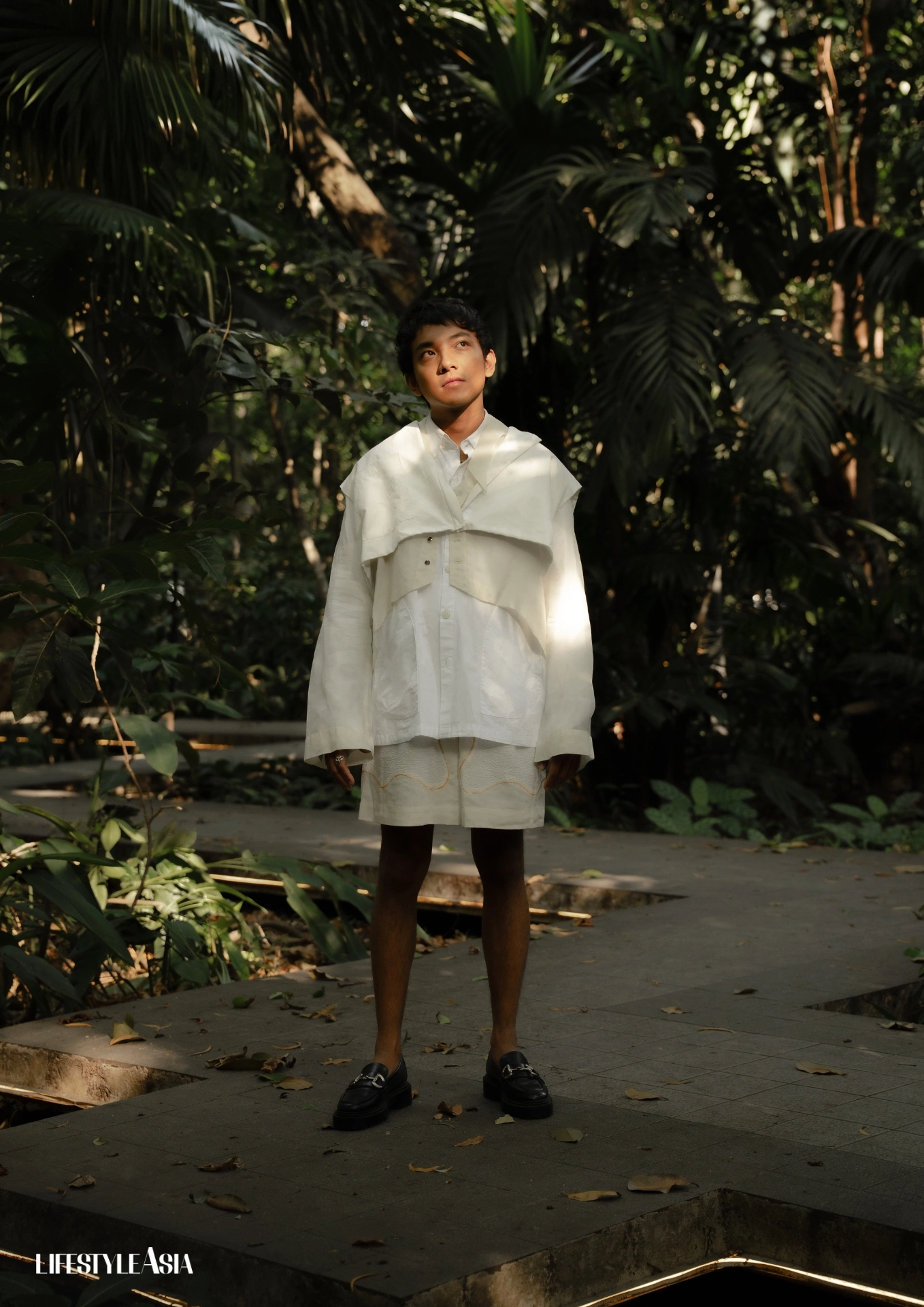
It was Gab who suggested the location for the shoot. He has photographed the glaciers of Patagonia, documented the tamaraws of Mindoro, followed rivers and scaled mountains across the Philippine archipelago and beyond. He has gone to places that for most of us exist merely on the pages of a magazine or on our social media feeds, lives lived by others. But for our shoot, he suggests this: a forest in the middle of our city, free and open and already here. It is accessible to anyone who walks through its gates. A reminder that nature is not only somewhere else; it is here, if we know how to look.
And few people know how to look the way Gab does. We caught him just before he flew out to Palawan, the latest stop in an ongoing, ever-expanding body of work called Kapuluan. It is a sweeping, multi-stage endeavor co-created with indigenous and frontline communities from across the archipelago. Tell me, what is it you plan to do with your one wild and precious life? For Gab, the answer starts in a garden in Katipunan.
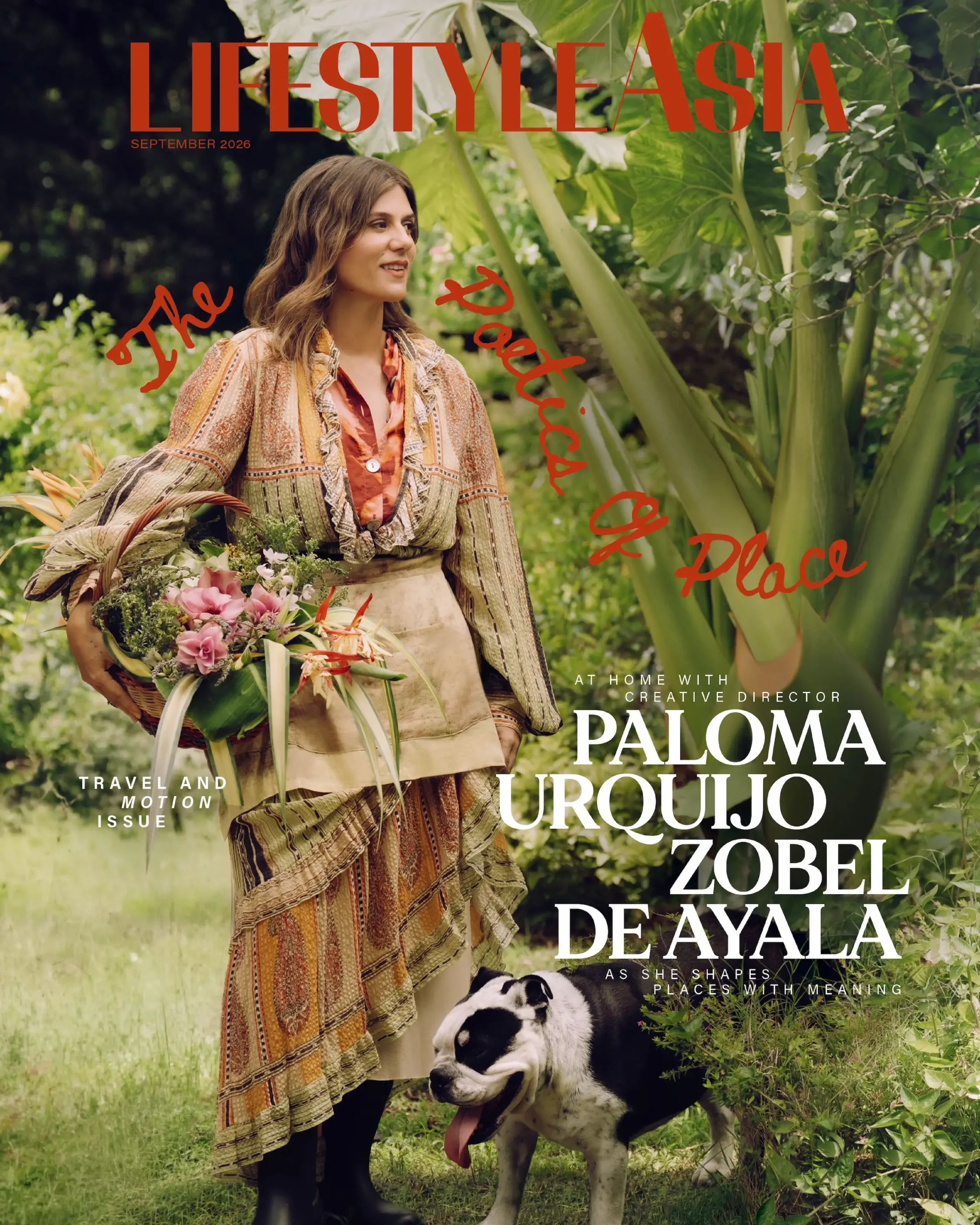
Editor’s Note: The full April 2026 cover story is available to subscribers of Lifestyle Asia’s digital access and to those who purchase their copy on Readly.
Growing Up With Nature
“Who made the world? Who made the swan, and the black bear? Who made the grasshopper?”
It is the first thing Oliver asks in “The Summer Day,” a childlike wondering at the miracle of creation and the world. And it is hard not to think of that childlike wonder as we watch Gab move through Arroceros on the morning of our shoot, pointing out certain varieties of trees and species of birds, exclaiming something new he learned.
“We would play bahay-bahayan,” Gab recalls of his childhood, “pretending we were living in this forest.” He laughs at the memory of digging hands and feet into the soil, cooking mud chocolate brownies with his siblings and cousins in the garden of their ancestral home in Katipunan. He never really stopped playing that game, but he somehow found a way to make it his life.
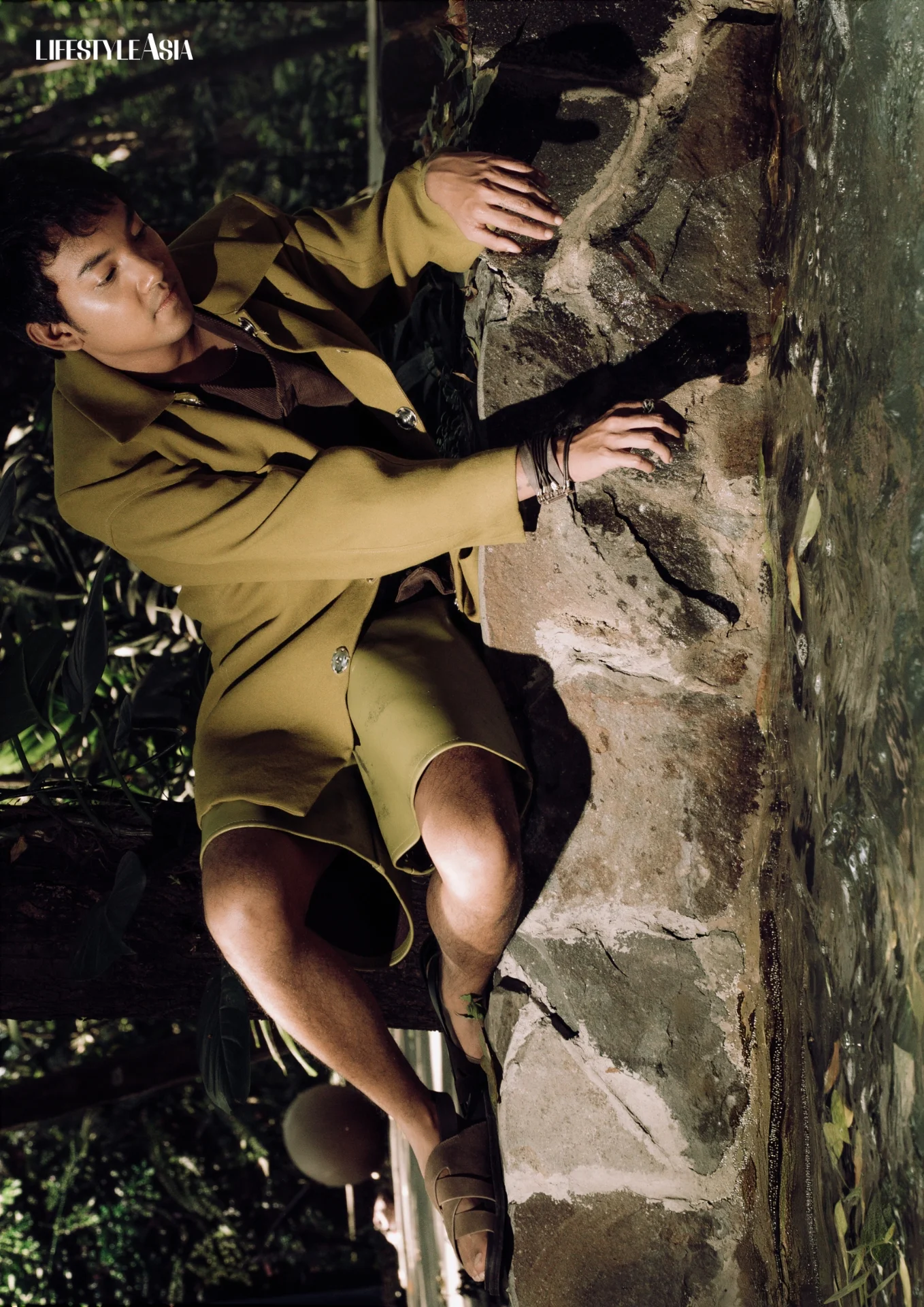
Growing up, his family instilled in him a love for nature and the environment. His grandmother let them roam free in a wild garden. His father passed down a love for the mountains, with family hikes through Laguna and Bataan, up to the highlands for Mt. Pulag, and even across borders to Mt. Kota Kinabalu in Malaysia. Even inside their home, their bookshelves opened out into the world, stacked with National Geographic magazines, editions of LIFE, and books of ecology.
It was only later on, Gab shares, sitting in a classroom of forty at his all-boys school, that he felt this demarcation or mismatch. The world outside was so much larger than what the four traditional school walls could hold. In university, where he took up civil engineering, notebooks were filled with ambitious goals, such as 52 mountains for the 52 weeks of the year.
“That’s sort of where my rebellious nature came out,” Gab shyly shares. “I mean—this is not good, but sometimes I would cut class to hike. I would devote and dedicate myself to being out there: maybe diving, or going to the rivers, going to the mountains, all across the Philippines.”
For Gab, no classroom could quite contain the question: Who made the world? For him, the only way to begin to answer it was to go out and see for himself.
READ ALSO: Style And Sensibility: Martina Lebron Crafts Images Of Home
River Deep, Mountain High
“I don’t know exactly what a prayer is. I do know how to pay attention.”
In “The Summer Day,” Oliver suggests that attention, paid fully and without distraction, may be its own form of devotion. And for someone who spent his childhood asking who made the world, who left classrooms to look for the answer in mountains and rivers and wetlands, picking up a camera was a natural thing.
“Photography is like this tool or vessel,” Gab says, “because it’s how I express my own voice in terms of advocating for nature or the causes that I really believe in, the ecosystems that I really want to protect, from the wetlands and forests.”
That voice found its first major audience with National Geographic’s Global Wetlands Youth Photo Contest. As part of over 700 entries from photographers aged 18 to 25, all exploring the theme of wetlands for disaster risk reduction, Gab submitted an aerial view of floodplains in Nueva Ecija, an image he captured while climbing Mt. Sawi.
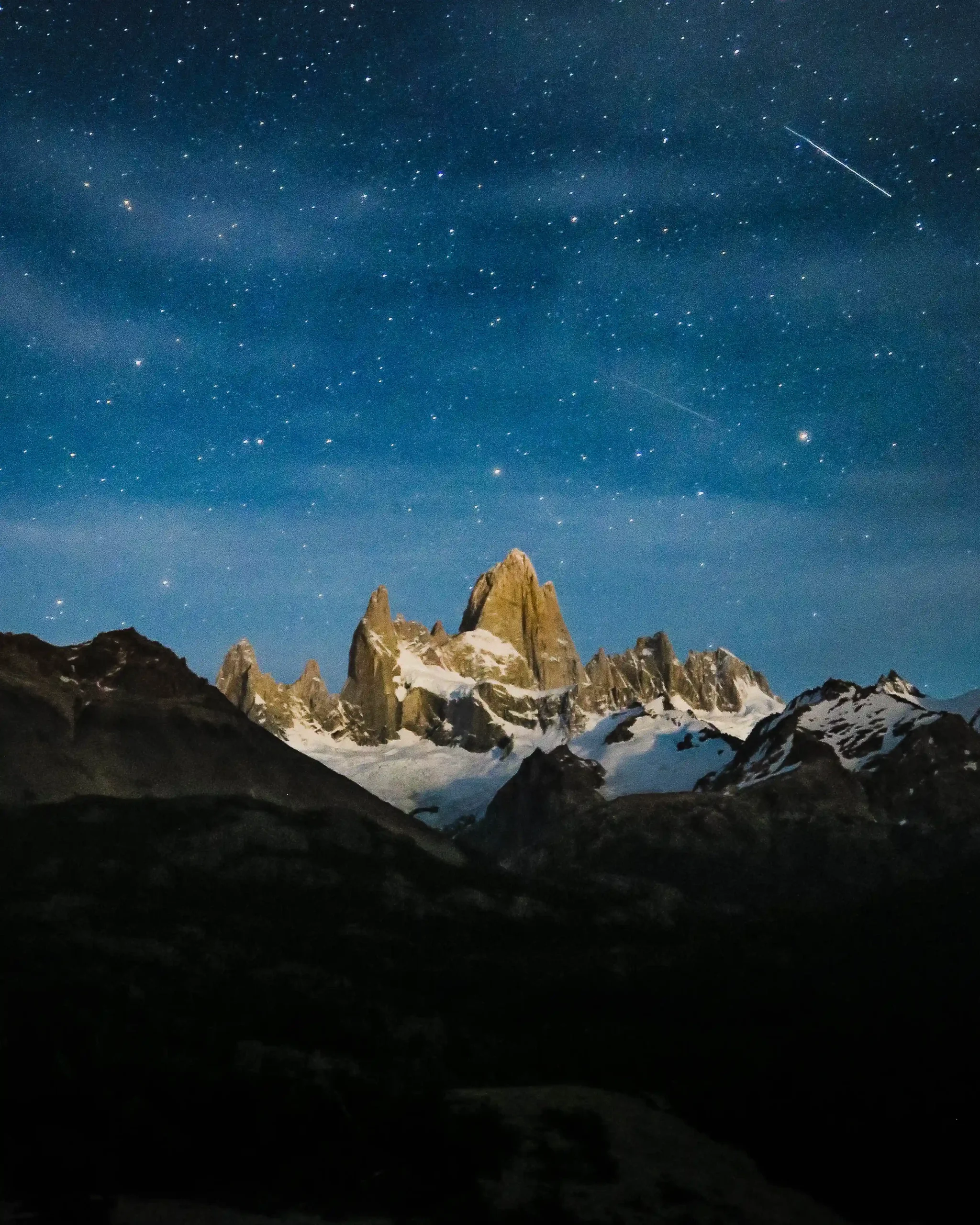
Much to his humble surprise, his entry won. The prize was a seven-week trip funded by National Geographic and the RAMSAR Convention on Wetlands. The idea was to spread environmental awareness through photography and mountain climbing. He could go anywhere in the world where wetlands needed attention. Having captured his entry from a Philippine mountainside, he asked himself: What is the furthest place he could possibly go? The answer was the end of the world. Ushuaia, the southernmost region of Patagonia.
He was 20, turning 21. He spent his birthday there, and Christmas and New Year, alone among glacial peaks in a landscape as far from tropical Manila as the earth allows. At the end of the experience, he created a short documentary.
“I never imagined that photography could be my passport to the world,” he recalls. “I really saw how being passionate and being vulnerable with your work—submitting it to competitions, applying for grants, even though you might fail- could open something.”
“I always encourage younger artists to just keep trying,” he continues. “You never know what you’re going to get out of 100 applications. You just need one moment out of the 100. Of course, the play of luck may be there, but you really need to be vulnerable even in the face of rejection; never stop putting out your craft. Even if I didn’t win that competition, I would still be doing what I’m doing.”
Soon after, the National Geographic Society’s Committee for Research and Exploration awarded him a grant, and Gab became a National Geographic Explorer. The camera was his tool and vessel to pay attention, and to get others to pay attention, a form of devotion and way of saying that these things matter. This is worth seeing. Look and listen.
READ ALSO: A Canvas Of Her Own: Three Artists On The Walls Of ALT ART 2026
An Expanding Practice
“I do know how to pay attention. How to kneel down in the grass, how to be idle and blessed, how to stroll through the fields, which is what I have been doing all day.”
It is the poet Oliver’s description of how she spends “The Summer Day.” Not rushing through it. Not observing from a distance. Moving through the natural world slowly, at ground level, whole self present. It is almost how Gab describes the expansion of his creative practice.
There is a twinge of grief that runs through Gab’s work, and he doesn’t try to hide it. He speaks of returning to the mountains he hiked as a teenager and finding them changed. The experience of a Super Typhoon that washed away personal belongings. His mother’s own hometown, which he would frequent as a child, he describes as a “sunken town because of climate change.”
“I wish I could just document and share nature stories, beautiful landscapes, and the ideas of paradise in the Philippines,” he says. “But that’s not truly the reality on the ground.”
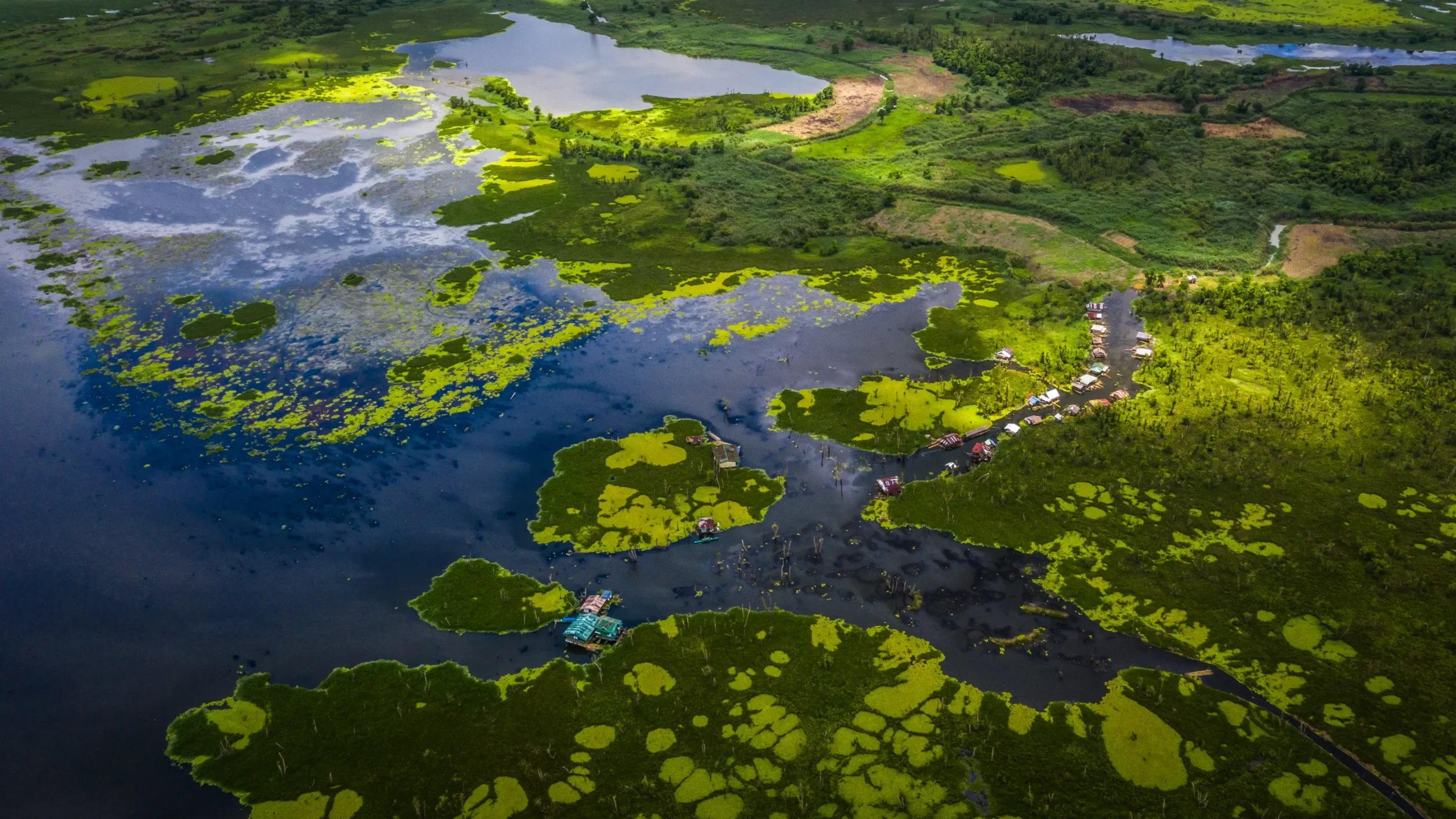
It was the Agusan Marshlands project that first crystallized this tension into a methodology, supported by an early-career grant from National Geographic. Gab worked with the Agusan and Manobo communities, spending time to build relationships with people who lived inside the ecosystem: those who depended on it and were protecting it. What emerged was an immersive, multi-stage project that put people at its center.
This was followed by projects that followed the critically endangered tamaraws and the people protecting them. Then came his documentation of the devastating aftermath of Super Typhoon Rai, which would earn him the Earth Partner Prize in 2023.
“You have activists fighting for our forests, people experiencing climate change, where it’s really life or death for them,” Gab explains. “There’s a heaviness that comes with all of this that also needs to be shared. How can we hold this grief for the environment together in a way that is expansive? In a way that regenerates?”
This question Gab asks himself and the world has shaped the path of his career, beyond documentation to the how, why, and for whom. In the poem, to stroll in the fields and kneel down in the grass is what Oliver says she has been doing all day. It is similar for Gab, only the fields keep changing, and what he finds inside them grows more urgent and harder to look away from.
His first full documentary work, The Forest Listens, Their Spirits Cry, brought him into the world of the Baylands of the Talaandig-Manobo. These are pre-colonial healers, warriors, and teachers who serve as guardians of the sacred forests of Mt. Kaluntugan in Bukidnon. Beyond an ecosystem, the forest is considered a threshold, as nature and spirit are inseparable. The series won the Open Category at the 2024 Objectifs Documentary Award.
This was followed by the experimental film Baradiya, a coming-of-age story that followed Krystahl Guina, a Baylan initiate and youth leader who first appeared in The Forest Listens.
“It was this sort of unraveling of my own personal journey as someone who recently came out as queer,” Gab shares. Set against the backdrop of pre-colonial Filipino identity, with the babaylans who cross the binaries of gender, the film was also a reflection of finding belonging in a community that does not discriminate.
Ecology and identity, grief and reclamation. The health of the land and the freedom of the people living on it are not separate questions. The forests and the communities inside them are part of the same living world we all belong to.
“We forget that we’re also nature as humans,” he says simply. “We are nature, beyond anything else. Yes, we are human. But we are nature.”
Read the full story in our April e-magazine by subscribing to Lifestyle Asia’s digital access or purchasing your copy at Readly.
Photography by Gab Villareal, assisted by Albert Calaguas; styling by Gee Jocson, assisted by Kassandra Gandionco, Reese Tio, Buddy Bernardino, and Vince Avisado; hair and makeup by Cats del Rosario; shot on location at Arroceros Forest Park; special thanks to the City of Manila
Frequently Asked Questions
Gab Mejia is a Filipino multidisciplinary artist, photographer, and conservationist recognized as a National Geographic Explorer. He is known for documenting Philippine ecosystems, indigenous communities, and the environmental and cultural impacts of climate change through photography, documentary film, and community-embedded projects.
Kapuluan is a multi-stage, archipelago-wide project co-created by Gab Mejia with indigenous and frontline communities across the Philippines. It documents the relationship between people and ecosystems, centering the voices of those who depend on and protect the country’s natural environments.
Mejia won the National Geographic Global Wetlands Youth Photo Contest with an aerial image of Nueva Ecija floodplains, earning a grant-funded trip to Patagonia. The National Geographic Society’s Committee for Research and Exploration subsequently awarded him a grant, formally recognizing him as a National Geographic Explorer.
Mejia’s documentary work includes The Forest Listens, Their Spirits Cry — which won the Open Category at the 2024 Objectifs Documentary Award — and Baradiya, an experimental film following a Baylan initiate from the Talaandig-Manobo community. Both works center indigenous identity, pre-colonial heritage, and environmental stewardship in Mindanao.
Mejia’s practice embeds him within communities rather than documenting from a distance. Beginning with the Agusan Marshlands project — supported by a National Geographic early-career grant — he builds long-term relationships with indigenous peoples such as the Agusan, Manobo, and Talaandig communities, treating ecological and cultural preservation as inseparable concerns.