Free time has turned into one of the greatest luxuries of modern life; here’s why owning your time is the new status symbol.
In the age of social media, “flexing” has become a way of signaling status. The more extravagant the display, the louder the message: a sold-out vacation, a coveted handbag, a reservation that’s impossible to secure. Lately, however, the flex has shifted from the material to the intangible. More specifically, it has become about the most precious resource of all: time. For years, being booked and busy has served as shorthand for success. A calendar packed from sunrise to bedtime suggests you’re in demand, ambitious, and indispensable. Yet that wasn’t always the case. For centuries, leisure belonged to the wealthy. Having enough time to read, travel, or spend an afternoon doing absolutely nothing signaled that you had escaped the demands of labor. Today, that idea feels more relevant than ever; as modern life grows increasingly fast-paced, uninterrupted free time has become more exclusive than a designer bag, and an unscheduled afternoon one of the rarest luxuries money can buy.
READ ALSO: Is It Cringe To Have A Crush As An Adult?
The Growing Divide Of Time Economics
For many people, the absence of free time isn’t about poor time management, but economics. The rise of freelance work, side hustles, and gig-based employment has turned every spare hour into potential income. For millions, leisure directly competes with rent, groceries, and utility bills. Rest becomes difficult to acquire and justify when survival demands constant productivity. With that scarcity principle in mind, wealth creates something more valuable than convenience: time. Those with financial resources can outsource errands, housekeeping, meal preparation, childcare, and transportation. They don’t receive more than 24 hours in a day, but they spend far fewer of those hours maintaining everyday life. Time remains the one resource money can’t technically create, but what money can do is prevent your time from being claimed by many obligations.
How Technology Has Claimed Our Time
Technology promised shorter workdays and greater efficiency, yet what it ended up doing was dissolving the boundary between work and life. The office now fits inside every pocket. Emails arrive during dinner, Viber and Telegram notifications interrupt weekends, and a quick message turns into an hour of work before bed. Being available has become the default setting, and the status of “offline” feels more like a privilege than a choice.
That constant connectivity has reshaped how we perceive leisure. Reading for pleasure suddenly needs to become “learning.” Going for a walk turns into hitting a step goal. Even hobbies are expected to evolve into side businesses. Every activity is measured by what it can produce, and that’s why doing nothing feels strangely indulgent. Spending an afternoon with no plans, no notifications, and no pressure to optimize your time is now a coveted luxury.
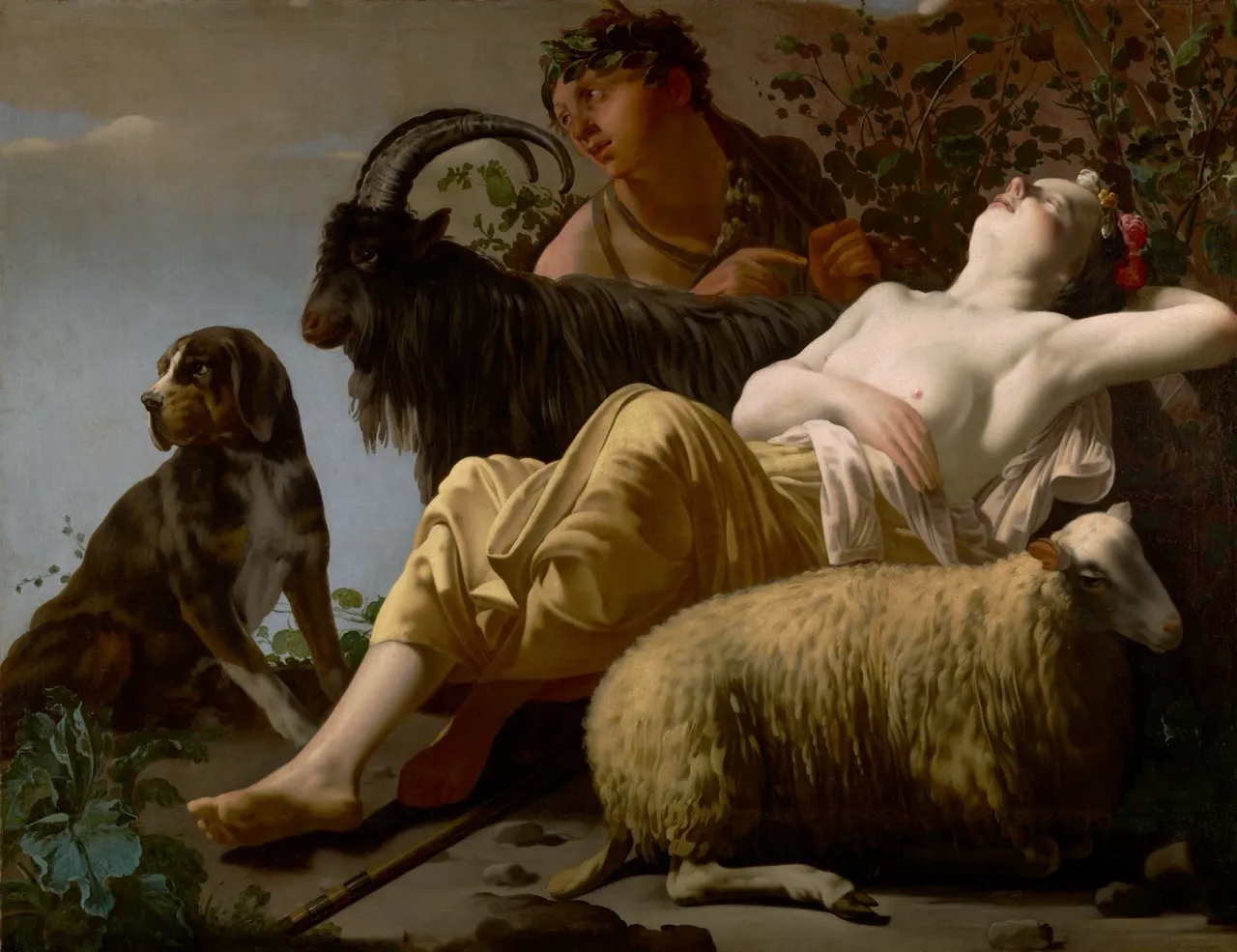
Maybe The Biggest Flex Is Having Nothing To Do
Free time shouldn’t be reserved for those who can afford to outsource their lives, nor should it be treated as a reward for burnout. It’s an integral part of life where creativity happens, relationships grow, and people remember who they are outside of deadlines and deliverables. So the next time someone asks how you’ve been, resist the temptation to answer, “So busy.” If you managed to spend an hour staring out the window, taking a long walk, or doing absolutely nothing this weekend, celebrate that. In a world obsessed with productivity, having time that belongs entirely to you is a form of wealth we should cherish and never deprive ourselves of.
Frequently Asked Questions
Time has become a luxury because modern work culture, technology, and economic pressures leave many people with little uninterrupted free time. Having control over your schedule is increasingly associated with privilege.
Time poverty refers to having too little discretionary time after work, commuting, caregiving, and household responsibilities. It affects people’s well-being, relationships, and overall quality of life.
While money can’t create more hours in a day, it can reduce the amount of time spent on everyday tasks through outsourcing services like cleaning, grocery delivery, transportation, and childcare.
Constant connectivity through smartphones, emails, messaging apps, and social media has blurred the line between work and personal life, making it difficult to fully disconnect.
Unstructured free time supports creativity, mental health, rest, and stronger relationships. It gives people space to recharge without the pressure to be constantly productive.