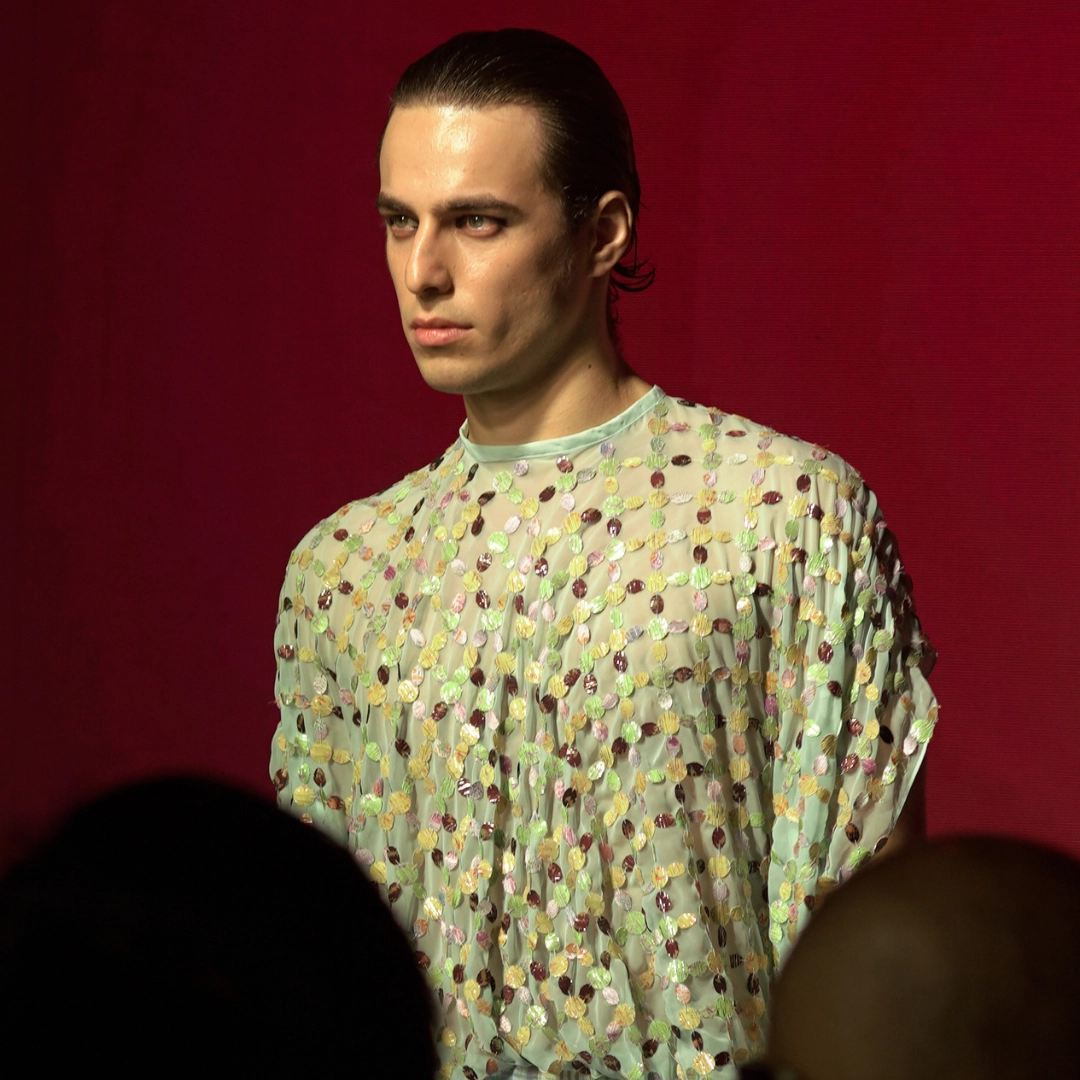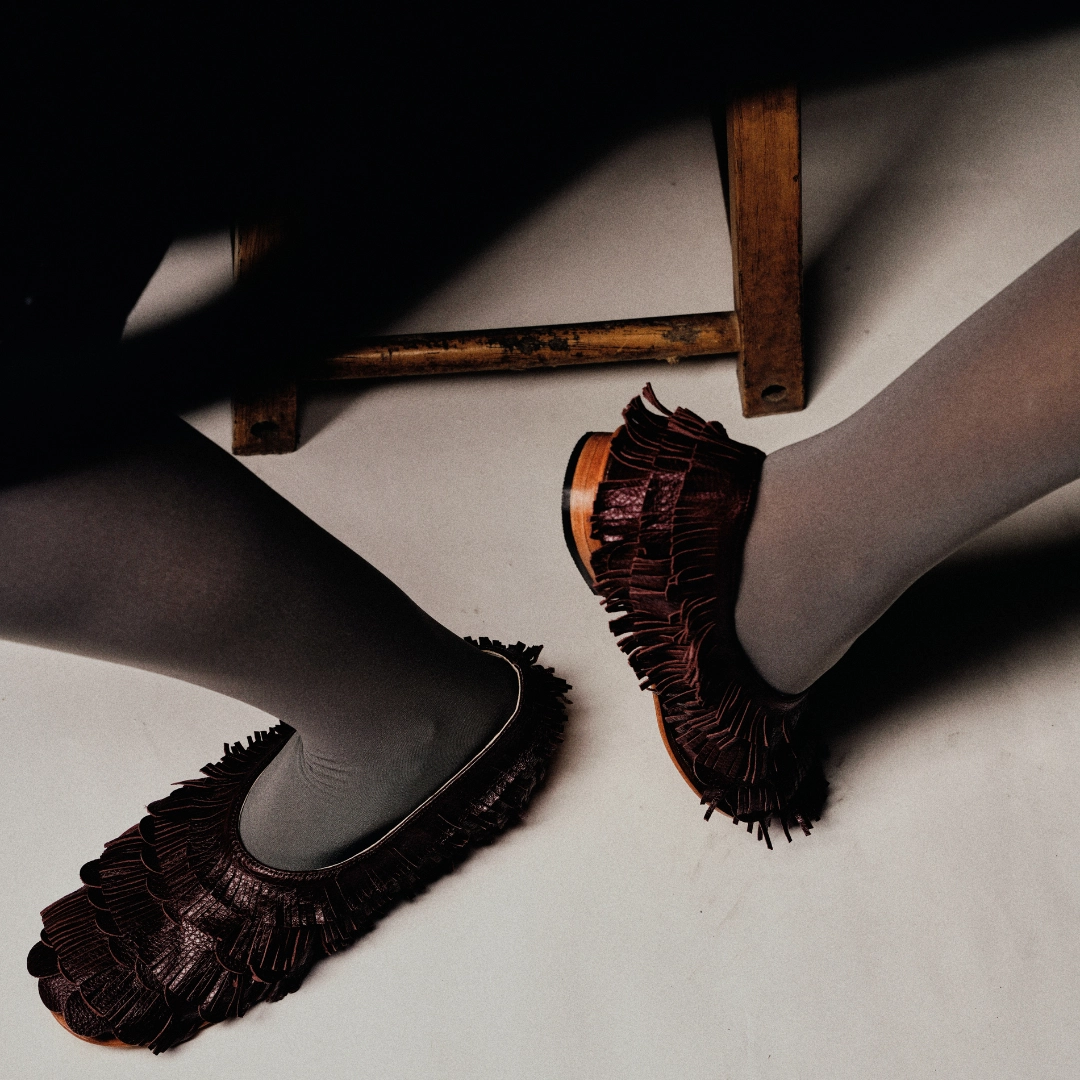
The Philippines’ shoe capital nearly lost its footing to mass production and cheap imports. Meet the young designers turning back to the last, the leather, and the artisans who built Marikina’s name in the first place.
Marikina has a way of hiding in plain sight. Say the name to a younger generation of Filipinos, and they’ll nod, half-remembering something about shoes, about a city famous for craftsmanship that swelled and peaked before they were born. It’s a strange kind of fame, how Marikina is often spoken of in the past tense even by the people who still make their living from it.
That fame was earned honestly. In 1887, a self-taught cobbler named Laureano “Kapitan Moy” Guevarra took apart a pair of imported English shoes simply to understand how they were made, and in doing so, sparked an entire industry. What began as one man’s curiosity became a livelihood for a town, as Marikina City states in its official records.
READ ALSO: Qurio Is Manila’s New Destination For Global Design
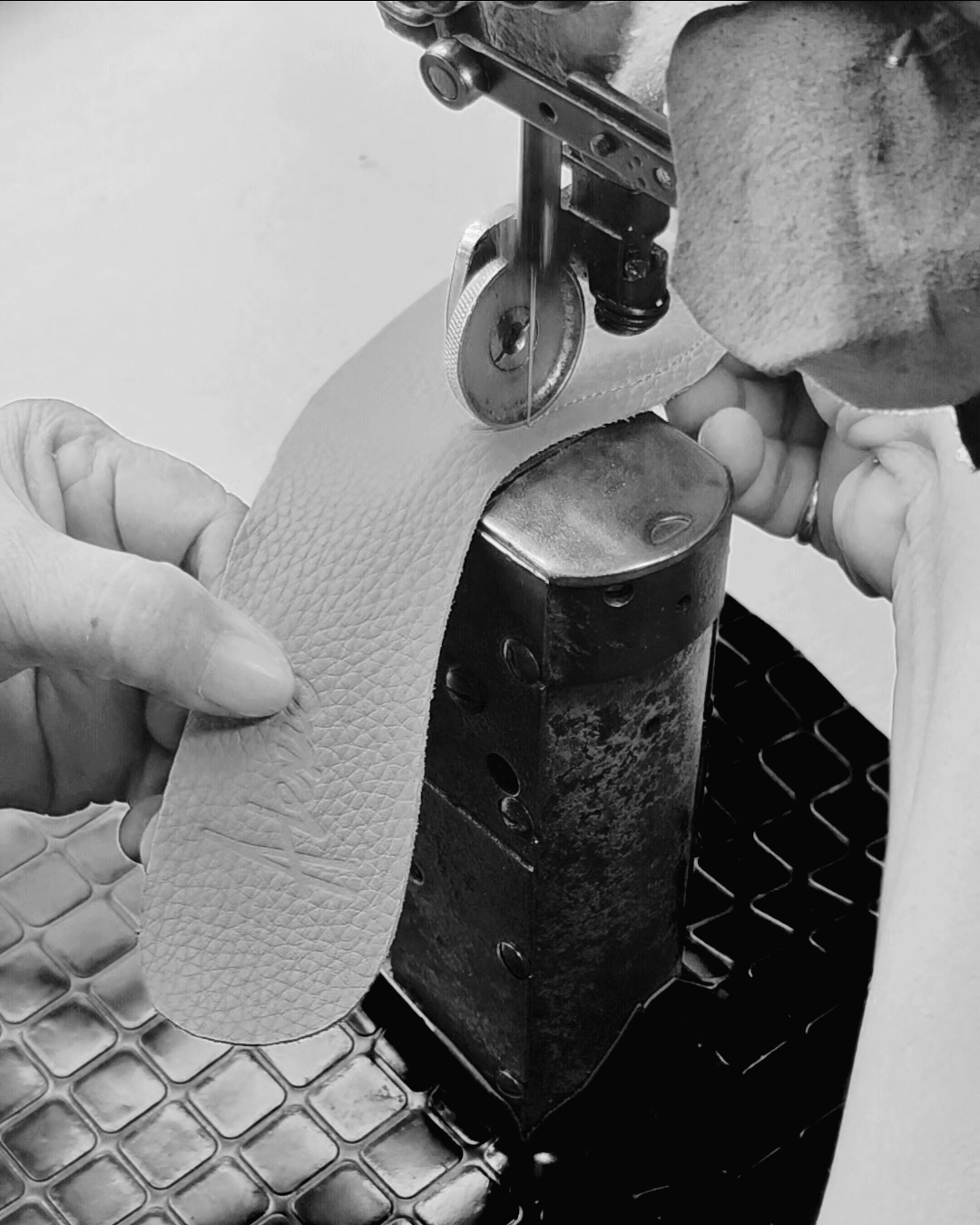
According to Marikina-based librarian and scholar Nonet Angeles in her article “The History of Marikina’s Shoe Industry,” by 1935, the city counted some 2,450 workers across 139 footwear shops. Alongside its footwear, Marikina made an identity of its own.
And then, as global manufacturing shifted and trade liberalization opened the floodgates to cheaper imports, that identity began to erode. In 2019, city officials claimed that the Marikina shoe industry was worth one billion pesos. But the pandemic delivered a near-fatal blow. A year after their initial remarks, the city shared in a briefing that 80% of remaining workshops ceased operations.
By 2025, the Marikina Shoe Manufacturers organization reported that only 200 registered workshops remain of an industry that once numbered in the thousands.
How Marikina Shoemakers Are Reclaiming The Craft
But the decline isn’t the whole story, nor is it the end of it. A new generation of young Filipino designers has begun returning to the craft of shoemaking on their own terms. Walk through their ateliers, and you’ll find something closer to reverence than resignation. Marikina’s legacy insists that shoemaking tradition isn’t a relic to be mourned, but a foundation to be built upon.
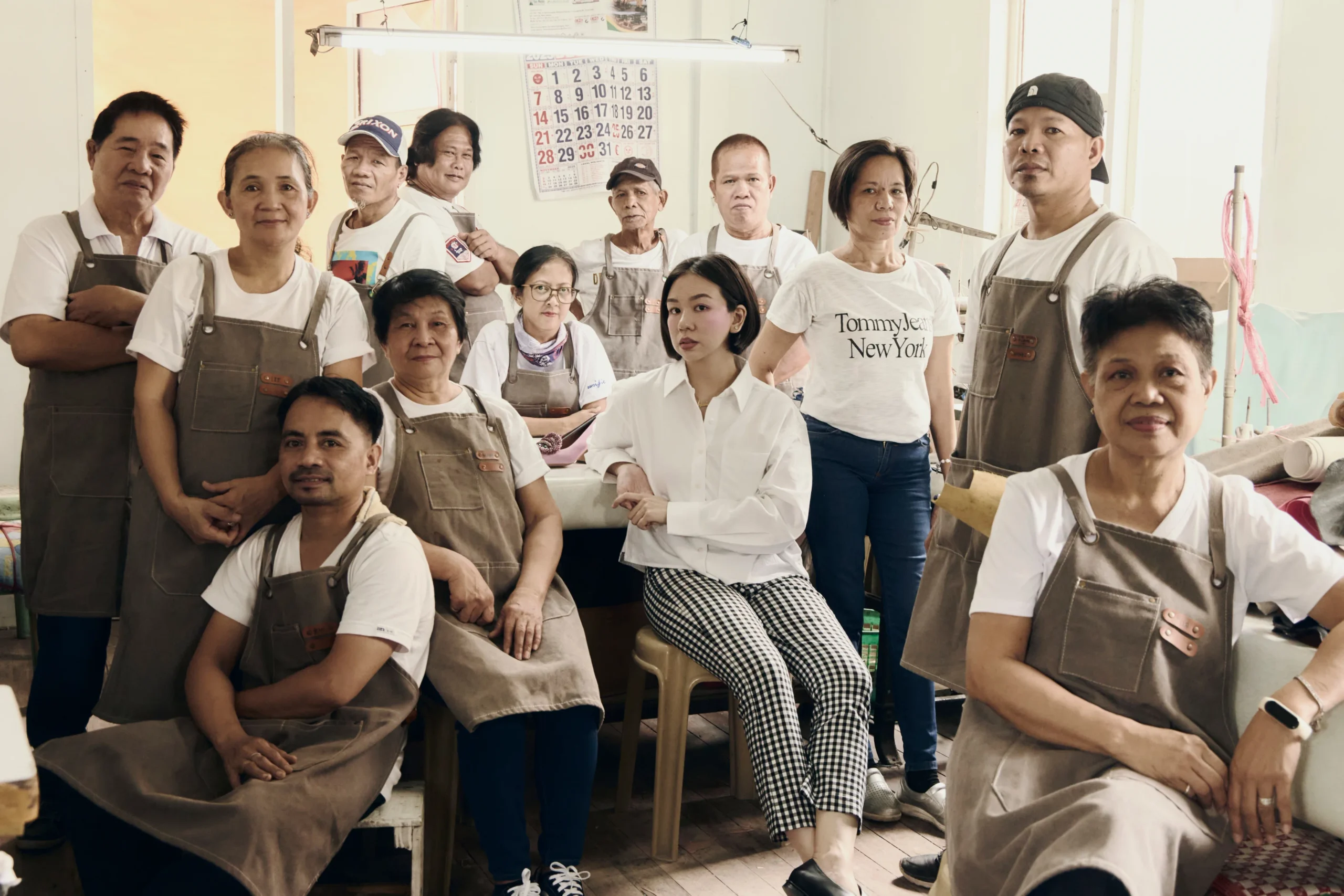
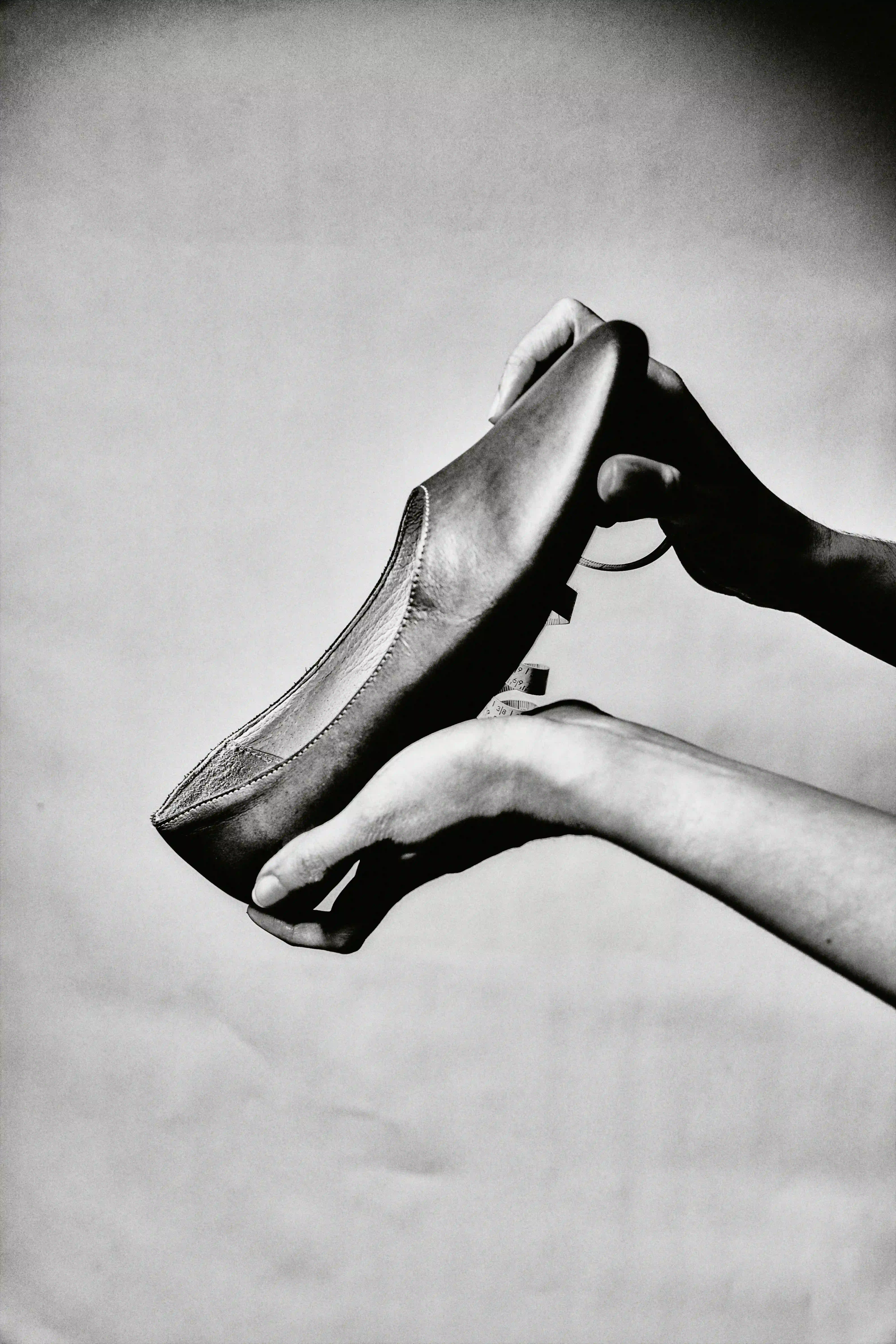
Angelie Alexie Nethercott, founder of the label Alexie, is among them. Her path to shoemaking began almost accidentally, with a hand-painted pair of sandals made as a gift for her sister in 2018, which she describes as “a simple, personal project that unexpectedly opened the door to something much bigger.” It was only after the passing of her longtime shoemaker that she felt compelled to learn the craft herself, training in pattern-making and hand construction so she could understand what she was asking of the artisans around her. “It completely changed the way I see footwear,” she says.
For Nina Magbanua and Rosanna Periquet, the founders of Cariñosa, the entry point was different but the devotion identical. The two had been friends since school, bound by a shared instinct that Filipino craftsmanship deserved a modern showcase. Nina had interned at Marquina Shoemaker, one of Marikina’s most established names, while Rosanna grew up immersed in Philippine textiles through her grandmother, Maribel Ongpin, founder of the HABI Philippine Textile Council. Together they built something that felt inevitable in hindsight, through contemporary silhouettes constructed from locally woven fabric, Marikina leather, and a belief that heritage and modernity were never actually at odds.
Ask any of these designers what “Made in Marikina” means to them, and the answers converge on a single word: trust.
“There’s already an unspoken sense of trust,” Alexie explains. “They [customers] know the pair was made by hand, with skill, care, and generations of knowledge behind it.”
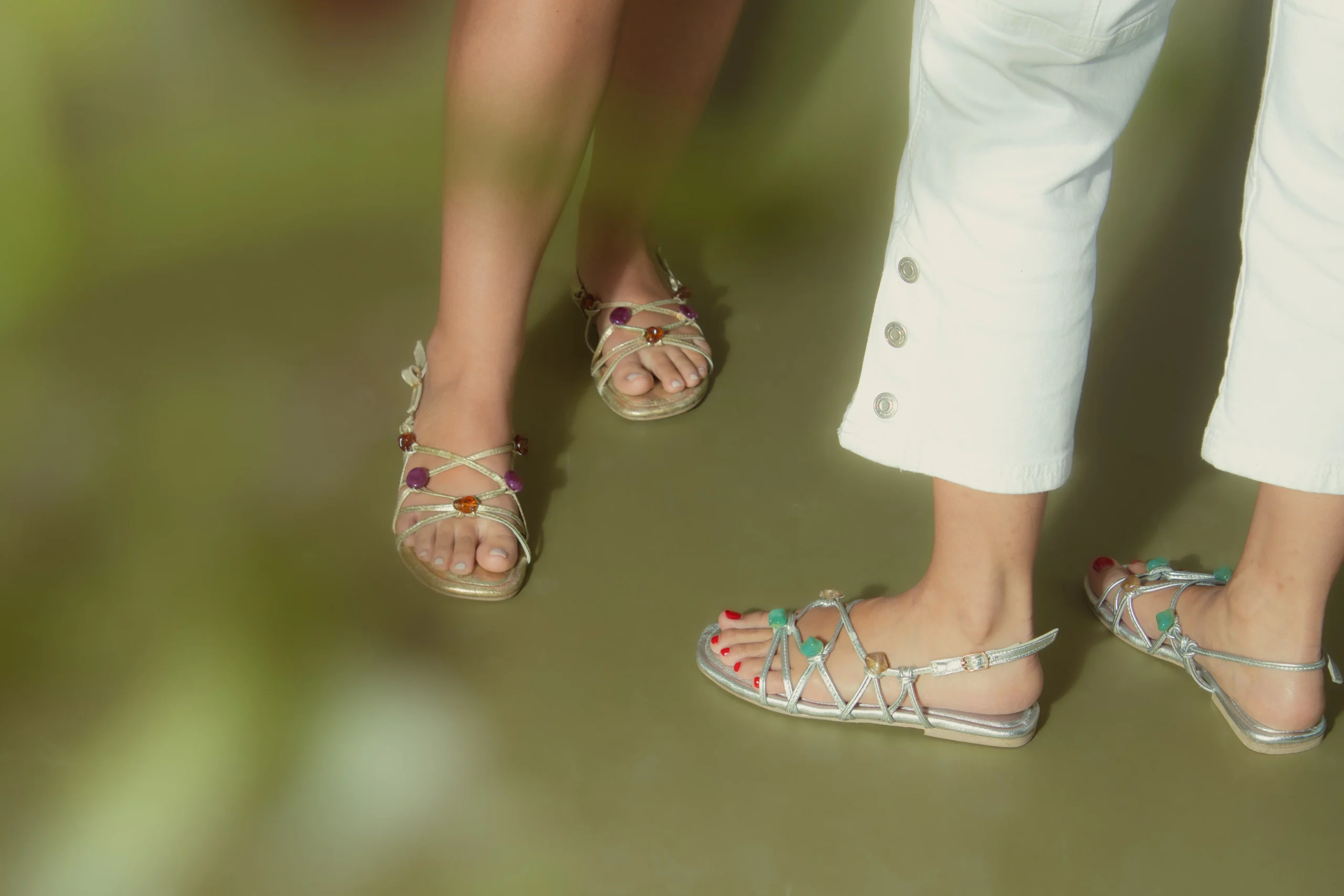
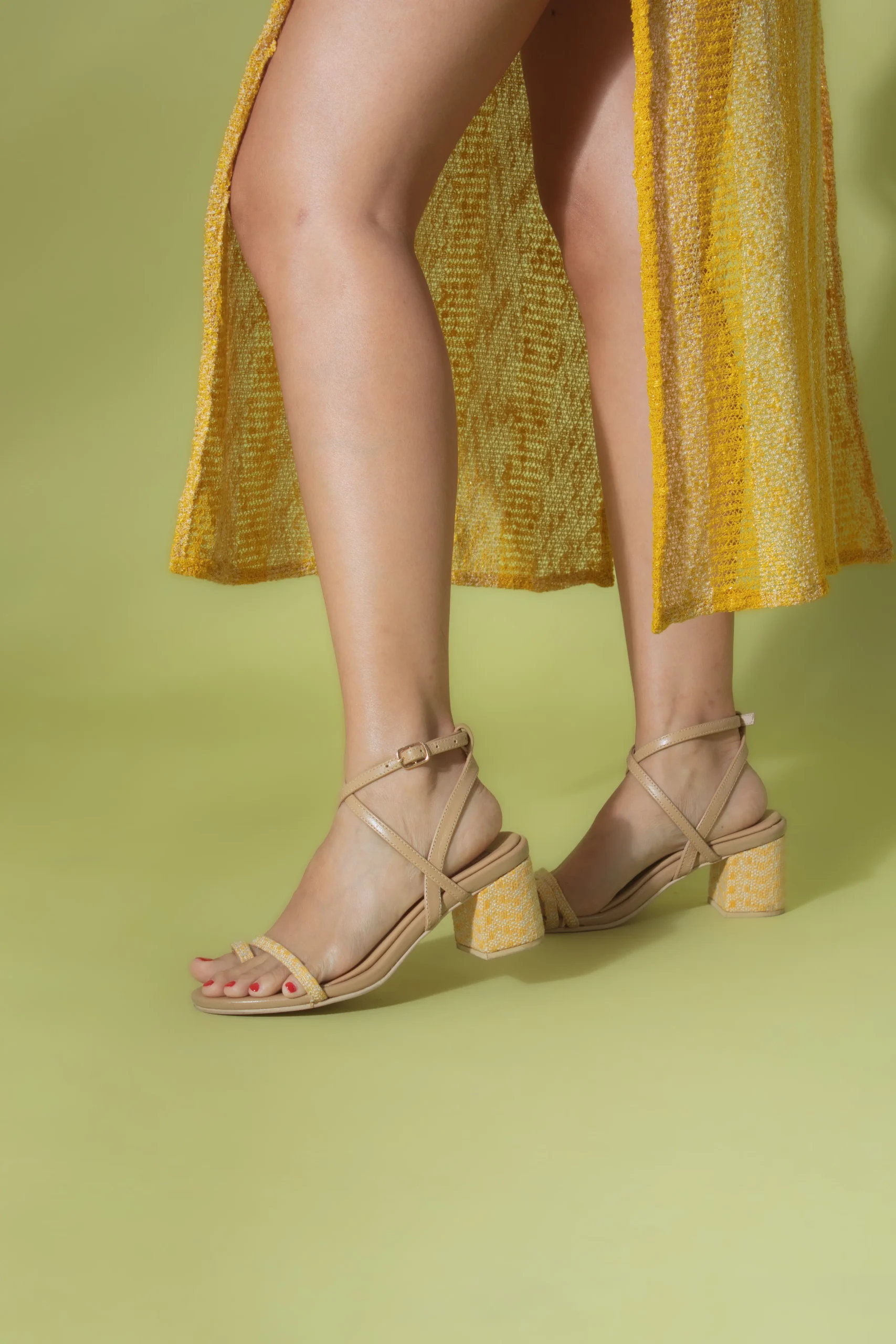
Why Alexie And Cariñosa Are Producing Small Batches With Big Intentions
The things that distinguish this generation from its industrial heyday are scale and intention. Where previous eras chased volume—the Magic 8 factories once fulfilled weekly quotas of 2,500 pairs each—today’s designers have made peace with less.
Cariñosa produces in small batches by necessity and by philosophy. “Producing locally does come with challenges,” Rosanna admits. “Because every pair is handmade using locally sourced materials, our production costs are inevitably higher, and we’re unable to manufacture at the same scale as larger brands.” But that constraint, she says, has become “one of our strengths and part of our brand identity,” allowing for a level of intentionality that mass production cannot offer.
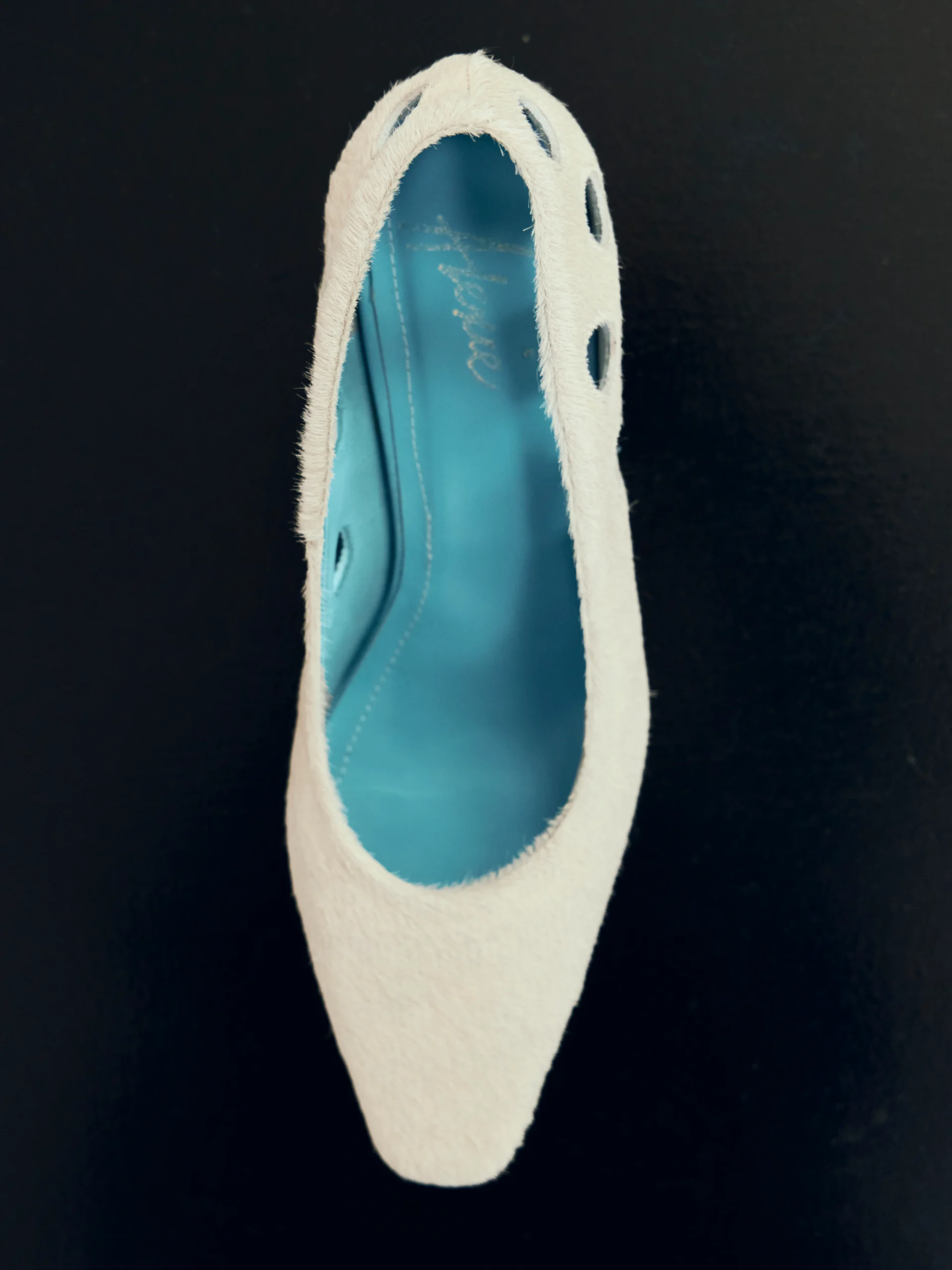
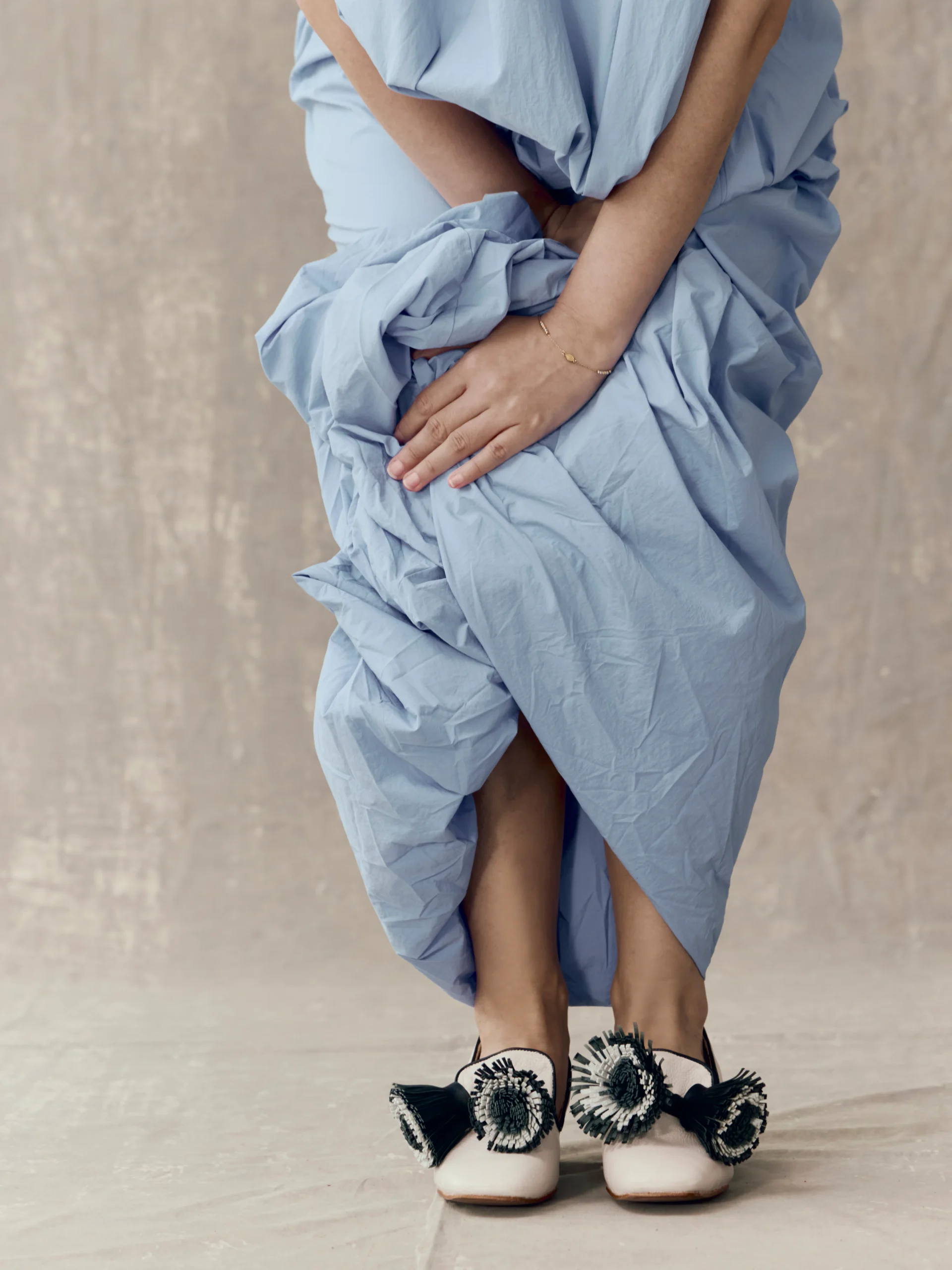
Alexie echoes the sentiment from her own studio, where a single pair of shoes might take days to complete. “It’s certainly not the easiest way to make shoes,” she concedes. “But I’ve never really seen that as a drawback. To me, it’s those little details, even the subtle imperfections, that remind you a real person made it.” In an industry increasingly defined by speed—she has attended trade shows abroad and marvels, genuinely, at how efficient large-scale manufacturing has become—her resistance to that efficiency is not naivety, but a part of her design philosophy. Handmade work, she believes, carries a character no machine can replicate.
Lessons From The Artisans
Perhaps the most striking throughline across these conversations is how little both designers credit themselves. They return, unprompted, to the artisans who taught them. “More than the technical skills, the biggest lessons I’ve learned from the artisans I work with are about mindset,” Alexie says. “Patience, humility, the importance of having a good attitude, and, above all, to trust the process.” She speaks of working alongside them not only during production but during birthdays, milestones, the ordinary texture of shared life. For Cariñosa, the sentiment is structural to the brand’s entire ethos. “Behind every pair is the story of the many talented Filipino hands that made it possible.”
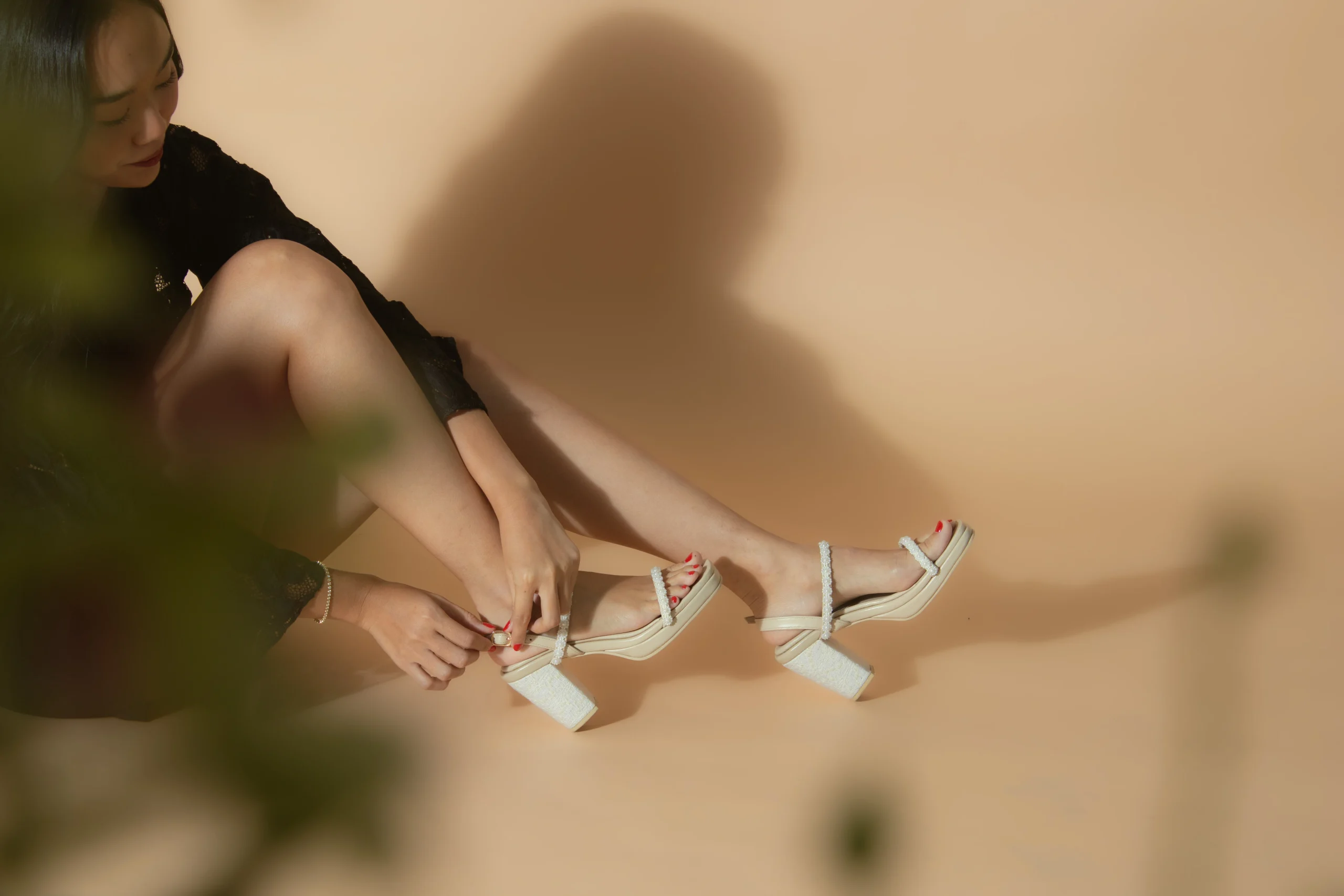
This is, perhaps, the real shift underway in Marikina: not simply a resurgence in output, but a resurgence in authorship. A recognition, among a new class of designers, that reviving an industry isn’t about recreating its past at scale, but about honoring the people who built it in the first place. Government and institutional support has, fortunately, followed. A new Footwear Innovation and Technology Lab opened last year at Marikina Polytechnic College, legislative pushes for a national Shoe Industry Development Program are underway, and the city’s annual Shoe Festival now draws renewed public attention to work long taken for granted.
But it’s in the ateliers—in Alexie’s insistence on wearing every design herself before releasing it, in Cariñosa’s conviction that a shoe’s story matters as much as its silhouette—that Marikina’s future is being written. Purposeful, reliable, delicate craftsmanship is how the city built its name, and it might just be the very same way it rebuilds it: not bigger than ever before, but stronger with each careful stitch.
This article was originally published in our September 2026 print issue.
Banner image features shoes by Alexie, photography by Colin Dancel, courtesy of Alexie
Frequently Asked Questions
Marikina became known for shoemaking after Laureano “Kapitan Moy” Guevarra began making shoes in 1887, helping establish an industry that grew to thousands of workers and workshops.
Marikina’s shoe industry declined as global manufacturing shifted and cheaper imports became more widely available. The COVID-19 pandemic further damaged the industry, with around 80% of remaining workshops ceasing operations.
By 2025, the Marikina Shoe Manufacturers organization reported that only around 200 registered workshops remained, compared with an industry that once numbered in the thousands.
Designers such as Angelie Alexie Nethercott of Alexie and Nina Magbanua and Rosanna Periquet of Cariñosa are returning to handmade production, using Marikina leather, locally sourced materials, and traditional craftsmanship in contemporary designs.
Marikina’s shoemaking industry is being supported by a new generation of designers, artisans, and institutions. The Footwear Innovation and Technology Lab at Marikina Polytechnic College, proposed national industry programs, and the annual Shoe Festival are helping bring renewed attention to the craft.