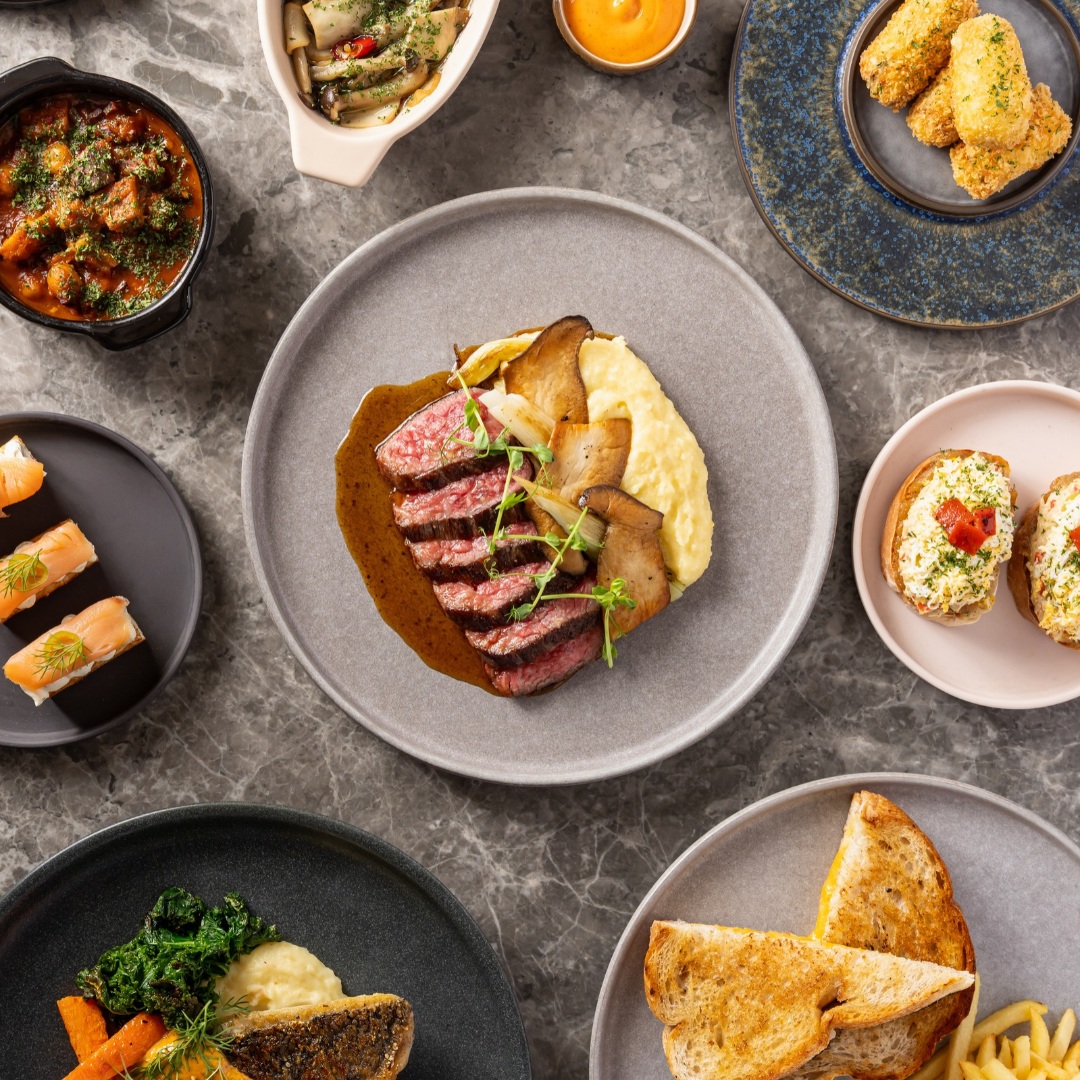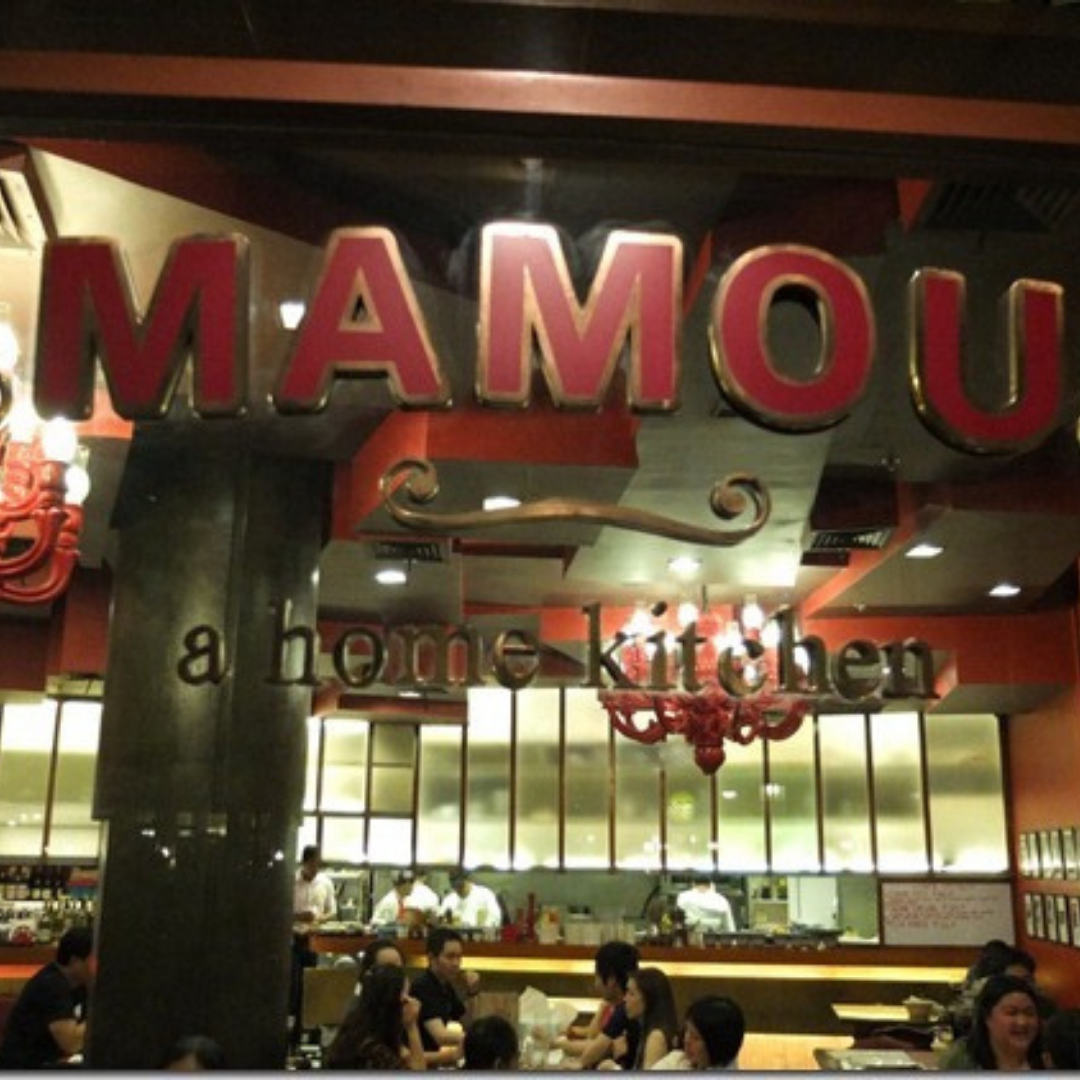
Manila and generations of diners have evolved over the past 19 years, Mamou growing with them while staying true to the spirit of its original home kitchen.
A home kitchen is never static. Families grow older and expand, tastes evolve, and new people inevitably find their way to the table. Recipes are added and traditions develop, while meals themselves might also start to look a little different over time. And still, part of the comfort of coming home is finding something familiar waiting when you do. Over 19 years, Mamou has grown in much the same way.
What began as Malou Forés cooking for family and friends has since become 10 locations across Metro Manila, with different concepts, exclusive dishes, retail offerings, and experiences beyond the traditional restaurant. Alongside co-founder Oye Forés, Malou has helped grow Mamou well beyond its original home kitchen. A new generation has grown up around it, too, with their son, Chef Raul Forés, first becoming involved in the family business before developing a culinary identity of his own.
But before all of that, there really was just a home kitchen.
READ ALSO: Opening: Flora Tea Bar Gives Tea A Home Of Its Own In Greenhills
How Malou Forés Began Mamou In Her Home Kitchen
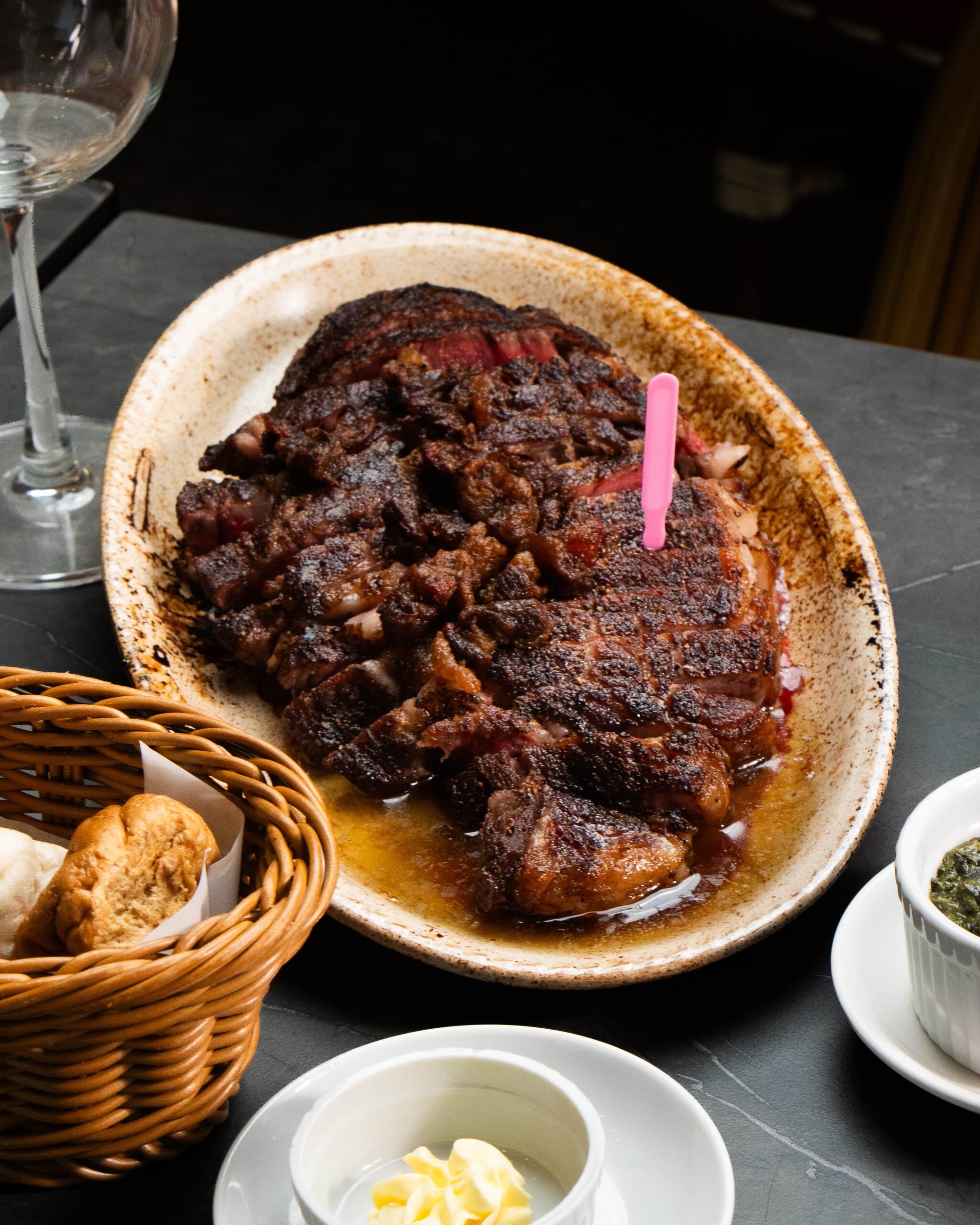
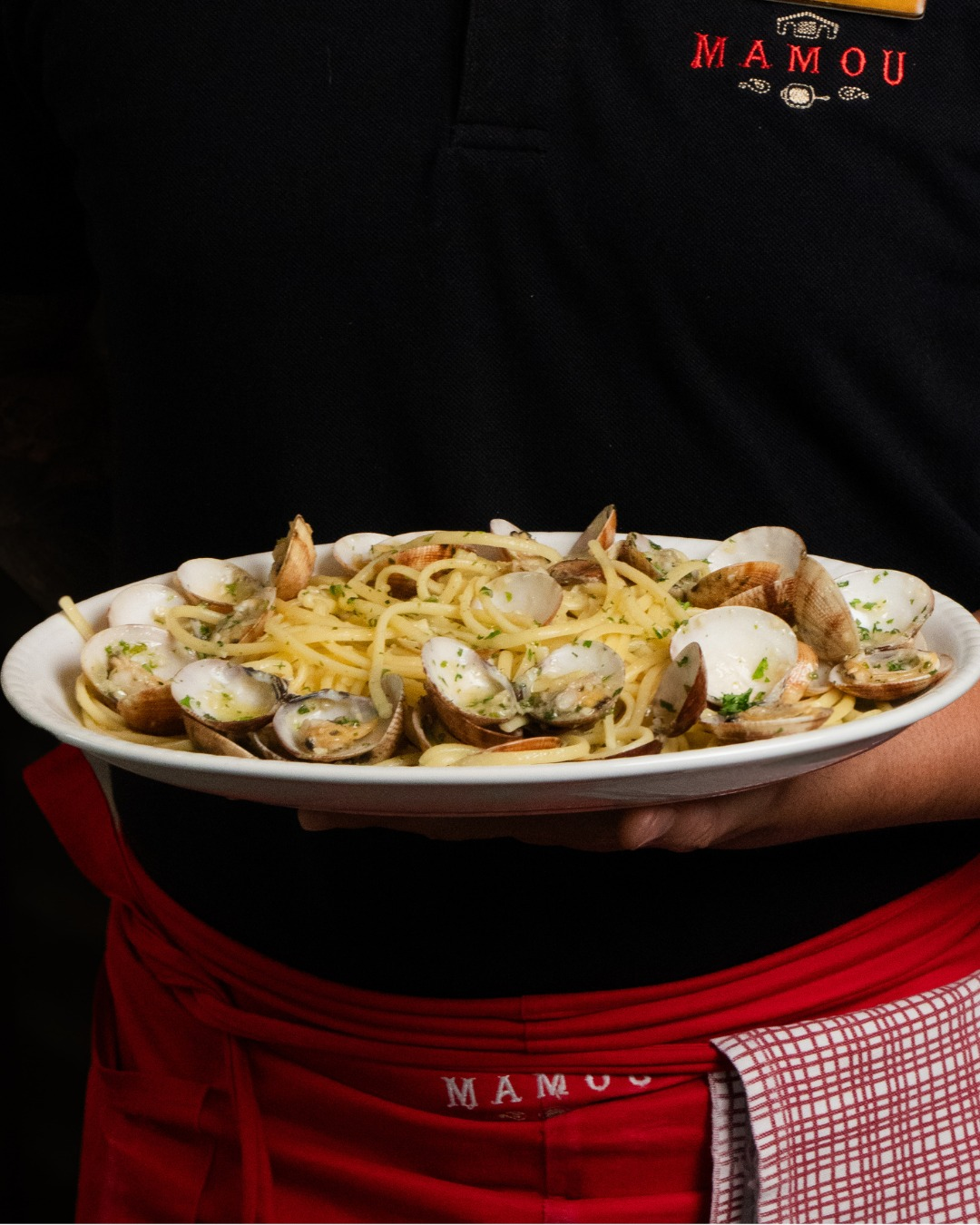
In a country-style house in Quezon City, the open kitchen became the heart of their home. It was where Malou would cook and experiment for her family, from pork sinigang and Batangas bulalo to ossobuco, pasta vongole, roast leg of lamb, and even Cuban roast pork.
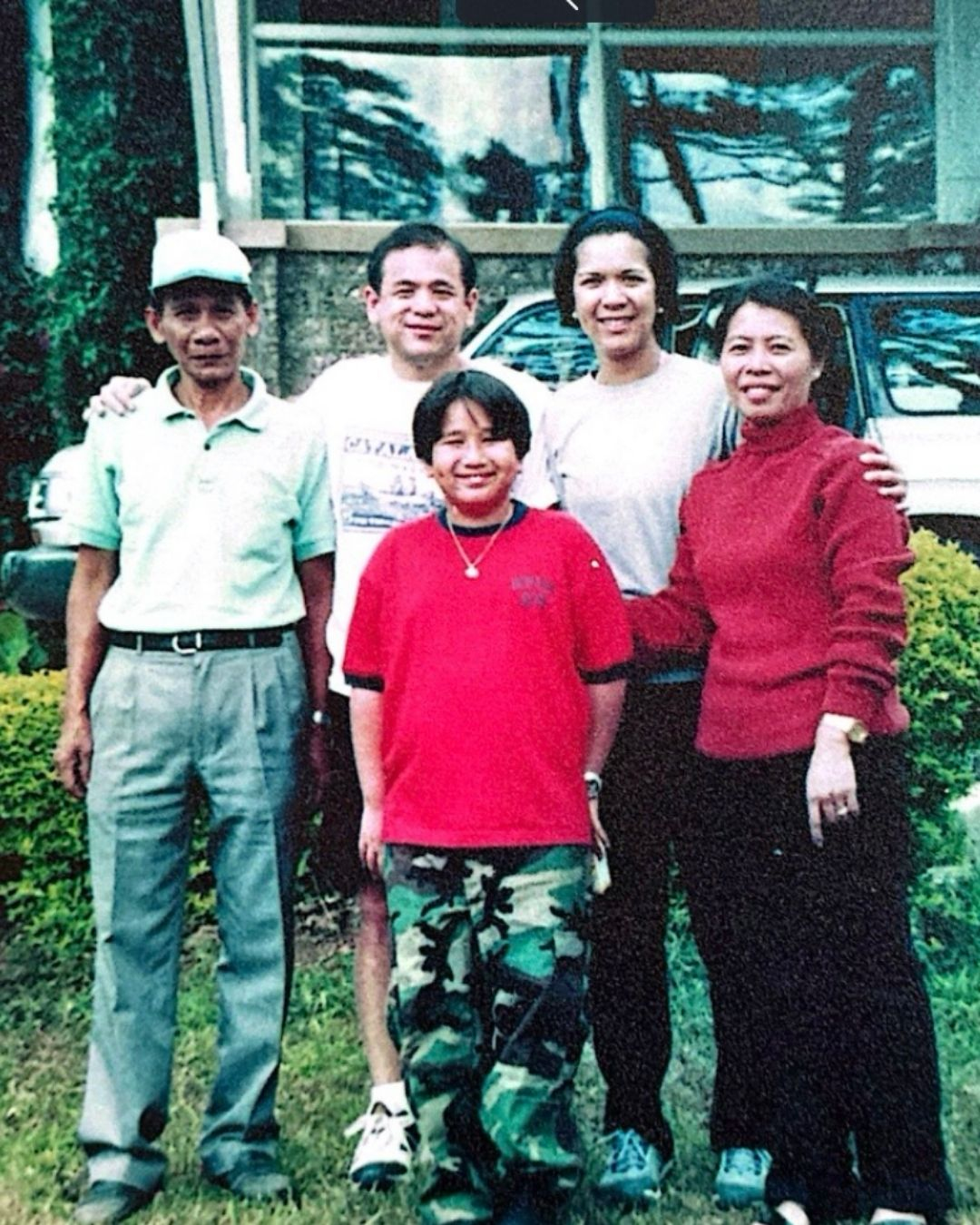
There were Sunday brunches and birthday dinners, and evenings with family and friends spent eating steak and pasta under the stars, gathered around green slatted picnic tables. It was there that her nephew Alfonso, unable to quite pronounce “Tita Malou,” started calling her “Tita Mamou.” The nickname stuck.
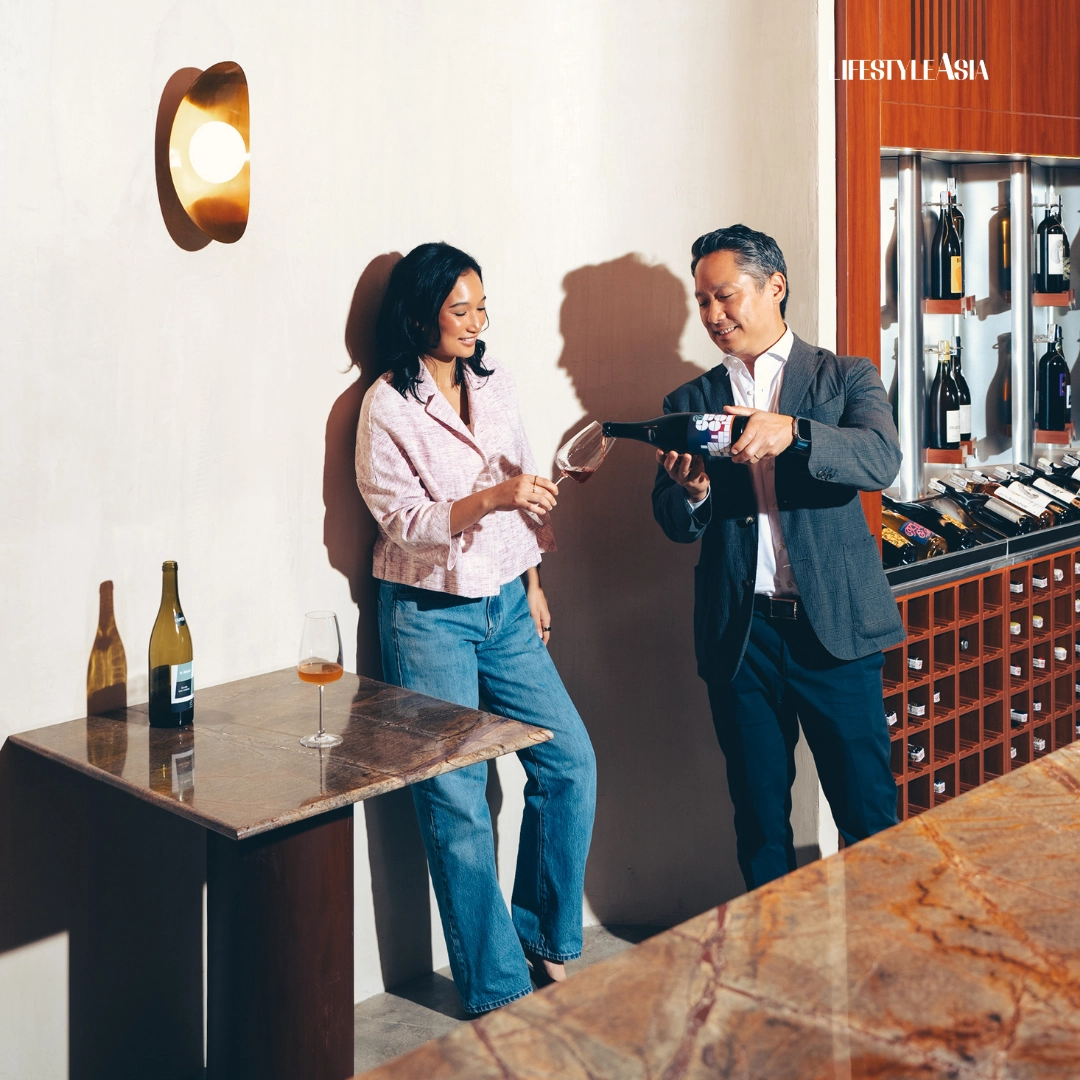
“Those were happy memories,” Malou tells Lifestyle Asia as Mamou celebrates its 19th anniversary. When her son Raul reached middle school, Malou found herself with more time on her hands. Eventually, she says, she “gathered the courage” to give that instinct a place of its own.
In 2007, Mamou, A Home Kitchen opened at Serendra, founded by Malou and Oye Forés.
Turning a home kitchen into a restaurant, however, came with challenges of its own. Malou recalls a piece of advice from Oye that stayed with her through the difficult moments.
“Whenever I found myself struggling with challenges at work, Oye would tell me, ‘You gotta face the music.’ And he was right,” she shares. “There were difficult situations, challenging guests, and decisions that weren’t always easy. But I learned to face them with patience, caution, and the resolve to see things through.”
Through it all, Malou remained guided by the feeling she wanted to create for Mamou’s guests.
“I wanted our guests to feel as though they were dining in their own home or visiting and dining at their lolo and lola’s, tito and tita’s, or ninong and ninang’s home,” she says. “19 years later, that is still the feeling I want to protect.”
Growing Up With A Dining Concept
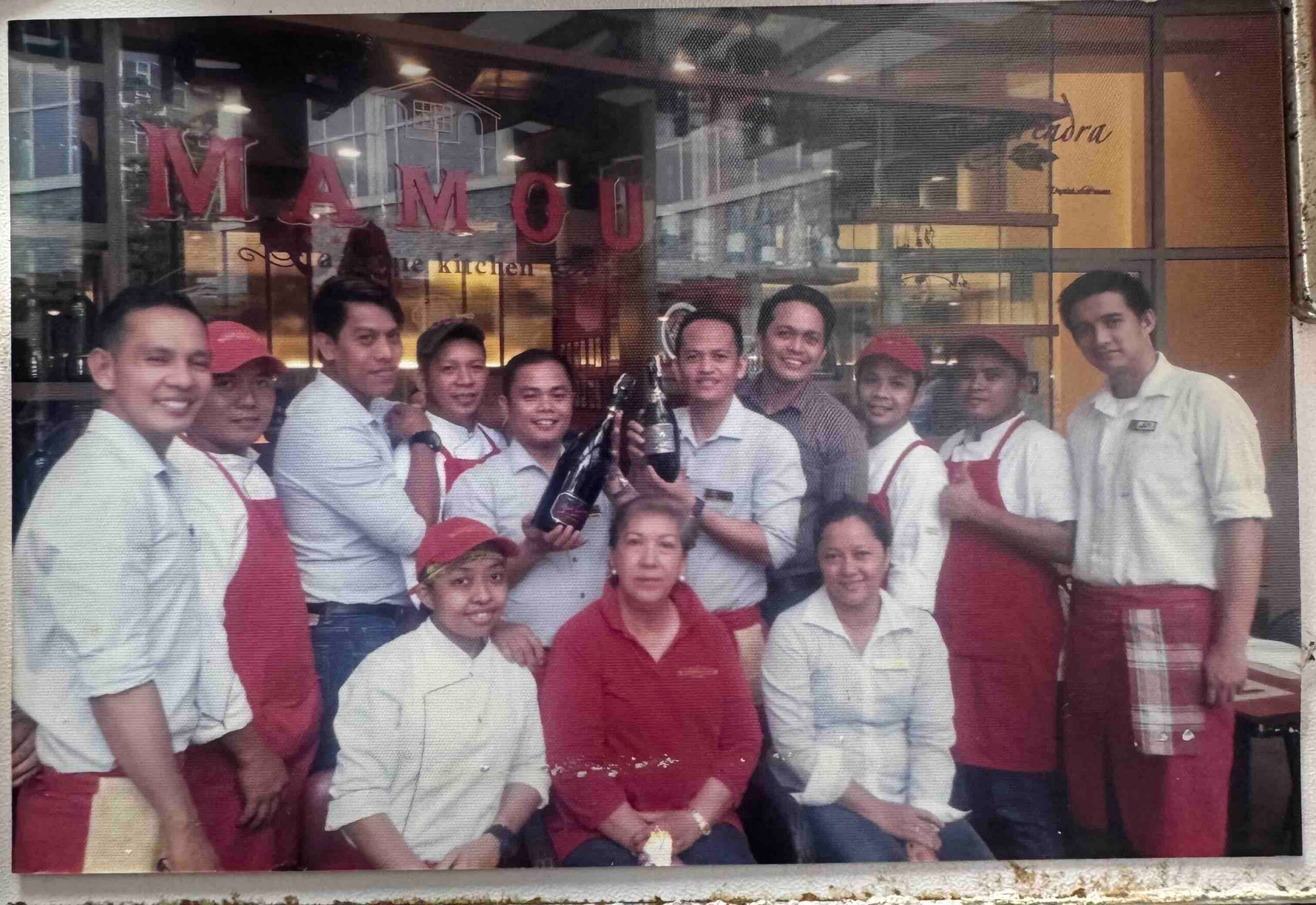
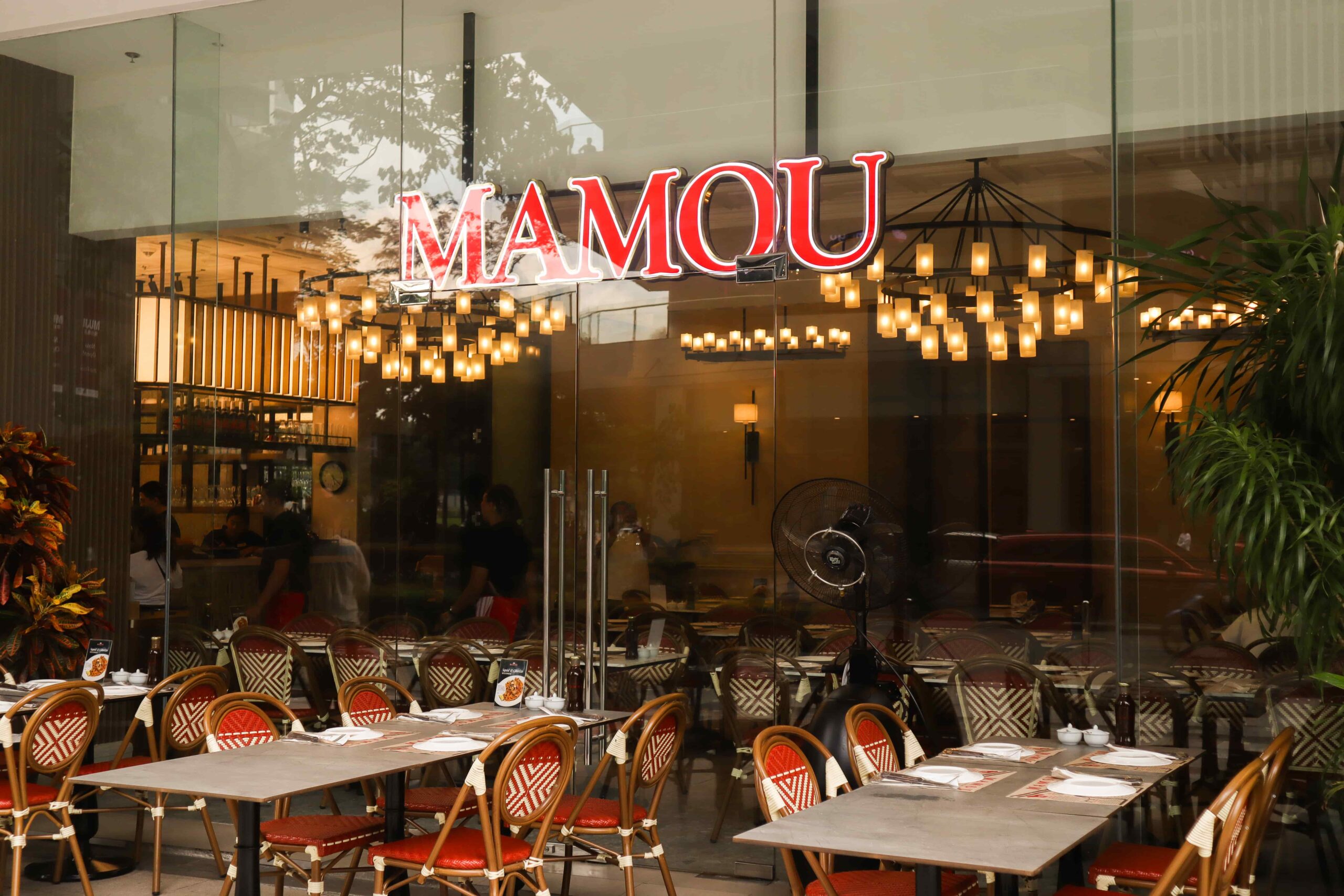
It can be difficult now to look at the towers surrounding Serendra and remember how different Bonifacio Global City looked when Mamou first opened. Much of the district was still taking shape, and the skyline that now surrounds them had yet to fill in. Mamou grew alongside it; and as the community grew, a loyal following meant difficulty securing seats at the establishment. Soon, Mamou Too! opened, this time in Rockwell in Makati. More locations followed gradually, bringing the restaurant into established neighborhoods and commercial centers around Metro Manila.
As Mamou expanded, so did the work of running it. In the early days, Malou had taken on nearly every role herself, from developing the menu and cooking to purchasing, hiring, and training staff. Oye, her co-founder, would become instrumental in helping the restaurant grow beyond its first location.
“Oye played a pivotal role in taking Mamou further,” Malou shares. “His dedication, hard work, and leadership, together with the commitment of our pioneer team, helped us grow from a single restaurant into what Mamou is today.”
For Malou, that growth is also reflected in the people who have remained part of Mamou over the years. “I’m especially proud that more than half of our original 22 team members are still with us.”
But Mamou wasn’t just expanding into the city. The people dining were evolving, too. “Diners today are definitely more discriminating, critical, and discerning—all in a good way,” Malou says. “They know what they like, and they expect more from their dining experiences.”
“At Mamou, we have always tried to be accommodating of our loyal guests’ requests while making a conscious effort to continuously improve the Mamou experience,” she adds. “At the same time, we remain mindful of what made Mamou, Mamou in the first place.”
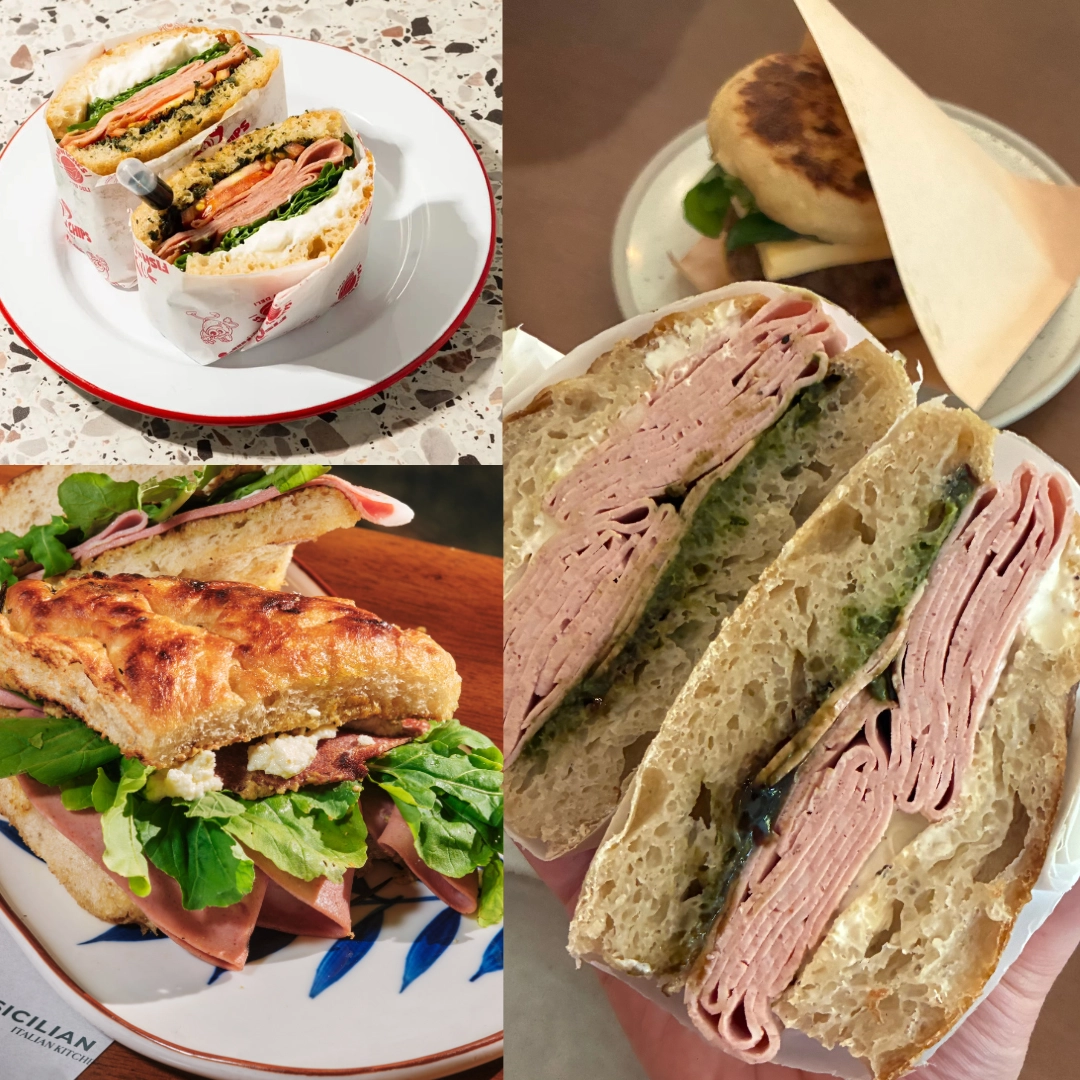
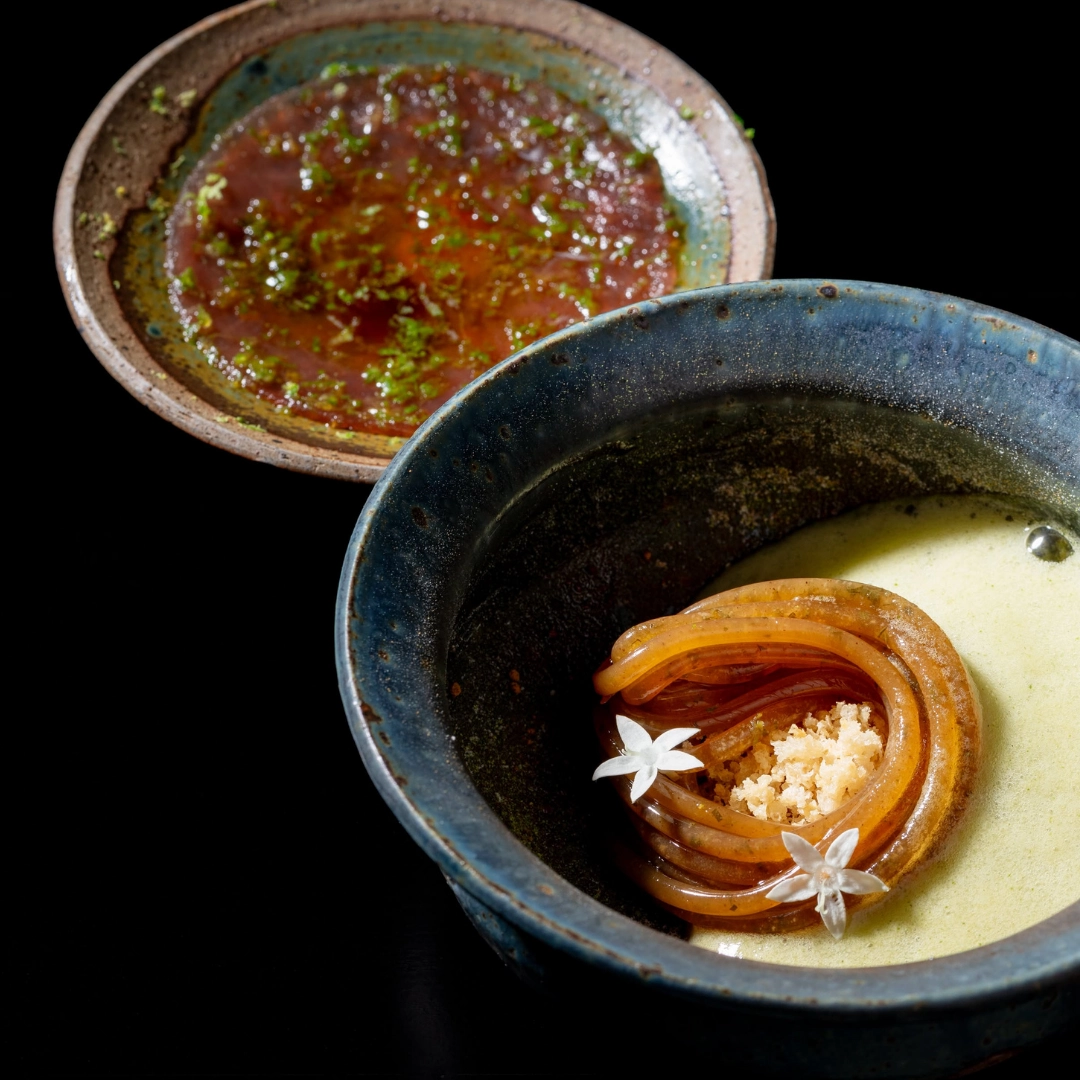
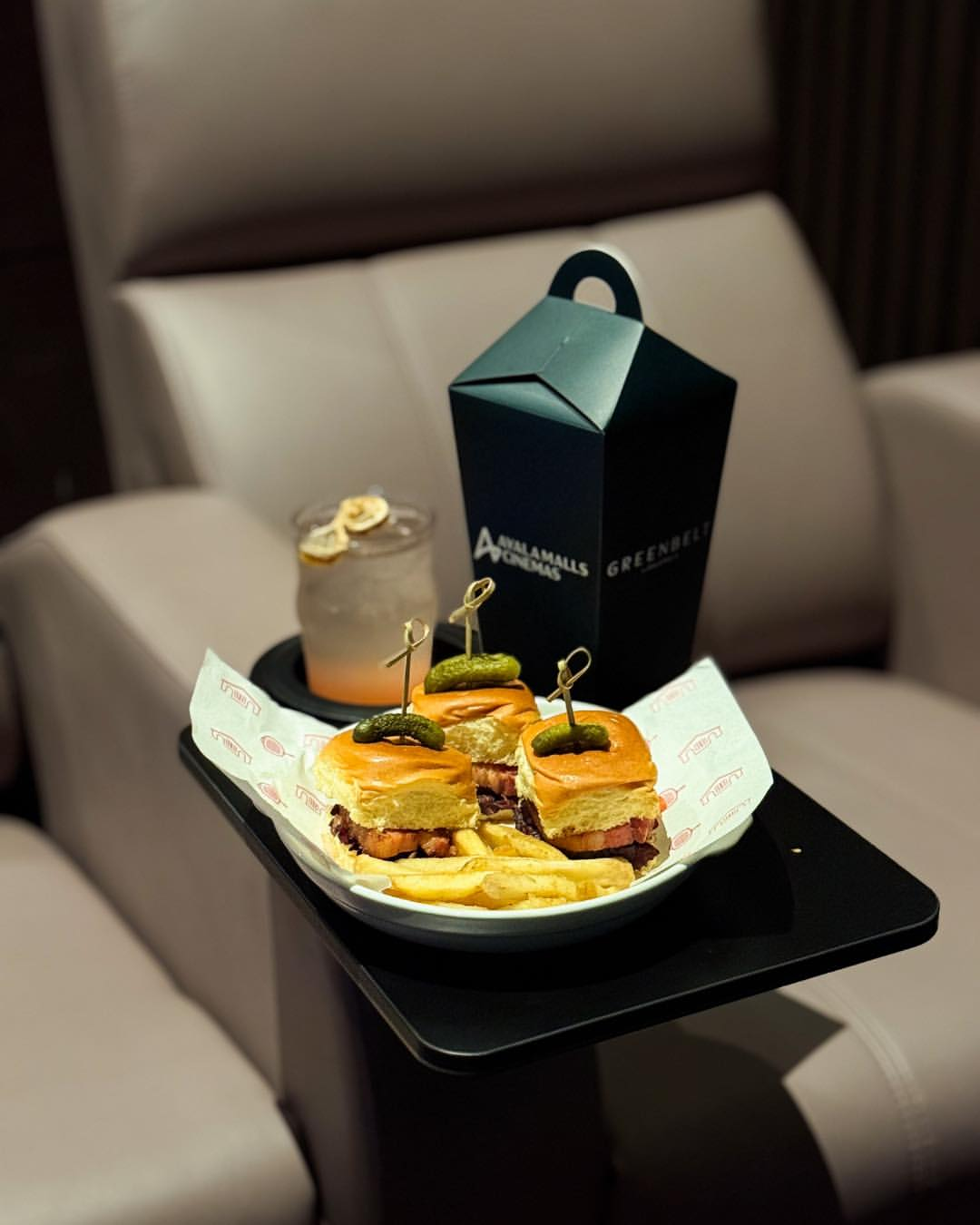
Over time, growth meant more than opening another Mamou. At The Podium, for example, Mamou Prime takes the familiar restaurant in a more elevated, steakhouse-focused direction. Other locations have developed their own exclusive dishes and seasonal specialties. More recently, Mamou Meats Uptown has offered another way into the brand, combining exclusive dishes with frozen favorites, pantry staples, and curated merchandise. Mamou at the Movies at Greenbelt 3 takes the food outside the traditional dining room altogether, with a compact menu designed for moviegoers.
The setting and occasion might change. Malou, however, returns to the same three words when developing something new: “comfort, nurturing, and consistency.” The point, then, isn’t to preserve Mamou exactly as it was when it first opened; they understand what’s worth carrying forward.
Raul Forés Leads The Next Generation
Raul was three when his mother began experimenting with large family meals in their Quezon City kitchen, and in middle school when she found herself turning those years of feeding family and friends into a restaurant.
Eventually, Raul joined the family business himself, becoming involved in Mamou and helping with several of its branch openings before setting out to develop something of his own: B.Boi.
There are traces of his mother in the way he cooks. Malou points to their shared appreciation for simple, straightforward food, along with tart, sour, and strongly flavored ingredients.
“I love seeing the way Raul combines ingredients to bring out dynamic flavors, while still maintaining simplicity and authenticity,” she says. But she’s equally interested in the ways his approach diverges. “However similar Raul and I may be, I also see in him a very different approach and style when it comes to pursuing his dreams and goals in life. That is entirely his own.”
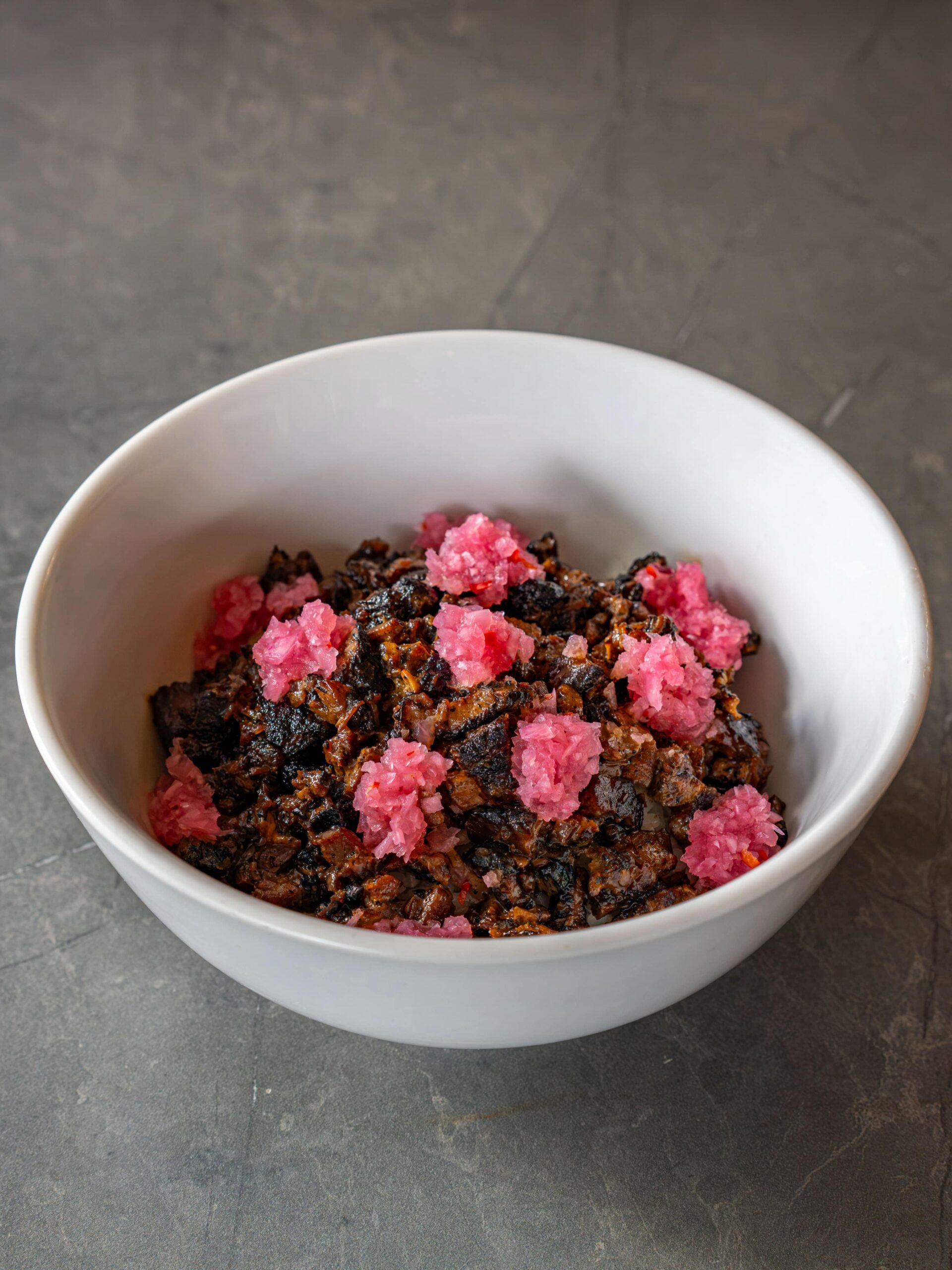
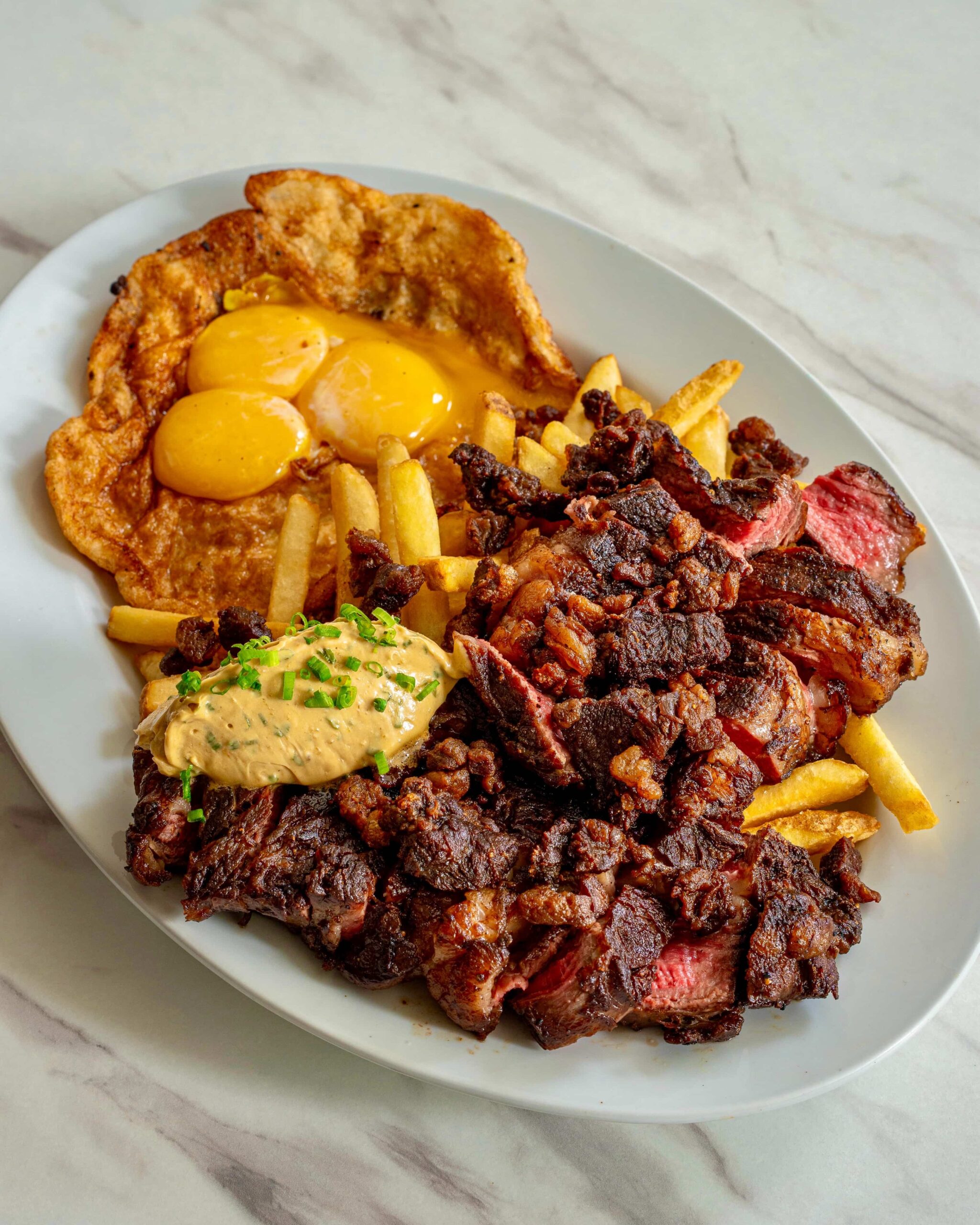
Today, B.Boi has found a temporary home with a pop-up at Mamou Meats Uptown, even as Raul prepares for a brick-and-mortar home of his own. For Malou, it’s the next chapter the family is eager to support.
The circle of people she feeds has widened. What began with family and friends gathered around green picnic tables now includes generations of diners who’ve made Mamou part of their birthdays, dinners, milestones, and celebrations.
“I never imagined Mamou would evolve into something much bigger than what we started with,” Malou says. “It has become a familiar name for many families, a place where people experience joy through food with their family and friends.”
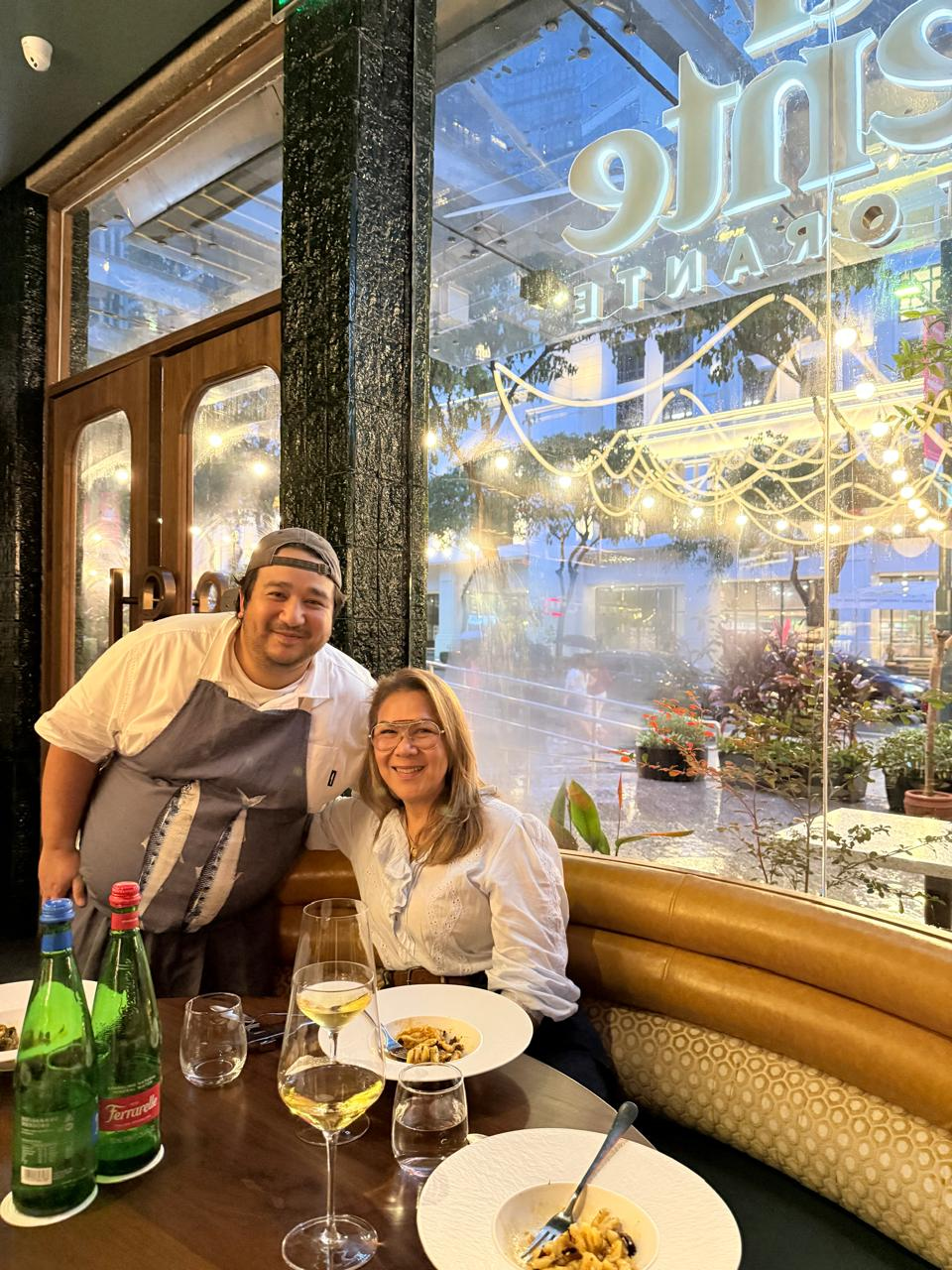
Over 19 years, Malou has watched her family grow, her restaurant expand, and the city around its first home transform. Through it all, the idea of home has had to make room for more. “After all this growth, I think what continues to make Mamou feel like home is exactly that: the people, the food, and the moments shared around the table,” she adds.
That might be what a home that lasts does best: it grows with the people who return to it. 19 years on, Mamou’s table is considerably larger, and it’s still making room for more.
Mamou has locations across Metro Manila, including Serendra, Rockwell, The Podium, Greenbelt 5, S Maison, Uptown Bonifacio, and Alabang Town Center. For more information and the latest updates, follow @mymamou on Instagram.
All photos courtesy of Mamou
Frequently Asked Questions
Mamou is a restaurant founded by Malou Forés as “Mamou, A Home Kitchen.” It began with the food and hospitality of her family home and has since grown to multiple locations and concepts across Metro Manila.
The first Mamou opened in 2007 at Serendra in Bonifacio Global City. The restaurant was inspired by the home kitchen where Forés cooked for family and friends.
The name came from Malou Forés’ nephew Alfonso, who could not quite pronounce “Tita Malou” and instead called her “Tita Mamou.” The family nickname eventually became the restaurant’s name.
Mamou has expanded beyond its original restaurant through new locations, branch-exclusive dishes, seasonal specialties, retail offerings, Mamou Meats Uptown, Mamou Prime, and Mamou at the Movies. Forés says “comfort, nurturing, and consistency” continue to guide new Mamou ideas.
Chef Raul Forés is Malou Forés’ son. He became involved in the family business before developing his own culinary identity and concept, B.Boi, which currently has a pop-up at Mamou Meats Uptown.