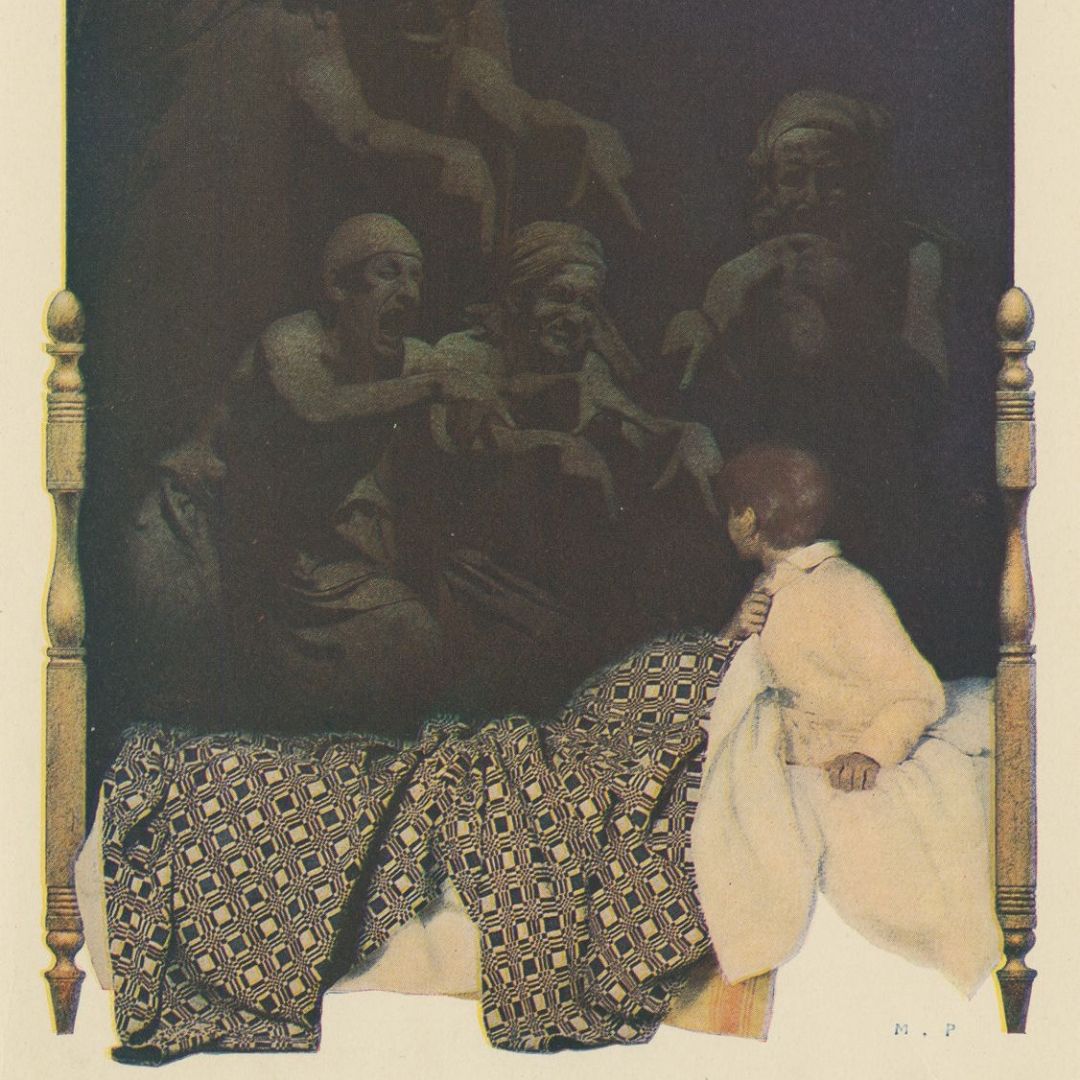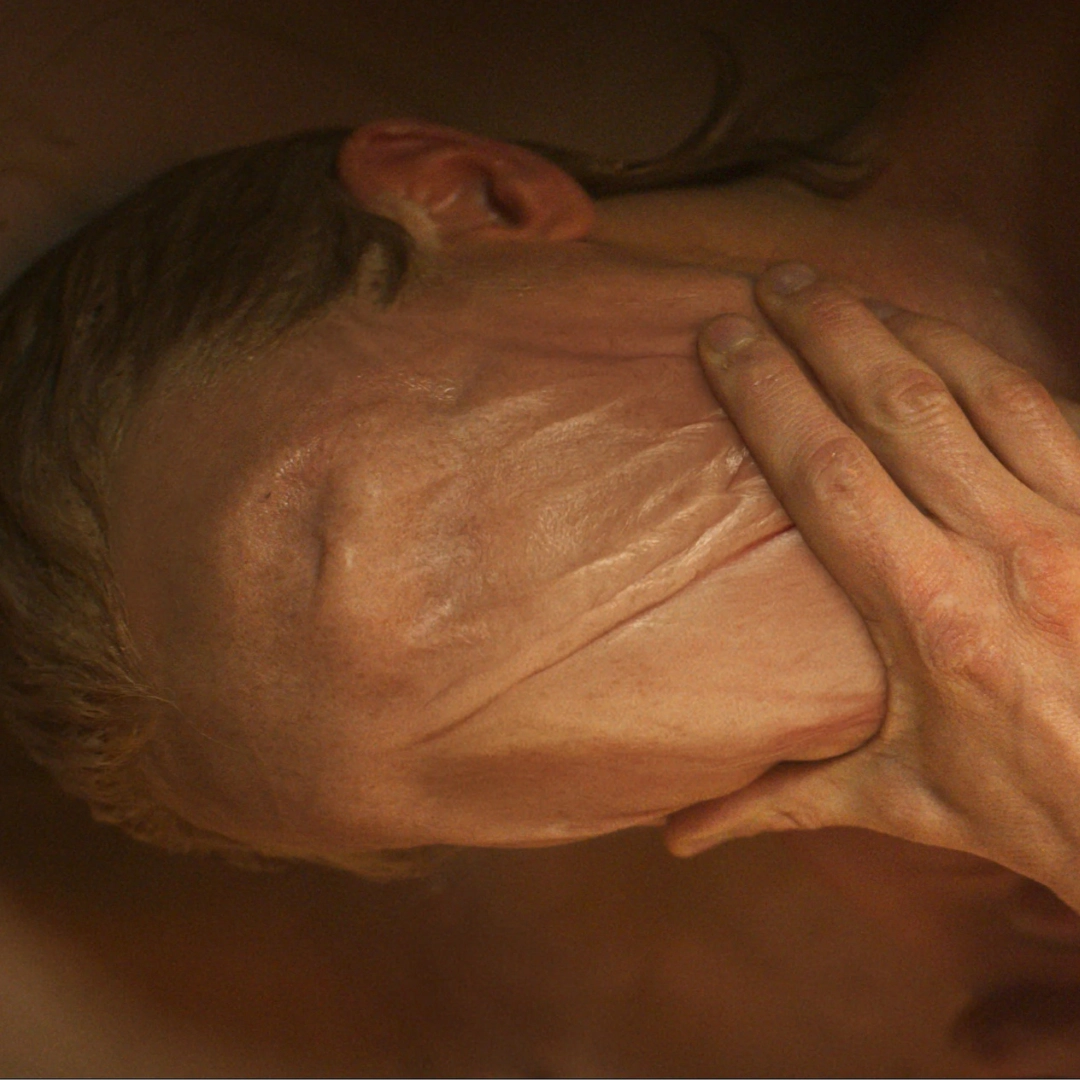
Now screening just in time for Halloween, DC delivers the origin story of this Batman villain with a mix of full-blown body horror, sympathetic personal tragedy, unexpected humor, and even a touch of Gothic romance.
Content warning: This piece discusses certain themes and minor plot points of Clayface (2026).
The Joker. Two-Face. Scarecrow. The Riddler. You don’t have to be the biggest Batman comic fan to recognize at least one of these names. They’ve haunted the streets of Gotham and fought the Caped Crusader for decades, cycling through their fair share of mainstream film and television adaptations. Somewhere on that list, at least in the top 10, is Clayface, whose place in our collective consciousness is, much like the villain himself, rather nebulous and difficult to pin down.
Sure, the big lumpy guy has made many appearances, but he’s not exactly someone most people would guess in a game of Jeopardy! At least, not until now. DC has made the interesting decision to adapt his villain origin story for the big screen in a way that doesn’t really conform to the typical superhero-supervillain films we’ve come to expect.
READ ALSO: Film Review: “Forgotten Island” Spins Vibrant Takes On Philippine Mythology And Folklore
Squeamish Viewers, Beware! Clayface Is Disgusting (And That’s Pretty Neat)
The 2026 film Clayface leans almost entirely into horror, more specifically body horror, and if you squint, it plays like a standalone film more spiritually akin to Coralie Fargeat’s The Substance (2024) or David Cronenberg’s The Fly (1986). This makes sense, considering that DC got two horror filmmakers to work on the project: James Watkins as director (Eden Lake, The Woman in Black, 2024’s Speak No Evil) and Mike Flanagan (another horror heavyweight) as writer alongside Hossein Amini.
This adaptation of Clayface seems to meld different versions of his origin story (I did my research, as a non-comic expert) from the DC universe. The original and oldest version of Clayface is Basil Karlo, a washed-up actor who goes on a vengeful murder spree against those who have wronged him, specifically the cast and crew who remake a film he once starred in without him. This version, however, has no superpowers. The character would later evolve, with his profession and identity fluctuating before the story returned to actor Matt Hagen, whose exposure to a radioactive substance grants him the ability to shapeshift, turning his body into a grotesque mass of malleable, living clay.
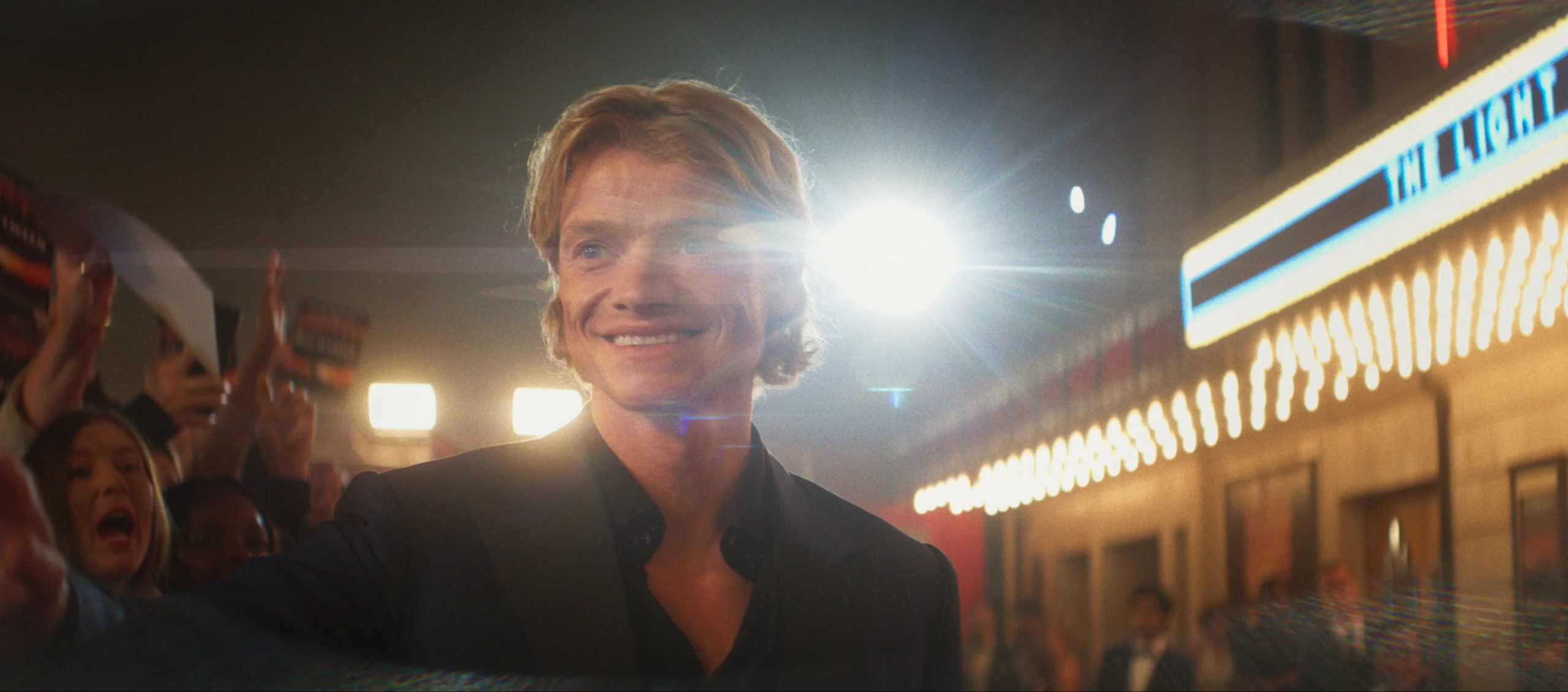
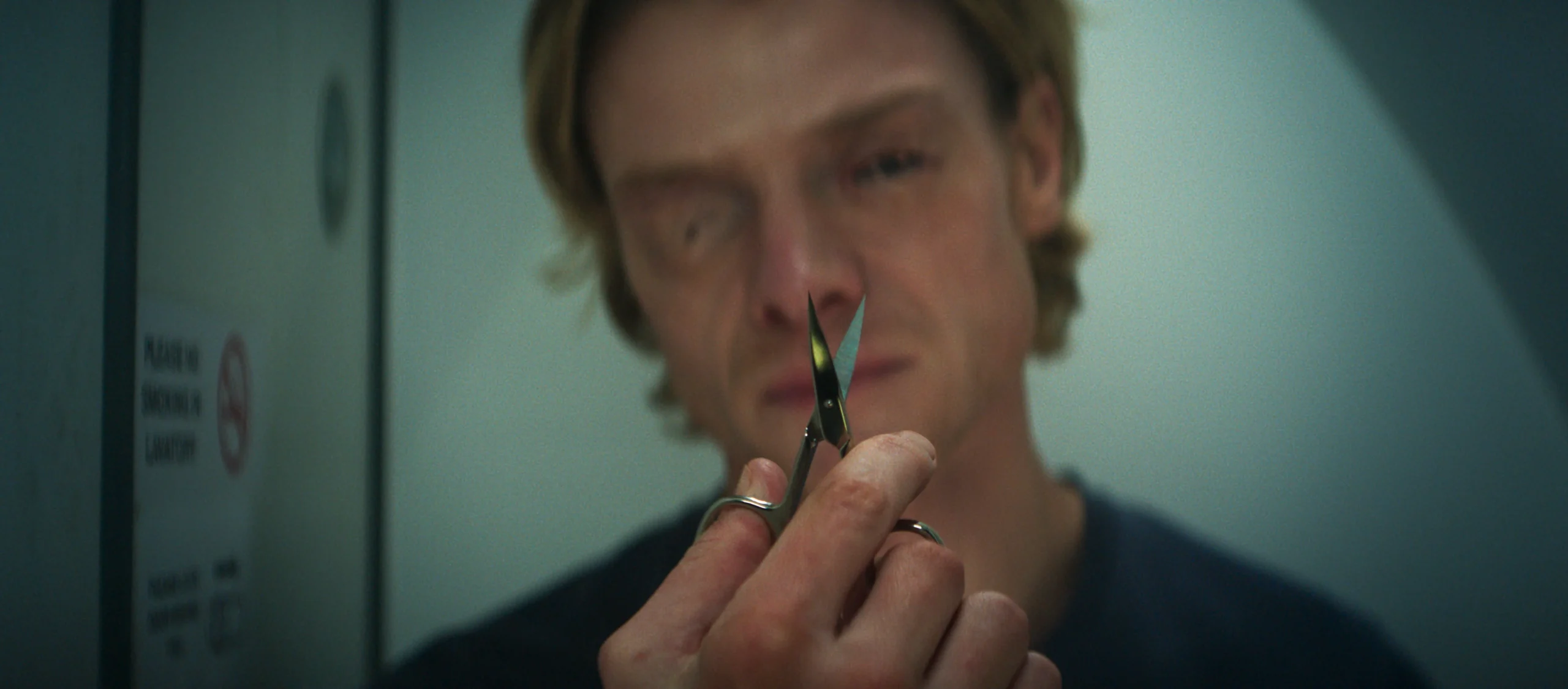
In this new Clayface, Matt Hagen is Gotham’s equivalent of a young Brad Pitt or Leonardo DiCaprio: a handsome, boyish blonde whose fame is rising meteorically, even earning him a nomination for the city’s equivalent of an Oscar. All that changes when he unwittingly gets on the bad side of a powerful mob boss who, spoiler alert, slices up his pretty face even more than I mangle a tough piece of steak. Matt’s life spirals downwards, and while he finds a cure in the AI-powered nano technology of well-meaning scientist Dr. Caitlin Bates (Naomi Ackie), these “nanos” end up turning him into a goopy, freakish shapeshifter who can easily regenerate.
Credit to Watkins, the camera never moves away from all the gruesome details. “Unflinching” is the word for Clayface’s body horror—gratuitous for some, but certainly doing what it sets out to do, and that’s making viewers squirm in their seats. Bodily mutilation was rendered so viscerally and unapologetically, I saw at least half my theater covering their eyes, grimacing, or twisting in discomfort; it earned its R18 rating, and I’m glad we got to see the whole thing with zero cuts.
The CGI effects were, miraculously (for this is my biggest gripe with modern superhero films), not an eyesore. There were moments when I wished they had toned things down, particularly in the latter half, but for the most part, a combination of clever editing, interesting directorial choices (one particular sequence at an underground club was a standout and favorite of mine), and practical effects kept things believable rather than tackily manufactured.
Is it the most horrifying film out there? Maybe not, but it’s certainly disgusting. That isn’t to say it’s all blood and tears, though. At times, the horror veers into comedy, striking a delicate balance by playing with the incongruities the two genres share. I thought this was a welcome choice, keeping the film from devolving into a senseless gut-fest.

You Can’t Help But Feel Sorry For Matt Hagen
I came here for Flanagan, mostly, being a huge fan of his works, particularly his Netflix adaptations of Shirley Jackson’s The Haunting of Hill House and The Haunting of Bly Manor, which I consider some of the best modern horror media out there. His ability to get to the heart of why horror resonates with us—the candidly wounded, empathetic humanness of it—and how it so effectively reflects our complex fears and problems in ways no other genre can, is why I was looking forward to seeing how he’d approach a villain origin story. For the most part, he delivers, though it’s certainly not among his best works.
The tragedy that makes this version of Matt Hagen such an empathetic character is fairly straightforward and, underwhelming as it may be on paper, realistically heartbreaking: the many ways you can be betrayed by those you thought would always have your back, and how the justice system doesn’t just fail you, but actively works against you.
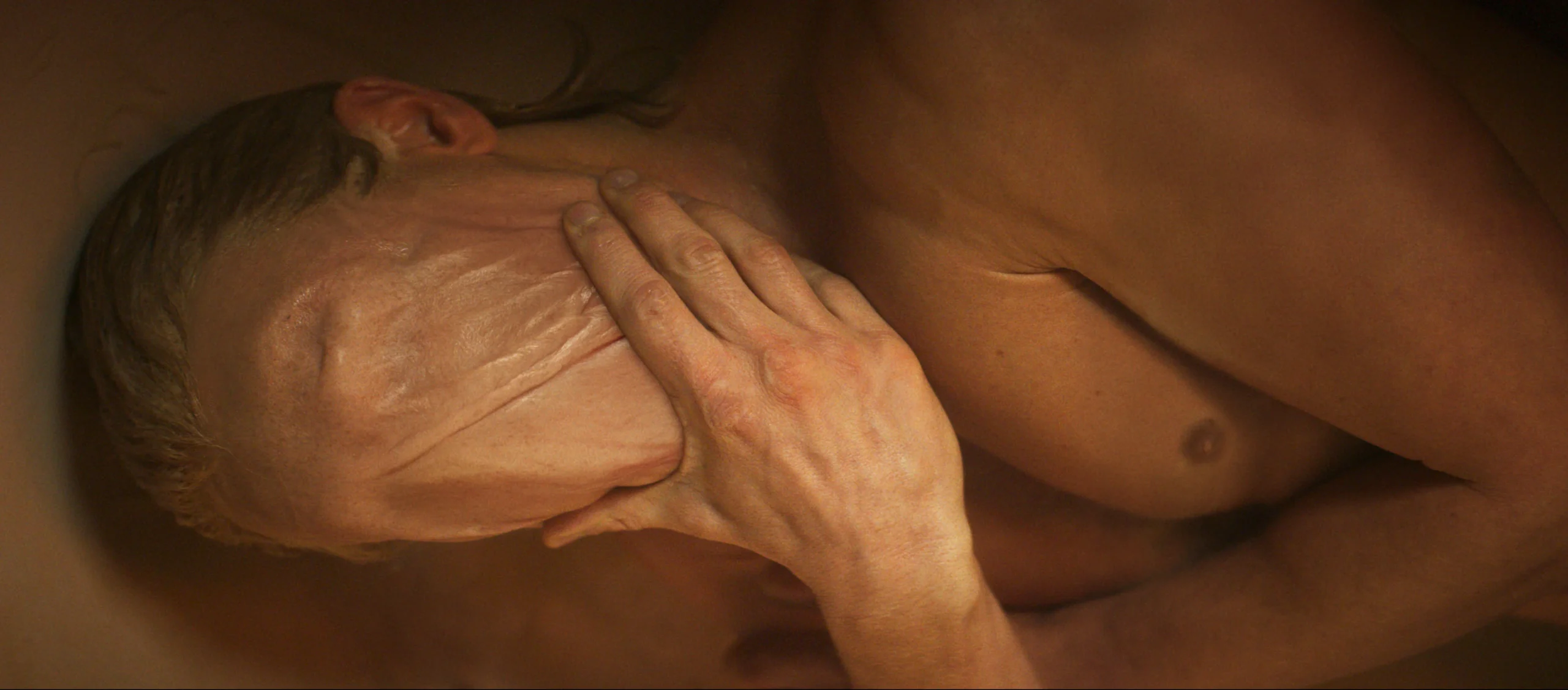
Matt is brought to life by a strong performance from Tom Rhys Harries. He gives us a good guy who climbed his way to stardom from poverty, only to be wronged by those around him, his career crumbling overnight. You understand why he begins seeking revenge, and may even find yourself cheering him on. Harries easily moves from boyish innocence to goofiness, sympathetic vulnerability and vindication, and unsettling confidence. Even when Matt commits something as heinous as murder, you can’t help but feel for the guy.
Credit also goes to the actors whose characters Matt shapeshifts into. Each plays their part in this chameleon-like scheme so convincingly, they really feel like Matt inhabiting another person’s body, wearing another person’s face.
A Touch Of Gothic Romance In Clayface (2026)
There’s also a surprising element of Gothic romance here. Dr. Caitlin Bates creates (and falls for) her own monster, only to be forced to confront the consequences of her research. Refreshingly, she’s a fairly good person who just makes some terrible errors in judgment, which is a welcome departure from the overdone “evil scientist” trope.
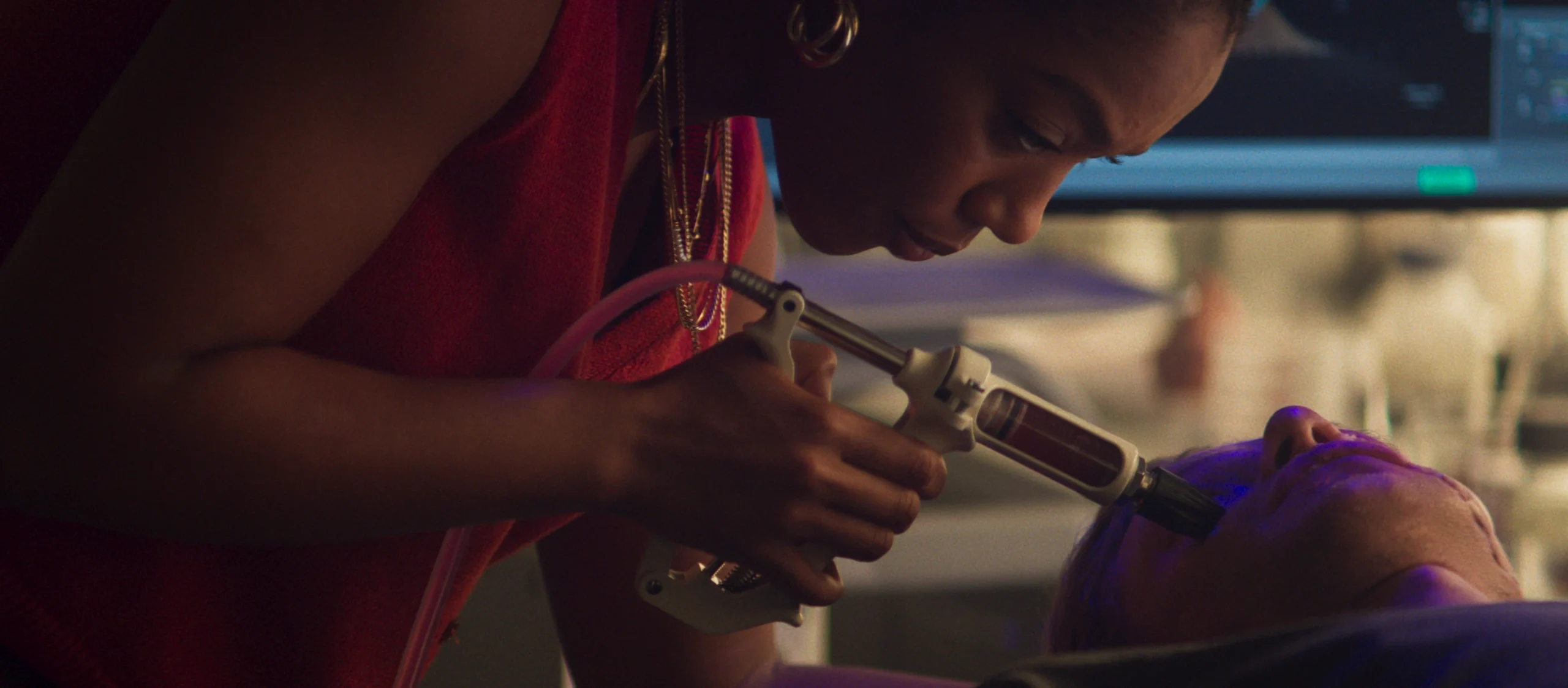
Matt predictably falls for Caitlin during their time together, though their relationship is complicated. Ackie gives a strong performance that endears us to the doctor, but however intriguing their romance is, its eventual turn toward melodrama feels unearned, if not a little nonsensical. It cuts short what could’ve been a more complex, emotionally weighty story about identity and the lengths people are willing to go to out of desperation, ultimately leaving the film feeling somewhat lacking.
Still, despite Clayface’s bumps and lumps, I can’t help but applaud the change of pace. As someone who’s rather tired of what’s come out of the woodwork in recent years, I found this villain origin story to be some good fun, perhaps the most I’ve had with a big superpower-related film in a while.
“Clayface” opens in Philippine cinemas Wednesday, October 21, 2026. Rated R-18.
All photos courtesy of Warner Bros. Pictures
Frequently Asked Questions
Clayface is a DC villain origin story about Matt Hagen, a rising actor whose life spirals downward after a powerful mob boss disfigures him. A cure developed by scientist Dr. Caitlin Bates using AI-powered nanotechnology eventually turns him into a shapeshifting creature with the ability to regenerate.
Yes. Clayface leans heavily into body horror, featuring graphic bodily mutilation, grotesque transformations, and unsettling practical and CGI effects. The film also incorporates unexpected humor and elements of Gothic romance, making it a departure from typical superhero-supervillain films.
Tom Rhys Harries stars as Matt Hagen, while Naomi Ackie plays scientist Dr. Caitlin Bates. Directed by James Watkins and written by Mike Flanagan and Hossein Amini, the film offers a tragic take on a DC villain through visceral body horror and sympathetic character development. Despite some shortcomings in its romantic subplot, it offers an entertaining change of pace for superhero film fans.