These books faced bans, obscenity trials, classroom challenges, and political pressure for stories and ideas that authorities deemed unacceptable.
Every October, Banned Books Week invites readers to look at what gets pulled from shelves and why. The books gathered here were banned, burned, prosecuted, or removed from classrooms for reasons that shifted with the era. Several offended religious authorities, a few were put on trial for obscenity, and a good number threatened governments that didn’t want to be questioned. The challenges to titles like The Perks of Being a Wallflower and The Bluest Eye in American schools show that the practice is far from over.
Together they span more than a century of writing and several continents. A few even sold better because some higher-up tried to suppress them.
READ ALSO: 6 Books That Will Change The Way You Think About Food
Banned Books Due To Religion And Blasphemy
The Satanic Verses By Salman Rushdie
Shortlisted for the Booker Prize, The Satanic Verses is a sprawling, magical realist novel. It contains interwoven dream sequences that retell the origins of a new religion through a prophet figure called Mahound, including an episode about verses inspired by Satan. Many Muslims found that material blasphemous. In February 1989, Iranian Supreme Leader Ayatollah Ruhollah Khomeini issued a fatwa, ordering Rushdie’s execution. At a 2022 event in New York, Rushdie was stabbed on stage and lost sight in one eye. Beneath the controversy, it is a novel about migration, split identity, and the struggle between good and evil.
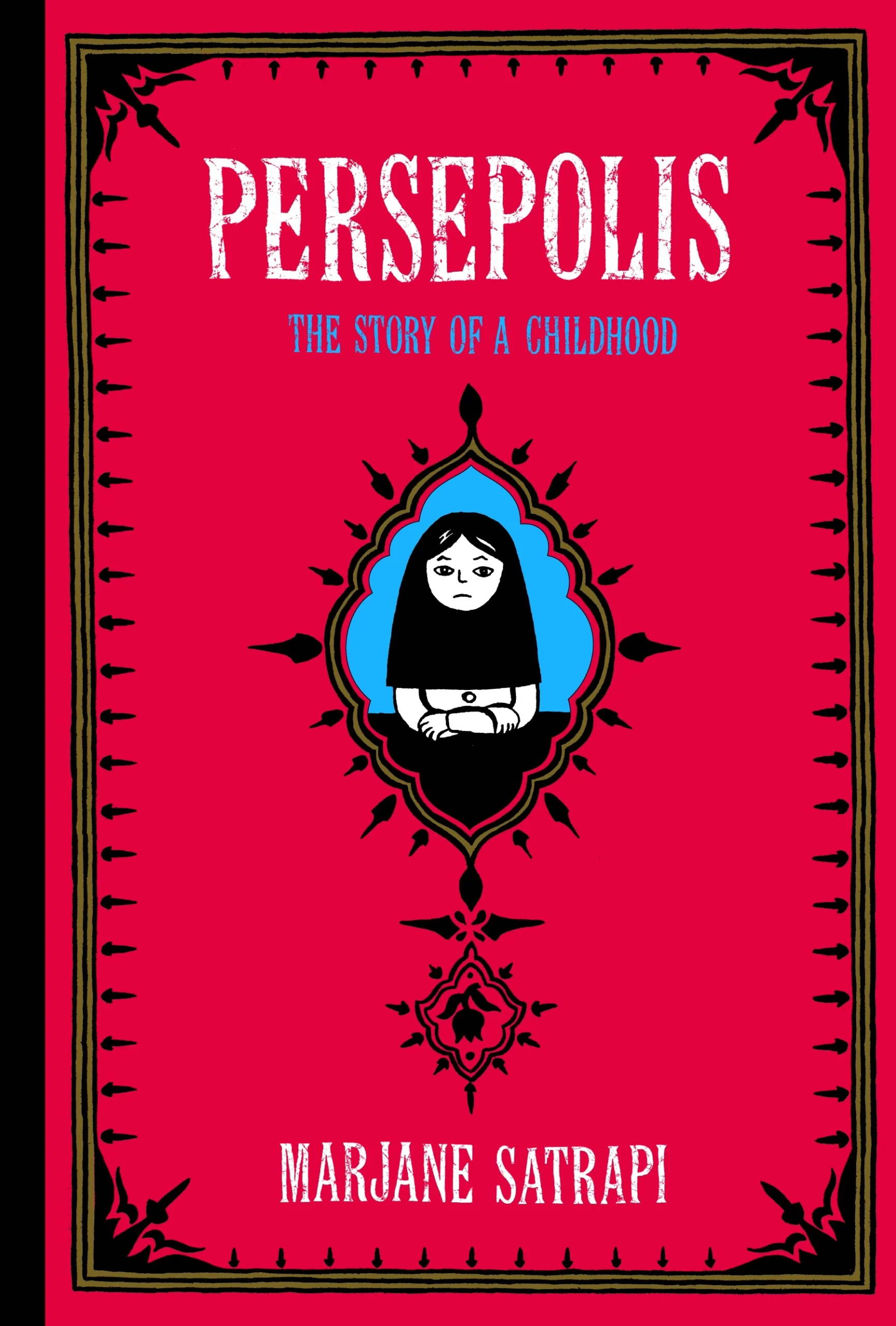
Persepolis By Marjane Satrapi
This black-and-white graphic memoir follows Satrapi from a childhood in Tehran during the 1979 Islamic Revolution through the Iran-Iraq War. Her parents send her to school in Vienna as a teenager, where she feels adrift, and she eventually returns to Iran. The tone is funny and sharp, with a child’s view of political upheaval. It was originally published in French in four volumes, adapted into an animated film in 2007, and pulled from some US classrooms due to school administrators complaining about its strong language and depictions of violence.
Banned Books Due To Obscenity And Sexuality
Ulysses By James Joyce
The novel follows a single day, June 16, 1904, in Dublin. Leopold Bloom, an advertising canvasser, crosses paths with the young writer Stephen Dedalus. Its frank treatment of the body and sex led to trials and bans, but it was cleared in the United States in 1933.
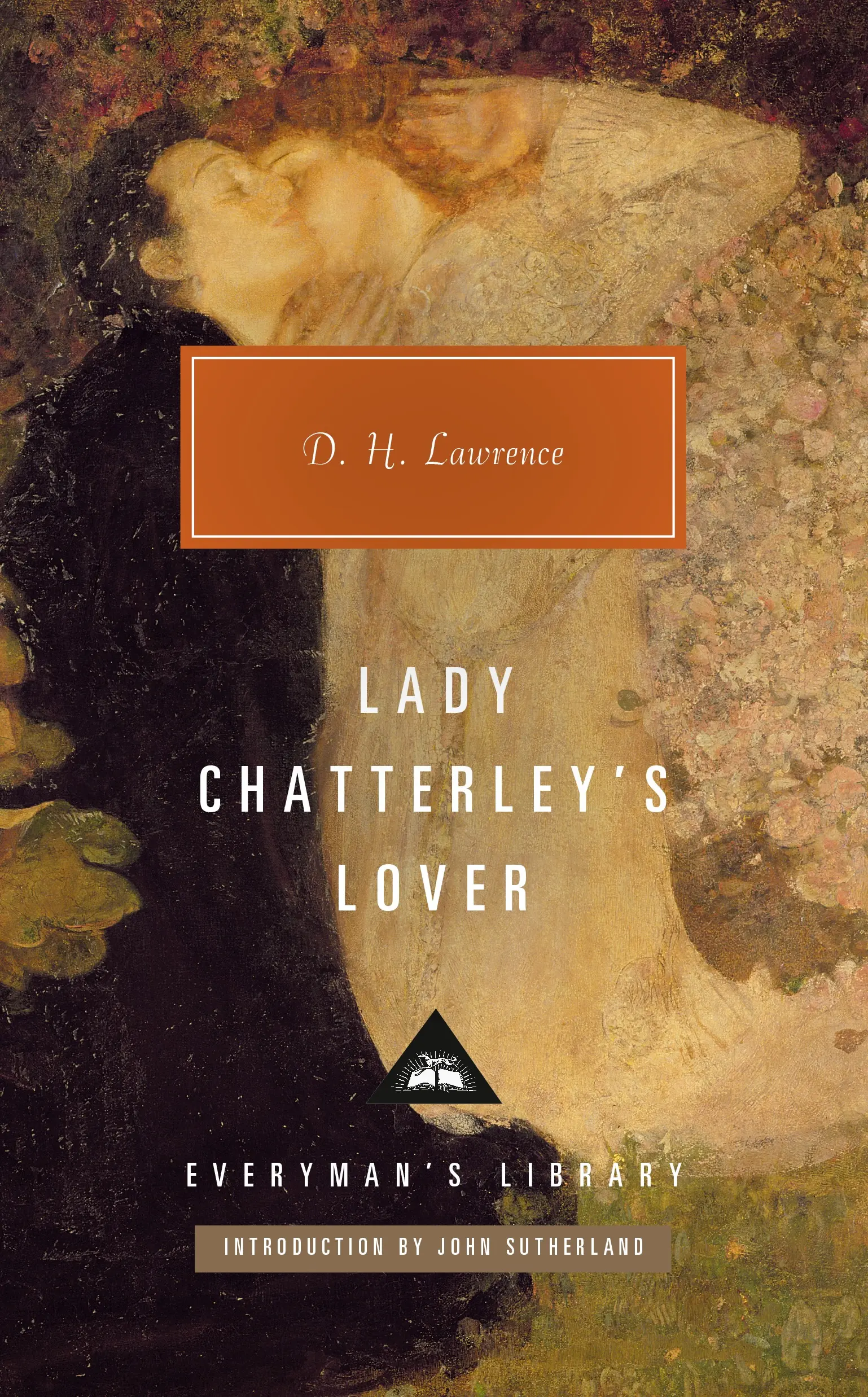
Lady Chatterley’s Lover By D.H. Lawrence
A noblewoman begins an affair with her estate’s gamekeeper, which crosses both class and moral lines. Lawrence uses the relationship to criticize industrial England and emotional coldness. The novel was unusually explicit about sex for its time, and the 1960 trial of Penguin Books became a landmark. The prosecutor famously asked jurors whether they’d want their wives or servants to read it, and the jury acquitted anyway.
Naked Lunch By William S. Burroughs
A series of fragmented, hallucinatory, satirical sketches centered on William Lee, a drug addict moving through a nightmarish world of control and dependency. Burroughs drew on his own experience with heroin addiction, and the loose structure helped inspire his cut-up technique. A Boston obscenity trial in 1965 ended when the Massachusetts Supreme Judicial Court overturned the ruling against it in 1966.
Banned Books Due To Political Control And Race
Doctor Zhivago By Boris Pasternak
The life of a physician and poet is caught in a love triangle and swept up in the Russian Revolution and Civil War. The novel questions what the revolution cost ordinary people, which Soviet authorities saw as a rebuke. Pasternak smuggled the manuscript to an Italian publisher, and it went to print in 1957. He won the Nobel Prize the following year and was pressured into declining it. Declassified documents later showed the CIA helped circulate Russian-language copies.
Uncle Tom’s Cabin By Harriet Beecher Stowe
Uncle Tom’s Cabin follows an enslaved man sold away from his family in Kentucky, who ends up on a brutal plantation. Stowe wrote it as a moral and religious argument against slavery, and while it became a massive bestseller, it also fueled anger in the American South during its time of publication, as much of the region was still in favor of upholding the institution. .
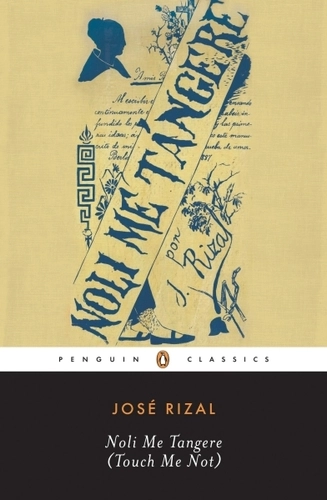
Noli Me Tangere & El Filibusterismo By José Rizal
These two Spanish-language novels form a pair, and together they’re the most influential works in Philippine literature. Noli Me Tangere is Latin for “touch me not” and was first published in Berlin in 1887. El Filibusterismo followed four years later in Ghent, Belgium. Both depict a satire of life under Spanish rule and the Church’s hold on daily affairs, with Philippine colonial and religious authorities censoring both books. The Spanish executed Rizal in 1896, yet his two novels helped fuel the movement toward revolution. The Rizal Law of 1956 later made them required reading, over the strong objections of the Catholic Church.
Books Being Challenged And Banned In American Schools Today
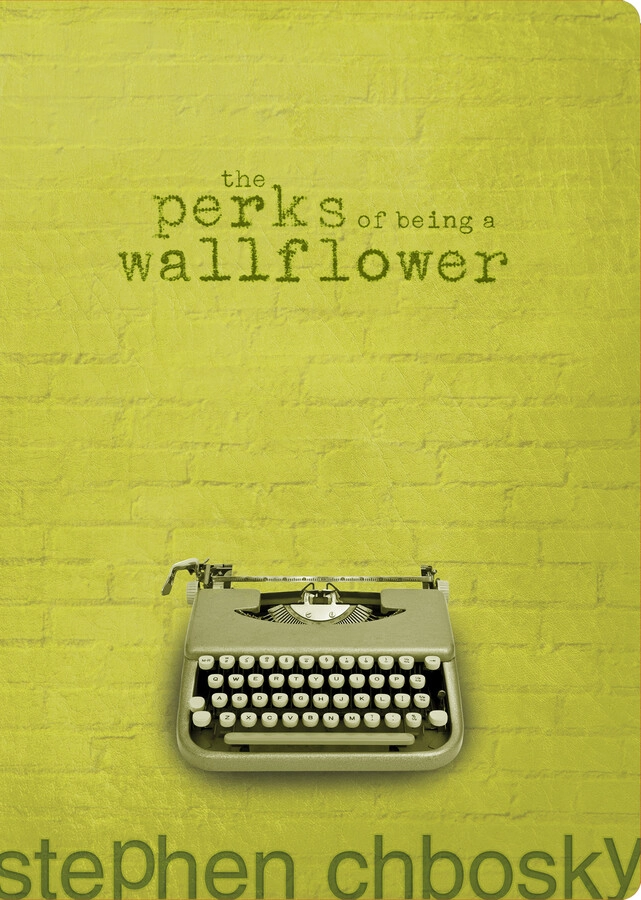
The Perks Of Being A Wallflower By Stephen Chbosky
A shy highschooler writes to an anonymous “friend” about befriending two seniors, along with first love, grief, and the trauma he’s working to understand. It has been challenged for sexual content, drug use, and its depiction of abuse.
Looking For Alaska By John Green
A teenage boy leaves home for a boarding school in Alabama. He falls for Alaska Young, a volatile girl who pulls him into pranks, drinking, and big questions about life and death. The chapters count down to a central event and then count up from it. It won the Printz Award and has been challenged for a sexual scene, drinking, and smoking.
The Bluest Eye By Toni Morrison
A young Black girl believes that having blue eyes would make her beautiful and loved. The story covers racism, beauty standards, and violence within a family, including incest, and is being challenged mainly for those depictions. Morrison went on to win the Nobel Prize in Literature in 1993.
Banner photo courtesy of The New York Public LIbrary Digital Collections, edited with Canva
Frequently Asked Questions
Some of the most famous banned or challenged books include The Satanic Verses, Ulysses, Lady Chatterley’s Lover, Doctor Zhivago, Noli Me Tangere, The Perks of Being a Wallflower, and The Bluest Eye.
Both books faced censorship because of their frank treatment of sex and the body. Ulysses was involved in obscenity trials, while Lady Chatterley’s Lover became the subject of a major obscenity trial in the UK in 1960.
Salman Rushdie’s The Satanic Verses was condemned by many Muslims for material they considered blasphemous. In 1989, Iranian Supreme Leader Ayatollah Ruhollah Khomeini issued a fatwa calling for Rushdie’s execution.
José Rizal’s novels satirized life under Spanish rule and criticized the Church’s influence over daily life. Spanish colonial authorities and the Church opposed both books, which later became influential in the movement toward revolution.
The Perks of Being a Wallflower, Looking for Alaska, and The Bluest Eye have been challenged in American schools for reasons including sexual content, drug and alcohol use, smoking, abuse, and depictions of incest.