These books reveal how food shapes memory, identity, love, history, and the lives we lead.
The best food writing is never really about food. At their best, they use the table as a way into larger questions, from love and loss to pleasure and politics. A single meal can reveal more about a person than pages of exposition, while a recipe can preserve a history that official records overlook. The books on this list understand that what we eat is never separate from how we live. They range from memoirs and novels to essays and travel writing, but each treats food as a language through which people make sense of themselves and the world around them.
READ ALSO: 8 Essential Queer Books Worth Reading This Pride Month (And Every Month After)
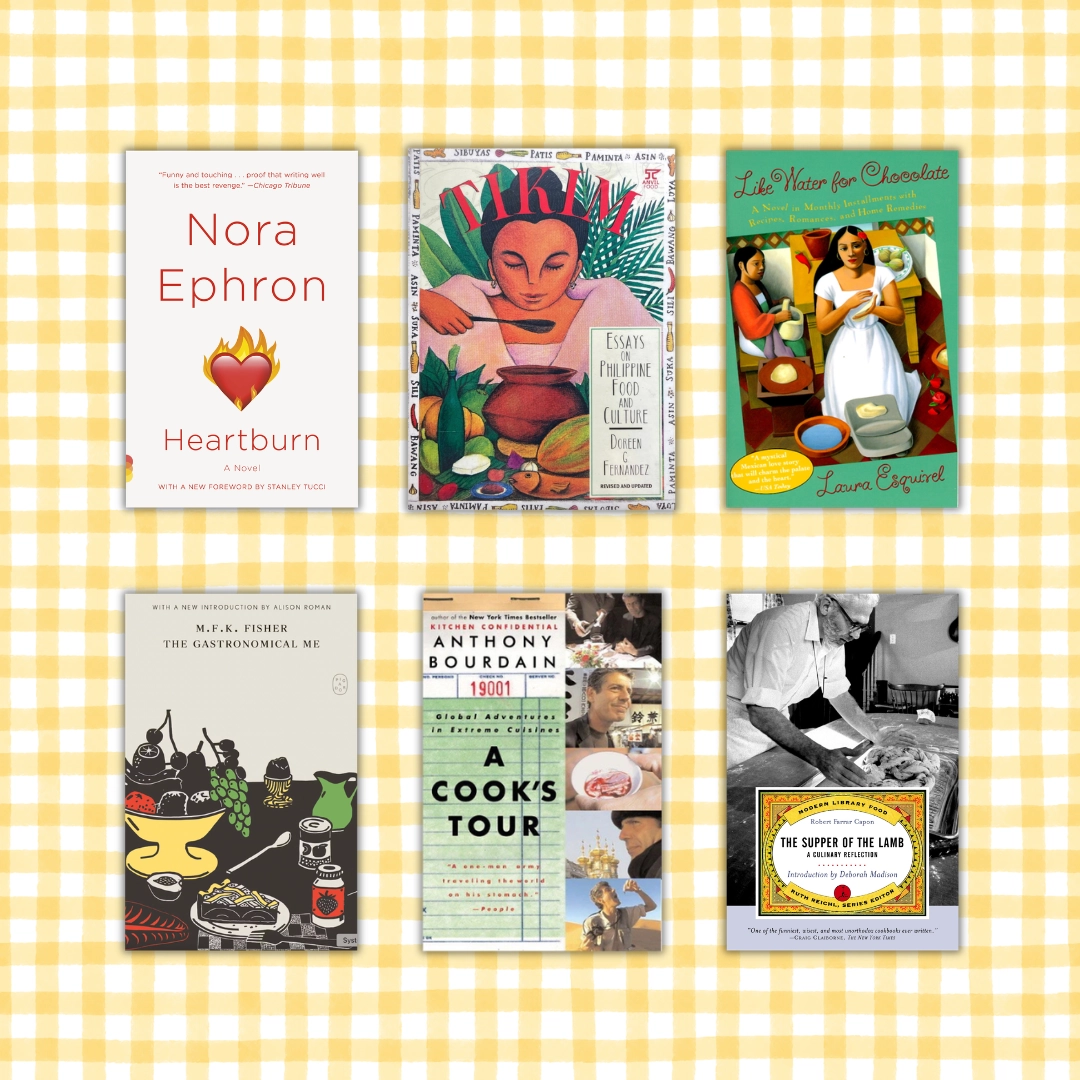
The Gastronomical Me By M.F.K. Fisher
This is the book that established food writing as a form of serious literature. It’s a memoir told through meals, as Fisher moves from her California childhood through her years in France, Switzerland—and back again—through two marriages, a great love affair, and a war gathering at the edges. What makes it extraordinary is that she never writes about food in isolation. For example, a meal eaten alone on a train becomes a meditation on pleasure and self-sufficiency. A dinner with her dying husband is almost unbearable. Fisher is the beginning of every food book on this list.
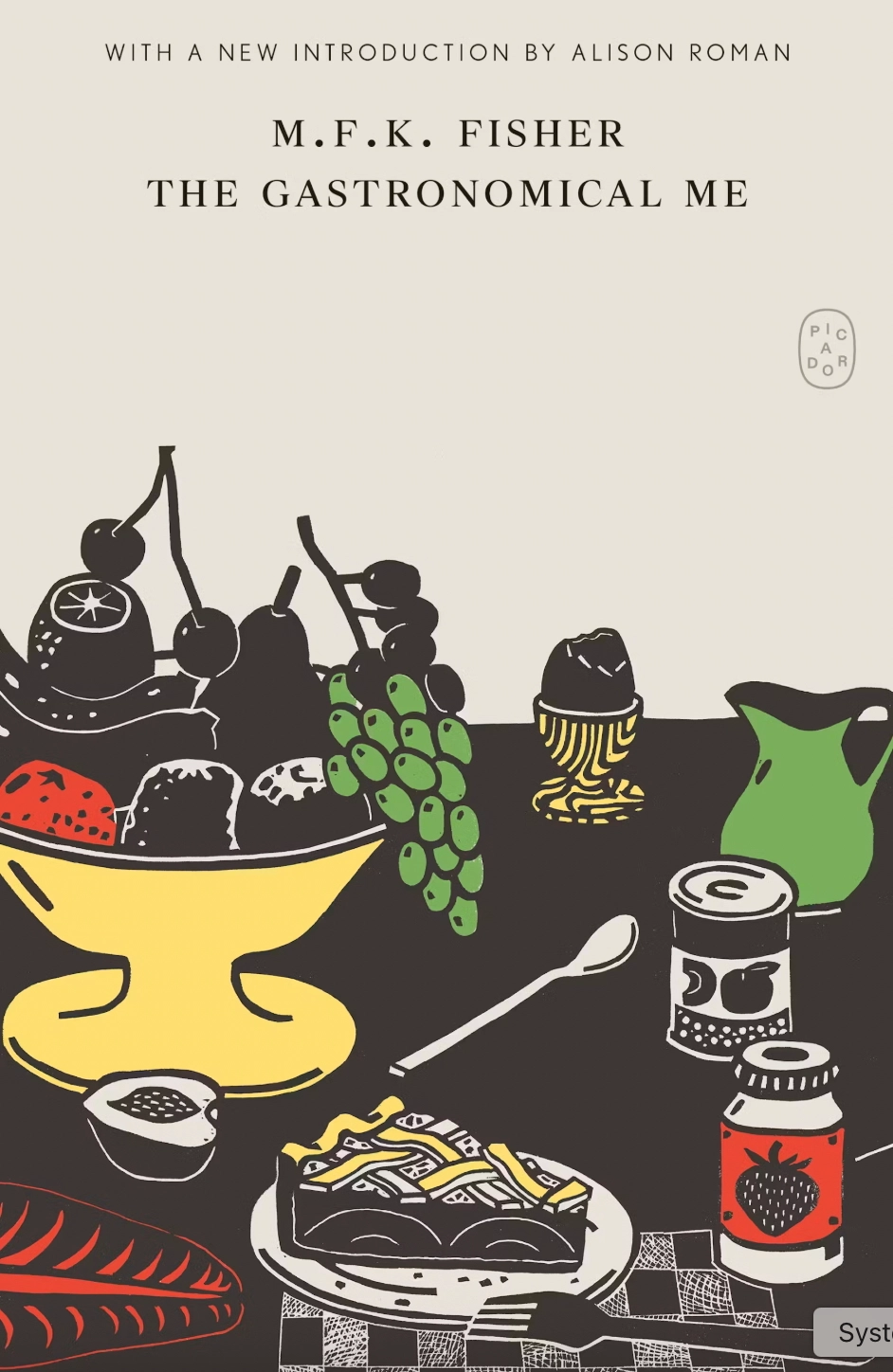
A Cook’s Tour By Anthony Bourdain
Bourdain frames this as a search for the perfect meal, which is really a search for the most alive he can feel. He goes to Vietnam and eats pho at dawn and declares it close to perfect. He goes to Cambodia and feels the weight of recent history in everything on the table. He watches a pig slaughtered in Portugal and finds it clarifying rather than disturbing. Bourdain keeps bumping up against the limits of his own worldview and occasionally admits it. What stays with you is the argument that eating what people actually eat, where they eat it, is one of the few genuine ways to understand another life.
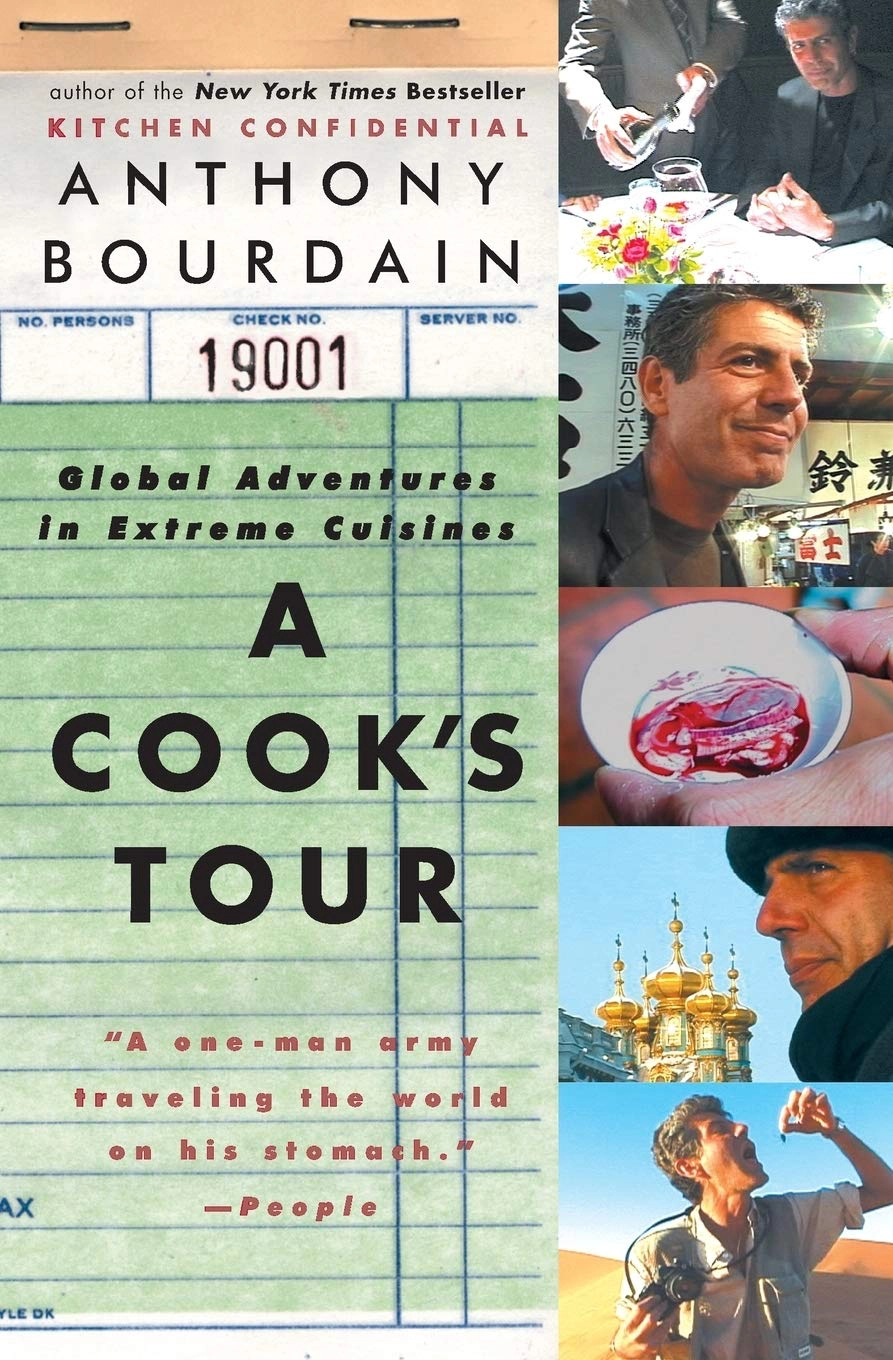
Like Water For Chocolate By Laura Esquivel
Set on a ranch in northern Mexico during the Revolution, this is the story of Tita, the youngest of three daughters, who by family tradition must forgo marriage to care for her mother until the old woman dies. The novel is structured around months and recipes. Tita’s emotions enter the food she cooks, and her guests are moved, aroused, or struck with grief accordingly.
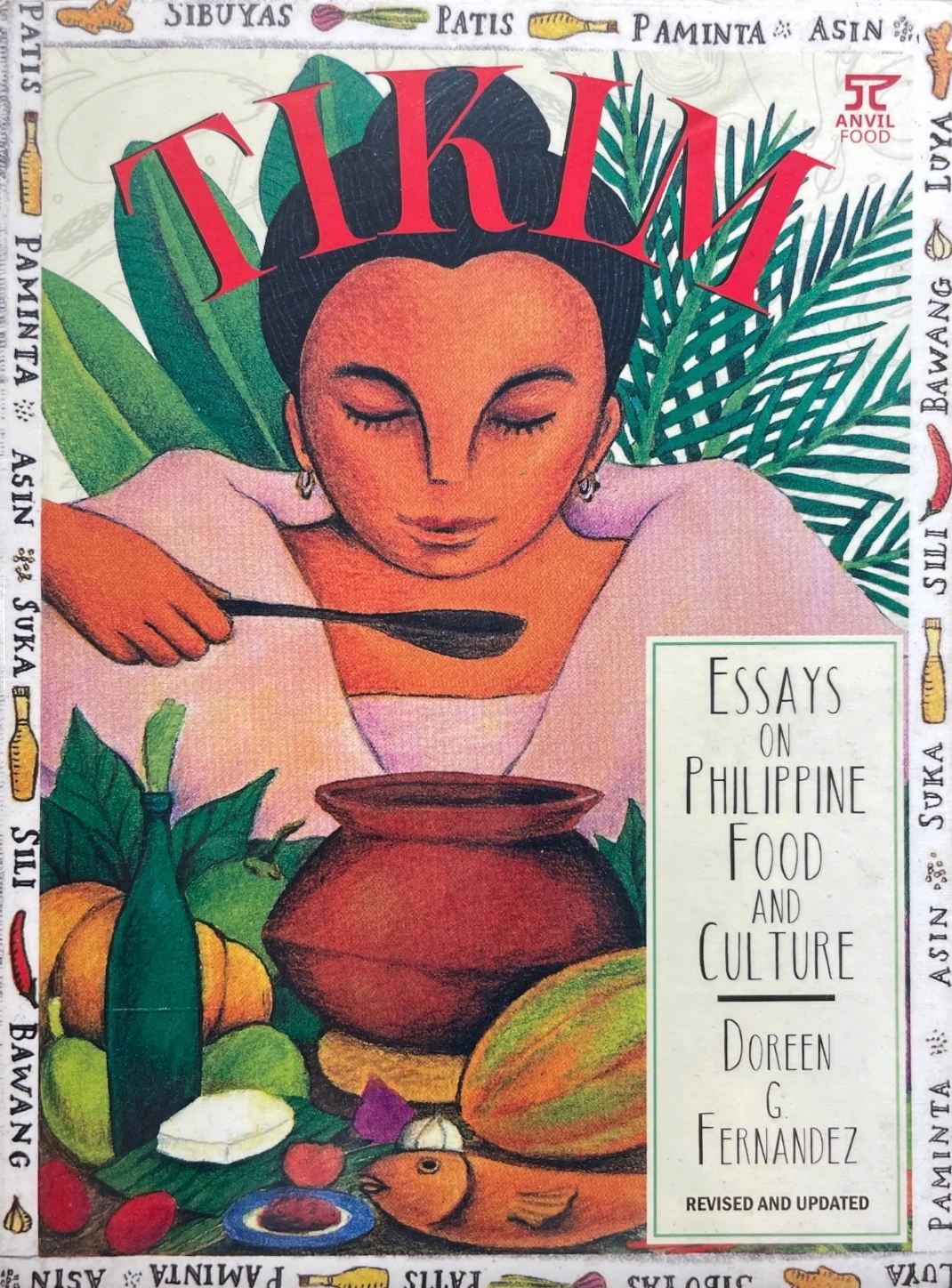
Tikim: Essays On Philippine Food And Culture By Doreen G. Fernandez
This collection is the foundational text for anyone thinking seriously about Philippine cuisine. These essays chronicle Philippine food history, tracing the influences of indigenous practice, Chinese traders, Spanish colonization, and American occupation, and showing how each left marks that are still present in what ends up on the table. Here, Fernandez never treats cuisine as separate from politics, identity, or social structure. She asks who controls the narrative of a national food cultureCultureshared traditions, beliefs, values, customs, arts, and social practices that define the identity and way of life of a community, society, or nation.Go to Culture Glossary, who gets written out of it, and what gets lost when the local gives way to the imported.
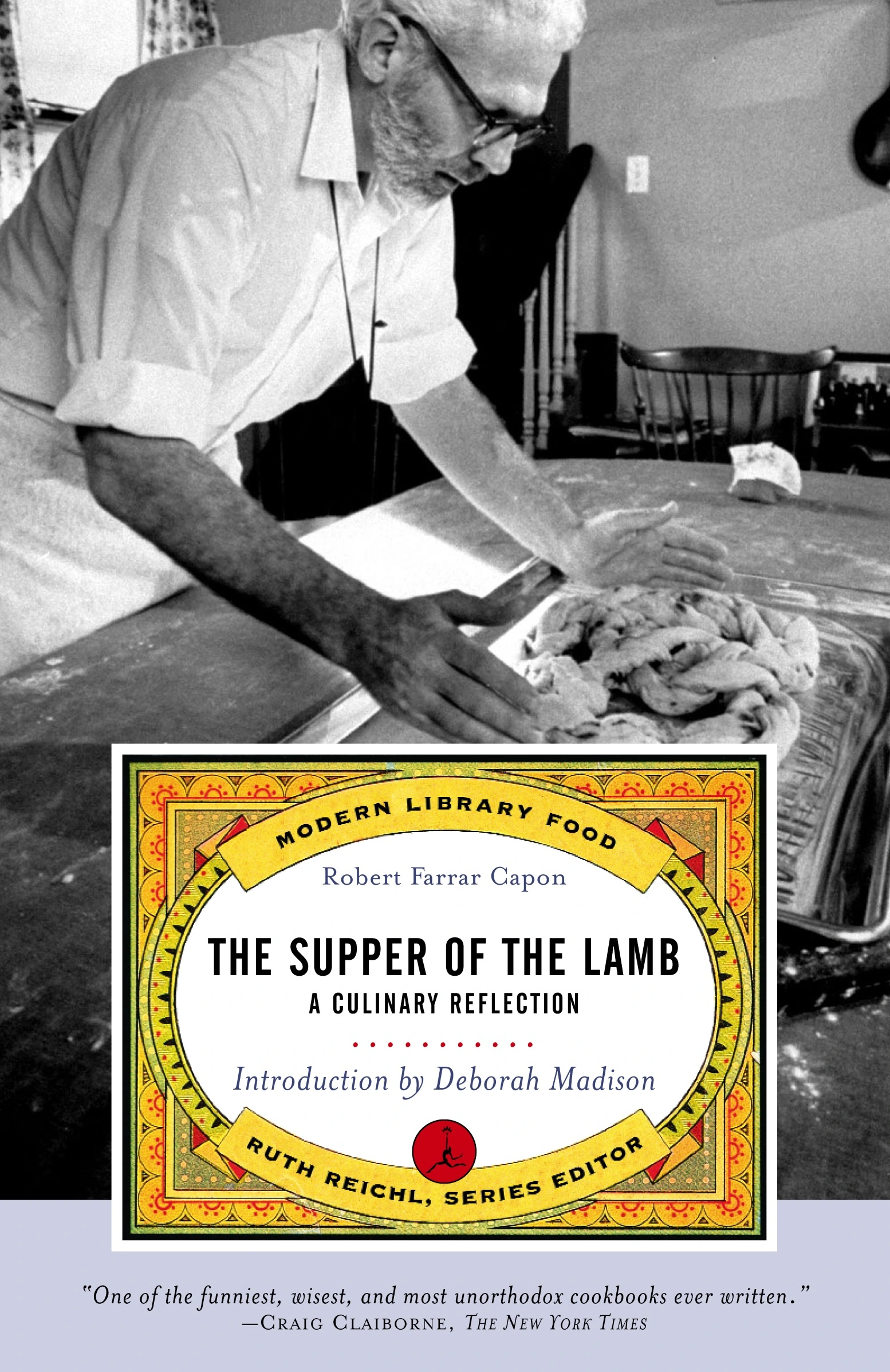
The Supper Of The Lamb By Robert Farrar Capon
This is technically a cookbook. It contains a recipe for braised lamb, but it takes roughly two hundred pages to get through the first preparation step because Capon, a former Episcopalian priest, keeps stopping to talk about onions, marriage, the nature of matter, and what it means to pay attention to the physical world. Some of it is the most lucid thing ever written about why cooking matters.
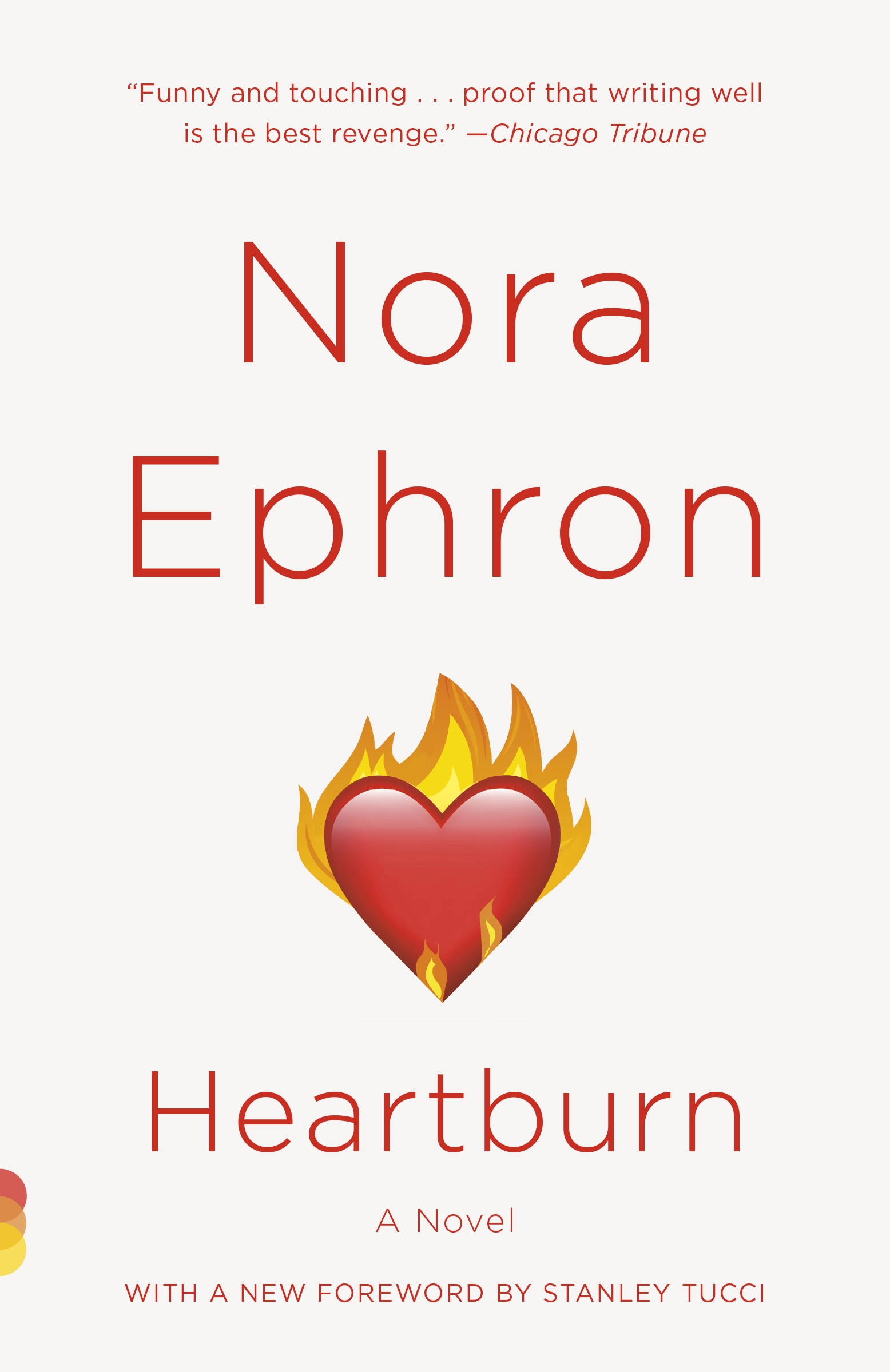
Heartburn By Nora Ephron
Heartburn is a roman à clef about the end of Ephron’s marriage to Carl Bernstein, though she recasts herself as Rachel Samstat, a cookbook author who discovers her husband is having an affair while she’s seven months pregnant. The recipes are real and interspersed throughout, from vinegar pasta to key lime pie. What Ephron understood is that cooking is one of the ways people assert that life is still worth organizing and that pleasure is still available, even when someone has tried to take it from you.
Frequently Asked Questions
Some essential books about food inlcude The Gastronomical Me by M.F.K. Fisher, A Cook’s Tour by Anthony Bourdain, Like Water for Chocolate by Laura Esquivel, Tikim by Doreen G. Fernandez, The Supper of the Lamb by Robert Farrar Capon, and Heartburn by Nora Ephron.
Common themes include love, family, memory, travel, loss, identity, tradition, culture, and the meaning of home.
Food books can include memoirs, travel writing, novels, essays, cookbooks, and cultural history, often blending multiple genres.
Tikim examines Philippine food history and identity, A Cook’s Tour looks at cuisines around the world through travel, and Like Water for Chocolate uses traditional Mexican cooking to tell a story rooted in family and culture.
The Gastronomical Me, A Cook’s Tour, and Tikim are based on real people and experiences, while Like Water for Chocolate is a novel and Heartburn is a fictionalized story inspired by Nora Ephron’s own life.