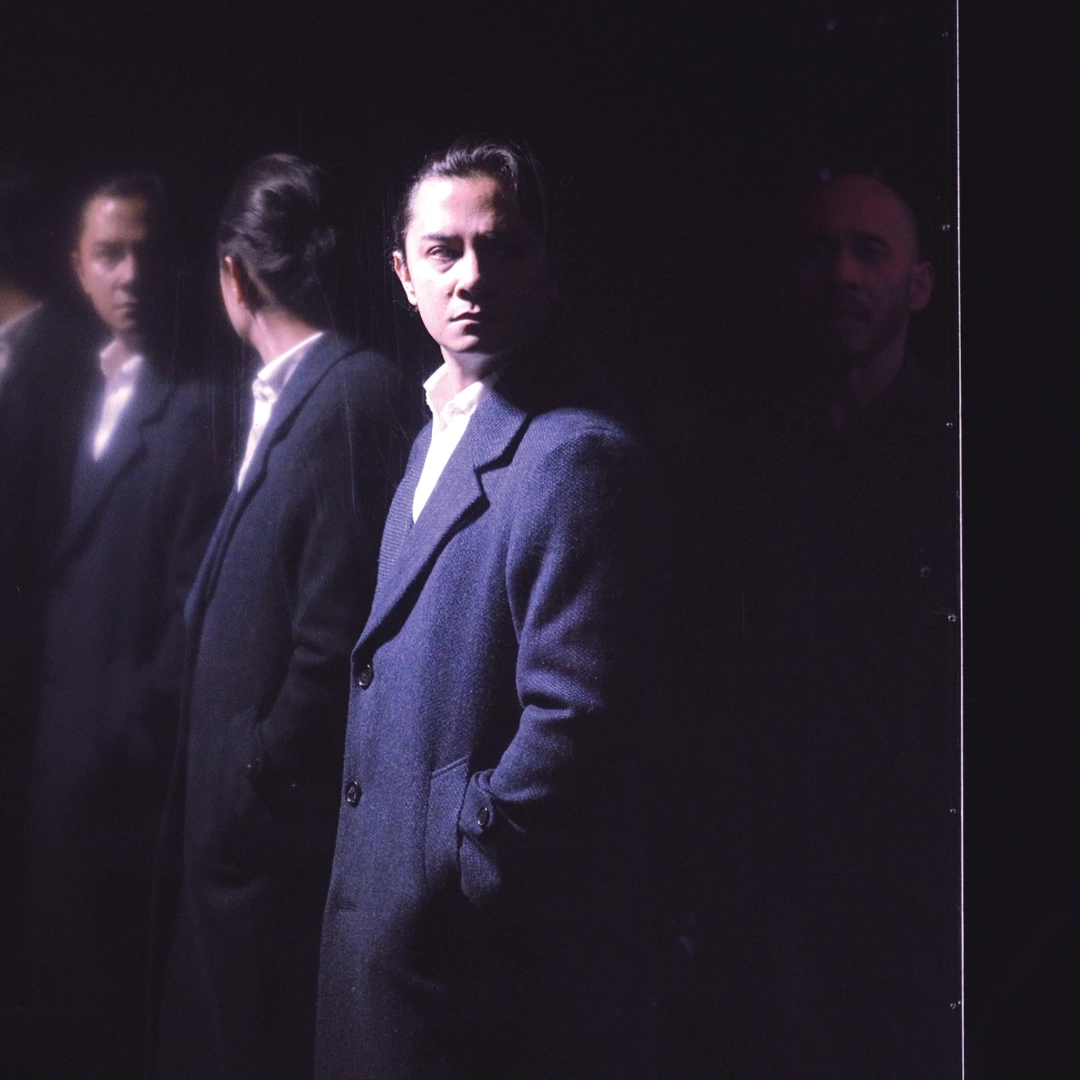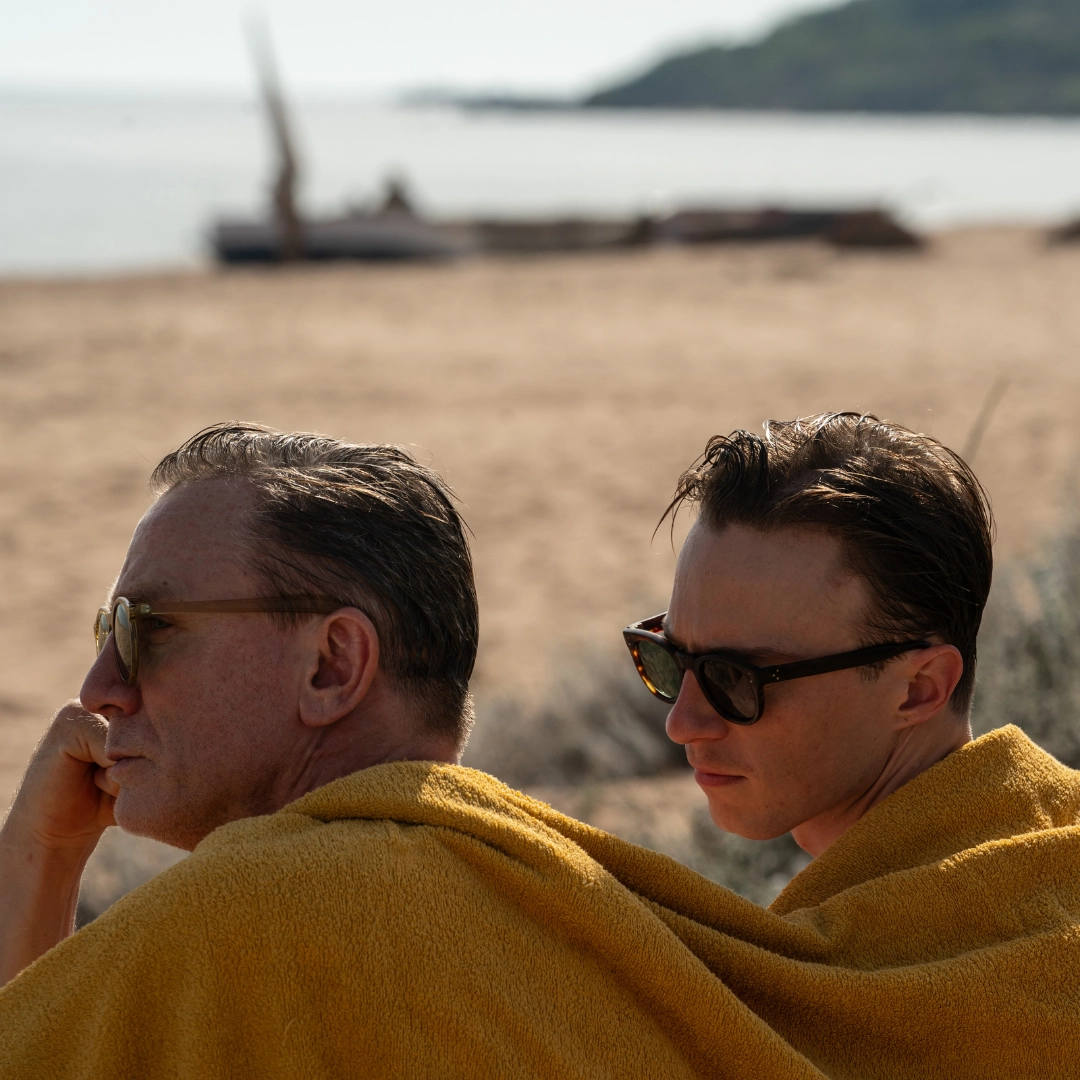
The mesmerizing film offers audiences a visually striking meditation on identity, yearning, and the struggle of trying to understand another person.
Content Warning: This piece discusses key themes and plot points of Queer (2024) by Luca Guadagnino, which is screening exclusively at Ayala Malls Cinemas starting June 10, 2026
Just in time for Pride Month 2026, Ayala Malls Cinemas is bringing Luca Guadagnino’s Queer to the big screen. And, I know, you might be thinking: do I really want to usher in the season with yet another sad film about two gay men? There are, indeed, a lot of those out there, but nevertheless, it’s not an exhausted concept when left in the hands of a capable filmmaker like Guadagnino, who already proved how adept he is in expressing queer experiences through Call Me By Your Name and Challengers.
Queer didn’t receive as much fanfare and praise as the aforementioned titles, creeping into the pop cultureCultureshared traditions, beliefs, values, customs, arts, and social practices that define the identity and way of life of a community, society, or nation.Go to Culture Glossary radar without much sound, and slinking away, becoming an “if you know, you know” film for avid fans of the filmmaker, cinephiles, and those fascinated by the colorfully complicated life of William S. Burroughs, whose namesake novella serves as the film’s source material.
So, should you go see it in cinemas when it’s out? Yep, and here are a few reasons why.
READ ALSO: First Light Returns Home: A Cross-Cultural Film Finds Its Way To Philippine Cinemas
Stay For The Sheer Beauty Of Luca Guadagnino’s Visuals (And Jonathan Anderson’s Costume Design)
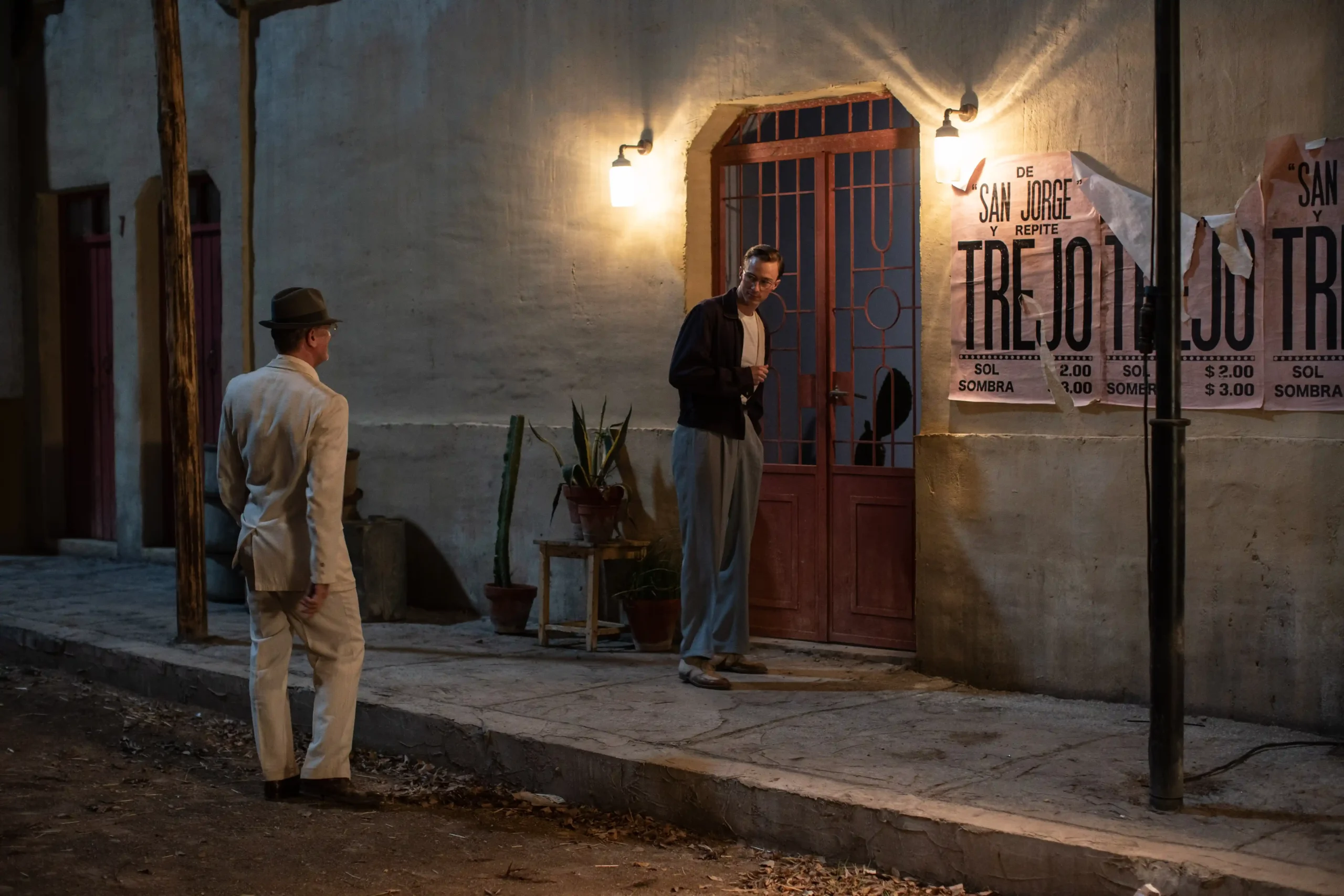
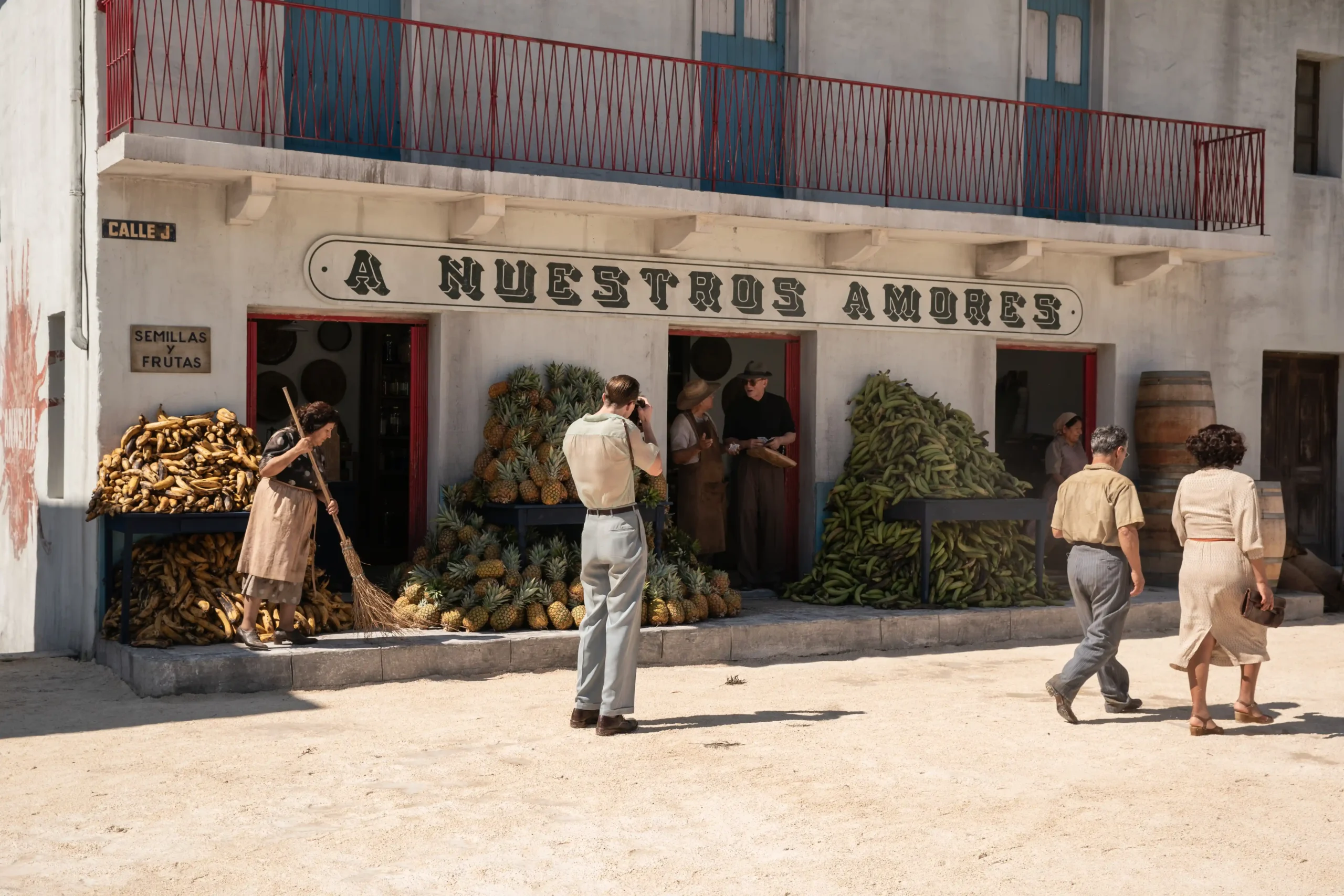
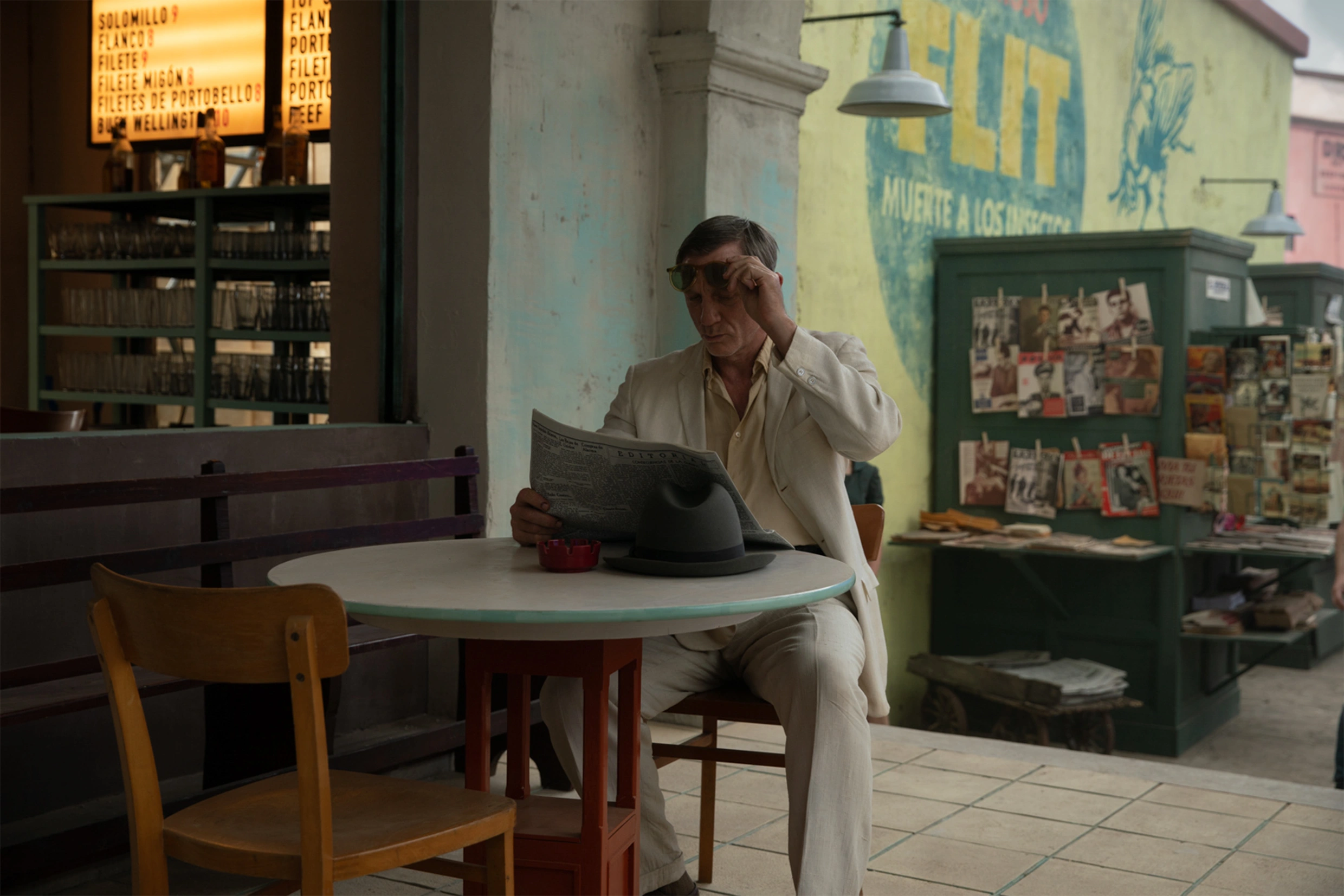
To put it simply, Queer is a beautiful film, from the first frame down to the very last. Guadagnino works with longtime collaborator, Thai cinematographer Sayombhu Mukdeeprom (Challengers, Call Me by Your Name, 2018’s Suspiria) to create yet another immersive world, this time set in 1950s Mexico. Lush jungle, the peeling paint and concrete of a city, webs of cigarette smoke, and the red hallways and dreamscapes that haunt the film’s main character—it all comes together to create something worth more than a few rewatches.
Then there’s the costumes, or clothes, designed by other longtime collaborator (and good friend) Jonathan Anderson. You don’t have to be a man to appreciate the sartorial artistry that went into every ensemble, and even during the most sweltering moments where fabric rumples and moisture collates during a character’s disheveled mental and physical states, the pieces still look great (and it helps that Drew Starkey’s lithe frame is, obviously, the perfect canvas to showcase how great one can look in well-fitted garments).
An Anachronistic Soundtrack Done Right
Another startling detail to note is Queer‘s anachronistic soundscape. Guadagnino loves the people he works with, so he once again employs the talents of Nine Inch Nails frontmen Trent Reznor and Atticus Ross for synthy-electronic original tracks that, like the film’s visuals, feel hallucinogenic or off-kilter, not just on a sonic level but through their anachronistic presence as well. Alt-rock songs from Nirvana also make their way into the film, including “Come As You Are” and “Marigold.” Again, the anachronisms add to the odd texture of Queer’s overall project, but the fact that Nirvana frontman Kurt Cobain struggled with similar forms of addiction and anguish as the film’s main character William Lee (played remarkably well by Daniel Craig) probably carries some relevance as well.
Queer (2024) Uses The Surreal To Express The Inexpressible
Queer follows Lee, a middle-aged gay American expatriate who buries himself in meaningless flings, alcohol, and drugs, his world unraveling when he encounters (and invariably finds himself infatuated by) a much younger, enigmatic American man named Eugene Allerton (Drew Starkey)—who, at least via implication, is likely bisexual, having his rendezvous with men while feeling somewhat conflicted about it as well.
It’s a good thing Guadagnino went all out on visuals here, because the film itself is a strange little thing, dense with surreal imagery that lifts from the equally strange literary devices of its source material. I’m not familiar with Burroughs’ works, or his life, though some post-watch research has revealed that the Queer novella does indeed utilize hallucinogenic fantasies or scenarios (that perhaps some, upon reading it, may deem too difficult to adapt).
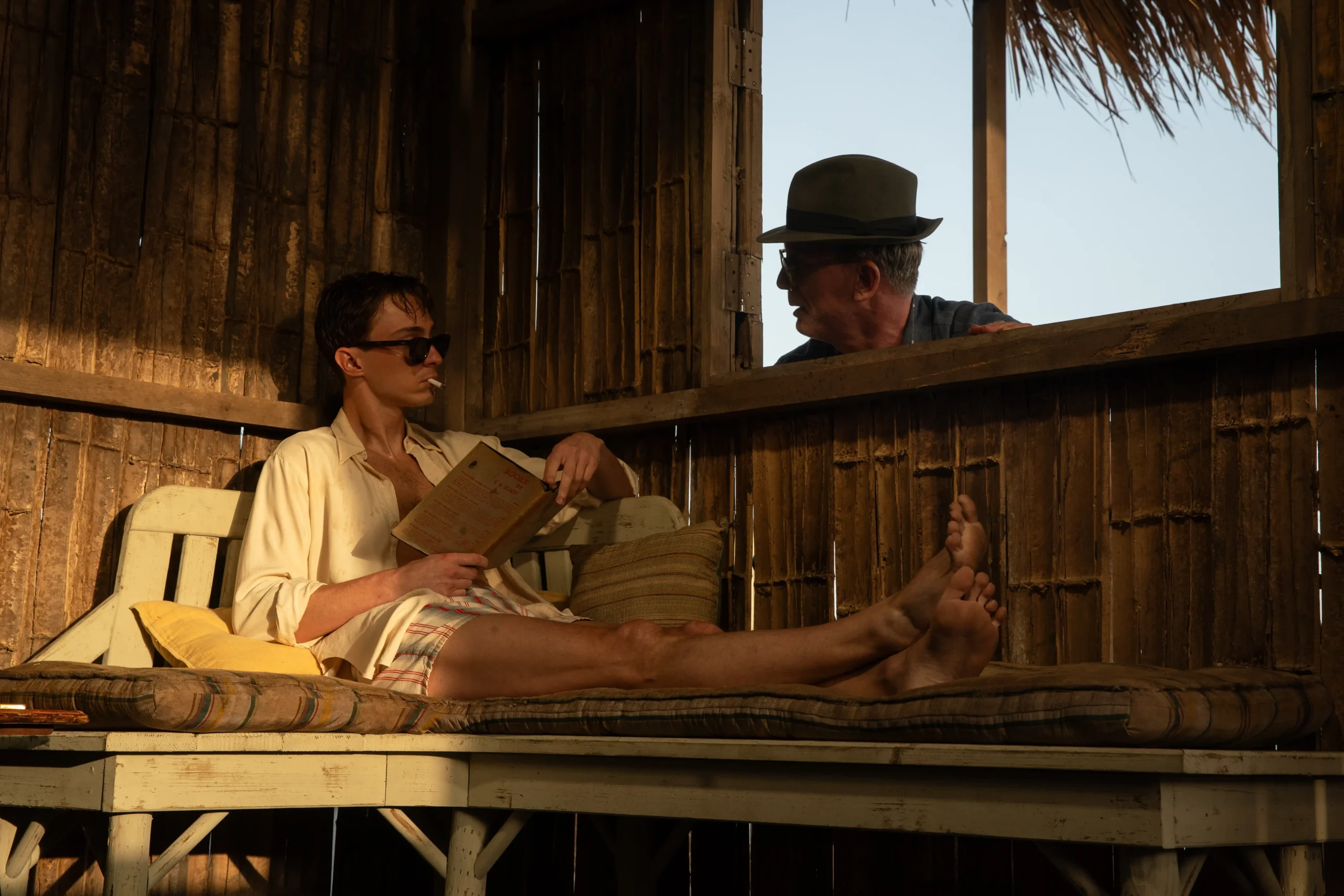
The film’s reliance on these symbolic abstractions to help carry key themes and plot points might not be everyone’s cup of tea. Still, if you’re patient and willing enough to sit through it, without expecting to “crack the code” on the first watch, you’ll find yourself rewarded. Hours later, I was still thinking about the sheer weirdness of it all, mulling over motifs like a dog chewing on a bone.
If you think about it, the choice to favor the surreal makes sense, not only because it’s taking cues from the novella, but also because the fantastical or figurative is where desire lives. And, in a more literal sense, it’s the kind of mental landscape a drug user like Lee would frequently find himself in. This fixation on substitution—on visuals taking the place of dialogue—ultimately strengthens the film’s sense of isolation.
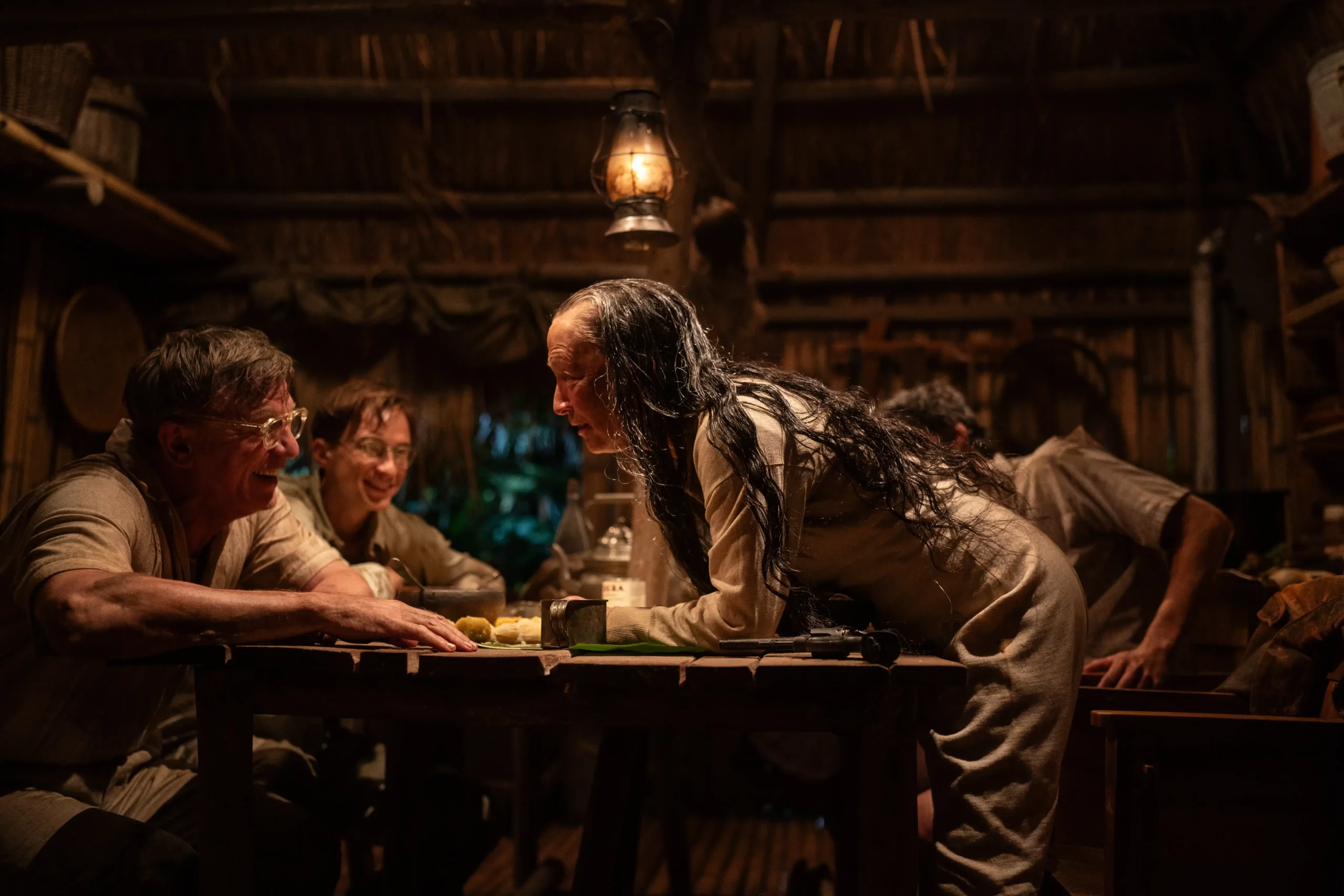
As Lee becomes obsessed with finding Ayahuasca deep in the jungle, Queer momentarily transforms into a comedic buddy film, with Eugene pulled along in pursuit of the telepathic abilities the psychedelic is rumored to unlock. Yet beneath that descent lies something much sadder: two men incapable of communicating with each other. Their bodies express one thing, their actions suggest another, and their words keep failing them both. In this context, telepathy begins to feel more believable than the vulnerability required to truly speak honestly or understand another person. Yet even when the film finally grants them that psychic intimacy, it changes very little and worsens the chasm. Neither man comes any closer to confronting the loneliness, repression, and emotional paralysis festering underneath.
Disembodied: How The Film Explores Loneliness, Yearning, And Identity
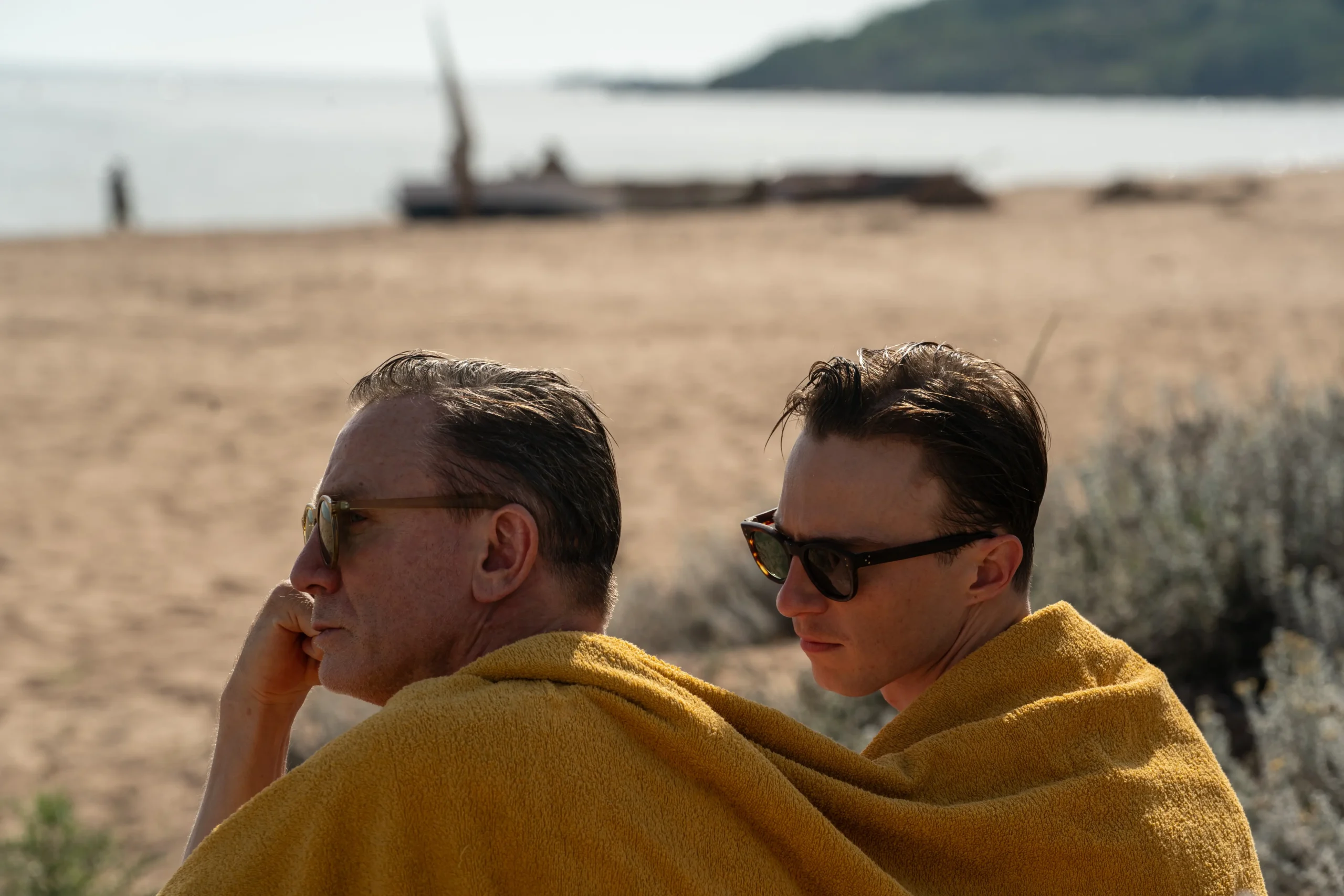
“I’m not queer,” Eugene tells Lee in their psychedelic trance, “I’m disembodied.” Not just because the drug is working, but because their physical intimacy isn’t an indication of the turmoil within, the feeling of unmooring or dissociation.
During the film’s time period, navigating one’s queerness was a dilemma more so than it already is, for many people (including Burroughs). One might yearn and ache for another, but love can be a lonely endeavor, too. What Queer explores is the treacherous pain of wanting so badly to understand and connect with someone when you can’t even do the same for yourself.
Yet even in the sorrow of it all, the film ends on a poignantly tender note. That a time, a place, a sensation—the touch of a lover, their leg atop yours as warmth—can haunt and comfort in equal measure across time. So yes, it’s another sad queer film, but like the many good sad queer films before it, it carries truths worth examining, and may even offer a cathartic moment of recognition to those who’ve experienced its complications. If you’re in the right mental state to sit with something that doesn’t settle into neat boxes of meaning, then it’s worth a trip to the theater.
Photos courtesy of Ayala Malls Cinemas
Frequently Asked Questions
Queer follows William Lee, a middle-aged American expatriate in 1950s Mexico who numbs himself with alcohol, drugs, and fleeting relationships before becoming infatuated with Eugene Allerton, a younger and enigmatic American man. The film explores loneliness, yearning, repression, identity, and the difficulty of truly understanding another person.
Ayala Malls Cinemas will exclusively screen Queer starting June 10, 2026 to celebrate Pride Month.
Directed by Luca Guadagnino and shot by cinematographer Sayombhu Mukdeeprom, Queer uses surreal imagery, lush jungle landscapes, dreamlike interiors, and dense visual symbolism to express emotional states that dialogue alone cannot capture. The film also features costume design by Jonathan Anderson.
Queer is worth seeing in cinemas for viewers interested in visually immersive films that explore queer identity, longing, emotional isolation, and human connection in unconventional ways. While its surreal storytelling may not appeal to everyone, the film rewards patient viewers willing to sit with ambiguity and emotional complexity.
Queer screens exclusively at Ayala Malls Cinemas starting June 10, 2026, as part of the Pride Month 2026 lineup.