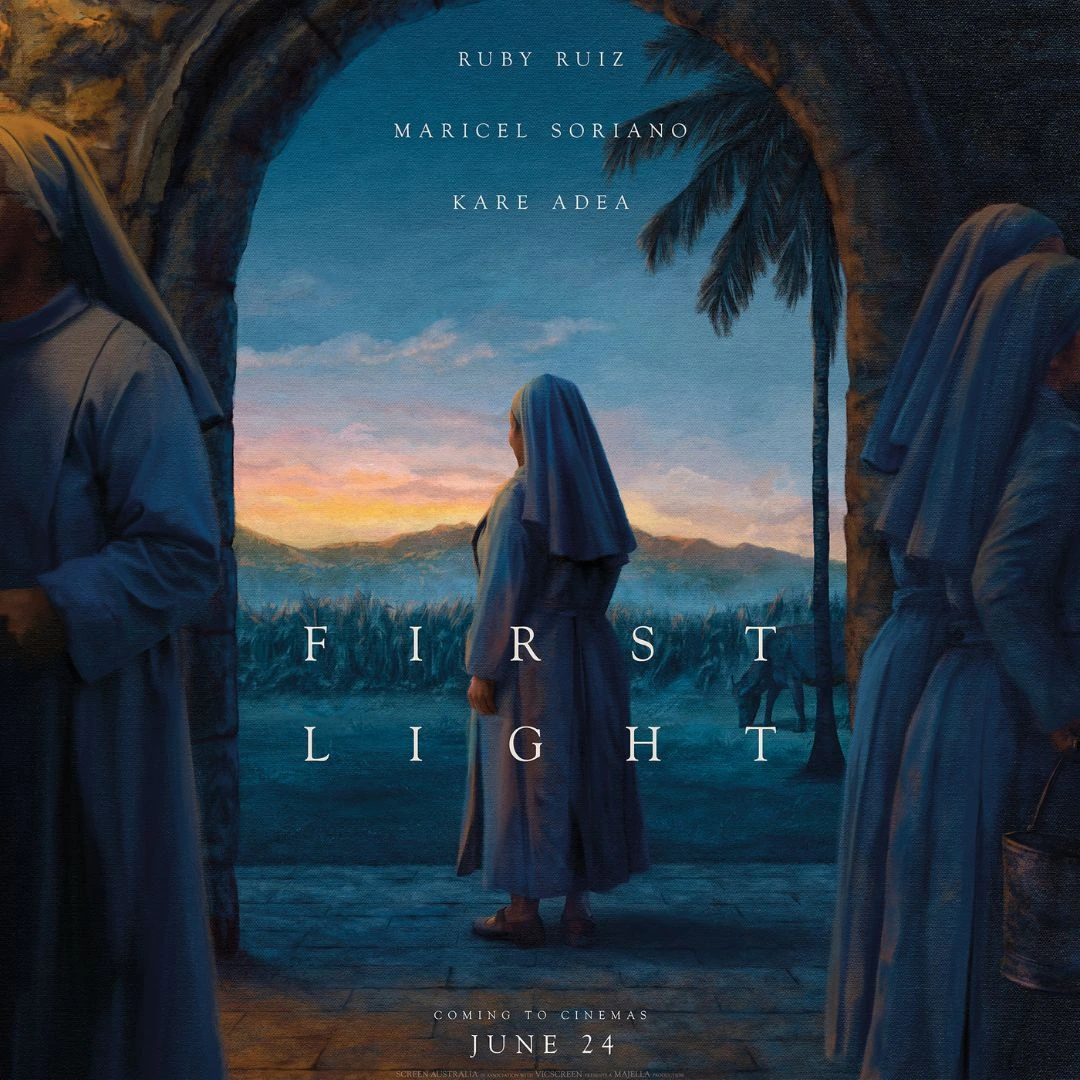
The Filipino-Australian co-production First Light arrives in local theaters this June, bringing with it a quiet yet powerful meditation on faith, history, and identity.
The official trailer and poster for First Light have been unveiled, marking the upcoming Philippine homecoming of a film that has already begun to make waves internationally. Directed by Filipino-Australian filmmaker James J. Robinson, the debut feature is set for a nationwide theatrical release beginning on June 24, 2026, and is led by local distributor Clou Media Productions.
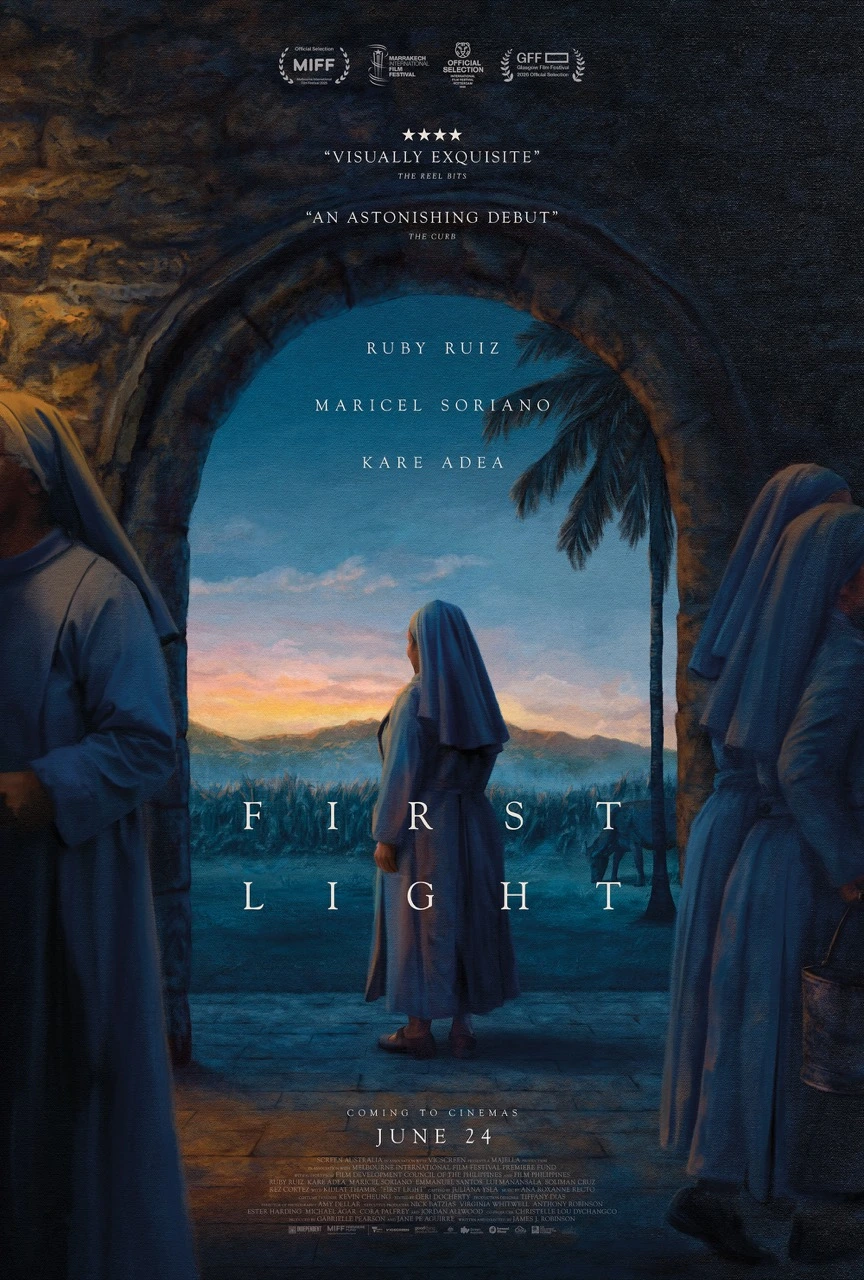
First Light is a landmark in cross-cultural storytelling and the first official co-production between Australian and Philippine government funding bodies. The collaboration brings together global resources and Filipino talent, resulting in a film that is both intimate in its storytelling and expansive in its scope.
READ ALSO: How A Country’s Myths And Folklore Bring Its Culture To The Global Spotlight
About First Light
Shot across Rizal province and Metro Manila, the film explores themes of faith, power, and the lingering weight of colonial history—issues that continue to shape the Filipino consciousness. At its center is a remote mountain community shaken by the mysterious death of a young construction worker. The incident forces Sister Yolanda, an elderly nun who has long devoted her life to the Church, to confront unsettling truths about the institution she serves and the community she calls home.
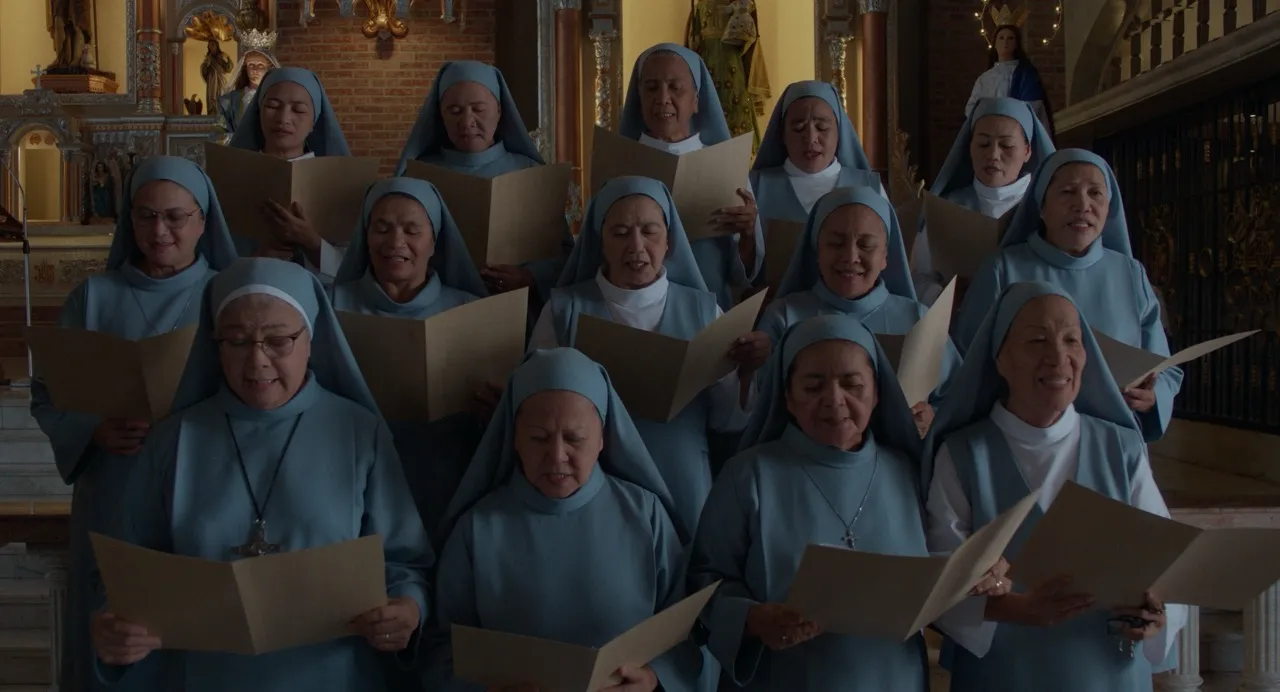
The narrative is anchored by performances from multi-award-winning actress Ruby Ruiz and Philippine cinema icon Maricel Soriano, whose portrayals lend the film emotional depth and gravitas. Behind the scenes, the project is produced by Gabrielle Pearson of Majella Productions and veteran Filipina producer Jane Pe Aguirre, with Christelle Lou Dychangco serving as co-producer.
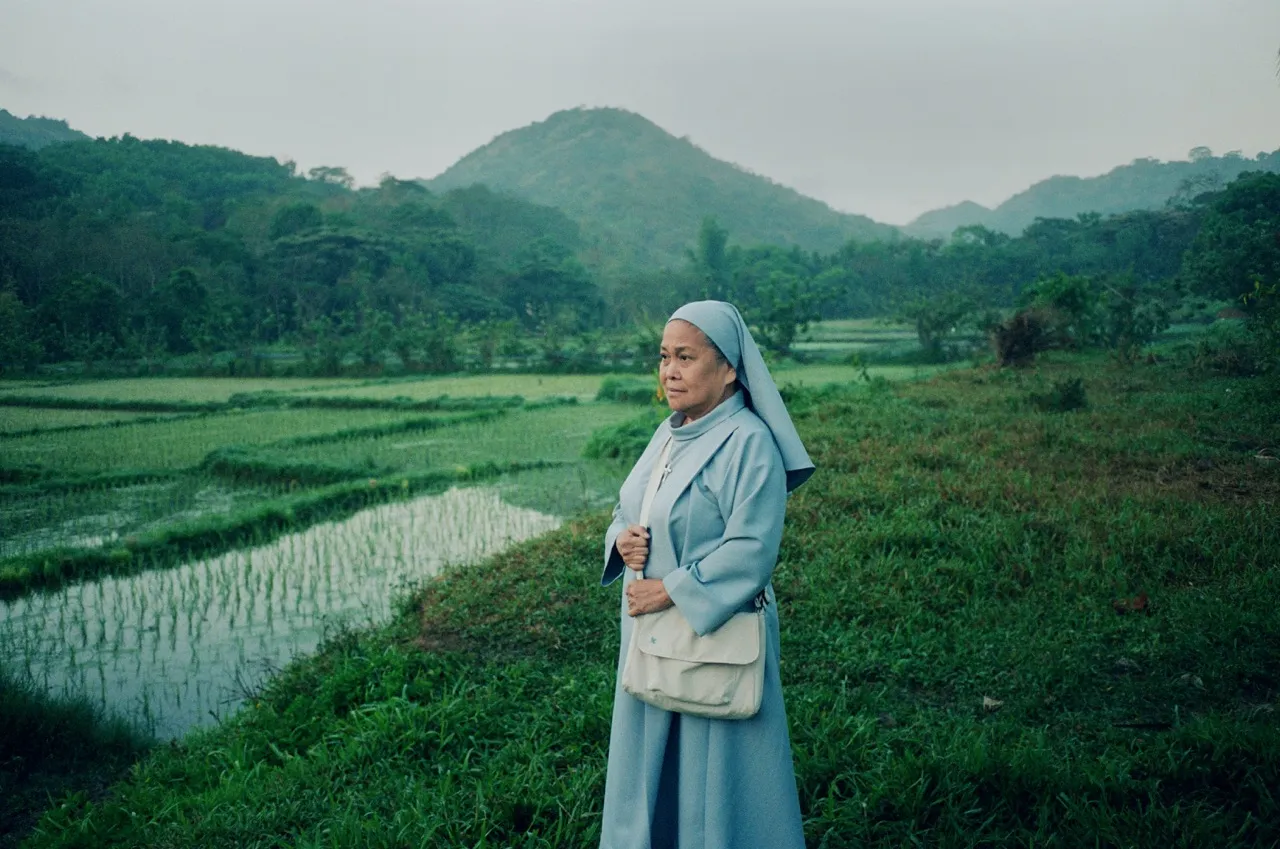
First Light received principal funding from Screen Australia in association with the Melbourne International Film Festival Premiere Fund, alongside support from the Film Development Council of the Philippines and VicScreen. This network of support underscores the film’s significance not just as a creative work, but as a cultural bridge between two nations.
International critics have already praised the film’s quiet yet powerful storytelling, with early reviews highlighting Robinson as a distinct new voice in cinema. As it returns to Philippine shores, First Light offers local audiences a chance to engage with a story that reflects both personal and collective histories—one that interrogates belief, community, and the enduring complexities of identity.
With its June release, the film signals a meaningful moment for Filipino cinema, bringing a globally recognized story back to the very audiences it seeks to represent.
All photos courtesy of First Light
Frequently Asked Questions
First Light is set for a nationwide theatrical release in the Philippines beginning June 24, 2026. The film is being brought to local cinemas by distributor Clou Media Productions, marking the Philippine homecoming of a film that has already received international critical attention.
First Light is the debut feature of Filipino-Australian filmmaker James J. Robinson. The film follows Sister Yolanda, an elderly nun in a remote mountain community, as a construction worker’s mysterious death forces her to confront unsettling truths about the Church and the community she has long served. It explores faith, colonial history, and identity.
First Light stars Ruby Ruiz, a multi-award-winning Filipino actress, alongside Philippine cinema icon Maricel Soriano. Their performances anchor the film’s emotional depth and have been central to its early critical reception internationally.
Yes — First Light is the first official co-production between Australian and Philippine government funding bodies. It received principal funding from Screen Australia in association with the Melbourne International Film Festival Premiere Fund, with additional support from the Film Development Council of the Philippines and VicScreen.
First Light was shot across Rizal province and Metro Manila. The locations ground the film’s exploration of faith, power, and the lingering weight of colonial history in a distinctly Filipino landscape, connecting its thematic concerns to the communities and terrain it depicts.