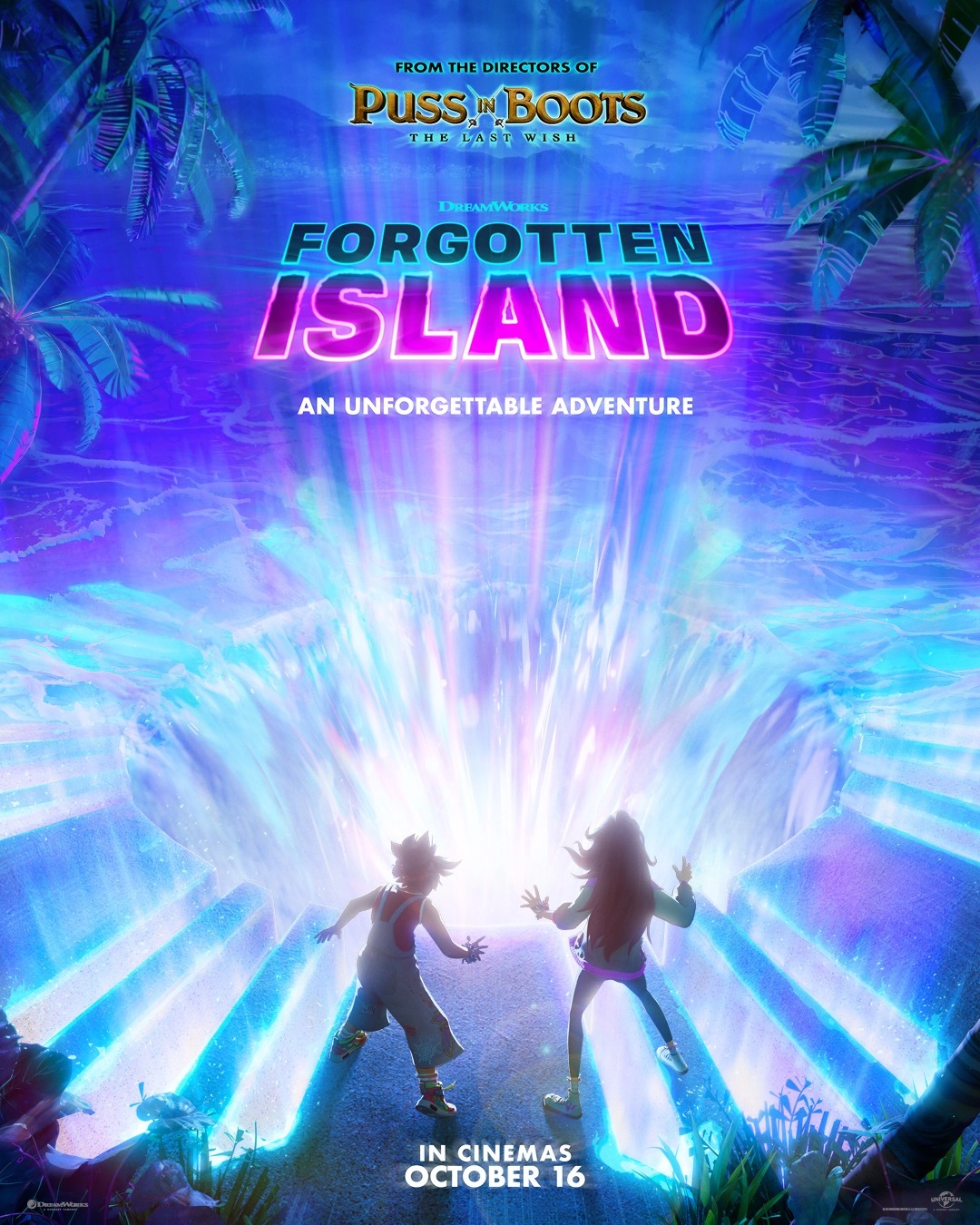
With the huge success of KPop Demon Hunters, DreamWorks’ upcoming Forgotten Island might just start a new pop culture wave for the Philippines.
The announcement of DreamWorks’ upcoming Forgotten Island came quietly, whispers of an animated film set in the Philippines causing a bit of buzz before eventually dying down (and as these things go, one can never be sure if greenlit projects will see the light of day in an unpredictable media landscape). Yet the recent drop of its first trailer has gotten many Filipinos excited for some reasons. For one thing, this marks the first time in history that a major animation studio is producing a full-length feature set in the Philippines (well, sort of, but more on that later) and featuring a cast of Filipino characters. Then there’s, of course, the film’s potential cultural impact on a global scale. It may be too early to say for certain, but it does point to a broader, ongoing movement in cultureCultureshared traditions, beliefs, values, customs, arts, and social practices that define the identity and way of life of a community, society, or nation.Go to Culture Glossary-driven storytelling that brings folklore and mythology into the global spotlight.
READ ALSO: Appreciating Animation As The Powerful And Versatile Art Form It Is
Through The Lens Of The Fantastical
There are many ways to engage with a country’s identity and heritage. You can try its cuisine; do what the Romans do, as the adage goes, and explore its famous landmarks. Yet one of the most interesting ways to gain a deeper understanding of a place is to learn about its folklore and mythologies: stories passed down from one generation to the next, brimming with creation, destruction, fantastical beings, human emotion, and spiritual experiences that were (and continue to be) deeply rooted in the condition of a people.
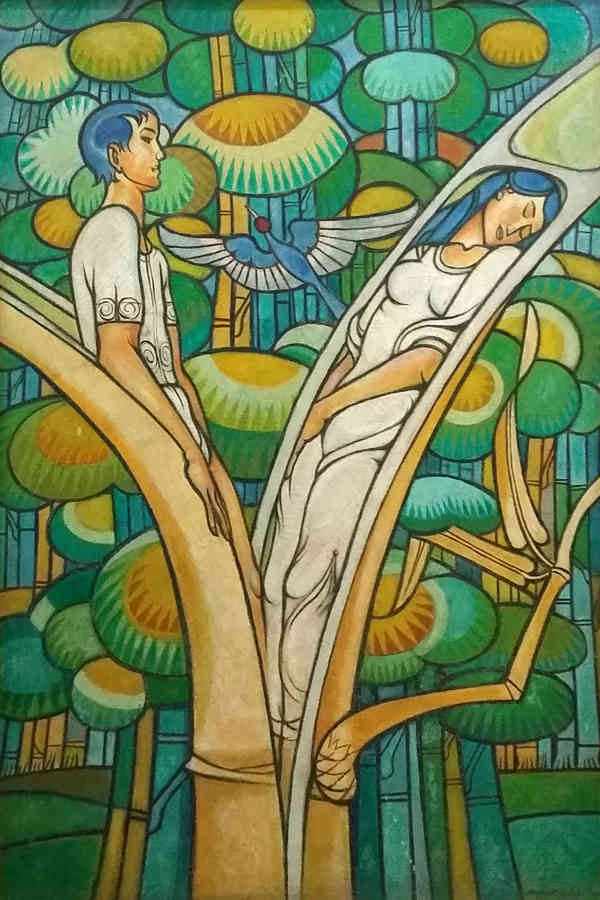
While these otherworldly narratives have always been around—ingrained in our modern lives more than we might notice—there seems to be a renewed interest in them. This resurgence feels especially intriguing in a tech-forward world that claims to prioritize truth, yet remains rife with its own distortions. It calls to mind something writer Elif Shafak had shared in an interview. “It’s unfortunate that in the English language we use the word ‘fiction’ as if it were the opposite of fact,” she begins. “I think fiction is very interested in truth and it does bring us closer to truth, but it does it in its own way. There’s a transcendental aspect to it.”
Which brings us to this point: the veracity of folklore and mythology has never been the point of their importance, or even their existence. It’s not about what’s scientific or factual—what happened and what didn’t—but about how what mattered then still matters now. Within these tall tales are pearls of incisive, steadfast truths: values, personal histories, natural phenomena, community life, fears, hopes, and desires we continue to draw meaning from, reshaping them into something that resonates in today’s milieu.
Scholar Kato Bukenya explains this very well in the paper “The Role of Folklore in Modern Culture.”
“New films are retellings of existing narratives, but the audience’s understanding of the narrative’s validity is fully maintained,” Bukenya writes. “Modern narratives are beginning to show just how cultures are grown, changed, misrepresented, and thriving, and as modern culture continues to develop in all of its forms, so does modern mythology. Modern mythology is both familiar and transformative. It retains the original structures, themes, and characters that audiences identify with on a fundamental level while also challenging and developing those aspects in a way that remains completely authentic to the culture being portrayed.”
What KPop Demon Hunters Taught Us About Cultural Power
Before we move on to Forgotten Island, let’s take the runaway success of Sony Pictures Animation’s Academy Award-winning KPop Demon Hunters as an example. Granted, it likely wouldn’t have reached this level of fanfare without the force of hallyu or the Korean Wave, and its striking animation and soundtrack also did a lot of heavy lifting. Yet the film’s world-building (narrative flaws aside) also helped make it a hit.
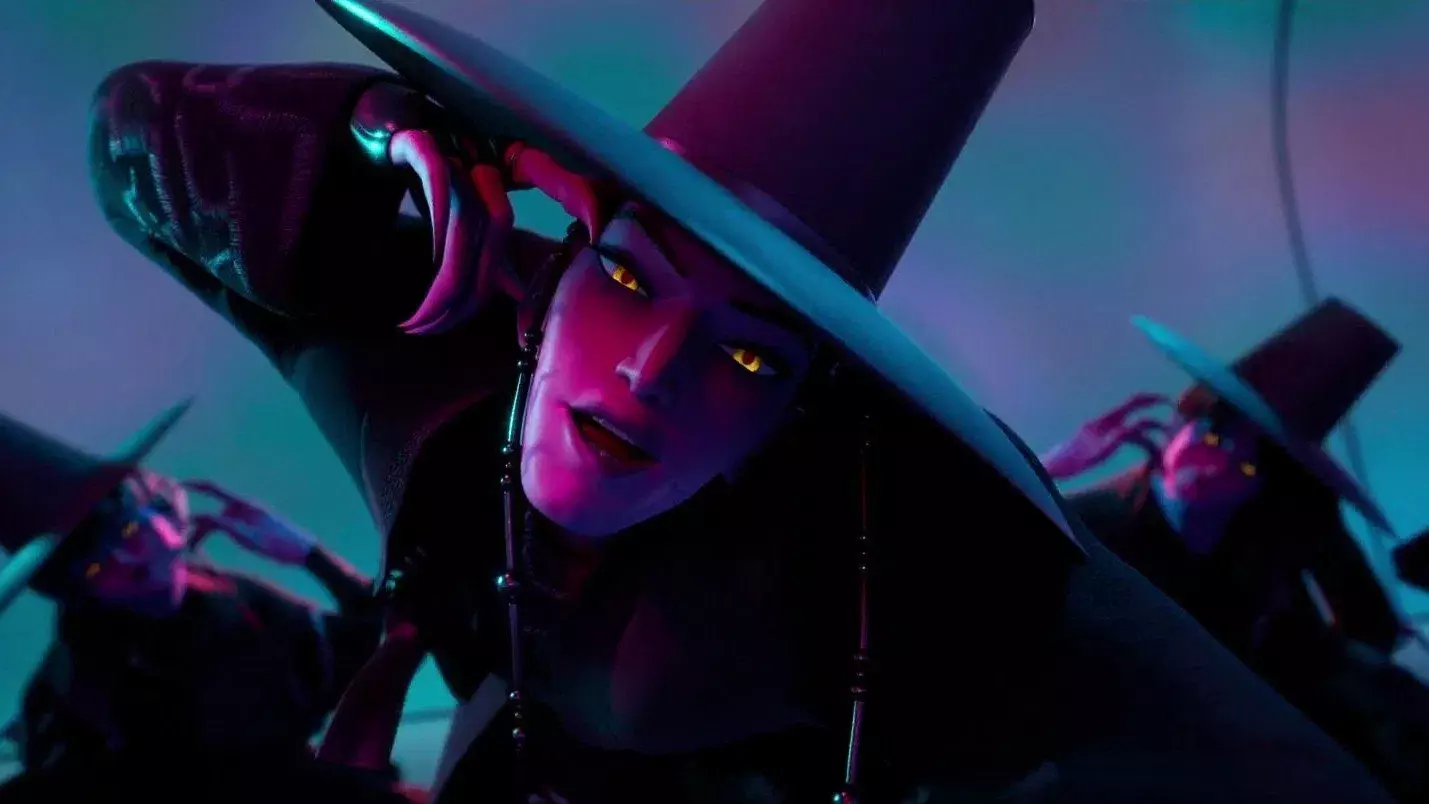
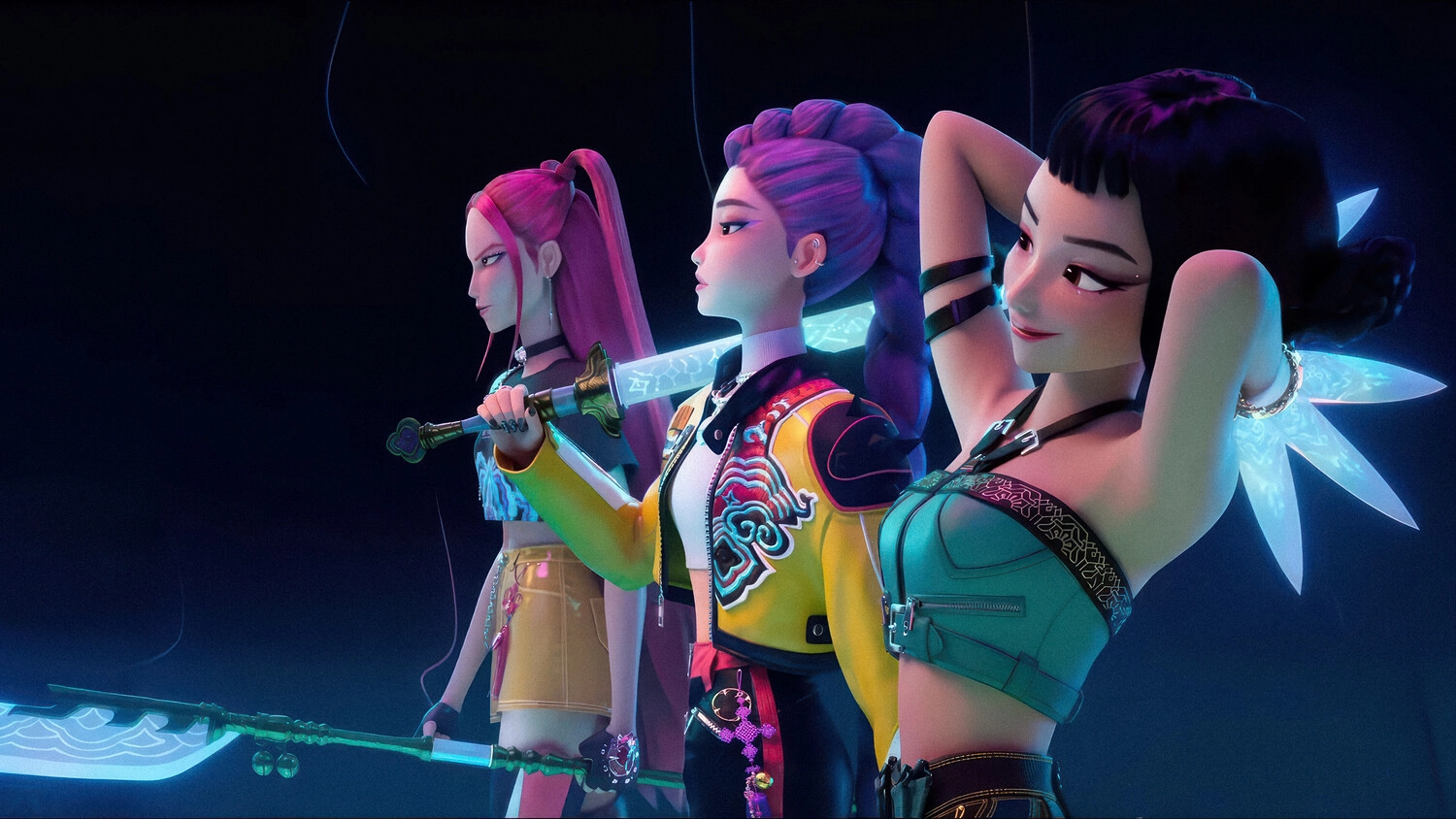
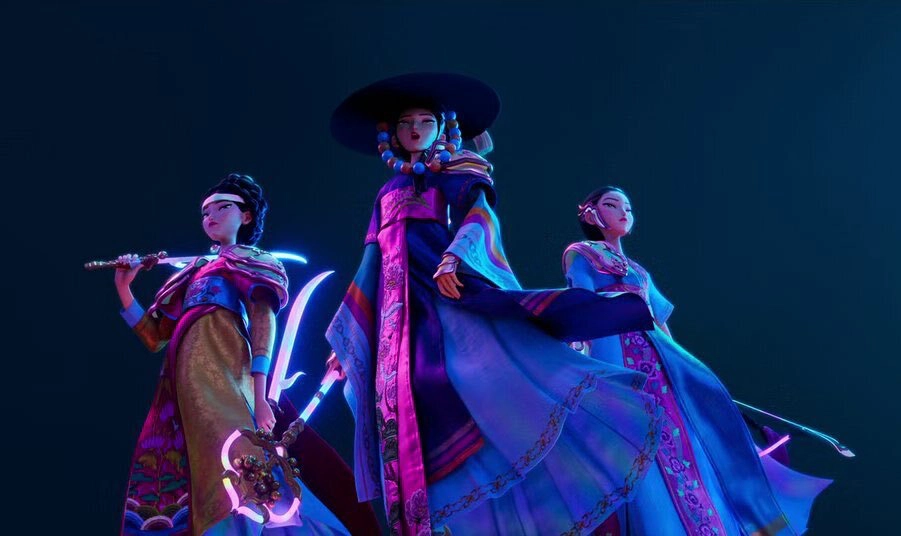
KPop Demon Hunters transforms a famous Kpop girl group into a band of warriors tasked with upholding an ancient demon-fighting tradition, weaving Korean folklore and shamanism into its narrative so seamlessly that it feels as though it had always belonged to the country’s mythos.
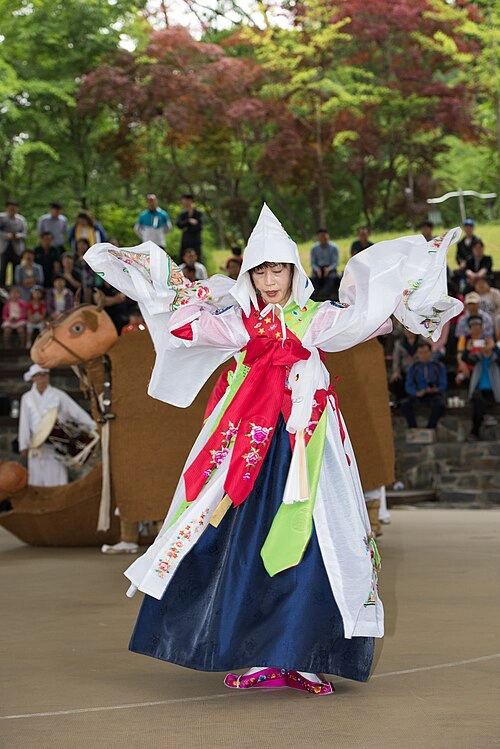
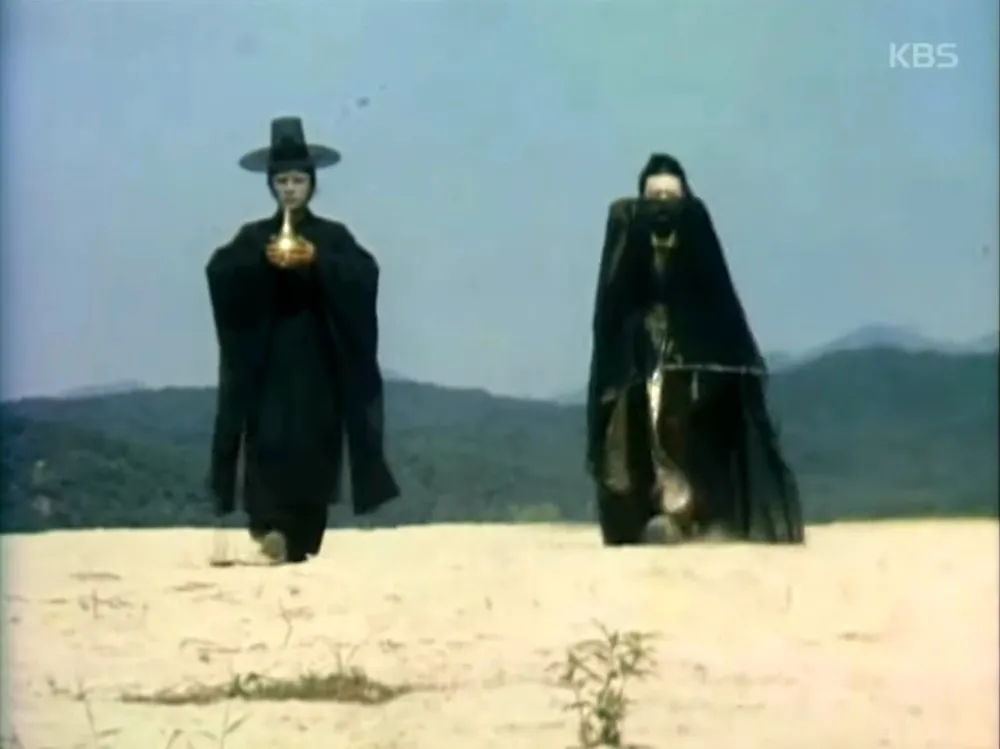
Look closer, and this tradition becomes something more layered: a lens through which to examine the edge of darkness within the K-entertainment industry, and Korean cultureCultureshared traditions, beliefs, values, customs, arts, and social practices that define the identity and way of life of a community, society, or nation.Go to Culture Glossary as a whole. Here, being a “demon” connotes imperfection or “wrongness,” a representation of flaws that are rigorously concealed within a highly disciplined, image-conscious society—one whose soft power is at an all-time high, now more than ever, causing these pressures to skyrocket.
Forgotten Island: Their Story Is Our Story
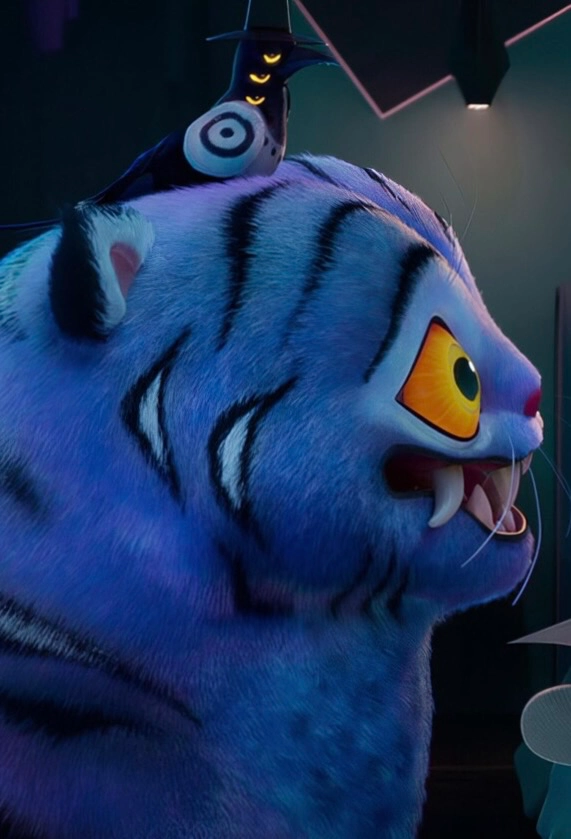
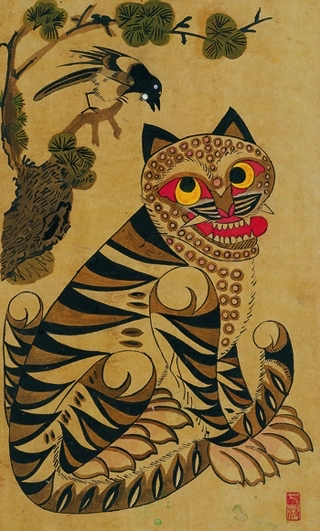
Forgotten Island’s premise hints at a similar approach to folklore, using it to explore individual stories, then magnifying them to illuminate a culture and its beliefs, attitudes, and collective experiences, at once deeply resonant for its people and universal enough to reach audiences around the world.
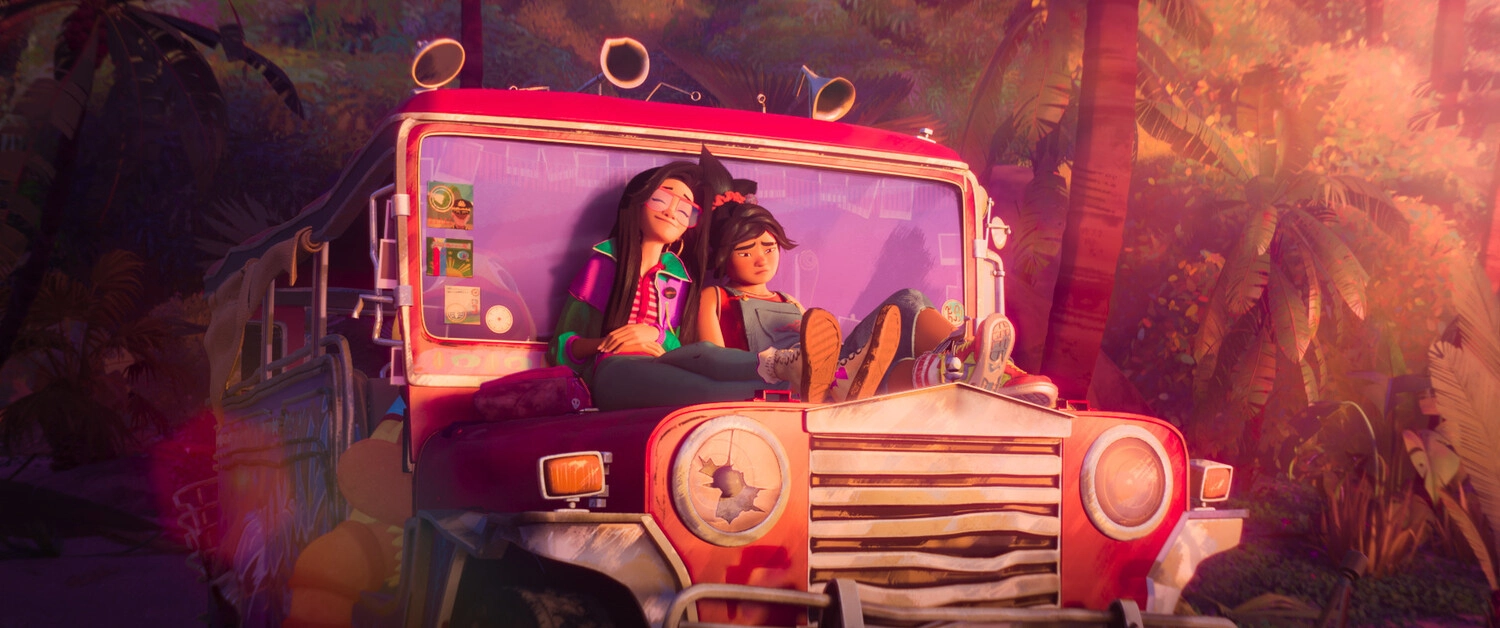
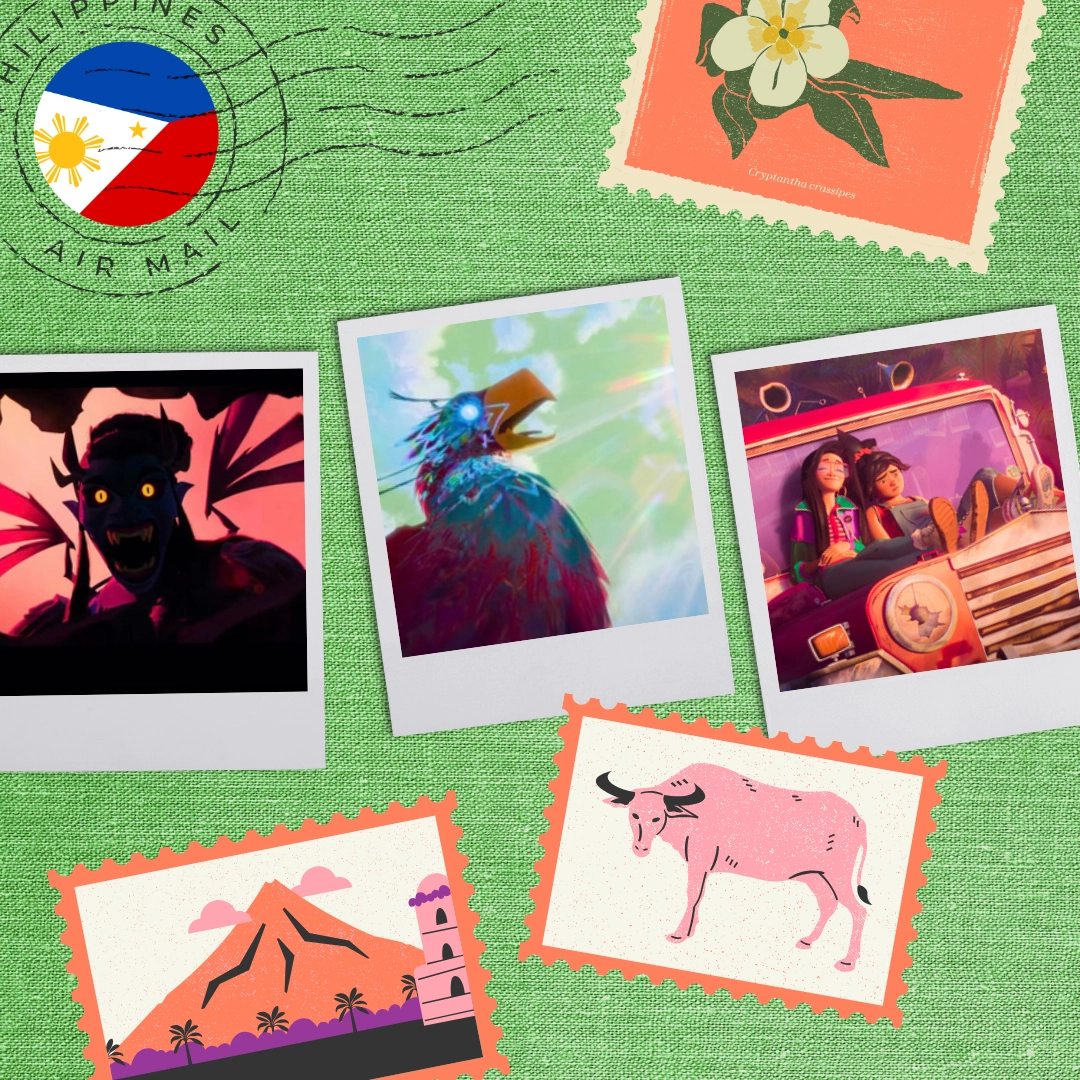
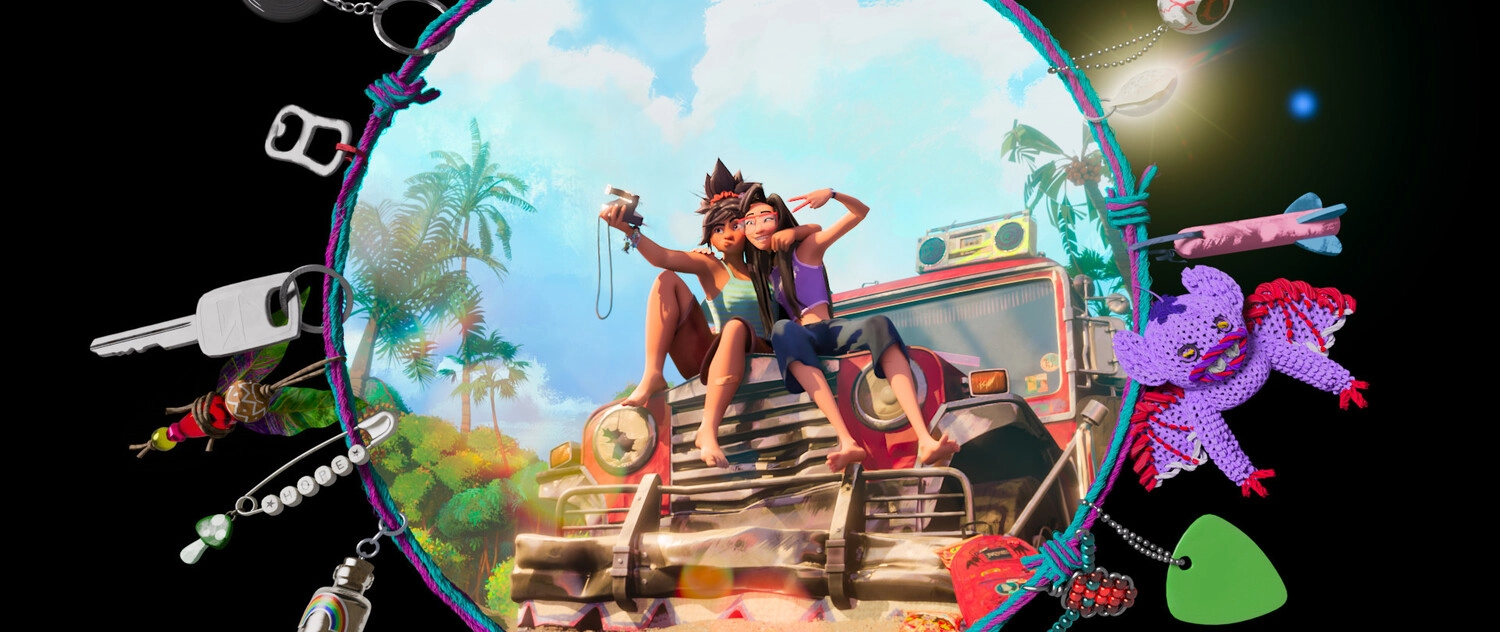
Beginning in the 1990s, Forgotten Island follows two longtime best friends, Filipina students Jo (voiced by H.E.R.) and Raisa (Liza Soberano). From what the trailer shows, the pair remain inseparable until Raisa makes the decision to move to the United States for further studies to please her parents—a situation deeply familiar to many Filipinos, and one that’ll likely resonate with other Asian audiences as well. But before that happens, the two find themselves transported and trapped in the titular island, where mystical Philippine creatures are real, and so is the threat of losing their memories of one another.
While much remains unknown, the trailer is teeming with vibrant references to Philippine mythology and folklore. We see the striking, giant sarimanok, a bird-like creature from the Maranao people of Mindanao that symbolizes prosperity; the threatening manananggal antagonist voiced by Lea Salonga; and the weredog, a shapeshifting aswang. One can only hope its filmmakers use these creatures not solely as decorative elements, but as narrative devices to probe the film’s themes on a culturally meaningful level, sharing more of our stories with a larger audience—and in doing so, keeping them alive.
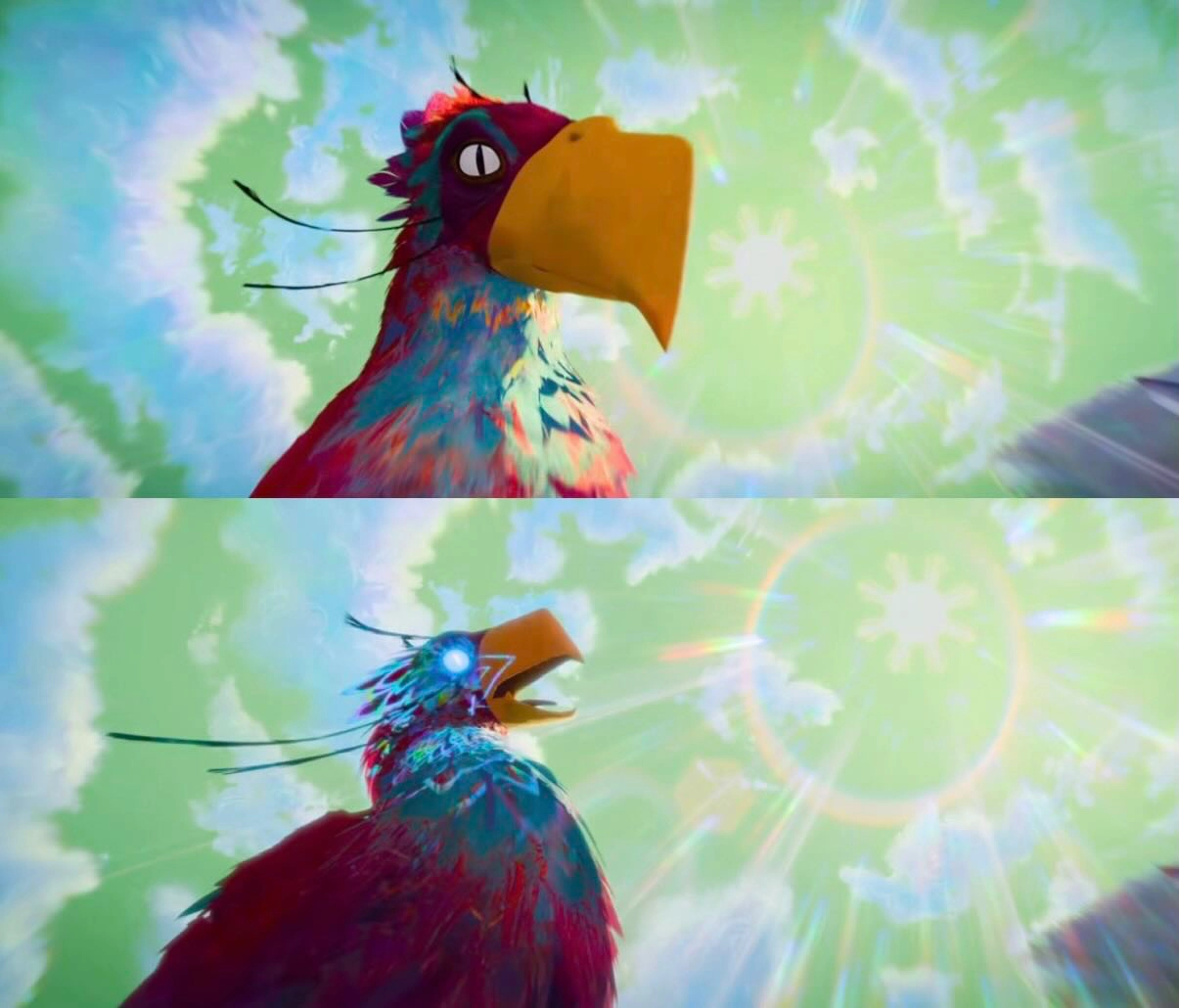
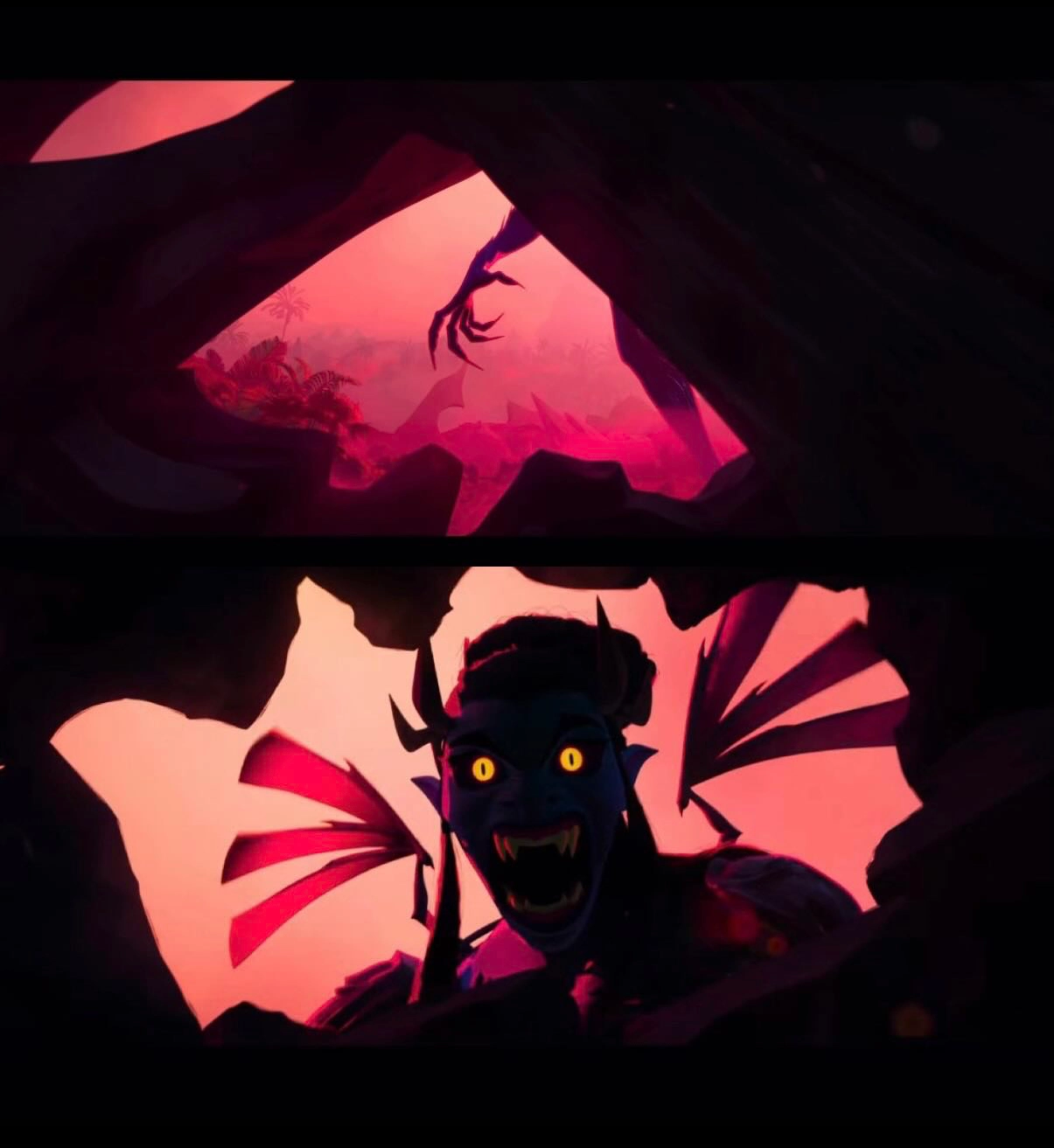
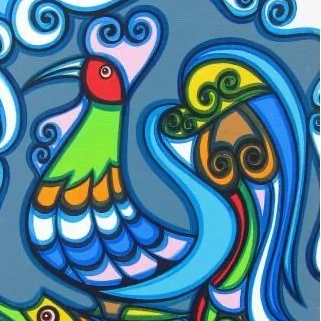
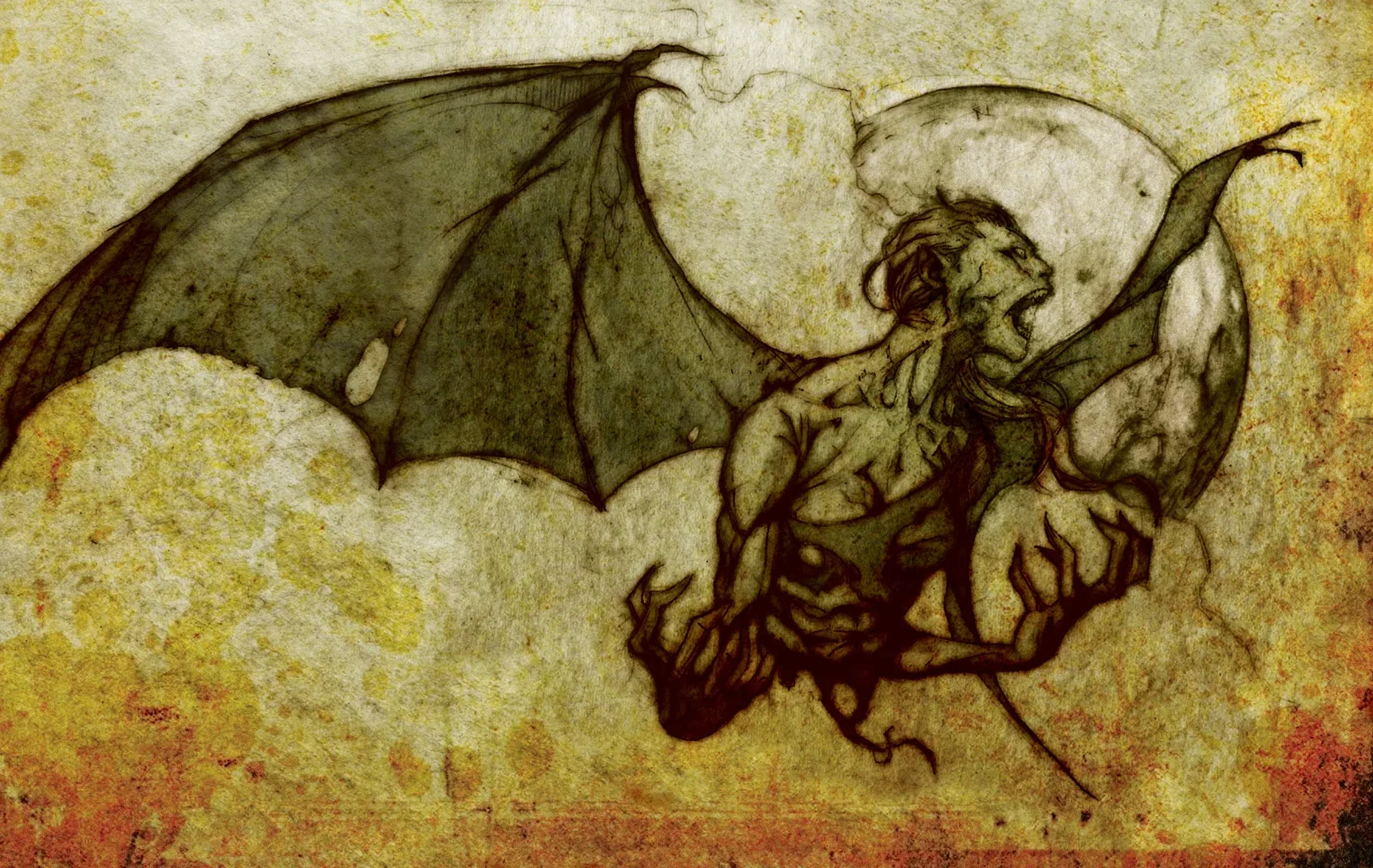
Of course, having the backing of a major studio with wide theatrical distribution helps, too. In fact, that very platform could bring Philippine culture closer to the rest of the world in a way reminiscent of (though not identical to) how KPop Demon Hunters captured global attention.
What It Takes To Represent A Culture
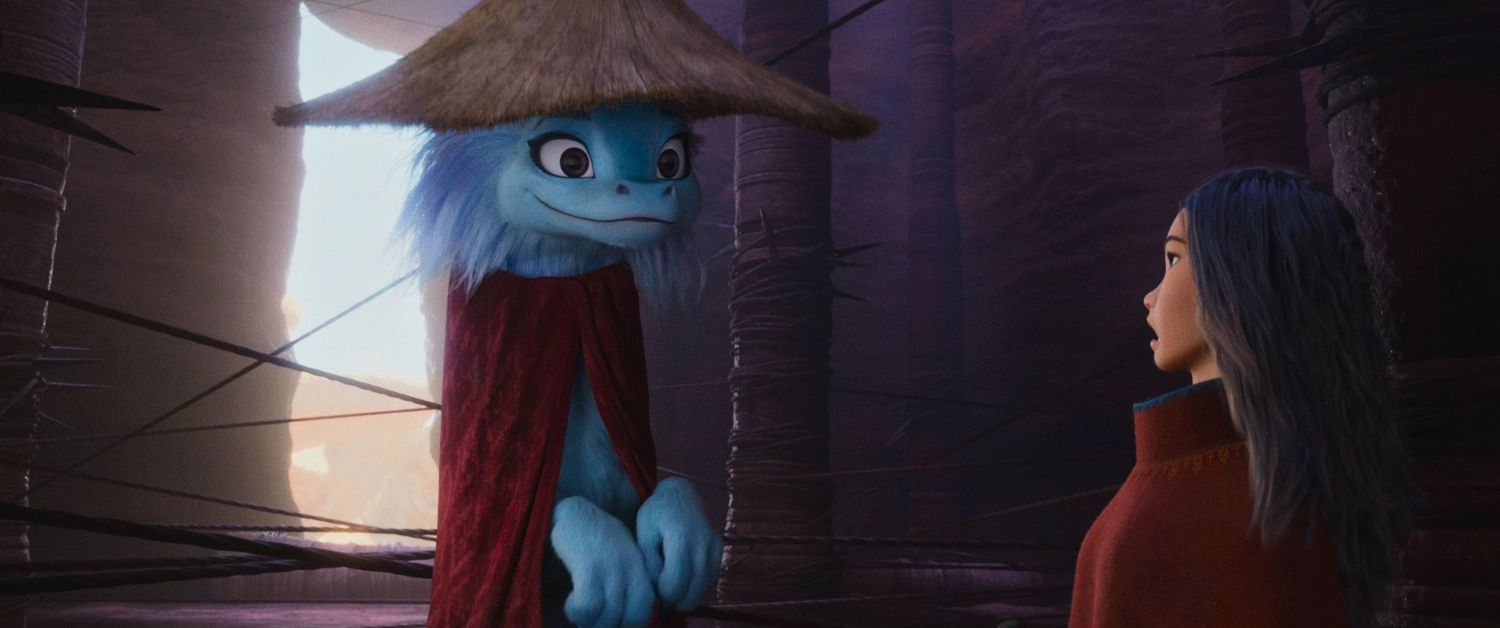
The reason why I think Forgotten Island has a big chance of becoming, well, the next big thing in animation and maybe even pop culture is how it decides to fully embrace and focus on a country’s story. The best way to illustrate this is by looking at a major reason why Disney’s Raya and the Last Dragon didn’t quite work the way KPop Demon Hunters did. All technical elements aside, the former never quite committed to a cohesive world.
KPop Demon Hunters’ alluring lore owes much to its precise scope. The film focuses squarely on a Korean story, set in South Korea, enriched by a blend of Korean folklore and contemporary life. This focus gives filmmakers breathing room to explore a country’s depths wholeheartedly, rather than attempting to fuse multiple cultures haphazardly without fully understanding their key differences or essential ways of life. Again, it’s not like you can’t pull this off, but it’s a far more complex project that requires extra care to actually take flight.
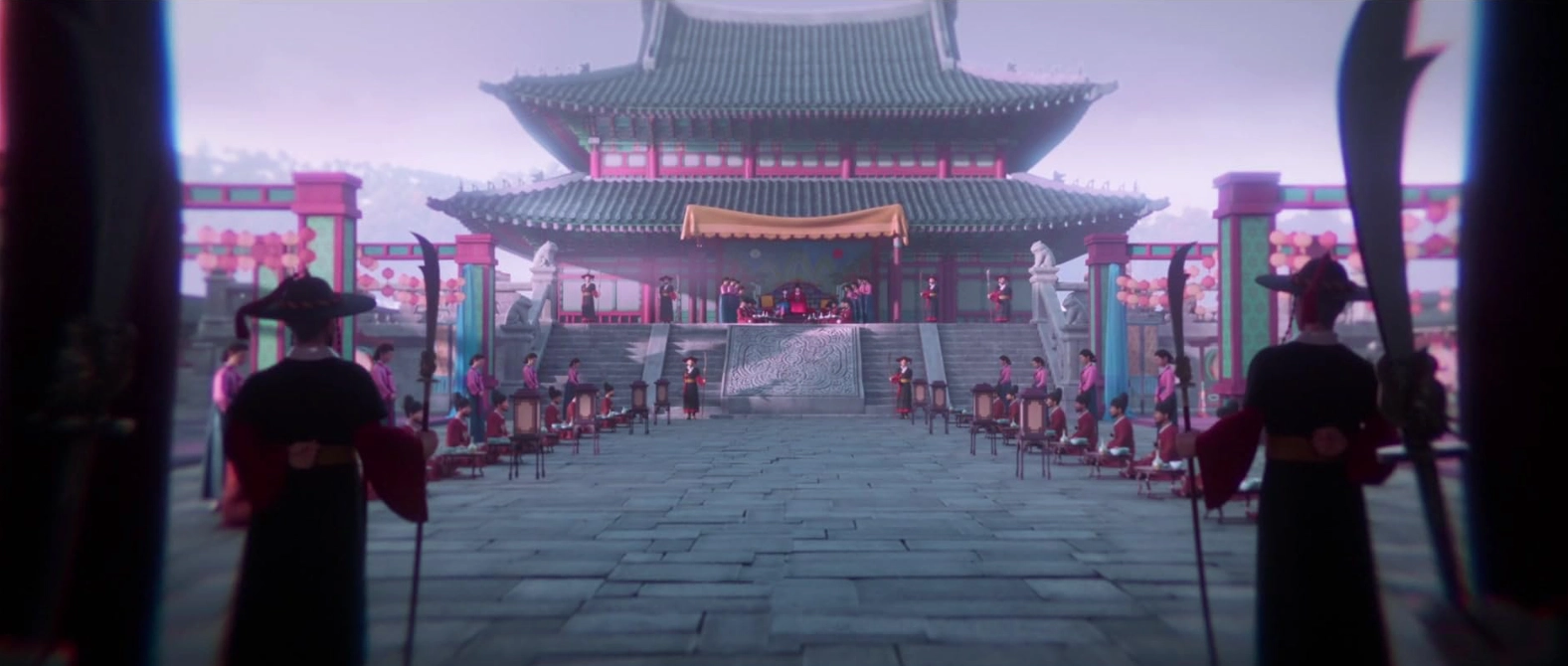
Raya and the Last Dragon already stumbled when it tried to build a world by blending multiple Southeast Asian cultures, including the Philippines, treating the region as if it were a monolith and layering an epic fantasy icing on a bland, crumbly cake. There’s too much ground to cover, and not enough finesse to actually tie these very distinct cultural elements together in a way that isn’t reductive and cliché. In trying to be so many things at once, it ends up being nothing but a highly forgettable piece. (And please…please don’t get me started on the dragon Sisu’s design, which robbed us of an opportunity to witness a truly cool Southeast Asian serpent come to life on screen.)
Yet Forgotten Island, despite its title, feels like it’ll stand out precisely because it chooses the specific, building on the Philippines’ already rich source material. Will it capture our cultureCultureshared traditions, beliefs, values, customs, arts, and social practices that define the identity and way of life of a community, society, or nation.Go to Culture Glossary in its entirety? Let’s not set expectations impossibly high—no single work ever could. But centering on the friendship between two schoolgirls in a country where such everyday relationships rarely receive global attention, then weaving that story into an incredibly rich mythological and folkloric heritage? Well, how could you not be excited?
If the warm reception of Ryan Coogler’s singular, genre-bending vampire drama Sinners and KPop Demon Hunters tells us anything, it’s that audiences are craving clever, original IP amid a sea of mediocre sequels and reboots, particularly stories we don’t often hear, but probably should. Why? Because, when executed well, they entertain and reveal new facets of ourselves, as well as our fellow human beings, different as our cultures may be—though the timeless appeal of folklore and myth reminds us we’re not so dissimilar after all. If those aren’t among the most vital functions of great art, I don’t know what is.
Frequently Asked Questions
DreamWorks’ Forgotten Island follows two inseparable Filipina students who become trapped on a mystical island where legendary creatures from Philippine mythology and folklore are real.
Philippine mythological creatures featured in the film include the giant sarimanok bird symbolizing prosperity, the sharp-toothed flying manananggal, and the predatory shapeshifting aswang weredog antagonist figures.
KPop Demon Hunters seamlessly integrated Korean shamanic traditions, styling its main characters after mudang ritual priestesses and its antagonists after the grim reaper jeoseung saja mythological figures.
Raya and the Last Dragon faced criticism because it blended multiple distinct Southeast Asian cultures into a single generalized monolith instead of exploring one specific heritage deeply.
Specific cultural folklore succeeds globally by offering precise, authentic world-building that grounds universal human experiences and emotions within highly distinct, imaginative, and historically rich traditional narrative frameworks.