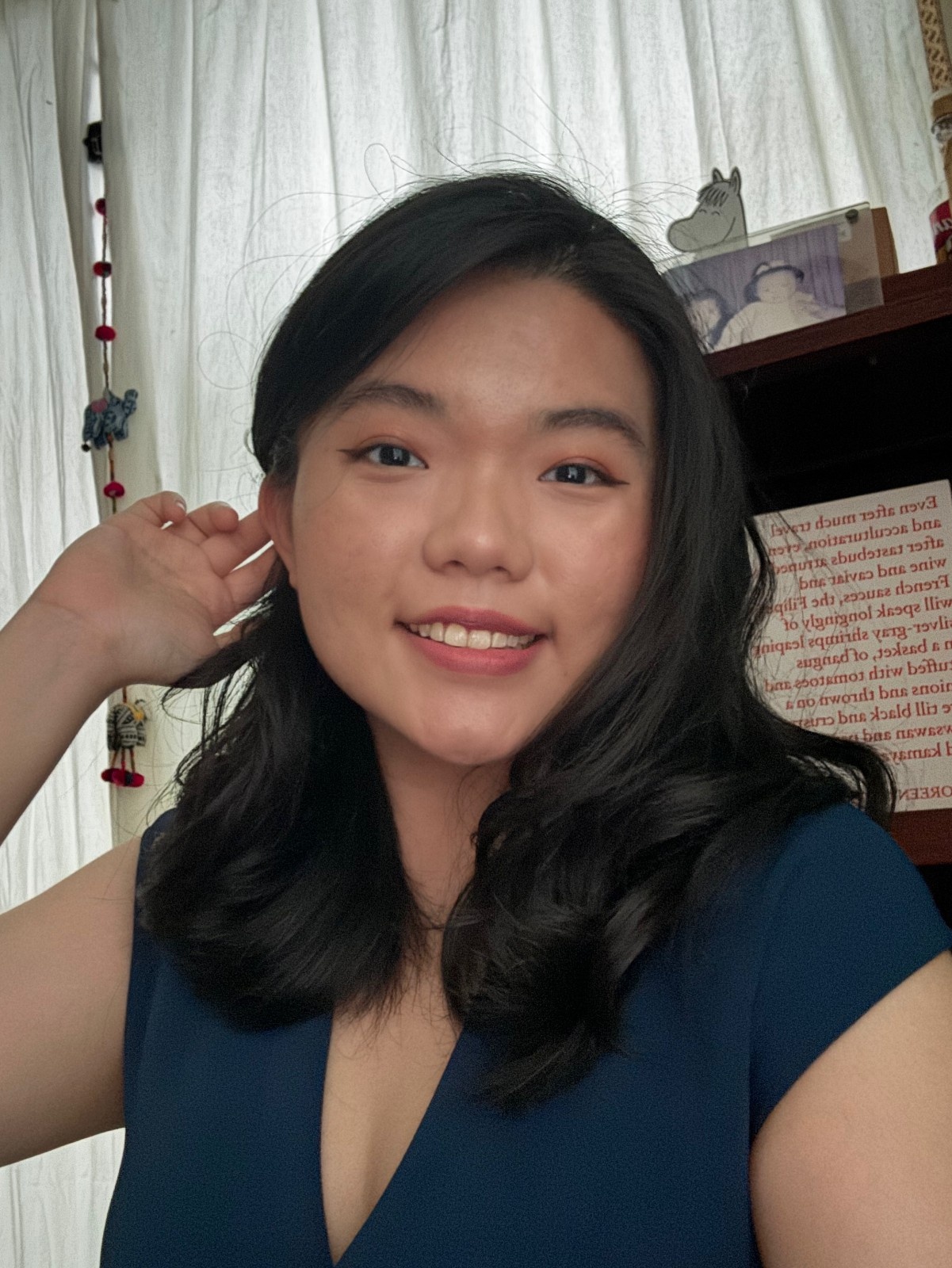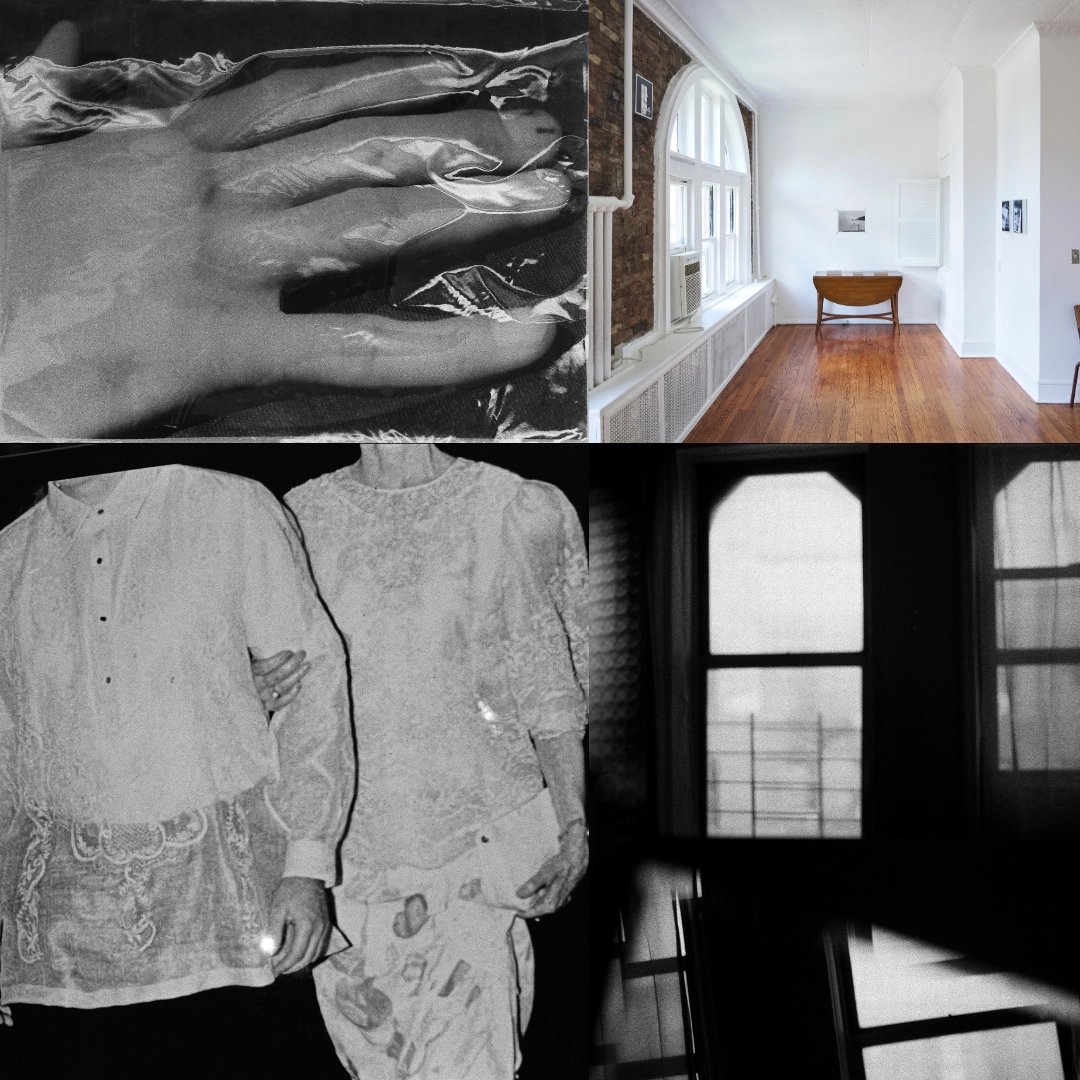
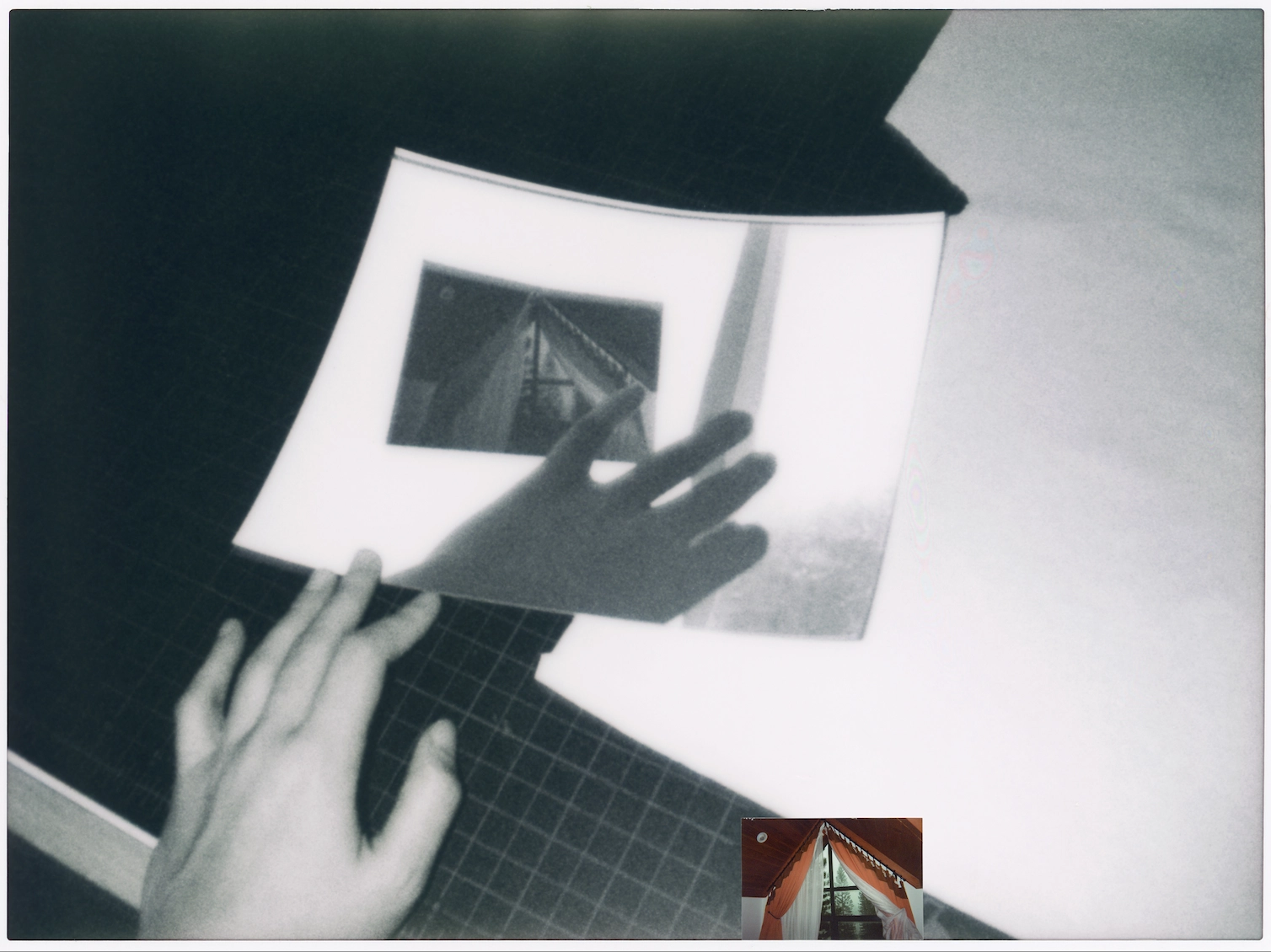
Filipino-American artist, director, and writer Alex Westfall’s first solo exhibition, See Through, traverses generations, geographies, and family archives, using photography to collapse time into a fluid and non-linear conversation between memory, history, and self.
“Photographs are a way of imprisoning reality,” writes American critic Susan Sontag in her seminal book On Photography. “One can’t possess reality, one can possess images—one can’t possess the present but one can possess the past.” It’s a familiar idea: that photographs freeze moments, imposing a kind of stasis upon them. While time continues its relentless passage, a photograph—the refraction of light through a prism, imprinted onto celluloid and developed from negative to positive—remains as visual and ontological evidence of what once was. The graspable “then” versus the more nebulous “now” and hazy “tomorrow.” But photography isn’t completely static, nor are the moments it captures merely fragments. They remain fluid and far more expansive than we often let ourselves imagine, weaving across time in ways that resist chronology. That idea lies at the heart of See Through, the first solo exhibition of Filipino-American artist, director, and writer Alex Westfall at Isolde NYC.
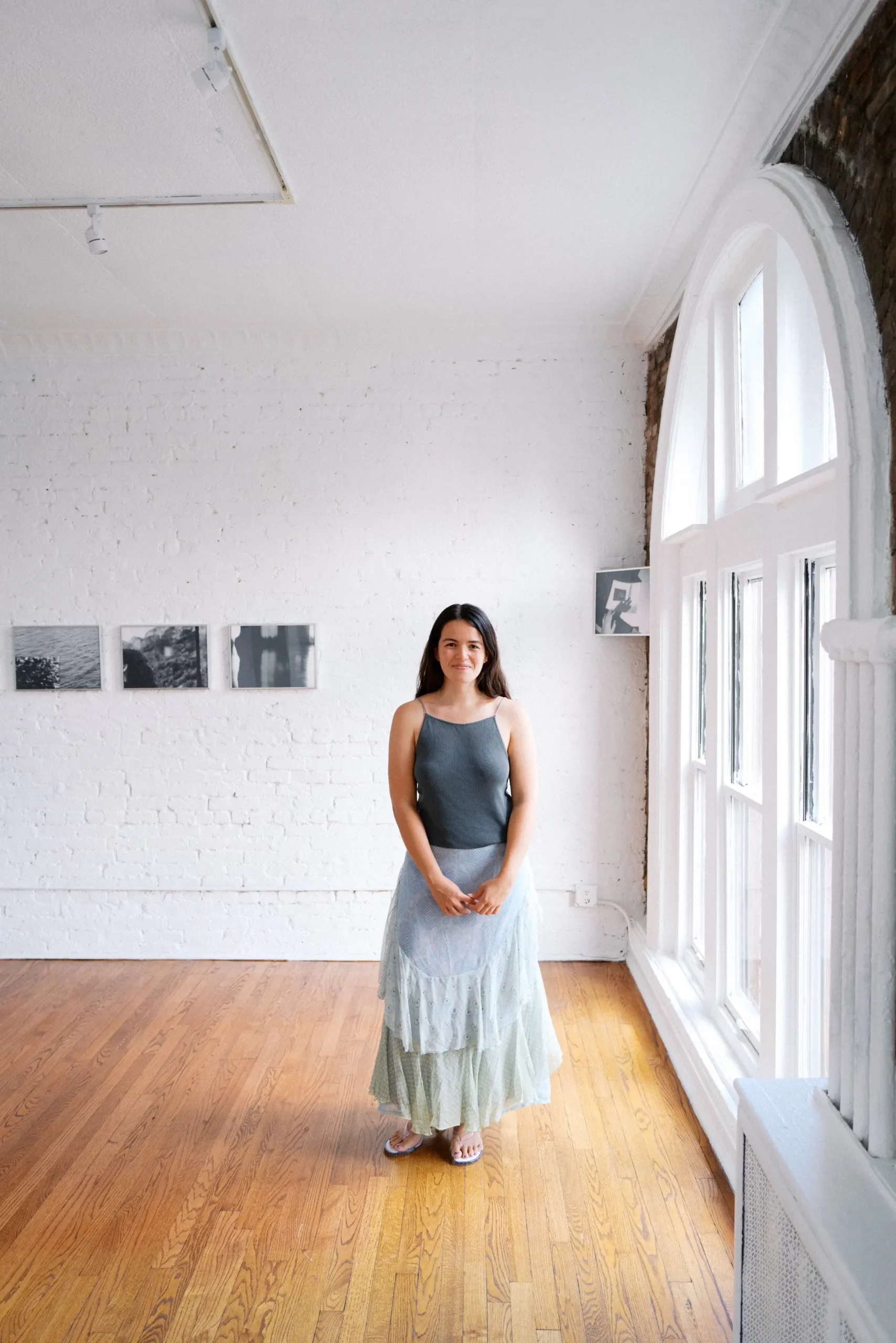
A graduate of Brown University with a degree in Modern CultureCultureshared traditions, beliefs, values, customs, arts, and social practices that define the identity and way of life of a community, society, or nation.Go to Culture Glossary and Media, Alex’s works have been supported by institutions including the Criterion Channel, the Gotham Film & Media Institute, MacDowell, Yaddo, the Points North Institute, the Penland School of Craft, and the Jenni Crain Foundation. After years focusing on the moving image, she returns to her earliest practice of photography—one she put on hold, daunted by the pressure of creating an interesting image within a single frame, which she once believed the medium demanded.
“I began in the darkroom when I was 11 years old. (One of the works in the show contains a photograph from the first ever roll I developed as a pre-teen!). I was mostly documenting my life, and some of these images were adjacent to fashion photography,” she tells Lifestyle Asia in an exclusive interview. “This body of work, which I started in 2023, marks a return to my first love of photography, and an attempt to heal my relationship with it.”
READ ALSO: You Are What You Eat: Painting Food With Lindslee
The Invisible Ties That Bind Us: How See Through By Alex Westfall Came To Be
Alex didn’t initially view the series of photographs as an exhibition, but an archive drawing from family photographs spanning multiple generations. The seed was planted in 2019, when her father—retired multilateral development banker, urban planner, and documentary filmmaker Matthew Westfall—sent her scanned-in negatives of photos he had taken as a teenager, many of which showcased moments he spent as a student in Brookline High School, Massachusetts.
“I was blown away by his compositions; it was like I could have taken them myself. That was the initial spark—this realization that I could treat these images, and any image made by any member of my family, as a starting point,” she explains. “And that re-imaging, manipulating, and working with them could be not just a way of extending the lifetime of these images, but advance this larger project of mine, which is to understand what it means to create an ‘infinite’ image.”
The familial ties stitched into the fabric of this exhibition cannot be overlooked, however implicit they may be when viewed out of context. How artistic sensibilities can be passed down is a fascinating concept, and an epiphany Alex herself encountered in the creation process.
“It was more of this feeling of ‘of course.’ Of course my dad took photos as a teenager that I would have taken! Of course my grandmother took a photograph of her silhouette that looks exactly like a picture I’ve made before,” she explains. “Of course we are speaking the same language, even if we don’t know each other as artists. I’m really excited by these latent—subconscious, even—connections or mirrorings that tether us to one another in a new way, beyond being connected by ‘blood.’”
Even without Alex’s elaboration, the similarities are evident and striking. They manifest through the seamless visual cohesion of the collection, each piece a part of an intergenerational conversation with no beginning or end—that sense of infinity the artist refers to.
Orchestrating Light And Space In See Through
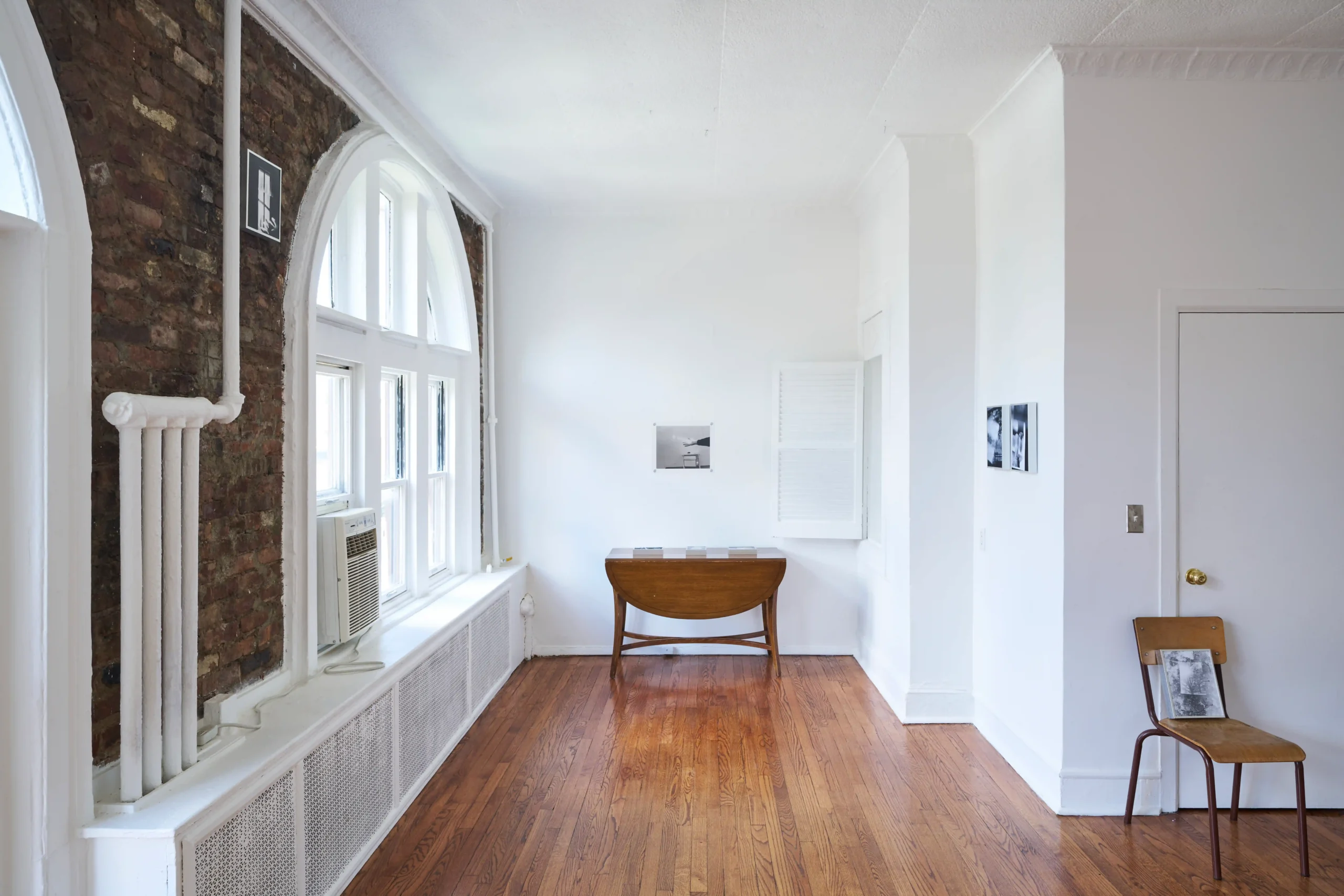
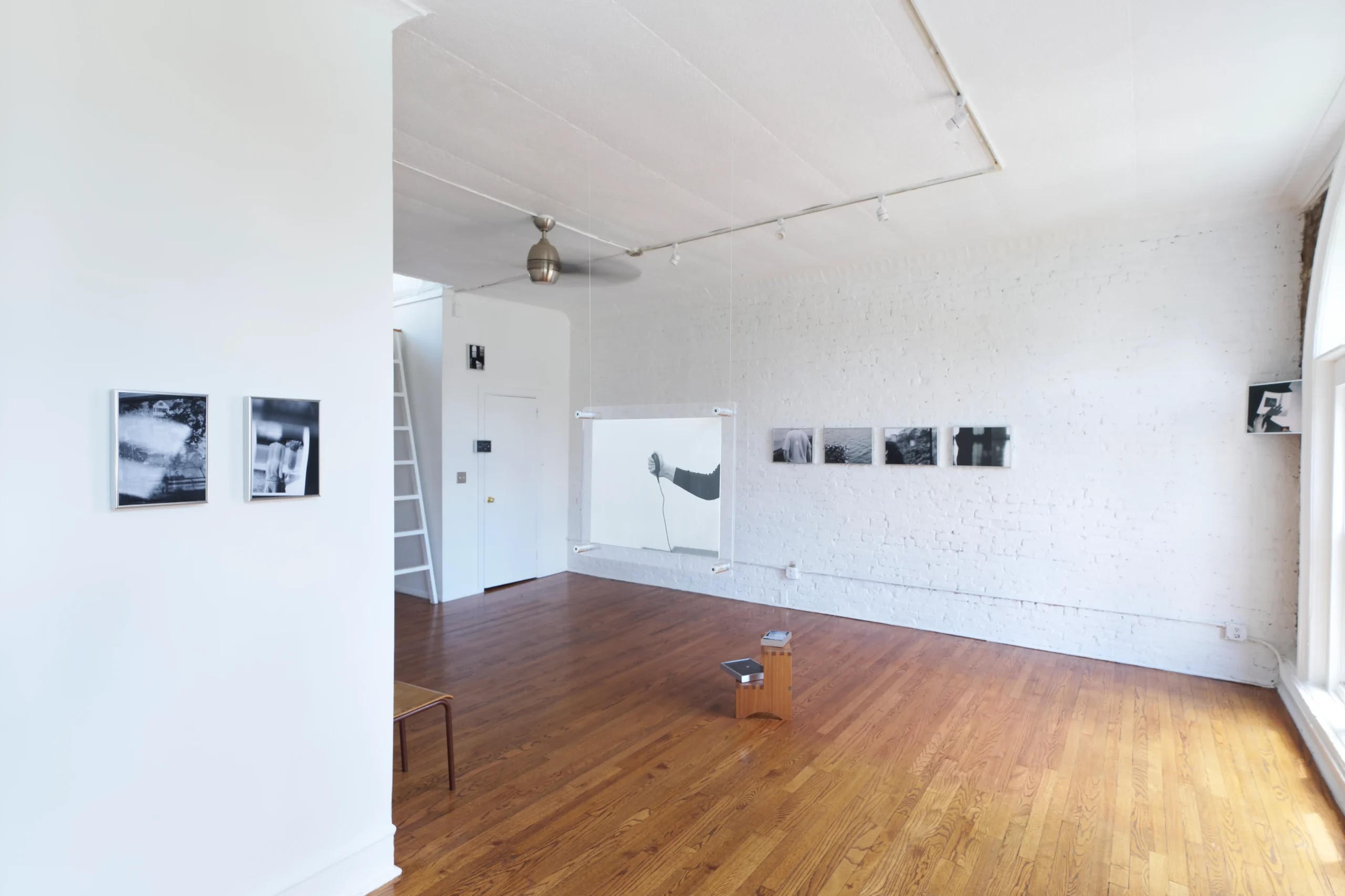
When an invitation to exhibit the works at the gallery space Isolde in New York City came her way, she took it, seeing it as the perfect opportunity to create a multi-sensorial and time-based experience for visitors. Photography has always been an artform of light, and Alex utilizes this as both medium and entry in See Through, curating the venue in a way that made use of its features.
“The gallery is a top-floor apartment with huge palladium windows. Many of the images in the show incorporate visions of light reflected or refracted, so it made sense to hang the show in a way that could almost create this reading of the work through space and time centered on the same light echoing across frames,” Alex explains. “Because of Isolde’s windows, the natural light from outside enters this relationship, too.”
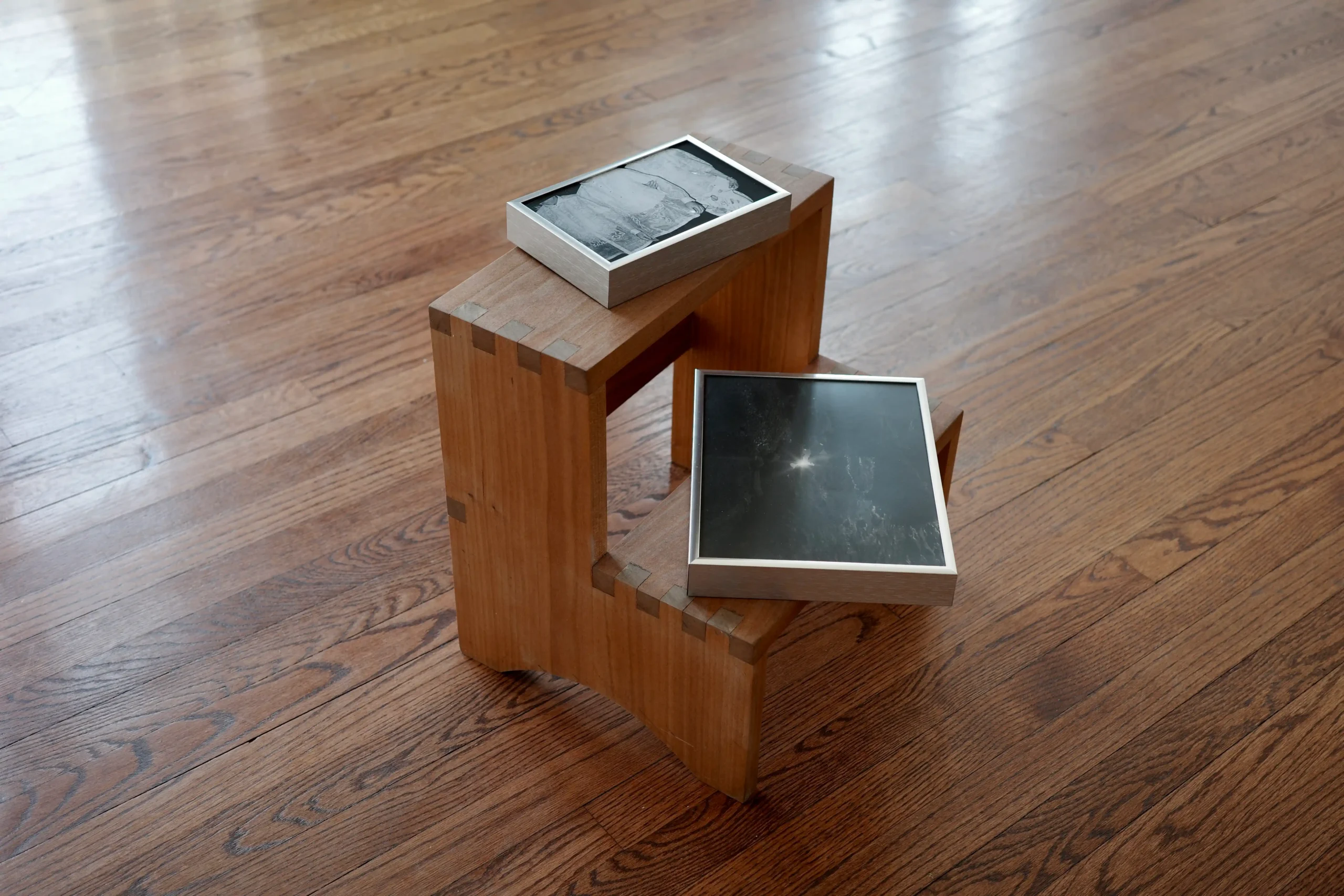
The artist worked closely with friends Talia Markowitz and Genevieve Nollinger, the co-founders of Isolde, to bring this idea to life. “This collaboration feels like an extension and expansion of our friendship. We did nearly everything ourselves (including building the frames!) and when it came to things outside of our wheelhouses, we sought the support and collaboration of close friends,” Alex shares. “Alex Prestrud hung the show, Tess Davey designed the print materials, and five of my close friends and family contributed to the booklet we published that accompanies the exhibition.”
The Non-Linearity Of Shared Time
Time, in See Through, resists chronology. It’s an ebb and flow, a back and forth, that Alex uses to situate herself between years and distances that coalesce, Manila to Los Angeles, 1978 to 2025. She adds her own photography and artistic touches into the family archive, elucidating her place within three generations.
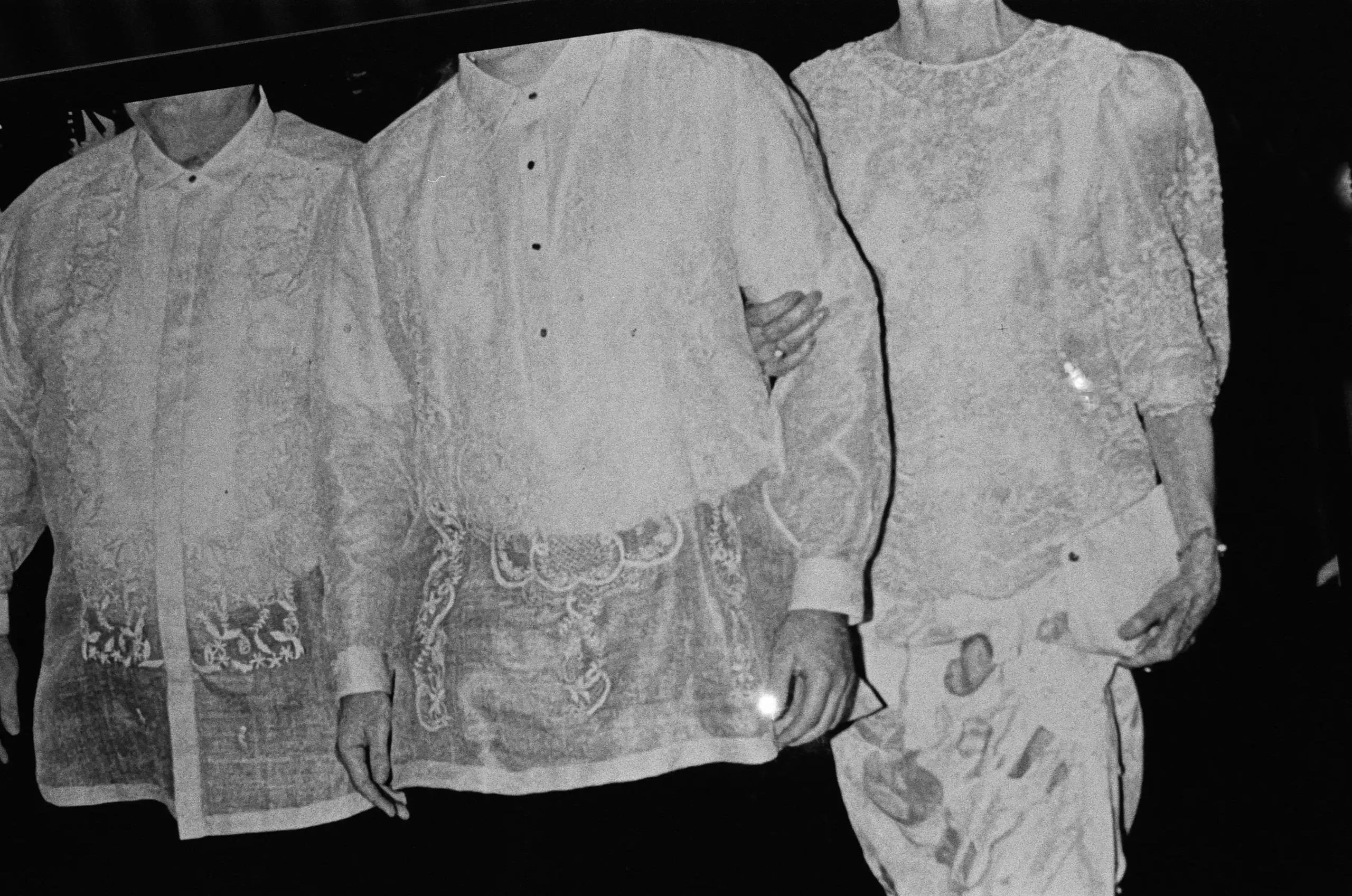
We see the piña fabric of barongs in her parents’ wedding in Manila. A shadowy silhouette from a photo posted by a grandmother she hadn’t seen since she was a child, its resurfacing described as “temporary reunion.” Shots of family members, of hands unnamed but knowable to the one behind the camera. Windows that stretch from our part of the hemisphere to the opposite side of the world. No beginning or end, as mentioned, just the fluidity and blurred borders that comprise shared time, despite the geographical and chronological disjointedness of scenes in these personal histories.
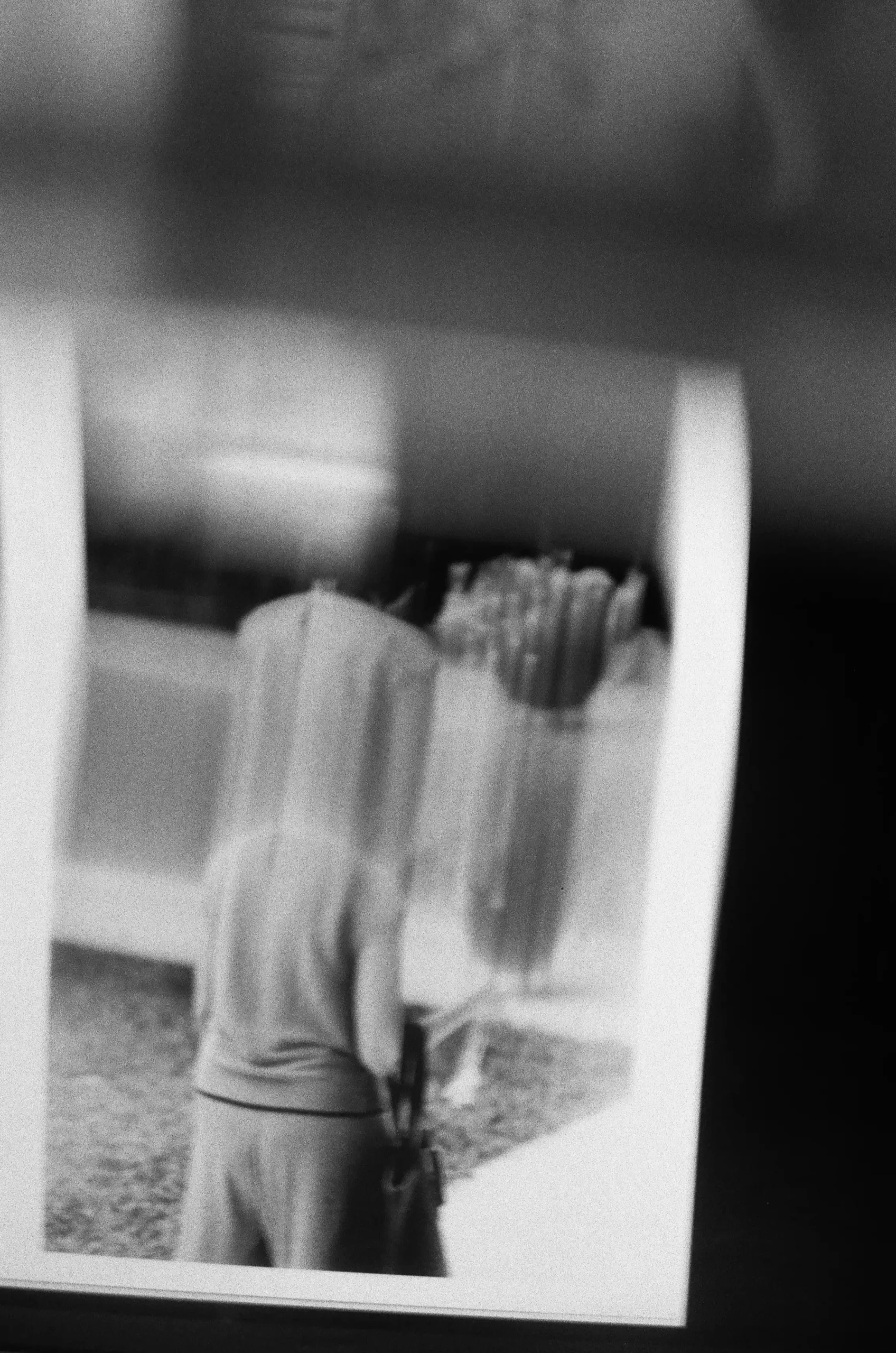
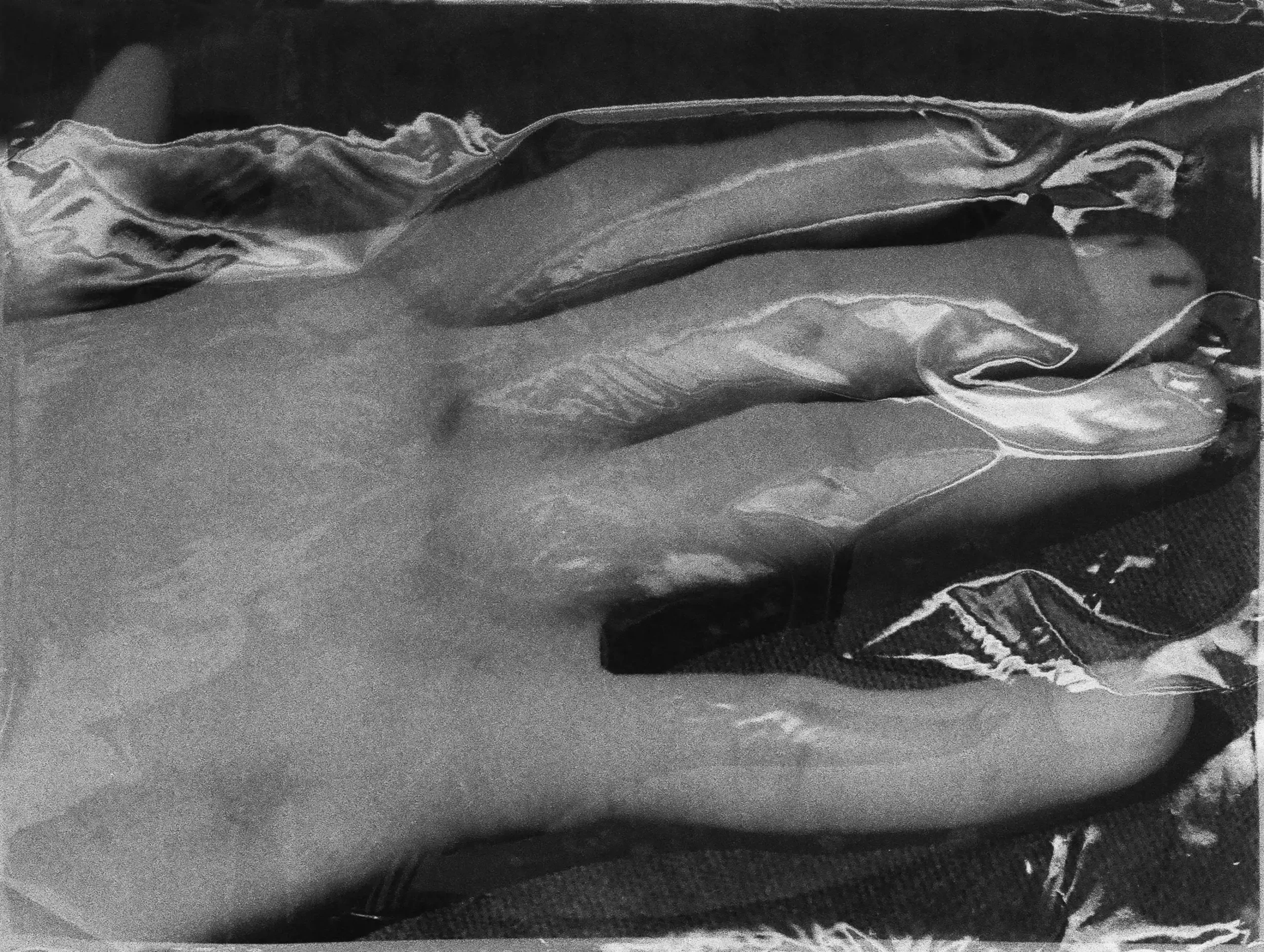
“I guess I’m following in the footsteps of countless artists who have made debuts that are autobiographically-inclined, this only feels natural for anyone ‘emerging’ as both an artist and a person,” Alex shares. “I do really agree with Ocean Vuong’s sentiment that ‘there is an autobiography in the gaze, in the sight.’ And while family and biography are some of the key emotional entry points into the work, I do hope that visitors and viewers arrive at the broader philosophical questions I reckon with…about time, ontology, and possibility.”
Even this idea of chronology, or the necessity of its absence, is felt through her artistic practice in analog photography, which depends not on the precision of time-telling devices or machines, but instinct and physicality.
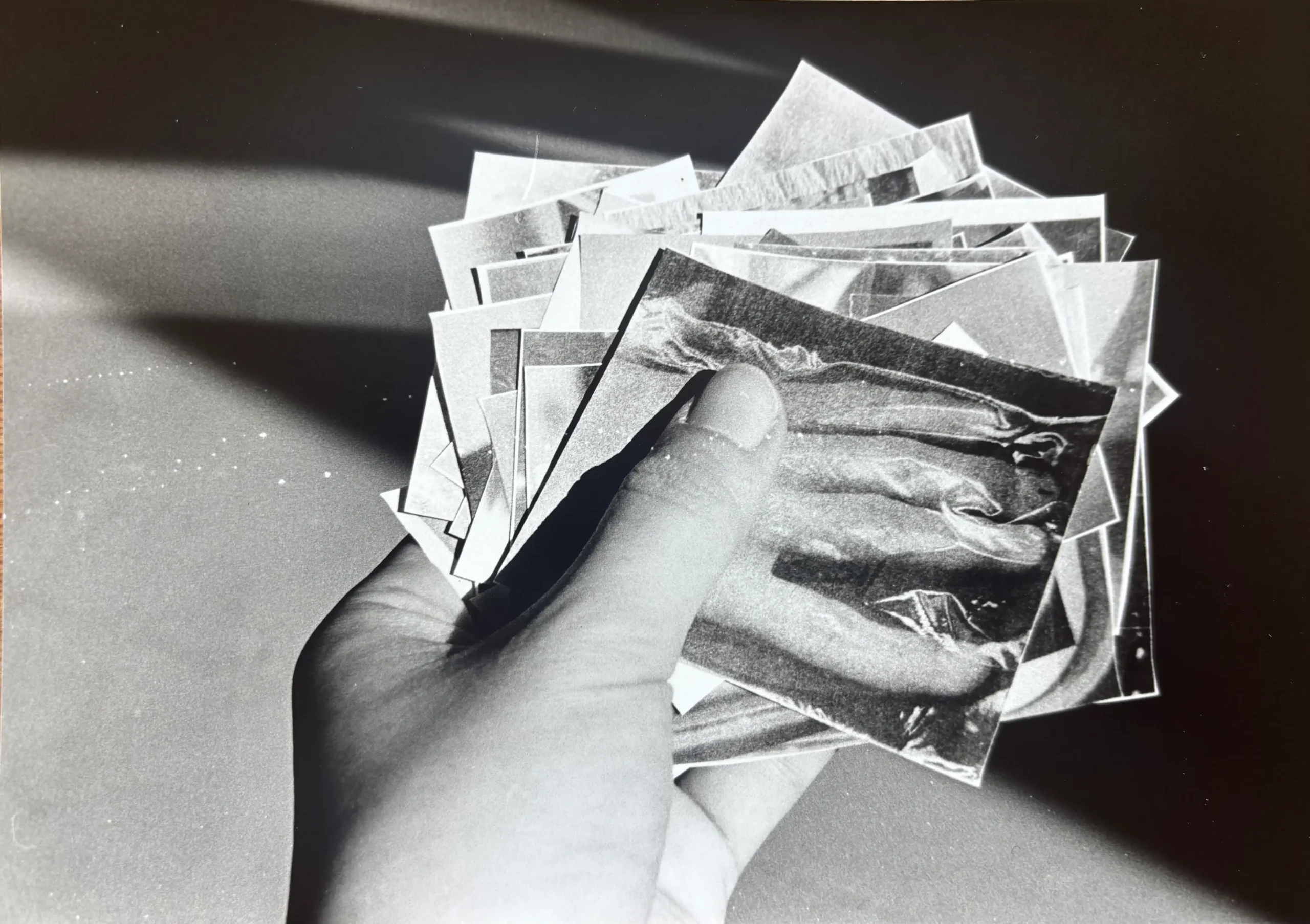
“I’m interested in compounding time within the seemingly “flat” photograph. Therefore, I’m interested in the question: how long can we stretch the act of photographing? So that the process and result feels durational, like a performance that takes its sweet time?” Alex shares. “Analog processes can help stretch out the process, and can create space for a profound relationship to form between my body, or my hand, and the image I create. My experiences in the darkroom are at once somatic and spiritual, and my process has gotten to the point where I can steward a photograph through the darkroom process without traditional clocks or timers, but rather by sight and feeling.”
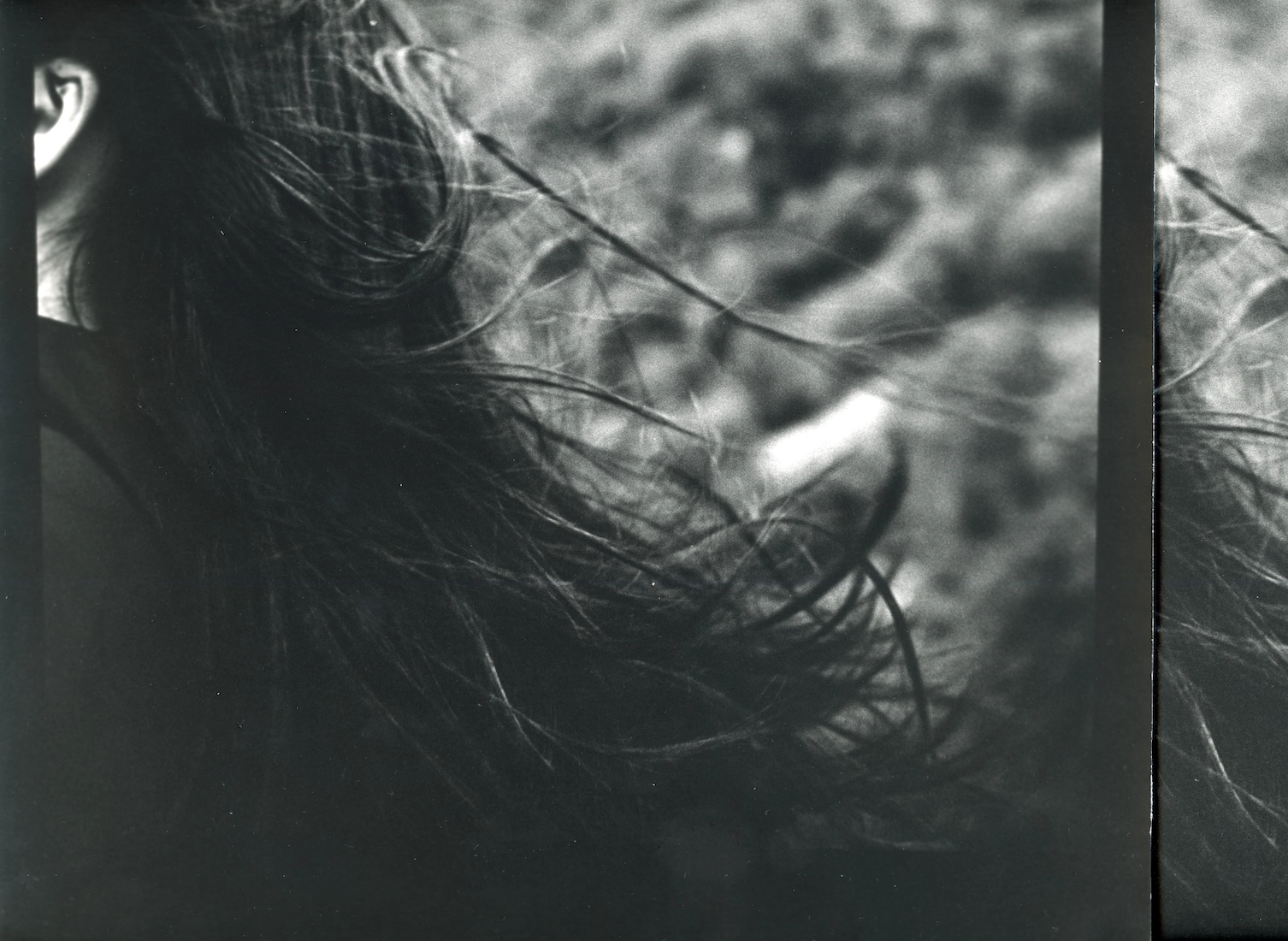
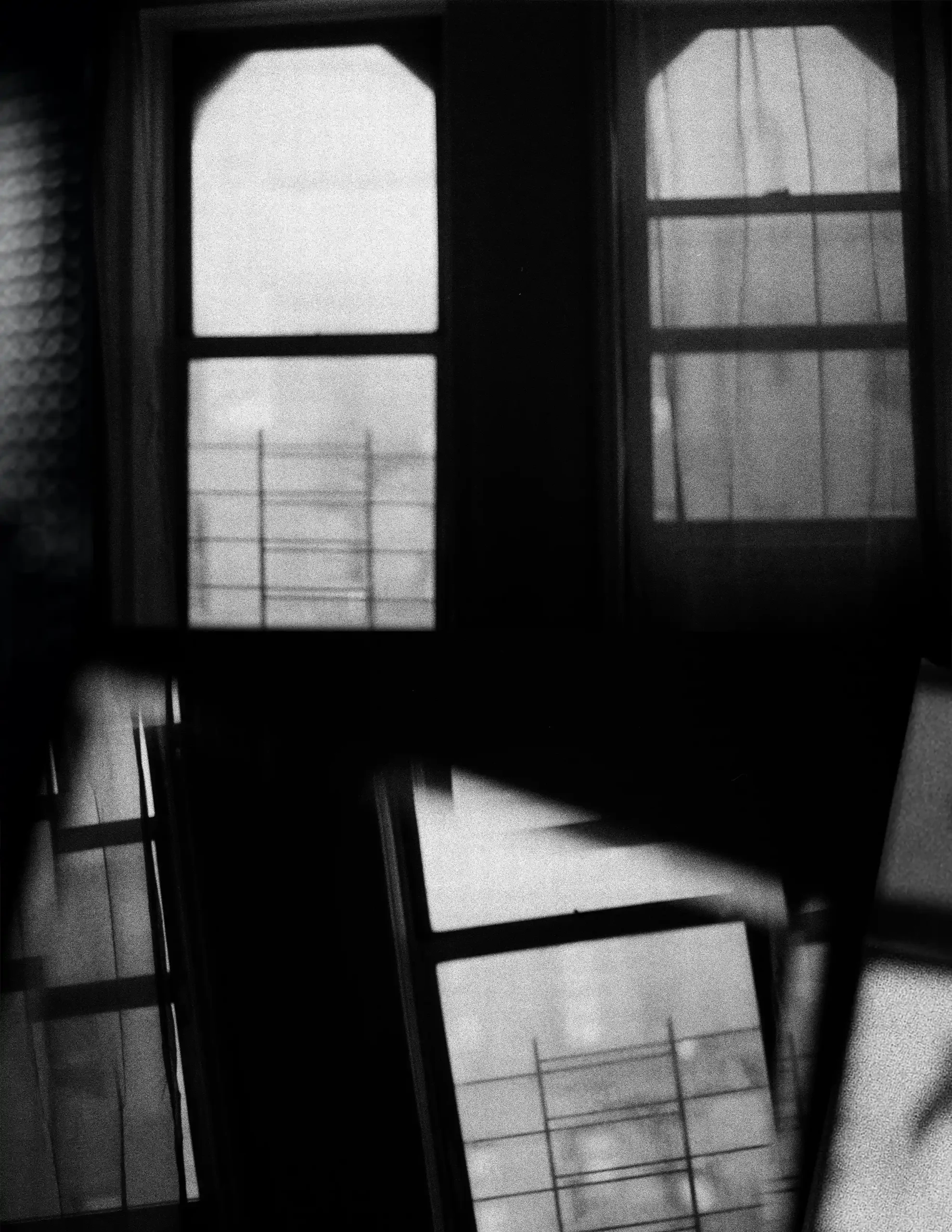
The Grief Of Return
The amorphousness and mutability of life, of a subject, is made real when it’s photographed. See Through acknowledges the grief that comes with the act of returning or revisiting these scenes, to know how much has changed and passed since, and even more sobering, to realize that one’s memory has betrayed them as well, faded and only jolted by the sight of a photo, but never quite the same. Sontag talked about this sort of ephemerality as well: “To take a photograph is to participate in another person’s mortality, vulnerability, mutability. Precisely by slicing out this moment and freezing it, all photographs testify to time’s relentless melt.”
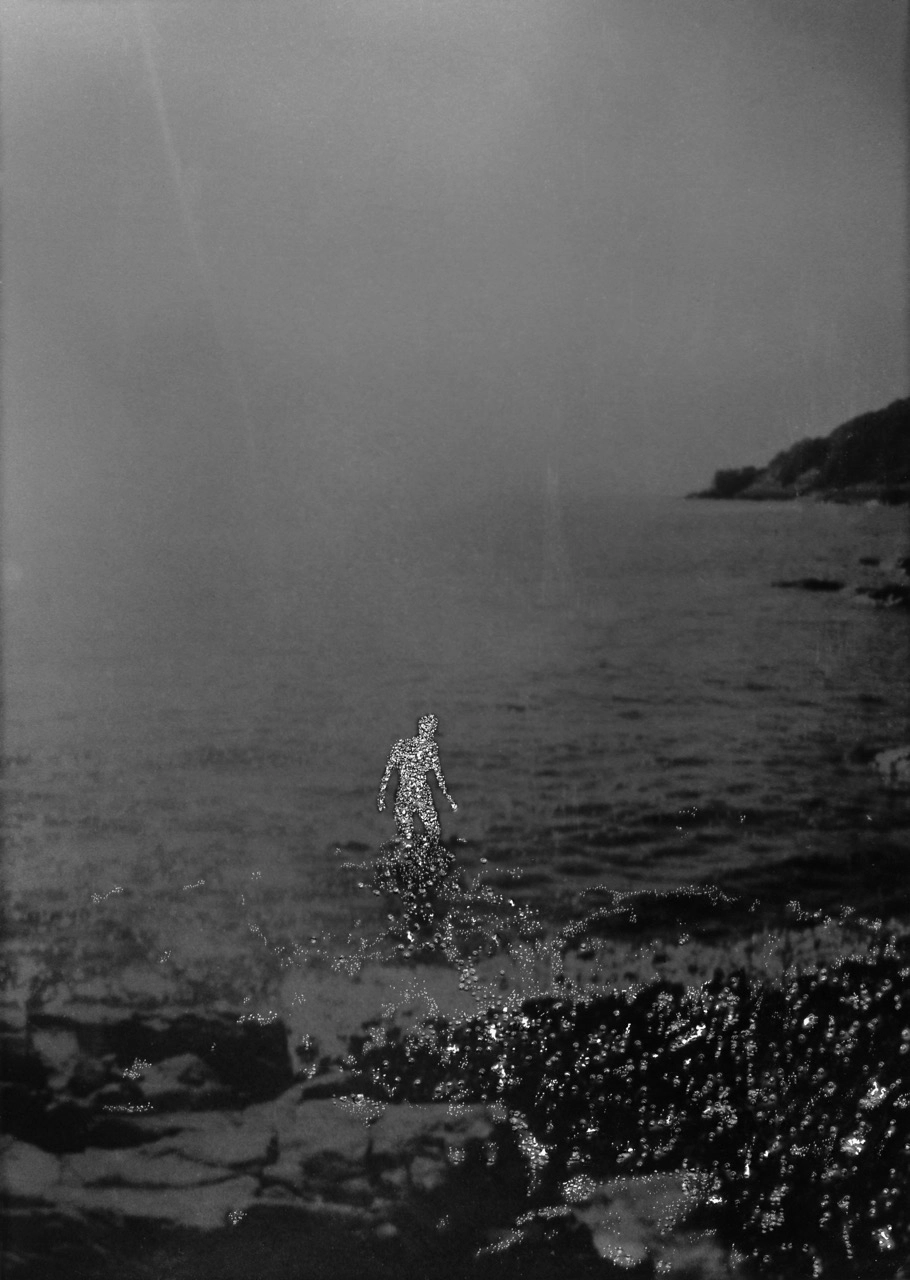
Marian Chudnovsky explains it perfectly in a piece for the exhibition’s booklet entitled “An Imperfect Memory.” She writes, “These pictures hold within them the grief of return—the specific melancholy of journeying back to the same picture after much time has passed and recognizing that the friend, the lover, the object of study, the historical moment depicted, has extended further and further away. The remembrance has faded, its contours morphed. The fallibility of the archive becomes part of the process of encounter. Here, time collapses in on itself.”
What Alex wants to do isn’t pigeonhole photography into dichotomies: monolithic or disjointed, restless or stagnant. It’s far too early to bestow a myopic definition onto the practice. “I keep having to remind myself that photography as a medium is very young—only around 150 years old!—and we only know the tiniest fraction of what’s possible with it,” Alex shares.
“We usually think of photography describing or even ‘capturing’ a very brief moment in history, and I hope to suggest everything but that description of photography,” she adds. “I think images can contain many different timelines that move in all sorts of directions.”
See Through, as its title suggests, is an invitation to look beyond the surface of a photograph. Rather than fixed records of singular moments, the artist imagines images as porous objects—a point of entry instead of a final destination—through which memories, histories, experiences, and identities continuously pass, overlap, and converse.
See more snapshots of the See Through exhibition opening below.
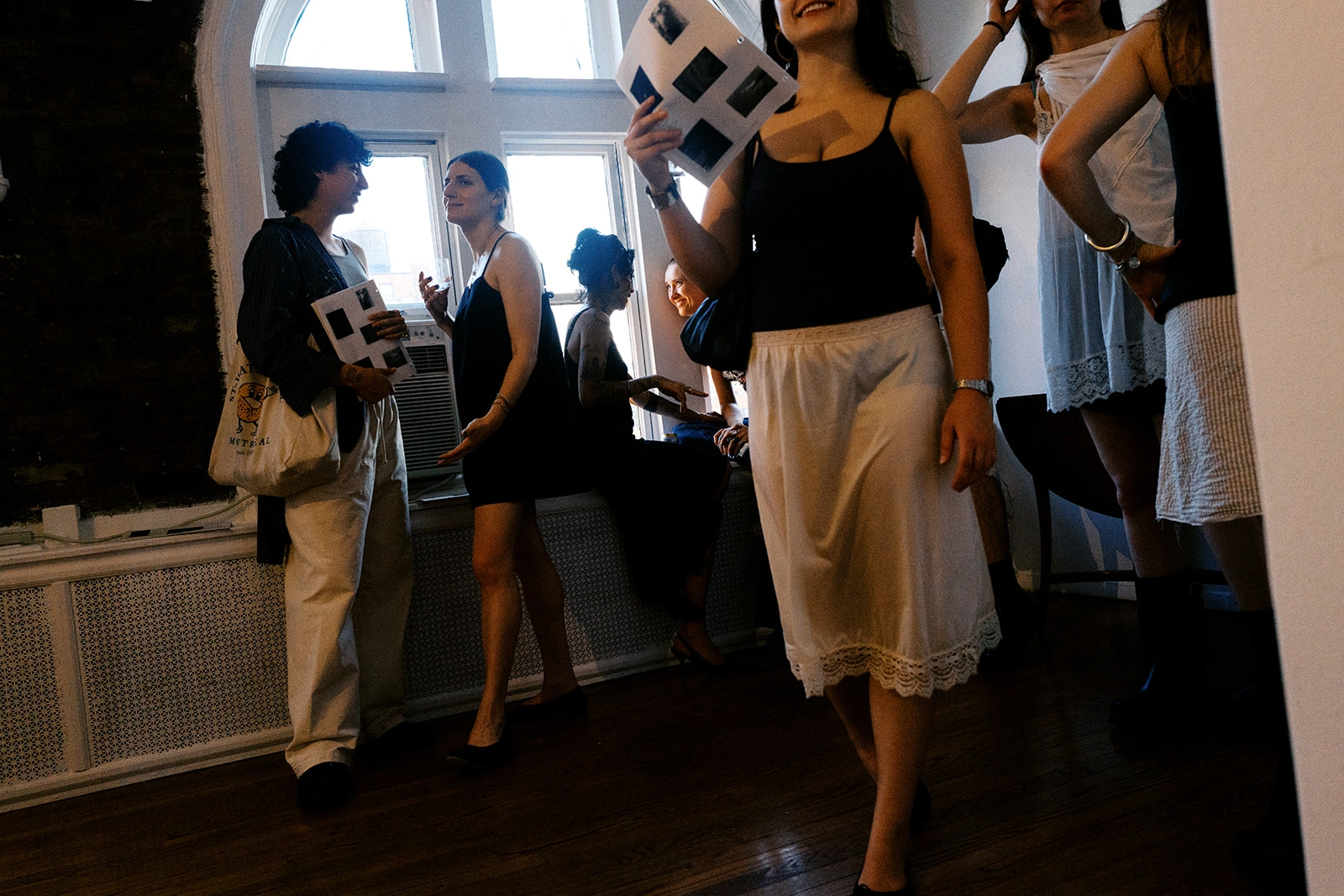
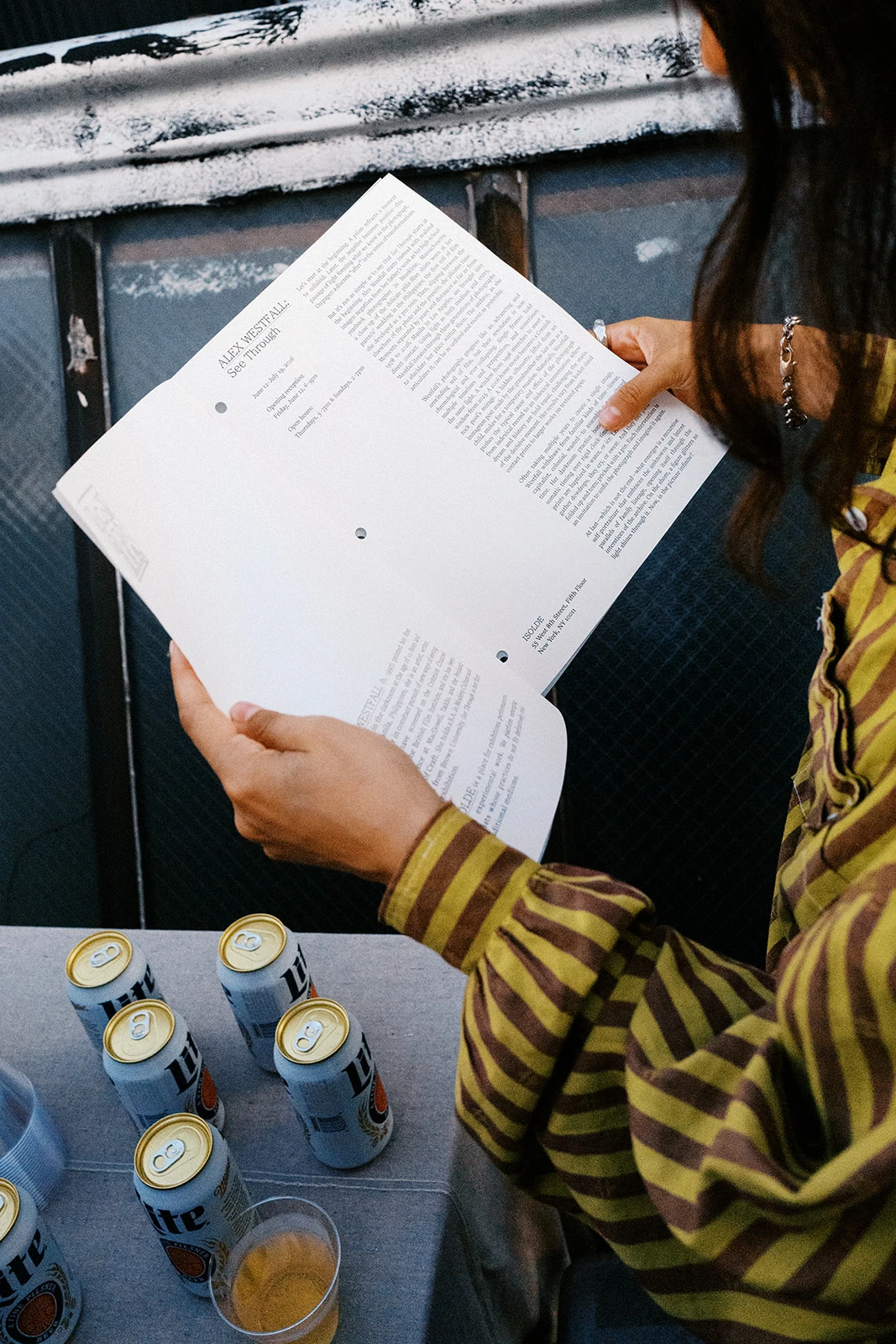
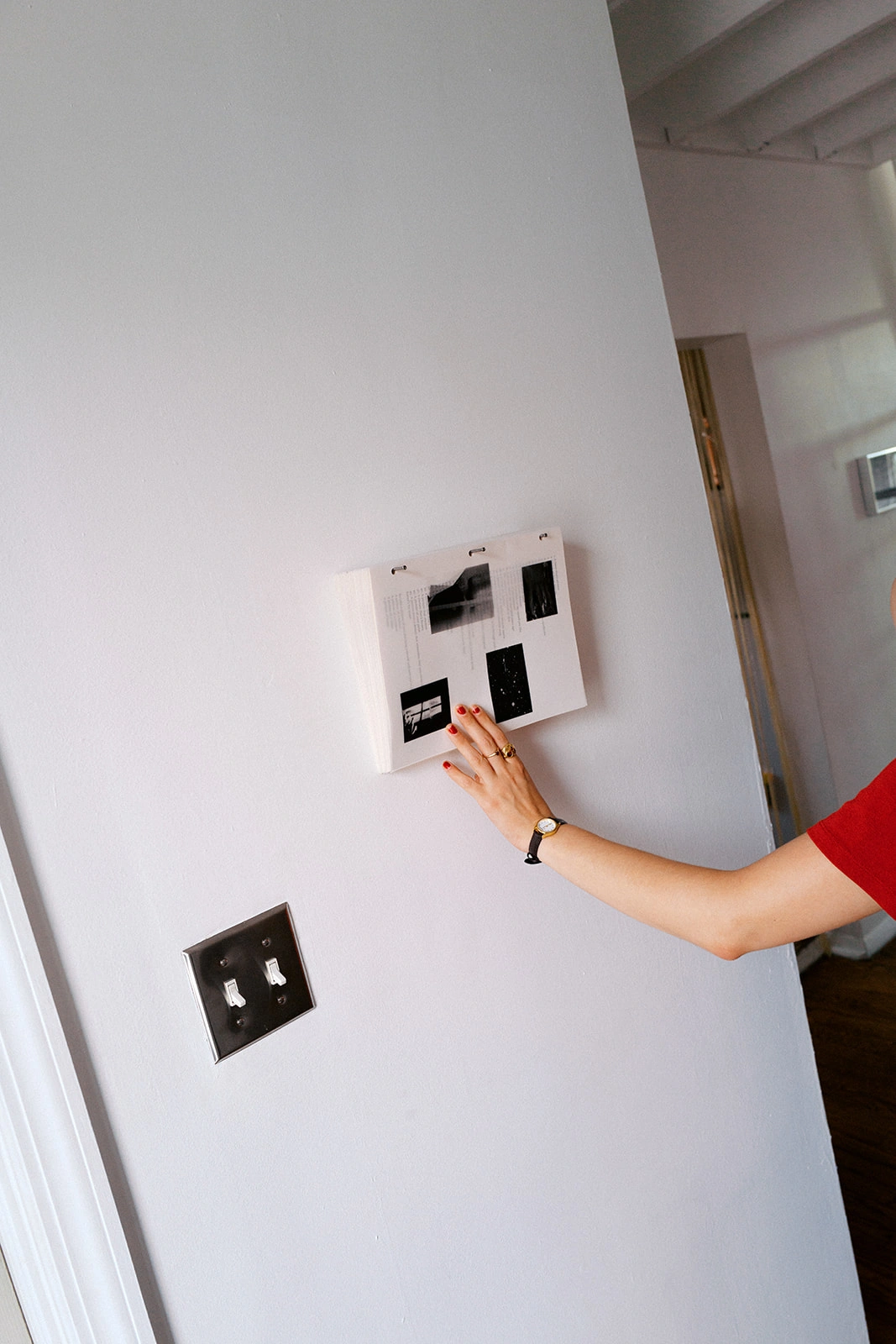
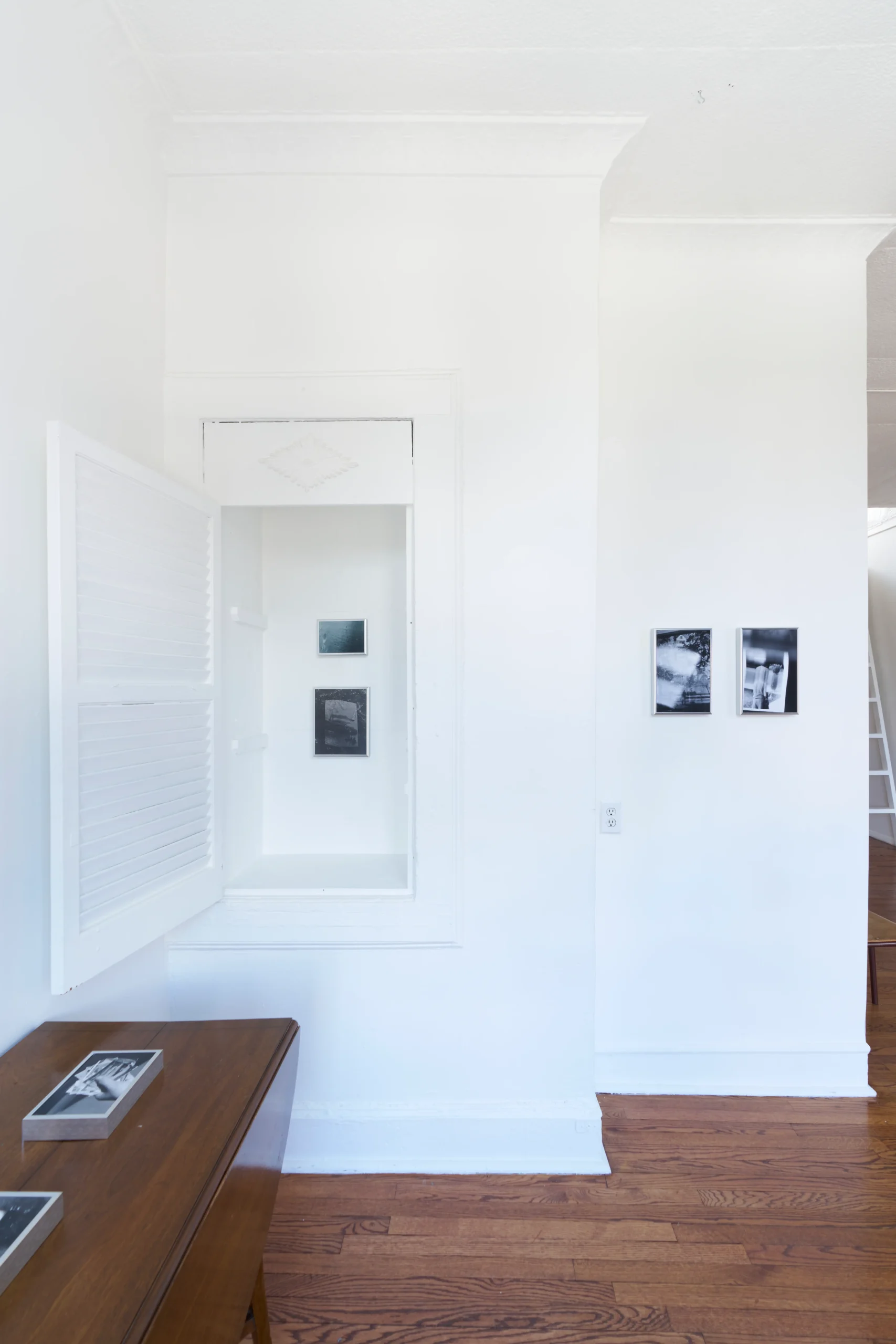
“See Through” is currently on view at Isolde in New York City until July 31, 2026. Isolde is located at 55 West 8th Street, Fifth Floor, New York, with opening hours on Thursdays at 5 PM to 7 PM, and Sundays at 2 PM to 7 PM.
Opening images and artist portrait by Kenzie Floyd
Installation images by Paul Rho
All photos courtesy of Isolde NYC
Frequently Asked Questions
See Through is the first solo exhibition of Filipino-American artist, director, and writer Alex Westfall. Drawing from family photographs spanning multiple generations, the exhibition uses photography to collapse time into a fluid and non-linear conversation between memory, history, and self. Rather than treating photographs as fixed records of a singular moment, Westfall presents them as spaces where histories, identities, experiences, and generations remain in constant conversation.
The project began in 2019 when Alex Westfall’s father, Matthew Westfall, sent her scanned negatives of photographs he had taken as a teenager in Brookline, Massachusetts. Initially conceived as a family archive rather than an exhibition, the project evolved through Westfall’s reimagining and manipulation of family photographs alongside her own images, creating what she describes as an “infinite” image that spans three generations.
See Through explores memory, family, time, identity, and the fallibility of the archive. The exhibition examines the grief of returning to photographs after years have passed, the ways memory changes over time, and how seemingly separate lives and histories remain connected across generations. Through family photographs and newly created works, Westfall asks broader philosophical questions about time, ontology, and possibility.
Westfall uses analog photography because it allows her to stretch the act of photographing beyond a single moment. Rather than relying on traditional clocks or timers, her darkroom practice is guided by sight, instinct, and physicality, creating what she describes as a somatic and spiritual relationship with the image. This process reflects the exhibition’s belief that photographs can contain many different timelines moving in multiple directions.
See Through is on view at ISOLDE in New York City through July 19, 2026. The gallery is located at 55 West 8th Street, Fifth Floor, New York, with opening hours on Thursdays from 5 PM to 7 PM and Sundays from 2 PM to 7 PM.