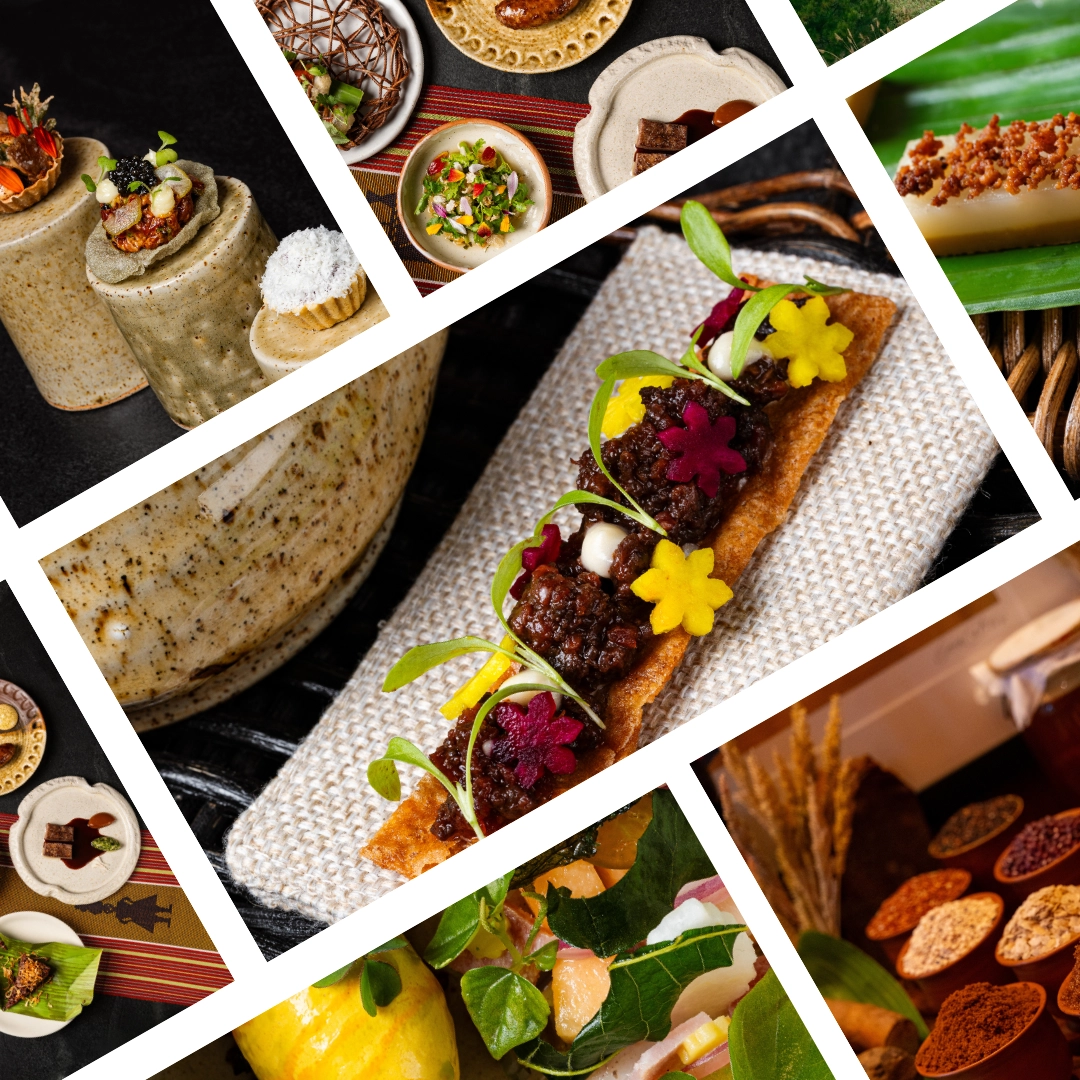
The eight-course degustation takes diners on a flavorful journey through the highlands of Northern Luzon, melding lesser-known ingredients and traditional techniques with nostalgic staples to create a culinary love letter shaped by both genuine immersion and personal sentiment.
The Philippine archipelago is so vast that it’s nearly impossible to condense the diversity of its cuisines into a single label. Yet within the broad spectrum we call Filipino food lies one of its lesser-known gems: the cuisine of the Cordilleras in Northern Luzon. Perhaps it’s the long journey to the region, and its mountainous terrain, that has kept much of Manila unfamiliar with its culinary traditions. Whatever the reason, there’s far more to discover here than the beloved ubeUbeA vivid purple yam native to the Philippines, cooked into a sweet jam called halaya and used in ice cream, cakes, and pastries. Prized for its earthy, vanilla-like flavor andGo to Ube Glossary pasalubong from Good Shepherd or the tart-sweet strawberries of La Trinidad (iconic and integral as both may be). It’s this idea that propels the latest tasting menu at Filipino fine dining concept Hapag. Drawing inspiration from the Cordilleras, the restaurant approaches the region’s cuisine through the lens of immersion, suggesting that truly tasting a place begins with experiencing it.
READ ALSO: Savor The Word, Swallow The World
Behind The New Menu: Trekking The Cordilleras To Understand Its Culinary Traditions
Before conceptualizing the menu, the team at Hapag took an extensive research expedition through Ifugao, Mountain Province, Kalinga, and Baguio City to better understand the Cordilleras region, which has, more often than not, been left out of the larger conversation on Filipino cuisine. What they found, of course, was a gem of flavors influenced by the region’s geography, communities, and a storied heritage of ingenuity passed down from one generation to the next.
Chefs and partners at Hapag Thirdy Dolatre and Kevin Navoa both admitted that their previous knowledge was mainly focused on Baguio City, which is just the beginning of this story.
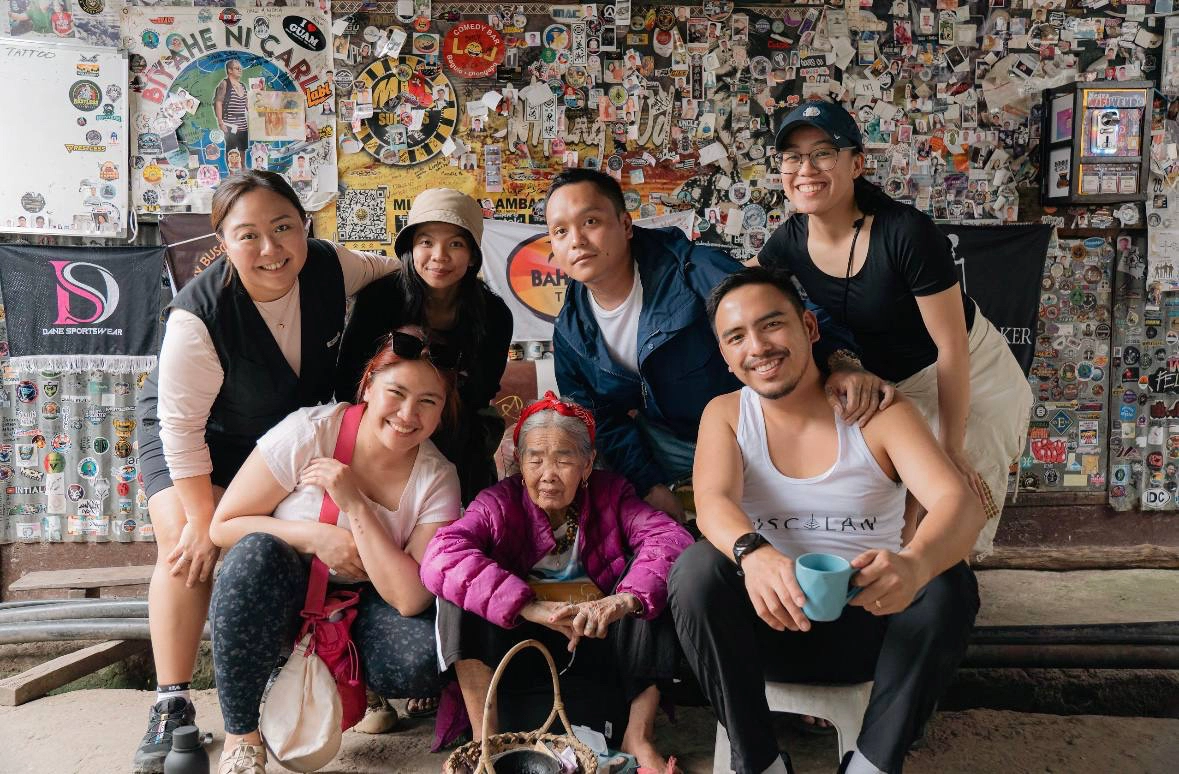
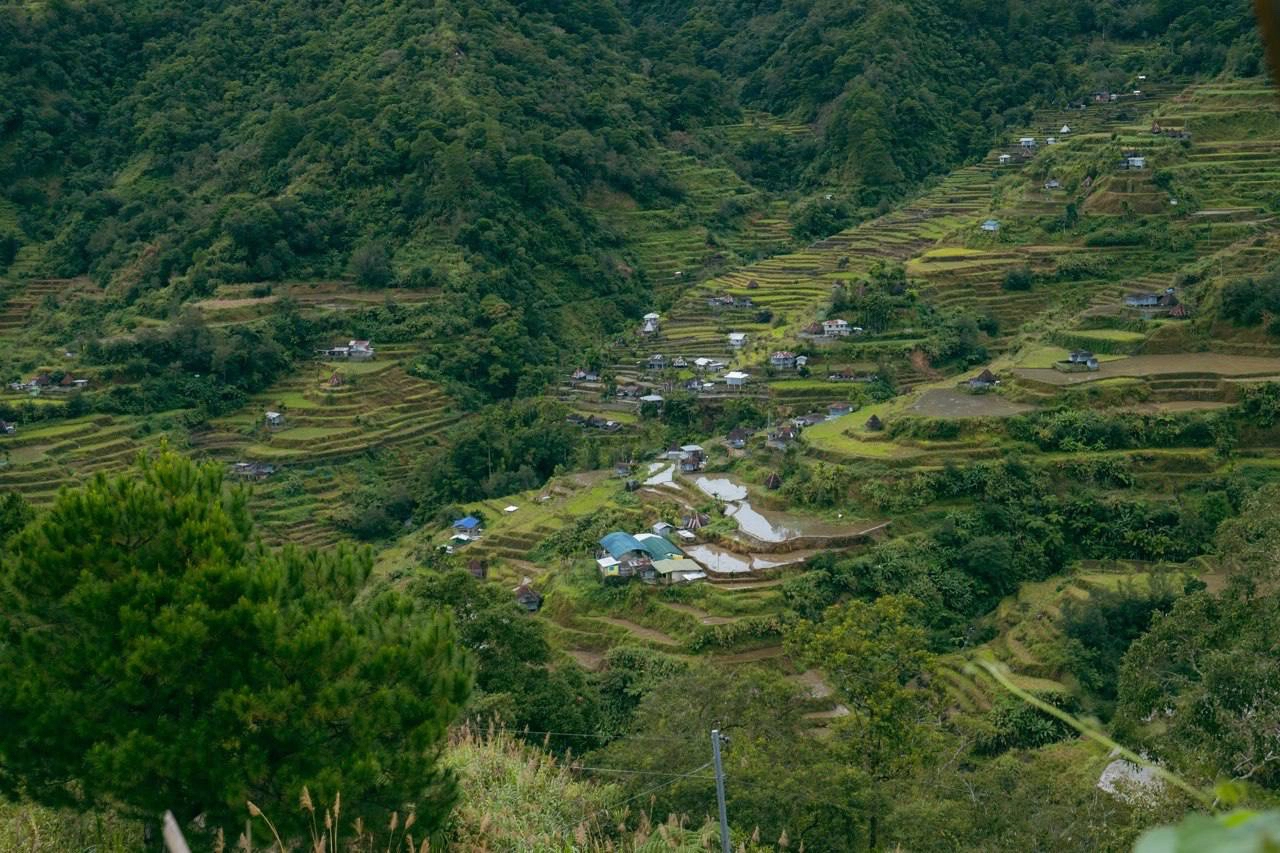
“But once we traveled through Ifugao, Mountain Province, and Kalinga, we discovered a much deeper and more diverse food culture. Every province has its own ingredients, techniques, and traditions,” Thirdy elaborates in a statement.
“For me, the Cordilleras remain largely unknown and undiscovered,” Kevin adds. “It’s a place you need to experience firsthand to truly understand. You can read about it online, but being there is completely different.”
The team learned more about the region’s foodways through the communities that continue to help preserve them, including the Pasil Slow Food Community; GAFA Agri-Tourism Farm in Mountain Province; traditional weavers and home cooks in Kalinga, and numerous farmers, cultural workers, and local tourism advocates.
Through its menu, Hapag also gives a special shoutout to the individuals who welcomed the team into their homes, farms, workshops, and cultural spaces throughout the research process. Among them are Rowena Gonnay, Local Community Leader of Pasil Slow Food; Irene and Ruel Bimuyag of Kalinga Weaving in Mabilong Weaving Village, Lubuagan, Kalinga; Detchie Enkiwe, Municipal Tourism Officer of Mayoyao, Ifugao; and Apo Whang-od Oggay of Buscalan Village, Tinglayan, Kalinga, alongside the many farmers, artisans, cultural workers, local tourism advocates, and community members across the Cordilleras whose generosity, hospitality, and stories were an indelible part of the research and development process.
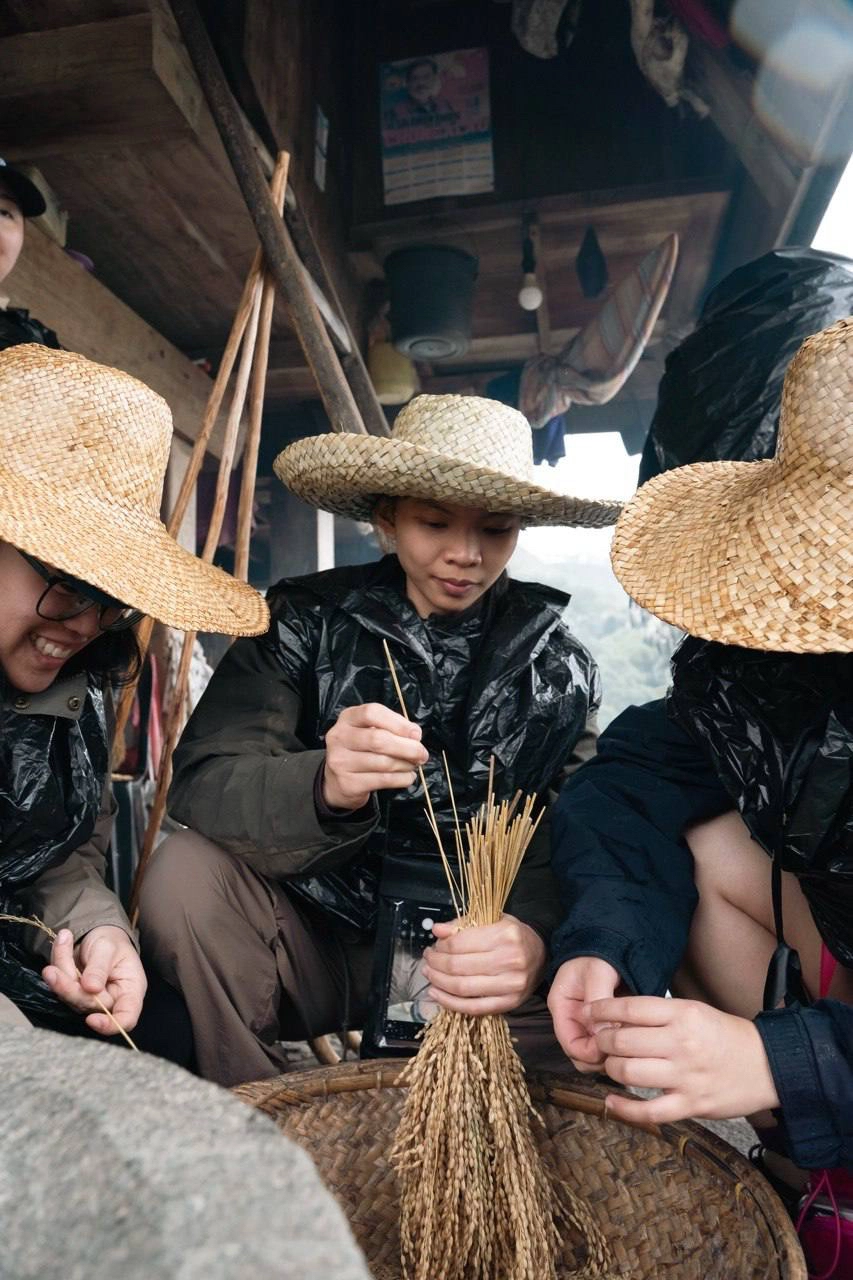
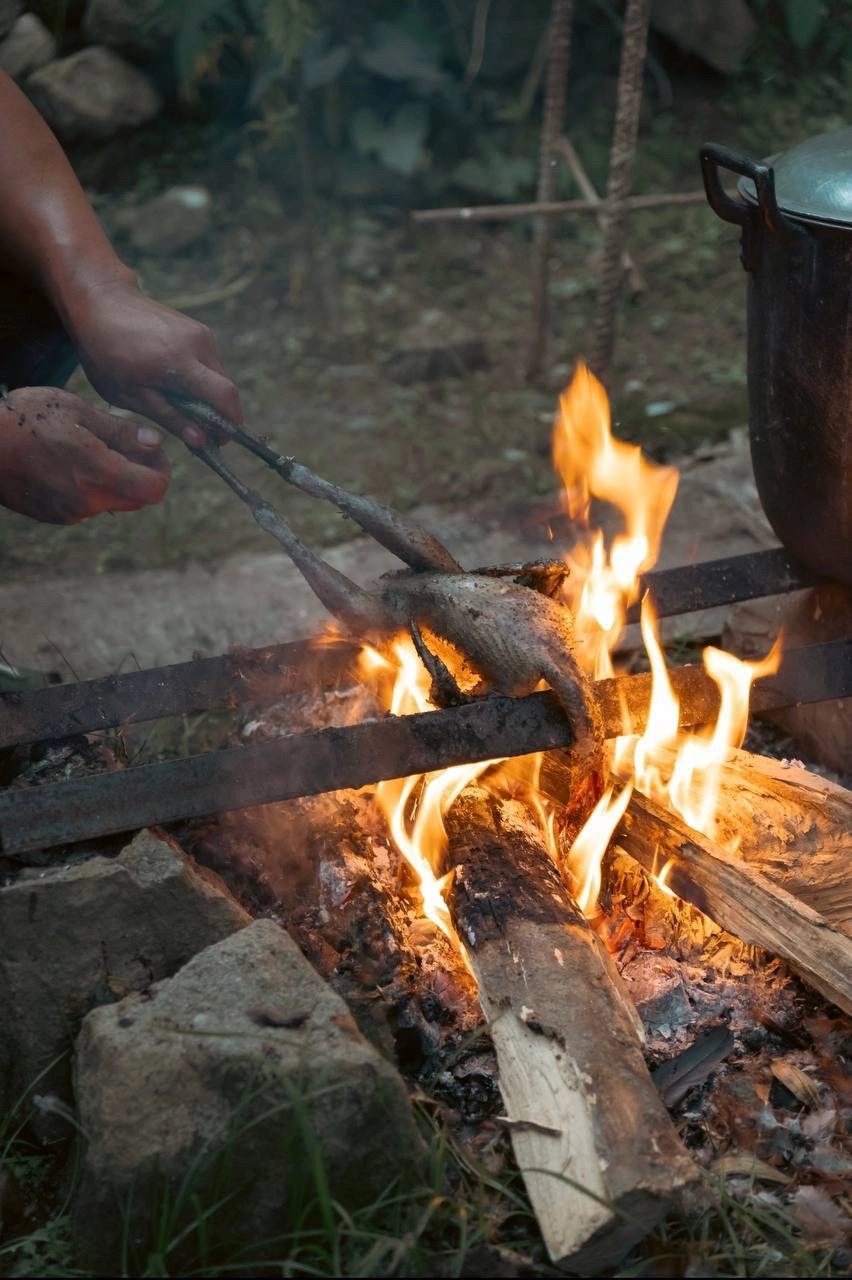
What’s New On The Menu At Hapag?
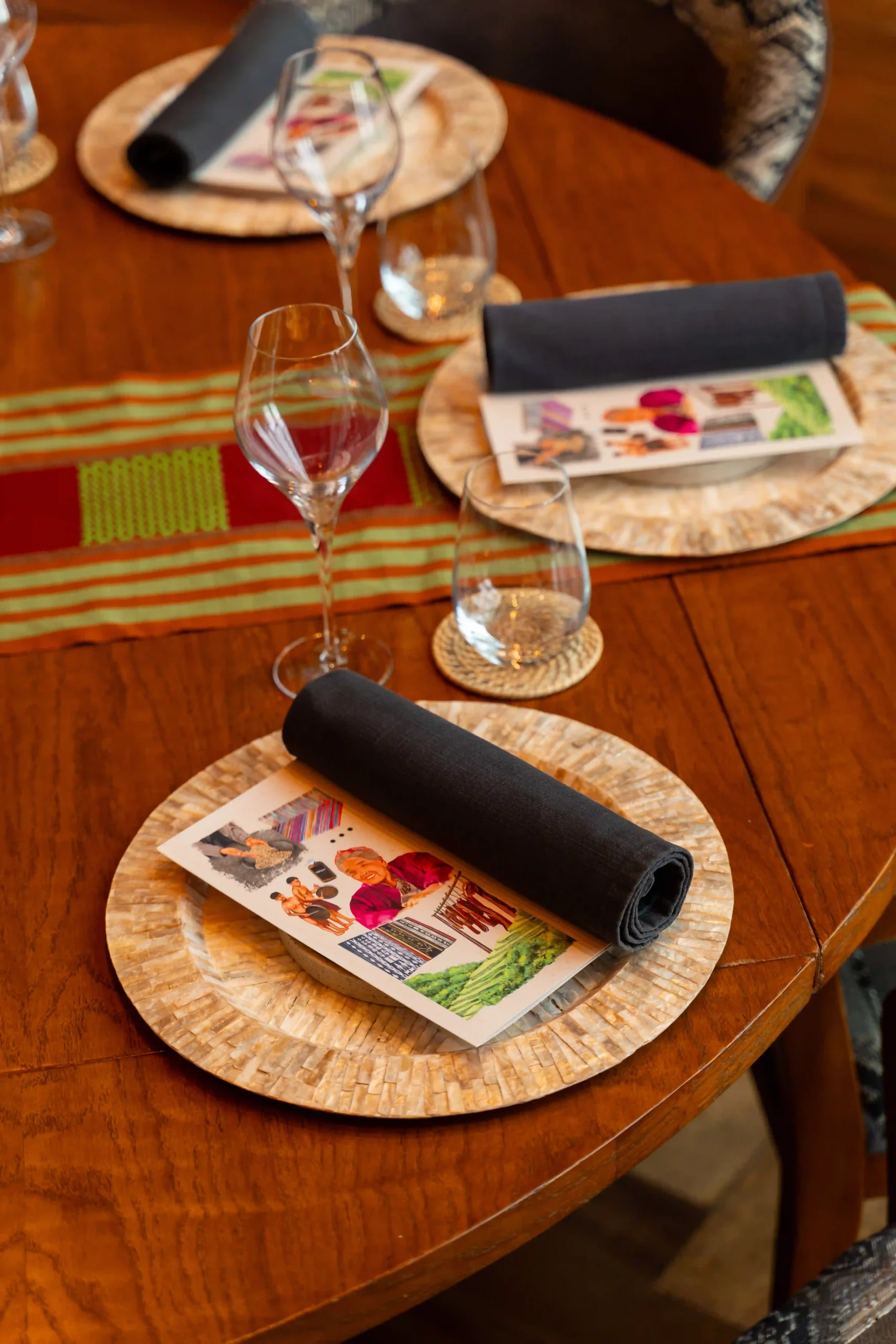
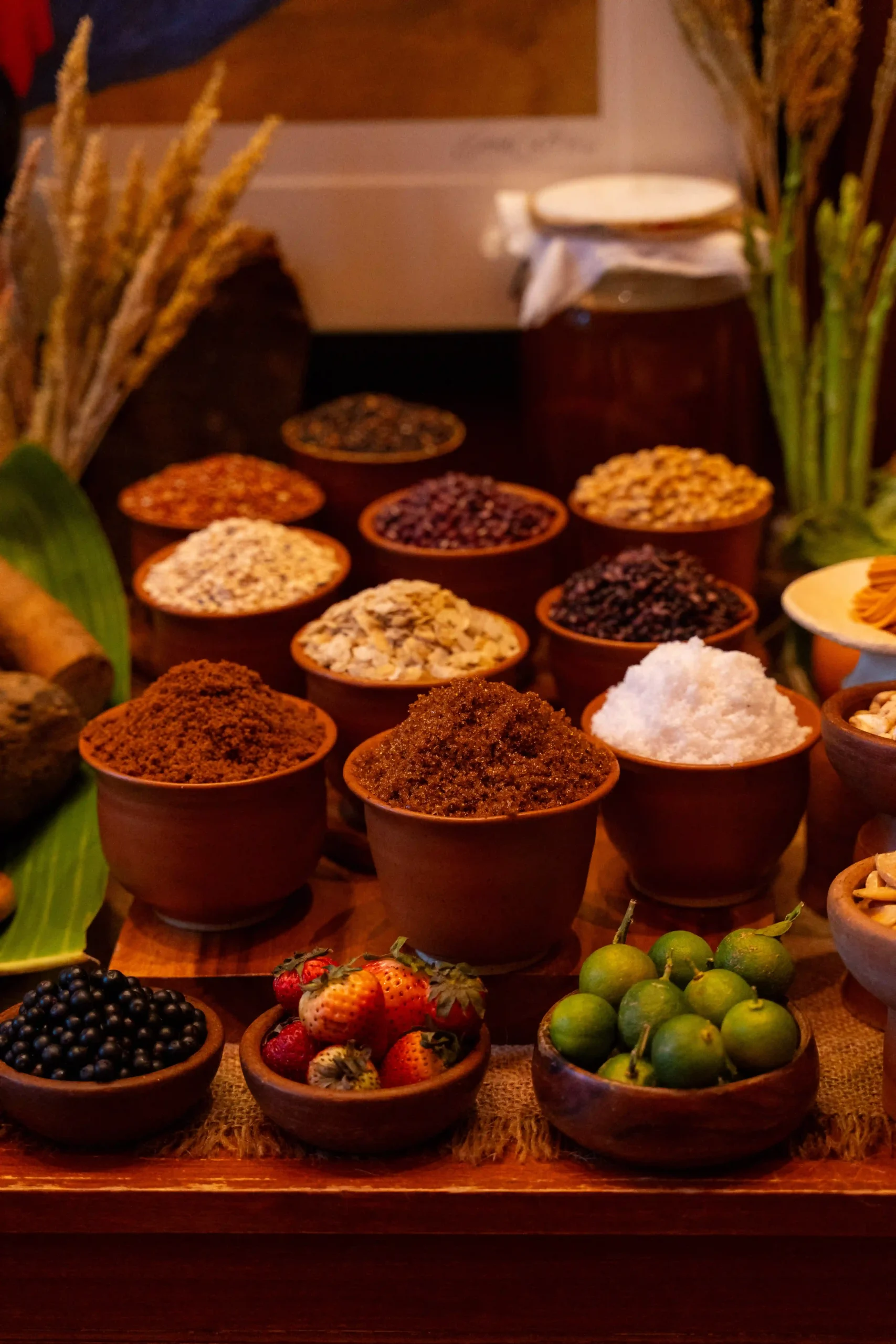
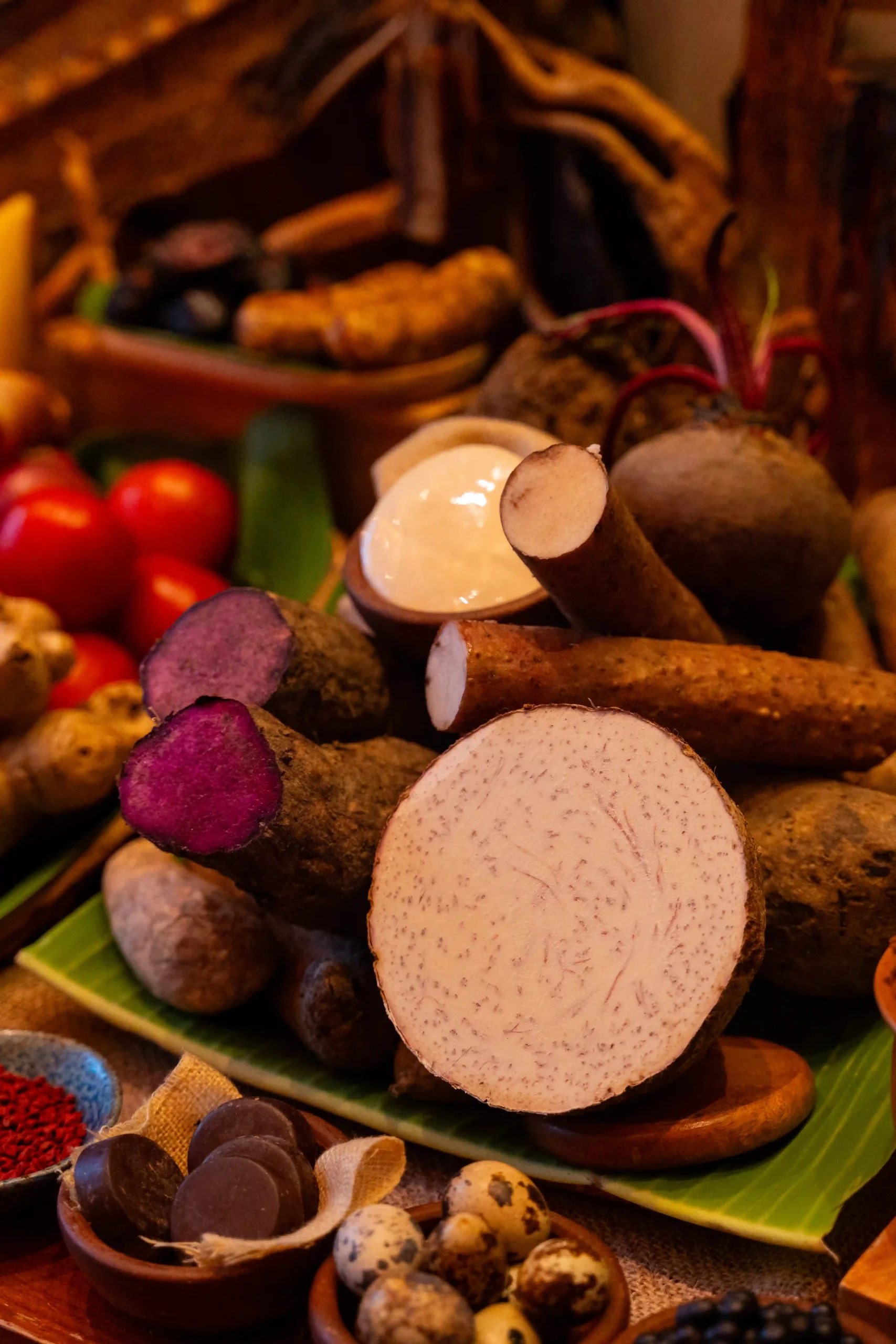
The journey through Hapag’s new tasting menu begins, like many of its past iterations, with a charming introduction to the raw ingredients used within it, laid out in a generous tablespread. Rice, a cornerstone of the Cordilleras with its towering terraces, is a prominent fixture throughout the menu, grains of red and black rice spread around. Fermentation, also a key part of Hapag that greets you in the form of jars by its entrance, also heightens flavors, particularly through the concept’s oldest ferment: a chocolate and red bean miso that has been aged since 2021.
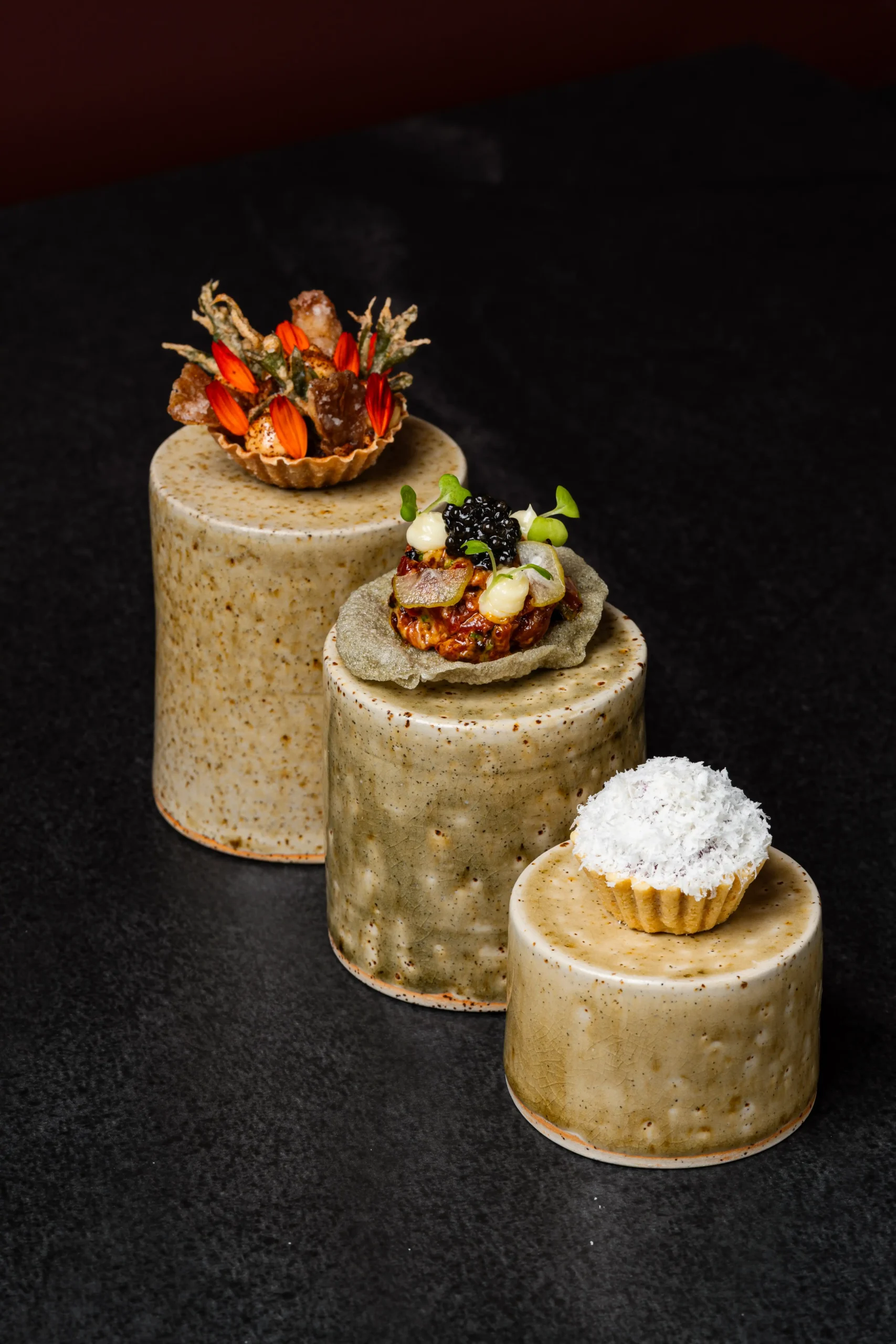
The first course immediately introduces diners to a lesser-known dish and technique: Duck Lini’ku, inspired by the traditional Cordilleran method of cooking poultry over fire and shaped by the Hapag team’s experience of a memorable meal shared in Kiangan. A clear yet flavorful duck consommé gives just the right amount of depth and gameness, which is balanced out with citrus oil. Paired with a crisp duck pinuneg (blood sausage) tart with chicken skin tuile, pickled beetroot, pickled singkamas, and roasted garlic mousse, it was a strong opening that set the tone.
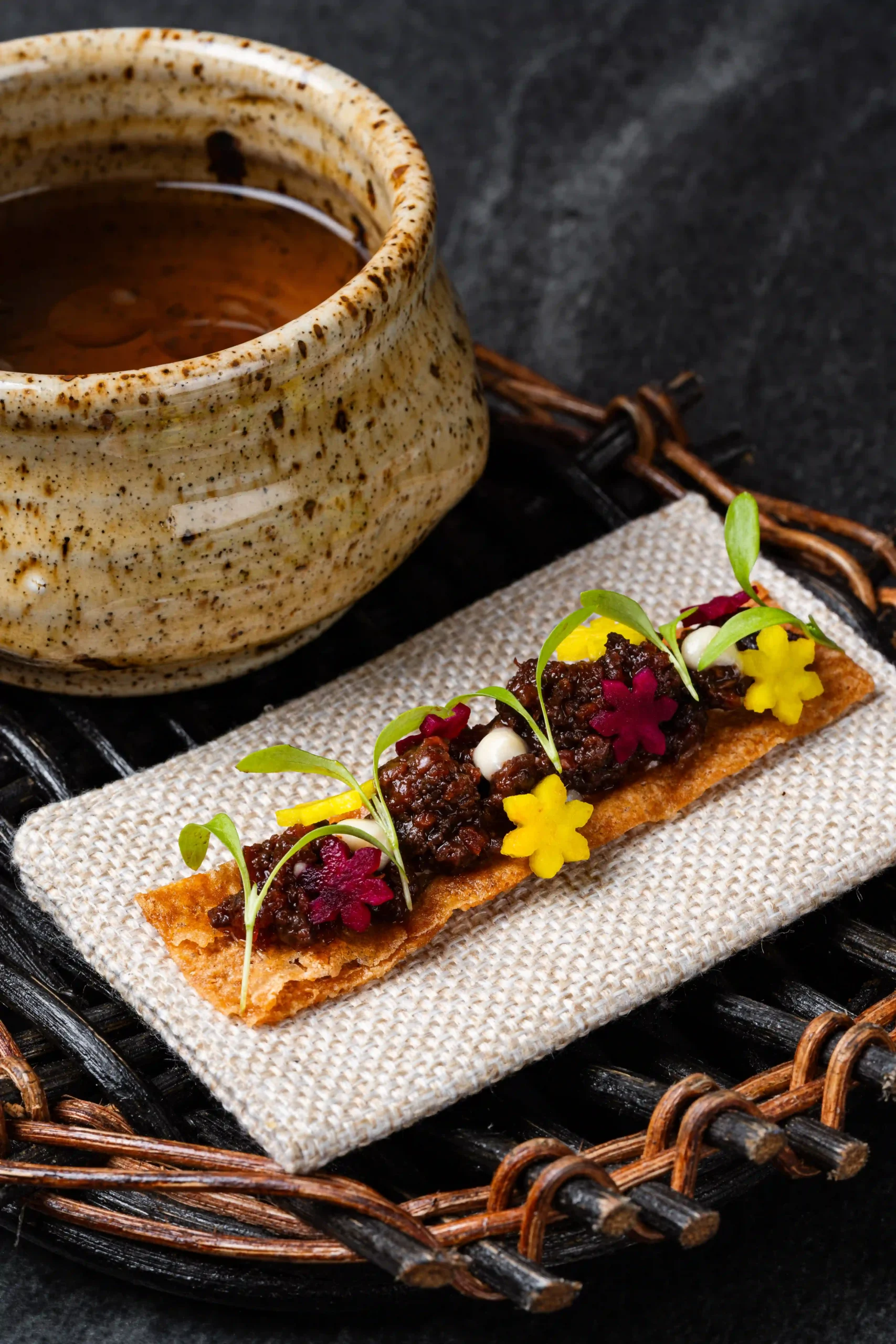
Snacks were presented in three small bites, each one a nostalgic pasalubong and merienda favorite. First was the Mushroom Dinakdakan Tart, an explosion of umami featuring an assortment of Sagada mushrooms with a creamy, tangy dinakdakan aioli. The Kunuday Tartare lent a smoky edge to fresh beef with salsa macha, roasted garlic aioli, and caviar on a cracker made from gamet (a type of rare, seasonal red seaweed in the Philippines). Then there was my personal favorite, as someone with a sweet tooth: the sweet (but never cloying) and savory Ube Cheese Tart, made with bubud-fermented ube (the base from Good Shepherd, of course), sharp borracho cheese, and black pepper tart shell.
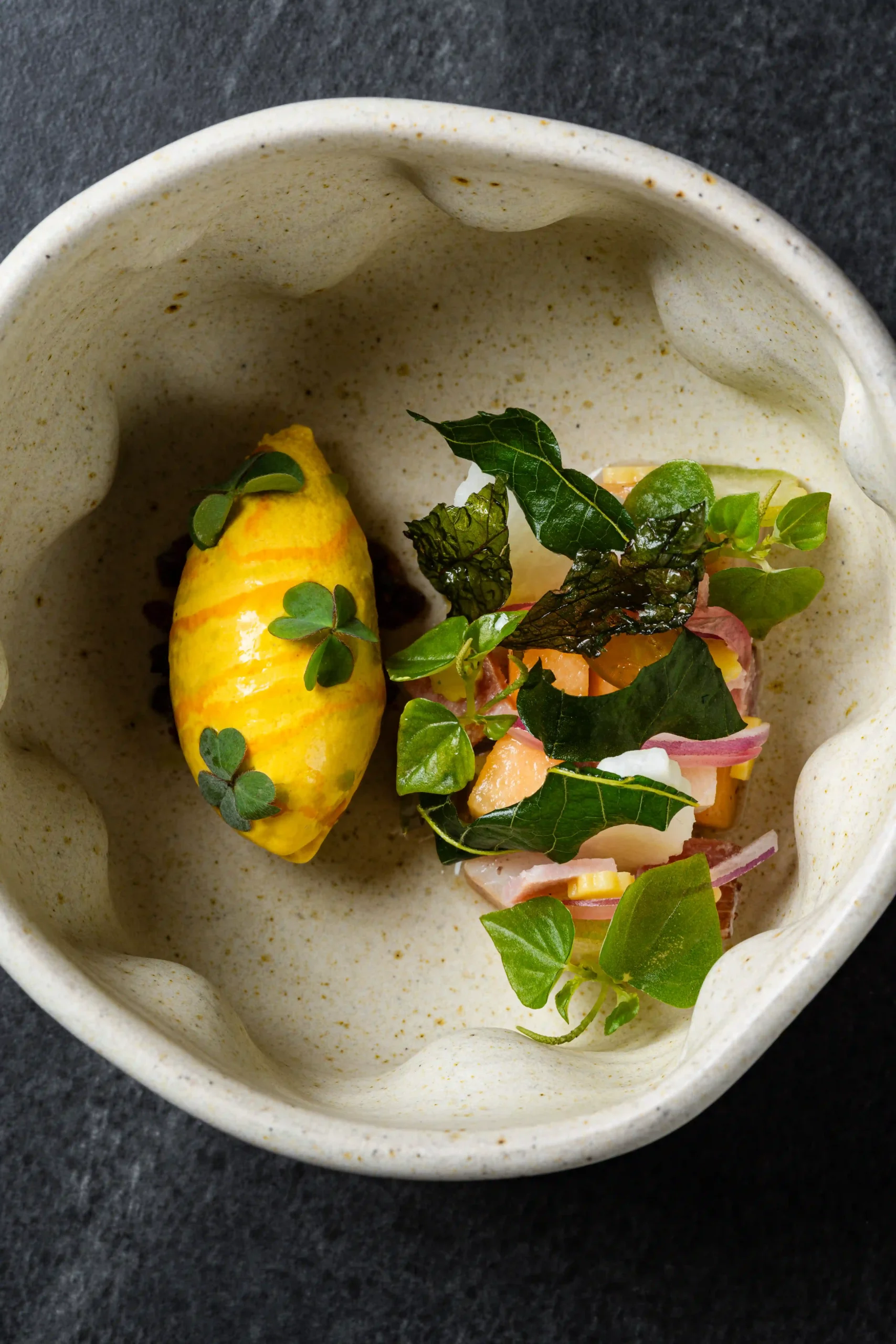
Meanwhile, the Etaglaw combined the smokiness of etag (a traditional method of preserving pork or beef through salt-curing and smoking or sundrying, practiced among indigenous to the Igorot communities in the Cordilleras) with the zesty freshness of kinilawKinilawA Filipino dish of raw fresh fish or seafood cured in vinegar and citrus, typically with ginger, onion, and chili. Often called the Philippines' answer to ceviche, kinilaw celebrates freshnessGo to Kinilaw Glossary. Cured mahi-mahi gets paired with an assortment of chilled fresh melon and kamias, pickled vegetables, and gamet dressing, with a pork belly etag ice cream trying these elements together through the density of its creaminess, savory flavor, and smoked touch.
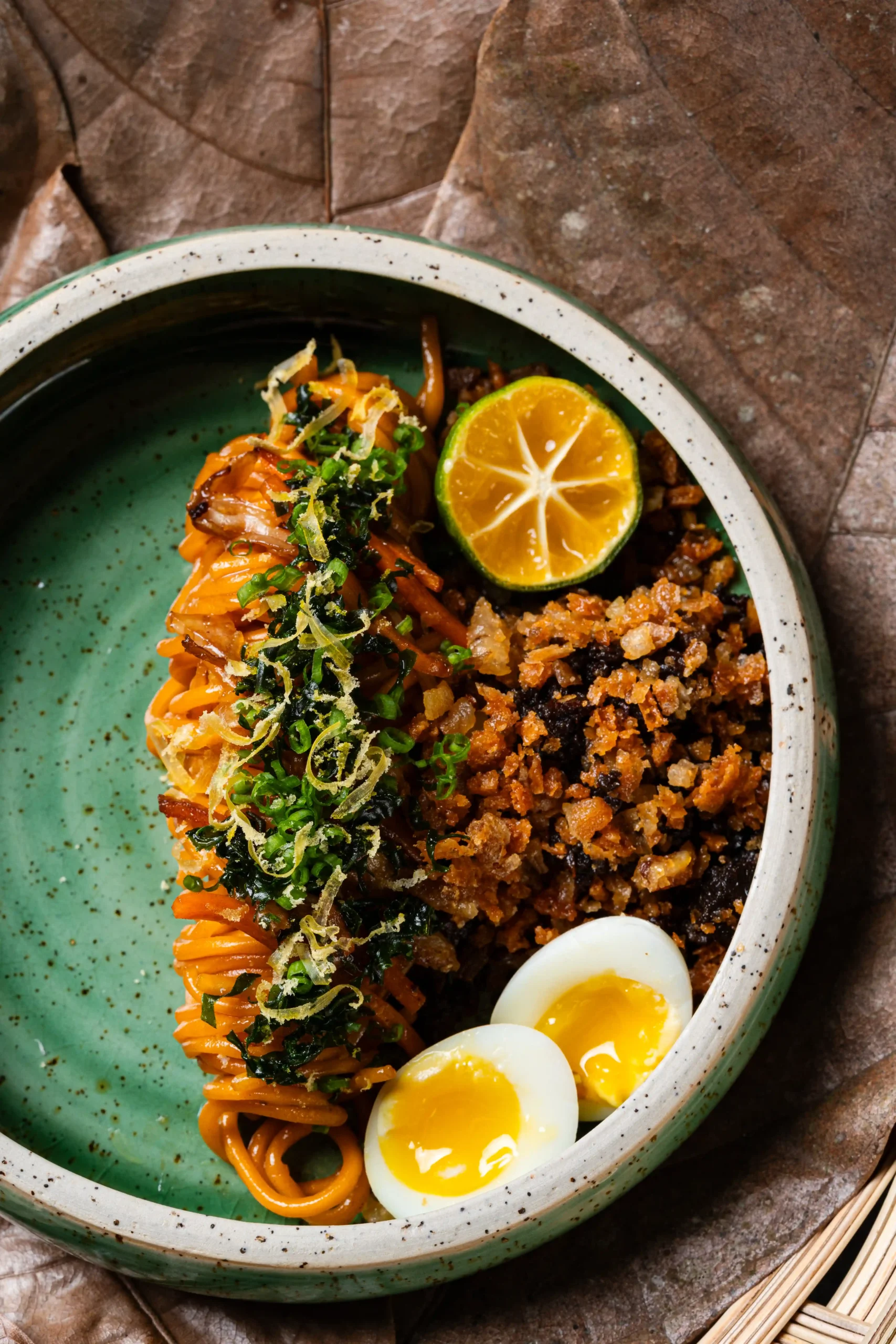
The fourth course of Pansit à la Pogi is a recreation of a delicious panicteria meal the Hapag team enjoyed during their trip, and a homage to the Cordillera’s neighboring Cagayan Valley (specifically the Pancit Batil Patung from nearby Tuguegarao). House-made noodles are served with chorizo, liver, crispy pork karajay, and egg drop soup, and guests are allowed to customize their dish: enjoy the noodle with its accompanying soup, add in some vinegar-shoyu sauce and chili, or just devour them separately (though we highly recommend just mixing everything together).
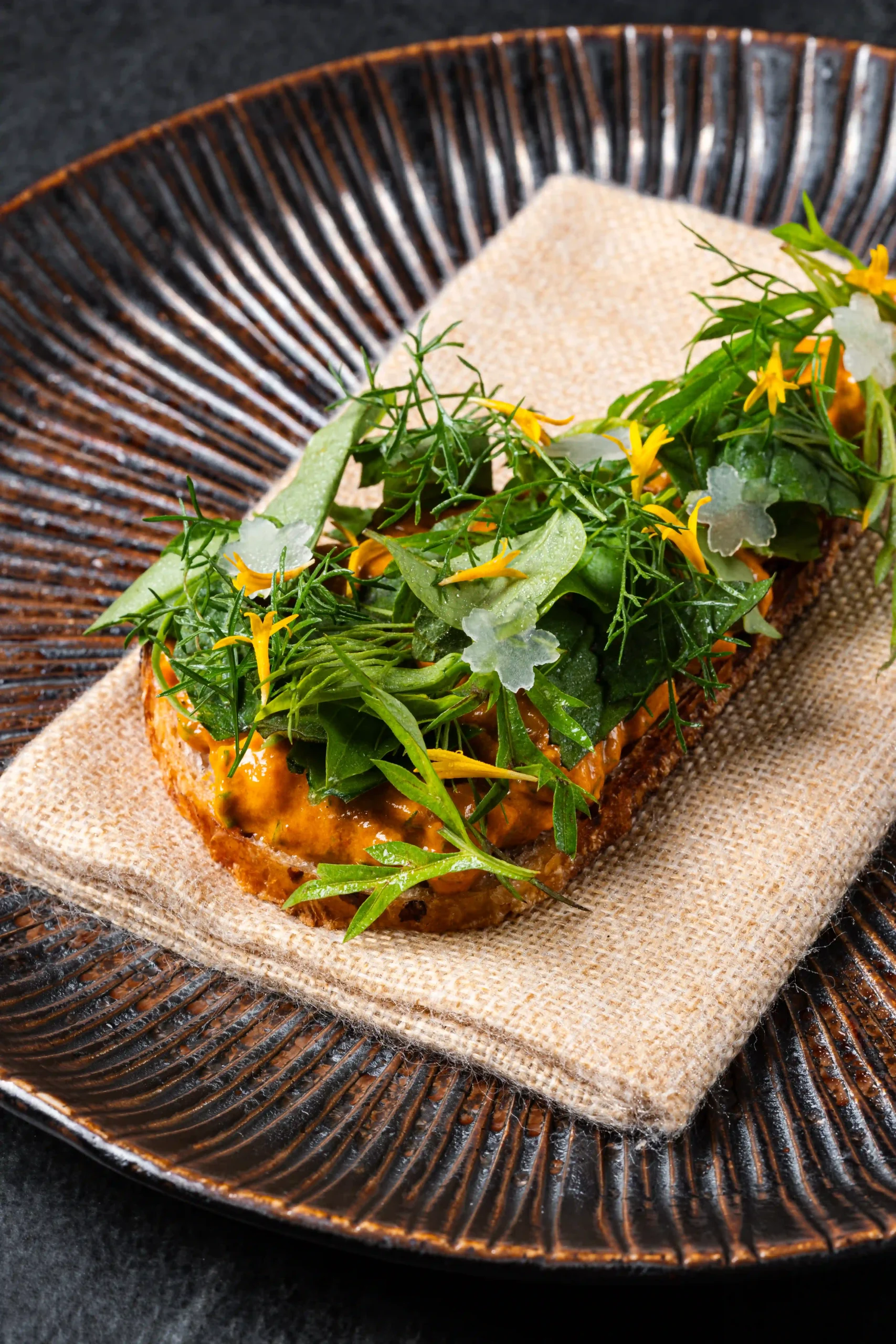
Buro, that lovely little condiment made with fermented rice and seafood, gets a refresh with a pizza-esque bread course. Hapag’s original sourdough bread is infused with fermented black rice from Kalinga— “Pan de Kalinga,” as they call it—before being topped with sugpo (prawn), taba ng talangka cream, local dill, and marigold, creating rich bites.
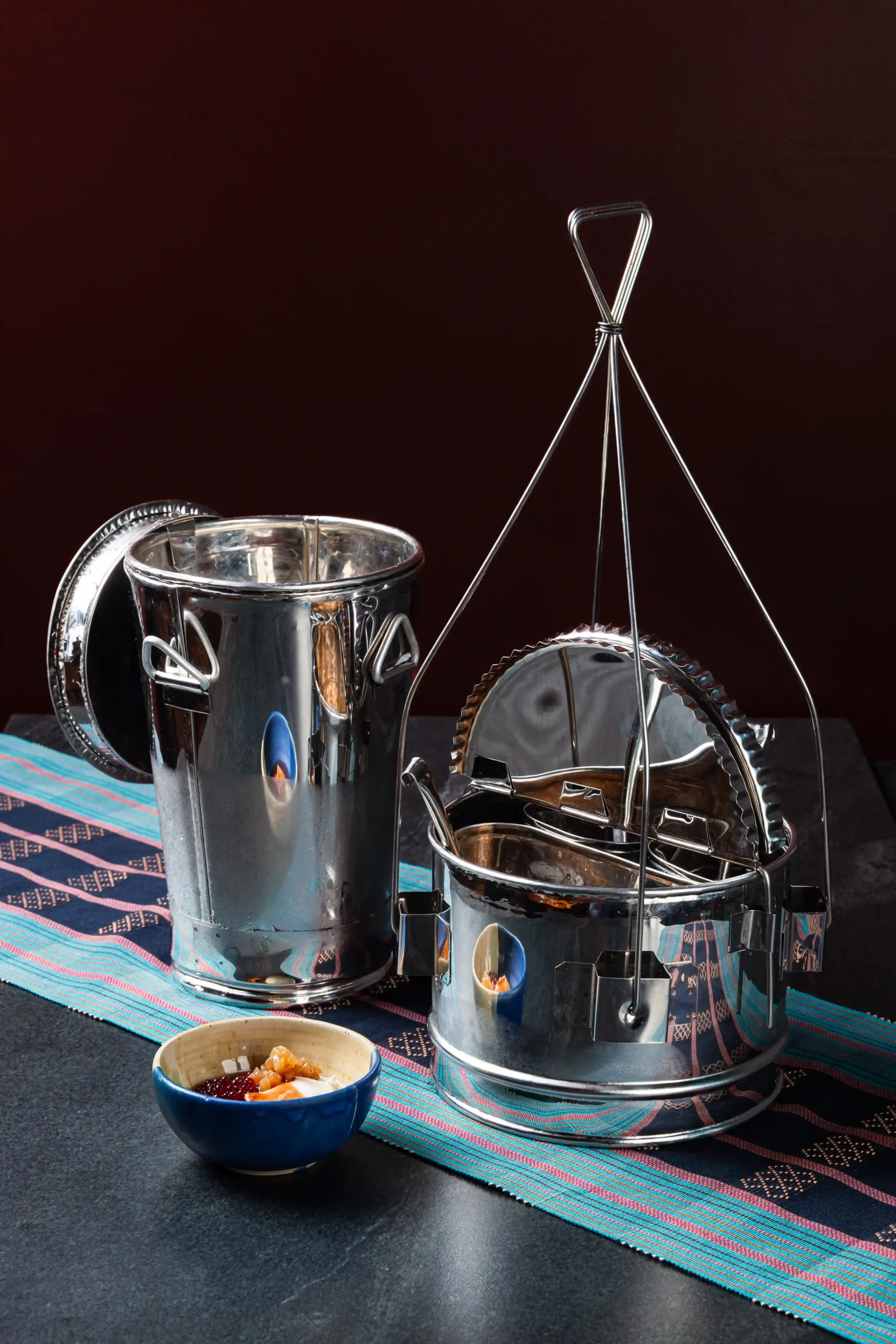
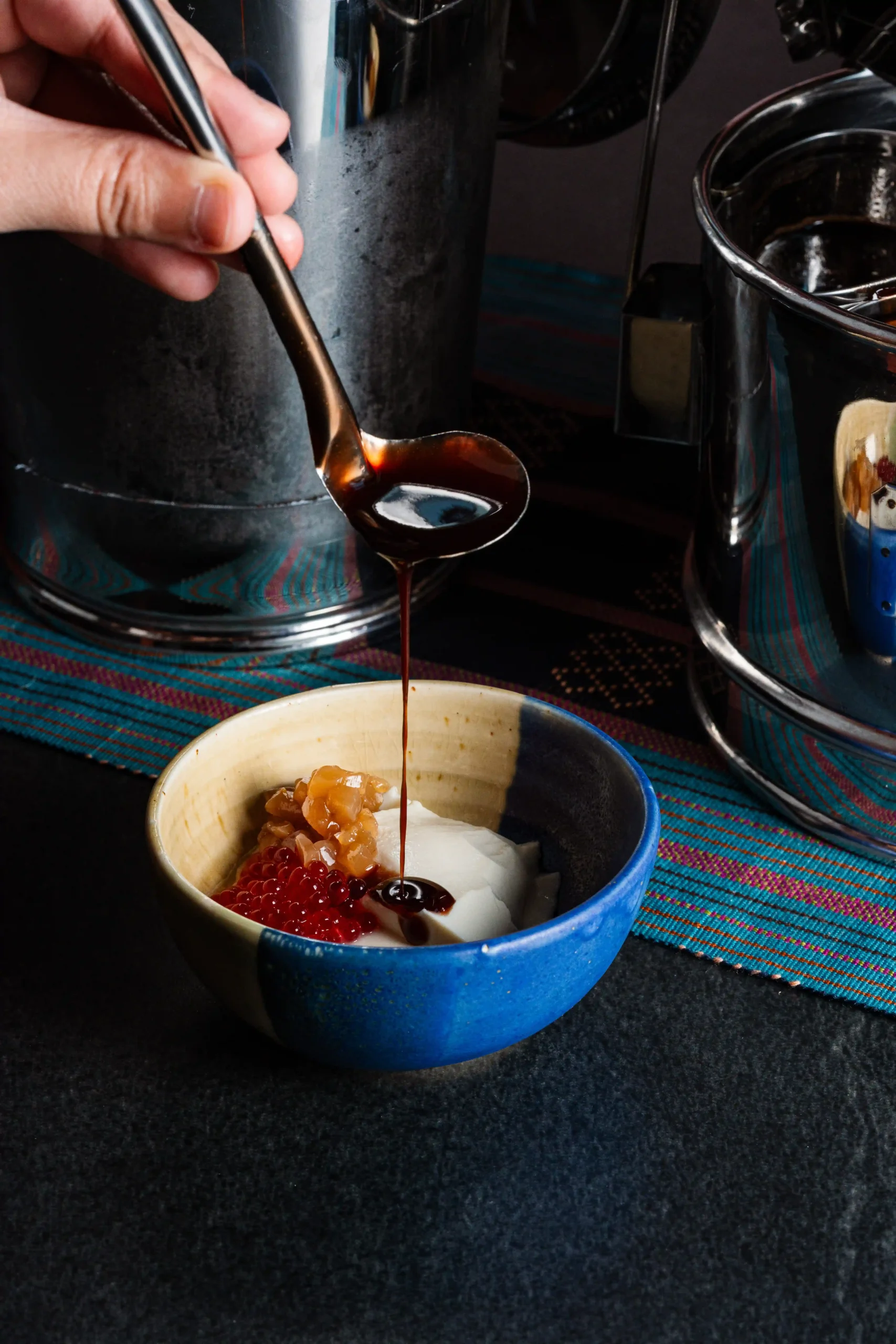
The palate cleanser skips the usual sorbet in favor of the beloved Filipino street food taho. Homemade tofu—silken just as it should be—is scooped and served with arnibal made from sampinit (a wild, local raspberry), pickled roselle sago for a slight tartness, and pickled SCOBY. It’s not your average rendition of the dish, but it still keeps all its well-loved, familiar elements.
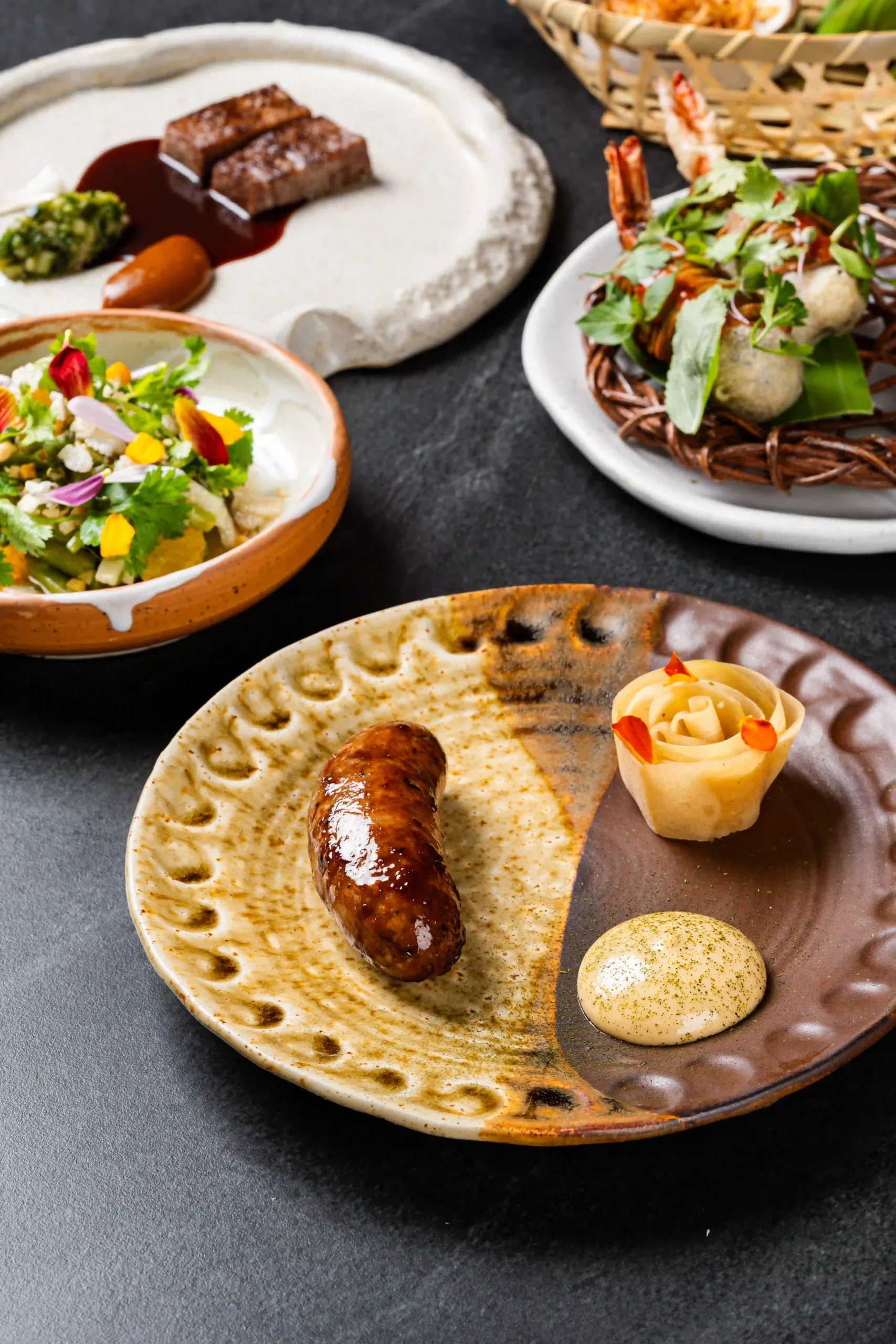
Then the Hapag special: a Salu-Salo meant to be shared, as all good meals are, and in the Cordilleras, the team found no shortage of these. This particular salu-salo is the concept’s take on a meal at Farmer’s Daughter, a family-style Cordilleran breakfast prepared by Irene and Ruel Bimuyag, as well as the community dinner at GAFA Agri-Tourism Farm. Beef tongue kiniig offers a heady depth and bite; pork longanisa is a comforting classic; battered prawn stuffed with duck pinuneg and served with chicken liver sauce lends some textural goodness; and a light fruit salad cuts through all the heartiness. No meal is complete without the rice, and this selection features rice cooked in mushroom stock—circling back to the diverse agricultural treasures the region has to offer.
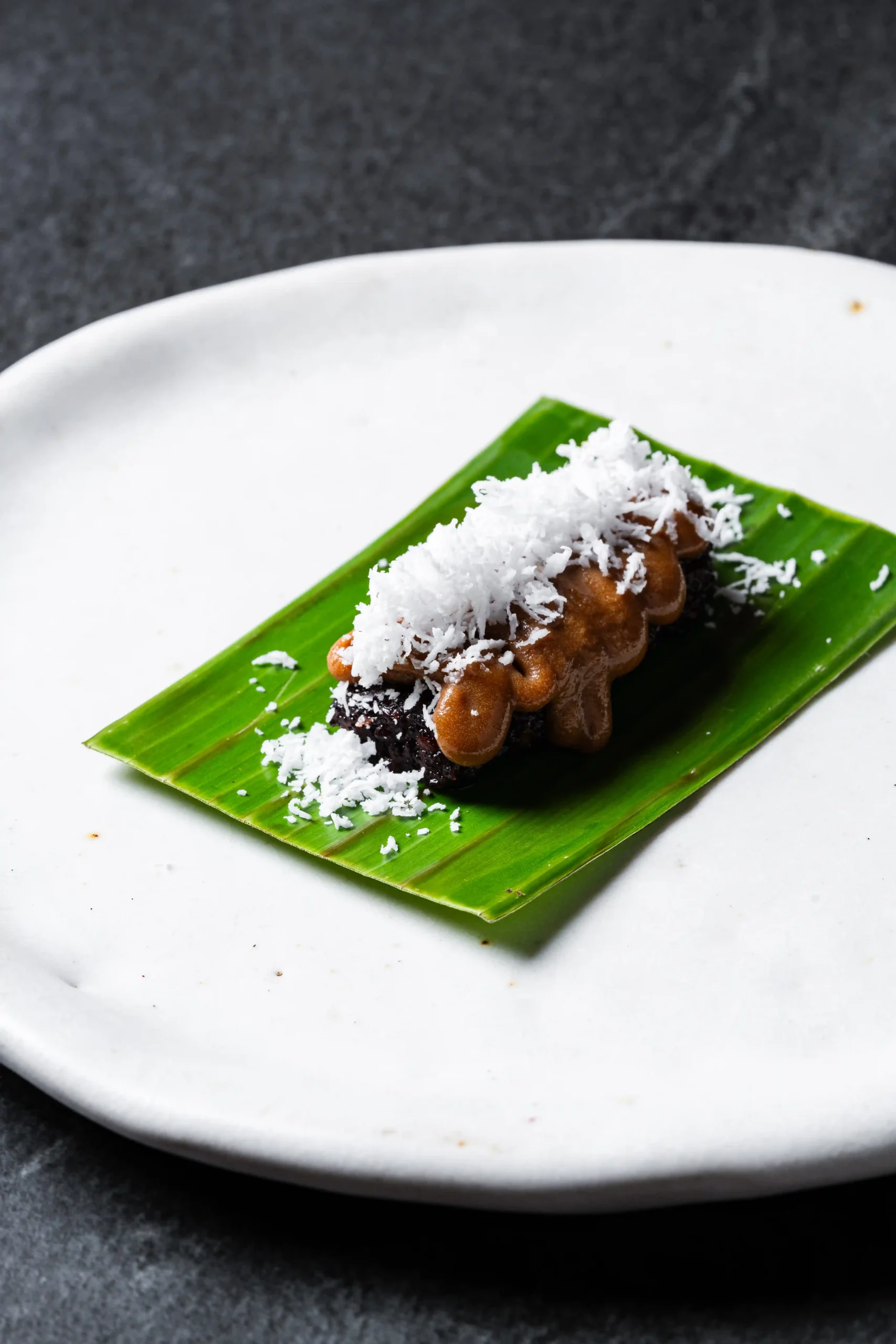
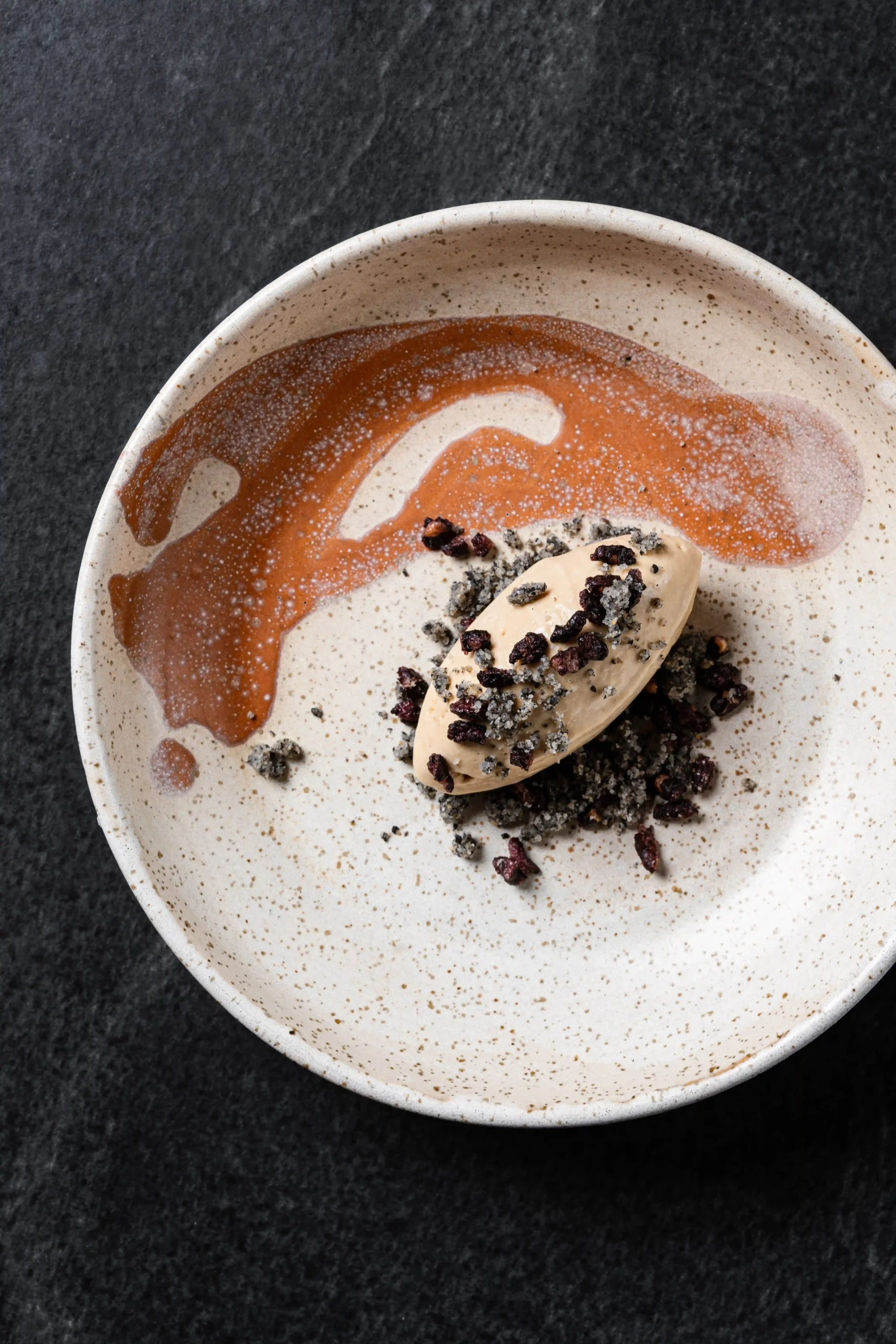
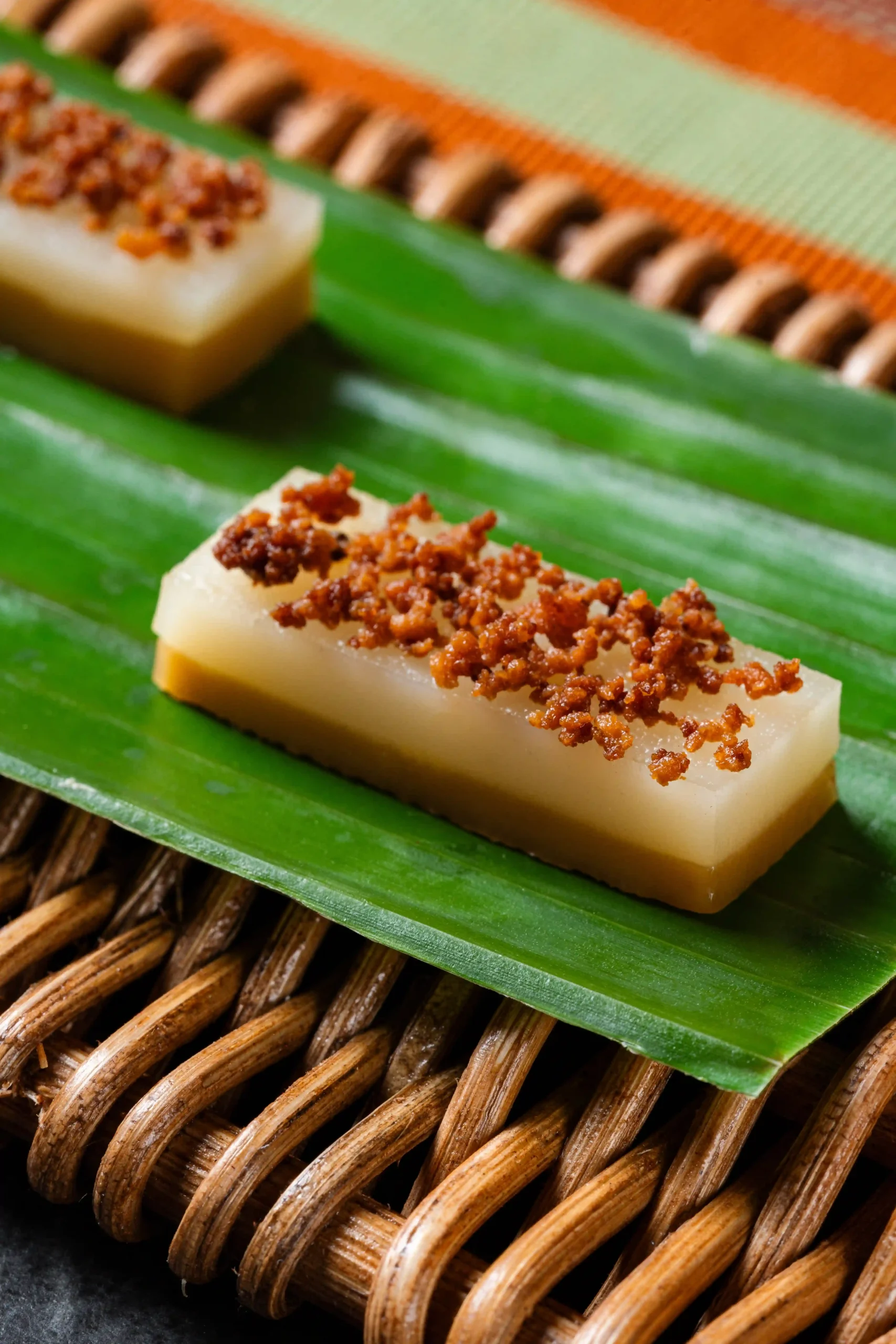
Finally, there’s dessert: kakanin and local delicacies, in miniature size. Start with the taro puff strawberry donut, served with tsokolate de batirol with the seven-year cacao miso espuma we talked about earlier on in this feature, just to warm the stomach a bit more. Contrast that with the cold roasted brown rice ice cream (before it melts), with black sesame and puffed black rice crumble that’s toasted to perfection. Then move onto the puto bumbong sweetened with caramelized white chocolate for extra indulgence, and the blueberry tart made with local Baguio blueberries. Then, even it all out with the balanced Kalinga inandila (a glutinous rice dish) with latik (coconut caramel).
The beverage program follows the same spirit of thoughtful exploration as the new menu. Alongside the degustation, Hapag offers a wine pairing composed predominantly of French selections chosen to complement the menu. A standout is the NV Champagne Florence Duchene Reserve Champagne, made by a Filipino-French independent vintner Florence Duchêne, who builds her wines around the Philippines’ flavors.
“The goal of the pairings is to provide a familiar framework for guests while allowing the flavors of the Cordilleras to shine,” shares Erin Ganuelas-Recto, head sommelierSommelierA trained wine professional who manages a restaurant's wine program, advises guests on selections, and recommends pairings. A skilled sommelier has deep knowledge of regions, grapes, and vintages, and elevatesGo to Sommelier Glossary and partner at Hapag. Meanwhile, the non-alcoholic pairing menu draws from teas, ferments, and other beverages that echo the dishes’ nuanced profiles. Guests may also opt for a coffee pairing featuring beans sourced from farming communities across the Cordilleras, highlighting the region’s enduring coffee-growing traditions.
The new menu is a continuation of an ongoing conversation that Hapag began in previous menus covering Western Visayas and Western Mindanao, one that aims to show us just how vibrant our country’s cuisines are—and how much more there’s left to learn about, taste, and cherish.
“We’re still only scratching the surface,” Chef Thirdy explains. “If this menu inspires people to learn more about these regions, visit them, and appreciate their food cultures, then we’ve succeeded.”
See more of the Hapag Cordilleras menu below.

The Cordilleras tasting menu is available for ₱7,500+ per person. Wine pairing is priced at ₱3,000+ per person, while the non-alcoholic beverage pairing is available for ₱2,200+ per person. Guests may also opt for a coffee pairing featuring beans sourced from the Cordilleras. Reservations may be made through Hapag’s website. Hapag is located on the 7th Floor of The Balmori Suites, Hidalgo Drive, Rockwell Centre, Makati.
Restaurant photography by Dre Ferrer, courtesy of Hapag
R&D tour photography by Karl Dimaculangan, courtesy of Hapag
Frequently Asked Questions
Hapag’s new Cordilleras tasting menu is an eight-course degustation inspired by the cuisines of Northern Luzon. Drawing from extensive research across Ifugao, Mountain Province, Kalinga, and Baguio City, the menu melds lesser-known ingredients, traditional techniques, and nostalgic staples to celebrate the richness of Cordilleran food culture.
Before developing the menu, the Hapag team traveled through Ifugao, Mountain Province, Kalinga, and Baguio City to learn from local communities, farmers, artisans, cultural workers, and tourism advocates. Their research included visits with the Pasil Slow Food Community, GAFA Agri-Tourism Farm, traditional weavers, home cooks, and other individuals whose knowledge and hospitality helped shape the menu.
The menu features dishes such as Duck Lini’ku, Mushroom Dinakdakan Tart, Kunuday Tartare, Ube Cheese Tart, Etaglaw, Pansit à la Pogi, Pan de Kalinga, a taho-inspired palate cleanser, a family-style Salu-Salo, and a selection of Cordilleran-inspired desserts. Guests can also choose from wine, non-alcoholic, or coffee pairings.
Hapag’s beverage program includes a wine pairing composed predominantly of French selections chosen to complement the menu, including the NV Champagne Florence Duchene Reserve Champagne. Guests may also opt for a non-alcoholic pairing featuring teas, ferments, and other beverages, or a coffee pairing showcasing beans sourced from farming communities across the Cordilleras.
The Cordilleras tasting menu is priced at ₱7,500+ per person. Guests may add a wine pairing for ₱3,000+ per person or a non-alcoholic beverage pairing for ₱2,200+ per person. An optional coffee pairing featuring beans sourced from the Cordilleras is also available. Reservations may be made through Hapag’s website.