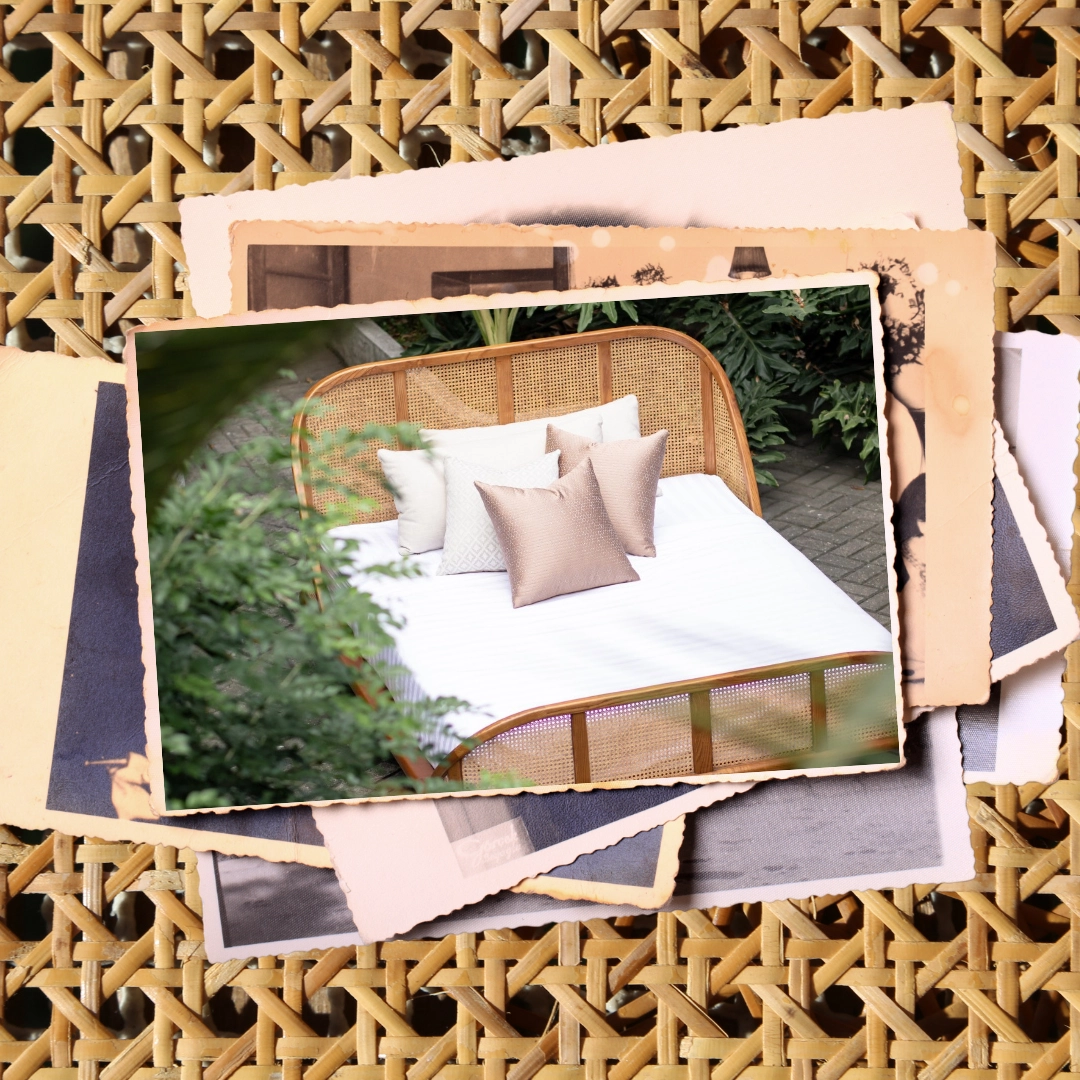
Aside from being a stylish detail in any furniture piece, the Philippines’ traditional solihiya weave also serves a practical purpose in the country’s sweltering tropical heat.
I never completely understood the appeal of solihiya furniture when I was growing up, likely because the few Art Deco heirloomHeirloomA valued object, such as jewelry, a watch, furniture, or textile, passed down through generations, carrying sentimental worth. Heirloom-quality pieces are made to last, and buyers increasingly choose timeless craftsmanshipGo to Heirloom Glossary pieces we had at home were always in the background, easy to take for granted. It wasn’t until later that I realized just how special the weave was, especially after seeing firsthand the time and care it took to repair our wooden chairs. International companies and manufacturers, like H&M, have subtly adapted it into the designs of their own products across fashion to furniture, though it rarely gets attributed to the arid archipelago from which it came from.
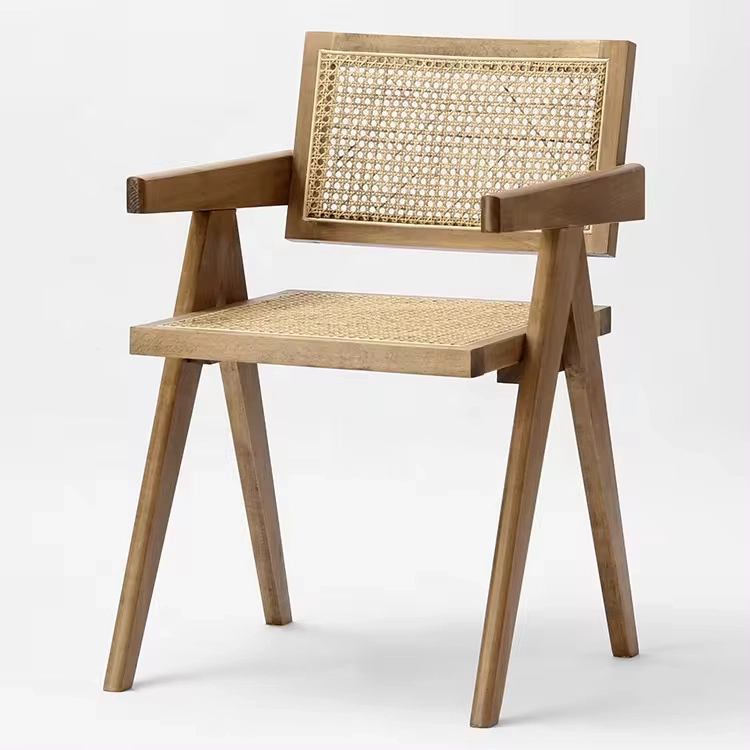
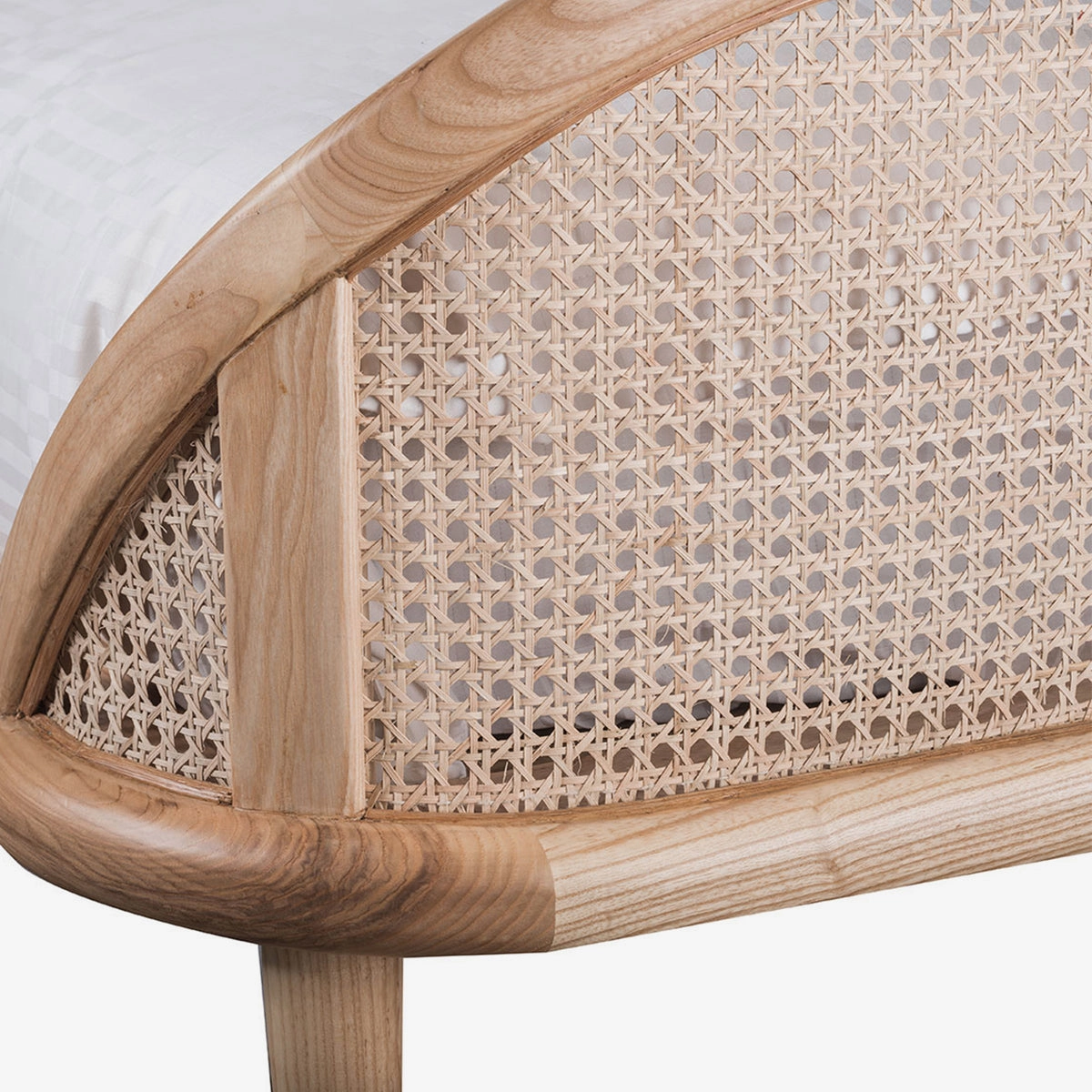
But the solihiya weave, with its recognizable little holes arranged in sunburst patterns of rattan, is ours—and we should be proud of it. Beyond aesthetics, it’s also a clever craft that’s built for the tropical climate, as utilitarian as it is pretty. While its popularity waned for some time, local furniture makers have continued to incorporate it into their designs (especially in recent years), a hopeful sign that there’s demand or interest despite the lasting power of sleek, minimalist furniture with less intricate features.
All this to say, we think the solihiya weave deserves more recognition. There’s a reason why traditional craftsmanship is unparalleled: not just because of the skilled people behind it, but also because these practices were made by Filipinos, for Filipinos.
READ ALSO: Twenty Third By Deanne: How A House Becomes A Home
The Brief History Of A Weave
The solihiya pattern became a staple in furniture making during the 19th century, when the Philippines was still under Spanish rule. Weaving, of course, was already a long held practice among indigenous tribes in the Philippines during the pre-colonial era, and rattan (locally known as yantok)—the name referring to multiple species of Old World climbing palms that grow wild in the deeper part of our forests—was already a ubiquitous, easily accessible material.
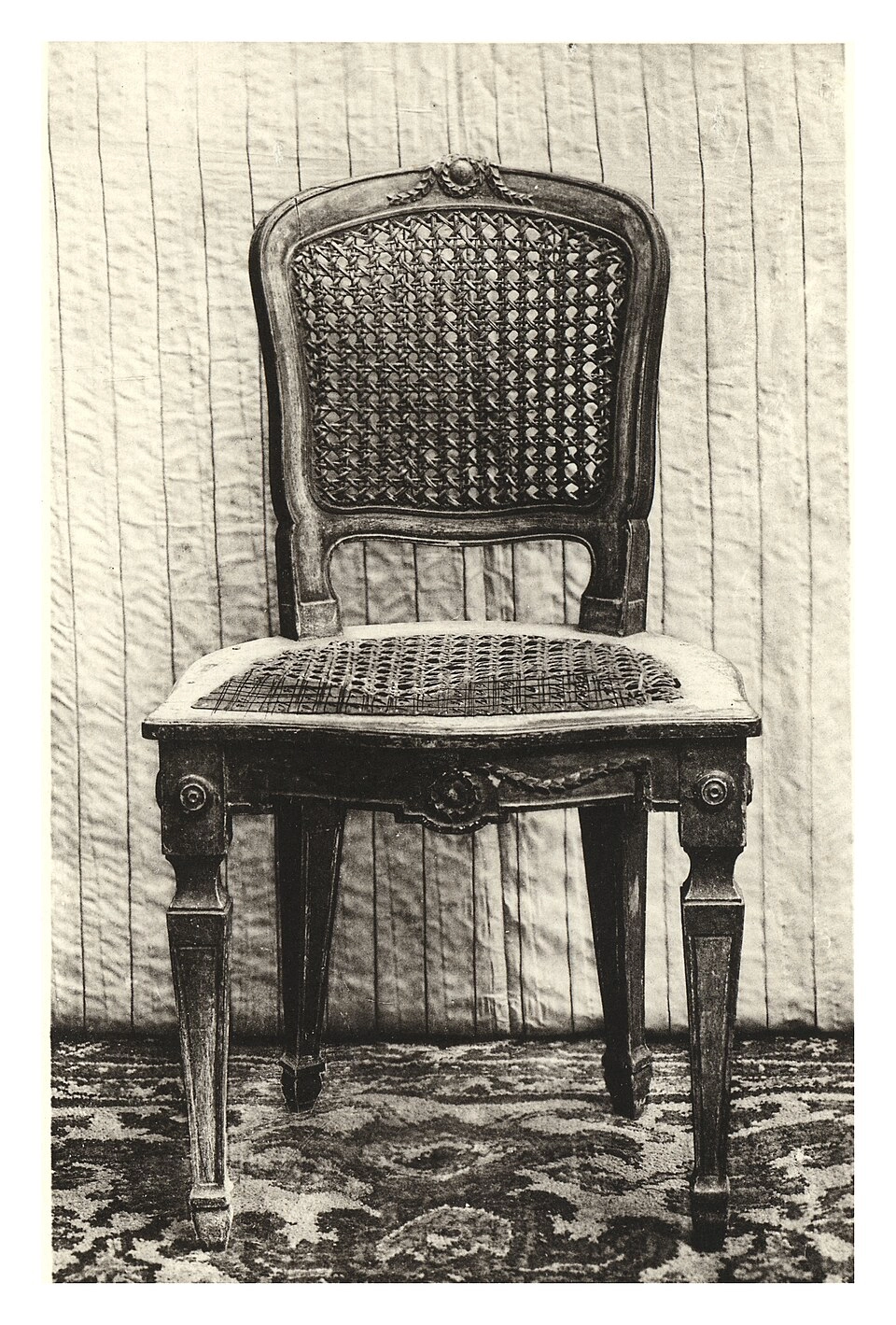
But it was during Spain’s rule that the term solihiya (or sulihiya) emerged, likely derived from the Spanish celosía, referring to the decorative window latticework it shares a close visual resemblance to. What came out of this was a hybrid craft that merged European design sensibilities with local weaving traditions and materials. The dried strips of rattan’s outer layers, once used mainly for baskets and wall panels, began appearing in seating that was better suited to a warm climate.
Why Solihiya Is An Answer To Our Tropical Heat
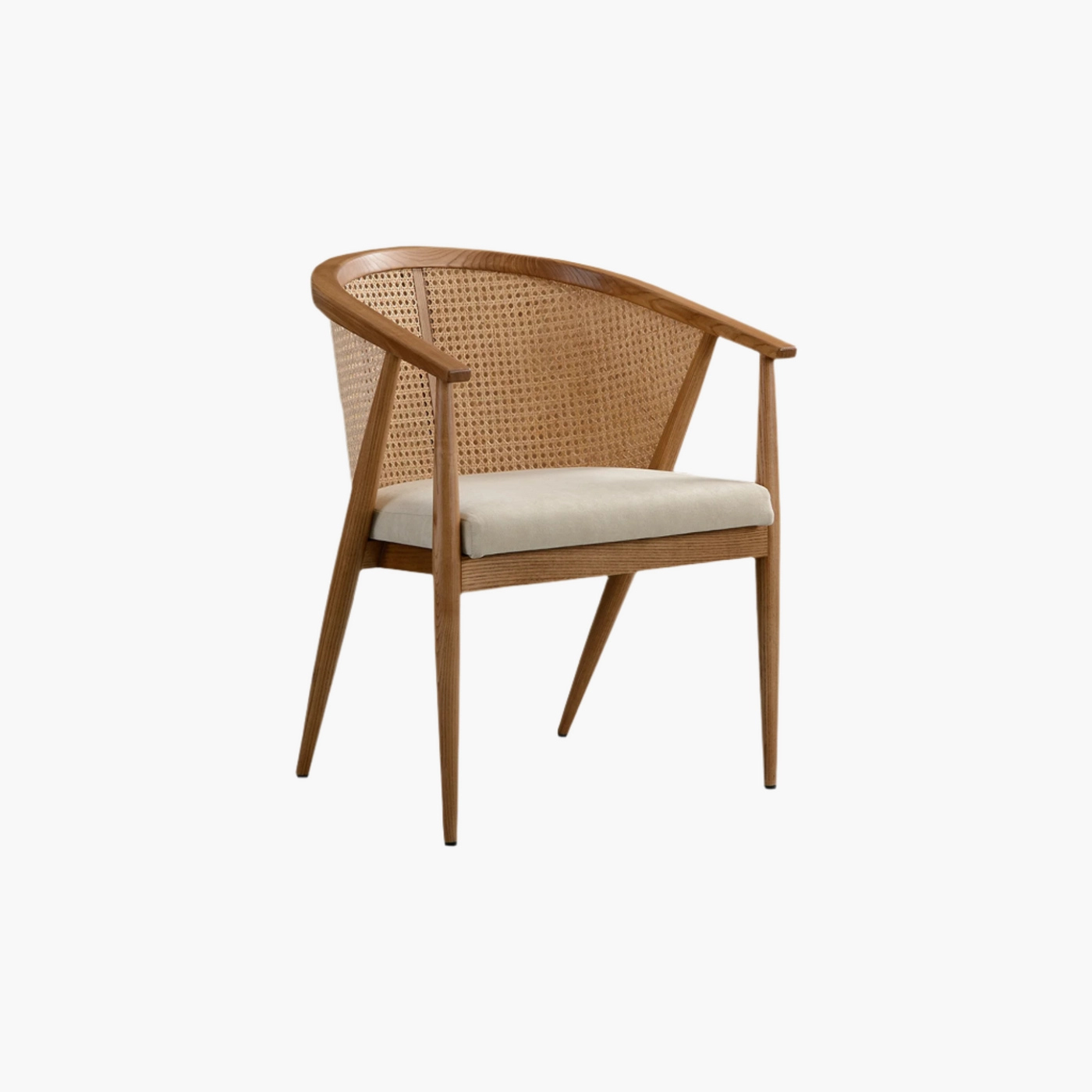
Thanks to the structure of its weave, solihiya is flexible and durable, able to withstand weight and pressure while offering a natural cushioning effect that’s great for everyday use. Its pattern also allows air to circulate freely, providing ventilation that leather or heavy fabric upholstery often cannot match, especially in the summer’s rising heat. The only caution is exposure to moisture, particularly rain in outdoor settings. But the dry, ceaseless heat of the summer won’t disturb it one bit.
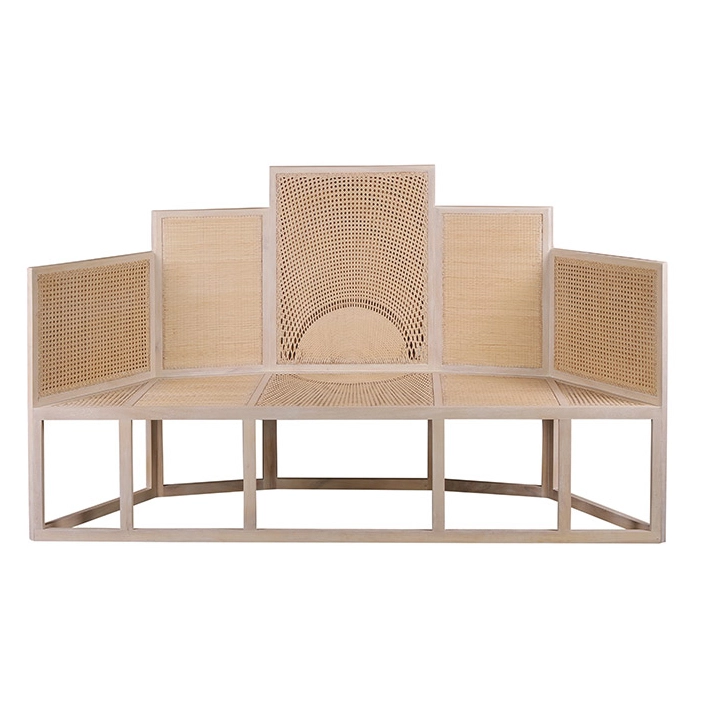
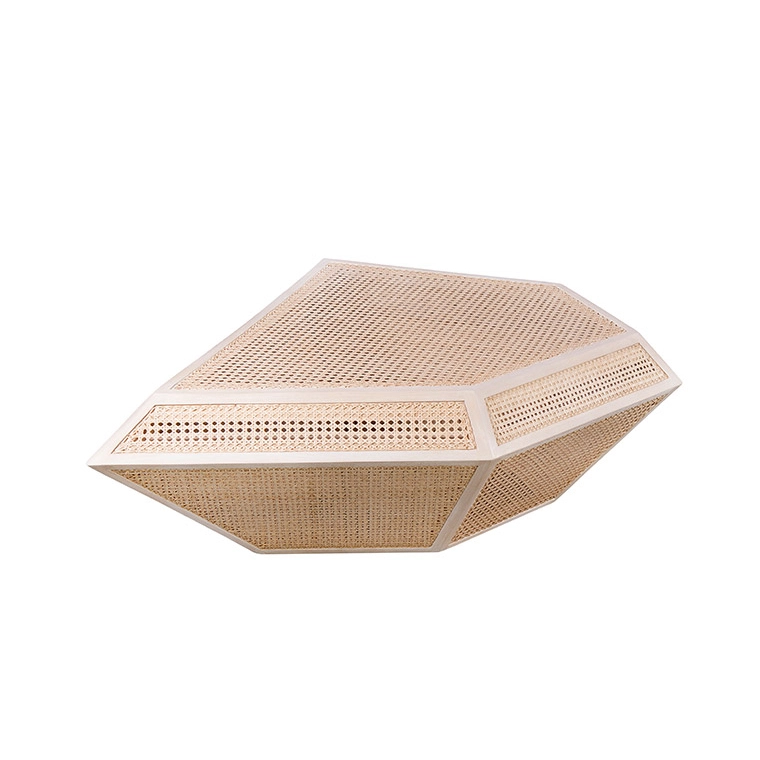
Granted, solihiya pieces do require upkeep, which may explain the shift toward more “convenient” materials. But in truth, most furniture requires proper maintenance to last. With good craftsmanship, a solihiya piece (new or repaired) can last you years, even decades.
The good news is that many modern furniture makers still use the weave in their designs, so it’s easier to connect to repair services and craftspeople. Even a simple online search will lead to upholstery shops that offer solihiya restoration. Overall, it’s hard to beat the aesthetic satisfaction of solihiya’s patterning. It’s versatile enough to look great in modern interiors and designs, but it still retains a sense of identity, grounding the contemporary in a tradition that feels timeless. More importantly, it’s a craft and visual language that finds its roots in home itself, which is what you want from anything you bring into your own space.
Frequently Asked Questions
Solihiya is a traditional Filipino weaving technique using rattan, known for its distinctive sunburst or open-grid patterns. It became widely used in furniture during the 19th century, blending local weaving traditions with Spanish design influences. Today, it remains valued for both its craftsmanship and its cultural significance as a practice shaped by Filipinos, for Filipino homes.
Solihiya’s open weave allows air to circulate freely, making it more breathable and comfortable than heavier materials like leather or thick fabric, especially in hot weather. Its structure is also flexible and durable, able to support weight while providing a natural cushioning effect, making it ideal for everyday use in warm environments.
With proper care, solihiya furniture can last for years, even decades. While it does require some upkeep—particularly avoiding exposure to moisture like rain—it remains a long-lasting option when crafted well. Many modern furniture makers still use solihiya, and repair services are widely available through upholstery shops and local craftspeople.
Solihiya is a traditional Filipino rattan weave characterized by its sunburst pattern of small holes. It became a furniture staple during the 19th century under Spanish rule, when European design sensibilities merged with local weaving traditions and indigenous rattan — a material Filipinos had been working with long before colonial times.
The open weave structure allows air to circulate freely, providing natural ventilation that leather or heavy fabric upholstery cannot match in tropical heat. It’s also flexible, durable, and able to withstand daily use — though it’s best kept away from prolonged moisture exposure.