The South Trading Post co-founder reflects on his journey from LA swap meets to Alabang, proving that the strongest communities are those built on genuine, organic connections.
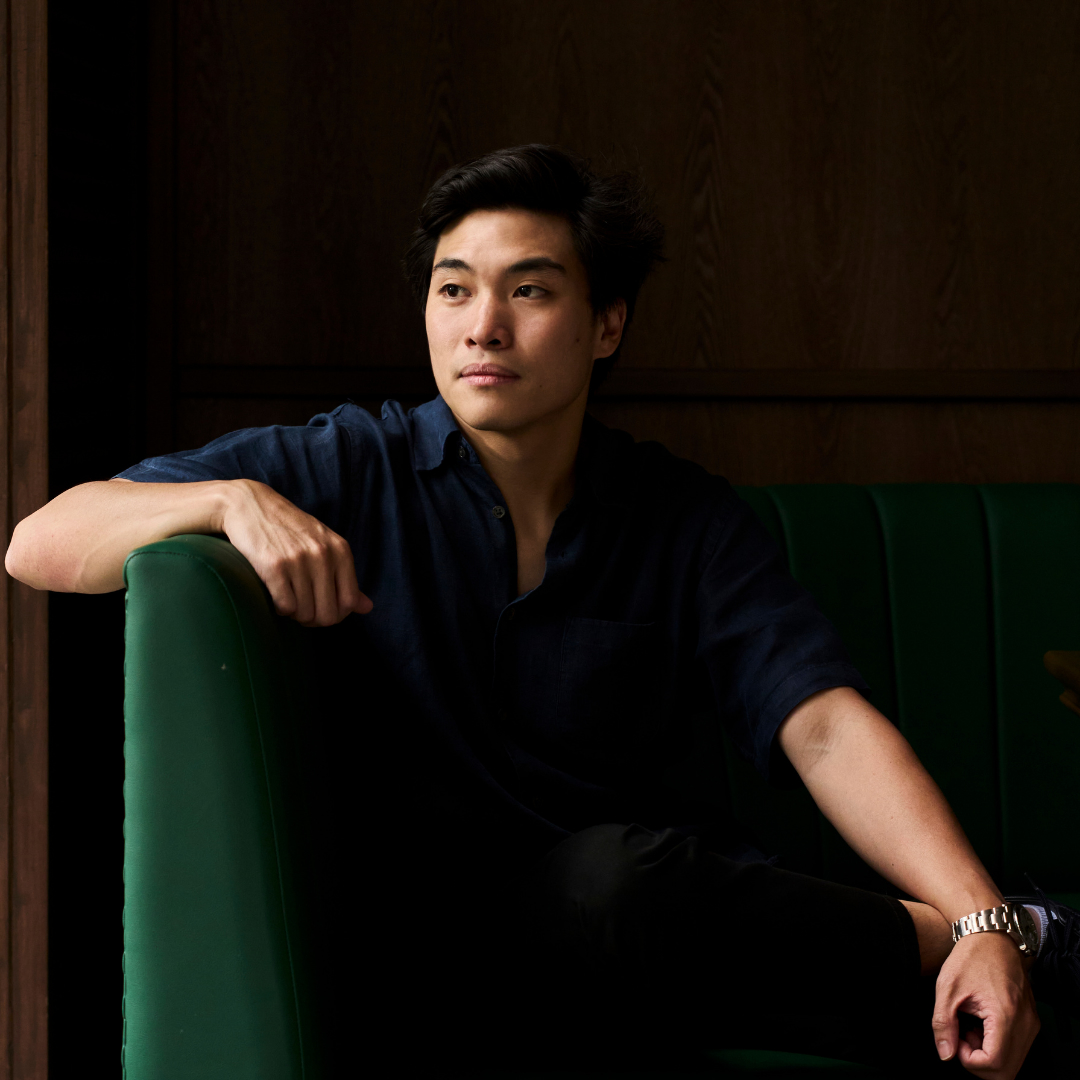
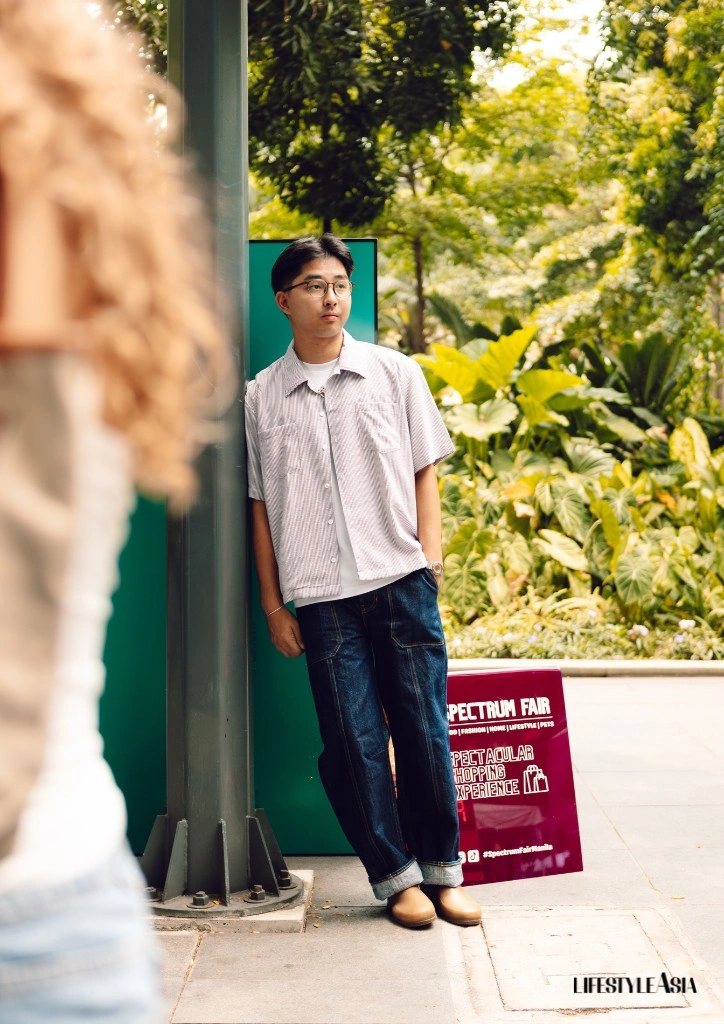
It’s just a regular Saturday morning, until it isn’t. I wake up, throw open the curtains, and let the sunlight spill in, pausing for a moment under its warmth. Saturdays are usually reserved for slow starts, but the magnetic pull of a good story has other plans for me. This time, it leads me to Justin Francisco, whose work transforms nostalgia into a living, breathing community.
After a short car ride, I find myself leaving BGC and heading into another urban jungle: Paseo de Roxas, Makati. The taxi drops me off at a spot near Ayala Triangle Gardens, and I can already hear the low thrum of vibe-y music in the distance—a telltale sign I’m close to my destination. I walk a little further and find the South Trading Post flea market in full swing. I send Justin a quick message and step into a Saturday shaped not by routine, but discovery.
As I move through the crowd—people scanning racks for their next thrifted gem or lining up for niche matcha blends you can only find in spaces like this—I feel a strange but familiar sense of ease. It isn’t about the shopping (though that’s definitely fun). There’s an unspoken rhythm to it all, a shared understanding among strangers gathered on a closed-off street on a Saturday morning. Community, more than commerce, seems to be the real draw.
To dive deeper into this growing phenomenon, Lifestyle Asia sits down with Justin, co-founder of South Trading Post, to understand how something rooted in the joys of the past has evolved into a space people return to, time and again.
READ ALSO: Wild Exposure: Gab Mejia On Art, Conservation, And The World Worth Protecting
Step 1: Creating A Third Space
“We launched South Trading Post because we noticed a missing link between small businesses that offer one-of-a-kind finds and their audiences,” says Justin. But before South Trading Post became what it is today, the whole concept spent its early years in his online vintage shop, Wayback Vintage, which was inspired by his childhood abroad.
“My inspiration for South Trading Post stems from my experience growing up in Los Angeles, where I spent my weekends exploring neighborhood swap meets and flea markets,” he explains.
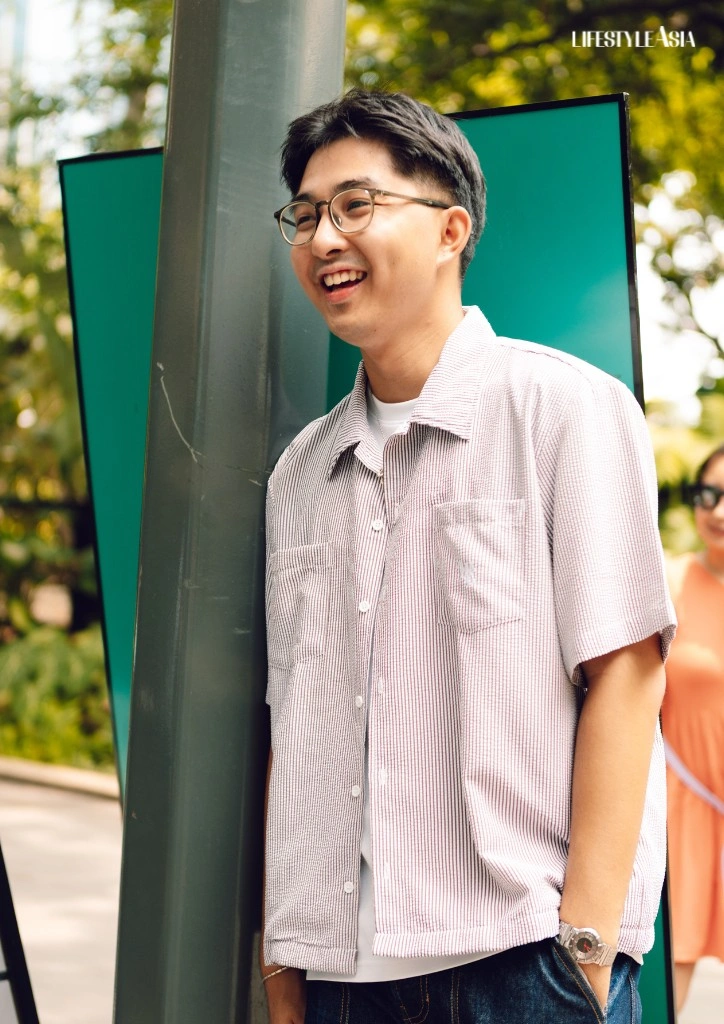
When he was running his online business, he met his co-founder, John Reyes. Together, they navigated the online landscape; however, it quickly dawned on them that they both loved the physical, communal energy of a real marketplace. From there, Justin and John looked at the local scene in Alabang—a place dear to their hearts. They noticed a particular gap in regard to the lack in weekend activities that brought people out of their homes, something that would foster genuine connection within the community.
At this point, Justin and John were joined by Dime Ocampo during the planning process. With their collective vision, the trio set out to build a community-driven event in their area. They built a third space where cultureCultureshared traditions, beliefs, values, customs, arts, and social practices that define the identity and way of life of a community, society, or nation.Go to Culture Glossary and business could meet outside the mall settings most people are used to. “South Trading Post was our answer to that need, created to give the South a weekend of its own and a place for everyone to truly connect,” Justin shares. “We began by organizing intimate flea markets in Alabang to help bridge that gap, and the response was immediate.”
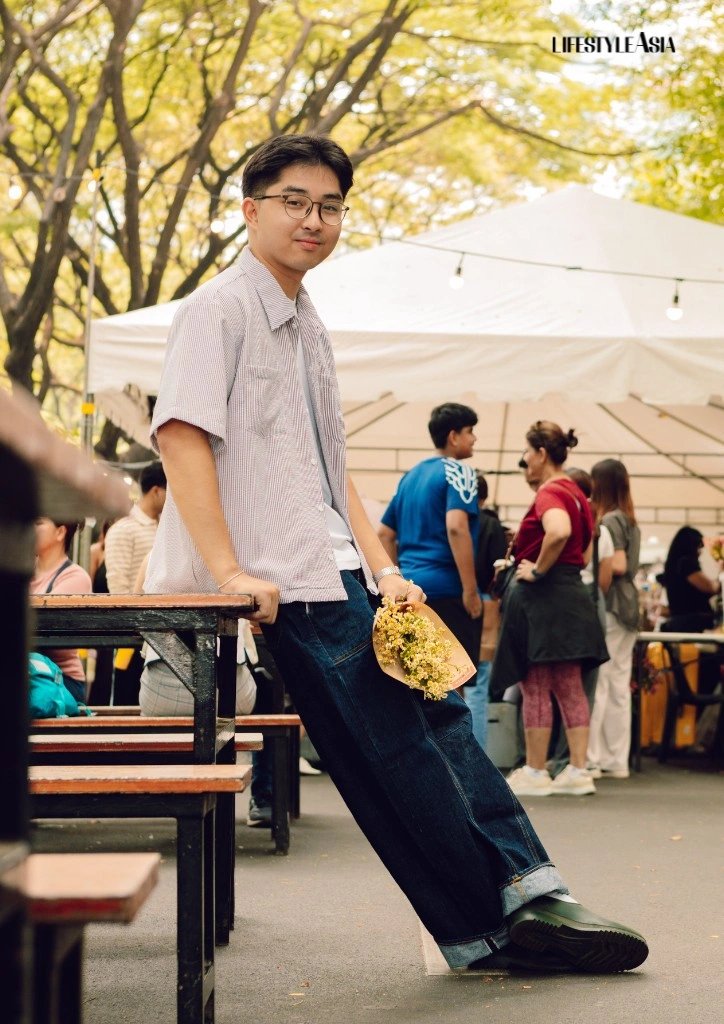
South Trading Post—which its organizers, collaborators, and loyal patrons affectionately refer to as “STP”—has since assumed the role of “third space” for many. The event continues to bring its community together, even when it moves from location to location. “The cultureCultureshared traditions, beliefs, values, customs, arts, and social practices that define the identity and way of life of a community, society, or nation.Go to Culture Glossary we have built is permanent,” Justin says.
Step 2: Cultivating A Collective
The community STP built came as a surprise to Justin and his co-founders. Originally, they just really wanted to build a marketplace. “I have learned that the strongest communities are often the ones born without the forced intention of creating one,” Justin says.
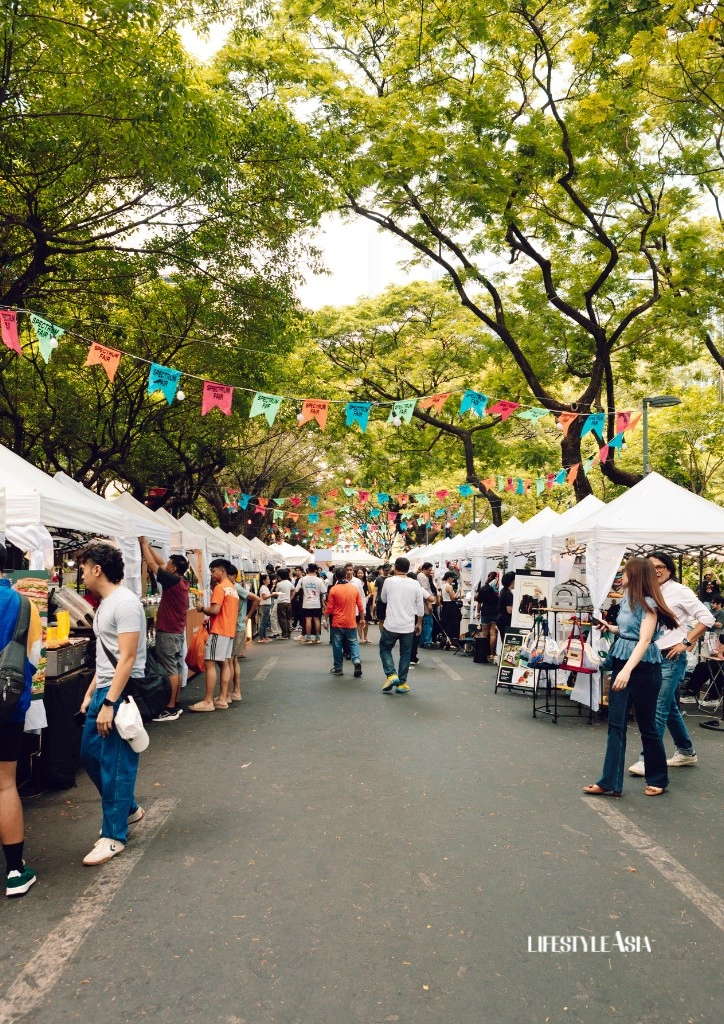
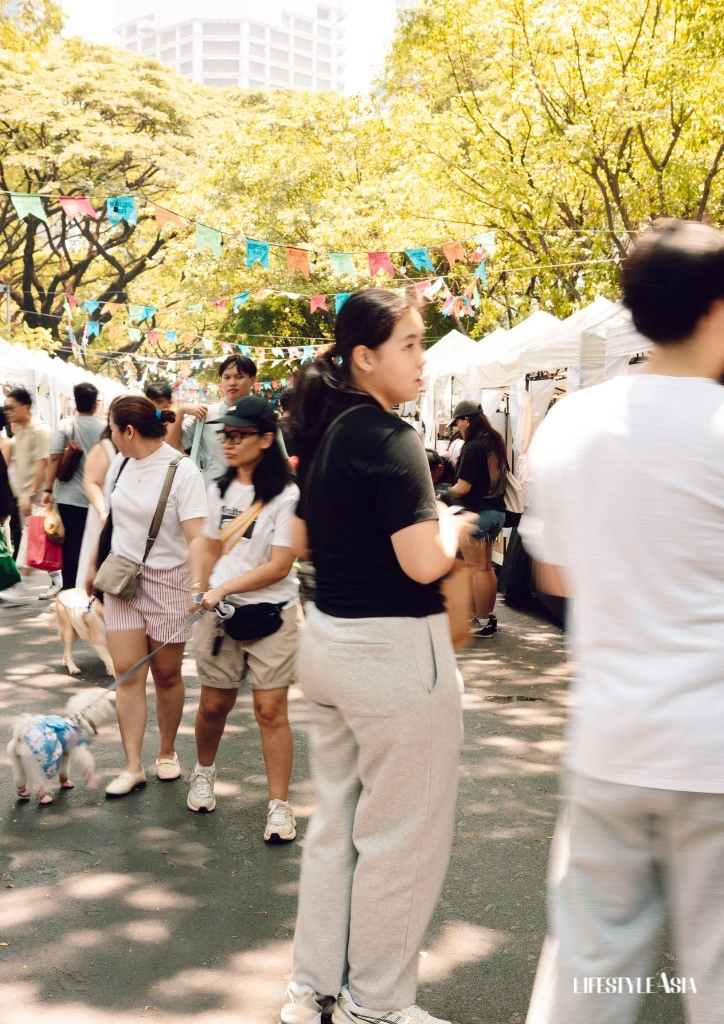
During one of their flea markets, Justin noticed a positive shift. “Visitors weren’t just coming to shop and leave; they were staying for hours just to hang out and connect,” he recalls. It was more than just sales and the number of attendees; as groups of friends decided to make STP pop-ups the main hangout plan for the weekend, Justine realized they were building something that wasn’t solely a flea market.
The idea that his team was forming a community beyond the market solidified when he observed the merchants’ behavior. “We started seeing them arrive early to help each other set up their booths, and that spirit of support began to extend even outside of STP,” Justin expounds. Furthermore, he mentions that merchants from the flea market pop-ups started collaborating and showing up for one another, even outside scheduled STP dates. “You know you have built something real,” he adds.
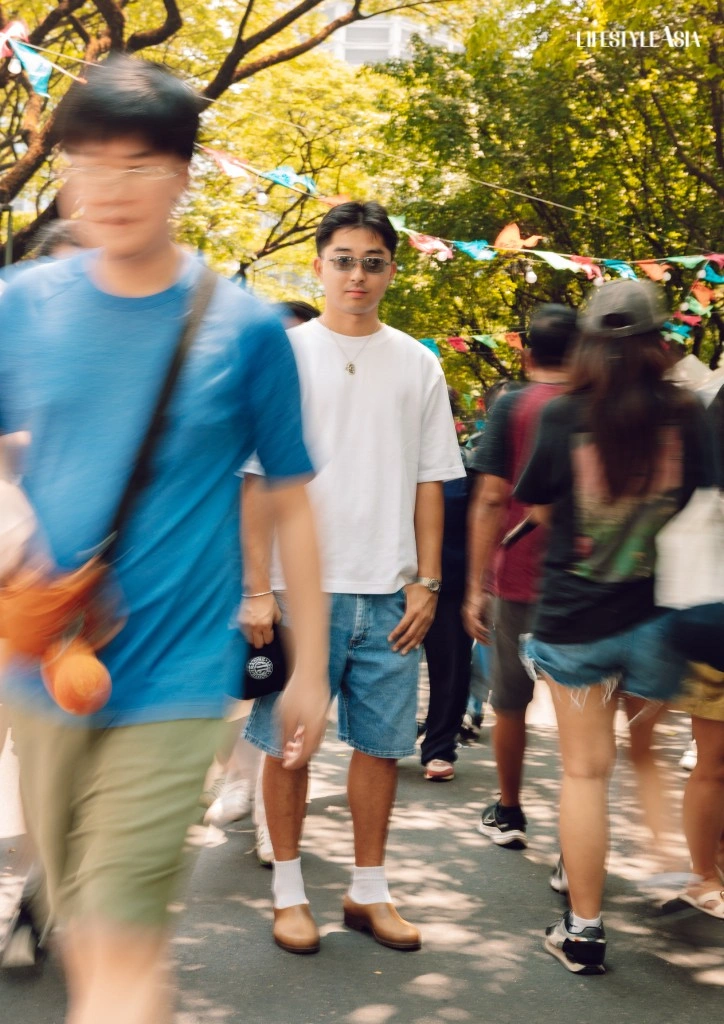
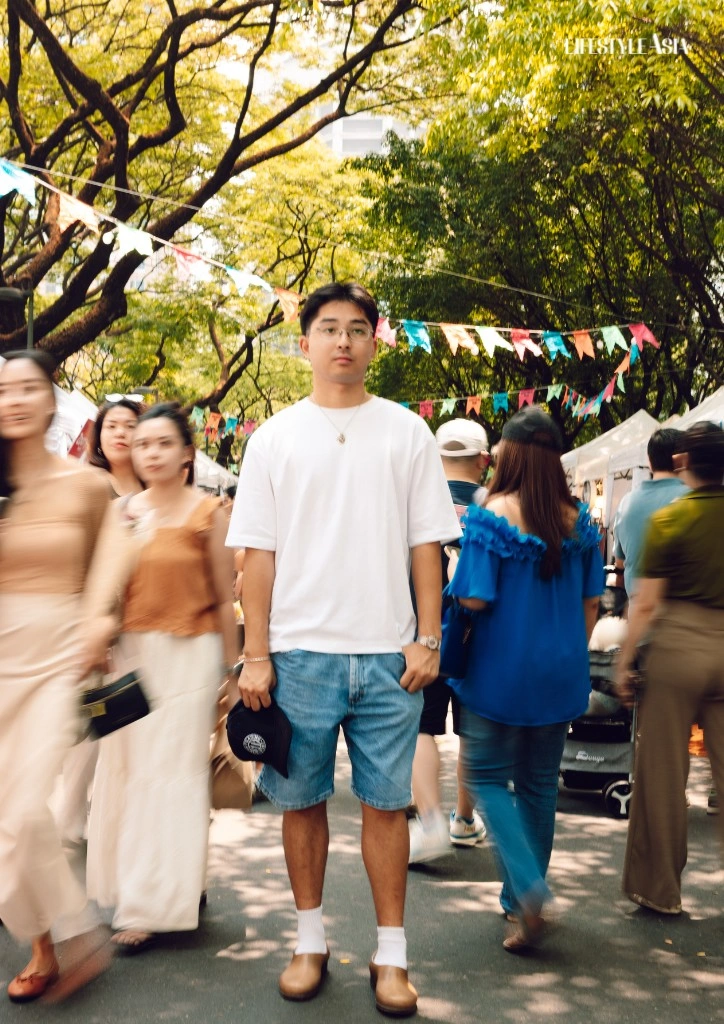
The STP community proves that Justin and his team have created a movement. “The most defining moments for me […] were during some of the unfortunate recent typhoons. We saw our community use STP as a hub to drop off and donate relief goods,” he recalls. “When people choose your platform as a place to help others during a crisis, it is a clear sign that you have built something far deeper than just a marketplace.”
Step 3: Lessons From The Business Of Flea Markets
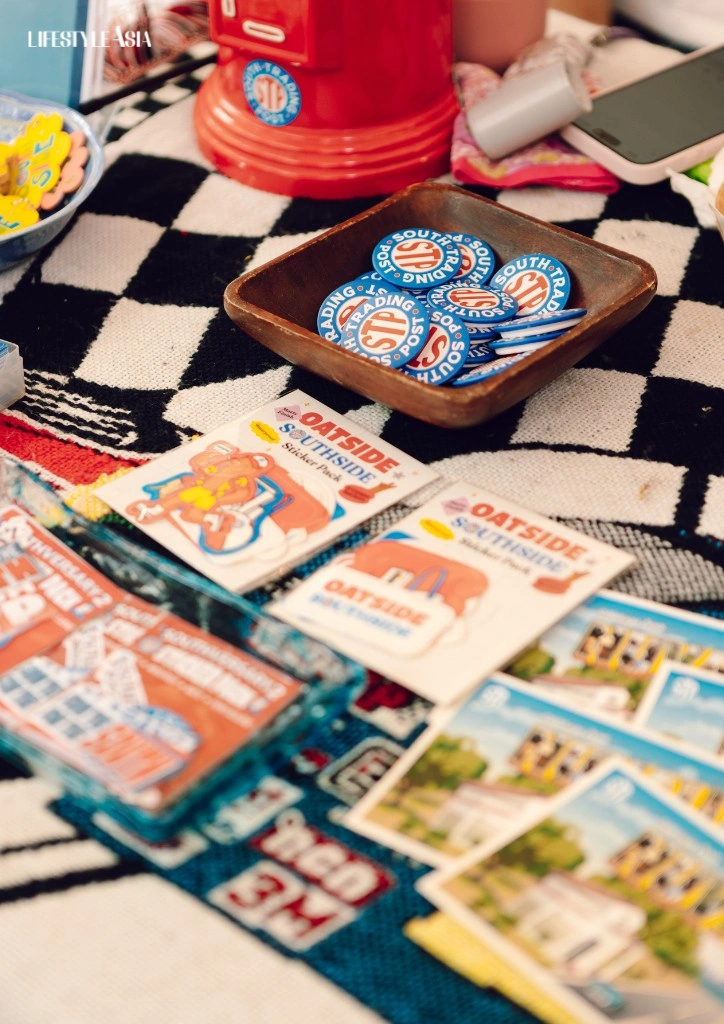
Besides its attendees, a flea market wouldn’t be a market without its vendors. Curating the right mix is central to why Justin and his team have been able to build something that feels like an actual community, rather than a commercial space. “Our philosophy on curation is quite simple: we look for brands that make us want to reach for our own wallets,” he explains.
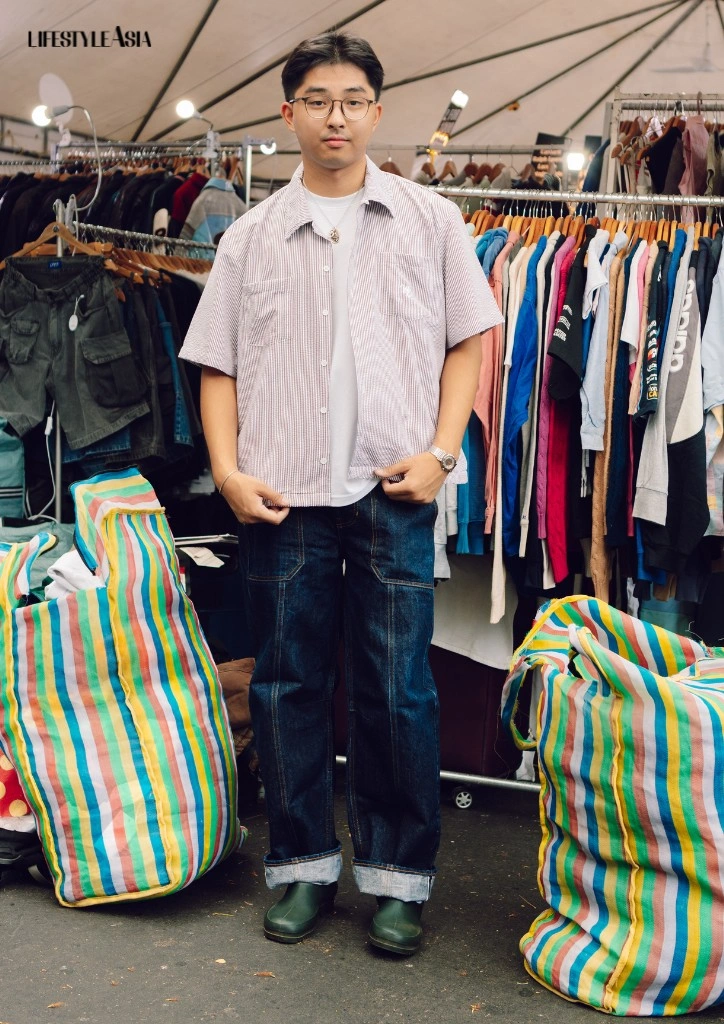
Like many young founders, Justin began with instinct, using gut feeling to identify brands with strong intention and a clear point of view. But as STP grew, that instinct evolved into a more deliberate process. They began prioritizing merchants who treat their booths as experiences in themselves and are willing to actively engage with the STP community. “By doing this, we ensure that every event remains a curated destination where you can always find something you didn’t know you needed, but can’t leave without,” Justin further explains.
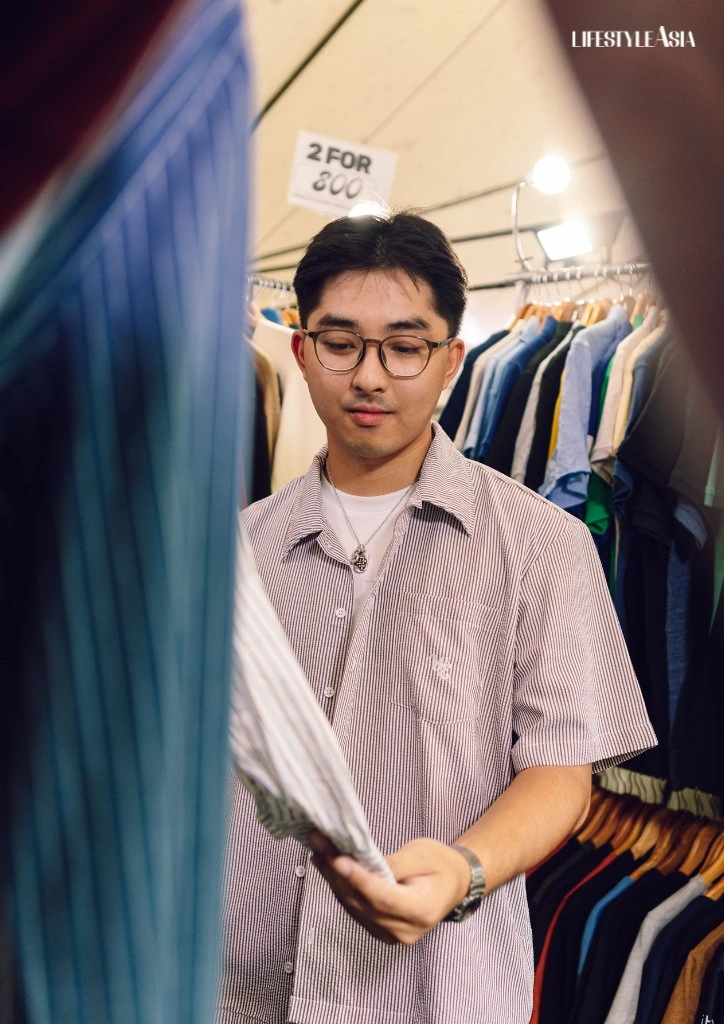
On the other side of curation lies the less visible, more complex task of building a market: the constant balancing act between logistics, creativity, and people. For Justin, one of the most unexpected lessons came from realizing that community isn’t something you can manufacture. “One of the most unexpected lessons I have learned is that you cannot force a community into existence,” he shares. When STP started, the team was mostly focused on the logistical parts, before recognizing that the best communities are born organically, within a safe and consistent space for growth.
“Watching our merchants move from being neighbors to genuine friends who help each other with setups was a major lightbulb moment. My job is not just to manage an event; it is to protect a culture and community,” Justin expounds.
That shift in perspective also brought clarity to another, equally important lesson: knowing when to say no. “In the beginning, the temptation is to say ‘yes’ to every brand or location to gain momentum was strong,” Justin explains.
Over time, he realized his role as a co-founder was just as much about discernment as it was about opportunity. His role entails acting as a filter for what STP chooses to bring into its spaces. “Protecting the STP brand often means turning down lucrative opportunities that do not align with our vision,” he adds.
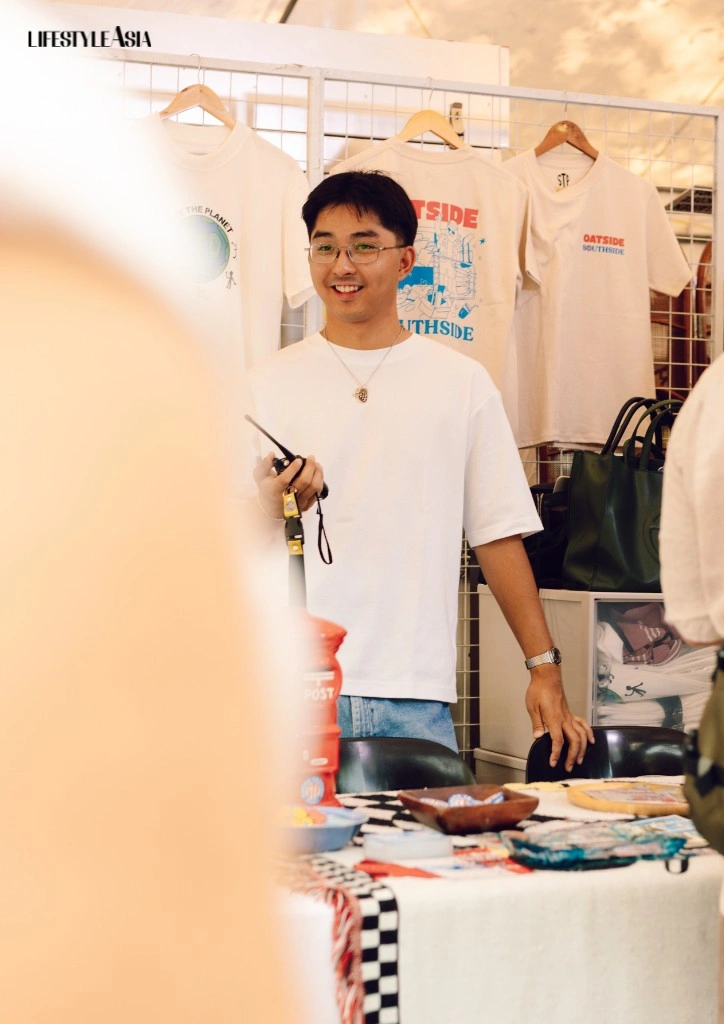
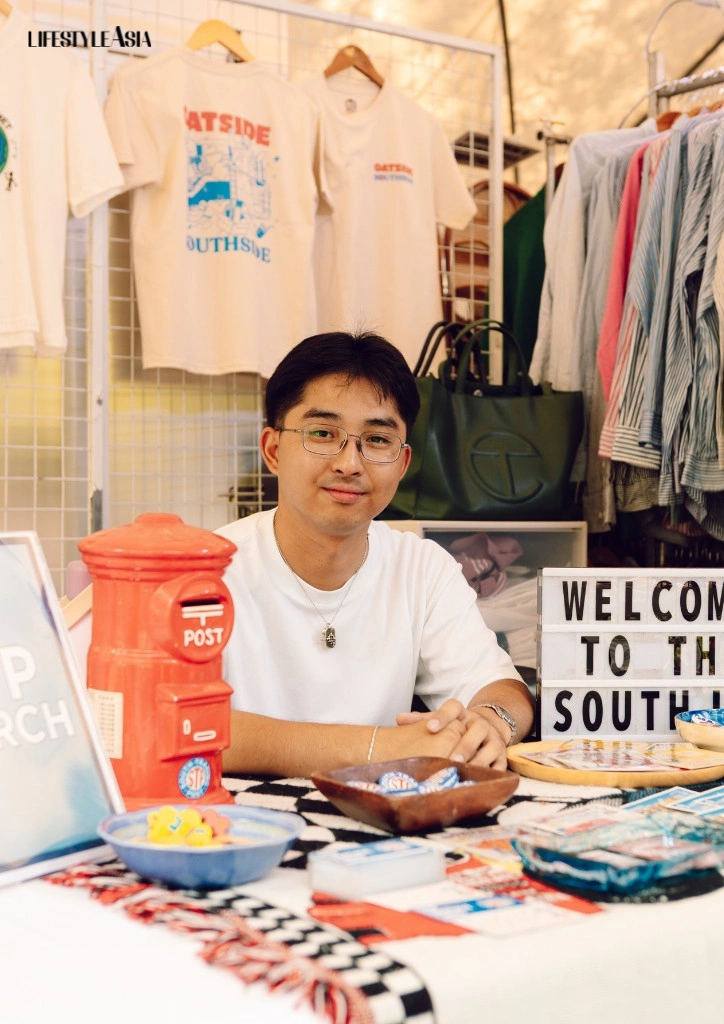
In that process, growth took on a different meaning. For Justin, it was no longer about expansion or scale, but intention—refining instead of multiplying. Ultimately, growth was more about becoming better with every pop-up while staying rooted in what makes STP what it is.
These realizations reframed the role itself. “A friend recently described me as a community builder, and that really stuck with me,” Justin says. “I realized that my real work isn’t just in marketing or logistics. It is in creating the environment where those connections can happen in the first place.”
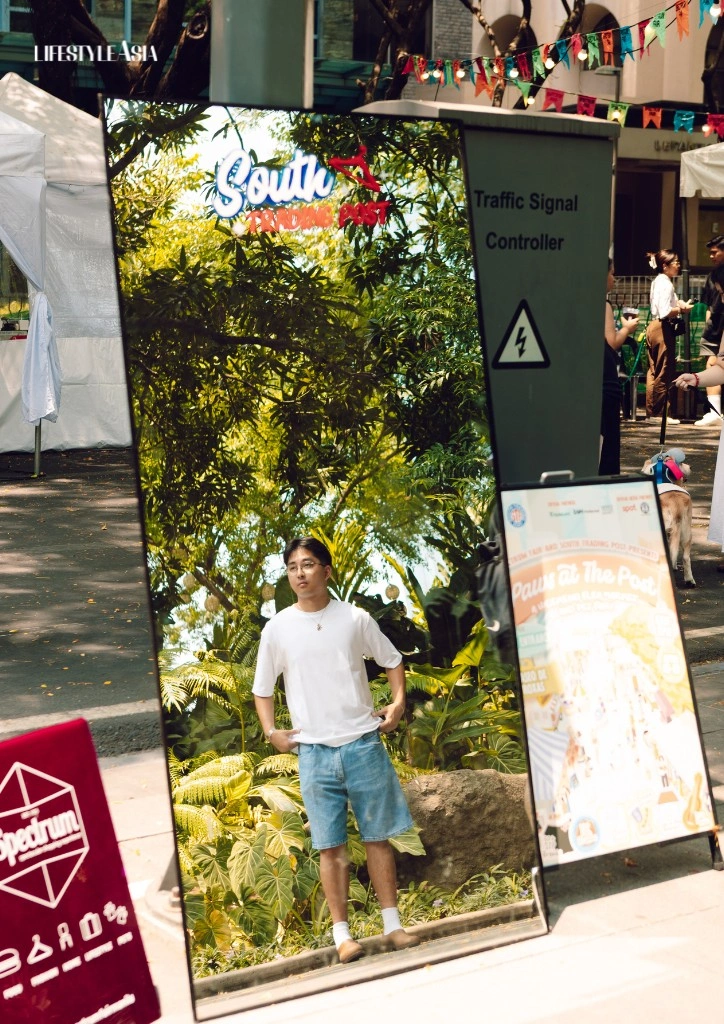
Step 4: Shaping The Local Scene
For those discovering Justin and STP for the first time, the journey has always been as personal as it is communal. What began as a simple idea has since evolved into something far more layered, an amalgamation of people, energy, and the momentum of consistency. “The most rewarding part of this journey has been watching our brands thrive on our platform and seeing our Southies show up with the same energy every time we pop up,” Justin shares.
STP has outgrown the idea of being just an event. It has become something more longstanding, a pillar that exists in ways that transcend a physical event. “We are no longer just an event; we are a true community. While our setups may come down at the end of each event, the connections and the culture we are building together continue to grow,” explains the co-founder.
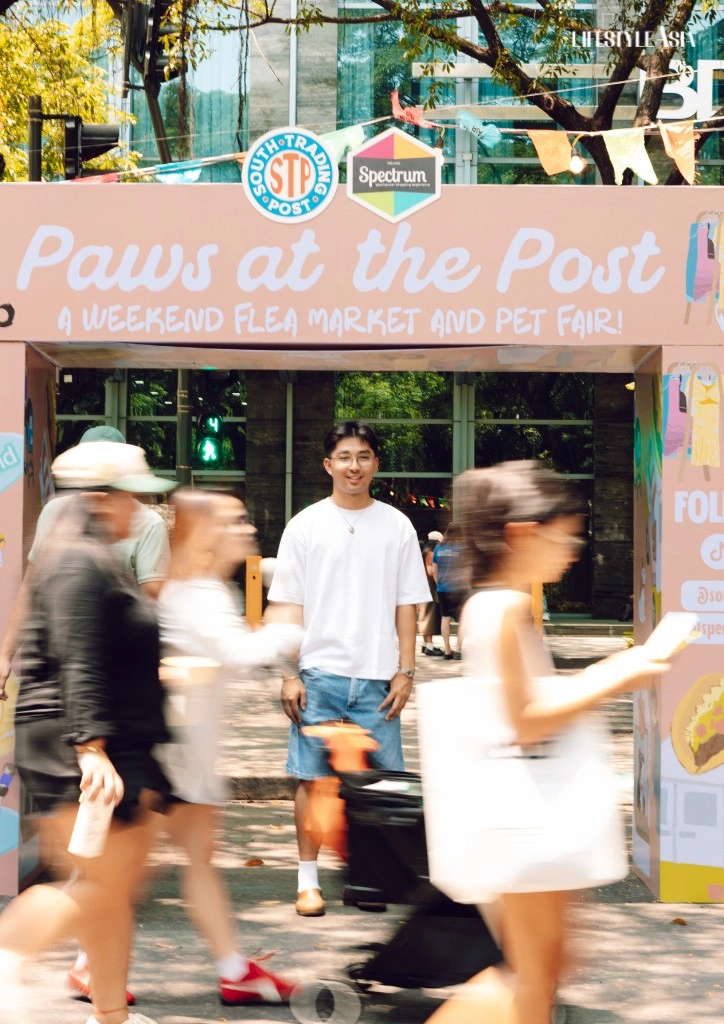
Looking ahead, Justin’s vision stretches past the flea market format altogether. He hopes STP will develop into a full lifestyle ecosystem. “I want us to continue shaping the scene by acting as a creative incubator where brands do not just sell but actually grow and collaborate,” he shares. This evolution is already finding its footing through parallel platforms like Lots of Local and South Sunday Market, where different kinds of makers are given space to exist, experiment, and intersect.
The market finds its strength in its flexible, dynamic nature. Justin adds: “One of the most frequent questions we get is where people can find us between market dates. Up until now, our answer has always been ‘see you at the next pop-up.’ We hope we can change that answer soon with a new project of ours.”
In that pause between pop-ups, something larger continues to take form: an expanding cultureCultureshared traditions, beliefs, values, customs, arts, and social practices that define the identity and way of life of a community, society, or nation.Go to Culture Glossary that changes how we view community and the spaces we create for one another.
Photography by Excel Panlaque of KLIQ, INC.
Frequently Asked Questions
South Trading Post (STP) is a community-driven flea market platform that brings together independent brands, creatives, and entrepreneurs in curated pop-up spaces designed to foster connection beyond commerce.
Justin Francisco is the co-founder of South Trading Post, a Manila-based initiative that has grown from intimate flea markets into a thriving creative and entrepreneurial community.
STP began in Alabang and has since expanded to various locations across Metro Manila, including Makati, hosting pop-ups in open, accessible spaces that encourage community interaction.
South Trading Post was founded to bridge the gap between unique small businesses and local audiences. It establishes physical, communal spaces for genuine human interaction outside commercial malls.
The future vision for South Trading Post is evolving into a full lifestyle ecosystem. It aims to function as a creative incubator where local brands grow and collaborate.