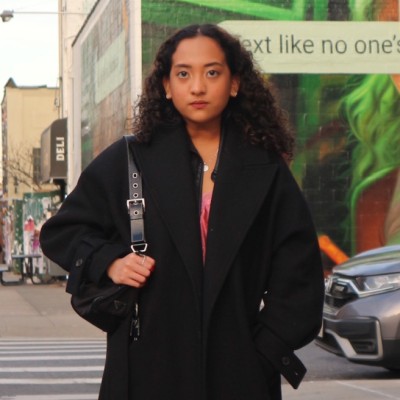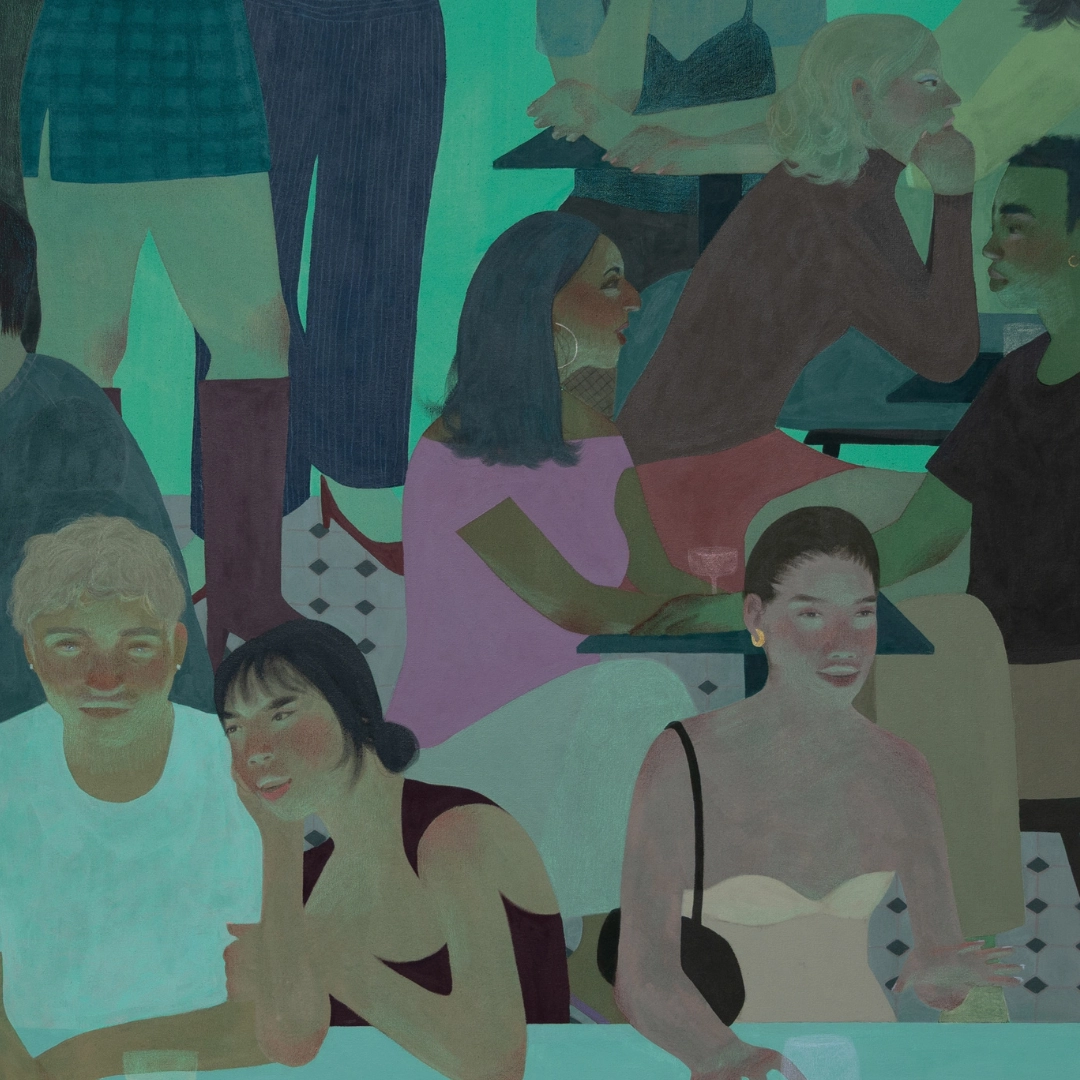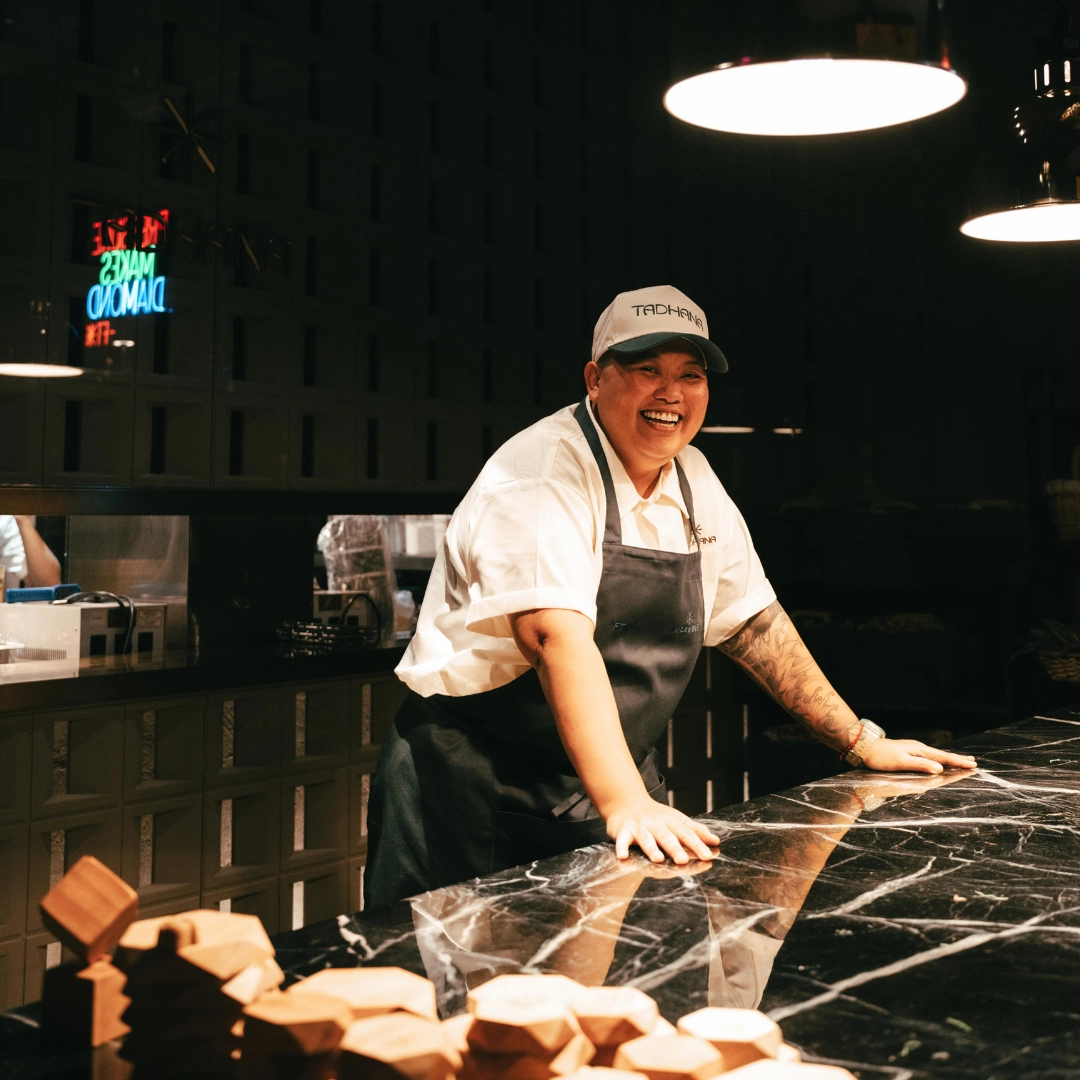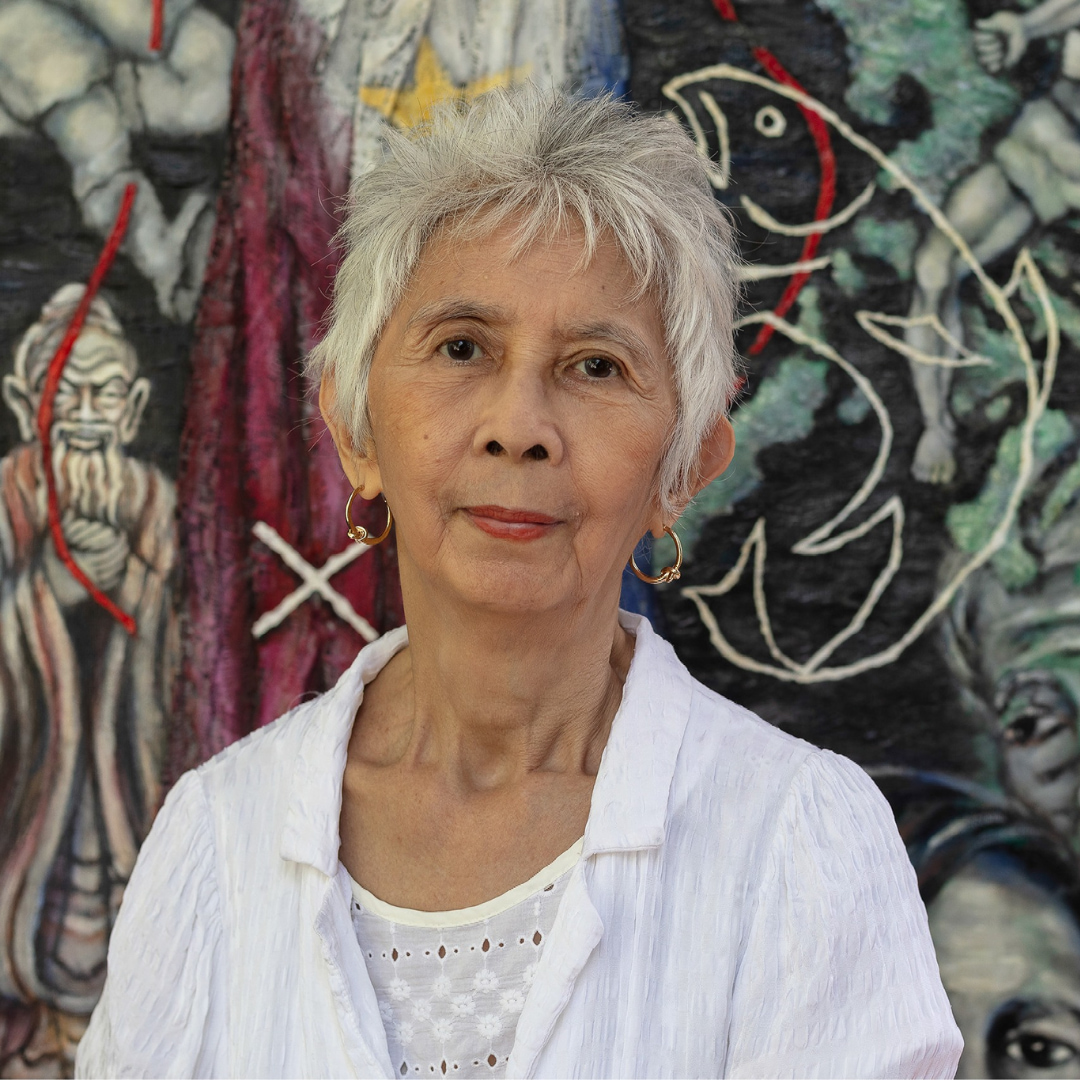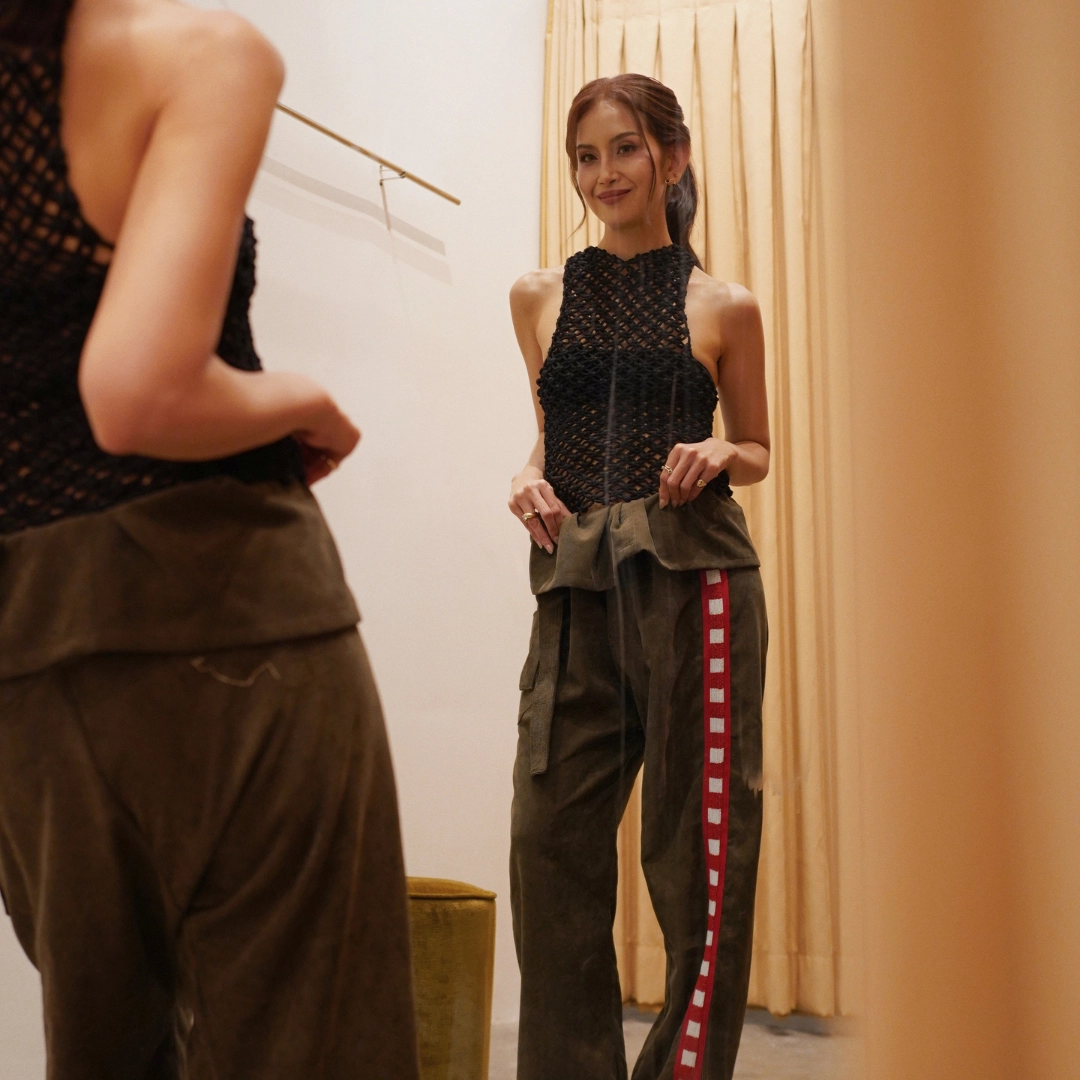
For Qurio founder Shar Cabigas, curating brands starts with the same instinct that makes a traveler stop in their tracks.
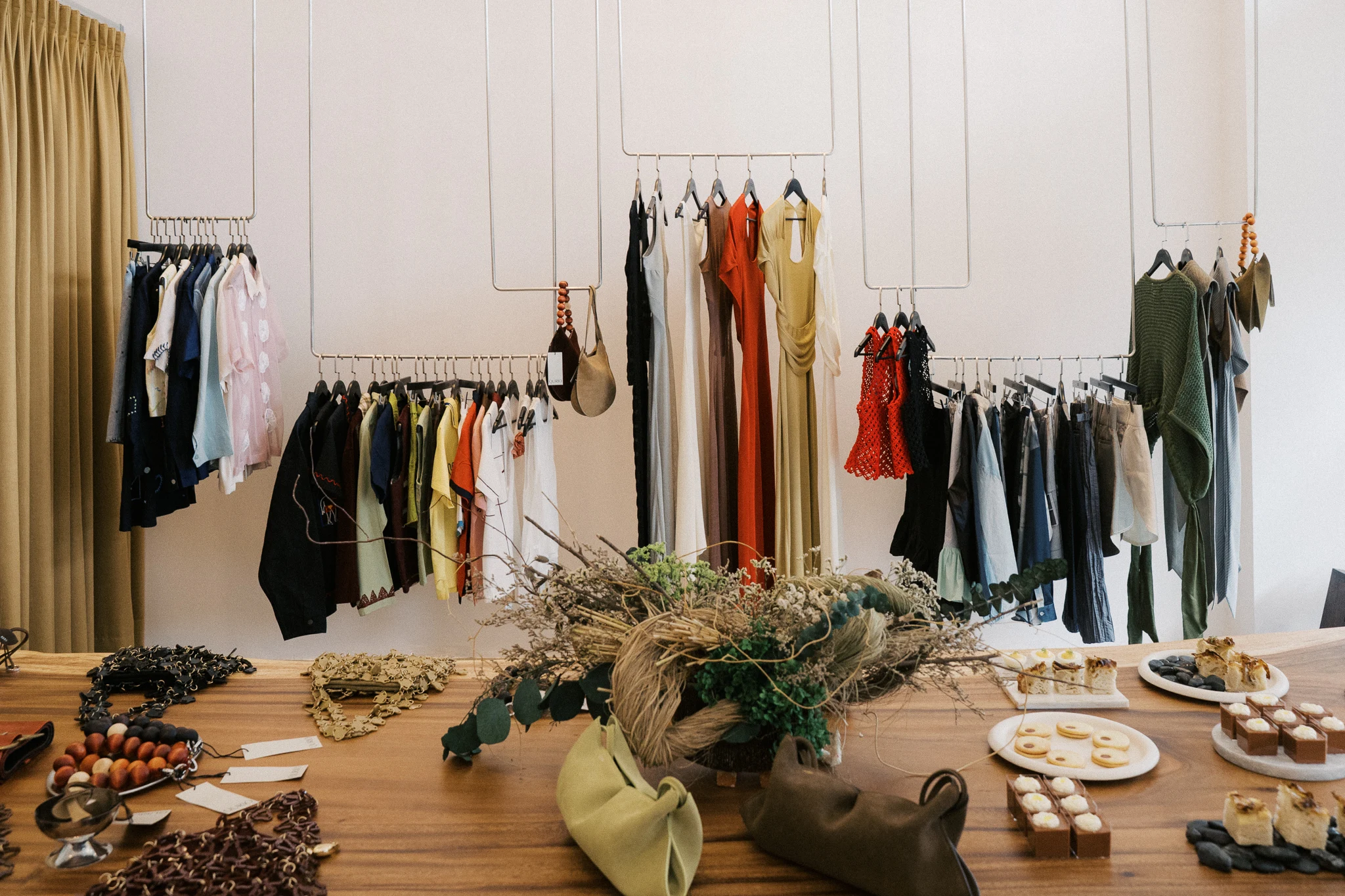
Shar Cabigas built a habit before she built a business. On trips through Tokyo, Bangkok, Jaipur, and beyond, she kept noticing pieces that stopped her mid-step, and she kept wishing her friends back in Manila could see them, too. That habit eventually transformed into Qurio, Makati’s multi-brand store at One Rockwell in Makati that gathers clothing, footwear, and accessories from about 20 independent labels across Asia.
Shar already knew how to build a brand from scratch. Years earlier, she and her husband Aaron started Suki Jewelry to close a gap they saw in the market, pairing solid gold with prices that didn’t punish a customer for wanting something real. Qurio grew out of a different instinct. This time, the premise was all about sharing a discovery, something you’d want to keep for yourself and hand to everyone you know at the same time.
In this exclusive interview, Lifestyle Asia spoke with Shar about the instincts that guide her while curating brands from abroad, the details that make a designer worth remembering, and how she carries her own sense of style through the demands of running a business and raising two young sons.
READ ALSO: Qurio Is Manila’s New Destination For Global Design
What made you want to start Qurio in the first place?
Shar: When you’re traveling, have you ever discovered a piece or brand you couldn’t get enough of and thought, “I wish we had this in Manila”? Part of you wants to gatekeep it, but another part wants to share the discovery. Qurio is essentially that. We wanted to give independent Asian brands we genuinely love a home in Manila and create a space where others could experience the same excitement of discovering something new.
You’ve discovered so many designers through your travels. When did you realize you wanted to bring those discoveries back to Manila?
Shar: There wasn’t one defining moment. It happened gradually, every time we encountered a brand that made us stop and think, “People back home would love this.” We curate by chance and by choice. Some brands found us unexpectedly, like HOSU in Nakameguro, Tokyo; while others are ones we’ve known and loved for years, such as Pipatchara from Bangkok and Harago from Jaipur.
Eventually, we realized we didn’t want to keep these discoveries to ourselves. We wanted people in Manila to experience the same excitement of finding something they might not have come across otherwise.
When you come across a new brand, what makes you want to know more about it?
Shar: A distinct point of view always makes us curious. We’re drawn to brands that know who they are and create with intention. What ties the brands at Qurio together is a shared set of values, an interesting story, and, of course, great quality. We want to understand where the ideas came from, how the pieces were made, and what the designer is trying to express.
What usually catches your eye first when you’re looking at a new designer’s work?
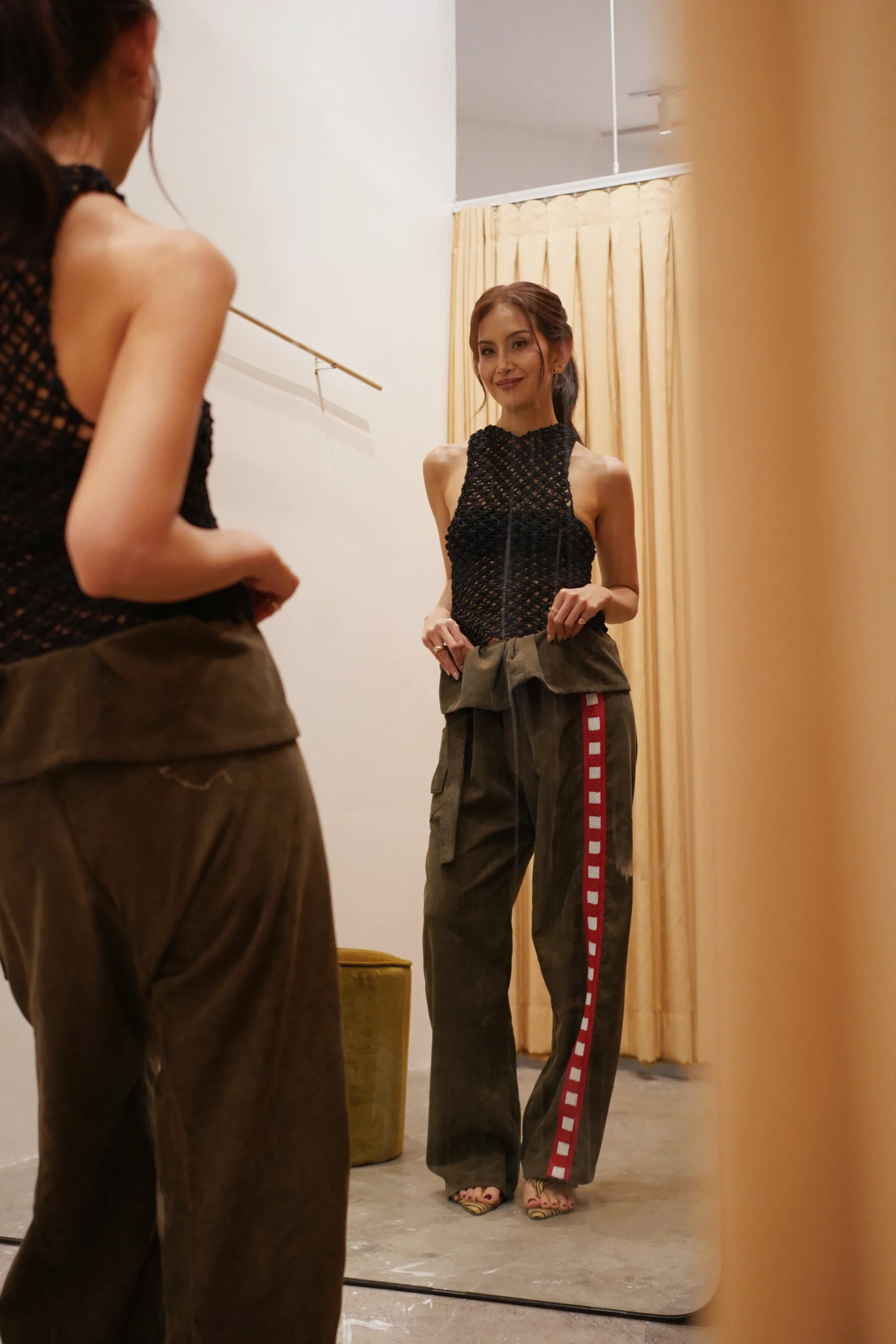
Shar: Usually, it’s something unexpected. It doesn’t have to be loud. It can be a subtle shift in proportion, an exposed seam, an unusual texture, or a familiar piece reimagined in a new way. The pieces we remember are the ones that make us stop, look twice, and feel something before we can fully explain why.
How do you build a cohesive selection when the brands come from such different cities and design cultures?
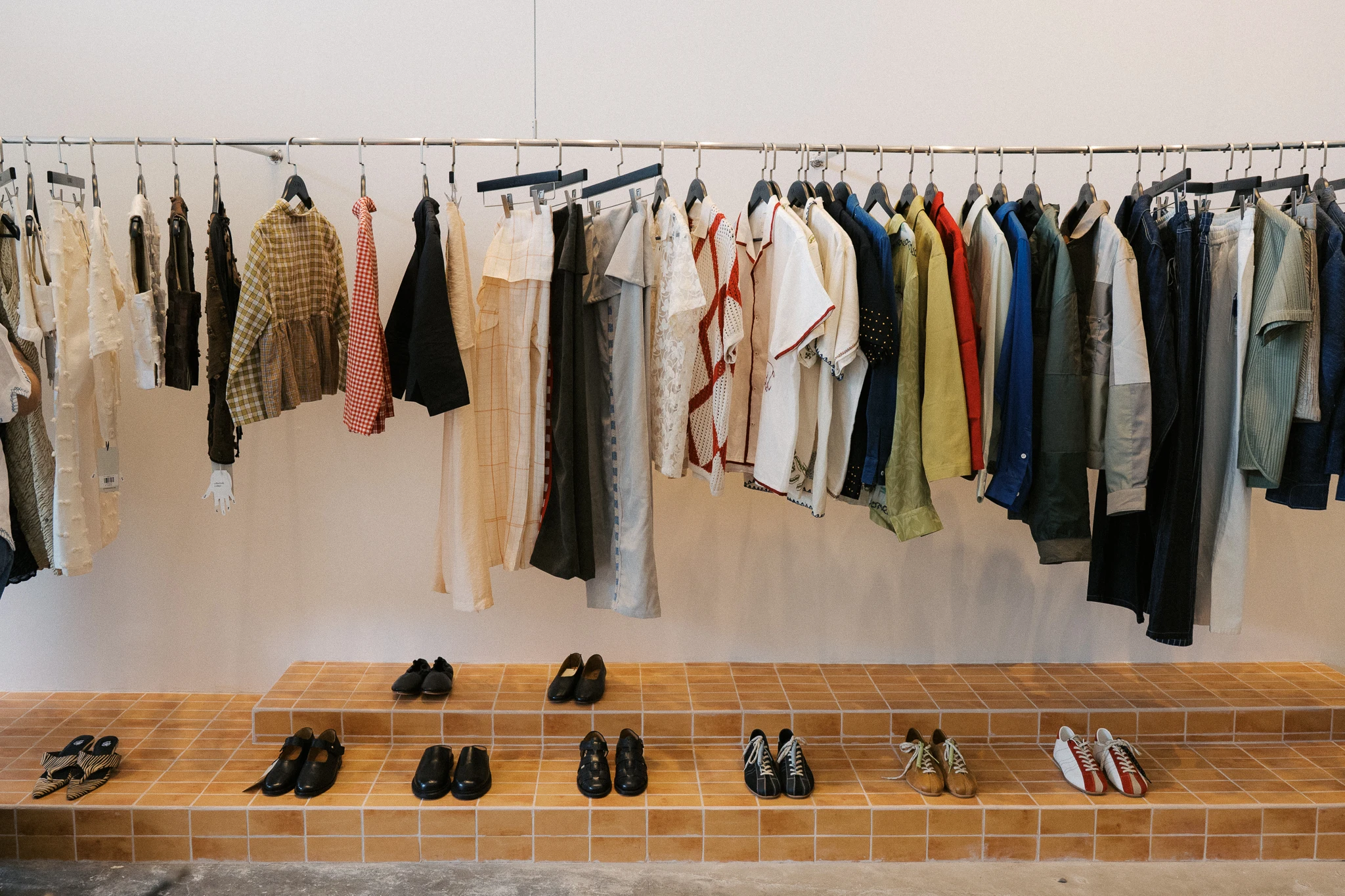
Shar: The cohesion comes from our point of view rather than from making everything look the same. We choose pieces with intention, quality, and a strong identity. They should feel special while still becoming part of someone’s real wardrobe.
We also consider how the pieces speak to one another inside the store. Something minimal can sit beside something more expressive, but there is often a shared detail, texture, proportion, or sensibility that connects them. That contrast is part of what makes the edit feel like Qurio.
What has traveling and meeting designers in person taught you about finding good design?
Shar: It has taught us to look beyond the finished product. Many of the designers are very hands-on with their work, and that care translates into the clothes. You can feel it in every detail, every stitch, and every decision.
Meeting the people behind the pieces also makes you more mindful of what you wear. The clothes stop feeling like just another product. They carry a story, a process, and a real sense of humanity.
How much of Qurio reflects your own taste?
Shar: A lot of Qurio reflects how I dress and live. As a mom of two little boys, comfort matters, but I still want my clothes to have character. I love putting together pieces that feel a little bit off, never too perfect or polished. Of course, it depends on the day. Most days, I need clothes I can actually move and live in. But on the rare night out with friends, sometimes I just want to put on a beautiful dress and feel good! Qurio reflects that balance. The pieces are wearable enough for real life but special enough to make you feel something.
What do you think Manila shoppers are missing when it comes to discovering independent designers?
Shar: Manila already has a creative and fashion-aware community. What we felt there was more room for was discovery, especially of independent Asian designers people might not otherwise encounter.
Access and context are both important. Sometimes, people simply need the opportunity to see, touch, and try on a piece while also understanding the story behind it. We also hope to encourage a more mindful relationship with clothes. There’s no shame in rewearing pieces that make you feel alive and special. I would rather wear something I genuinely connect with again and again than constantly buy something new simply because everyone else has it!
What do you want people to feel when they walk into Qurio?
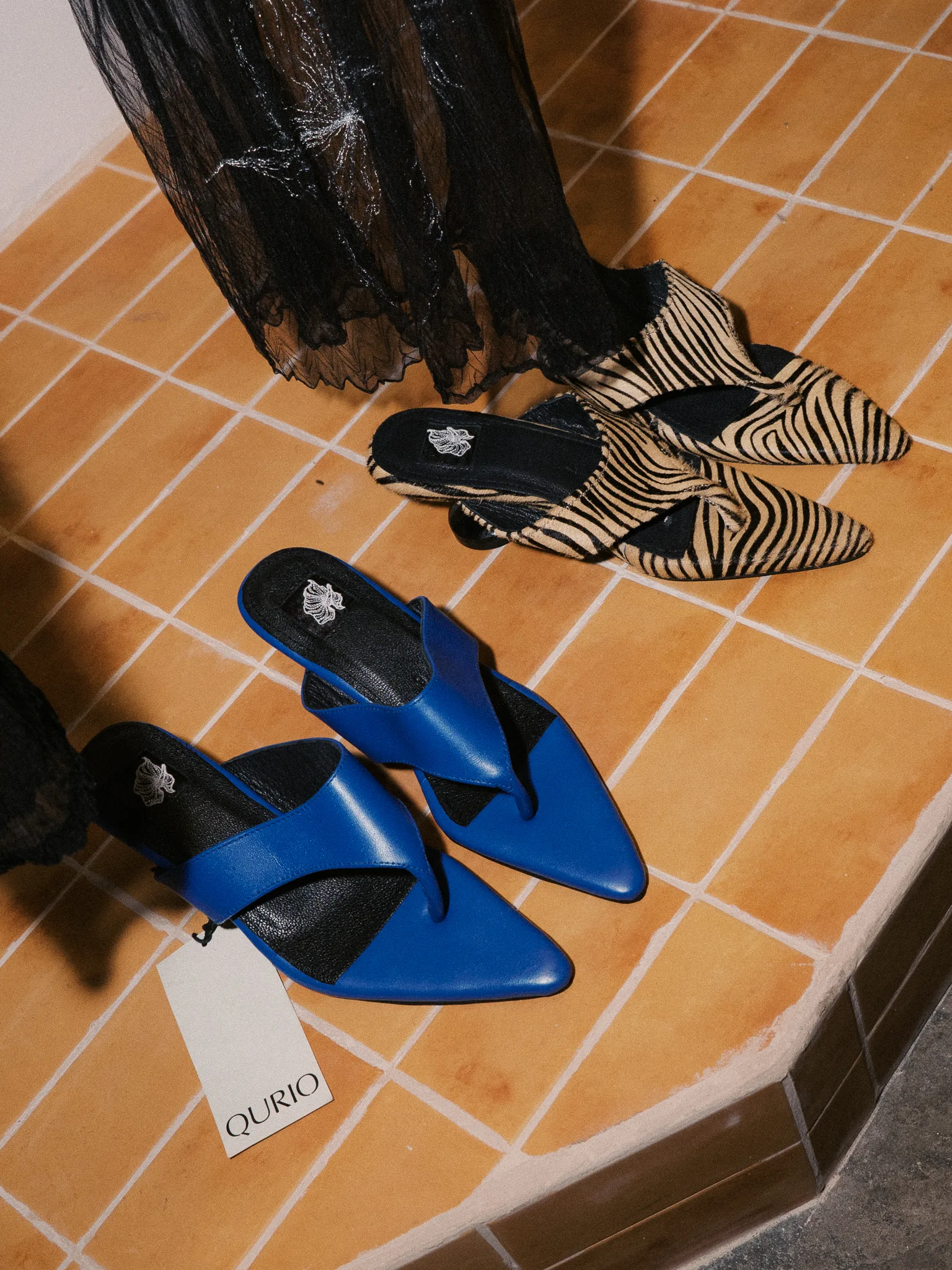
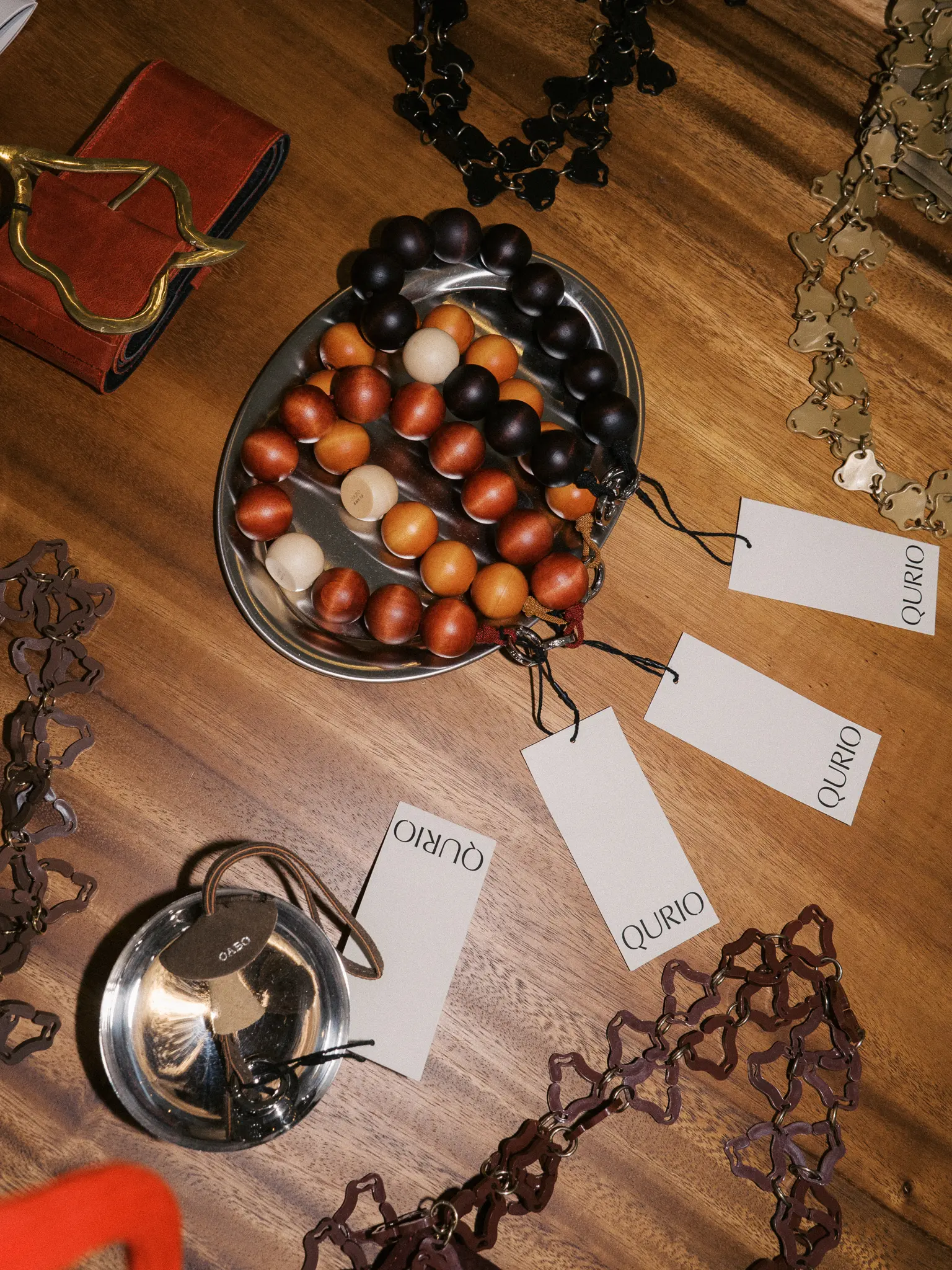
Shar: Curious, comfortable, and excited to explore! We want people to touch the clothes, ask questions, try something unexpected, and play with pieces they might not normally choose for themselves. They don’t have to walk in knowing exactly what they want. Come in curious, and we’ll take it from there!
As Qurio continues to evolve, what are you most excited to discover next?
Shar: Everything we still don’t know. The more we explore Asian design, the more we realize how impossible it is to define through a single aesthetic. It can be minimal, playful, experimental, sensual, refined, or quietly crafted. There are so many independent designers building fascinating worlds of their own, and we’ve only begun to discover them.
This is just our first edit. We’re still figuring out what Qurio can become, and that feels very fitting. The whole point has always been to stay curious. Hence, the name Qurio!
Photos courtesy of Qurio
Frequently Asked Questions
Qurio is a multi-brand store at One Rockwell in Makati that brings together clothing, footwear, and accessories from about 20 independent labels across Asia.
Qurio was founded by Shar Cabigas, who also co-founded Suki Jewelry with her husband, Aaron Cabigas.
Shar looks for brands with a distinct point of view, strong values, interesting stories, great quality, and an intentional approach to design.
Qurio features independent designers discovered through Shar’s travels across places including Tokyo, Bangkok, Jaipur, Bali, and other Asian cities.
She wants people to feel curious, comfortable, and excited to explore, while discovering pieces they may not have encountered otherwise.