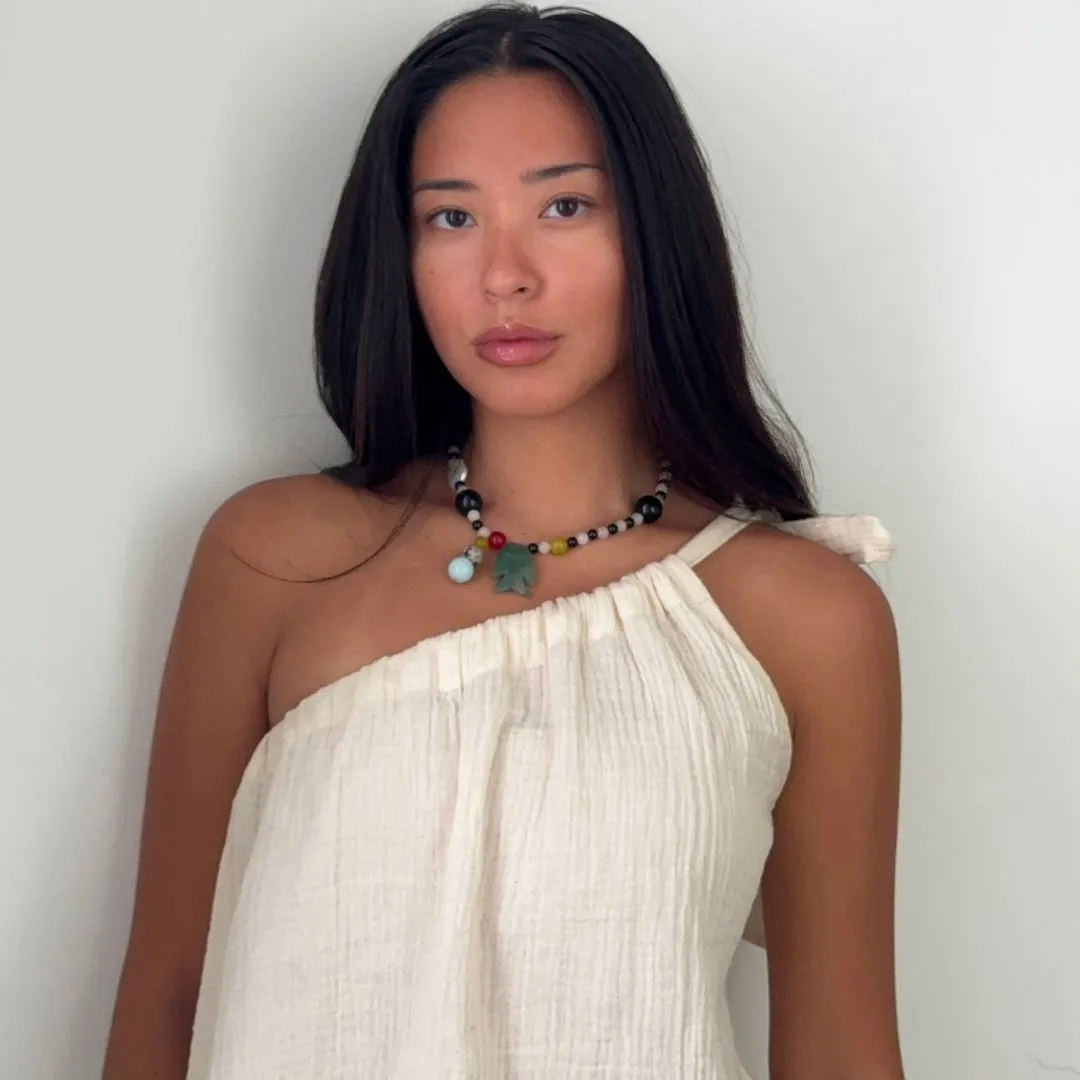
Meet Sala Culture, Margi Antonio’s Lisbon-based concept store championing Southeast Asian designers, craftsmanship, and creative identity in Europe.
For some time, the global fashion conversation possessed a distinctly Western accent. Thankfully, the world has started looking to Asia, the conversation moving further south. Across Southeast Asia, fashion is emerging as a language of its own—one that reflects the region’s unique identities and creative perspectives. For Sala CultureCultureshared traditions, beliefs, values, customs, arts, and social practices that define the identity and way of life of a community, society, or nation.Go to Culture Glossary, that language is making its way to Europe. Lifestyle Asia spoke with Sala Culture founder Margi Antonio to get an inside look at how her Lisbon-based curated concept store connects Southeast Asian brands with European audiences.
READ ALSO: Idyllic Summers Goes Full Circle In Milan
Meet Margi Antonio, The Founder Of Sala Culture
Margi Antonio spent her formative years in both the Philippines and Singapore, growing up between two Southeast Asian cultures and later having the opportunity to travel extensively around the region. This exposure granted her an early appreciation for Southeast Asia’s many contrasts, influencing her sense of style and, more broadly, how she sees the world.
Southeast Asia is a region where vibrant cities and idyllic islands exist within the same cultural landscape. One minute, you’re ordering an orange juice and espresso in Singapore; the next, you’re sunbathing in Boracay. It’s this ability to move between seemingly different worlds that Margi finds recognizably Southeast Asian.
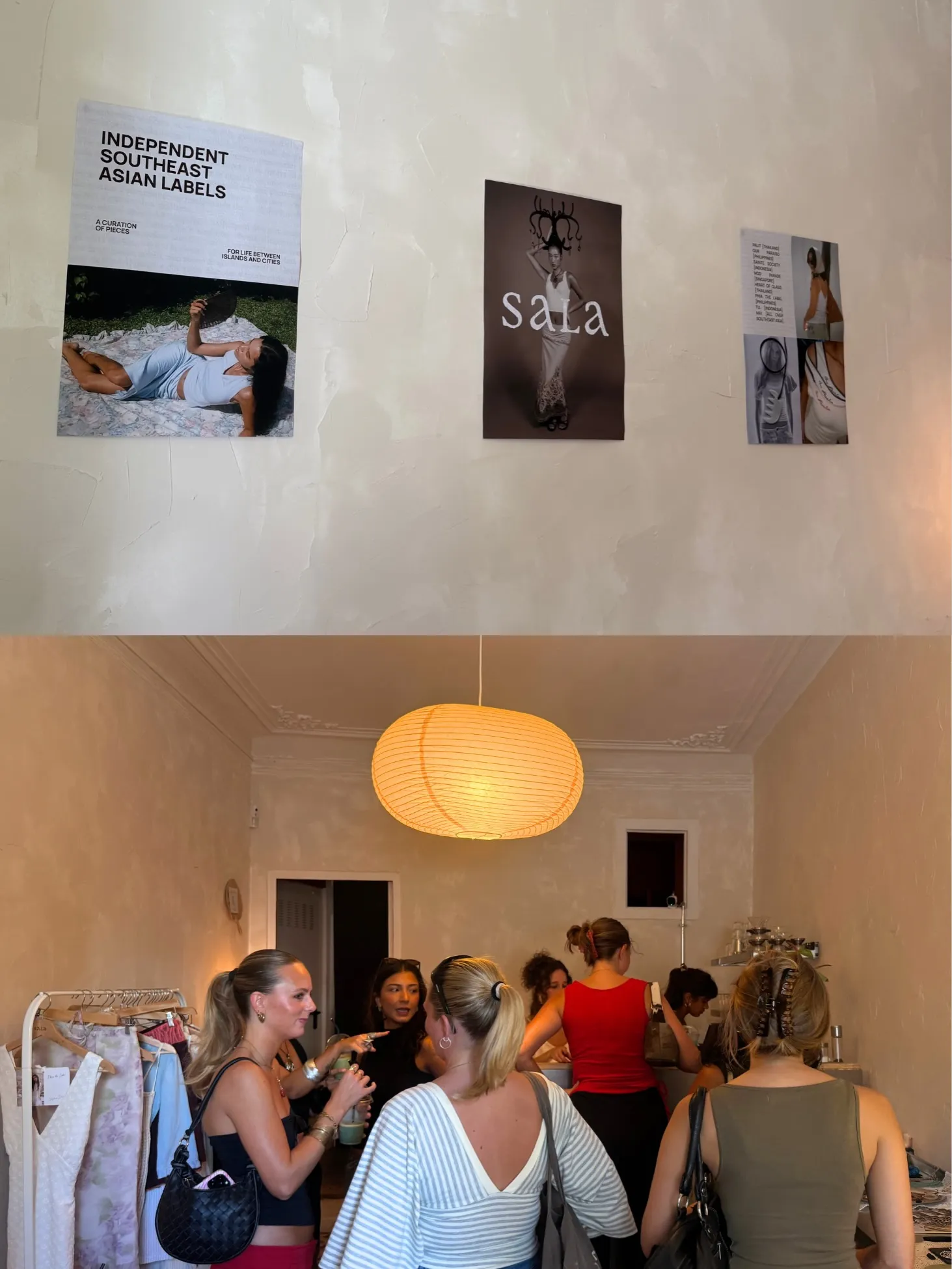
“I wanted to create something that captured that feeling, while giving more visibility to the incredible designers, makers, and creative talent coming out of Southeast Asia,” she explains. “That’s really where Sala Culture started: from wanting to celebrate the region in a way that felt contemporary, personal, and true to how I have experienced it.”
For years, Margi envisioned creating something that could both honor and celebrate Southeast Asia’s creative landscape. When she moved to Portugal this year, the pieces finally fell into place. Here was an opportunity to bring that vision to life in a place where Southeast Asian design could reach a new audience: her concept storeConcept StoreA curated retail space that brings together fashion, design, art, books, food, and lifestyle products under one distinctive vision, rather than a single brand. Concept stores are destinations for discovery,Go to Concept Store Glossary, Sala Culture, serving as a bridge between Europe and the region she calls home.
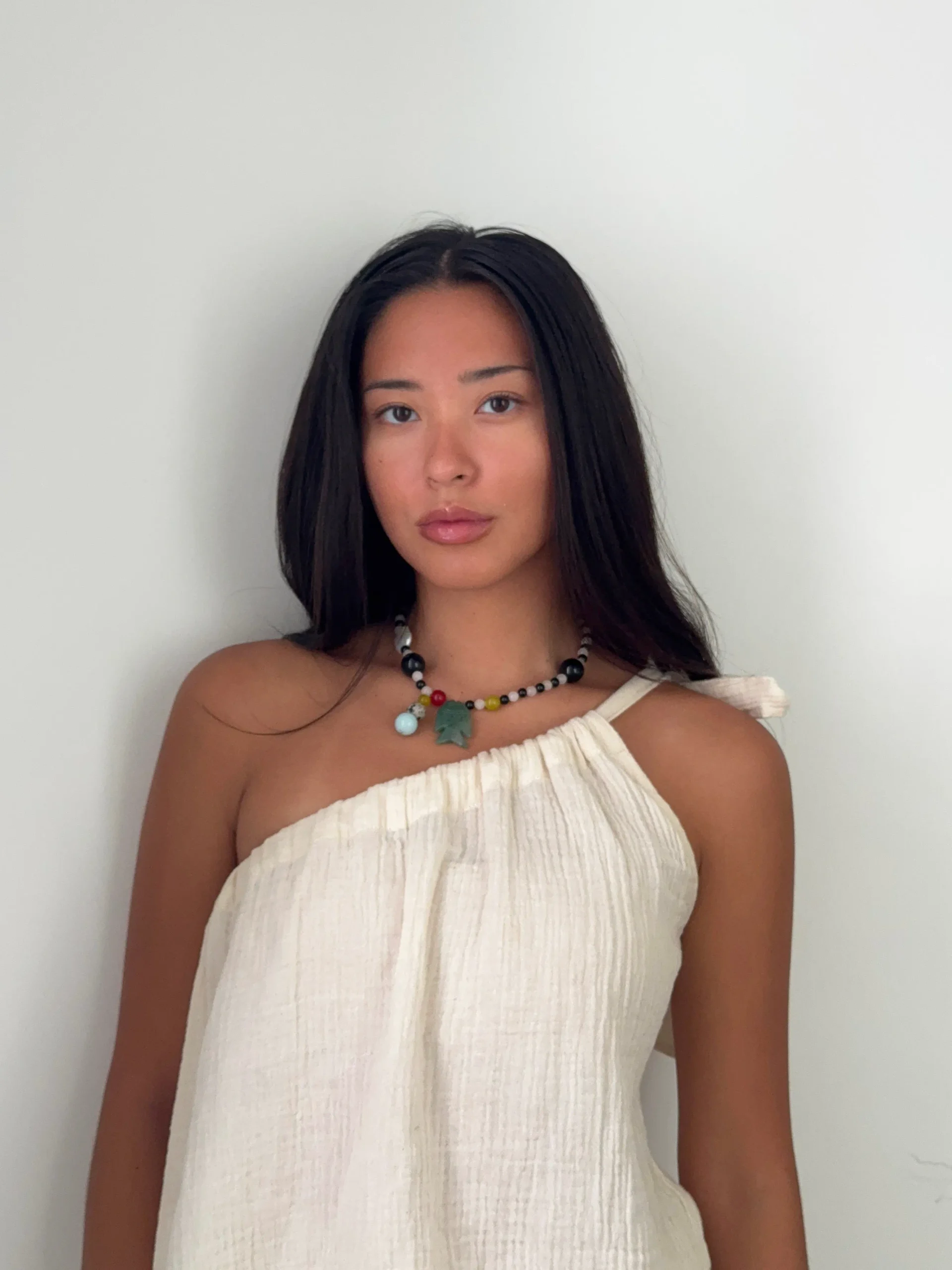
What Is Sala Culture And What Does Its Name Mean?
Amid Europe’s sea of stores and boutiques, Sala CultureCultureshared traditions, beliefs, values, customs, arts, and social practices that define the identity and way of life of a community, society, or nation.Go to Culture Glossary carves out a space for Southeast Asian brands on the other side of the world. Margi describes it as “a celebration of the region’s creativity, expressed through a mix of city modernity and island etherealism.” The name itself reflects that. In Filipino, sala refers to a living room; the word also describes a living space in Thai, Portuguese, and Spanish. For Margi, it captures the idea that home isn’t necessarily a place you stay in, but something you carry with you, wherever you go.
In that sense, Sala CultureCultureshared traditions, beliefs, values, customs, arts, and social practices that define the identity and way of life of a community, society, or nation.Go to Culture Glossary transcends its function as a concept store. It’s a love letter to the Southeast Asian creatives whose work often travels further than their home countries, as well as to the diaspora who’ve left the region in search of new opportunities abroad. “It’s made to be worn out in the world, much like the diaspora itself: moving between cities, islands, and homes,” she says.
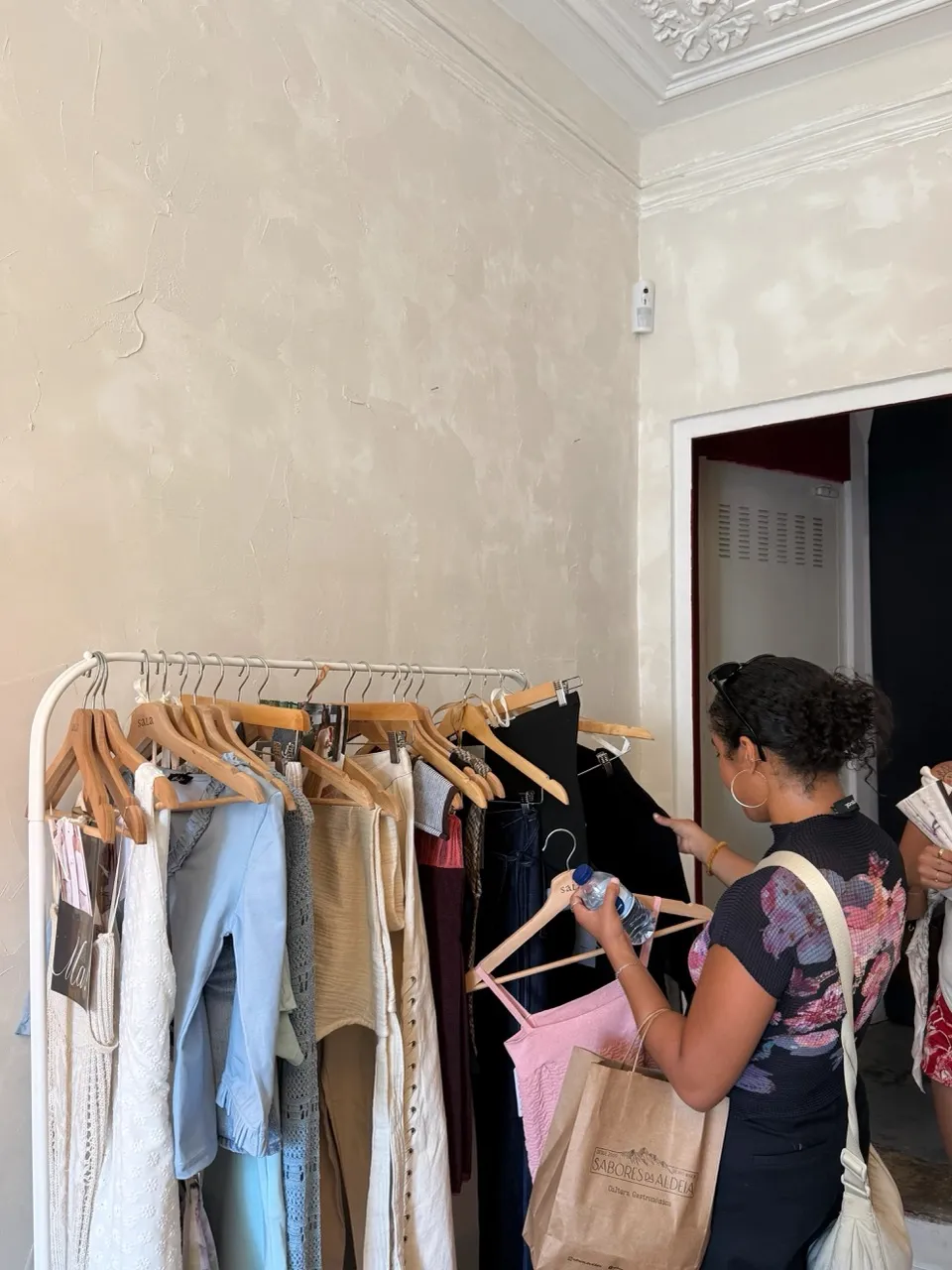
When Margi moved from Southeast Asia to Europe, she noticed a gap in the market. “There aren’t many retailers in Europe creating a dedicated space for Southeast Asian design and creativity,” she observes. “At the same time, curiosity and appreciation for the region are growing globally, and there are diasporic communities everywhere who already have a deep connection to it.”
Sala Culture was born from that intersection. Margi wanted to make Southeast Asian creativity more accessible to a European audience without stripping away the context and nuances that make each piece meaningful. “I wanted to create a way for people to access these pieces without having to get on a plane or deal with the high costs and logistics of buying from the other side of the world,” she explains.
What began as a response to a gap in the European market ended up becoming something more personal: a living space for Southeast Asian creativity, transported across borders.
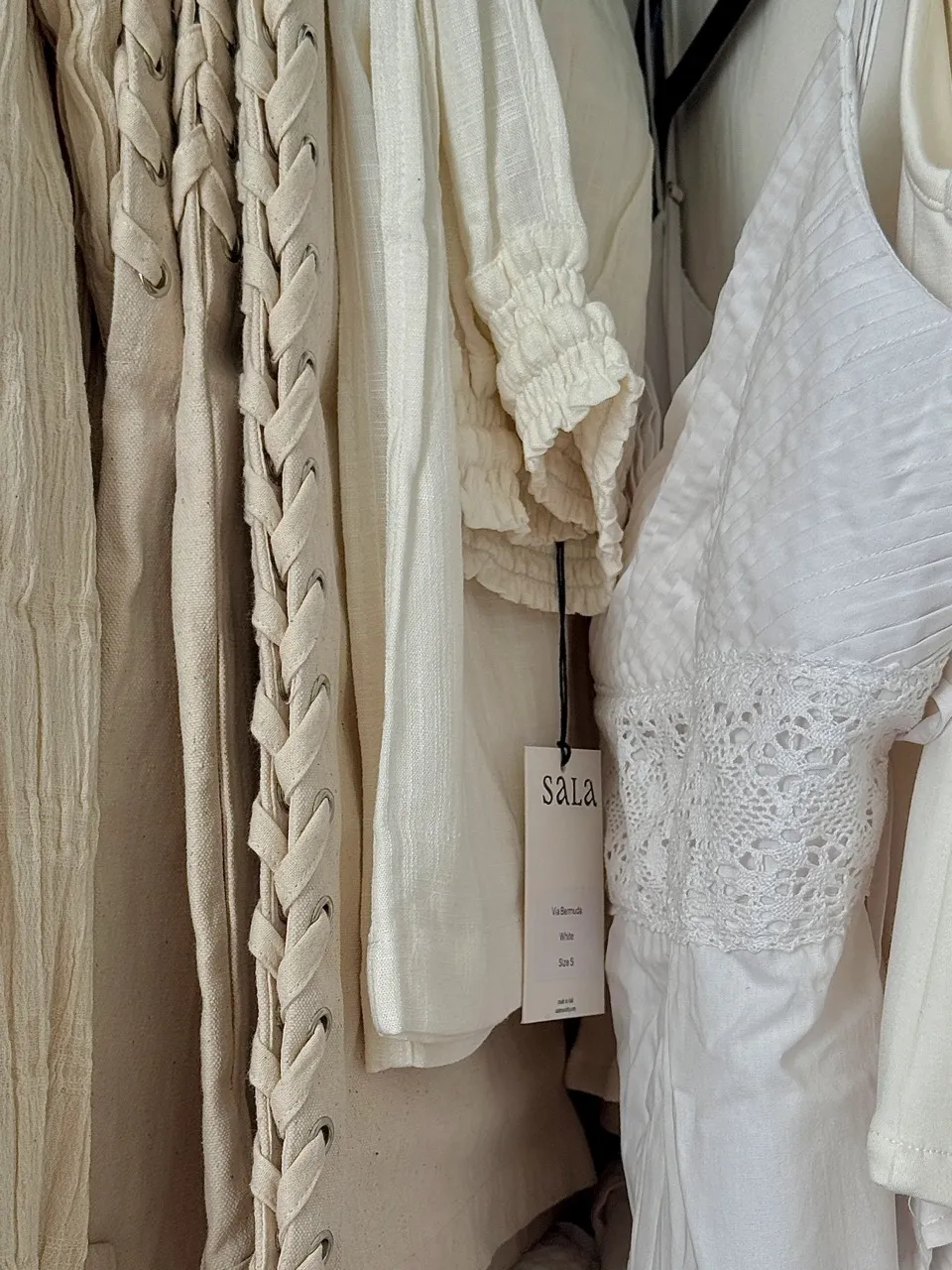
Southeast Asian Brands Featured At The Concept
Part of Sala Culture’s mission is changing how Southeast Asian design is seen outside the region. Margi noticed the lingering perception of Southeast Asia as a place where everything is simply “so cheap,” a sentiment she says is often expressed by Western tourists. For her, affordability and value are two very different conversations. “That shouldn’t be confused with the value of the work itself,” she states.
Her way of debunking that misconception is curation. Sala CultureCultureshared traditions, beliefs, values, customs, arts, and social practices that define the identity and way of life of a community, society, or nation.Go to Culture Glossary currently carries Filipino labels Our Paraiso, founded by designers Mikaela Renysse and Milean Santos; and Phia the Label by Sophia Dolor. For Margi, introducing these names to a European audience is also a way of showing the range of creativity coming out of the Philippines. “Being Filipina, I’ve always felt particularly passionate about championing Filipino creativity,” she says. “It’s something I’m proud to represent at Sala.”
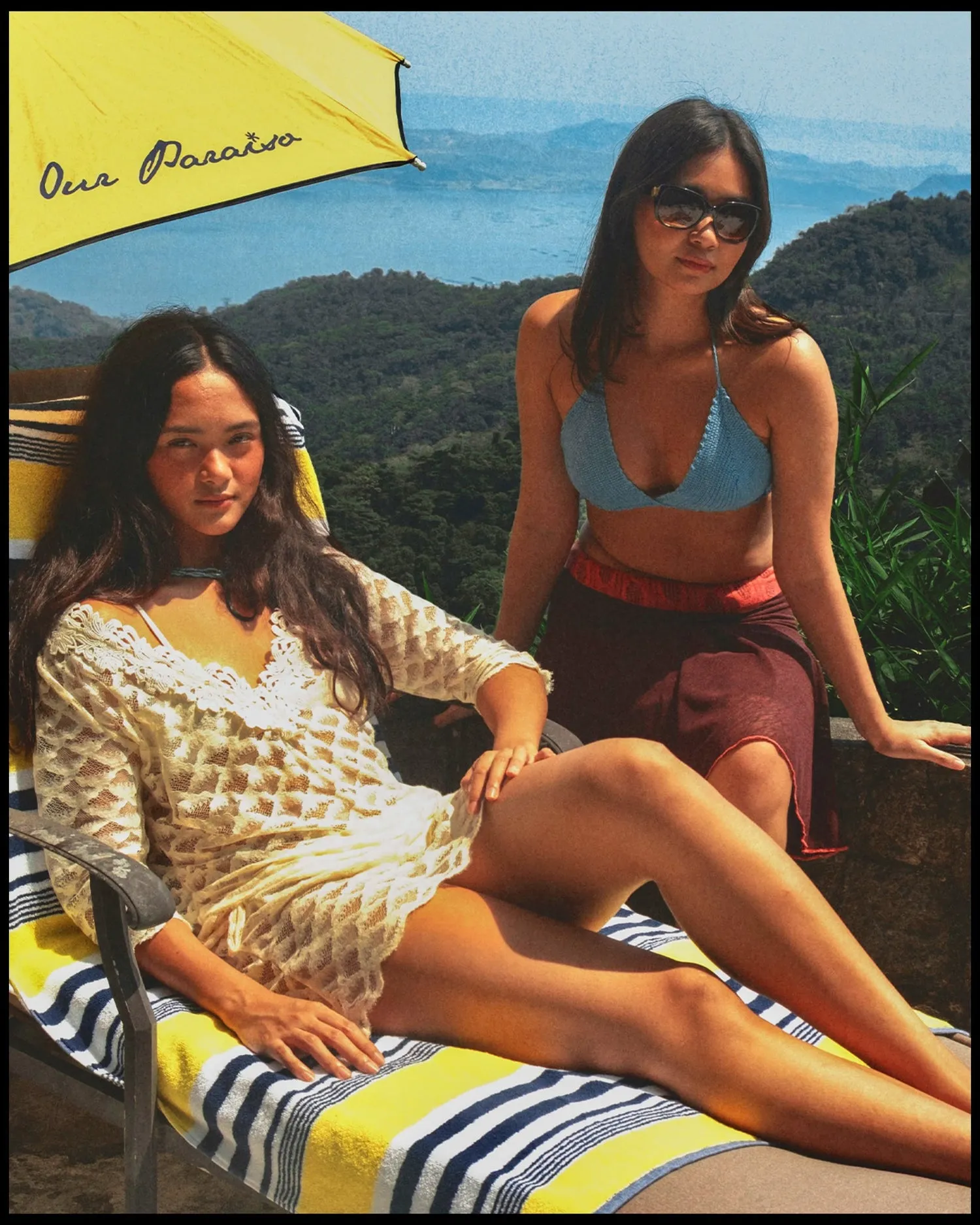
The selection process is personal and intentional. Margi looks for brands with a strong visual identity, independent designers, and pieces that feel well-wrought rather than mass-produced. Many of the labels she works with are small-scale and handmade, using natural fabrics and traditional techniques. There’s also a particular sensibility she gravitates toward: what she calls “coastal cosmopolitanism,” or pieces that can move comfortably between cities and islands.
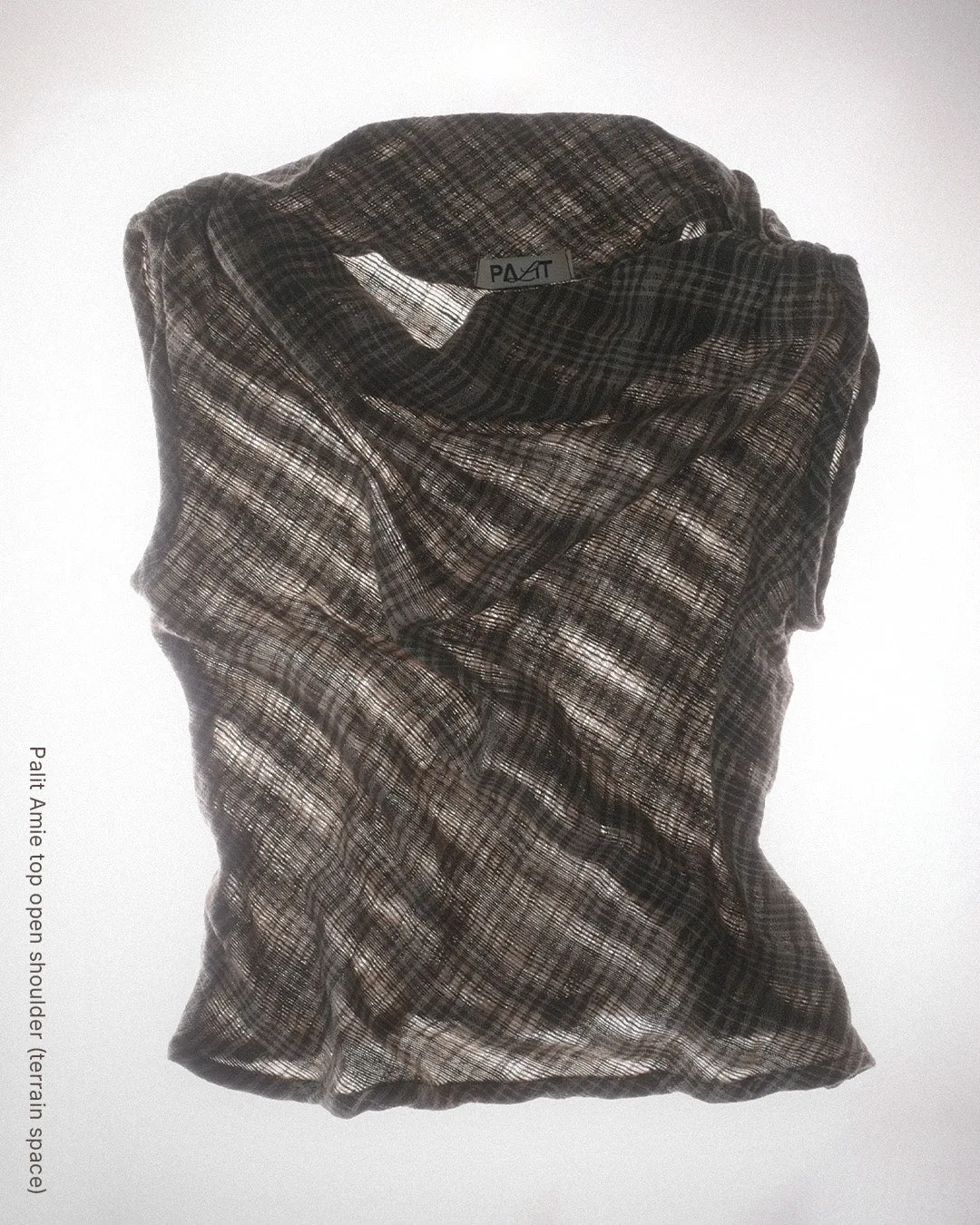
Accessibility factors into the selection, too. “We want to champion beautiful, well-made things without making them feel unattainable,” Margi explains. Before bringing a brand into Sala Culture, she tries to meet or speak with every founder, creating a personal connection to the people behind the pieces. She also presents the brands using their own language and established messaging, allowing their identities to remain intact as they enter a new market.
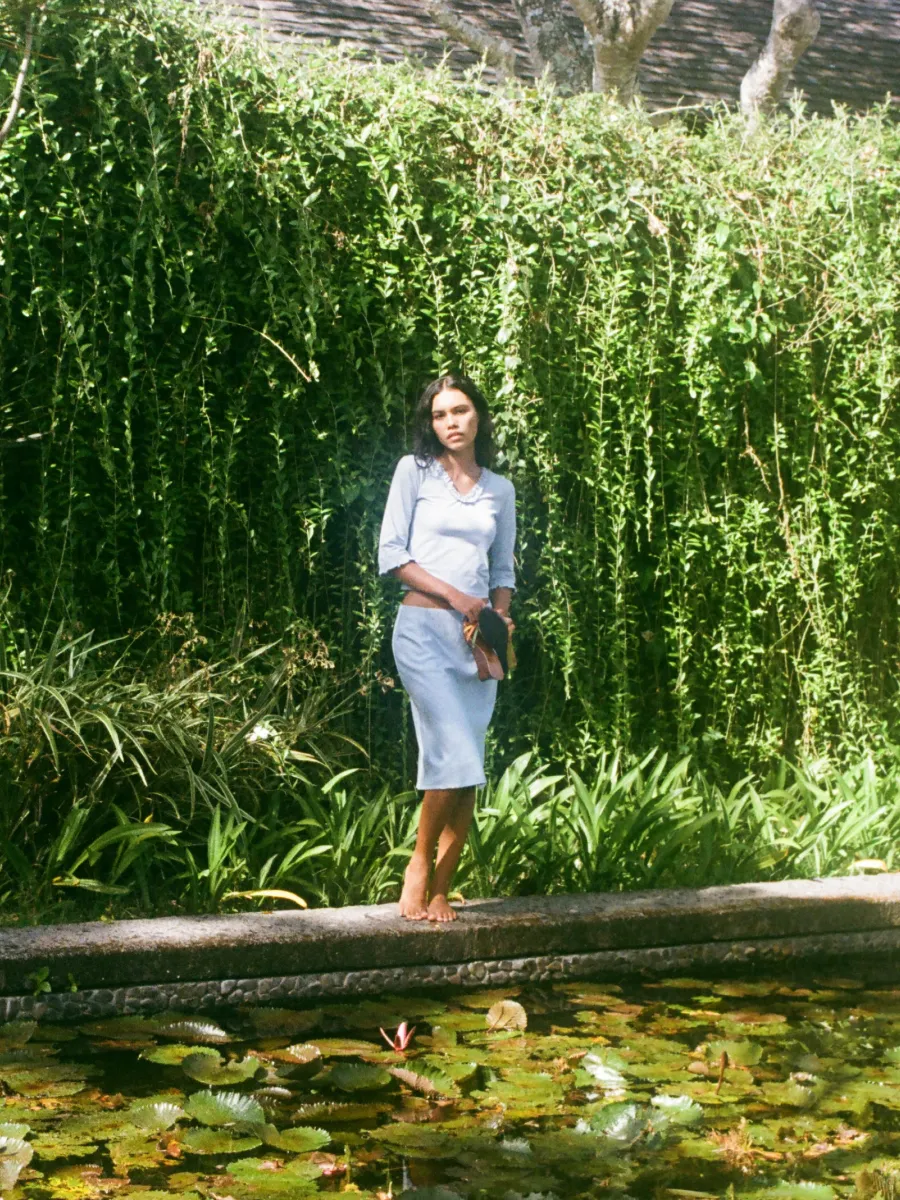
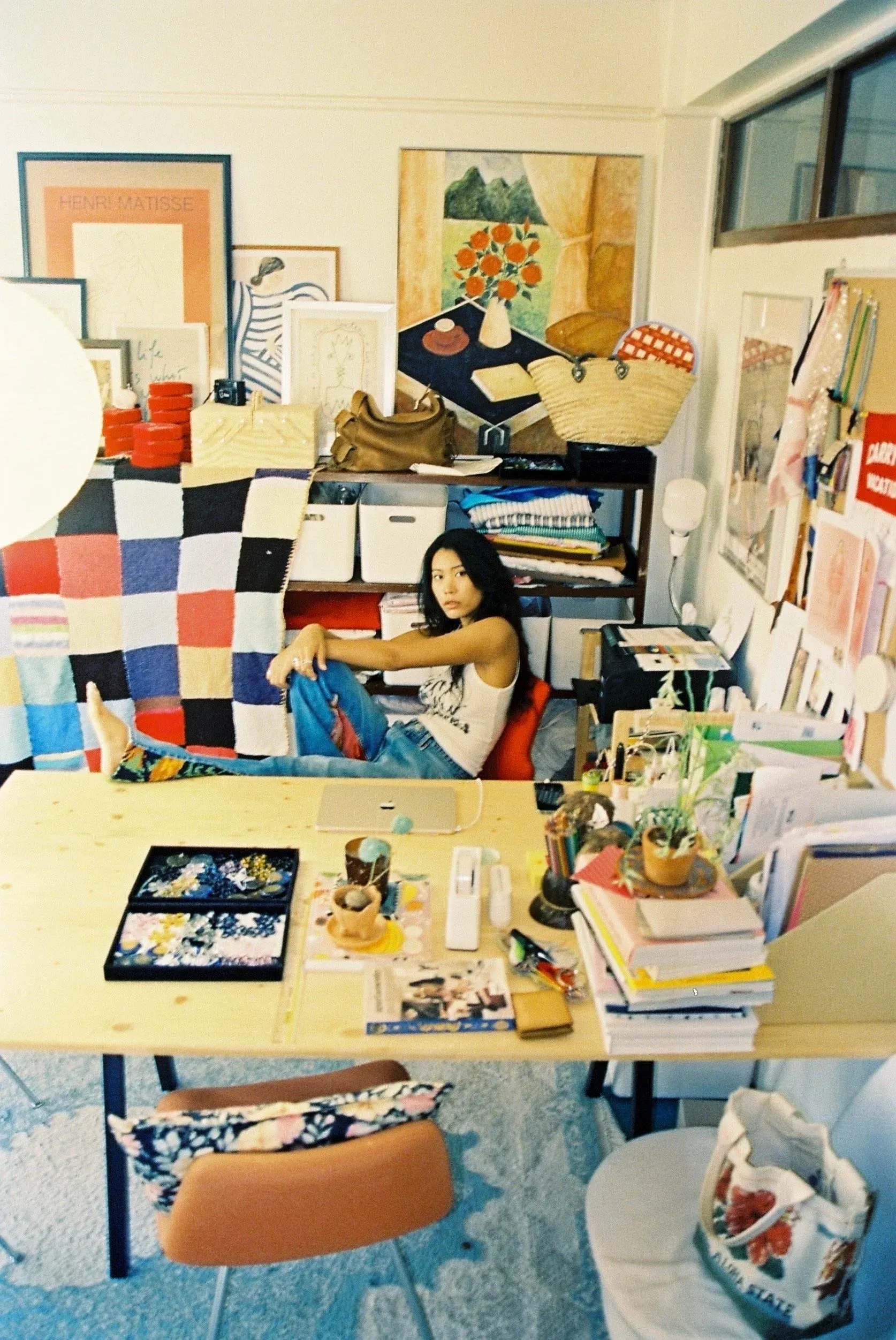
The result is a selection that gives European audiences another way of encountering Southeast Asia. Beyond the beaches, food, and hospitality that have long defined how the region is experienced by visitors, Sala CultureCultureshared traditions, beliefs, values, customs, arts, and social practices that define the identity and way of life of a community, society, or nation.Go to Culture Glossary introduces the contemporary creative subcultures developing within it. “It’s been really exciting to introduce that side of Southeast Asia to new audiences, both European and diasporic,” Margi says.
Where Margi Antonio Sees Southeast Asian Creativity Heading
For Margi, Sala CultureCultureshared traditions, beliefs, values, customs, arts, and social practices that define the identity and way of life of a community, society, or nation.Go to Culture Glossary’s future extends way past Lisbon. While the concept is currently based in the Portuguese capital, she hopes to bring it to different cities through pop-ups, residencies, and collaborations. The idea is to introduce more people to Southeast Asian creativity while creating a sense of home for those from the region who now live abroad.
And there’s plenty to introduce. Margi points to emerging names like Fanci Club by Duy Tran, whose work brings the traditions, materials, techniques, and visual language of the region into a contemporary context. It’s a direction she sees growing across Southeast Asia, as more creatives turn their cultural references and personal experiences into something entirely their own.
For a region whose creative identity has often been viewed through the lens of tourism, Sala Culture offers another point of entry. This is Southeast Asia as seen through its designers, makers, materials, techniques, and stories. “There’s also a growing appetite for things that feel human—made by people, rooted in place, and carrying a story,” Margi says. “I think Southeast Asian creativity has a lot to say within that conversation, and I’m so excited to be a part of it.”
All photos courtesy of Sala CultureCultureshared traditions, beliefs, values, customs, arts, and social practices that define the identity and way of life of a community, society, or nation.Go to Culture Glossary
Frequently Asked Question
Sala Culture is a curated concept store primarily based in Lisbon that brings Southeast Asian brands and creative talent to European audiences. It aims to make Southeast Asian creativity more accessible while preserving the stories and context behind each brand.
Sala Culture was founded by Margi Antonio, who grew up between the Philippines and Singapore and traveled extensively around Southeast Asia. After moving to Portugal, she brought her long-standing vision of celebrating Southeast Asian creativity to life through the platform.
Sala Culture currently carries Filipino brands Our Paraiso, founded by Mikaela Renysse and Milean Santos, and Phia the Label, founded by Sophia Dolor. Margi also cites emerging names such as Fanci Club by Duy Tran as examples of Southeast Asian creativity gaining global attention.
Sala Culture looks for brands with strong visual identities, independent designers, considered pieces, and craftsmanship. Many of its selected brands are small-scale and handmade, often using natural fabrics and traditional techniques. Margi also looks for what she calls “coastal cosmopolitanism”—pieces that can move between cities and islands.
Margi created Sala Culture to give greater visibility to Southeast Asian designers, makers, and creatives in Europe. The platform also responds to the limited presence of dedicated Southeast Asian design retailers in Europe and aims to challenge perceptions that equate the region’s lower costs with lower creative or artistic value.