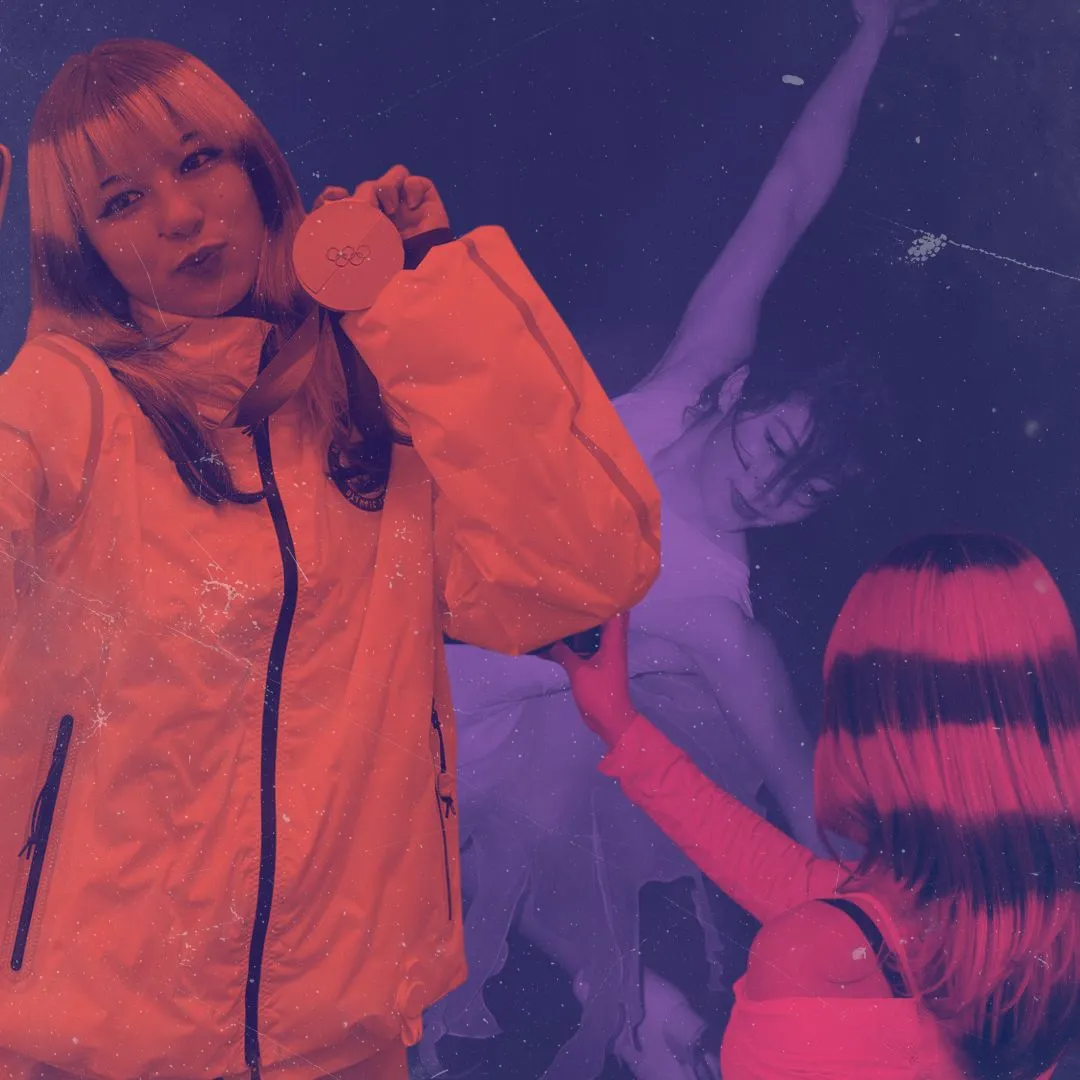
With her “smiley” piercing, halo hair, and refusal to play by old rules, Alysa Liu embodies a generation that values authenticity over perfection, both on and off the ice.
The Milano Cortina 2026 Winter Olympics delivered no shortage of compelling stories, from two alpine skiers representing the Philippines to athletes making emotional returns after injuries to compete again. The headlines were filled with narratives of resilience and triumph, yet one story stood out and seemed to resonate especially strongly with Gen Z: the women’s figure skating gold medal win of America’s Alysa Liu.
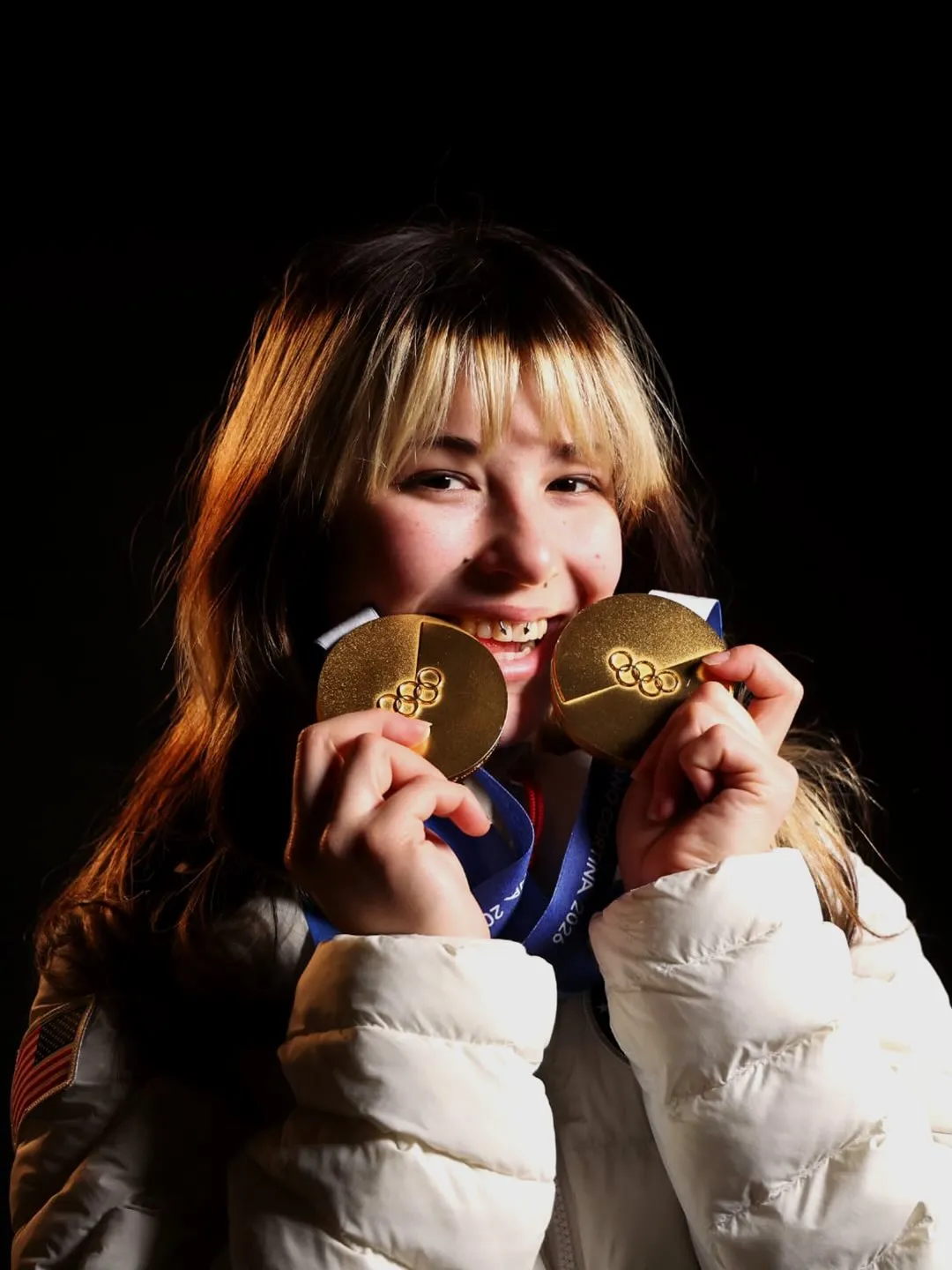
After watching her performances of Donna Summer’s “MacArthur Park” and PinkPantheress and Zara Larsson’s “Stateside” over and over, I realized it wasn’t just her impeccable song choices or flawless execution that drew me in. I loved watching her because, on a deeper level, I relate to her. Something about her story and the way she carries herself made me say, “OMG, same.”
READ ALSO: A History Of The Philippines’ Milestones At The Winter Olympics
Alysa Liu’s Story Is Our Story
Four years after announcing her retirement from the sport at the age of 16 (in what was already a highly-decorated career, being a U.S. champion at just 13), Alysa Liu returned to the ice with something far more powerful than technical mastery: a renewed love for skating. That love carried her all the way to gold at the Milano Cortina 2026 Winter Olympics. Watching her perform, there’s a lightness to the way she moves across the rink, an ease that feels groundbreaking in a sport known for pressure and perfection.
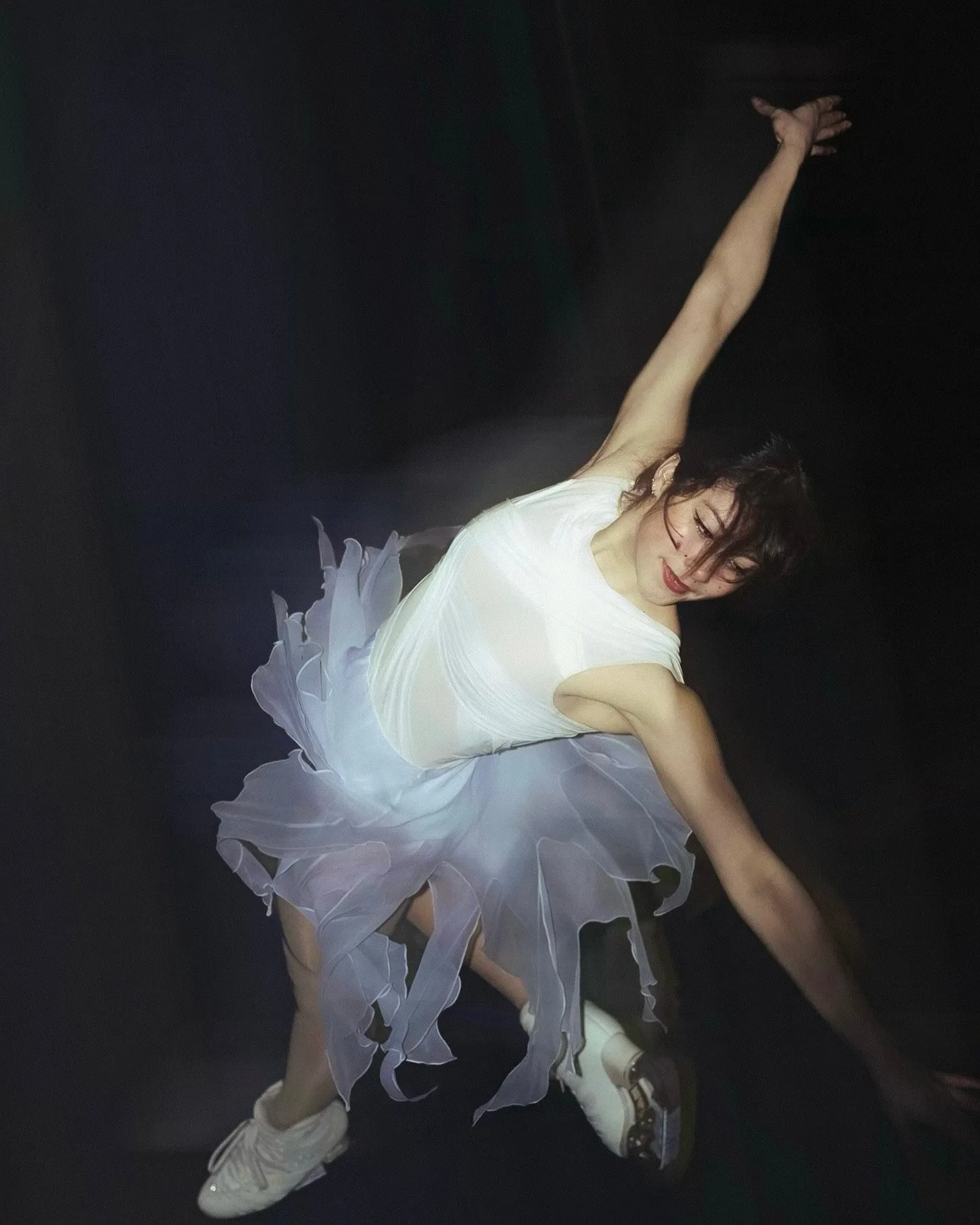
But that lightness wasn’t always there, nor was it a constant. Before the comeback came burnout. Liu has spoken candidly about how consuming elite training can be, describing how her life once blurred into an endless cycle of “going to the rink, going home, competing,” a routine that, at times, made her stop enjoying the sport altogether.
So she walked away. In a cultureCultureshared traditions, beliefs, values, customs, arts, and social practices that define the identity and way of life of a community, society, or nation.Go to Culture Glossary that worships relentless ambition, stepping back can feel taboo, especially for a prodigy. But Liu’s pause mirrors a prevalent mindset among Gen Z: success means little if it costs your sense of self. Instead of grinding endlessly, our generation has become increasingly vocal about burnout, boundaries, and redefining what achievement looks like.
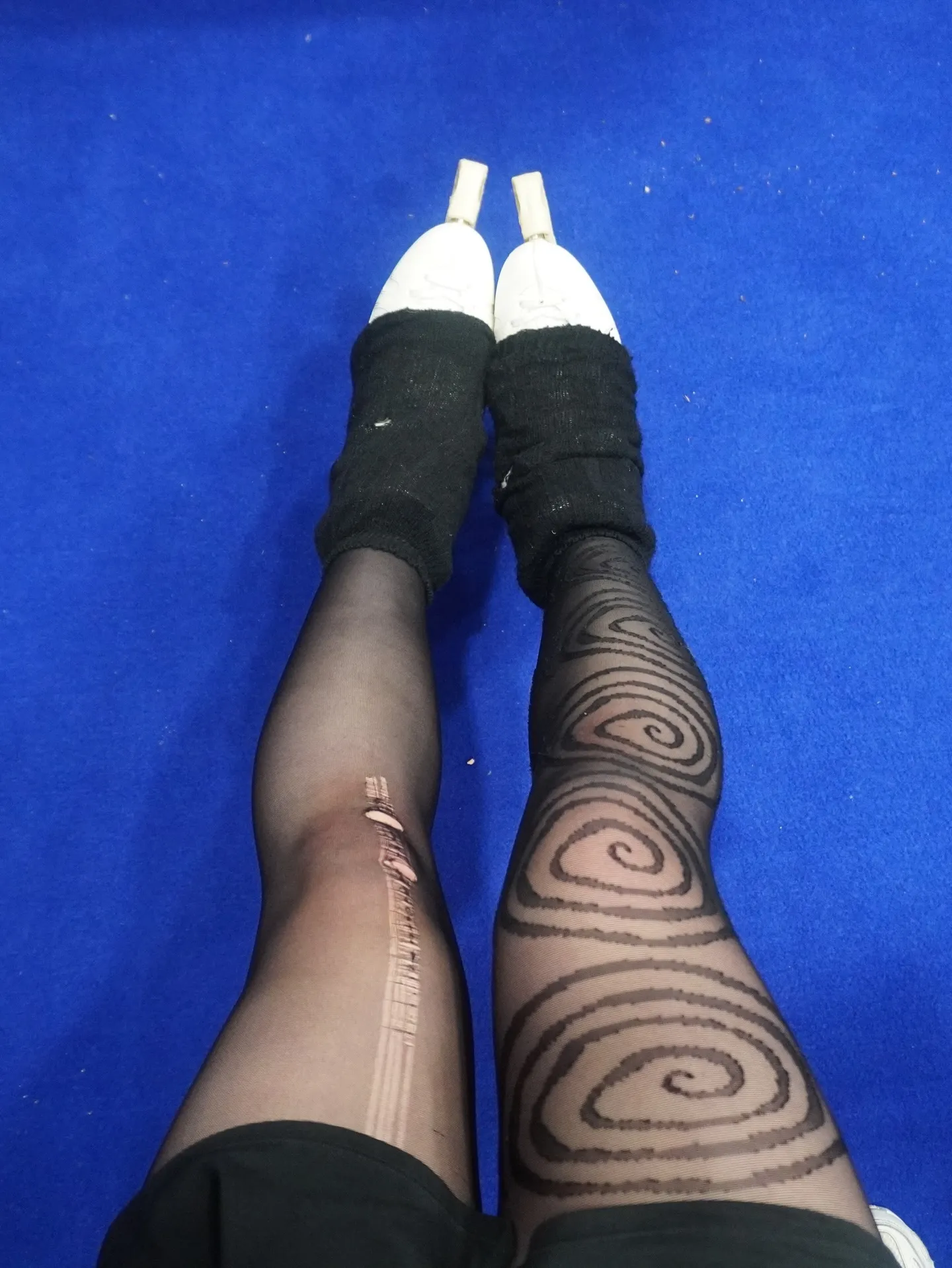
When Liu returned to skating, she did it differently. She chose her music, helped design her costumes, and reclaimed control over the sport that once consumed her. As she put it in one interview, “Success looks different on everybody.”
That philosophy reframes her Olympic victory. It’s not just a comeback story, it’s a story about autonomy. About choosing joy over obligation, and rediscovering passion only when it feels like it’s truly yours. In that way, Alysa Liu’s journey doesn’t just belong to the Olympics—it belongs to our generation.
Why She’s Breaking The Mold
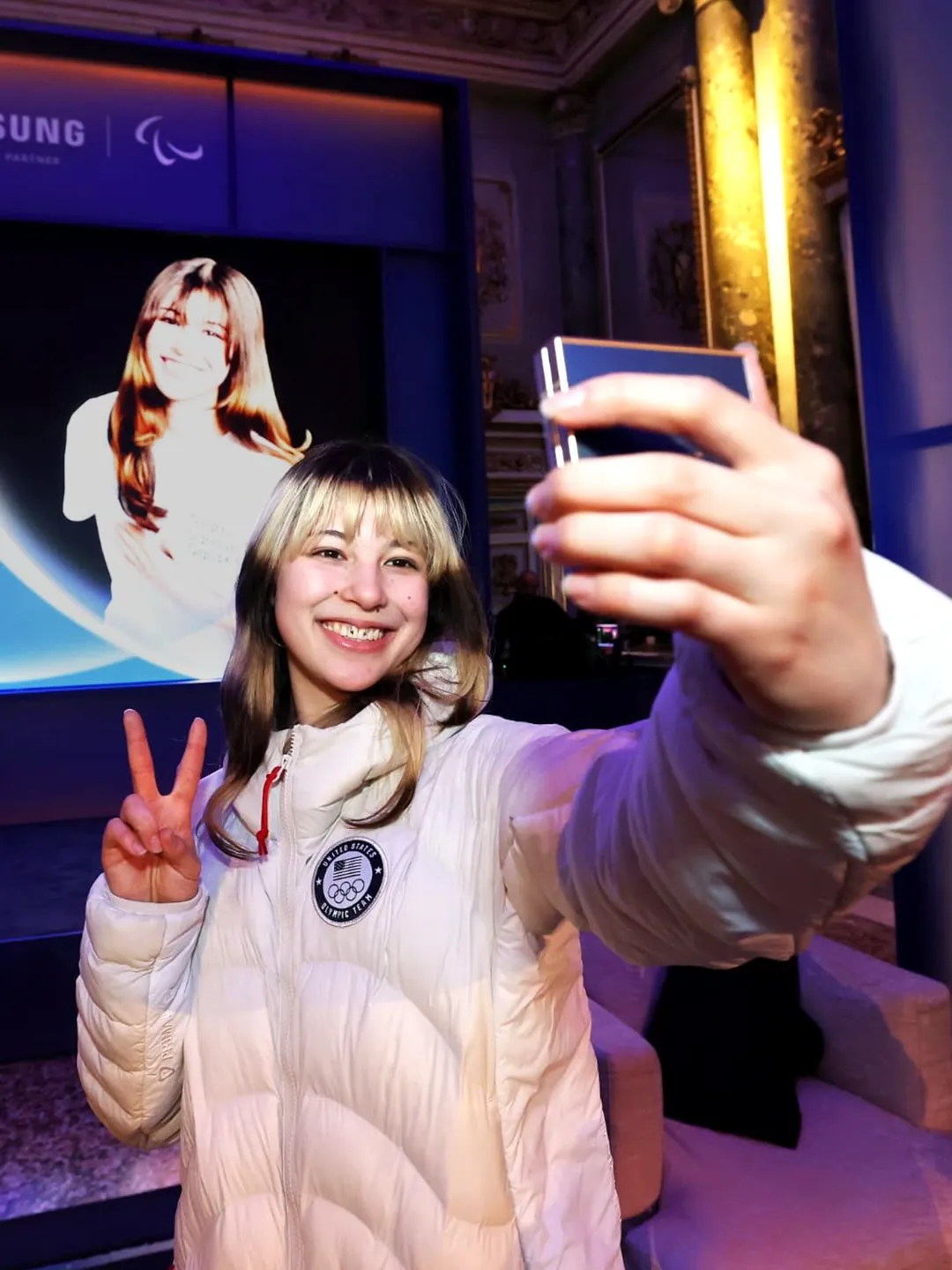
In a sport as ultra‑traditional as figure skating—where sleek buns, pastel costumes, performances of old-fashioned femininity, and restrictive diets are often considered requirements—Alysa Liu’s presence is a refreshing exclamation point in a paragraph rife with periods. She didn’t just show up with medals, she showed up with a piercing. Her now‑viral “smiley” frenulum lip piercing—a silver flash hidden behind her grin—is something she did herself with help from her sister, a tiny act of rebellion that became iconic.
Then there’s the halo hair: thick stripes of bleached blond woven through dark locks, each ring marking a year of growth. Liu calls them “halos” and compares them to tree rings.
Liu made it clear early in her comeback that nothing about her return would be dictated by tradition, including the cultureCultureshared traditions, beliefs, values, customs, arts, and social practices that define the identity and way of life of a community, society, or nation.Go to Culture Glossary of dieting and body policing that has long shadowed figure skating. Rather than slipping back into restrictive norms, she insisted on autonomy over her own training and lifestyle. In other words, she was going to do things on her terms, not anyone else’s.

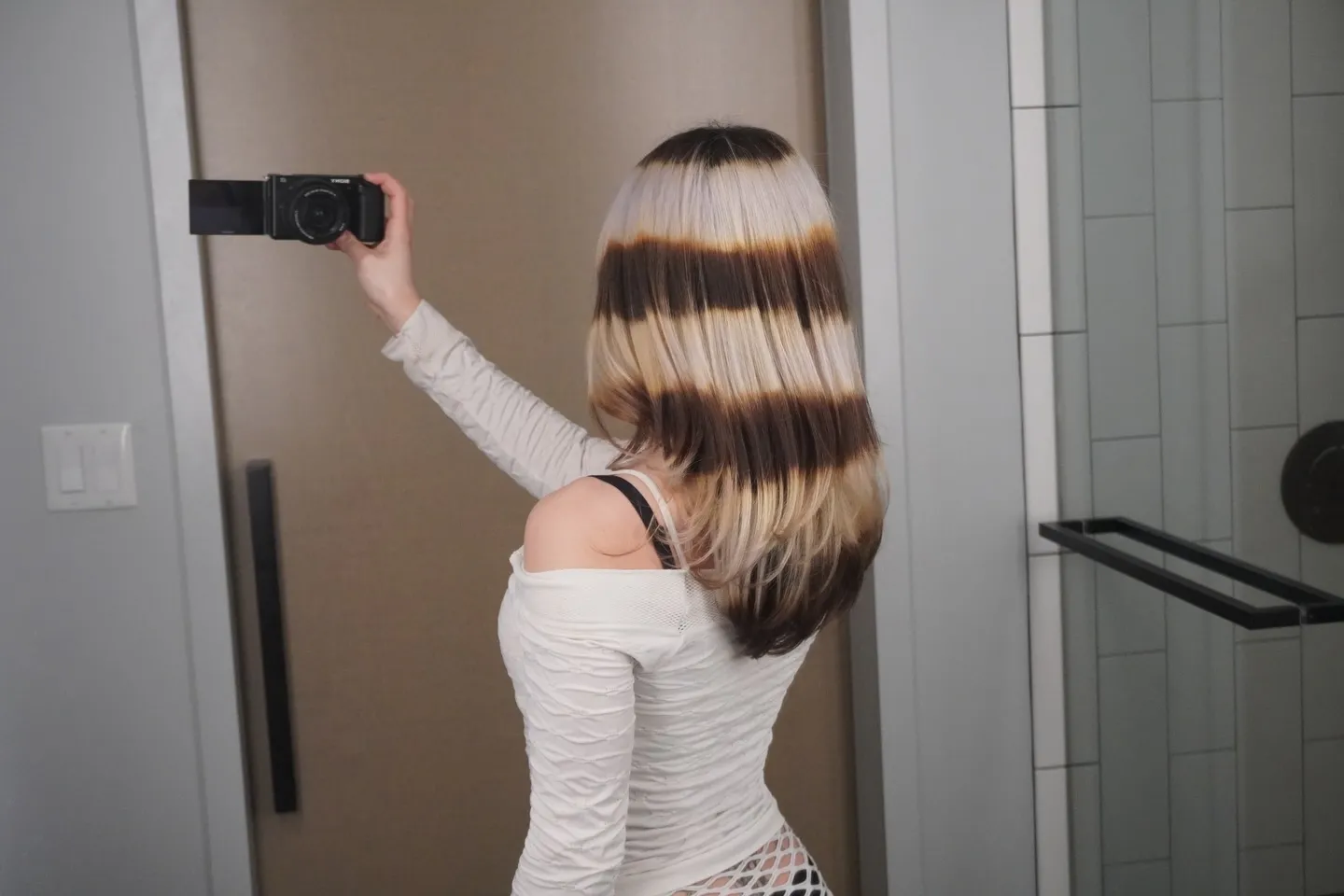
Figure skating has historically upheld certain ideals of femininity, softness, and control—not just in technique, but in presentation and body image. Liu flips that script. She embraces alternative style, shares her humor online, and styles herself in ways that feel undeniably Gen Z. She’s the alt‑girl in a gold dress, the skater who can laugh loudly after a flawless program (and shout “That’s what I’m f***ing talking about!” with glee upon winning gold). She is, in every way, the athlete who prioritizes herself over an abstract notion of perfection, and you can clearly see that in the way she performs. Yes, her techniques are impeccable, but more than that, it looks like she’s just having a blast. It’s an unabashed sense of fun and whimsy that’s contagious.
In the past few decades, figure skating has been defined as the art of polishing every edge. Liu, however, skates with her edges exposed, and in breaking that rule, she wins far more than just medals. For that reason alone, she has transcended the label of “athlete,” becoming a cultural moment in her own right.
All photos via Instagram @alysaxliu
Frequently Asked Questions
At the Milano Cortina 2026 Winter Olympic Games, Alysa Liu secured two gold medals for Team USA. By winning the women’s singles individual event with an international personal-best score of 226.79 points, she became the first American woman to win an individual Olympic figure skating title in 24 years—since Sarah Hughes won gold at Salt Lake City in 2002. She also helped Team USA secure gold in the figure skating team event.
For her historic gold-medal-winning free skate program, Alysa Liu performed a near-flawless routine to Donna Summer’s energetic “MacArthur Park Suite.” Her performances throughout her competitive comeback run also famously featured contemporary tracks like PinkPantheress and Zara Larsson’s “Stateside,” highlighting her creative autonomy over her choreography.
After competing at the 2022 Beijing Winter Olympics and winning a bronze medal at the 2022 World Championships, Alysa Liu announced her retirement from the sport at just 16 years old. She stepped away due to severe athlete burnout, describing the exhaustive pressure of elite training cycles that detached her from her love for the sport. She returned to training in 2024 after rediscovering her passion for skating entirely on her own artistic and personal terms.
Alysa Liu has broken traditional figure skating style conventions by openly embracing alternative fashion trends. Her iconic look includes a “smiley” frenulum lip piercing, which she pierced herself alongside her sister, and “halo hair”—vibrant, thick blocks of bleached blonde highlights contrasted against dark hair.
Following an intense free skate finale at the Milano Ice Skating Arena, Alysa Liu claimed the gold medal. She was joined on the podium by silver medalist Kaori Sakamoto of Japan—a veteran three-time world champion—and bronze medalist Ami Nakai, also of Japan, who made a stunning senior Olympic debut.