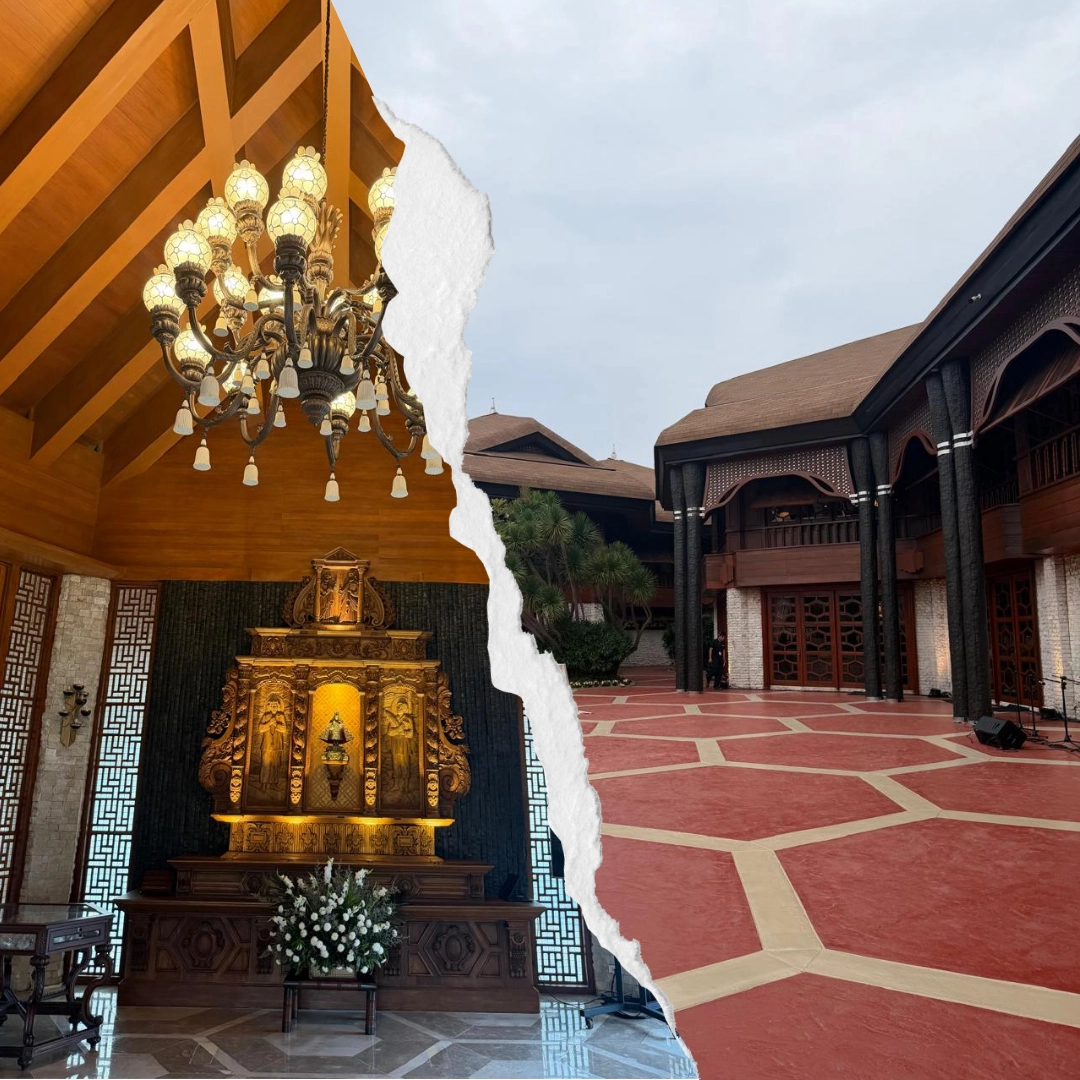
The historic landmark designed by National Artist for Architecture Francisco “Bobby” Mañosa is a stunning architectural showcase of Filipino craftsmanship, and one that’s getting an upgrade ahead of the regional summit in November 2026.
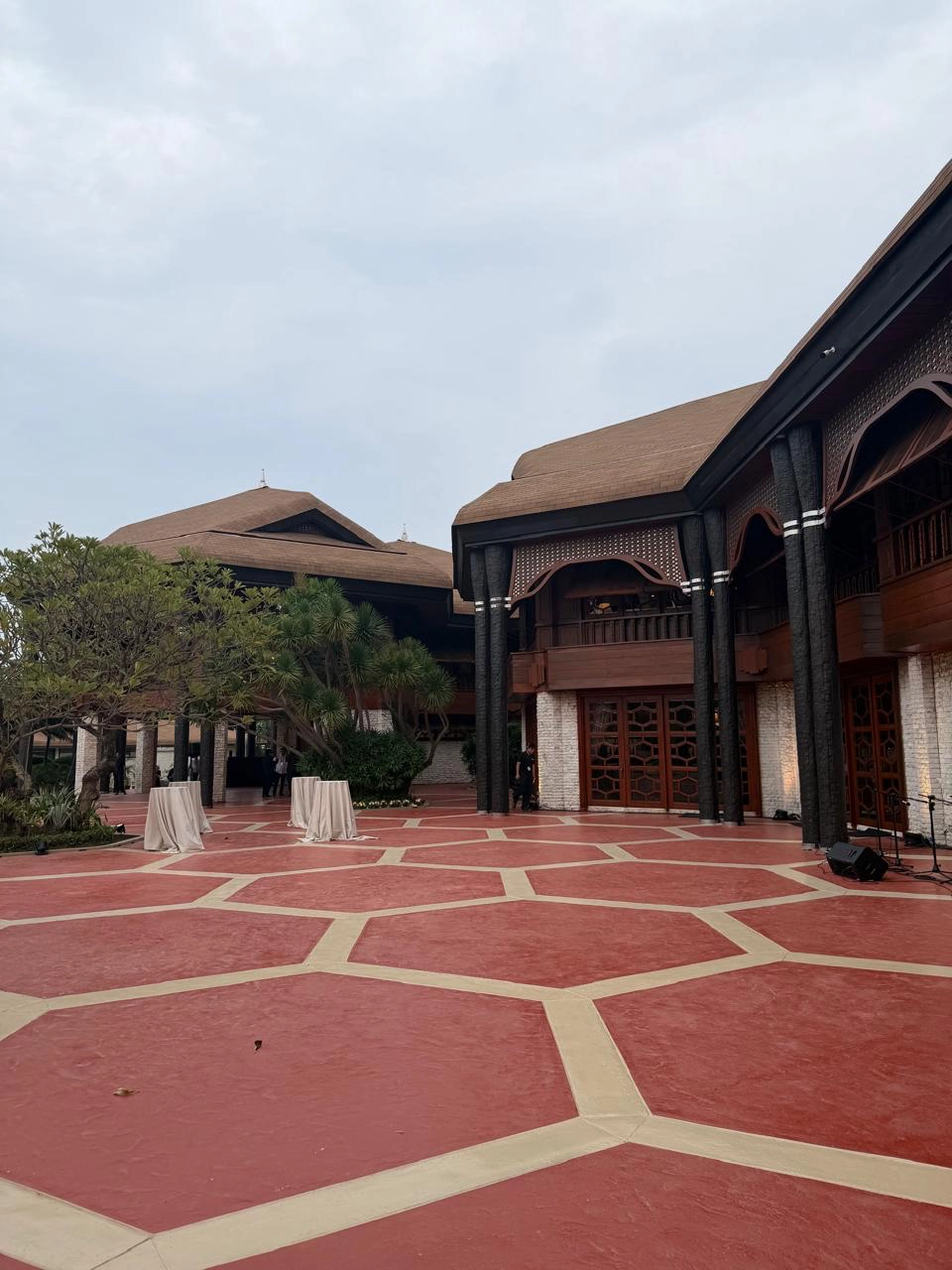
Coconut Palace, also known as “Tahanang Pilipino,” is getting a refresh ahead of the Philippines’ hosting of the 49th ASEAN Leaders’ Summit on November 10 to 12, 2026. The landmark has undergone enhancements in preparation for its role as one of the venues for the upcoming ASEAN Leaders’ Summit. These changes will be geared towards improving its facilities and functionality for the regional gathering.
READ ALSO: Tanaw: Designing A Future For The Youth
About The Coconut Palace Landmark In Pasay
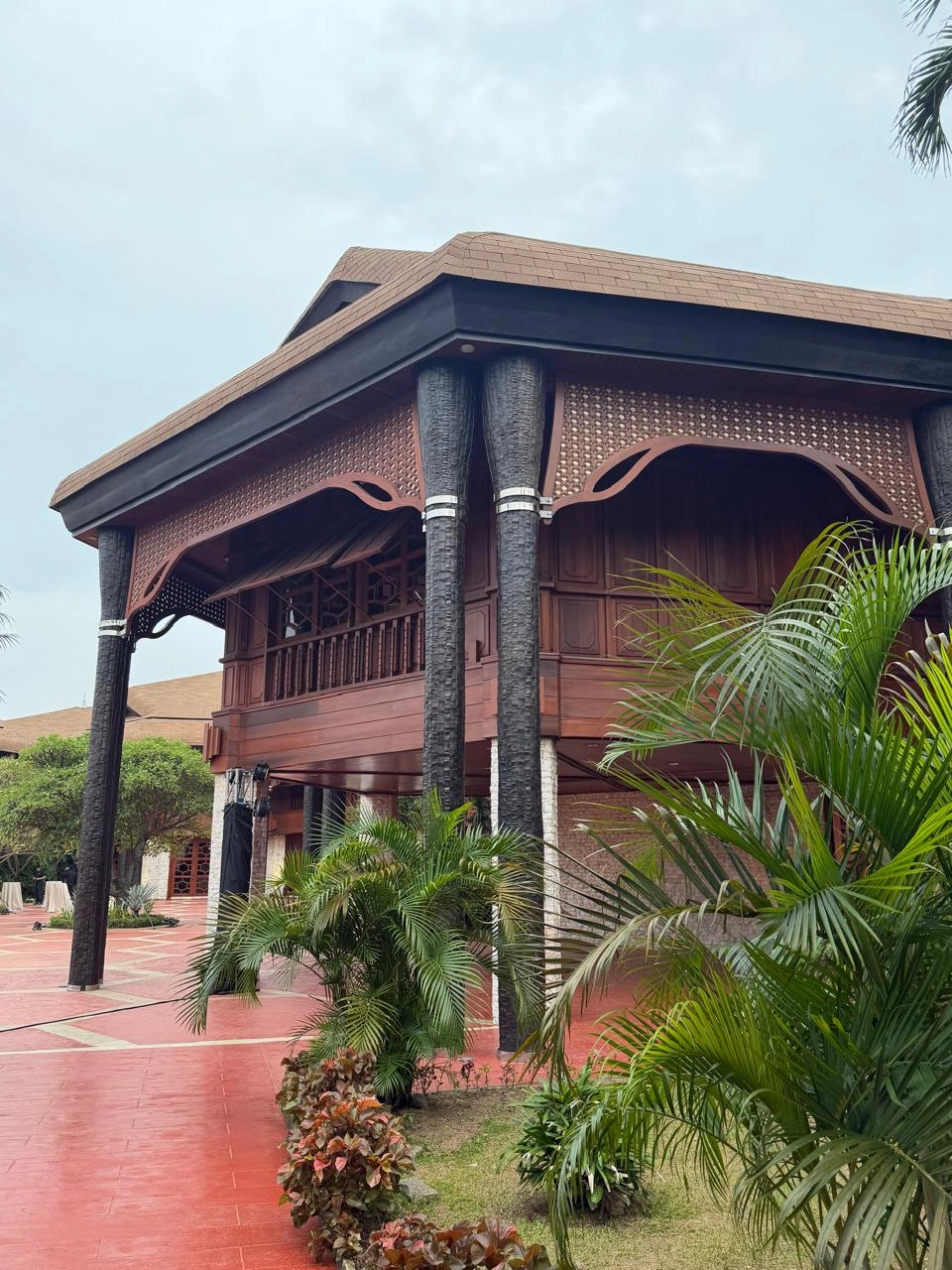
Commissioned in 1978 by then-First Lady Imelda Marcos and designed under the supervision of National Artist for Architecture Francisco “Bobby” Mañosa, the Pasay City landmark was originally built as a guesthouse for foreign dignitaries. It would go on to become known for its recognizably Filipino architecture and innovative use of indigenous materials.
As its name suggests, coconut is central to the palace’s design. Coconut shells, coconut wood, and other elements of the coconut tree are woven throughout its architecture and interiors, alongside materials such as capiz shells, solihiya or woven rattan, and narra wood. The result is a structure where Filipino craftsmanship takes precedence, materiality already a showcase of local ingenuity—a testament to the neo vernacular architecture that Mañosa always championed.
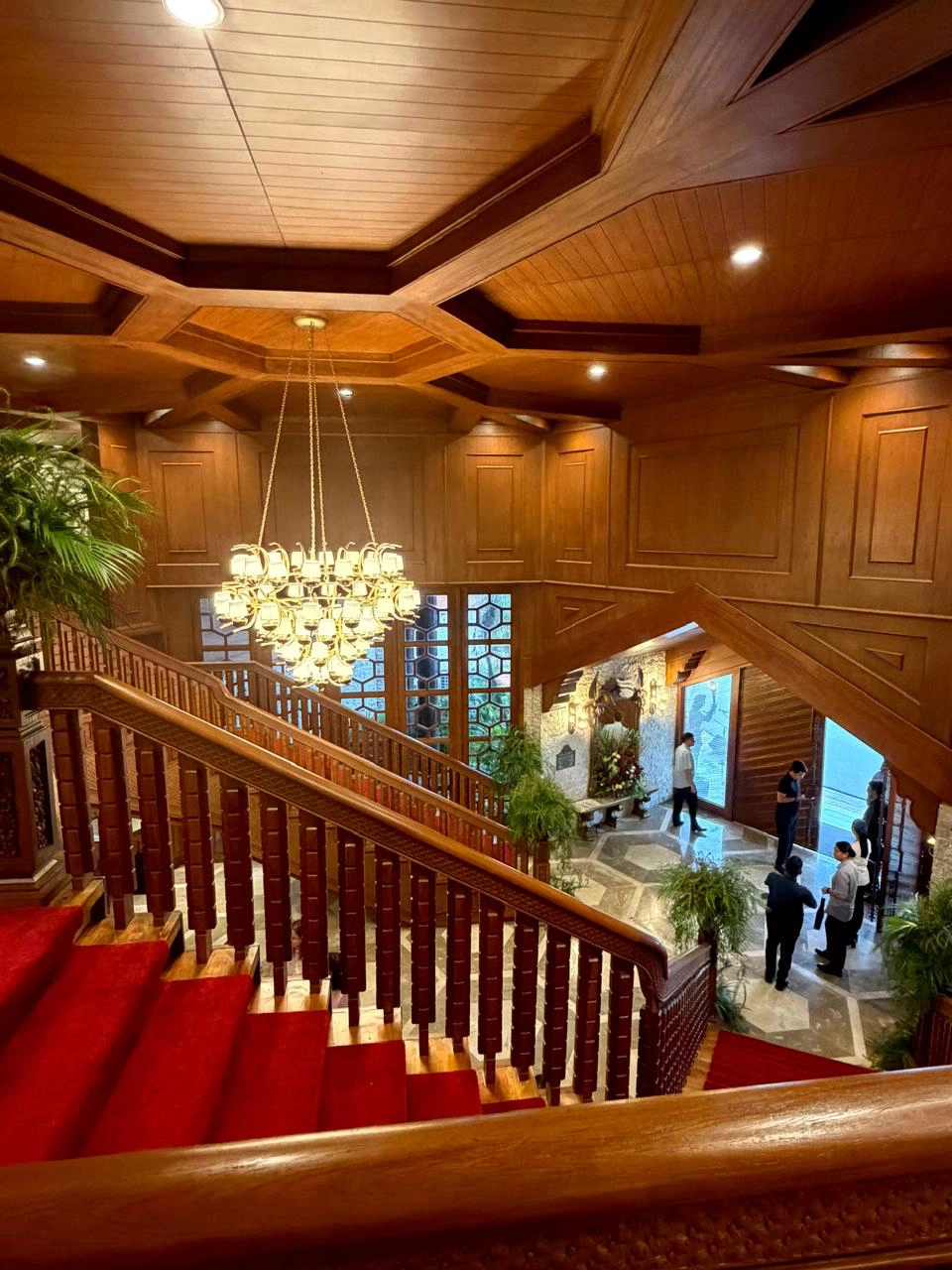
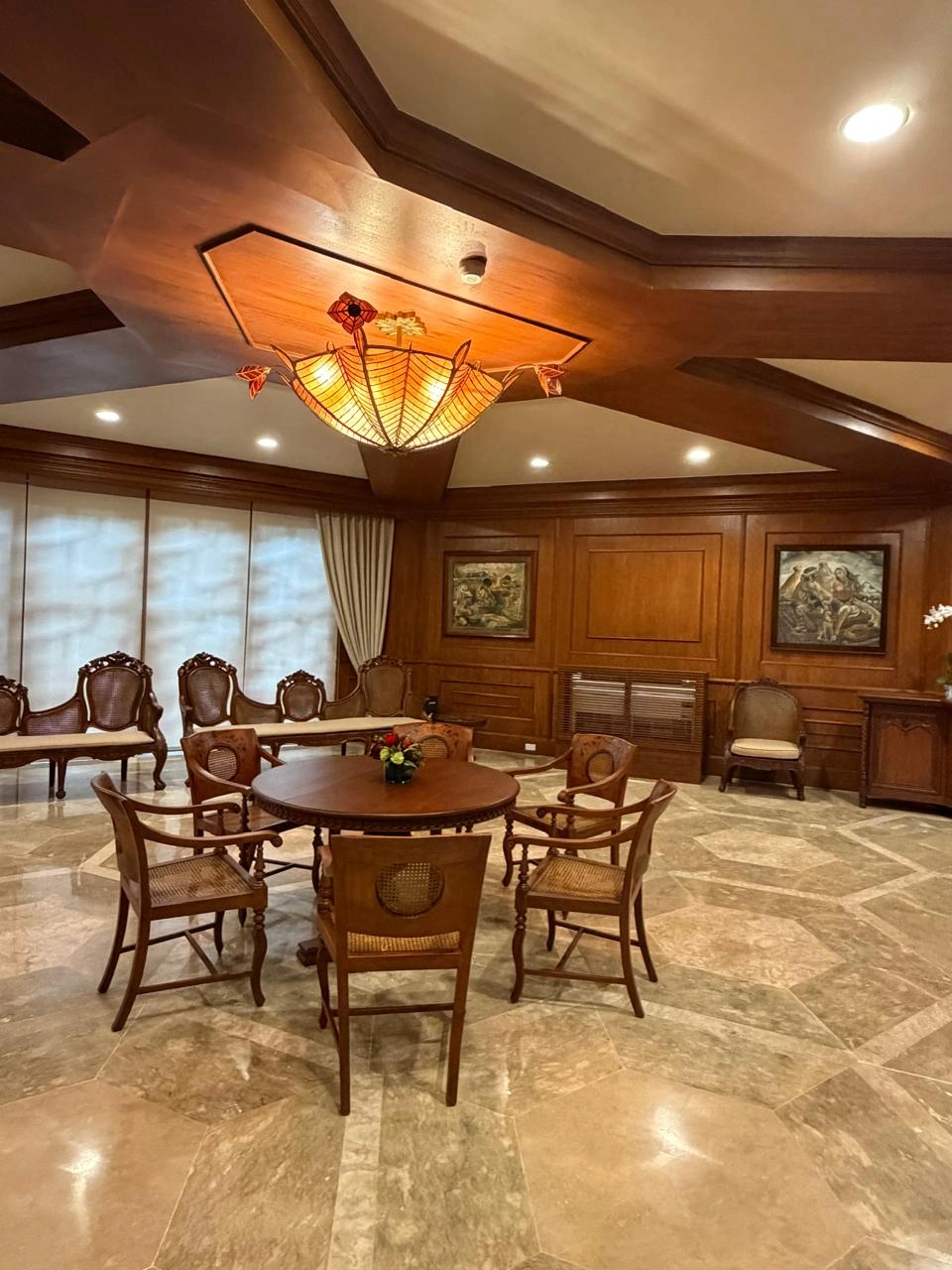
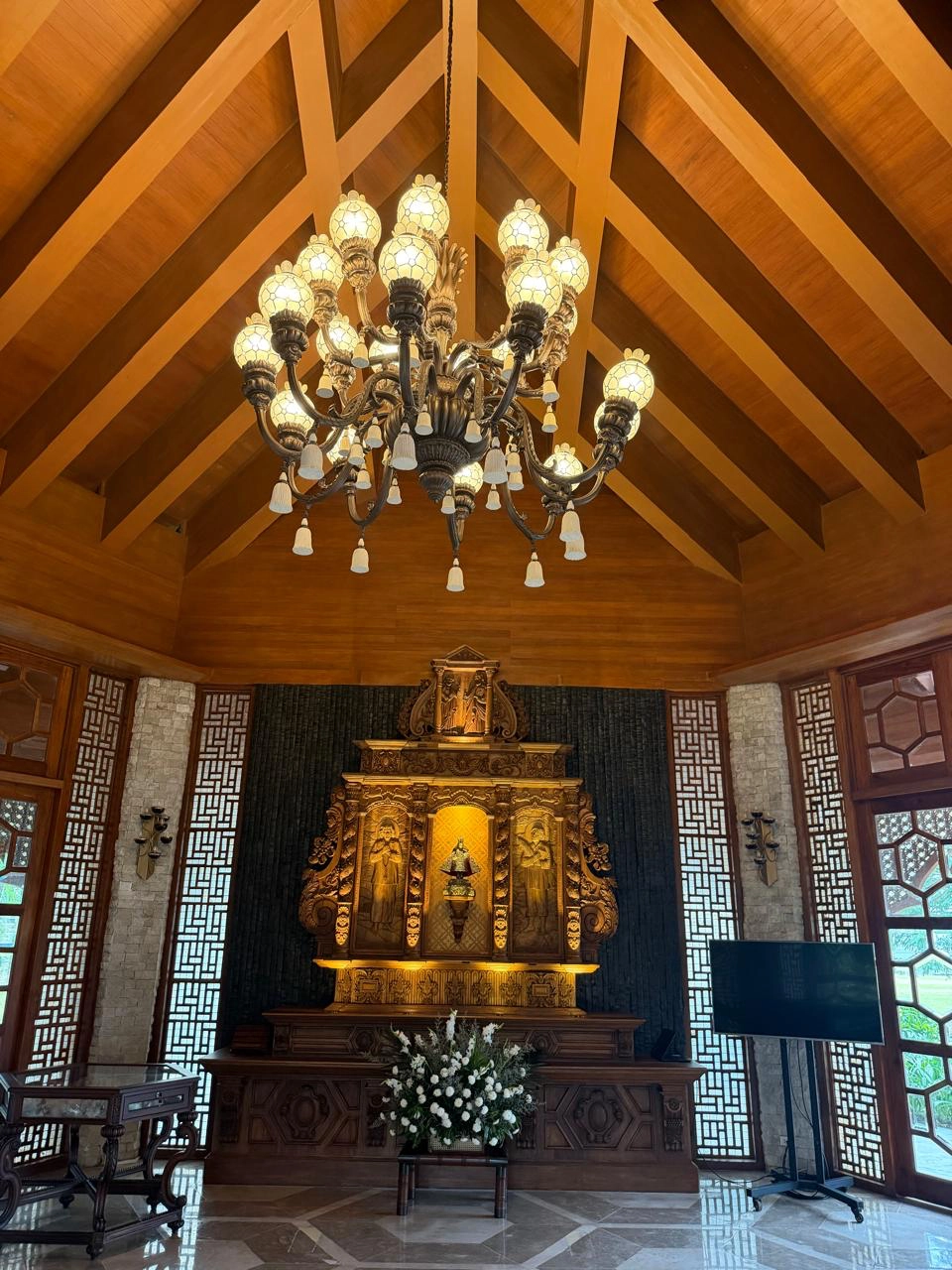
The palace’s seven bedrooms are an extension of this narrative, each inspired by a different part of the Philippines: Ilocos, Iloilo, Mountain Province, Zamboanga, Pampanga, Marawi, and Bicol. Their respective textiles, furniture, and artworks offer a glimpse into the distinct cultural character of each region.
Over the years, the Coconut Palace has witnessed significant moments in Philippine history, serving as the official residence and office of the Vice President. In June 2023, the National Museum of the Philippines declared it an important cultural property, recognizing its historical, architectural, and cultural significance.
Frequently Asked Questions
The Coconut Palace, also known as Tahanang Pilipino, is a historic landmark in Pasay City known for its distinctly Filipino architecture and innovative use of indigenous materials. Designed under the supervision of National Artist for Architecture Francisco “Bobby” Mañosa, it was originally built as a guesthouse for foreign dignitaries.
The Coconut Palace was commissioned in 1978 by then-First Lady Imelda Marcos and designed under the supervision of Francisco “Bobby” Mañosa. Over the years, it has witnessed significant moments in Philippine history and served as the official residence and office of the Vice President.
The Coconut Palace is a showcase of Filipino craftsmanship and neo-vernacular architecture, with coconut shells, coconut wood, and other elements of the coconut tree incorporated throughout its architecture and interiors. It also features traditional materials such as capiz shells, solihiya or woven rattan, and narra wood.
The Coconut Palace has seven bedrooms, each inspired by a different part of the Philippines: Ilocos, Iloilo, Mountain Province, Zamboanga, Pampanga, Marawi, and Bicol. Their textiles, furniture, and artworks reflect the distinct cultural character of each region.
The Coconut Palace is undergoing extensive enhancements ahead of the Philippines’ hosting of the 49th ASEAN Leaders’ Summit on November 10 to 12, 2026. The renovations are intended to improve the landmark’s facilities and functionality while preserving its heritage features, as it prepares to serve as one of the summit’s venues.