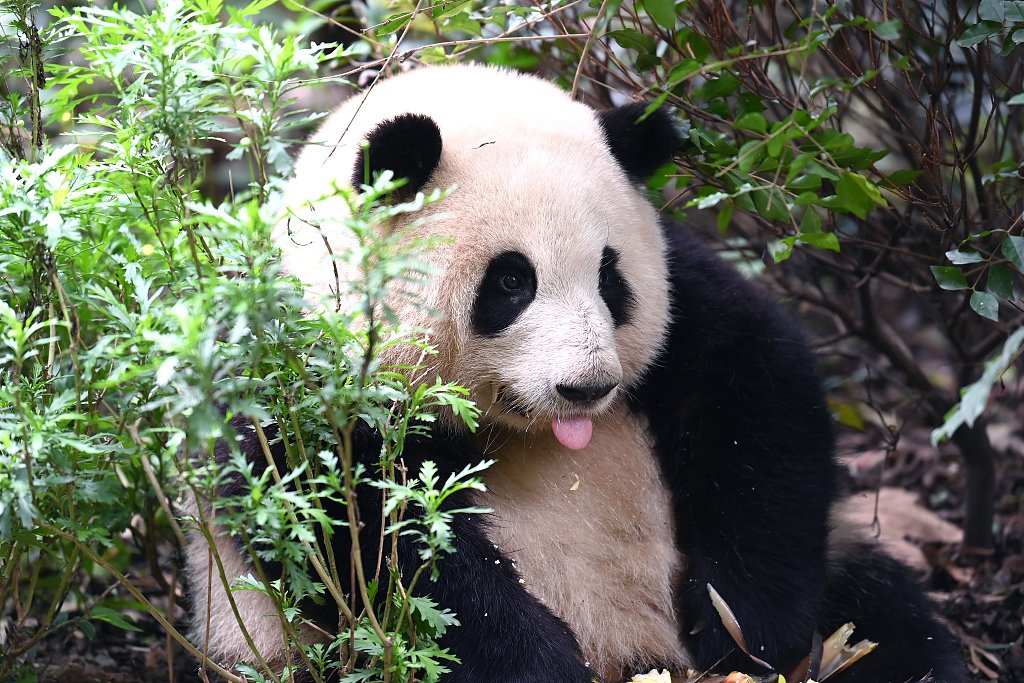
Get to know Hua Hua the Giant Panda, an internet sensation, a panda celebrity, and a rainmaker for her city.
China is known for being a cultural and technological hub. With its constantly rising and established economy, the country has positioned itself as one of the world’s global superpowers. The country’s power and influence are truly undeniable. Another undeniable fact about China is how cute and viral their Giant Pandas are.
READ ALSO: Threads Of The Past: Winna Go’s Garments Trace The Roots And Routes Of Diaspora
Aside from being undoubtedly adorable, Giant Pandas are also known to power a part of the country’s economy. Fans all over the world are in awe of their different Giant Pandas with distinct appearances and personalities. However, one Giant Panda, or not so giant at all, is taking over the world by storm and her name is HeHua (Hua Hua).
Panda Or Onigiri?
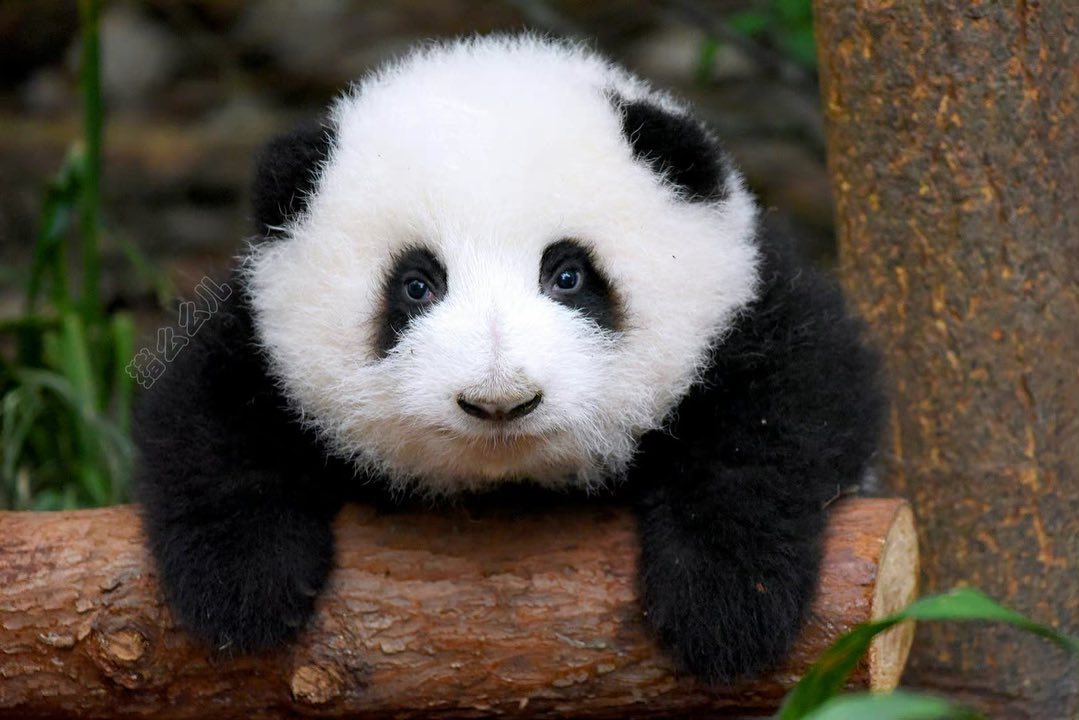
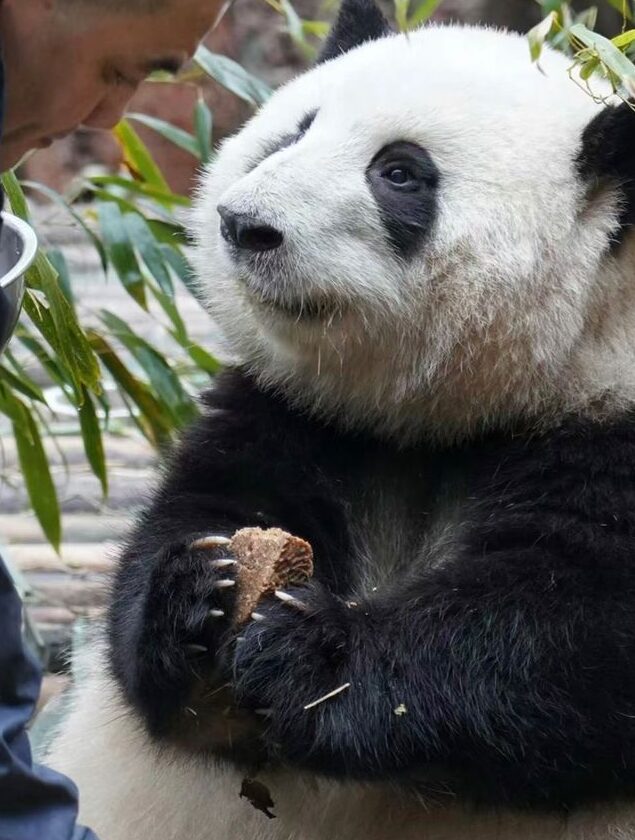
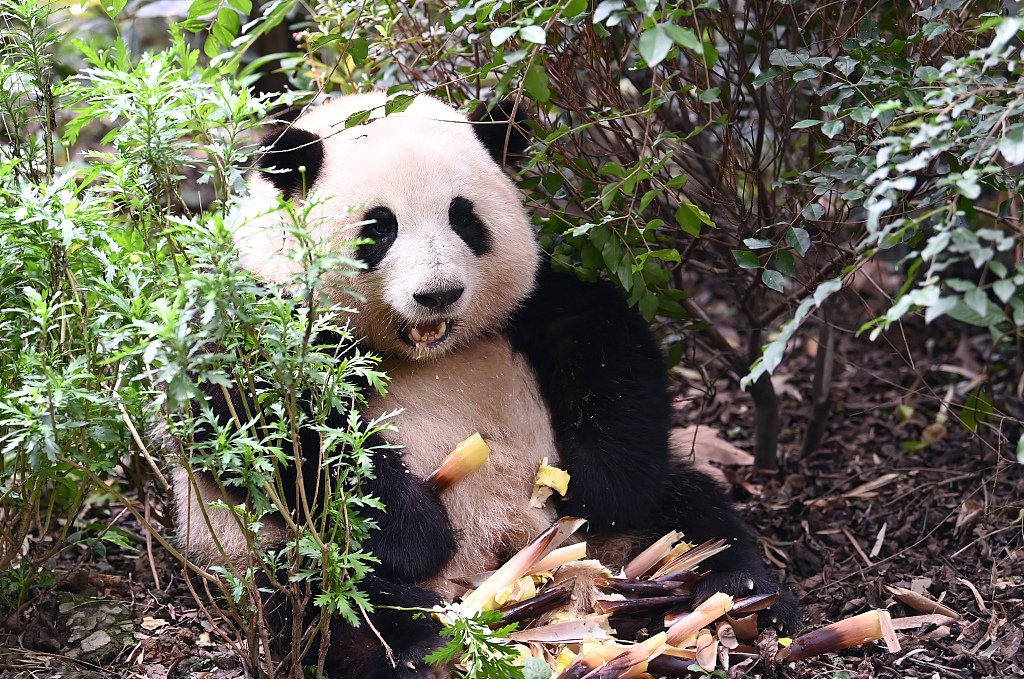
Hua Hua is a Giant Panda born and raised at the Chengdu Research Base of Giant Panda Breeding. She gained internet fame because of her unique features and personality. Unlike other Giant Pandas, Hua Hua is shorter and stouter. Her stature is a result of a developmental delay which weakened her right leg—preventing her from running and climbing trees. Furthermore, netizens love her because she holds the record for spending the most time in Panda Kindergarten.
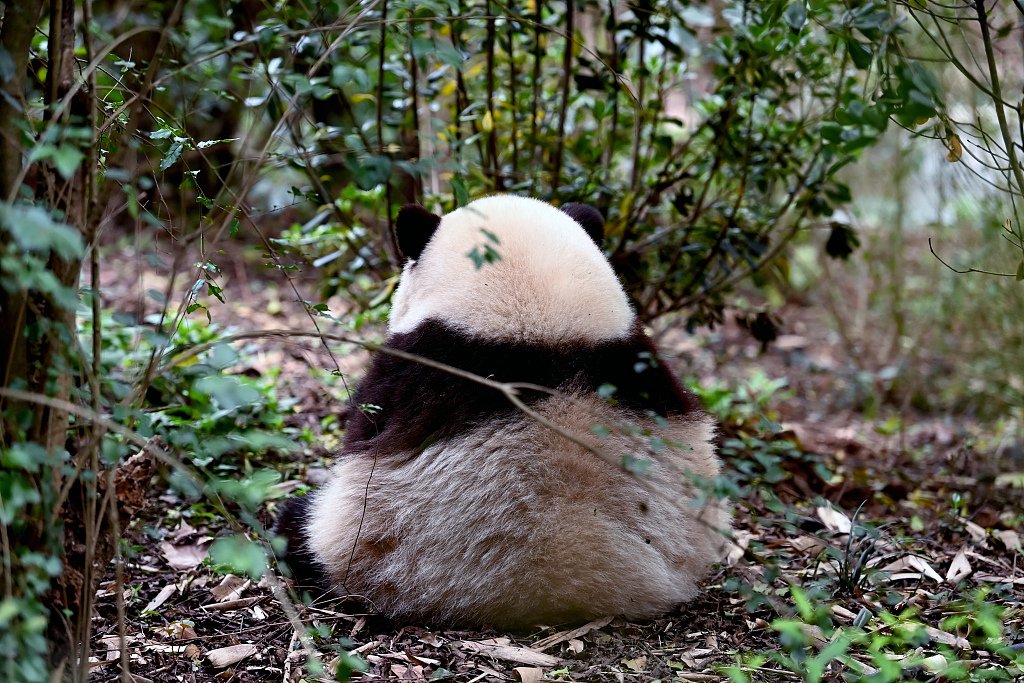
Aside from her pleasing personality, her overall physique draws attention. Netizens call her an Onigiri, a triangle-shaped rice dish from Japan because they say she is shaped like one. Furthermore, people are flacking over how she is loved by her devoted caretaker, Tan Jintao, affectionately known as “Grandpa Tan”.
Revenue Driving
Her internet fame is not unreturned—people willingly travel to Chengdu, China just to see even a glimpse of the world-famous Hua Hua. Last year, during the May Day holidays, local media reported that Hua Hua attracted 264,000 visitors to the Chengdu Research Base of Giant Panda Breeding. Her celebrity status prompted 180,000 sales in tickets—selling out the first three days of the holiday. Due to her success, she was appointed as an honorary chief of the city’s tourism bureau.
Moreover, a TikTok video explaining how Hua Hua helped the city of Chengdu earn an extra 200 billion in revenue. They said that before going viral, the city had a total revenue of 300 billion. However, after finding her celebrity status, the total revenue of Chengdu increased to 500 billion. Her stardom truly is beyond comprehension.
Banner photo via X @CGTNOfficial.
Frequently Asked Questions
Hua Hua is a celebrity giant panda living at the Chengdu Research Base of Giant Panda Breeding, known for her unique appearance, gentle personality, and viral popularity. She is called a “rainmaker” because her fame has attracted massive tourist crowds and boosted Chengdu’s tourism economy, making her a key driver of local revenue and attention.
Soft power refers to influence gained not through force, but through culture, attraction, and emotional appeal. Giant pandas act as a soft power symbol because their global popularity helps shape a friendly, lovable image of China and strengthens tourism, diplomacy, and cultural influence worldwide.
Hua Hua became viral due to her shorter, rounder body, chubby build, and distinctive “onigiri” (rice ball-like) shape, along with her unusual proportions and gentle, slightly clumsy movements that made her stand out from other pandas.
Her viral fame drove huge tourism surges—hundreds of thousands of visitors traveled to see her, increasing ticket sales, merchandise demand, and local spending. This contributed to reports that Chengdu’s revenue rose by around 200 billion due to panda-driven tourism and related industries.
Panda Diplomacy shows that countries can build trust, goodwill, and long-term relationships (“guanxi”) using emotional and cultural symbols instead of political pressure. By sharing iconic animals like pandas, China strengthens international ties and creates positive associations that support diplomacy and cooperation.