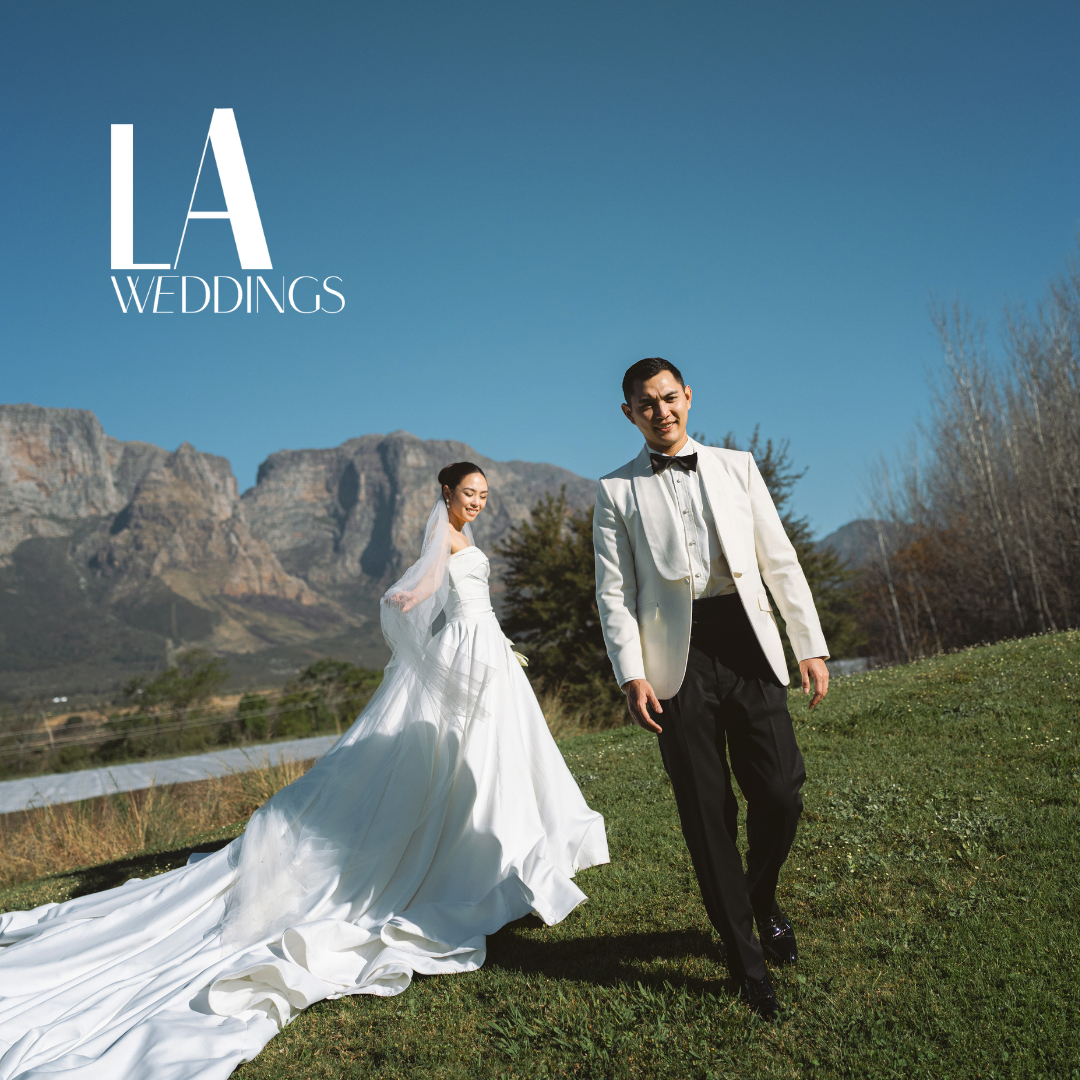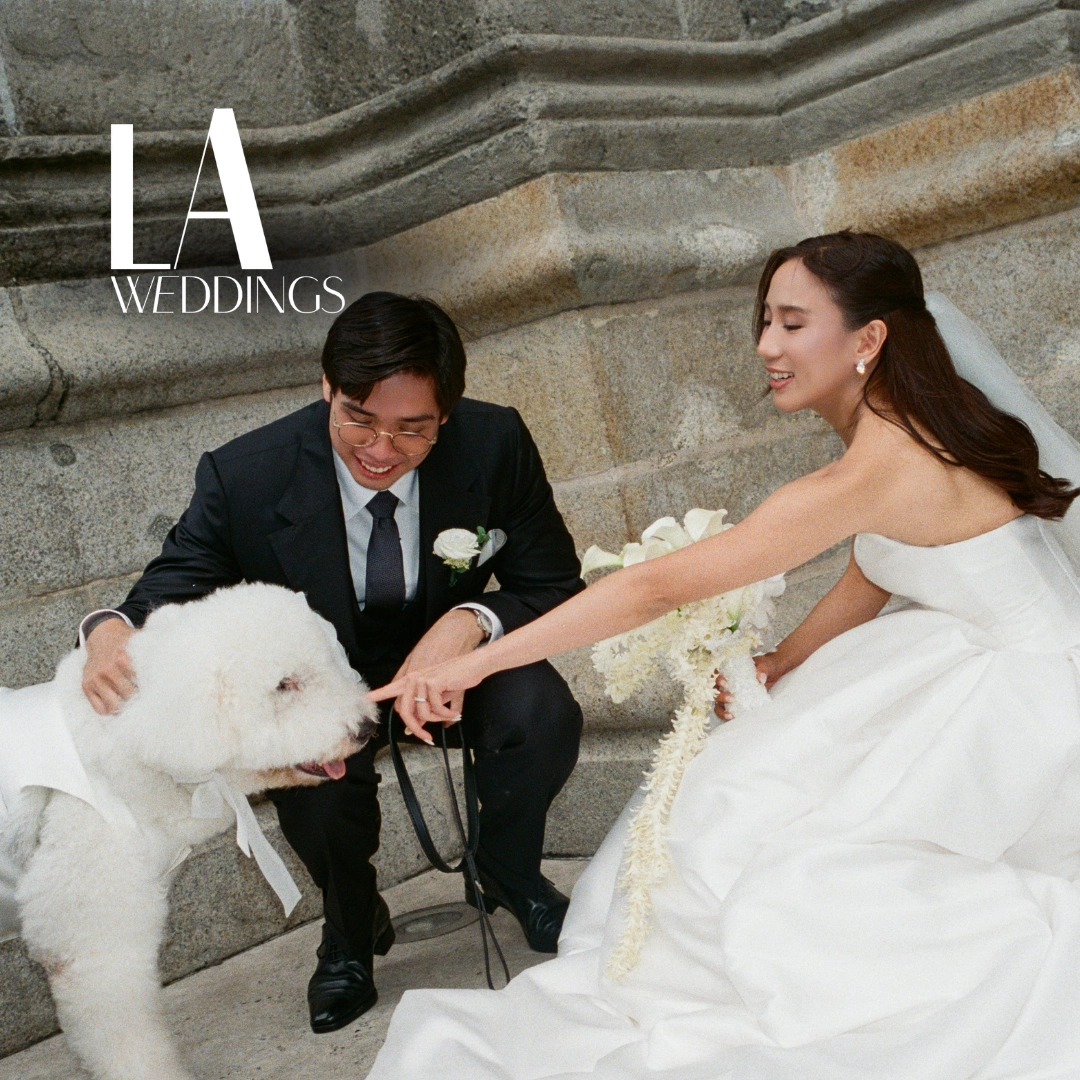
The bridal runway is rewriting its own history—and the past has never felt so present.
Lately, it looks like bridal designers are moving much more easily between eras, creating collections that feel informed rather than nostalgic.
It’s a mix of influences that reflect a broader shift in fashion and cultureCultureshared traditions, beliefs, values, customs, arts, and social practices that define the identity and way of life of a community, society, or nation.Go to Culture Glossary. Social media has compressed timelines, making decades of inspiration available at once. A bride today may have spent years saving vintage wedding photos, scrolling on her Instagram feed, and saving inspo posts to a folder labeled “wedding pegs.” So that by the time she shops for her dress, she often knows exactly what she wants.
It’s safe to say that the economics of bridal fashion have changed. The rise of vintage and secondhand shopping, along with a stronger focus on sustainability, has pushed brides toward pieces that feel lasting.
READ ALSO: Sentimental Value: The Personal History Behind Bianca Wen’s Wedding Dress
Antique Details
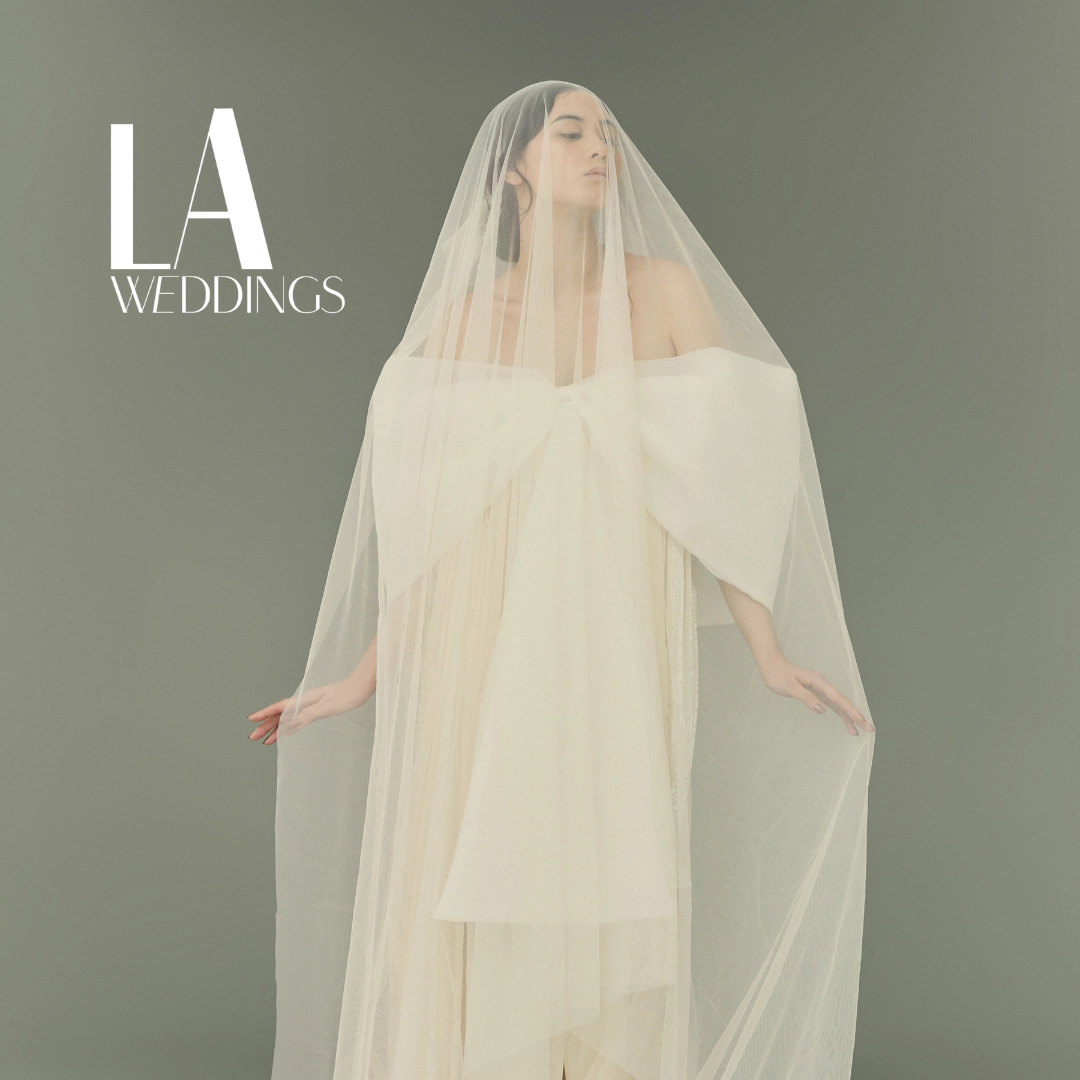
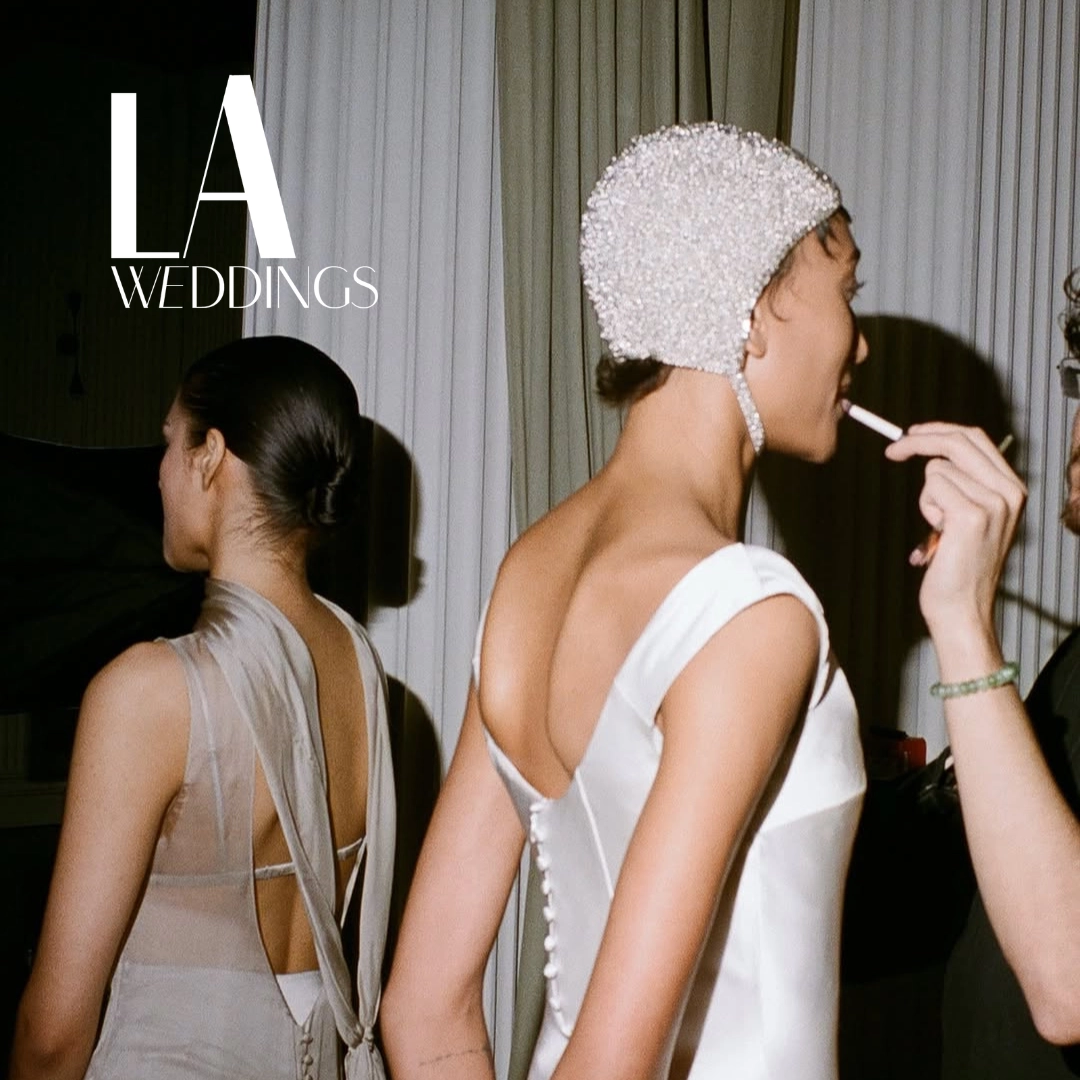
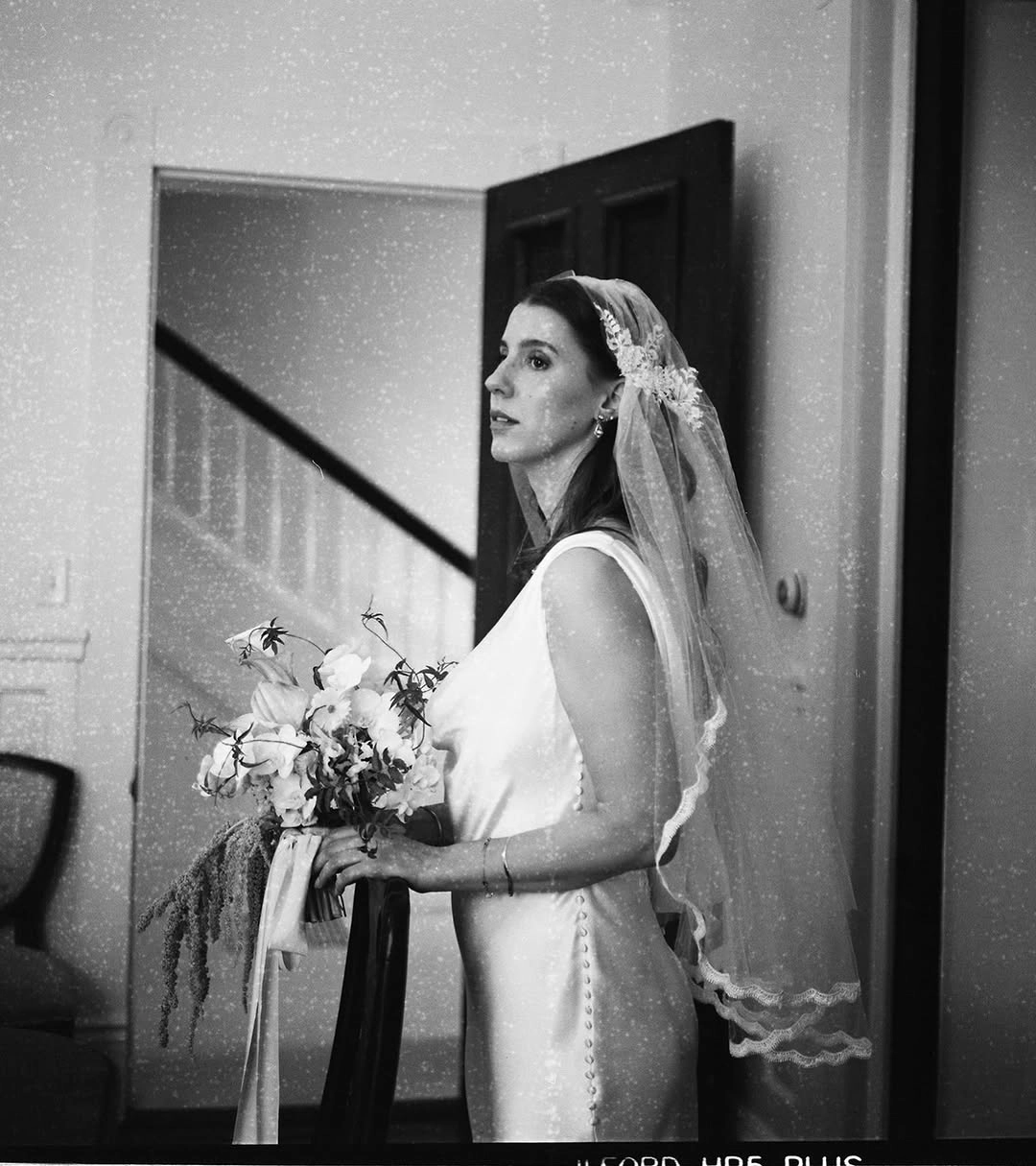
Designers are revisiting the early twentieth century, focusing on a balance between romance and control. The Juliet cap veil has become a recurring focus, worn low on the head for a softer, more understated effect. Edwardian-inspired silhouettes emphasize structure, with defined waists and fluid A-line skirts. The Basque waist, which had a revival in 2025 thanks to Danielle Frankel, is here to stay, too.
Accessories support this direction with small, vintage-inspired evening bags, or reticules, that dangle casually on a bride’s wrist.
This aesthetic also connects to a broader preference for slower, more considered dressing. After all, bridal fashion remains one of the few areas where time and intention are expected.
Eighties Extra
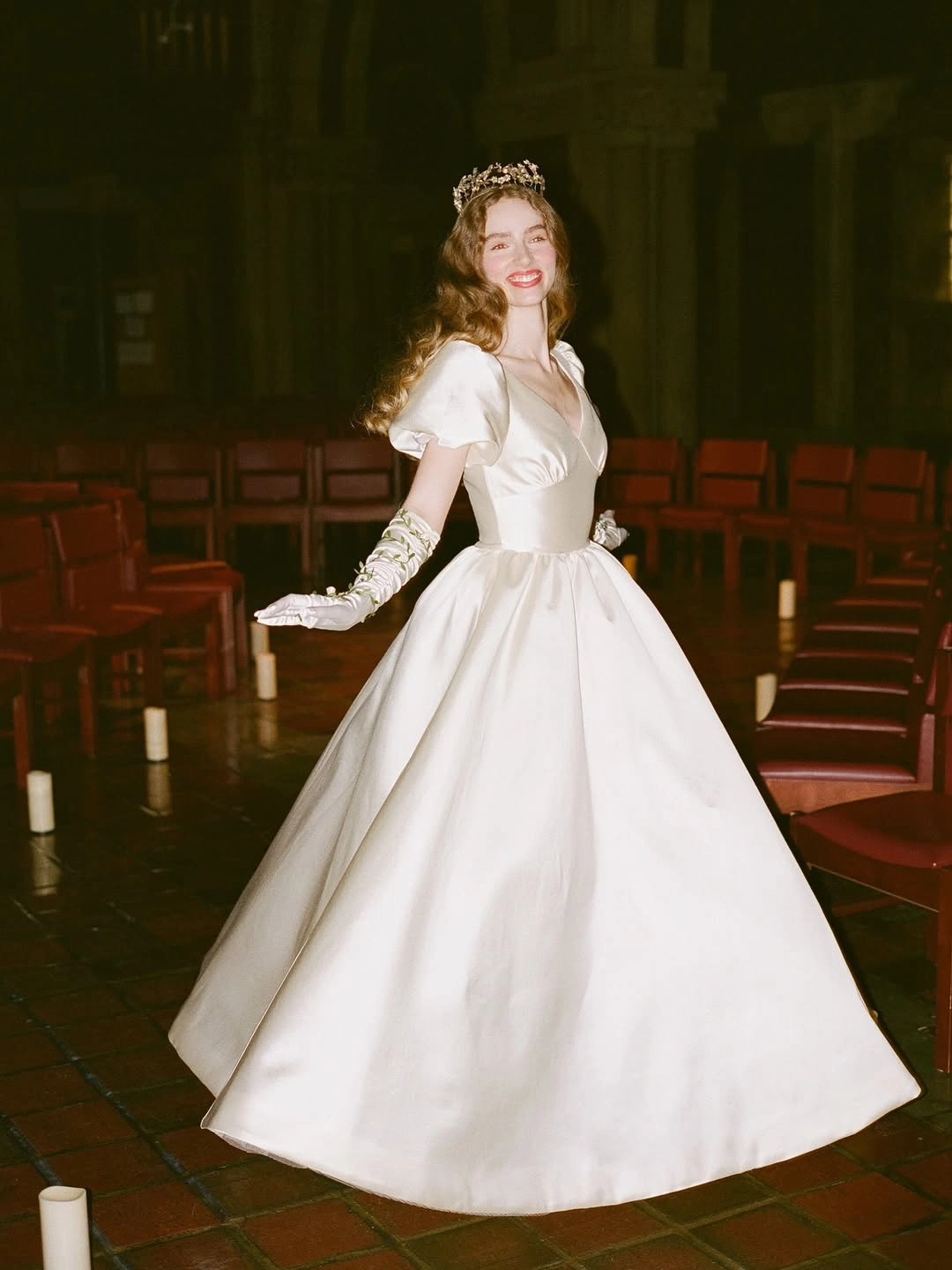
In contrast, the return of 1980s-inspired bridalwear is more direct. The influence of Princess Diana’s 1981 wedding dress is visible again in dramatic silhouettes. Large sleeves, ruffles, and layered details are used deliberately, not as excess but as a defining feature.
Designers like Tanner Fletcher are leaning into this approach. What was once rejected in the 1990s and early 2000s is being reconsidered by a new generation. Many brides grew up seeing their mothers’ wedding photos and are now revisiting those styles with a different perspective. The volume feels less about imitation and more about reinterpretation.
Nostalgia’s role here is more structured than sentimental. The 1980s have become a recurring reference point in fashion, studied and reused across collections. People are embracing the camp and the theatricality while tailoring it to the 21st century.
Minimal Textures, Maximum Impact
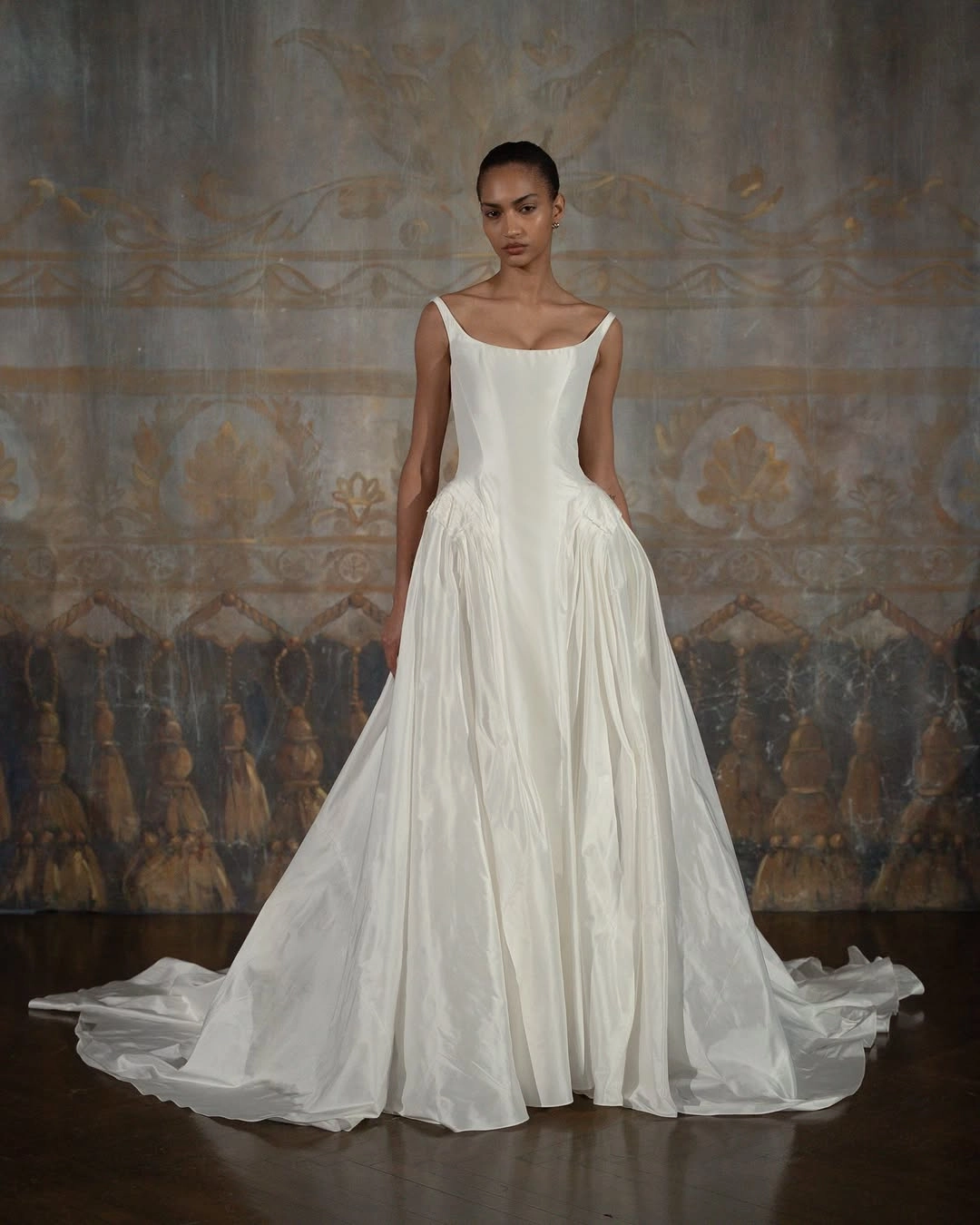
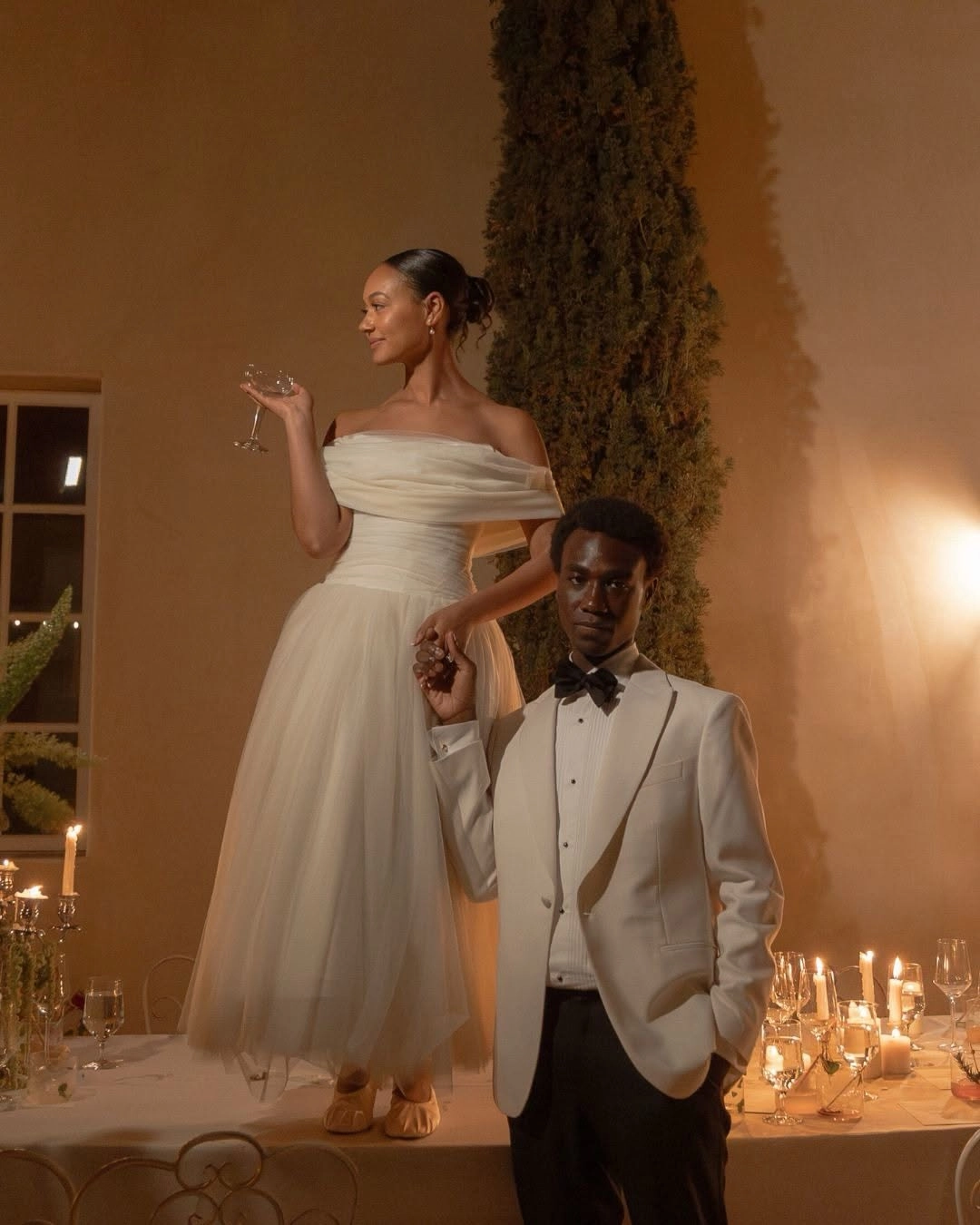
Alongside these statement styles, there is also a shift toward simplicity. Call this a recession indicator, but after years of heavily embellished gowns, it looks like designers are focusing on cleaner surfaces. Fabrics like silk crepe and taffeta are being used with minimal decoration, which allows cut and construction to stand out.
This change reflects a different understanding of value. In the past, embellishment often signaled cost and importance. Now, it seems as if many brides are recognizing quality through fabric and tailoring instead. A simple gown made from high-quality material can be just as expensive and often more refined than a heavily decorated one.
Lace remains part of the conversation but is used more sparingly. Instead of covering entire gowns, it appears in smaller details, such as cuffs or hems. The structure of the dress carries more visual weight, creating a cleaner and more focused look.
Frequently Asked Questions
Bridal trends for 2026 focus on a mix of historical references and modern design. Edwardian-inspired silhouettes, Juliet cap veils, and vintage-style accessories are returning, alongside 1980s-influenced volume like puff sleeves and ruffles. At the same time, there is a clear shift toward simpler gowns that emphasize fabric, structure, and tailoring over heavy embellishment.
Yes, minimalist wedding dresses are a significant direction in 2026. Many designers seem to be moving away from heavily embellished gowns and focusing on clean lines, high-quality fabrics like silk crepe and taffeta, and precise construction. Lace is still used, but more sparingly, often as a small detail rather than the main feature.
Vintage-inspired wedding dresses are trending due to a combination of cultural and practical factors. Brides today seem to be more informed through social media and online research, making them more aware of historical styles. At the same time, interest in sustainability and long-term value has increased, leading many to choose designs that feel timeless and considered rather than purely trend-driven.
A Juliet cap veil is a close-fitting veil worn low on the head rather than at the crown, producing a softer, more understated effect than a traditional cathedral or drop veil. It pairs naturally with Edwardian-inspired bridal silhouettes that emphasize structure and a defined waist.
1980s bridal fashion is returning as designers reference dramatic details like large sleeves and ruffles popularized by Princess Diana’s 1981 wedding dress, reinterpreting volume that earlier generations once rejected. The revival reflects a generational shift, with younger brides revisiting their mothers’ wedding photos with fresh perspective.