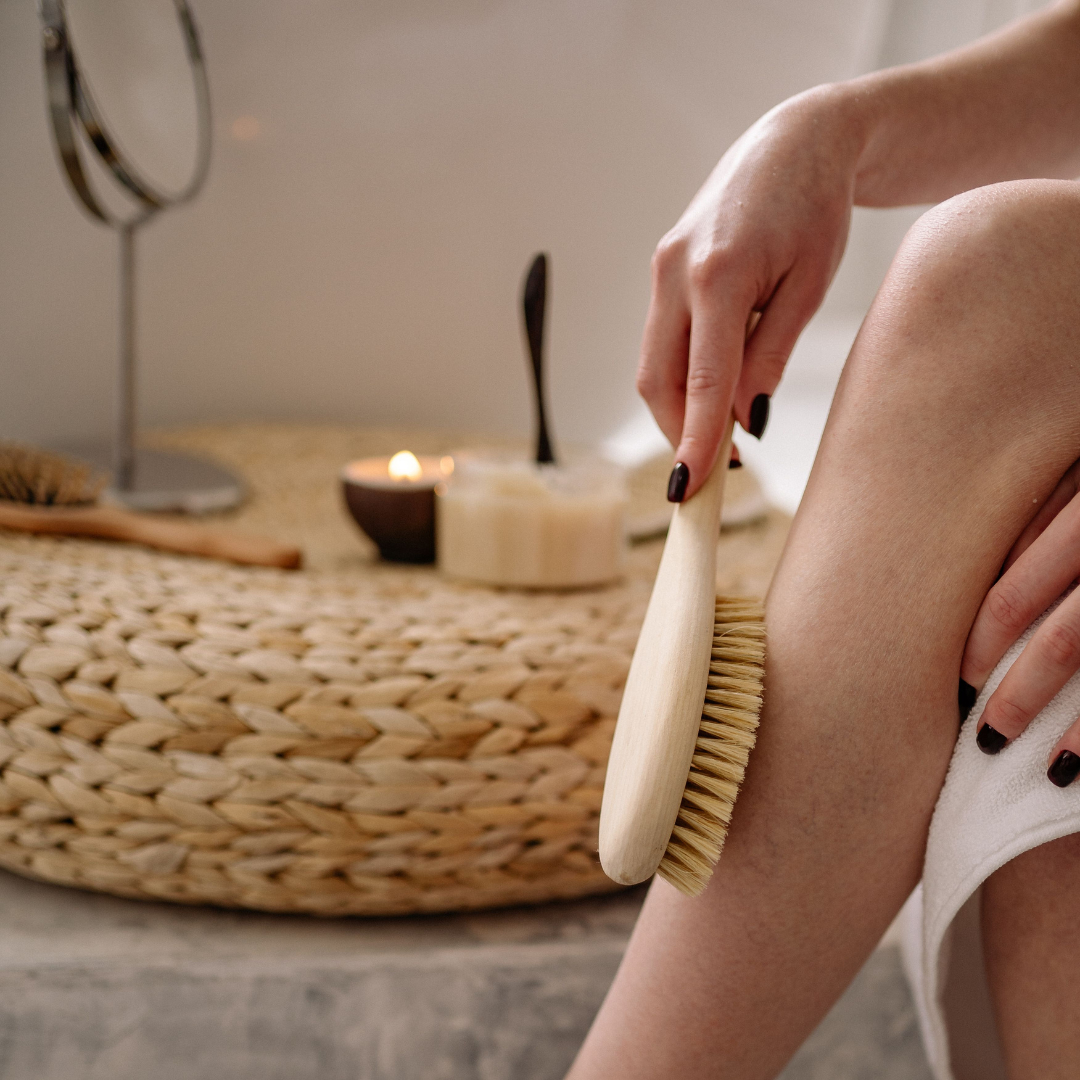
Should you add dry brushing to your nightly routine? Here’s what the beauty ritual can actually do for your skin, plus how to do it gently.
Every once in a while, a new beauty trend takes over our feeds, and lately, I’ve been spotting dry brushing all over my TikTok For You Page. At first glance, the ritual looks pretty simple: before bed, people take a soft brush and run it over their limbs in what can only be described as a gentle, full-body caress. But after looking into it a little more, I realized dry brushing might actually be worth adding to my nightly routine.
READ ALSO: Woke Up Puffy After a Night Out? Blame Hangover Skin
Benefits of Dry Brushing
Before you start brushing your entire body like you’re polishing a piece of furniture, let’s get one thing straight: dry brushing does have benefits, but TikTok may have given some of them a little extra sparkle.
Its biggest draw is exfoliation. The brush helps slough off dead skin cells and flaky patches, leaving the skin feeling softer and smoother afterward. If you’ve ever stepped out of the shower after a good body scrub and immediately wanted to touch your arms, the effect is somewhere in that territory. As with any form of exfoliation, however, a lighter hand goes a long way. Going too hard or too often can leave your skin red, irritated, and even drier than when you started.
Then there are the more ambitious claims. Dry brushing is often linked to improved circulation, lymphatic drainage, “detoxing,” and even reducing the appearance of cellulite. While dry brushing can temporarily stimulate the skin and create that fresh, slightly tingly feeling, research has yet to show that it can meaningfully detox the body or get rid of cellulite. Your liver and kidneys already have the detox department covered, so your body brush can stay in its lane.
Still, there’s something to be said for the ritual itself. Taking a few minutes to slow down and give your body some attention, followed by a shower and a generous layer of moisturizer, can make dry brushing feel like a true act of self-care; that alone is enough to make a routine stick.
Should I Start Dry Brushing?
As someone who enjoys any beauty ritual that makes an ordinary evening feel a little more put-together, dry brushing sounds like an easy addition to the routine. But I’ll be adding it for what it can actually do: exfoliate my skin and make it feel smoother, rather than expecting it to flush out toxins or magically erase cellulite.
If you want to give it a go, start gently. Use light strokes, avoid going over the same area repeatedly, and skip any skin that’s sunburned, broken, irritated, or already dealing with an inflammatory condition. People with particularly sensitive or acne-prone skin may also find mechanical exfoliation a little too aggressive.
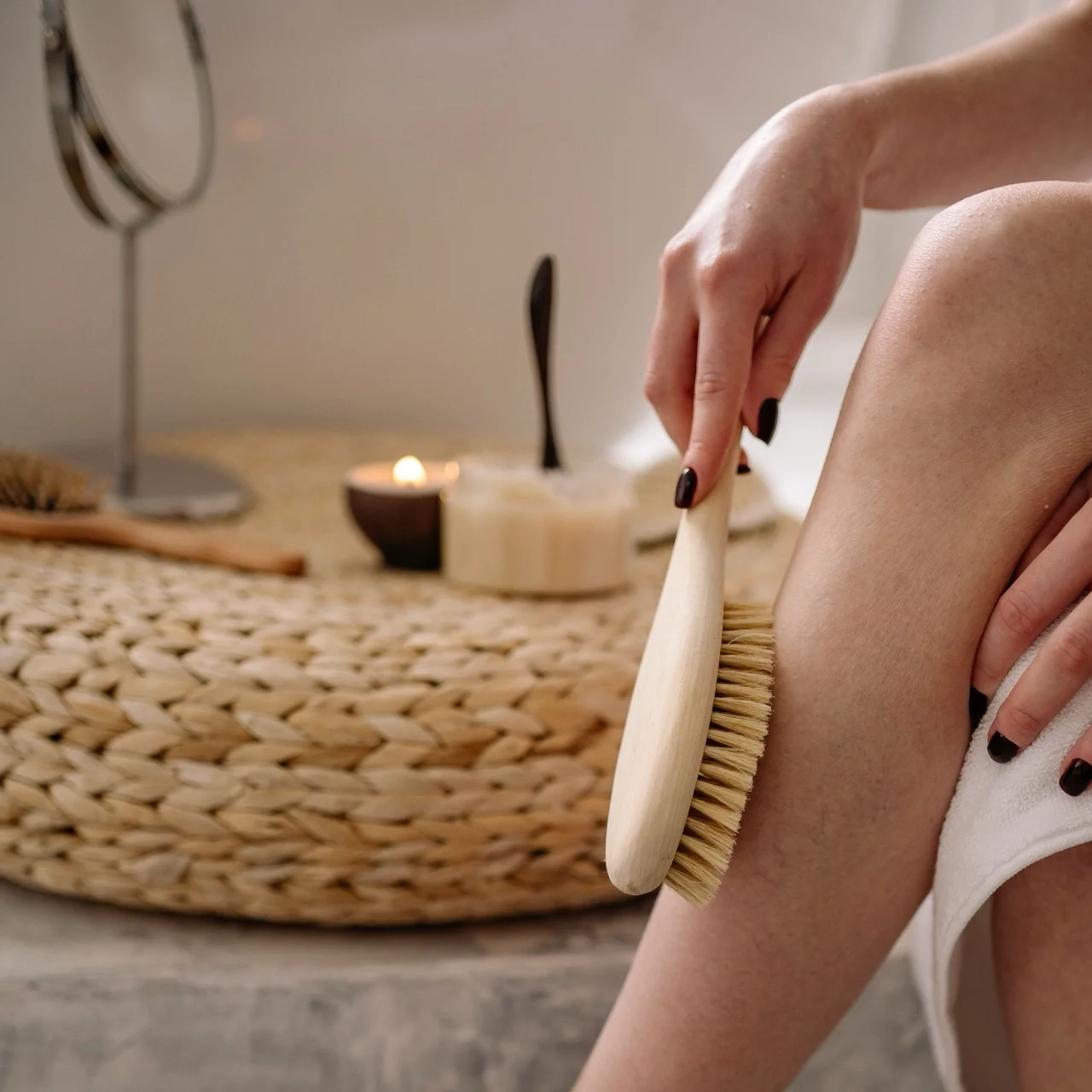
You also don’t need to turn it into a nightly cardio session. A few gentle passes before a shower should do the job, and if your skin starts feeling sore, raw, or irritated, put the brush down.
So, should you start dry brushing? Sure, if the ritual appeals to you and your skin can handle it. Just manage your expectations. The real benefit is fairly straightforward: smoother, freshly exfoliated skin. Everything beyond that is where things start getting a little fuzzy.
Banner image features dry brushing, photography by Yan Krukau, courtesy of Pexels
Frequently Asked Questions
Dry brushing is a skincare ritual where you use a soft, dry brush over your body before showering. It works primarily as a form of physical exfoliation, helping remove dead skin cells and flaky patches.
The main benefit of dry brushing is smoother, softer-feeling skin. It helps exfoliate the skin by sloughing off dead skin cells. The ritual can also feel relaxing and turn an ordinary shower routine into a small act of self-care.
Dry brushing is often associated with reducing the appearance of cellulite, but there is no clear evidence that it can get rid of it. The skin may feel temporarily stimulated after brushing, though.
Dry brushing is often linked to detoxing and lymphatic drainage, but the body already has organs, including the liver and kidneys, that handle detoxification. The claims surrounding dry brushing go beyond its more straightforward benefit as an exfoliating ritual.
Use a gentle approach and pay attention to how your skin responds. Avoid brushing the same area repeatedly, and stop if your skin feels sore, raw, or irritated. Follow up with moisturizer after showering to help replenish the skin.