
Friendship breakups might just be worse than romantic breakups, but how do we really mourn and move on from the relationships we lose?
About two years ago, I staged a subtle purge on my dump account. I removed exactly five people from the space where I shared my most unfiltered thoughts and small, unremarkable moments. A place that once felt safe suddenly required boundaries. If this was set in Bridgerton, it was the social equivalent of halting my afternoon tea time invites: neutral on the surface, but unmistakably final. To put it plainly: I went through a difficult friendship breakup with people who once felt like home during university.
It was everything you’d expect: long, unraveling messages; the sting of blocked accounts; the awkward, in-between moments that lasted way longer than they should’ve. Somewhere in the aftermath, I realized how unprepared I was for this kind of loss.
We’re taught how to grieve romantic relationships through films, books, and entire genres built around heartbreak and healing. Friendships, on the other hand, are often framed as constants, the steady backdrop to everything else; we’re told to hold on to them, to keep them forever. But what happens when you can’t? This is the part we rarely talk about: how to move on from a friendship that no longer fits, and how to make sense of the complicated grief that comes with it.
READ ALSO: Justin Francisco And The Art Of Building A “Third Space”
The Anatomy Of A Friendship Breakup
While I was largely unprepared to cope with the aftermath of my friendship breakup, the lead up to it wasn’t sudden. The shift had begun long before it, imperceptible at first before becoming harder to ignore. I remember noticing it after I hosted them in my apartment; something about that night felt off, like the ground had subtly given way beneath us. Again, the change was there, but it wasn’t explicit. I couldn’t really point out or articulate what was wrong, all I knew was that it was enough to leave the friendship on thin ice.
A steady stream of small yet undeniable changes began to take place. The group chat that once cycled through monthly themes grew quieter, then nearly silent. Invitations slowed, then stopped altogether. Eventually, I saw friends celebrating Christmas without me, a moment that turned the unspoken into something much louder. There was no confrontation, no clean ending—just distance that neither side seemed willing, or able, to close.
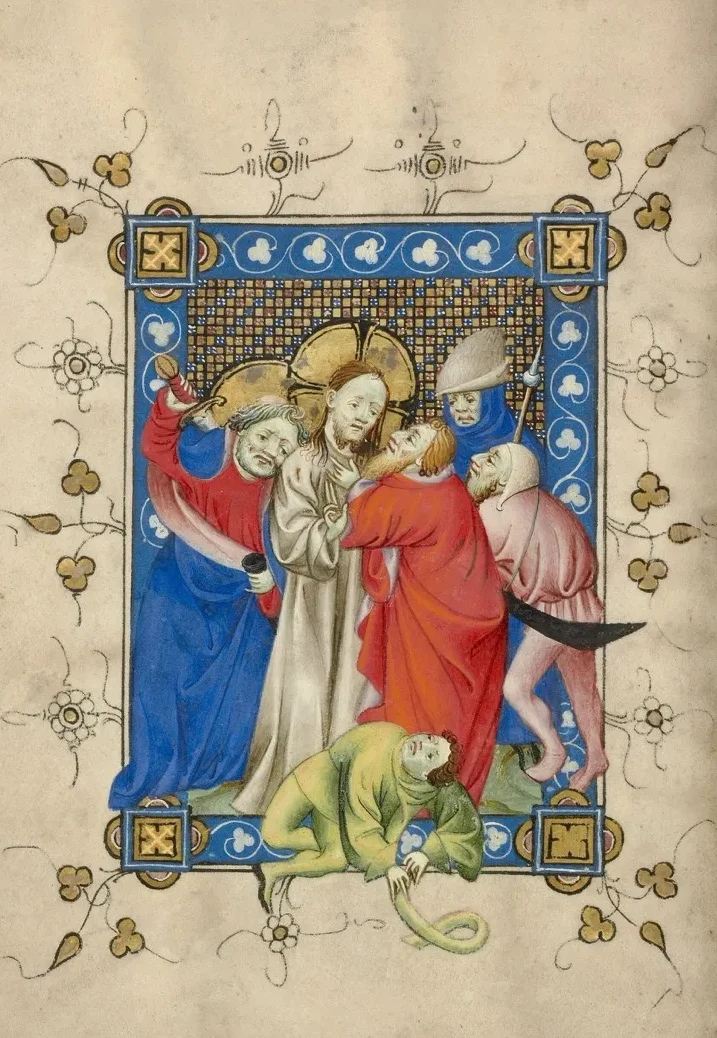
No two friendship breakups look the same. Some end in a single, explosive moment; others dissolve over time. Some are loud, others painfully quiet. Like the friendships themselves, their endings don’t follow a single form.
I talked to a friend who also experienced a recent friendship breakup. I asked her what it was like, and she answered: “I was pretty blindsided when it first blew up, since I thought we were a really close bunch. It felt like a conspiracy were they phased me out and collectively deemed me unworthy to fit into their group.”
After the whole debacle, one thing remains: the sting of it. A friendship break-up is what I think it might’ve felt like when Pandora opened the box and released all that pain into the world; it unleashes a flood of abandonment and self-doubt.
But like any profound loss, acknowledging the sting is the first step toward understanding the unique and necessary process of healing from a bond we were told would last forever.
Picking Up The Pieces
“May the bridges I burn light my way,” Emily Charlton tells herself in The Devil Wears Prada 2. It sounds sharp, almost triumphant, but in reality, most of us don’t walk away from friendship breakups feeling powerful. We walk away carrying pieces of what was said, what wasn’t, and everything that could’ve been handled differently.
The truth is, no one really “wins” in a friendship breakup. Even when you know leaving is the right choice, there’s still loss embedded in it. You’re not just letting go of people—you’re letting go of shared language, inside jokes, routines that once felt automatic. You realize that both sides were hurt, even if it showed up differently. One may have gone quiet, the other louder. One withdrew, the other reached out until there was nothing left to say. Hurt exists on both ends, just in different forms.

It’s easy to hold on to anger because it feels more solid than grief. Anger gives shape to something that would otherwise feel too heavy to carry. But more often than not, that anger is just love with nowhere to go. The intensity of what you feel now is a reflection of how much the friendship once mattered: how deeply it was lived in, how real it was while it lasted.
And yet, not everything needs to be unpacked or explained to exhaustion. Accepting that some things are better left unsaid is a kind of maturity in itself: not out of avoidance, but out of respect for where things stand. Closure doesn’t always arrive in the form of a final conversation. Sometimes, it’s something you create for yourself over time.
Picking up the pieces isn’t about forcing everything back into place. It’s about deciding what you carry forward and what you leave behind. It’s choosing to protect your peace, even when that means resisting the urge to revisit old wounds or rewrite the past. It’s understanding that distance, in some cases, isn’t a failure— moving on from a friendship isn’t about erasing it. It’s about learning how to live with the memory of it, without letting it define you.
Frequently Asked Questions
Because friendships often hold the same emotional intimacy as romantic relationships. Friends witness different versions of us through specific stages of life, so losing them can feel like losing a part of your identity, routine, and emotional support system all at once.
Yes. Not all friendship breakups end dramatically. Some fade quietly through distance, miscommunication, or growing apart. Even without a clear confrontation, the loss can still feel deeply personal and painful.
Sometimes, it becomes clear when the relationship consistently leaves you feeling drained, excluded, or emotionally unsafe. Letting go doesn’t always mean the friendship was fake—it can simply mean both people have changed in ways that no longer fit together.
Friendships often carry the same depth of emotional intimacy as romantic relationships. Because they span formative life stages and hold shared language, routines, and identity, losing them can trigger a grief comparable to — and in some cases more disorienting than — the end of a romantic partnership.
Not all friendship breakups conclude with a final conversation. When a friendship dissolves through gradual distance rather than direct confrontation, closure becomes something constructed internally over time — through accepting what went unresolved, choosing what to carry forward, and resisting the urge to reopen wounds that have already begun to settle.