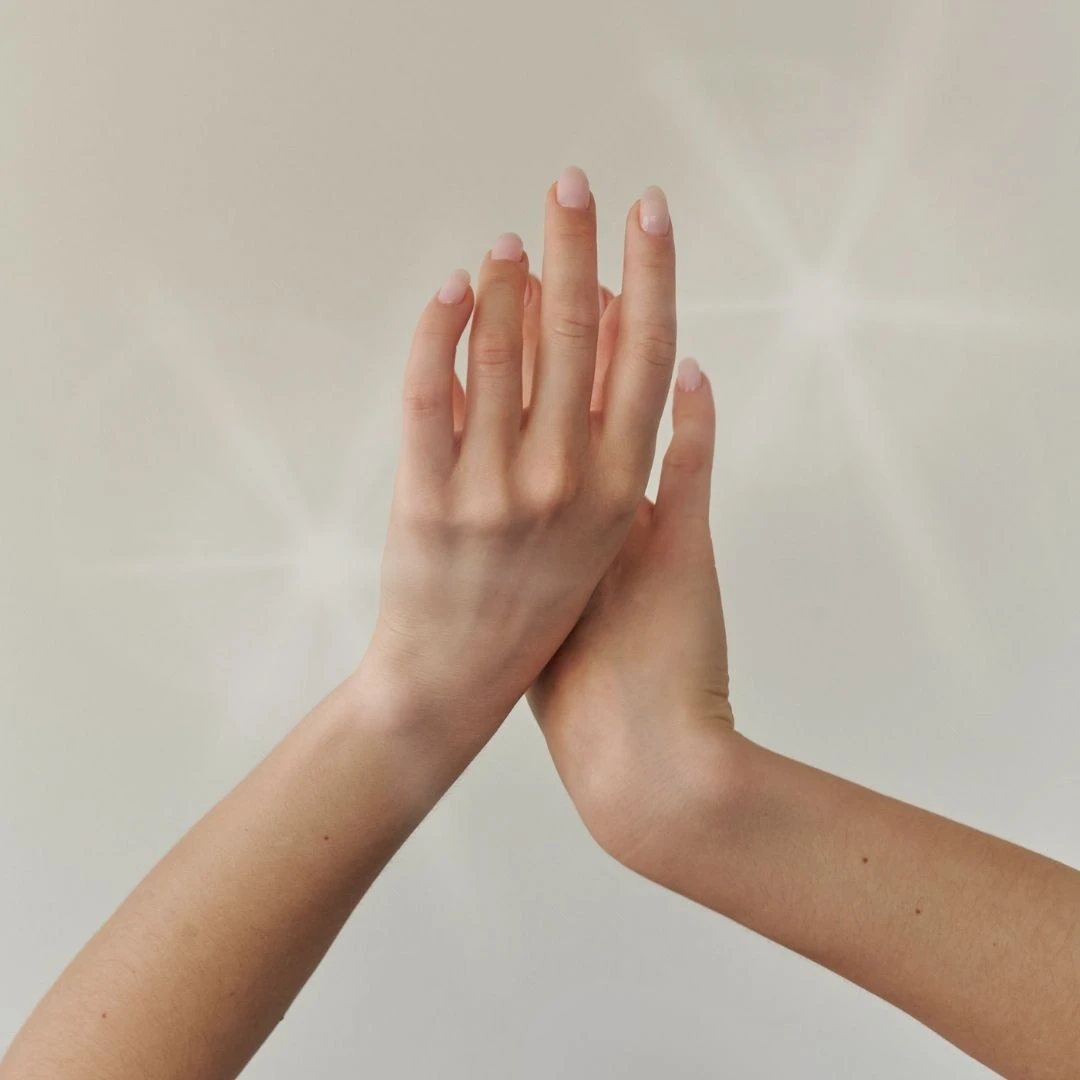
Healthy nails are replacing intricate nail art as beauty’s latest obsession. Here’s why the bare nail trend is taking over, plus dermatologist-backed tips for stronger, healthier nails.
When I was growing up, I had a cousin who had a passion for everything nail art and nail care-related. She would ask us cousins to be her “customers” as she learned to clean and paint our nails. It was a fun memory that I still cherish, though nail-related stuff never piqued my interest, even until today; I just keep it short and clean. So imagine my surprise when I read that having clean and healthy nails is currently the biggest trend in nail care.
READ ALSO: Woke Up Puffy After a Night Out? Blame Hangover Skin
Why Healthy Nails Are So In Right Now
For years, the beauty conversation around nails revolved around what was on them. Chrome finishes, glazed donut nails, jelly textures, maximalist charms, and intricate hand-painted designs dominated our feeds. A fresh manicure often meant another color, another trend, another appointment. Lately, though, the pendulum has swung in the opposite direction. More people are embracing what beauty enthusiasts call the “bare nail” look: short, neatly shaped nails with little to no polish, finished only with a strengthening treatment or a sheer, healthy-looking gloss.
It’s more about making your nails look like the best version of themselves, rather than decorating them, and part of the shift comes from the wider beauty movement toward skin-first makeup and healthy hair. Just as glowing skin has overtaken full-coverage foundation, healthy nails have become more desirable than heavily embellished ones.
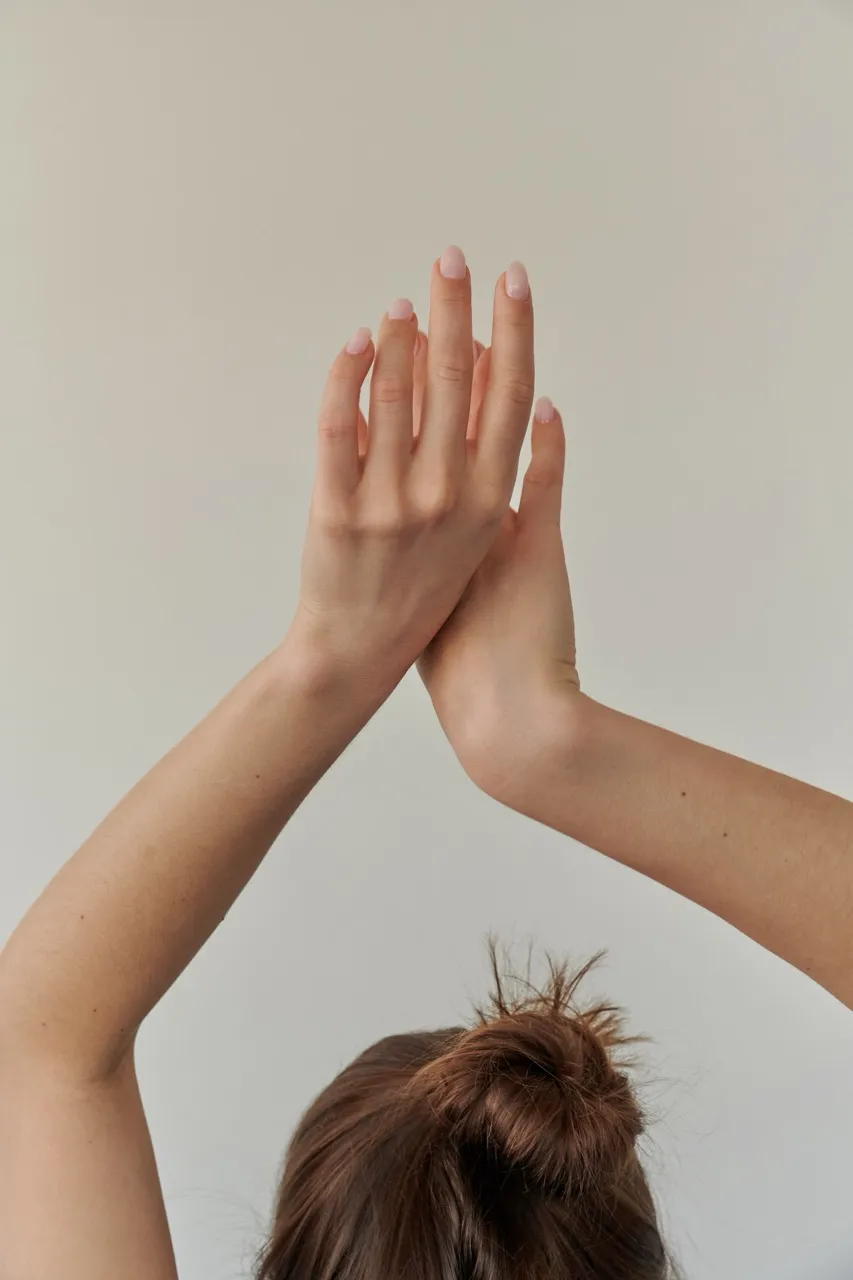
There’s also a practical side to it. Elaborate nail art requires regular upkeep, while healthier natural nails are easier to maintain between salon visits. For those constantly typing away at work, heading to the gym, or juggling packed schedules, a simple manicure feels refreshingly low-maintenance. Looking put together without having to commit to bi-weekly appointments? That’s a trend plenty of people can get behind.
Of course, this doesn’t mean nail art is going anywhere. If anything, the rise of bare nails reminds us that trends are cyclical. After years of treating nails as tiny canvases, beauty is finding its way back to the basics. Sometimes, the best manicure is simply one that looks healthy enough to stand on its own.
Care Tips For Maintaining Healthy Nails
Healthy nails start long before you pick up a bottle of polish. According to the American Academy of Dermatology (AAD), keeping nails clean, dry, and neatly trimmed helps prevent bacteria from building up underneath them while reducing the chances of painful splits and snags. Filing nails in one direction instead of aggressively sawing back and forth also minimizes breakage over time.
Hydration matters just as much for your nails as it does for your skin. The AAD recommends moisturizing your hands regularly, making sure to massage cream or cuticle oil around the nail folds and cuticles. Cuticles act as a protective barrier that shields new nail growth from bacteria and infection, which is why dermatologists advise against cutting them altogether. Gently pushing them back after a shower is enough if you prefer a cleaner-looking nail bed.
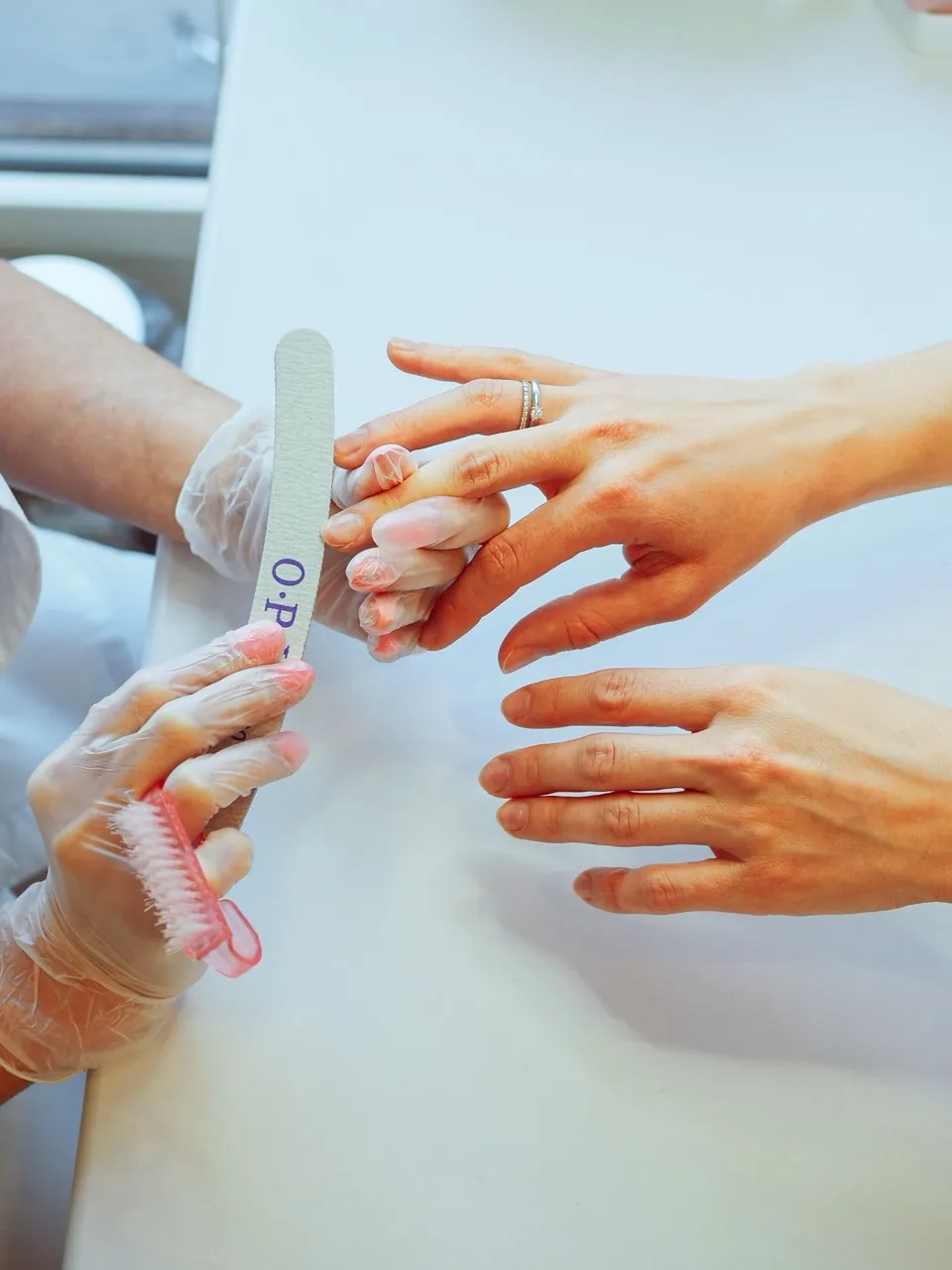
If you’re a fan of gel or acrylic manicures, giving your nails occasional breaks can also help. While gels and extensions aren’t inherently harmful when applied and removed properly, frequent removal—especially peeling them off at home—can strip away layers of the natural nail plate, leaving nails thinner and more brittle.
Your nails can also reflect what’s happening inside your body. The AAD notes that persistent changes in nail color, thickness, texture, or shape may sometimes point to an underlying medical condition or nutritional deficiency. While brittle nails are often caused by repeated exposure to water or harsh chemicals, sudden or significant nail changes are worth bringing up with a dermatologist instead of trying to fix them with another strengthening polish.
Finally, don’t underestimate the importance of sunscreen. It may sound unexpected, but dermatologists recommend applying broad-spectrum sunscreen to the backs of your hands—including your nails—especially before gel manicures that use UV-curing lamps. While the exposure from these lamps is relatively low, protecting your skin remains a simple precaution that benefits your hands in the long run.
Banner image by Daria Liudnay, courtesy of Pexels
Frequently Asked Questions
Bare nails have become popular because more people are prioritizing healthy-looking natural nails over elaborate nail art. The trend also reflects the wider beauty shift toward enhancing natural features with minimal upkeep.
Keep your nails clean, dry, and neatly trimmed. Moisturize your hands and cuticles regularly, file your nails in one direction, and avoid habits that can cause breakage.
Gel and acrylic manicures aren’t inherently harmful when they’re applied and removed properly. However, frequent removal—especially peeling them off yourself—can thin the natural nail and make it more brittle.
Cuticles help protect new nail growth from bacteria and infection. Instead of cutting them, gently push them back if you prefer a neater-looking nail bed.
Yes. Persistent changes in your nails’ color, texture, thickness, or shape may sometimes indicate an underlying medical condition or nutritional deficiency. If you notice sudden or unusual changes, it’s best to consult a dermatologist.