Consider this your edit of Philippine-made shoes to carry you through the summer in style.
These locally made Filipino shoe brands don’t play around when it comes to serving style on vacation. As the temperature climbs and the days stretch longer, the season calls for lighter fabrics, sun-warmed skin, and footwear that can keep up. Heatwaves and humidity may be inevitable, but so are spontaneous beach trips, late-afternoon merienda runs, and dinners that stretch long into the night.
Summer dressing starts from the ground up. Whether you’re packing for a beachside escape in Siargao or planning to stay put in Manila, these homegrown labels prove that Filipino craftsmanship thrives in warm weather
READ ALSO: Cool And Breezy: The Local Linen Edit
Catsua
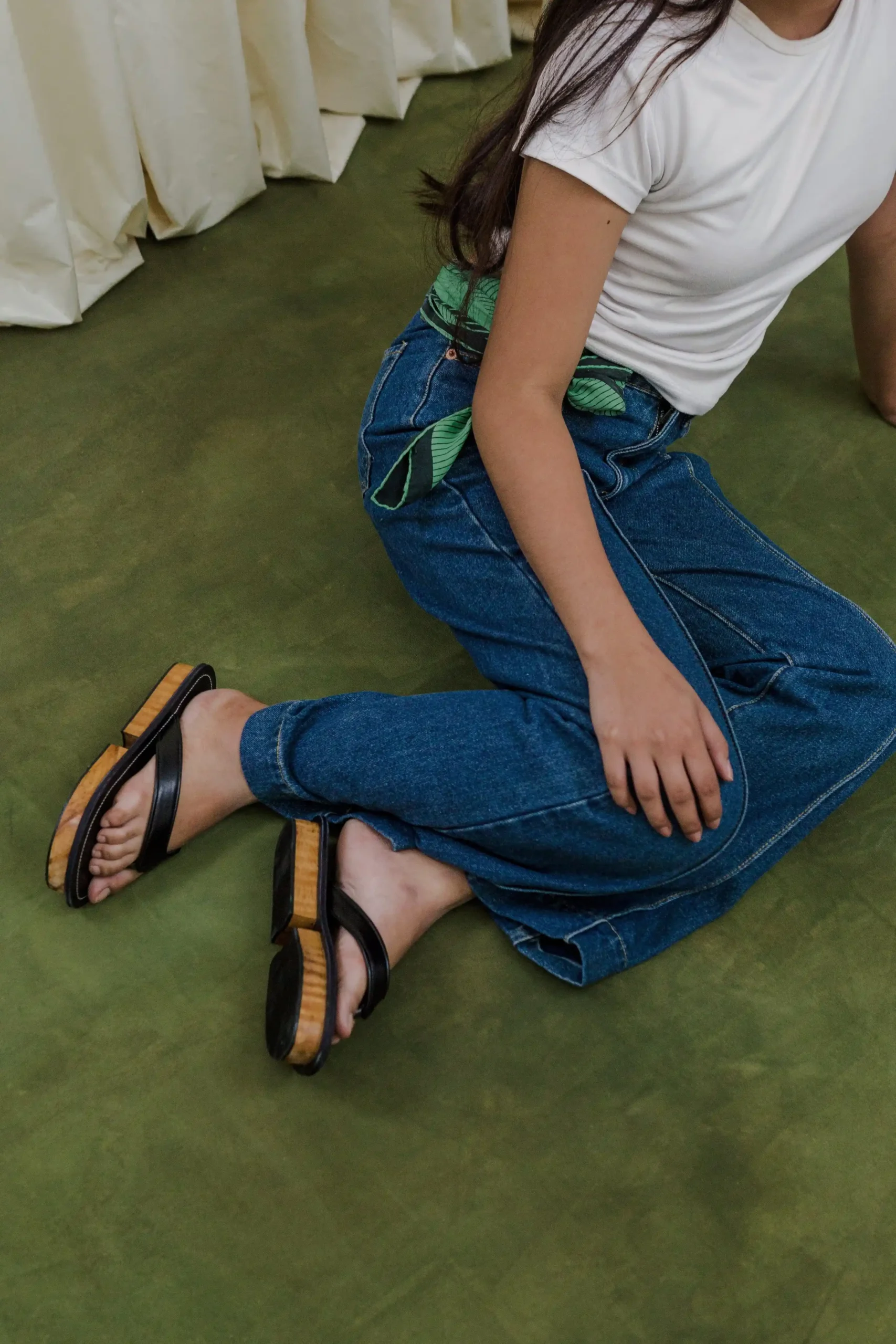
Founded in Cebu by Catrina Suarez, Catsua is known for silhouettes that turn heads without trying too hard. Their Japanese-inspired “Una” sandals rework the humble flip-flop into something sculptural, set on wooden platforms that feel equal parts playful and precise. Across the line, you’ll also find full-grain leather, Ilokano and Itneg weaves, and details that border on artful.
Jos Mundo
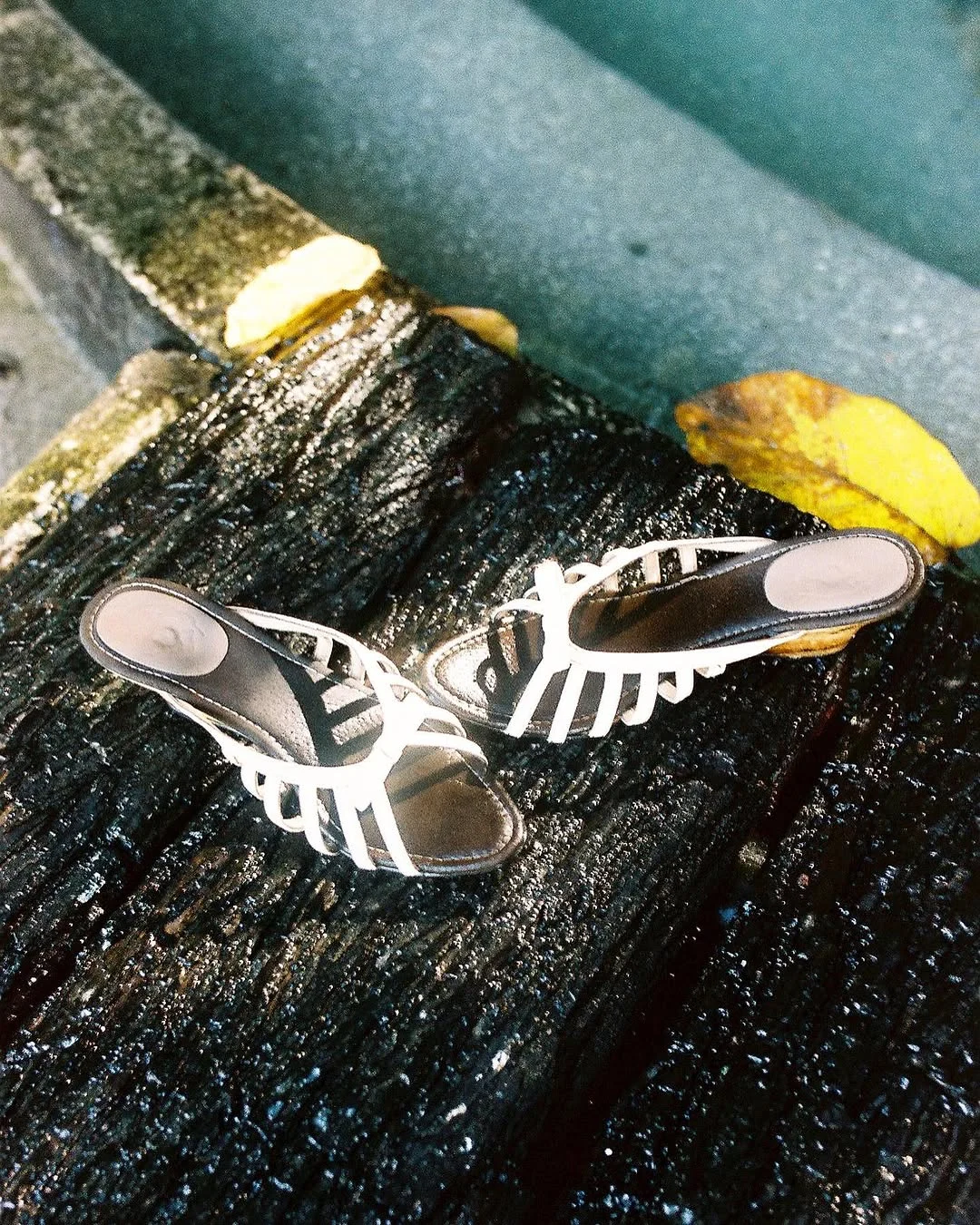
Few local labels are as instantly recognizable as Jos Mundo. Eclectic but grounded, and feminine without being precious, their pieces move easily from shoreline to dance floor. This women-led studio works closely with Marikina artisan communities, producing small-batch footwear that leans into tropical textures like mango wood heels and Cebu shells. Standouts include the Fettuccine sandal, Marikina Mule, and Parang Bakya.
Muni Muni
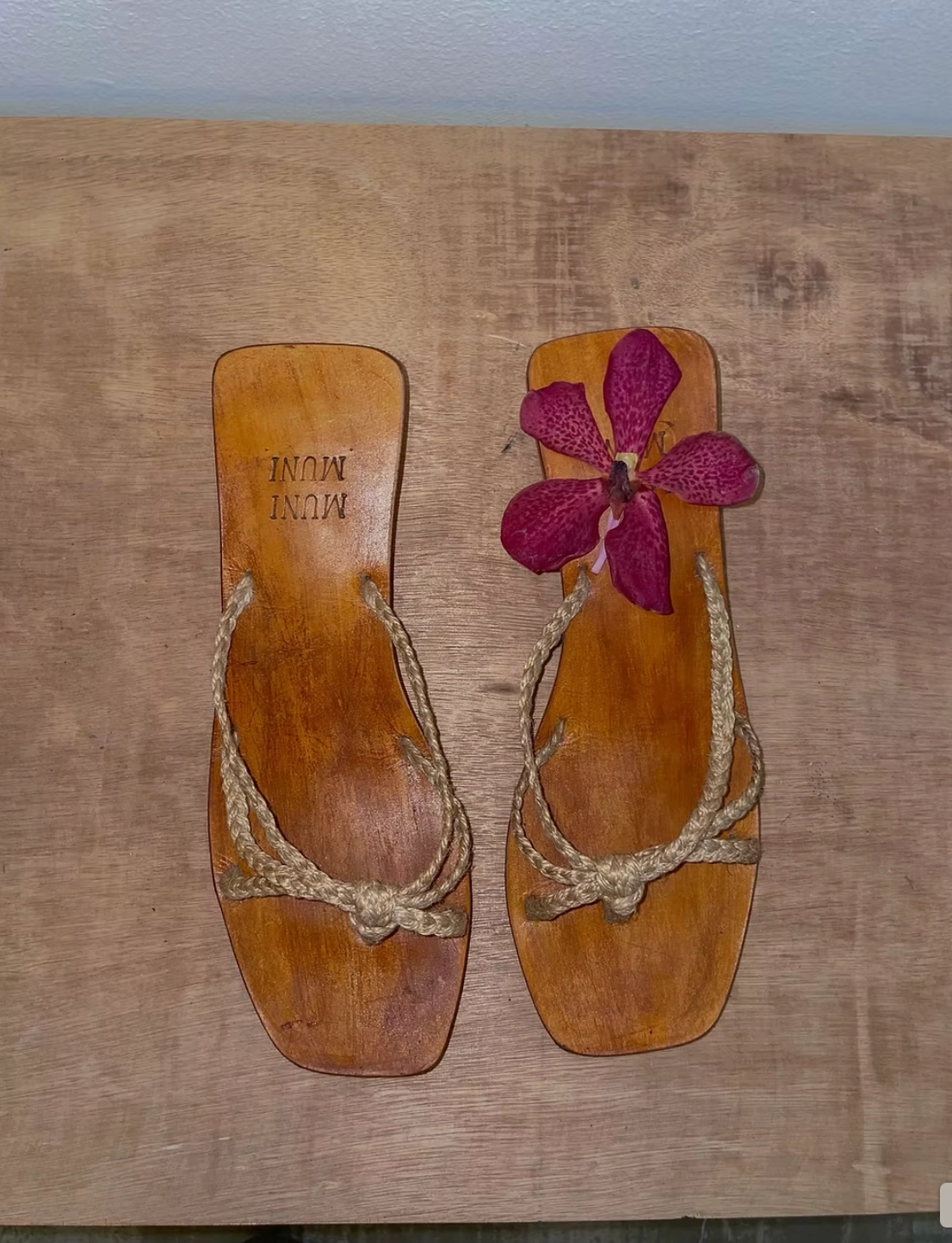
Muni Muni Studio delivers for those who prefer their summer staples woven and sun-ready. The brand focuses on handwoven abacaAbacaA strong, lustrous natural fiber harvested from a banana relative, with the Philippines a leading producer. Abaca is woven into textiles, fashion, furniture, and home accessories, valued for its durability,Go to Abaca Glossary shoes and accessories, which are produced under fair trade practices that support women artisans. Styles such as the “Bakya Katol,” “Hara,” and raffia sandals lean into biodegradability and low-waste production, with free repairs offered to extend each pair’s life.
Anika
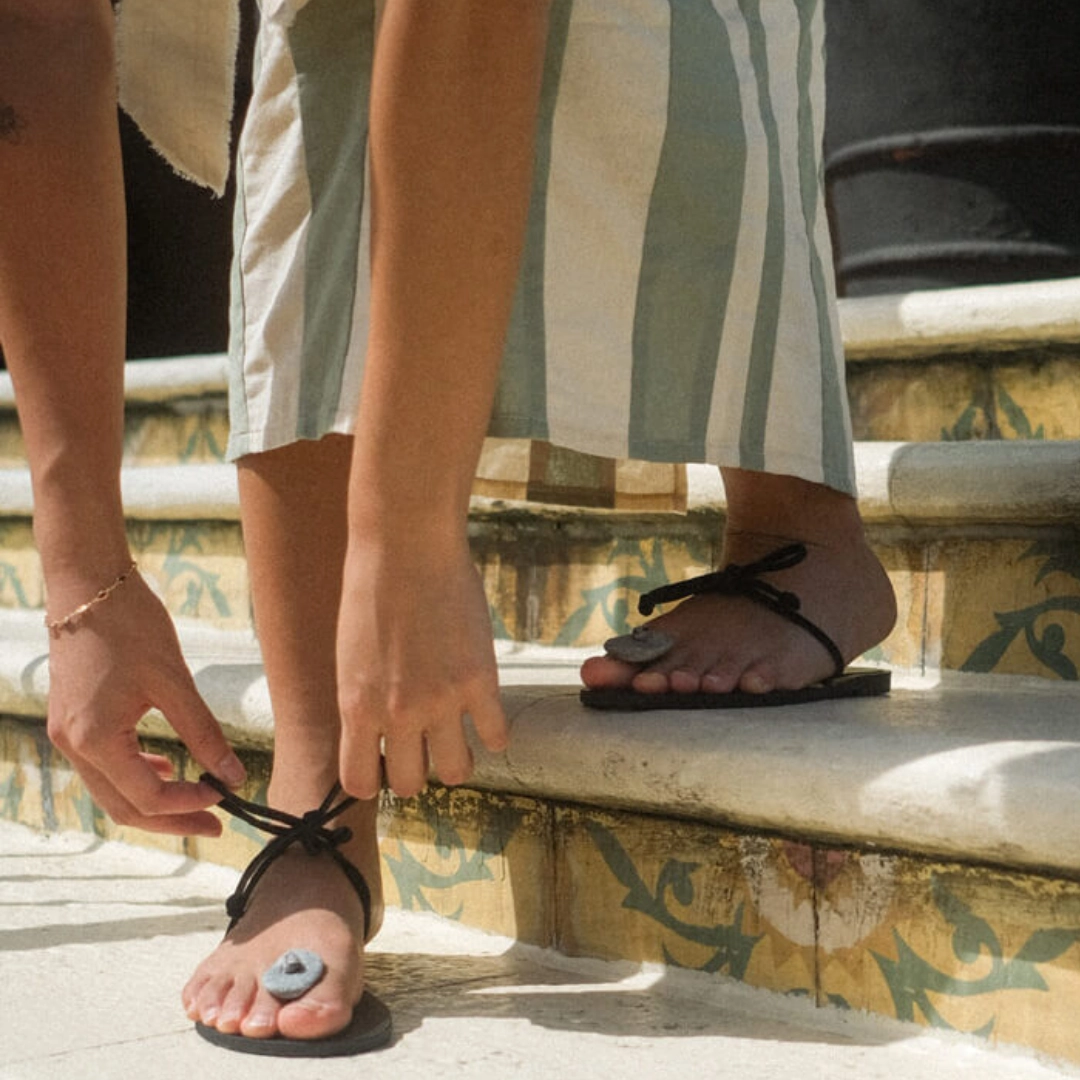
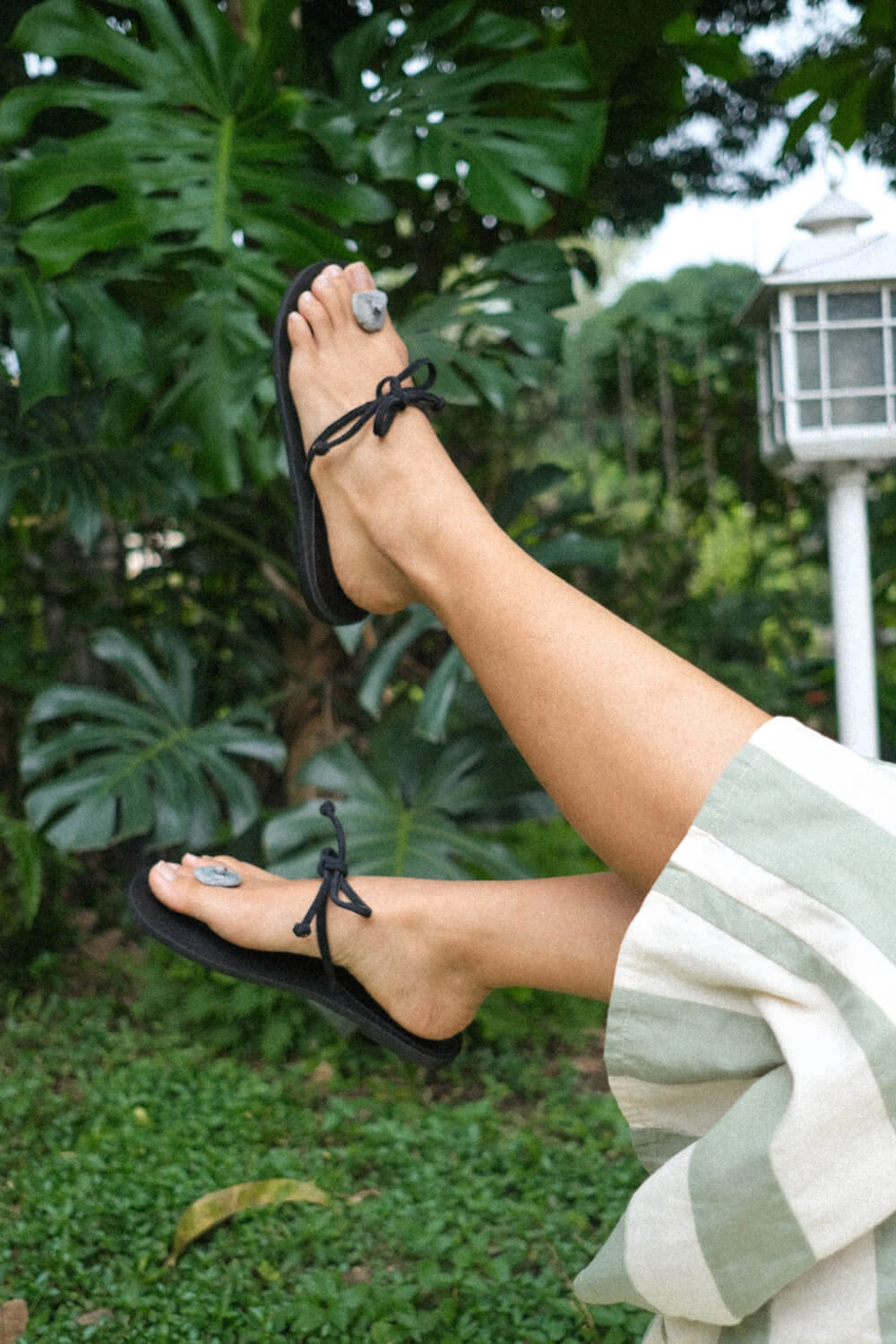
You might know Anika for their breezy, colorful linens, but this brand also makes a case for pared-back footwear. Their Amaya sandals channel a barely-there sensibility, designed with a flexible, multi-style strap and a charmingly subtle pebble detail.
Rô
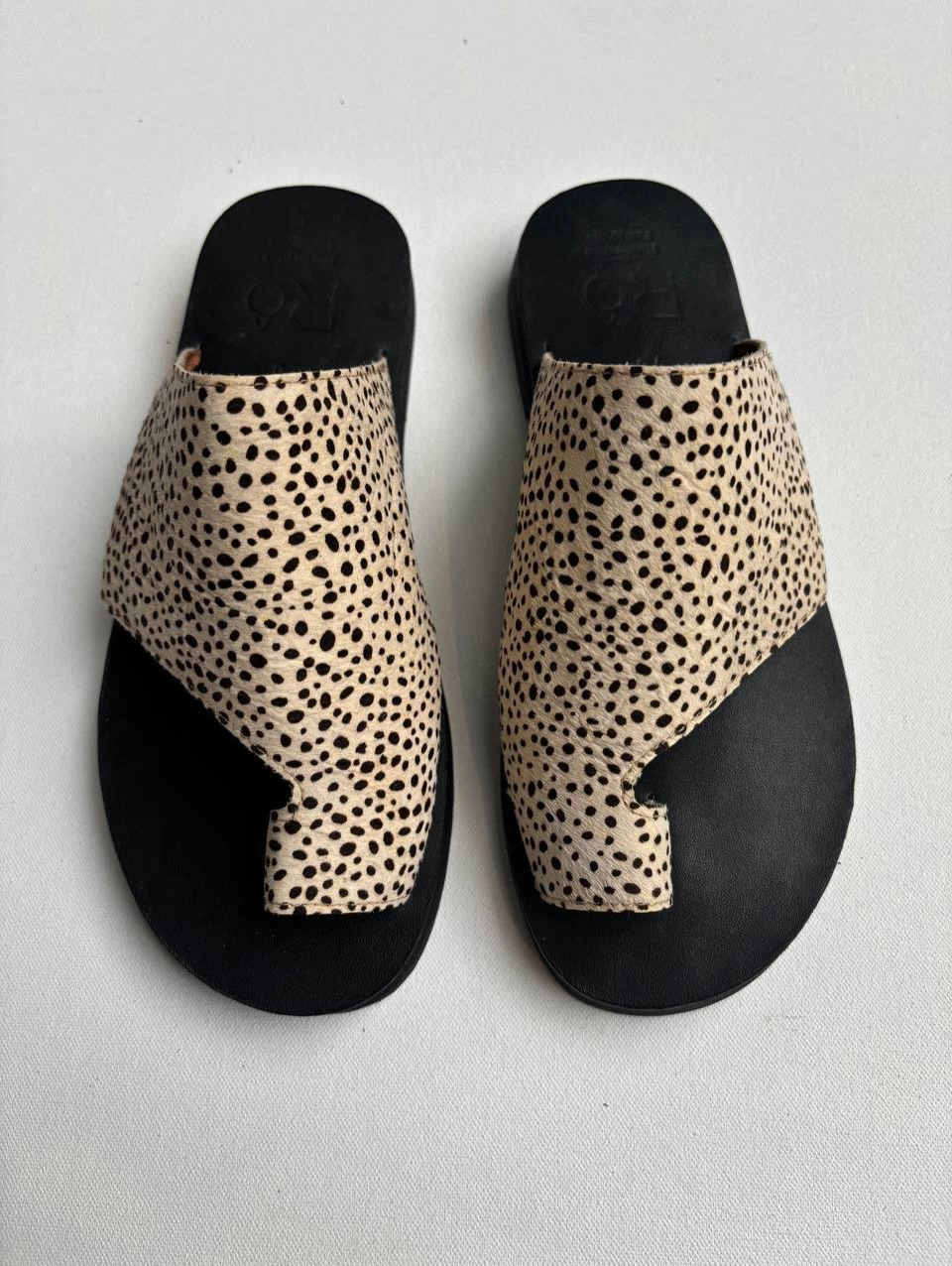
Rô has your back if you prefer that your feet take a more restrained route. The label produces limited runs of streamlined leather sandals and shoes with rounded toes, gloved silhouettes, and wooden soles. Their pieces are executed with a focus on proportion and finish. Meanwhile, the pre-order structure keeps production intentional and anchored in Filipino craftsmanship.
Frequently Asked Questions
Contemporary Philippine footwear luxury is defined by the integration of regional heritage textiles, sustainable social enterprise practices, and traditional Marikina leatherwork. Modern homegrown designers merge ancestral techniques, such as handwoven abaca or native wood carving, with minimalist, globally relevant design silhouettes.
Jos Mundo collaborates directly with generational artisan communities in Marikina to produce small-batch, woman-led footwear lines. The label champions tropical material heritage by incorporating indigenous accents, including carved Cebuano mango wood wedges and locally sourced shells, into contemporary social silhouettes.
Muni Muni Studio anchors its brand identity in low-waste, fair-trade production that empowers marginalized women weavers. The brand utilizes biodegradable raw components, specializing in handwoven abaca and raffia construction, and offers a lifetime repair service to promote sustainable, circular consumption patterns.
Founded by designer Catrina Suarez in Cebu, Catsua reinterprets regional materials through a highly sculptural lens. The label utilizes premium full-grain leathers alongside traditional, native Ilokano and Itneg handwoven textiles to elevate basic summer resort silhouettes into wearable structural art pieces.
Independent labels like Rô utilize pre-order structures to ensure conscious, intentional manufacturing cycles. This business model prevents raw material overproduction, minimizes environmental waste, and ensures that the local Marikina shoemakers receive fair, steady compensation for their meticulous heritage craftsmanship.