What exactly is “sprezzatura”? We break down the Italian philosophy of studied carelessness and why it’s the secret behind every iconic fashion muse.
If you’re chronically online like me, you’ve probably noticed that every few months, the internet collectively decides on a new “it girl.” Everyone’s dissecting her wardrobe, copying her beauty routine, and romanticizing the way she orders coffee. These women aren’t just admired for their clothes, but also celebrated for their lifestyle, attitude, and seemingly effortless way they move through the world. Take the late Carolyn Bessette Kennedy, for example. Following the renewed fascination with her style (helped along by Ryan Murphy’s Love Story), people started wearing simple black headbands, slip dresses, and minimalist tailoring in an attempt to channel her signature look. But what is it about these women that makes the internet so obsessed? More often than not, it’s because they embody sprezzatura: the Italian style philosophy of “studied carelessness,” or the art of making something difficult look completely effortless.
Sprezzatura is the reason Carolyn could stroll through New York in flip-flops, a sleek black outfit, and barely-there makeup, yet somehow look impossibly chic. Nothing appears overthought, yet everything feels intentional. We’re taking a closer look at the philosophy, and how you can channel it yourself.
READ ALSO: Microtrends Are Basically Fast Fashion For Your Personality
Defining The Italian Style Philosophy
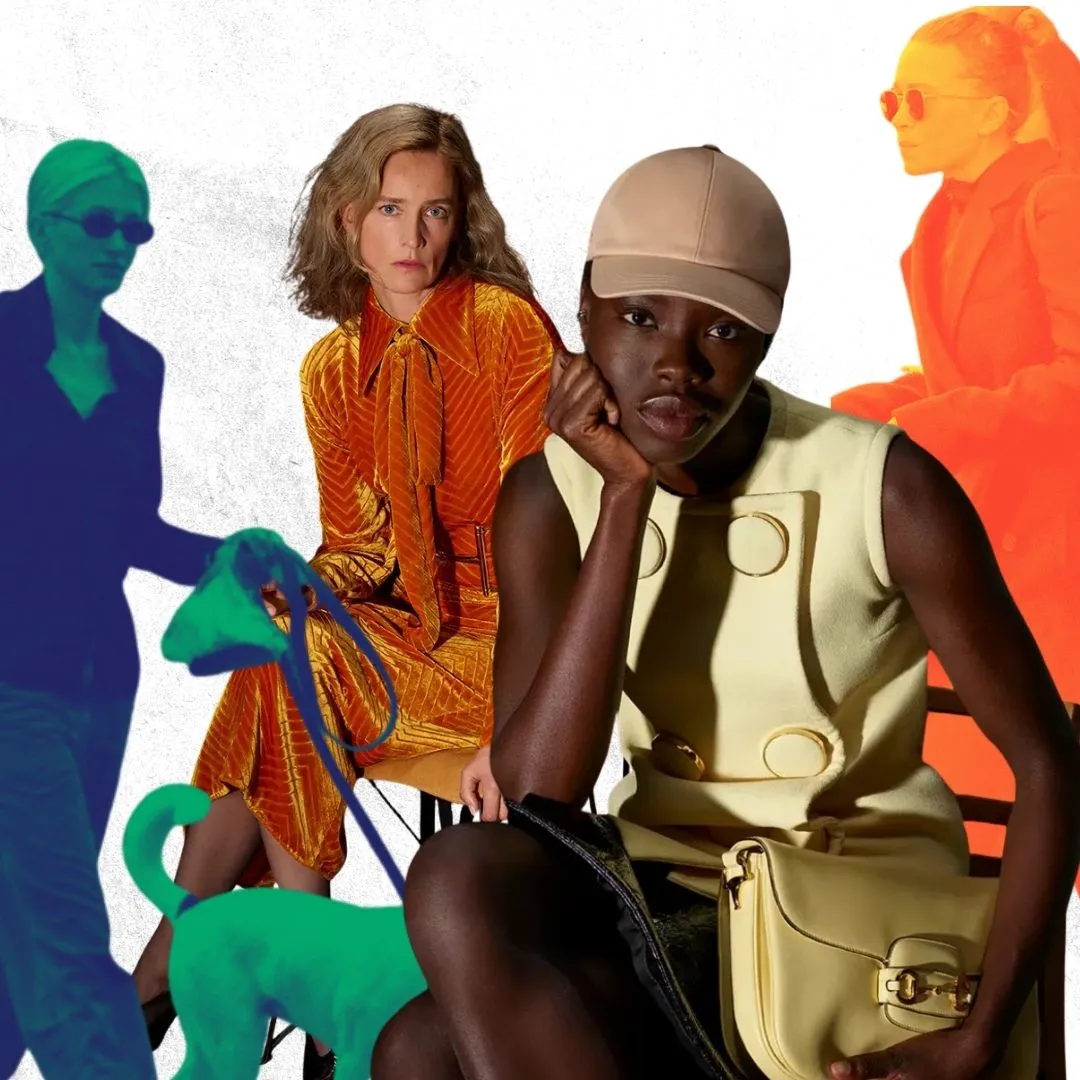
Studied carelessness is something many fashion-forward girls try to achieve. Just look at the way almost everyone in fashion worships the ground Mary-Kate and Ashley Olsen walk on. The twins have built an entire aesthetic around looking as though they got dressed in five minutes, despite the fact that every oversized coat, perfectly slouchy trouser, and lived-in cashmere sweater feels meticulously chosen. That’s sprezzatura at work.
The word itself dates back to 1528, when Italian courtier Baldassare Castiglione introduced it in The Book of the Courtier. He described it as a certain nonchalance, a way of doing things with such ease that the effort behind them disappears. Whether it was fencing, dancing, speaking, or getting dressed, the goal was the same: to make mastery look instinctive.
While the idea began in the Italian courts of the Renaissance, it has long outgrown them. Today, sprezzatura has become one of fashion’s most enduring ideals, shaping the way we define effortless style and influencing generations of designers, tastemakers, and “it girls.”
Studied Carelessness In Fashion
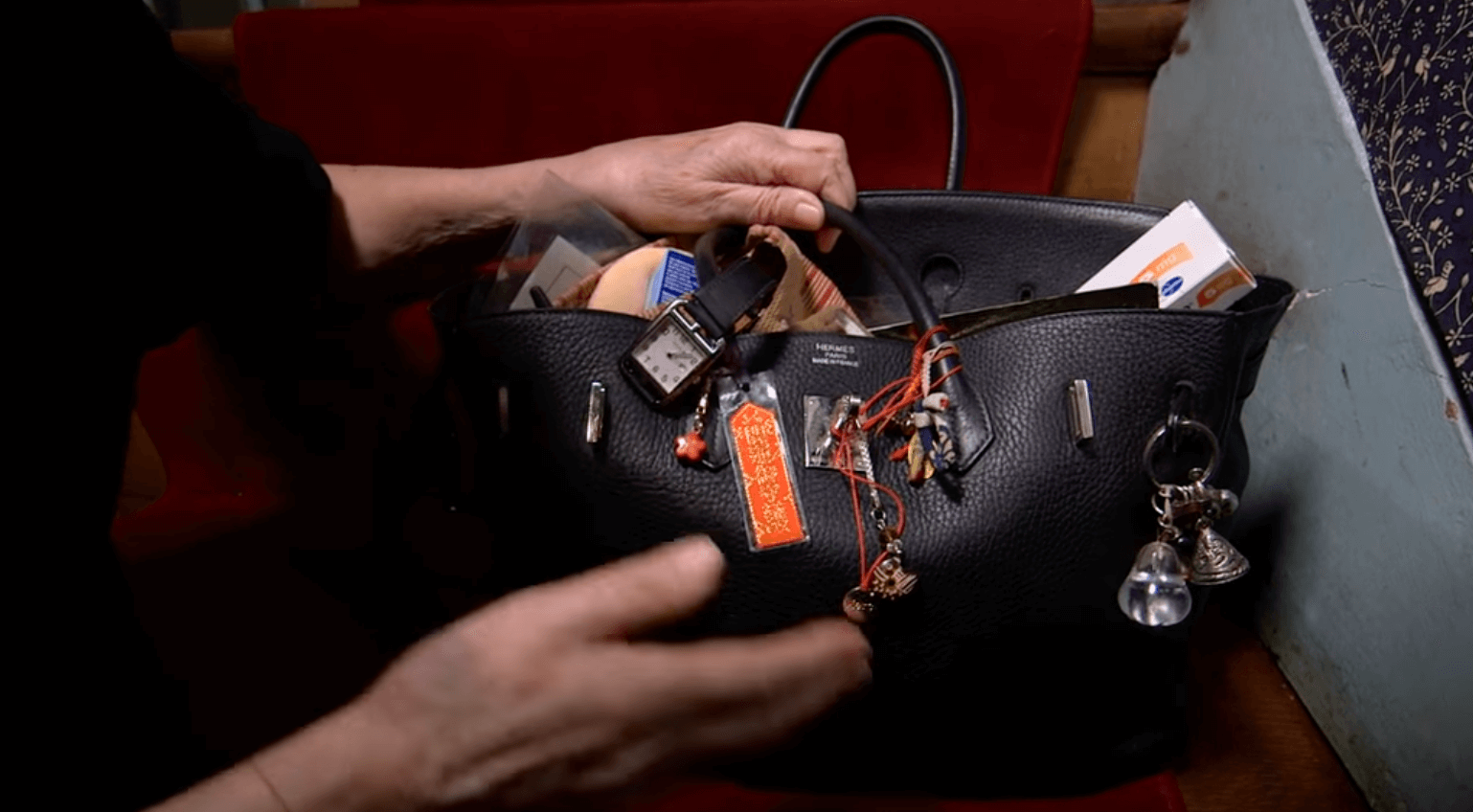
Centuries later, fashion adopted the idea as its own. It’s the reason Carolyn Bessette Kennedy remains the blueprint for minimalist dressing; why Jane Birkin made a stuffed, overflowing basket bag look more desirable than a pristine designer tote; and why people still obsess over the Olsens’ uncanny ability to make a white T-shirt, giant sunglasses, and an enormous black coat look more luxurious than a runway look fresh off the catwalk.
The funny thing about sprezzatura is that the more you chase it, the more it slips away. It can’t look rehearsed. It isn’t about wearing expensive clothes or pretending you don’t care. It’s about knowing yourself well enough that getting dressed feels instinctive. The outfit wears you, not the other way around.
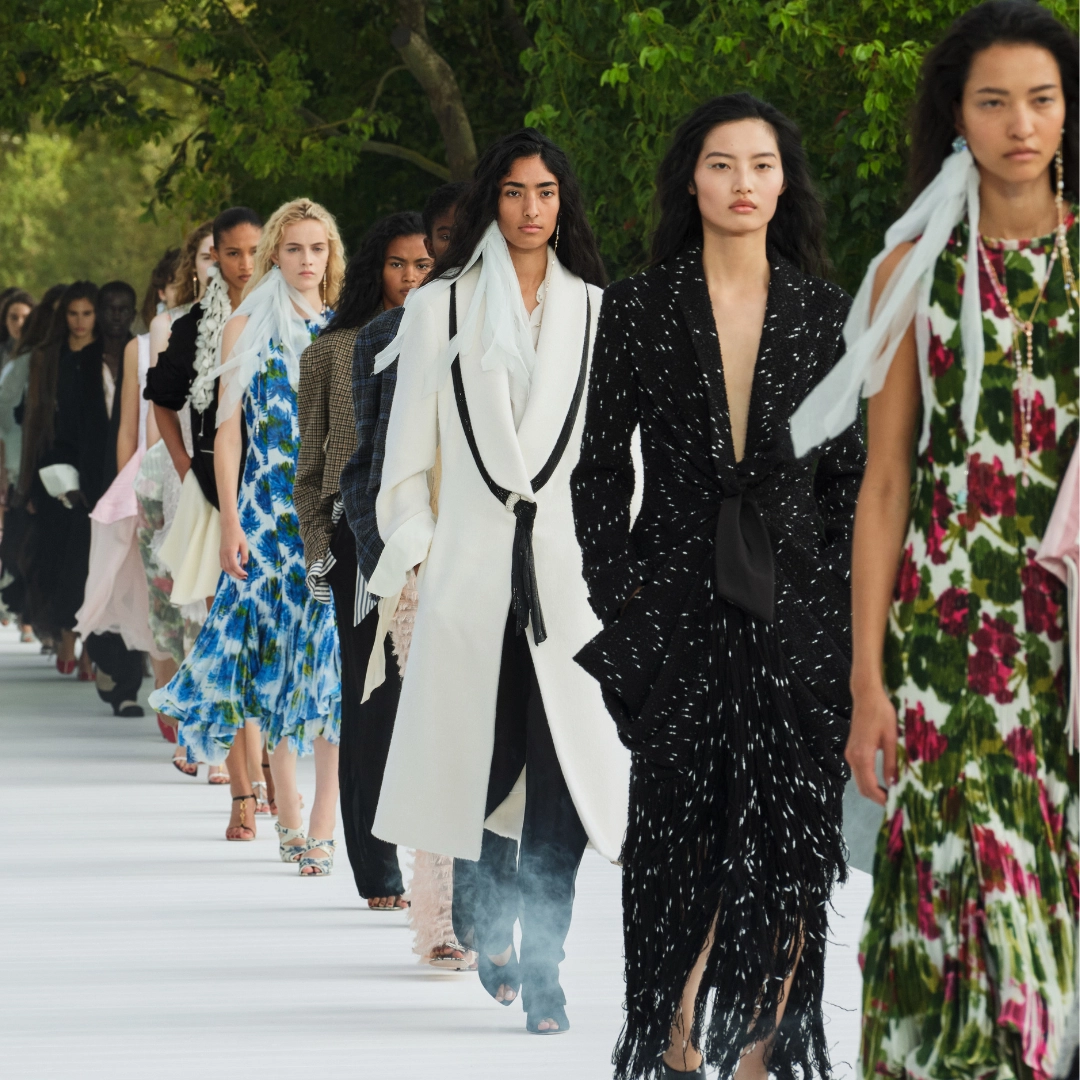
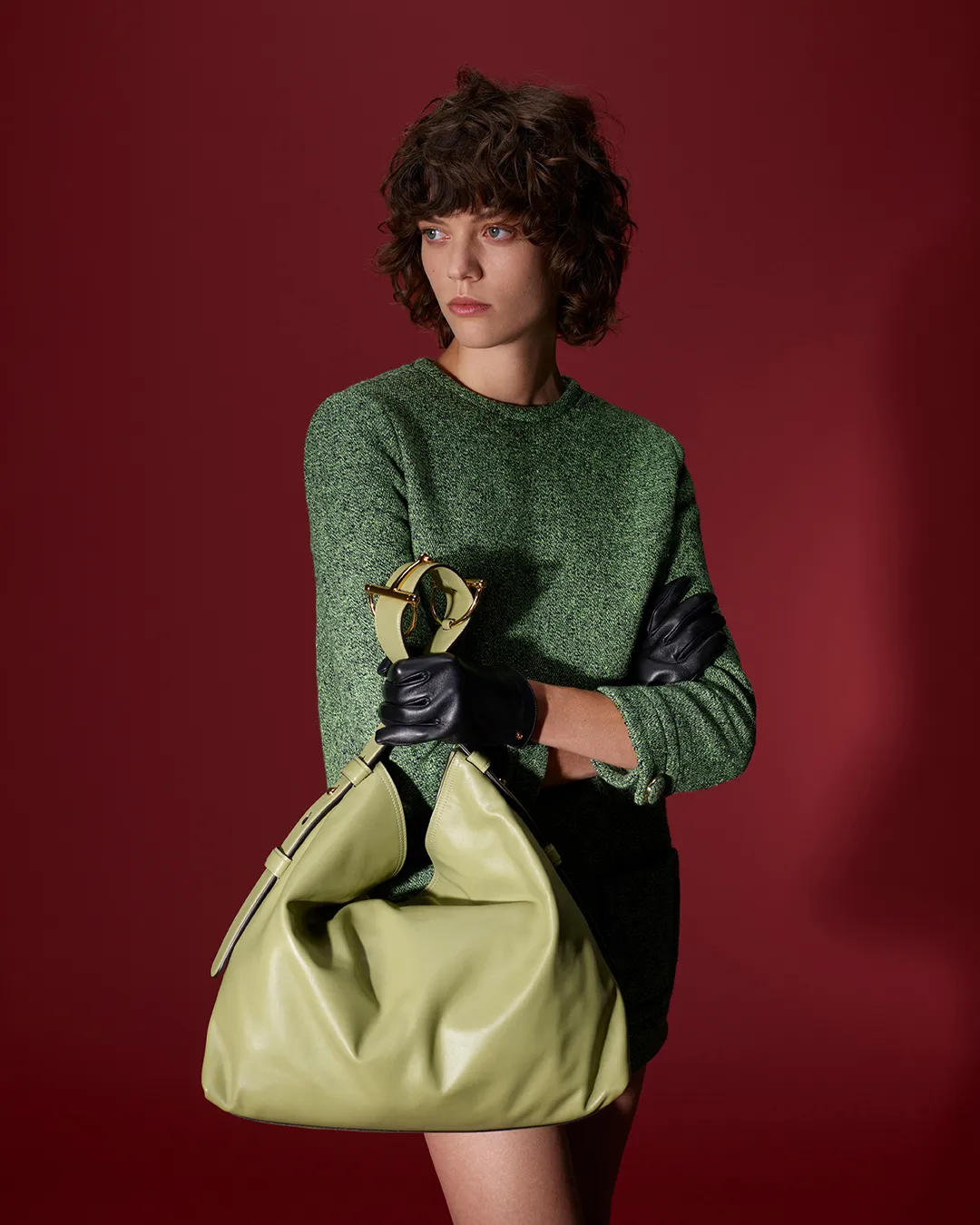
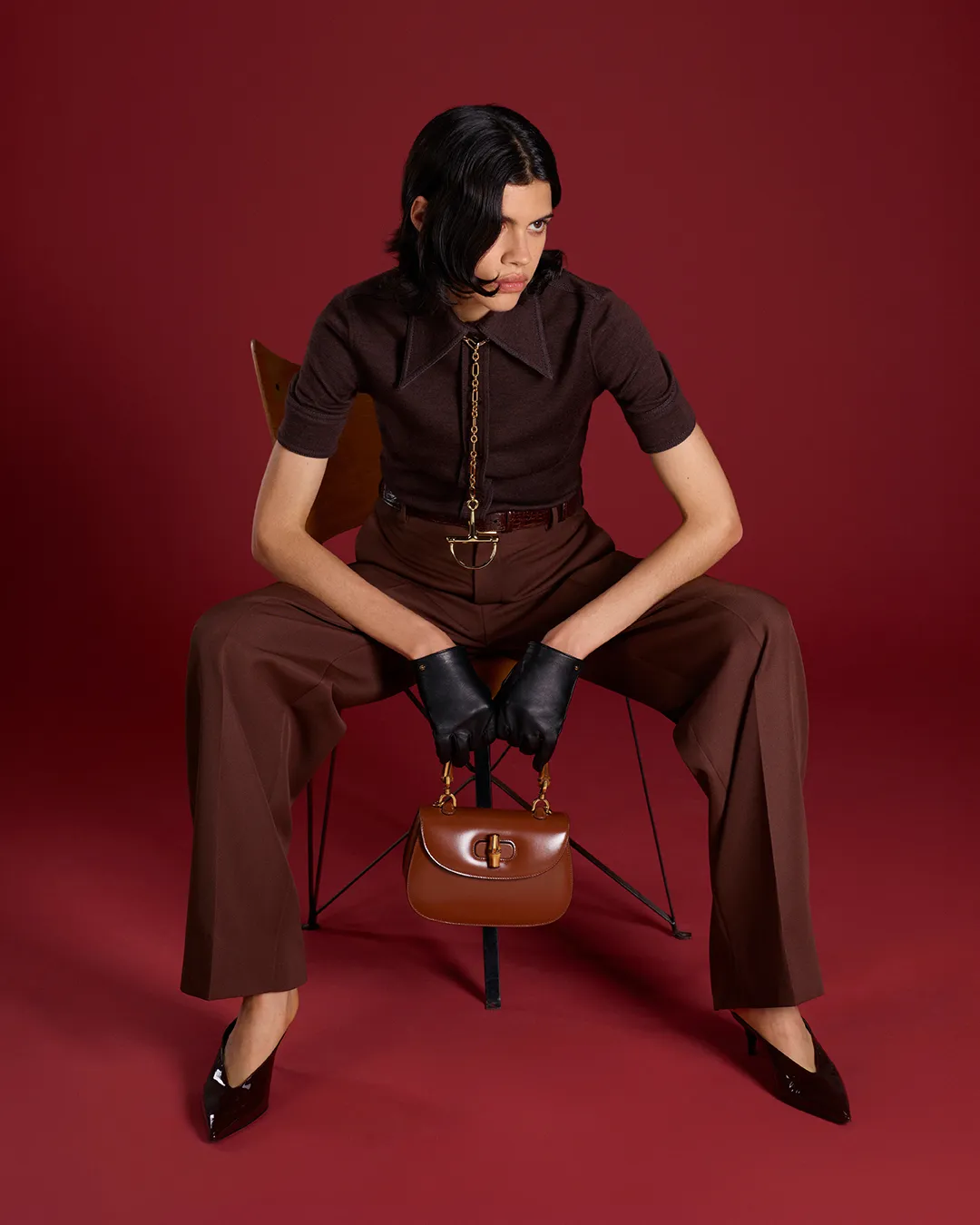
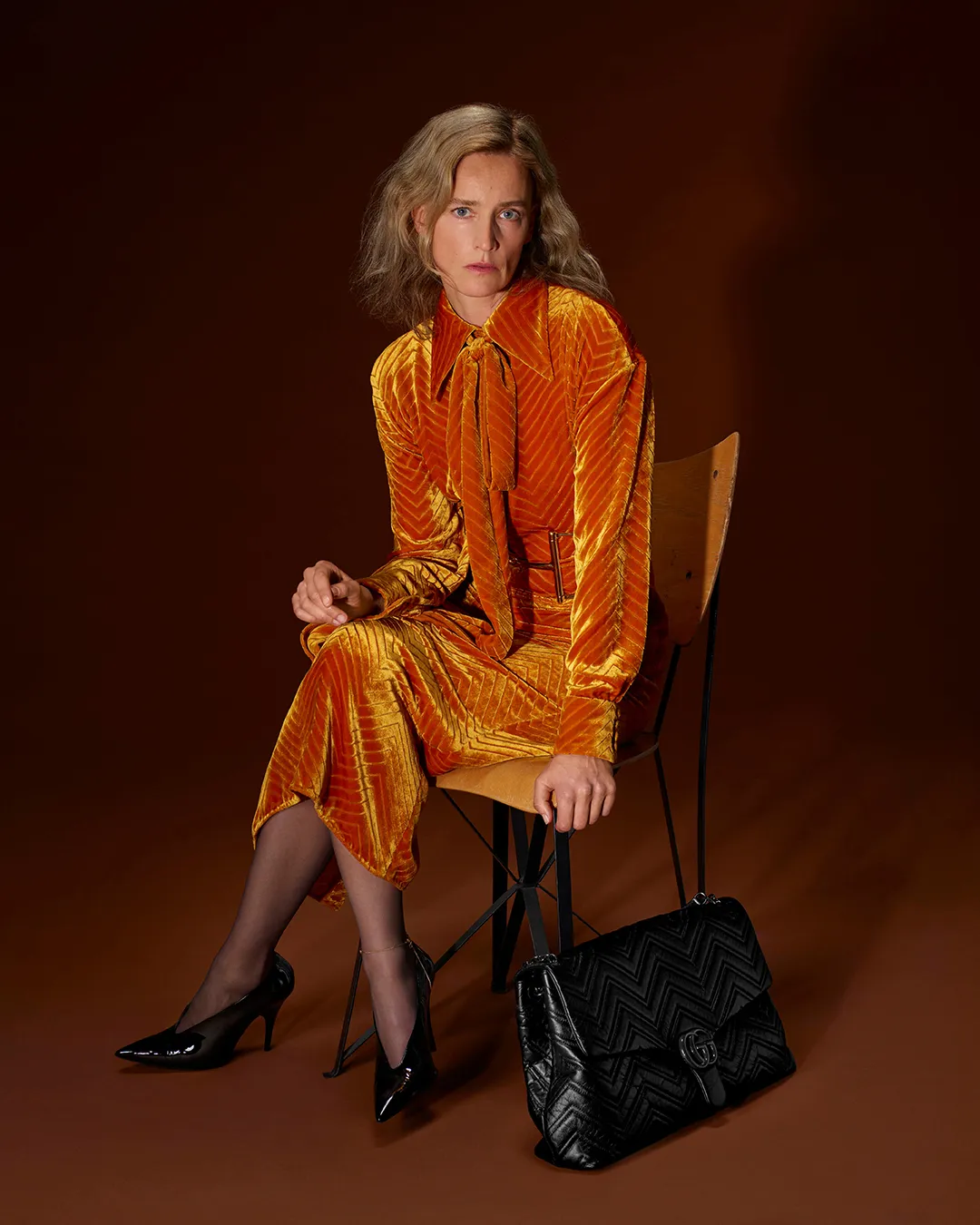
It’s also why designers continue to reinterpret the concept season after season. For Fall/Winter 2025, Gucci leaned into a softer, more relaxed version of sprezzatura, sending out oversized outerwear, easy tailoring, silk scarves, and intentionally undone styling. Nothing felt overly polished, yet every look carried a certain underlying confidence. Rather than chasing perfection, the collection celebrated personality.
Nowadays, every outfit is turned into a mood board, which is why sprezzatura feels so rebellious. It reminds us that great style isn’t about pure polish, but looking like yourself. After all, the coolest people aren’t the ones chasing the “it girl” title; they’re the ones who make it look like they never wanted it in the first place.
Frequently Asked Questions
Sprezzatura is an Italian style philosophy that translates to “studied carelessness,” or the art of making something difficult look completely effortless. Introduced by Italian courtier Baldassare Castiglione in The Book of the Courtier in 1528, it describes a certain nonchalance where the effort behind mastery disappears, whether in dressing, speaking, dancing, or fencing.
Many of fashion’s most enduring muses embody sprezzatura because they make great style appear instinctive rather than rehearsed. Figures like Carolyn Bessette Kennedy, Jane Birkin, and Mary-Kate and Ashley Olsen are admired not just for what they wear, but for the effortless confidence and authenticity that define their personal style.
Although it originated during the Italian Renaissance, sprezzatura continues to shape modern fashion. Designers regularly reinterpret the philosophy, with Gucci’s Fall/Winter 2025 collection embracing oversized outerwear, relaxed tailoring, silk scarves, and intentionally undone styling that prioritized personality over perfection.
Sprezzatura isn’t about wearing expensive clothes or pretending not to care. Instead, it’s about knowing yourself well enough that getting dressed feels instinctive. The philosophy encourages personal confidence, ease, and authenticity, where the outfit wears you, not the other way around.
In an era where every outfit becomes a mood board and trends spread rapidly online, sprezzatura offers an alternative to overthinking personal style. Rather than chasing perfection or the “it girl” label, it celebrates looking like yourself, making effortless confidence one of fashion’s most enduring ideals.