Why do microtrends spread so fast and disappear even faster? We look into fashion’s ultra-fleeting, algorithm-driven obsession with aesthetics.
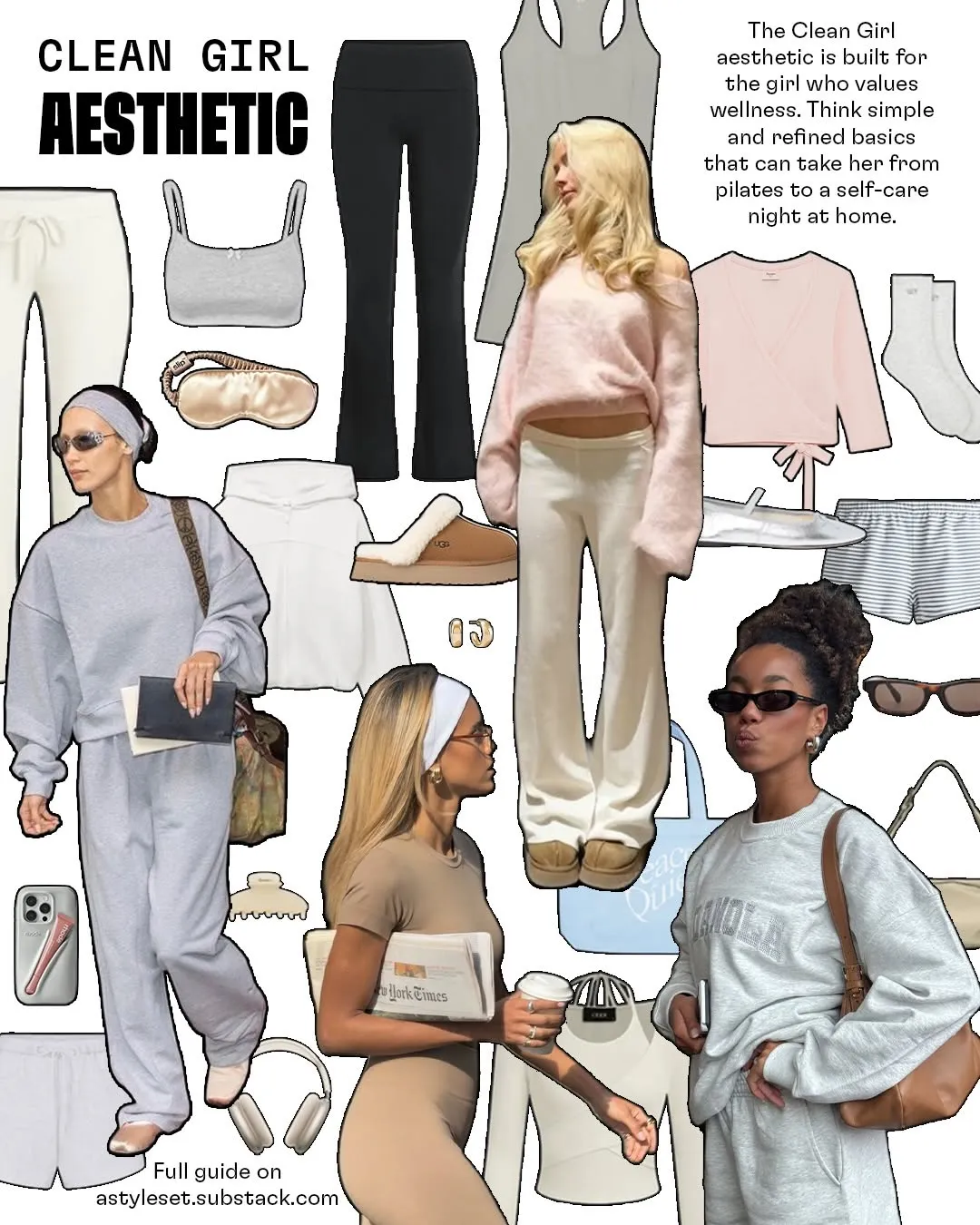
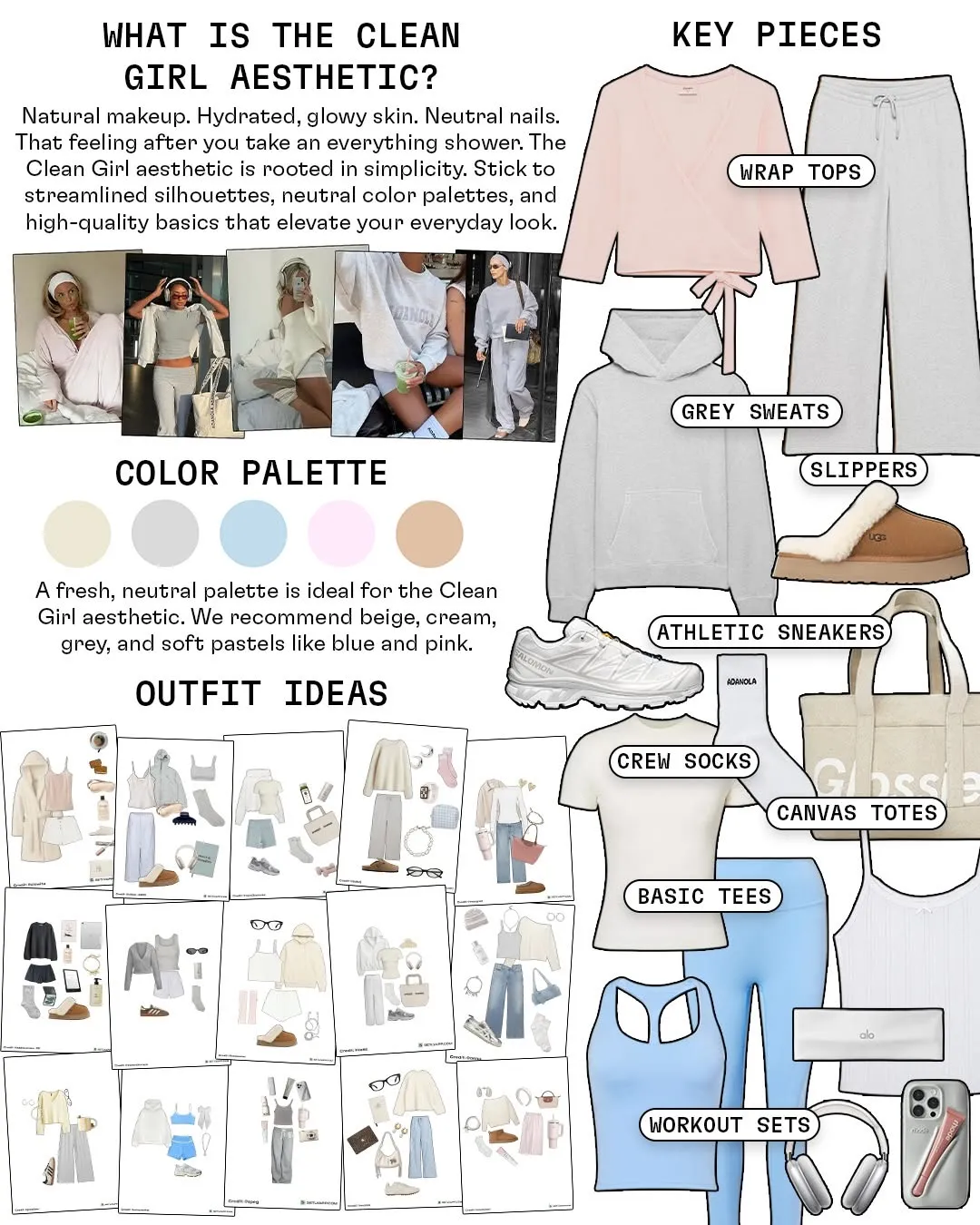
Clean Girl, Mob Wife, Tomato Girl Summer: what do these oddly specific, off-kilter terms all have in common? Well, aside from sounding like unhinged character presets in a video game, they’re all microtrends. One minute, everyone is dressing as if they summer in the Amalfi Coast with a basket bag and linen pants. Next, the algorithm decides we’re all supposed to wear faux fur coats, heavy eyeliner, and look vaguely divorced from a man with offshore accounts. Trends used to last for years; now, they barely survive a season—or worse, a TikTok cycle.
Fueled by social media’s relentless need for newness, microtrends have turned fashion into a game of aesthetic speed dating. They emerge overnight, dominate your feed for three weeks, then quietly die the second people start calling them “overdone.” The “personal” in personal style is overridden, instead, by something algorithmically assigned.
But what exactly are microtrends, why are they everywhere, and why do they disappear as quickly as they arrive?
READ ALSO: Too Much And Too Chic: Notes On Filipino Maximalism
What Are Microtrends?
A microtrend is basically fashion’s version of a viral sound on TikTok: intensely popular for an immensely short amount of time before everyone collectively decides it’s cringe. Unlike traditional trends, which used to evolve gradually over years, microtrends appear overnight, dominate your feed, then vanish before your online order even arrives.
In her paper Aesthetics and the Changing Nature of Cultural Consumption Online, Sara Bimo of York University in Algorithms describes microtrends are niche digital subcultures or aesthetic movements that rise rapidly online, explode in popularity, then fade just as quickly. Importantly, they’re born almost entirely on the internet. Not in underground music scenes or art collectives, and not through some great cultural movement, but on your For You Page, between GRWM videos and someone aggressively chopping cucumbers into a deli container.
What makes microtrends so recognizable is how visually specific they are. Every aesthetic comes with its own starter pack of symbolic markers: the slicked-back bun and gold hoops of the Clean Girl, the faux fur and heavy eyeliner of the Mob Wife, the breezy linens and woven tote bags of Coastal Grandmother. It’s got nothing to do with style and everything to do with the concept of an extremely curated moodboard.
Bimo also notes that these trends are heavily shaped by algorithmic recommendation systems, which explains why they spread at an alarming speed. The more visually distinct and easy-to-copy a look is, the more the algorithm rewards it. If your aesthetic can be summarized in a six-slide carousel and linked through TikTok Shop, chances are, it’s already becoming a microtrend.
Unlike traditional subcultures, microtrends rarely come with actual ideology or community attached to them. Annabelle Margaret Hall of the London College of Fashion describes them as “short-lived, visually driven aesthetics” that prioritize novelty and virality over meaning. Punk, goth, and grunge were tied to music scenes, rebellion, and shared identity. Microtrends are mostly tied to aesthetics, online performance, and the constant pressure to reinvent yourself every three business days.
That’s probably why participating in one can feel a little unserious. One week, you’re dressing like a minimalist wellness founder who drinks chlorophyll water, the next, you’re in ballet flats pretending you’re enjoying summer in the South of France. The commitment level is low and the aesthetic payoff is immediate, but the expiration date is usually right around the corner.
Why Are Microtrends A Thing?
Part of the reason microtrends feel so inescapable is because they spread in two ways at once: from the top down, then all at once like a digital flu outbreak.
Sociologist Everett Rogers, who popularized the Diffusion of Innovations theory, explained how new ideas spread through societies over time. Long before TikTok aesthetics and “cores” existed, Rogers was already mapping out how people adopt trends through social influence, social validation, and imitation. Microtrends exemplify this theory, but they’re on maximum overdrive, accelerated by algorithms and the pervasiveness of online cultureCultureshared traditions, beliefs, values, customs, arts, and social practices that define the identity and way of life of a community, society, or nation.Go to Culture Glossary.
Hierarchical Diffusion
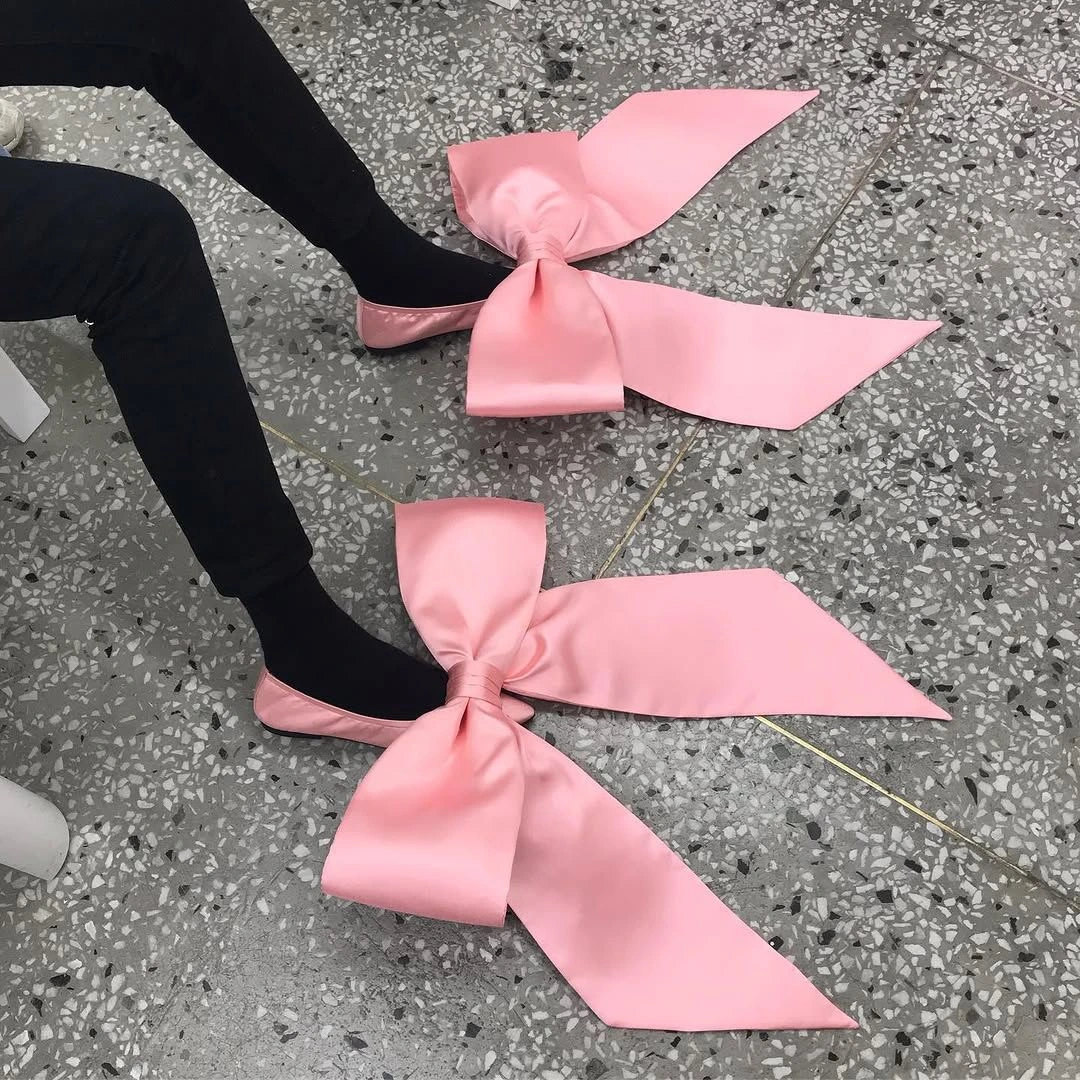
One way microtrends spread is through hierarchical diffusion, a concept associated with geographer Carl Sauer. Hierarchical diffusion happens when an idea trickles down from people or institutions with cultural influence to the wider public. In fashion terms, this usually starts with a celebrity, luxury runway, or mega-influencer debuting a very specific look. Think of how one paparazzi photo, one Miu Miu runway, or one TikTok It Girl suddenly convinces the internet that we all need tiny glasses, ribbons, or highly impractical shoes.
From there, mid-level influencers, trend forecasters, and fast-fashion brands pick up the signal almost immediately. Zara creates an “inspired” collection, Shein manufactures 12 versions overnight, and creators begin posting tutorials explaining how to recreate the aesthetic on a budget. Eventually, the trend reaches everyday consumers, who adopt it because it’s already socially validated by the tiers above them.
Contagious Diffusion
But microtrends don’t fully explode until contagious diffusion takes over, another concept linked to Carl Sauer. It describes trends spreading rapidly from person to person regardless of status or hierarchy, almost like a virus. And honestly, there’s no better environment for this phenomenon than social media.
The second a specific aesthetic starts generating engagement, platforms like TikTok and Instagram begin aggressively feeding it into millions of For You Pages. Suddenly, everyone is seeing the same GRWM, makeup routine, and hyper-specific aesthetic with an AI-generated-esque name. And because users constantly consume content from peers, trends begin spreading horizontally at lightning speed. You see your mutuals trying it, your favorite creator trying it, random strangers trying it, and eventually, you start considering whether you, too, need to become a Tomato Girl for the next three weeks.
That peer-to-peer participation is important because fashion has always been tied to belonging. People adopt trends not just because they like them, but because they signal cultural awareness, identity, and participation in a collective moment. Microtrends simply compress that process at lightning speed.
Are Lasting Trends A Thing Of The Past?
What makes microtrends fascinating, and mildly terrifying, is how quickly they move through both forms of diffusion. In the past, trends could take years to travel from elite fashion circles into mainstream culture. Now, the cycle can happen in days, even hours. A niche runway look can become a viral TikTok aesthetic, get mass-produced by fast fashion, and saturate the internet before most people fully understand what the ensemble is supposed to mean. This is probably why modern fashion feels increasingly chaotic. We’re no longer following trends; we’re participating in an endless cycle of algorithmically accelerated diffusion, where aesthetics spread so fast, we hardly have the time to formulate our own opinions on them (hence the death of personal taste).
That’s the biggest difference between trends then and now: longevity is no longer the point. Fashion once moved slowly enough for styles and subcultures to actually develop meaning. Microtrends thrive on speed instead. Their appeal comes from immediacy, virality, and the thrill of participating in the moment before the internet moves on to the next “big,” incredibly temporary thing.
Banner photo via Instagram @maison_kimhekim
Frequently Asked Questions
A microtrend is a short-lived, highly specific aesthetic or lifestyle trend that spreads rapidly online, usually through platforms like TikTok and Instagram. Think Clean Girl, Mob Wife, or Tomato Girl Summer.
Microtrends spread through social media algorithms and influencer culture. Once celebrities, influencers, or brands adopt a look, platforms push the aesthetic to millions of users, making it go viral almost overnight.
Not entirely, but they are changing how people engage with fashion. Instead of sticking to one long-term style identity, many people now experiment with fast-moving aesthetics that shift depending on what’s trending online.
A microtrend is a niche aesthetic movement that rises rapidly online, dominates social media feeds for a short period, then fades before a traditional trend would even peak — driven almost entirely by algorithmic platforms like TikTok.
Microtrends are fueled by social media’s demand for constant newness. Once an aesthetic gets labelled “overdone,” the algorithm moves on — often before a trend-chasing online order has even arrived.