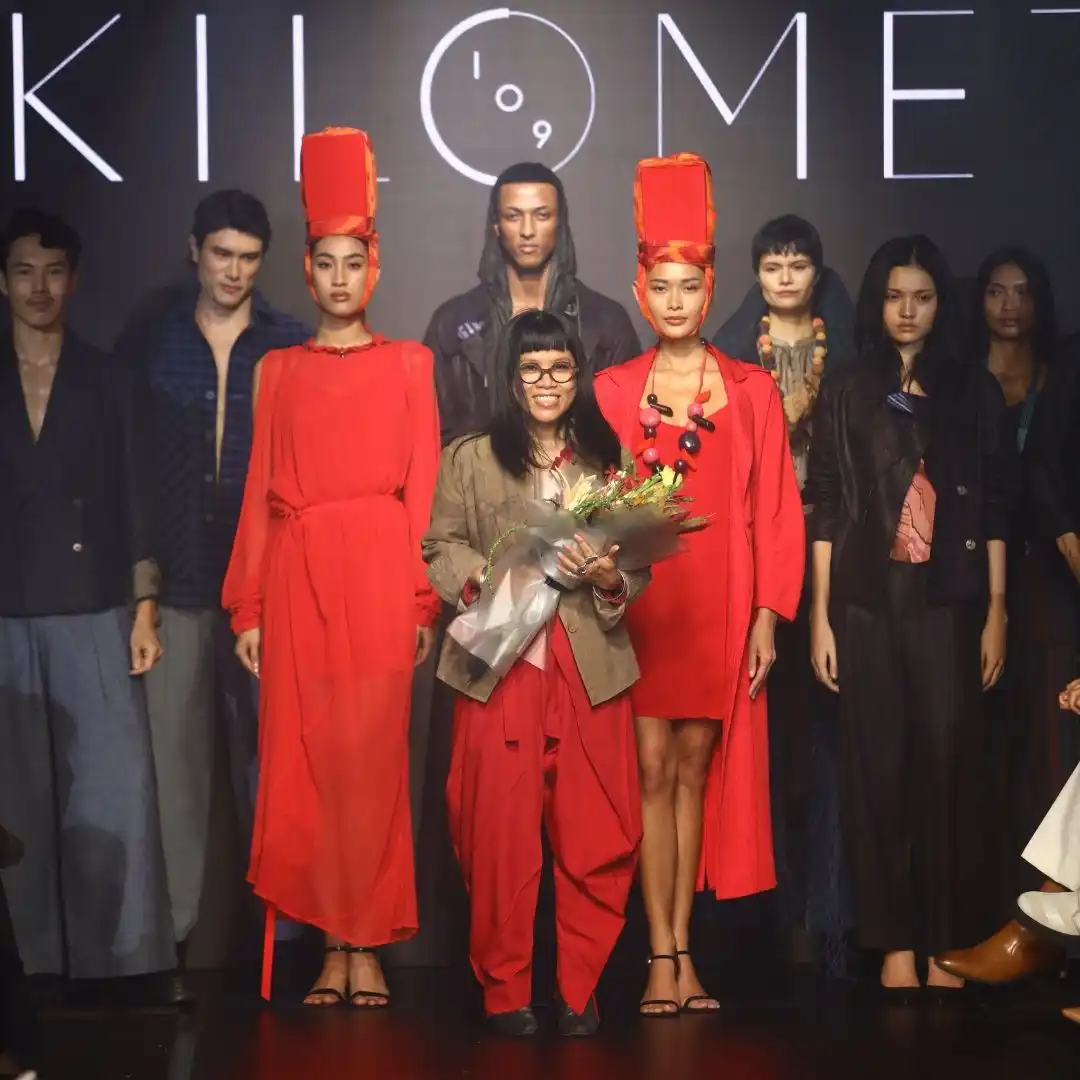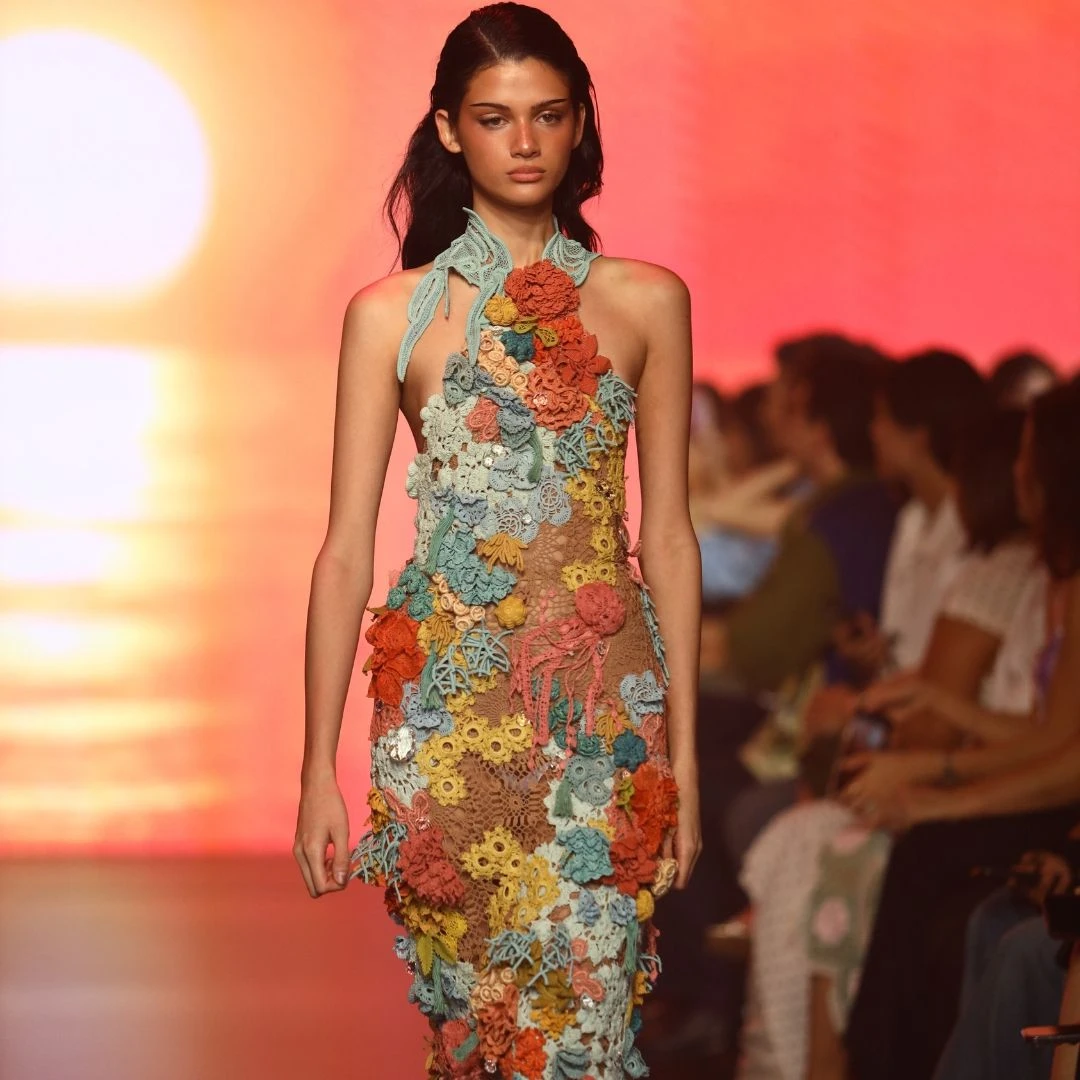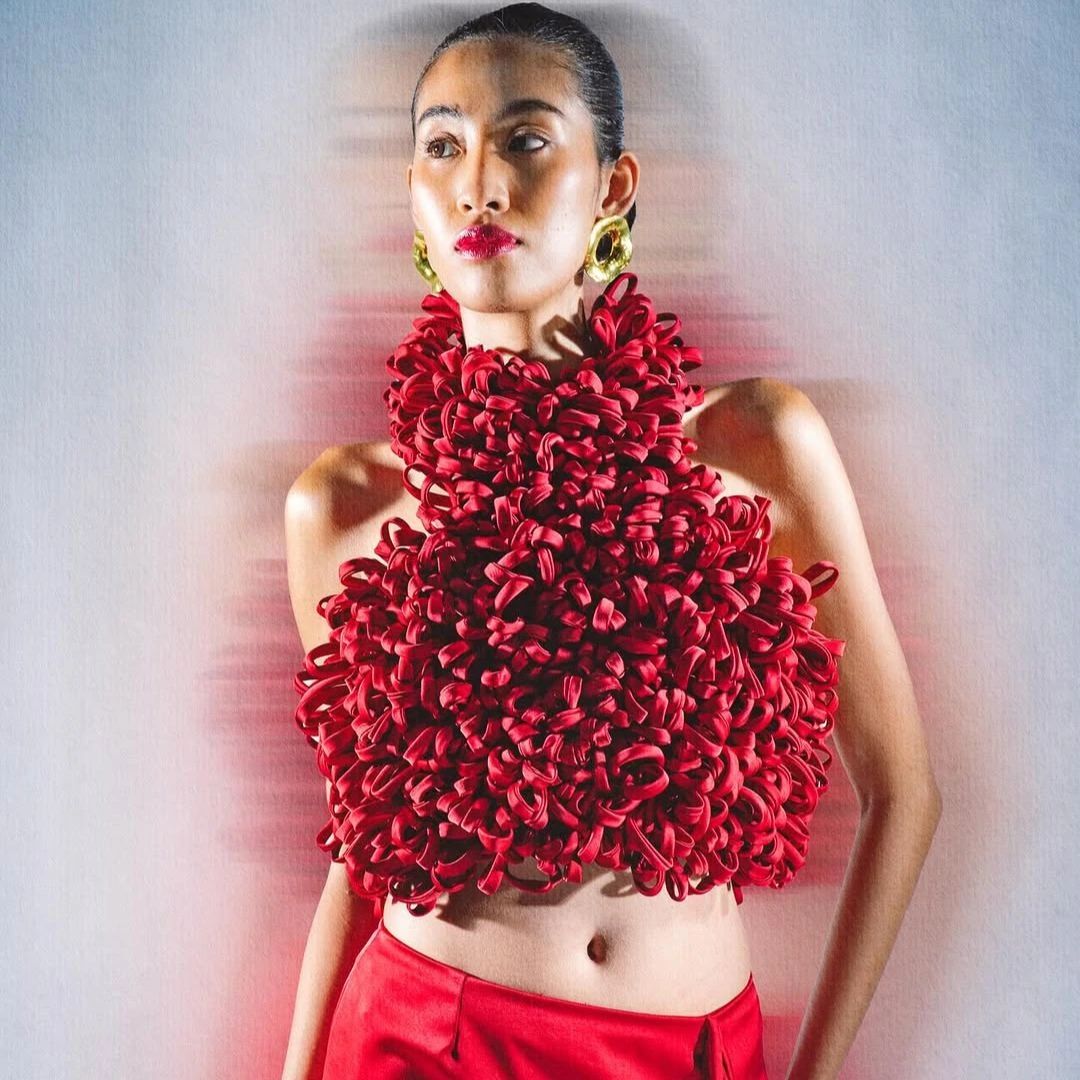
What once read as “too much” is now just right: Filipino fashion is embracing maximalism once again, and designer Iñigo Villegas weighs in on why “more is more” is feeling especially relevant today.
Horror vacui, which literally translates to “fear of empty space” in Latin, is a design language defined by its refusal to hold back. Every inch is accounted for, every surface filled, every gap closed. It’s an aesthetic that leans into excess, layering detail upon detail until the composition feels almost deliciously overwhelming. Translate that into fashion, and you get maximalism: prints on prints, textures on textures, accessories that refuse to be an afterthought. It’s not about restraint—it’s about commitment. The more, the better.
For years, the rise of “quiet luxuryQuiet LuxuryAn understated approach to luxury that values exceptional quality, subtle design, and refined craftsmanship over conspicuous logos or wealth. Quiet luxury shows up in cashmere, tailored neutrals, discreet jewelry, andGo to Quiet Luxury Glossary” and “the old money” aesthetic positioned minimalism as the default. Fashion leaned into solid colors, clean lines, and a near-clinical restraint—logos tucked away, personalities subdued. In turn, maximalism was cast as its unruly opposite: gauche, nouveau, even a little obnoxious.
But post-pandemic dressing tells a different story. There’s been a noticeable swing of the pendulum—subtle at first, then unmistakable. Runways are shedding their restraint in favor of bold prints and richer textures, and the streets are following suit. People are dressing with more intention, more personality, more feeling. Maximalism, once sidelined, is finding its footing again—particularly within Filipino fashion, where a natural affinity for color, craft, and ornamentation makes the return feel less like a trend and more like a homecoming.
READ ALSO: Summer In Stripes: 5 Local Pieces That Do It All
Maximalism In Filipino Fashion
To better understand the resurgence of maximalism in Filipino fashion, Lifestyle Asia reached out to Iñigo Villegas—a local designer known for his bespokeBespokeMade to order to a client's exact wishes and measurements, rather than chosen from ready-made stock. Bespoke tailoring, jewelry, furniture, and travel experiences reflect personal taste and craftsmanship, and areGo to Bespoke Glossary, artisanal statement pieces—to get his perspective on the movement and what it means within the Filipino fashion landscape.
“I would define the ‘Filipino’ in Filipino maximalism as something deeply intentional. For me, it’s always about connection—to our individuality, our roots, and the stories that shape us,” Iñigo says. “There’s usually a deeper meaning behind the way we create, and that intention naturally translates into design through bold expression, rich details, and layered craftsmanship.”
Maximalism is hardly a new concept in Filipino fashion. A closer look at our traditional dress—across Luzon, the Visayas, and Mindanao—reveals an enduring affinity for ornamentation, texture, and meaning. Many of these garments carry a distinctly maximalist sensibility, where every detail serves a purpose. Take, for instance, the richly woven textiles of Islamic traditions, primarily produced by Muslim communities in Mindanao, where each pattern and color holds deep cultural significance.
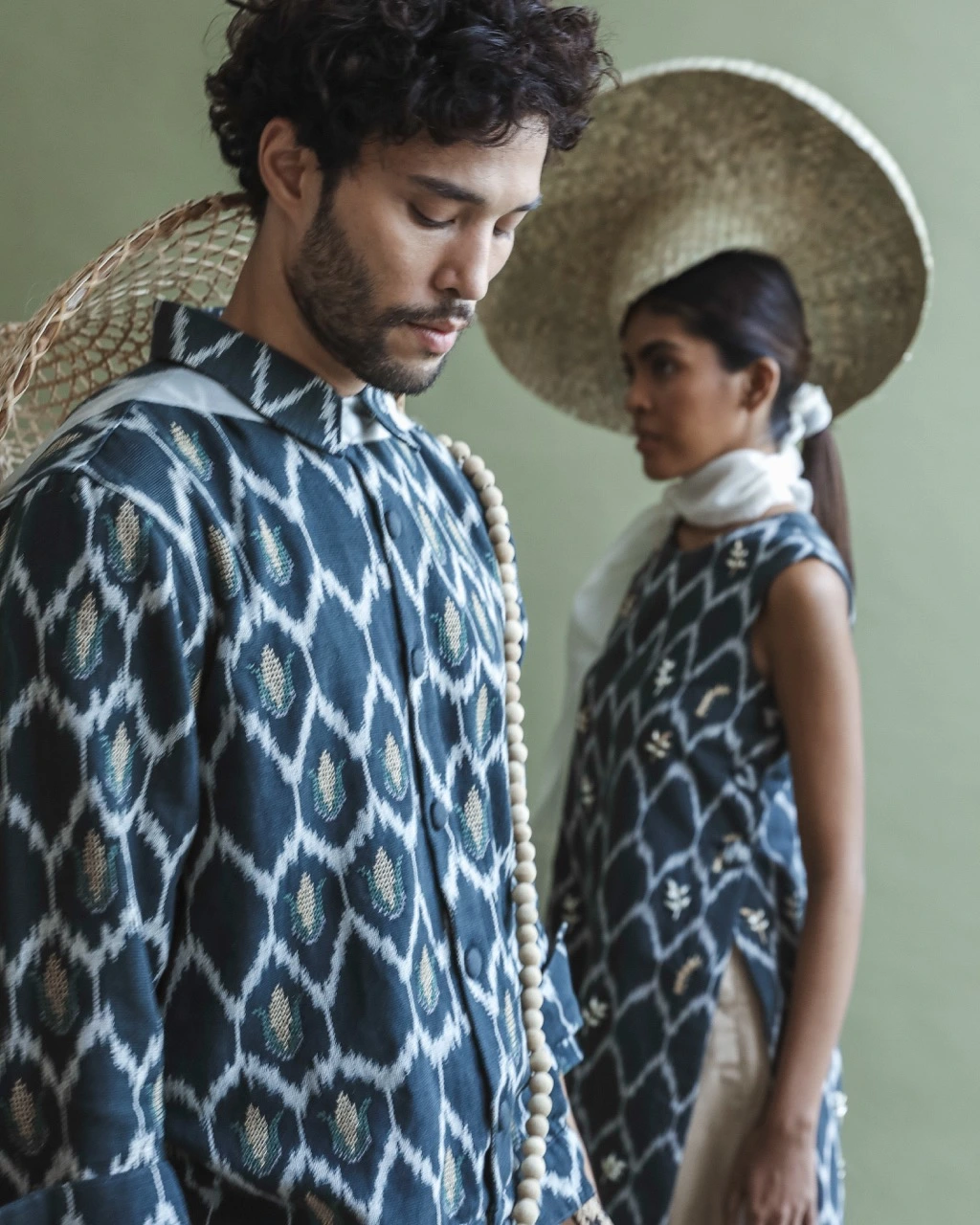
“Filipinos have this instinct to return to where we come from—our heritage, our personal histories, the things that ground us. Those influences become a kind of creative compass. So when we approach maximalism, it isn’t just about excess or decoration; it’s about storytelling,” Iñigo adds.
Resurgence Of The Design Language
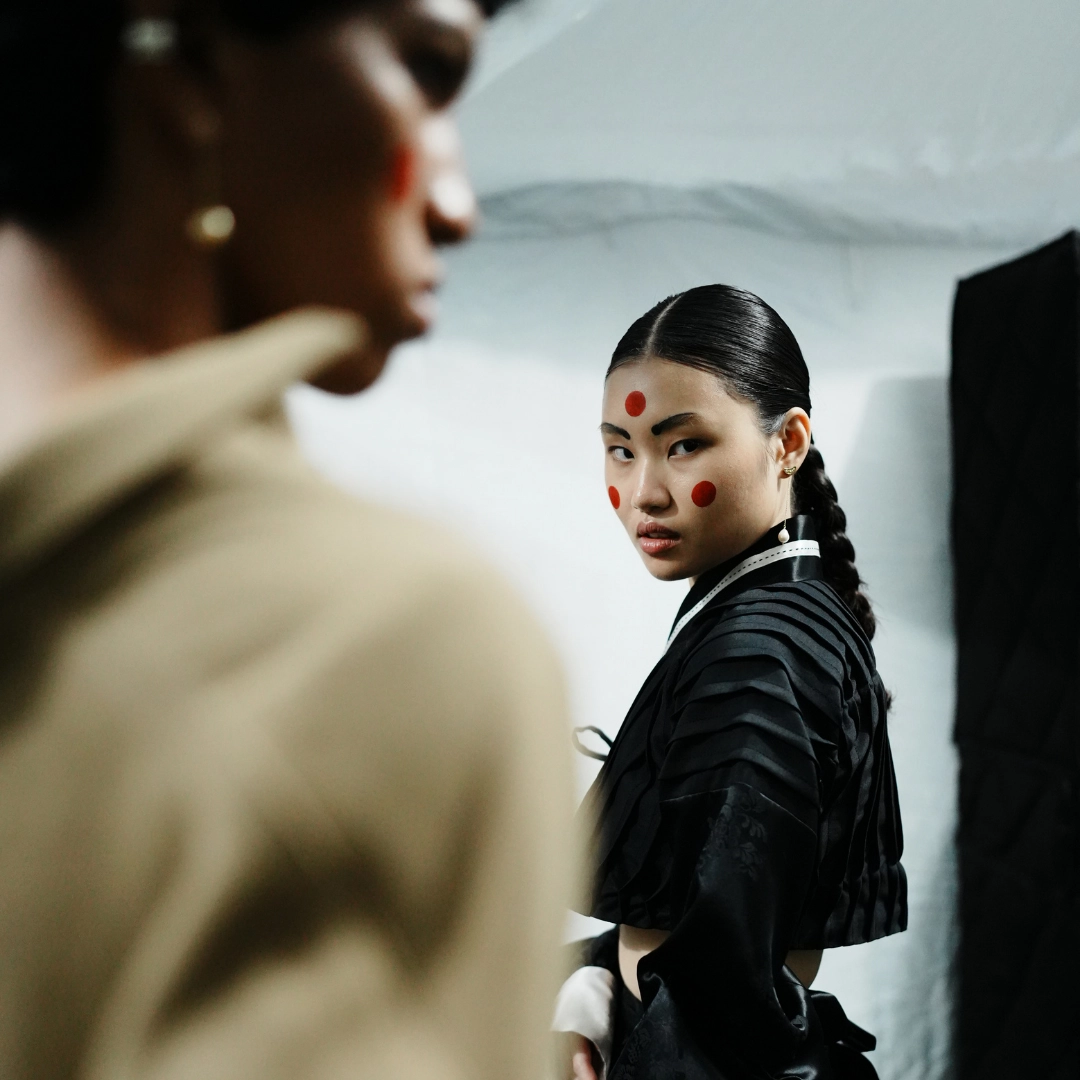
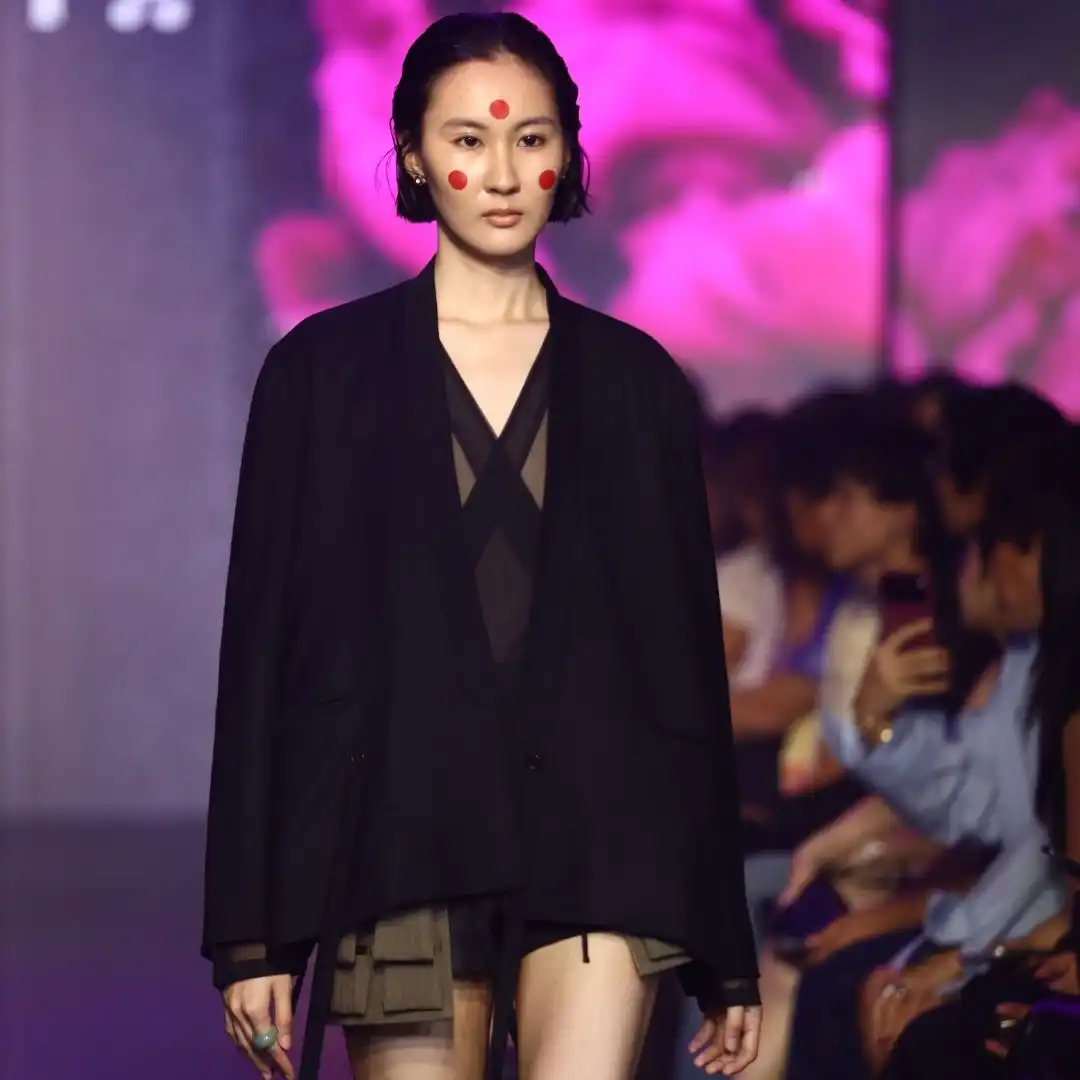
If you’ve been keeping an eye on Filipino fashion—or even just enjoy getting dressed—you’ve probably noticed a shift: local brands are getting bolder, more expressive, and a little less afraid of being seen. Labels like Ha.Mu, Maligaya Clothing Co., and, of course, Iñigo’s eponymous line are leaning into statement-making pieces where nothing is quiet, and everything feels deliberate.
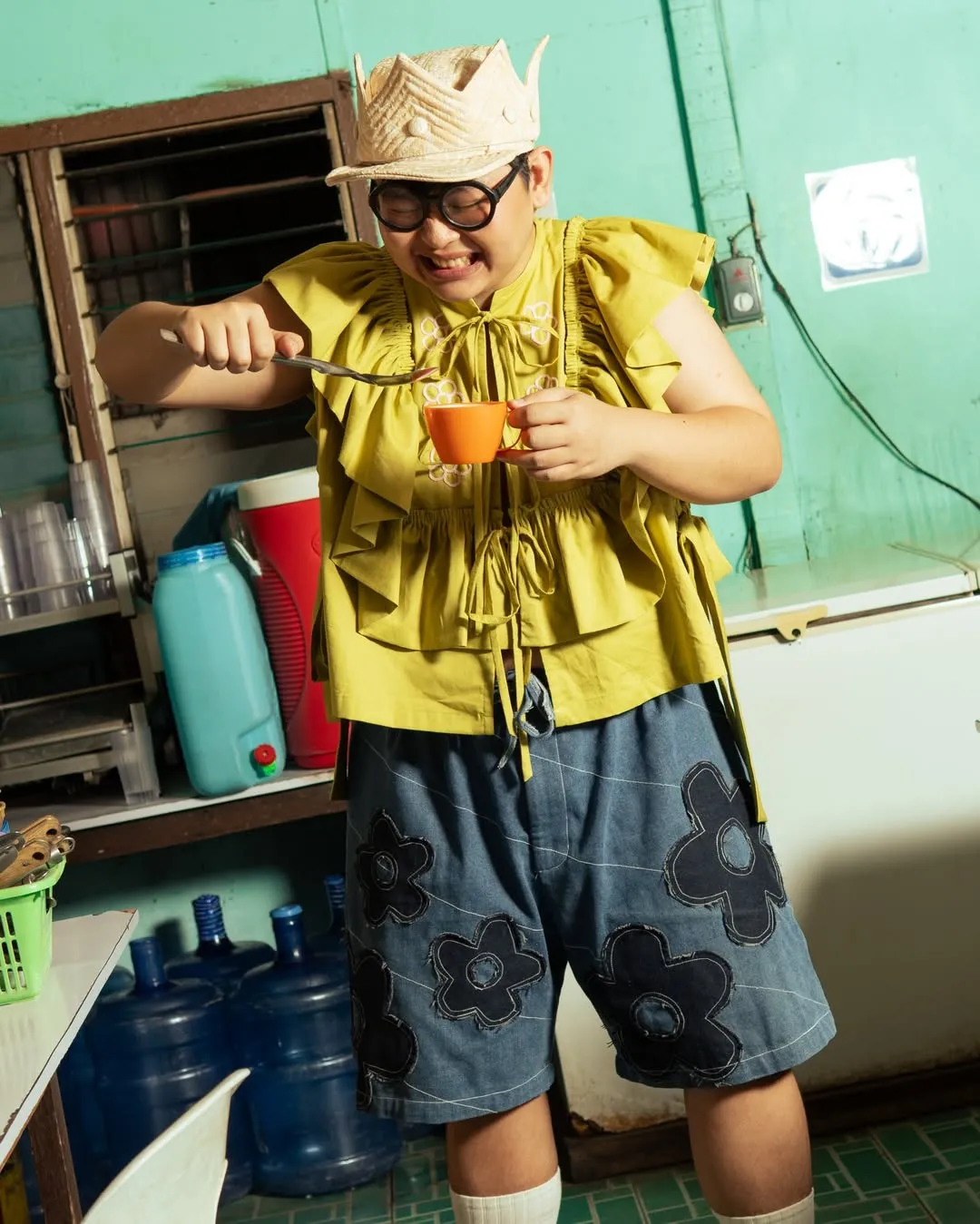
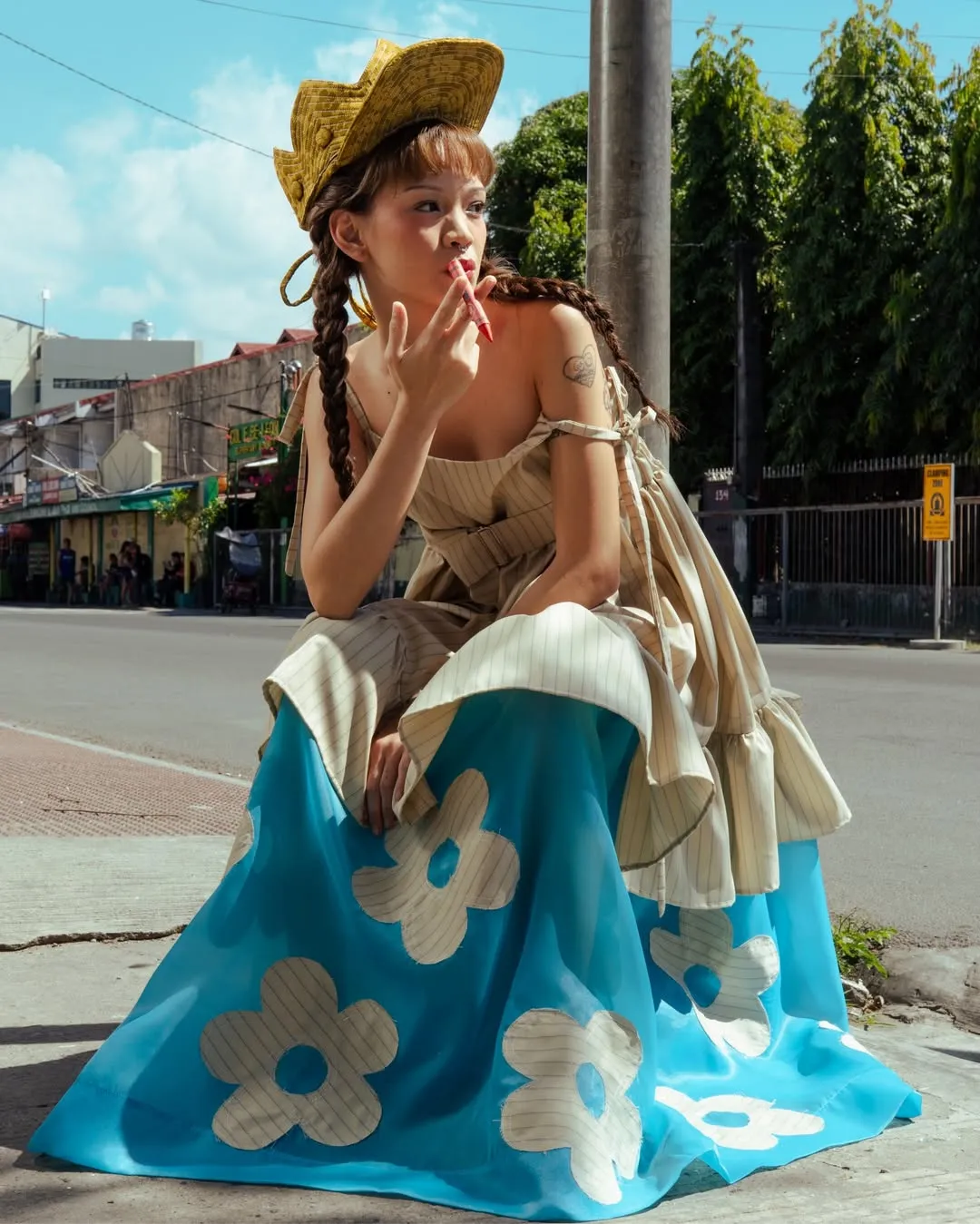
It’s a pretty sharp turn from the long-standing Filipino dressing ethos, where subtlety reigned, and the unofficial rule was basically: the less flashy, the better. However, that “subtlety” might also be read as a colonial hangover—an imposed taste for restraint that doesn’t quite reflect how we’ve always actually lived.
The Philippines has never really been quiet. The current shift is less an invention and more a return—a reclamation of an unfiltered visual language. Our culture is steeped in everyday maximalism: fiestas, baroque churches layered in ornamentation, and jeepneys painted in riotous color and personality.
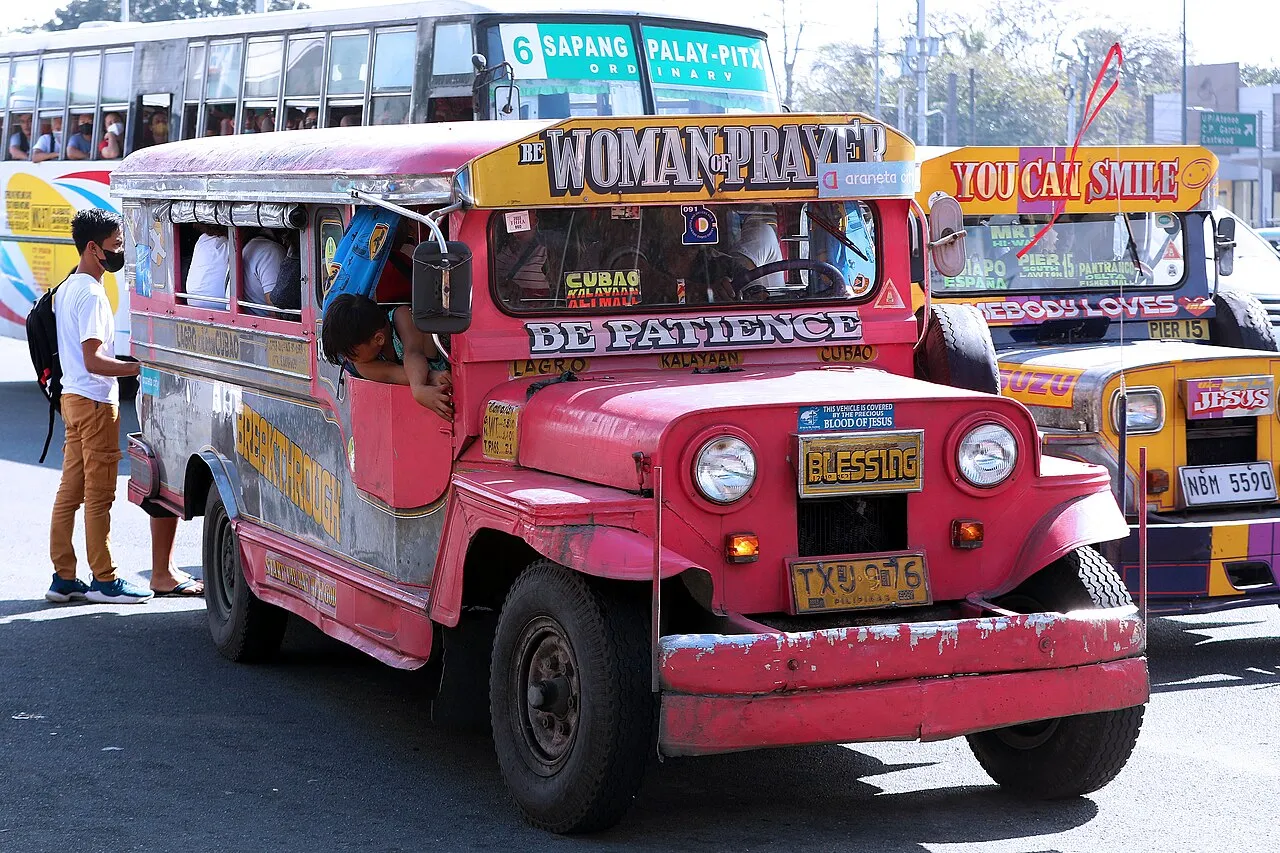
“What we’re seeing now in the local scene might feel like a huge wave, but it’s also partly a response to the years when minimalism dominated design. For a while, everything was about restraint—clean lines, neutrals, and very controlled palettes. Eventually, people start craving something more expressive,” Iñigo explains.
At its core, maximalism is really just self-expression—but louder, freer, and a little more fun. “Maximalism brings a sense of joy and personality back into fashion. It allows designers and wearers alike to fully express their individuality. And in the world we live in now, individuality has become such a powerful force,” he adds.
In many ways, the rise of maximalism isn’t just a reaction to years of minimalist restraint—it’s also a sign of the times. People are simply more comfortable taking up space, embracing who they are, and letting that confidence spill over into what they wear.
The More Is More Philosophy
If minimalism is about editing yourself down, then “more is more” is about finally letting yourself speak in full volume. For Iñigo, it isn’t chaos—it’s permission.
The philosophy, he shares, opens up a kind of creative freedom that doesn’t ask designers to choose between elements, but to let them all exist at once. The result is a design process that feels almost instinctive, like layering thoughts in real time. As he puts it, “The philosophy of ‘more is more’ gives me a sense of freedom in design.”
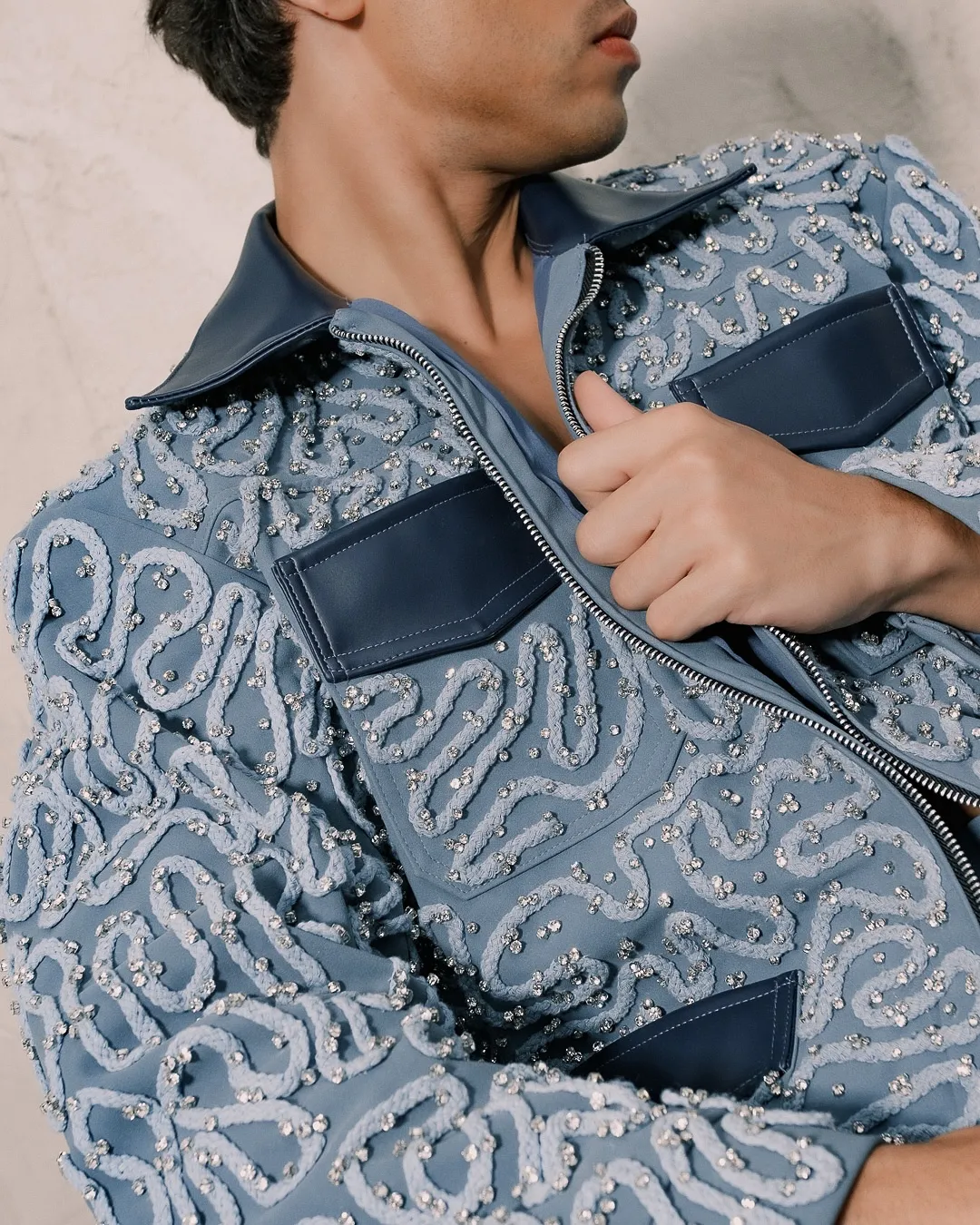
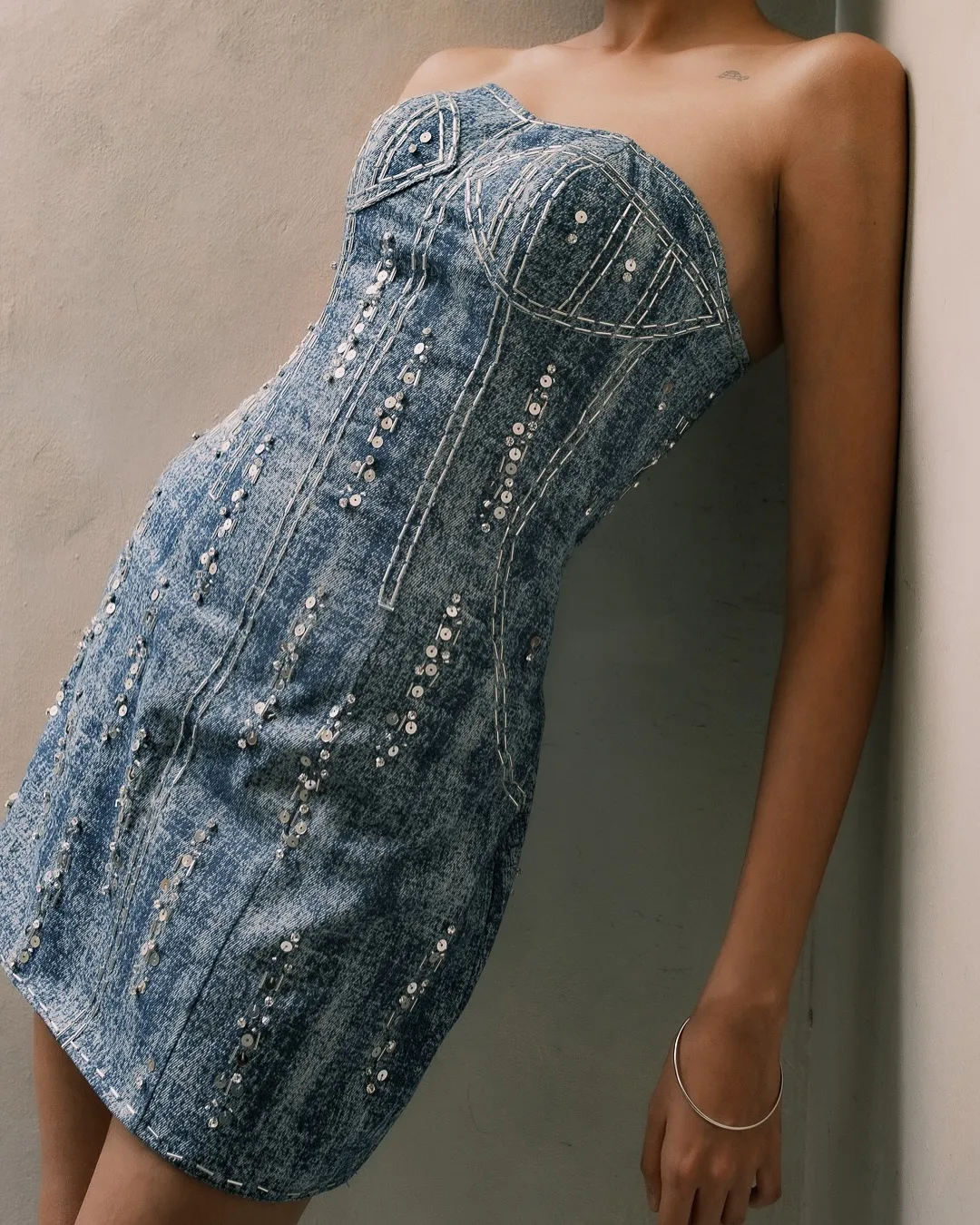
But of course, there’s a fine line between expressive and overwhelming—and this is where his restraint quietly steps in. Maximalism, in his world, still needs a kind of editing hand. “That said, intentionality is always important to me. In the studio, we practice what I like to call maximalist details with a minimalist finish. The garments can be rich in embellishment, texture, and complexity, but the final result still needs to feel crisp, sleek, and controlled.”
It’s this tension—between abundance and control—that keeps the work from tipping into visual overload. For him, maximalism only really works when everything is in conversation with each other. “‘For me, maximalism isn’t just about abundance; it’s about making sure everything meshes together in a way that feels bold and striking, but still clean and intentional.”
And maybe that’s the real point: maximalism isn’t just about the volume of the noise—it’s about the harmony of the symphony.
Banner photo by Bryan Bactad via Instagram @inigo_______
Frequently Asked Questions
According to designer Iñigo Villegas, Filipino maximalism is rooted in intentionality and storytelling. It isn’t just about clutter or being “loud” for the sake of it; it is a creative compass that connects modern fashion to individuality and cultural heritage. Every layer, texture, and embellishment is meant to communicate a deeper meaning or a personal history.
While minimalism dominated the fashion scene for years as a symbol of “old money” or “quiet luxury,” the article suggests that this restraint was often a colonial hangover. Filipino culture is naturally vibrant—seen in baroque churches, colorful fiestas, and jeepneys. Therefore, the return to maximalism is viewed less as a new trend and more as a homecoming to the Philippines’ authentic, unfiltered visual language.
The key is a balance that Iñigo calls “maximalist details with a minimalist finish.” While the design process embraces the freedom to use multiple elements at once, the final product is edited to ensure it feels “crisp, sleek, and controlled.” The goal is to create a harmony where bold elements “mesh together” rather than clashing, turning a collection of loud details into a cohesive symphony.
Local labels like Ha.Mu, Maligaya Clothing Co., and Iñigo Villegas are spearheading the movement by creating bold, statement-making pieces that reject traditional, quiet fashion constraints.
Philippine culture inherently embraces maximalism through vibrant traditions like color-drenched town fiestas, heavily ornamented baroque churches, and the iconic, riotously decorated jeepneys found across local streets.