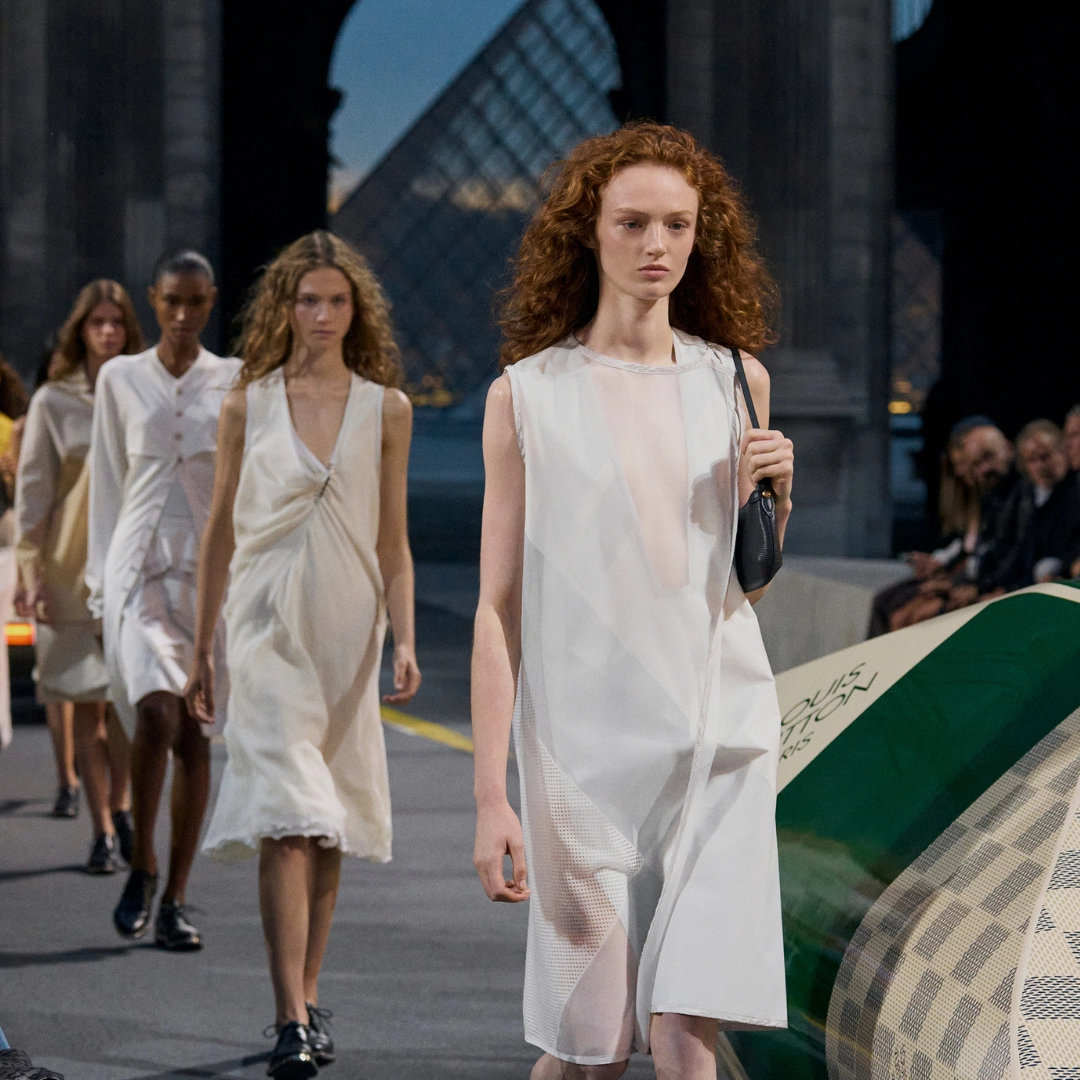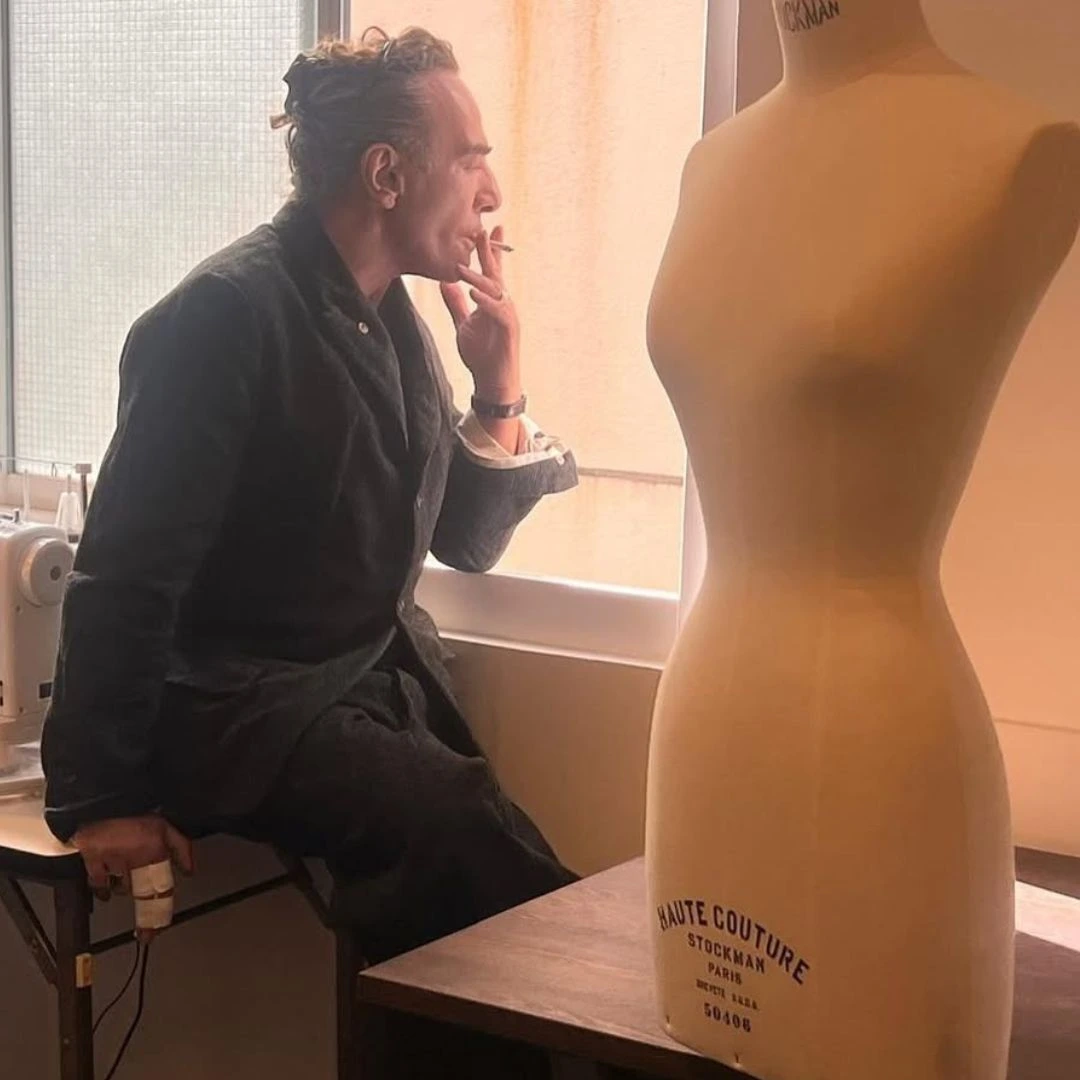
Fast fashion meets high design as Zara collaborates with John Galliano and Willy Chavarria, which raises a salient question: can the project preserve craft, culture, and meaning?
The fashion world was thrown into a frenzy just days ago with news that Zara and John Galliano have entered a two-year partnership, with Galliano tasked to reinterpret the brand’s archives. After he departed from Maison Margiela in 2024, it wasn’t clear where he would take his next step. That’s exactly why this collaboration feels so unexpected, and why it has the fashion girls, gays, and theys talking. Not long after, Zara made headlines again by announcing Willy Chavarria as its newest collaborator. The New York-based designer is known for his boxy silhouettes and deeply political work, often centering the stories of immigrants and queer communities. Of course, high fashion designers teaming up with fast fashion brands isn’t new. I still think about that H&M collaboration with Giambattista Valli, which felt like couture flattened into something mass and strangely hollow.
These kinds of partnerships always raise the same question: can a brand like Zara ever truly hold space for the kind of social justice-driven design language Chavarria is known for, or is the system itself at odds with the message? Then there’s Galliano. What “archives” is he even working with? Zara’s entire model is built on speed and turnover, with pieces designed to be worn briefly and discarded just as quickly. It’s hard not to wonder what it means to romanticize a history that, for the most part, ends in a landfill.
READ ALSO: Faux Luxury: Are High-Low Collaborations Worth Investing In?
The Questionable Ethics Of Collaborations
High-low collaborations have always sold a kind of fantasy, and that’s the idea that you can access a designer’s vision without the usual barriers of price or exclusivity. On paper, it sounds democratic. In reality, it’s a bit more complicated. Because while the aesthetic gets translated, the values don’t always make the jump.
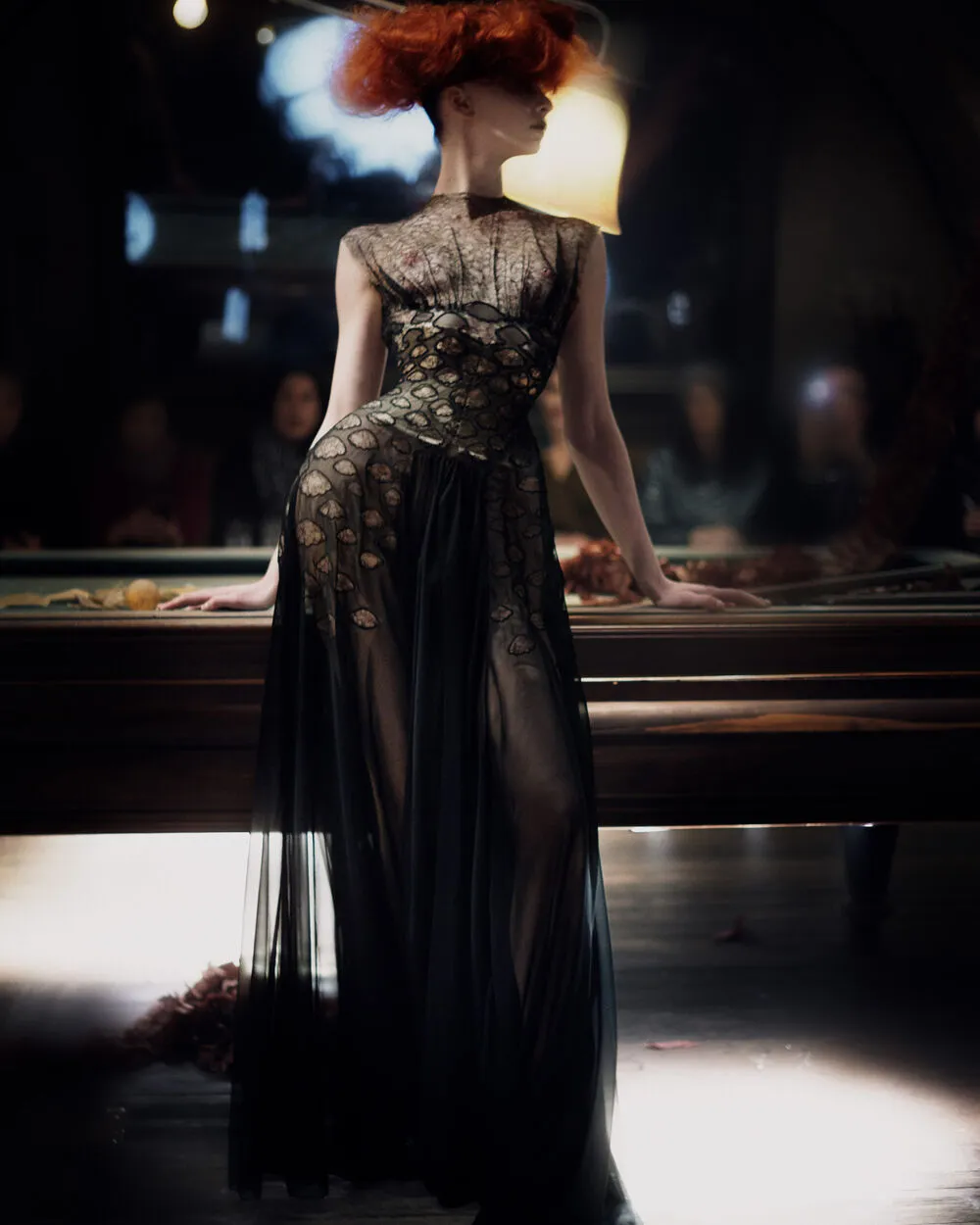
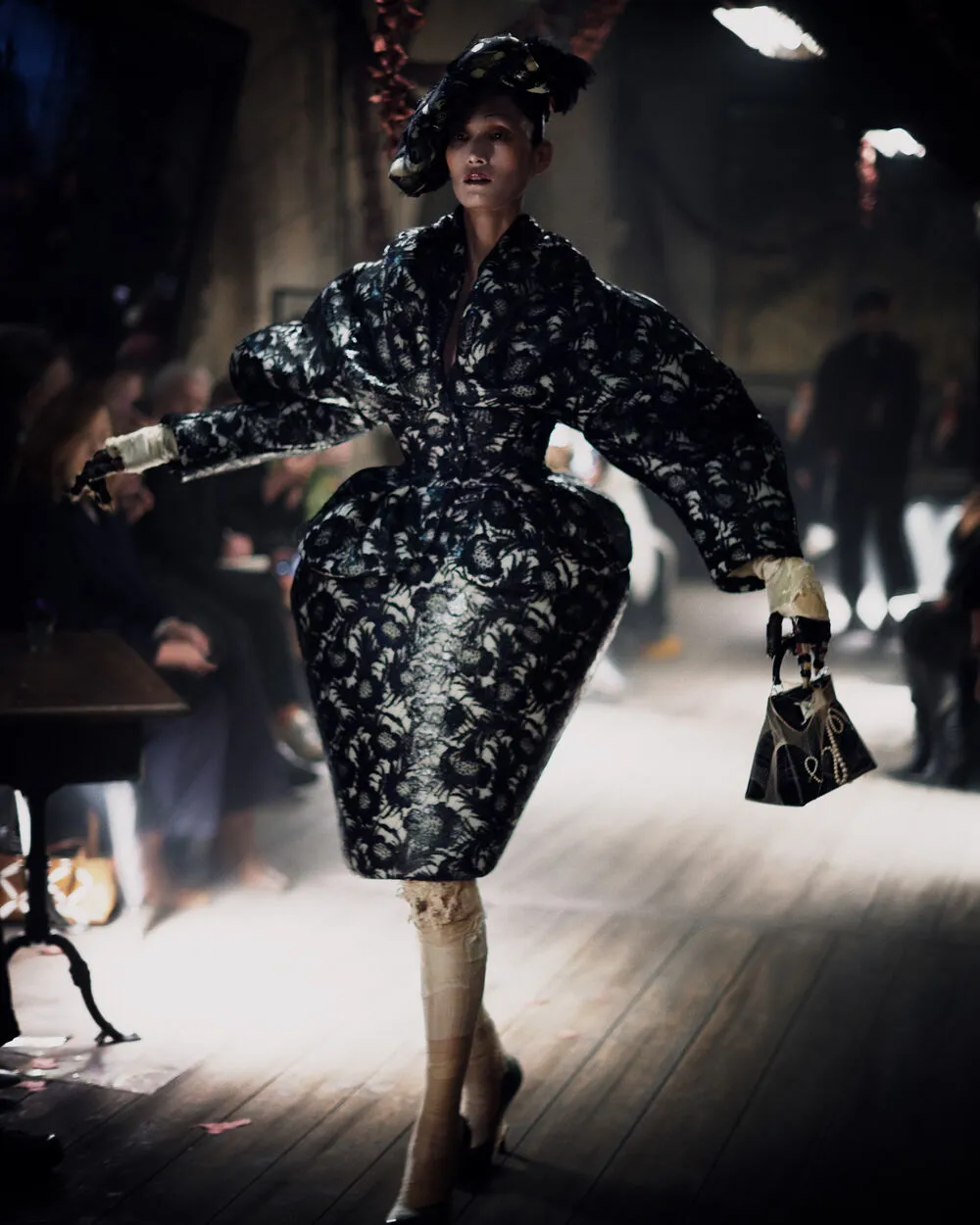
When you look at Galliano’s works for Dior, the label so closely associated with him, and Maison Margiela, you can tell that he’s one of those designers who “love women” (a statement that has no factual proof, though it’s affirmed through aspects of his design language). Moreover, Galliano’s design ethos is rooted in time, technique, and an obsession with detail that simply doesn’t exist in a fast fashion supply chain.
Chavarria, on the other hand, builds his collections around people often overlooked by the industry, spotlighting labor and identity. Being an openly queer mixed-race designer, he heavily anchors his design philosophy on lived experiences shaped by the social circumstances of people, which are visual codes you can’t just replicate on a factory line.
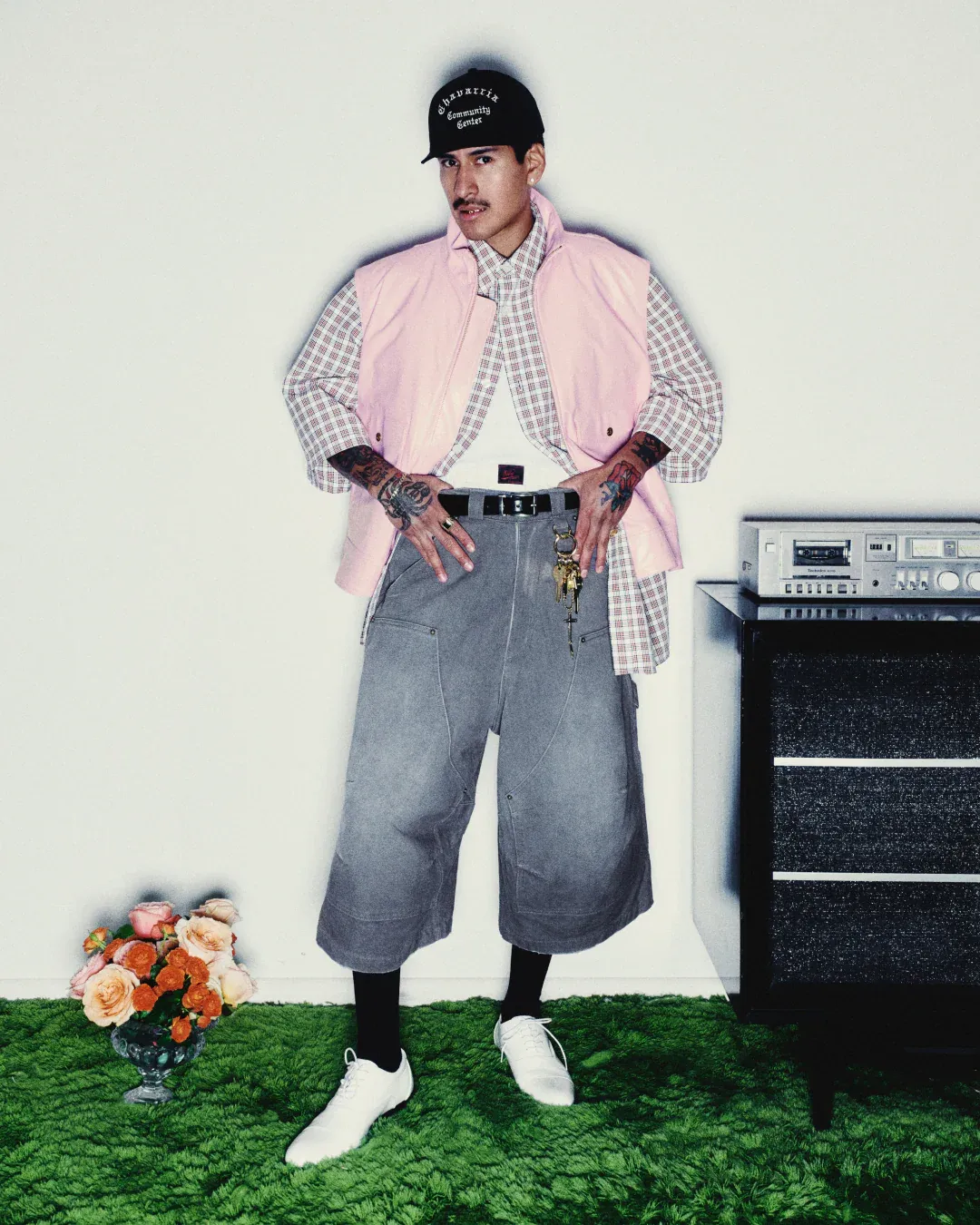
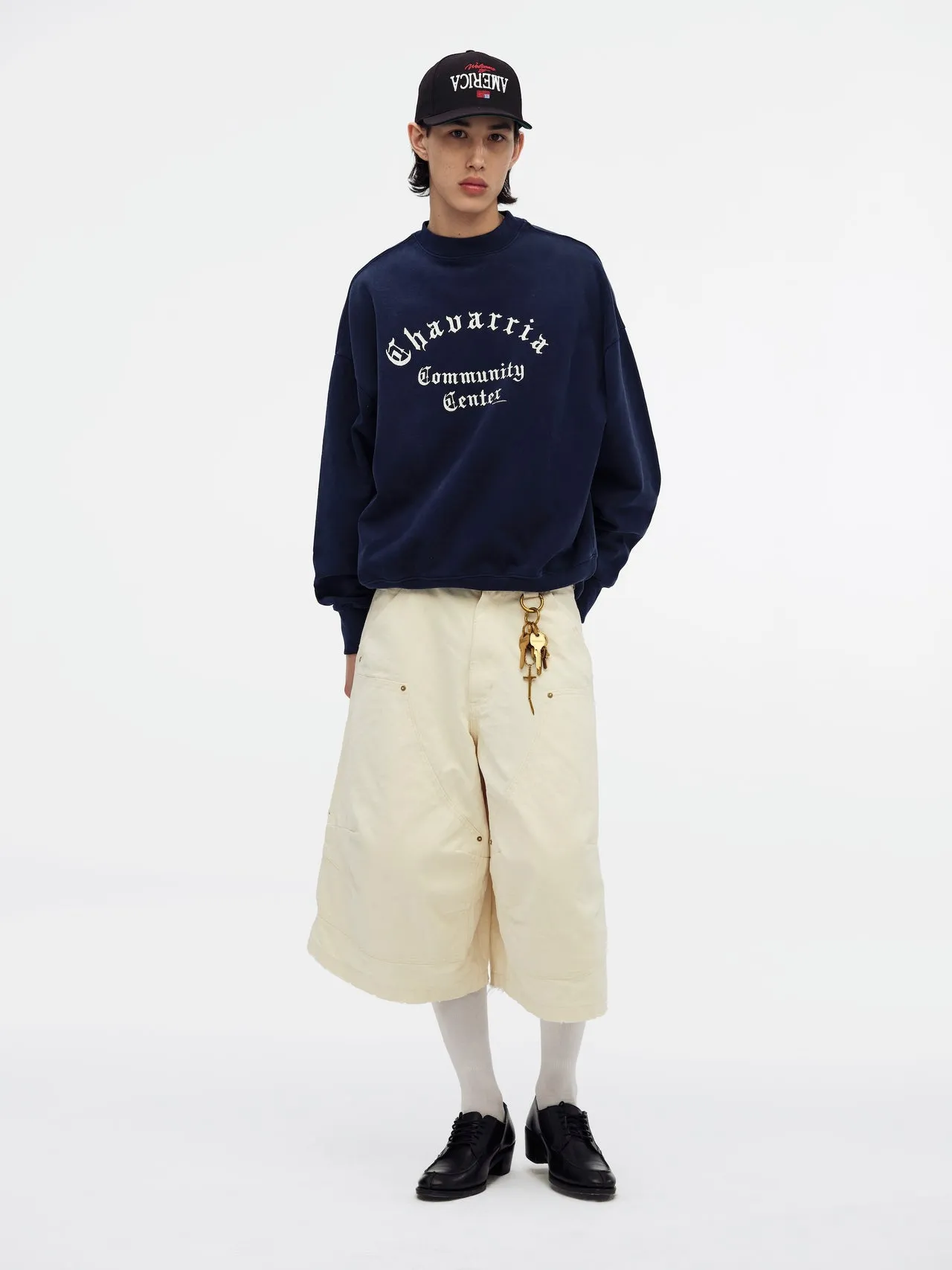
So when a brand like Zara steps in, the question isn’t whether they can recreate the look, but whether they can carry the weight of what that look stands for. Can you mass-produce something that was never meant to be disposable? Can you tell stories about dignity and labor through a system that relies on speed and, often, the invisibility of its workers? There’s no clean answer, but it does make you pause before celebrating too quickly.
How Fast Fashion Blurs The Line
The reason fast fashion brands keep pushing designer collaborations has a lot to do with “taste.” It’s a concept that, according to sociologist Pierre Bourdieu, has long separated the upper and lower classes through aesthetic, cultural, and even ideological codes. “Although we think of our taste in clothes and food, etc., as uniquely ours, Bourdieu concludes, from empirical surveys in France of individuals’ everyday habits, that individual tastes are patterned along social class lines.” As explained in Michele Dillon’s Introduction to Sociological Theory, what we like isn’t as personal as we think. It’s shaped—unwittingly, subtly, but consistently—by the world we move in.
Bourdieu takes it further by arguing that because taste is formed within the conditions of one’s social class, it naturally produces distinct markers. You see it in what people choose to wear, buy, and even recognize. Knowing designers like John Galliano or Willy Chavarria, let alone owning their pieces, becomes part of that language. Fashion, in this sense, has always been one of the clearest signals of taste. The more expensive or rarefied your preferences, the more they set you apart from those outside your class.
But this is where things start to shift. Fast fashion brands like Zara have begun to blur those boundaries. When luxury becomes accessible, the objects that once signaled exclusivity are suddenly everywhere. What used to be closely guarded markers of upper-class taste are now replicated, mass-produced, and sold to a much wider audience, which waters down the reasons why high fashion is perceived as valuable to begin with.
Taste, as Bourdieu puts it, is “a power to keep economic necessity at arm’s length.” There’s no real functional need to know, wear, or collect designer clothing; these are choices made possible by economic and social capital. Designer collaborations with Zara complicate that idea. They chip away at taste as a marker of distinction, taking away its very power until it’s no longer about who you are, but about what you can momentarily buy into.
Banner photo via Instagram [archived] @jgalliano.
Frequently Asked Questions
John Galliano is a high-fashion designer known for a design ethos rooted in time, technique, and an obsession with detail. He has previously worked for major luxury houses, including Dior, Givenchy, and Maison Margiela (which he departed in 2024), as well as his own eponymous label. He is described as a designer who “loves women,” a sentiment reflected in the craftsmanship of his clothes. His partnership with Zara involves a two-year deal to reinterpret the brand’s archives.
Willy Chavarria is a New York-based, openly queer mixed-race designer known for his deeply political work and boxy silhouettes. His design philosophy is heavily anchored in lived experiences and the social circumstances of people, specifically centering the stories of immigrants and queer communities. His collections often spotlight identity, dignity, and labor—subjects that are usually overlooked by the mainstream fashion industry.
According to sociologist Pierre Bourdieu, taste is not just a personal preference; it is a marker of social class shaped by the world we move in. A Power of Distinction: It acts as a language that separates the upper and lower classes through aesthetic and ideological codes. Economic Distance: Taste is “a power to keep economic necessity at arm’s length,” meaning it involves choosing items (like designer clothing) for their cultural value rather than functional need. A Shifting Concept: In the context of Zara, taste is becoming less about exclusive access to high-fashion “markers” and more about momentary availability for a mass audience.
While these partnerships are “democratic” because they make high-fashion aesthetics accessible to more people, critics argue they create a fundamental mismatch of values. John Galliano is known for couture-level “time, technique, and an obsession with detail,” which contradicts the speed and turnover of fast fashion. Willy Chavarria’s work is deeply political and centers on the dignity of labor and immigrant stories—messages that some feel are hollowed out when produced within a mass-market supply chain that often relies on invisible labor.
While capsule collections generate immediate global media visibility and substantial short-term revenue spikes, they frequently dilute a designer’s brand equity. By replacing rare, hand-crafted textiles with synthetic mass-market compositions, the partnership strips away the physical scarcity and structural longevity that define true haute couture.