There are two ways to experience Manila: the elementary-school field trip version, and the version where you’re paying for your own coffee.
If you grew up in the Philippines, you already know the first scenario in this feature’s sub-headline. It involves waking up at an hour that feels punitive, boarding a bus that feels either too hot or too cold, and spending the day inside Intramuros, being told to stay in line, stay hydrated, and stay patriotic. You listen to a fuzzy overhead speaker drone out notes about José Rizal’s final days. After a hasty merienda of chips and C2, you go home vaguely aware you’ve just participated in a rite of passage. Returning as an adult isn’t about recreating that Manila field trip day, but about recalibrating it.
READ ALSO: 5 Road Trip Coffee Stops To Bookmark For Your Next Adventure
Inside The Walls
Start at Fort Santiago, but go early, before it fills with group tours. As a child, you probably remember it as the place “where Rizal was jailed.” But as an adult, you can see the spatial politics of thick stone walls and tight passageways, the river positioned as both escape and boundary.
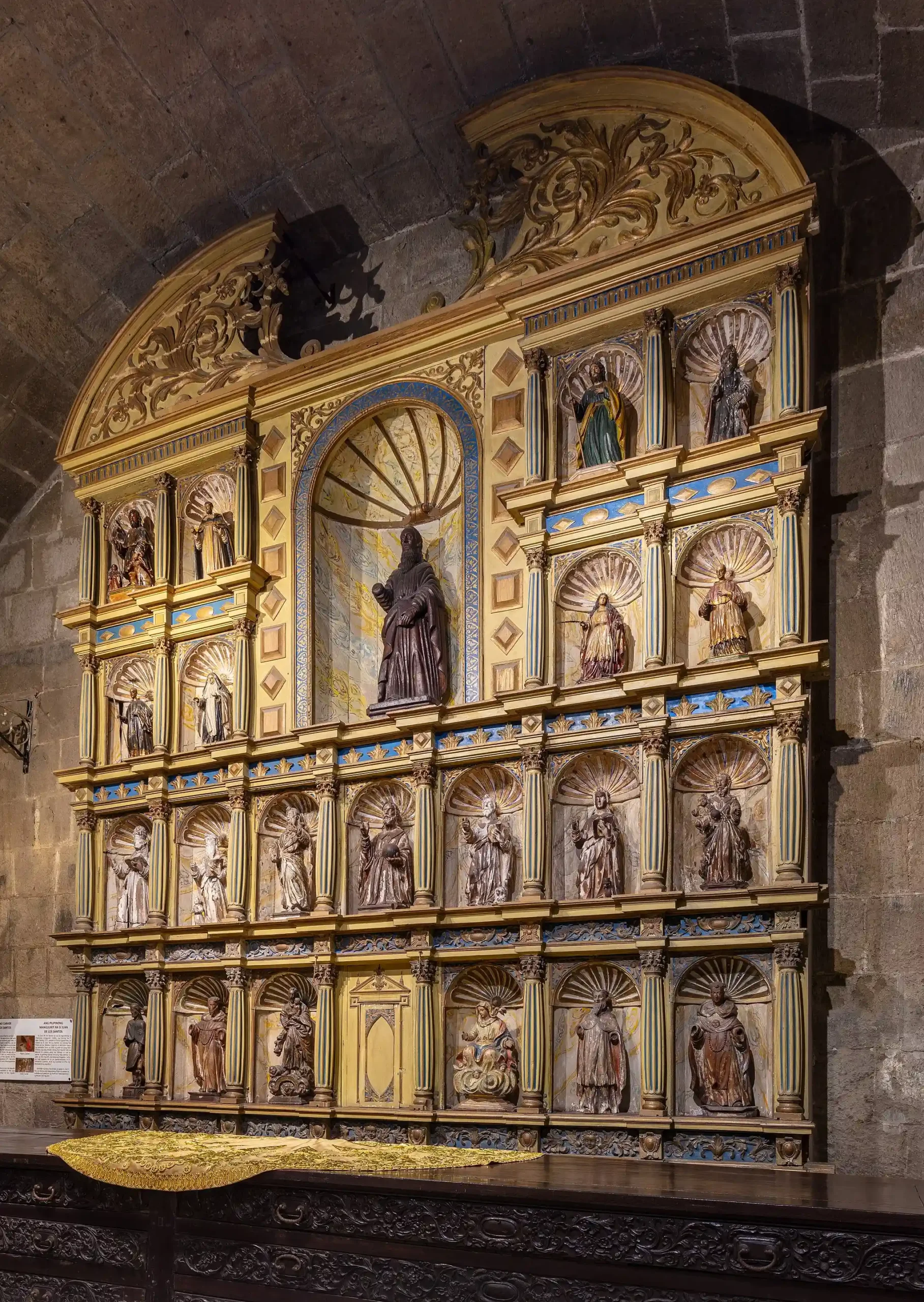
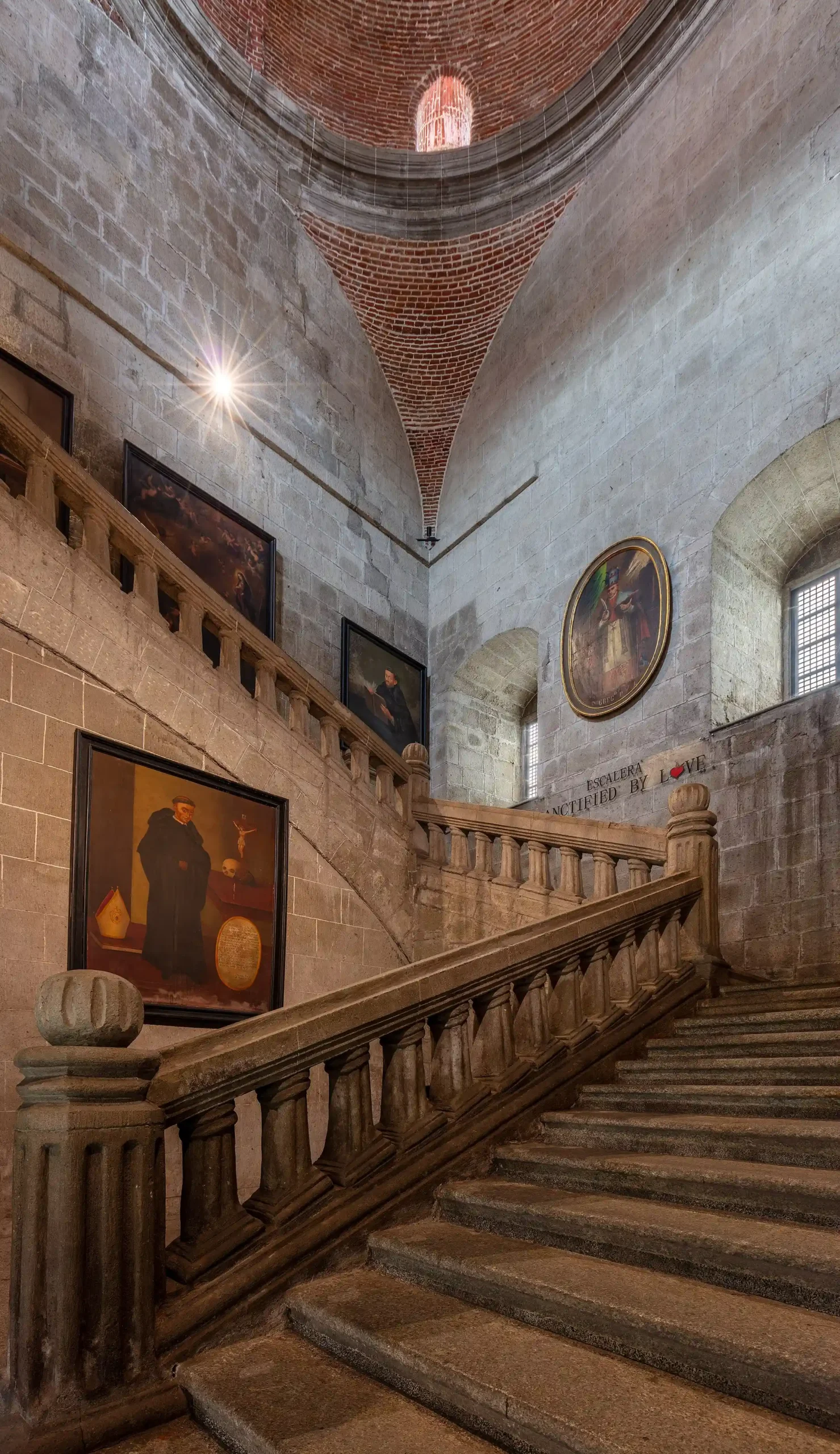
Walk to San Agustin Church; it’s impressive, but the museum next door is where things get interesting, with a trove of ornate religious objects that are equal parts devotion and display. The empire had taste, and it’s part of the story.
Art, Books, And Brutalism in Ermita
Head toward Ermita and into the National Museum of Fine Arts. You were probably introduced to Juan Luna’s “Spoliarium” with a tone that suggested you were supposed to feel pride. Standing in front of it now, you can allow for a more complicated reaction.
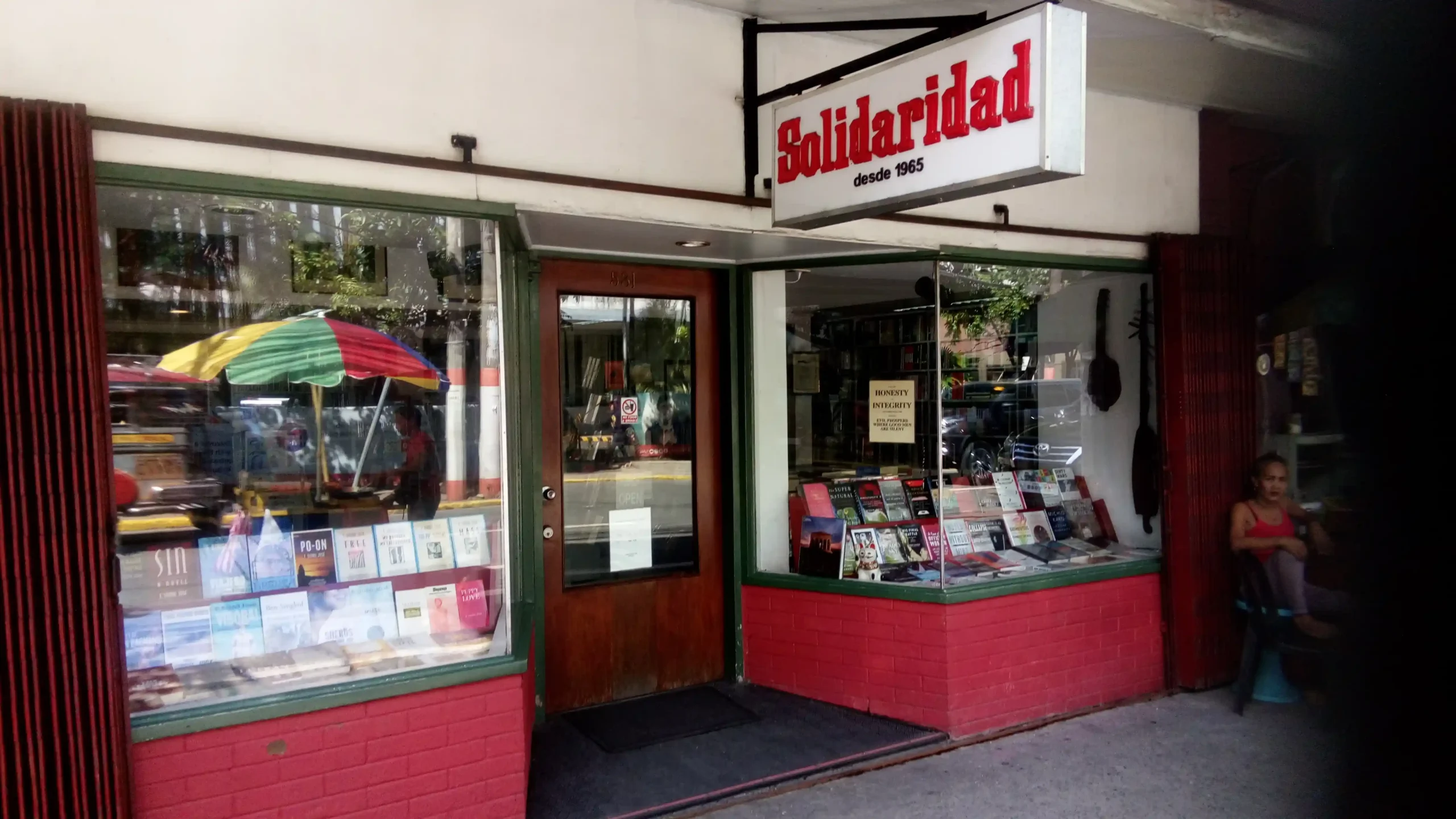
Then, move to Solidaridad Bookshop. Its shelves are heavy with Philippine literature, political essays, and titles you were probably too young to care about the first time you came to this part of the city.
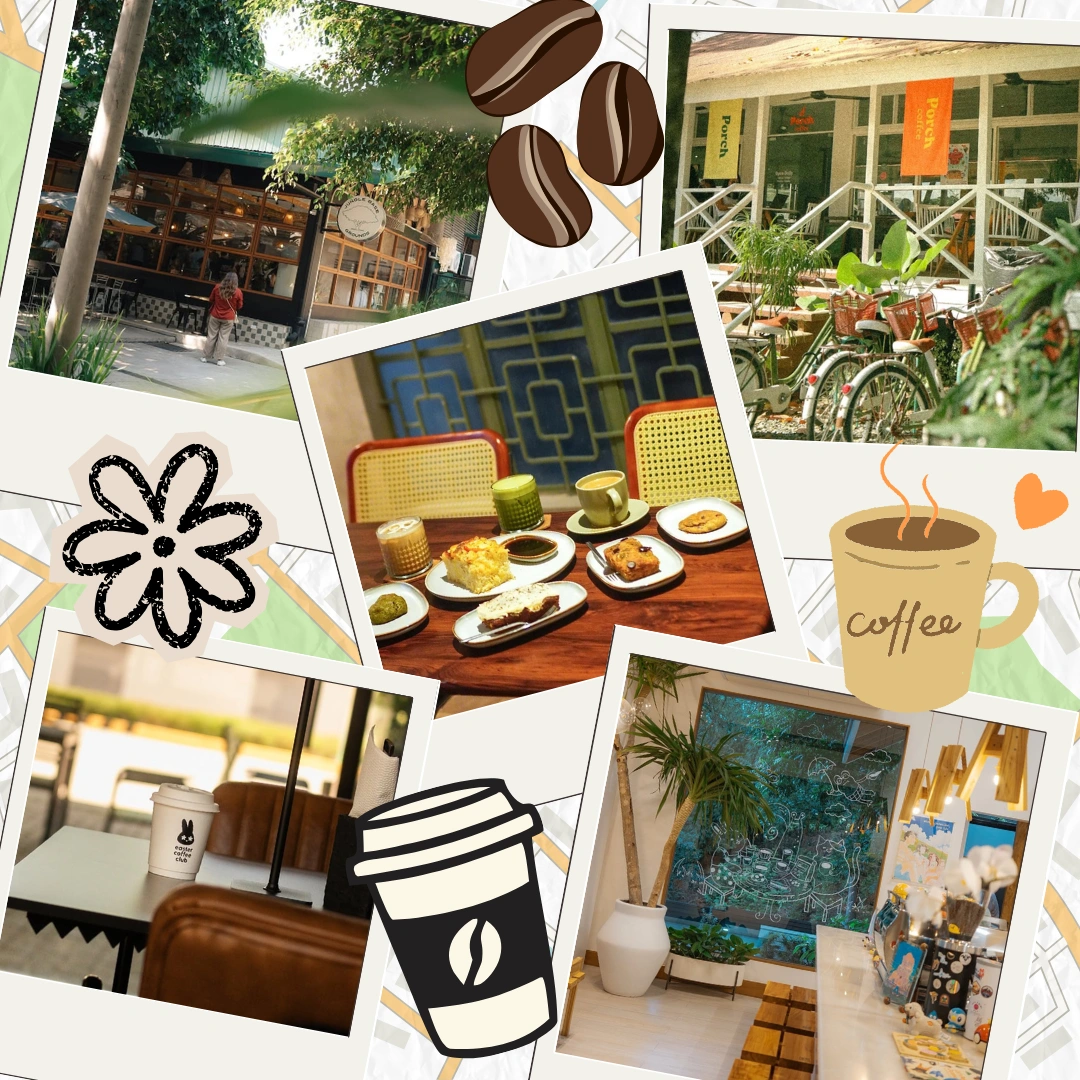
A few streets down, Blocleaf Café offers a contemporary counterpoint with specialty coffee and an array of minimalist interiors, students hunched over laptops. They make a good honeycomb latte, while their pick of sweet treats delight in their subtlety. Here, you can rest your feet and read what you just bought.
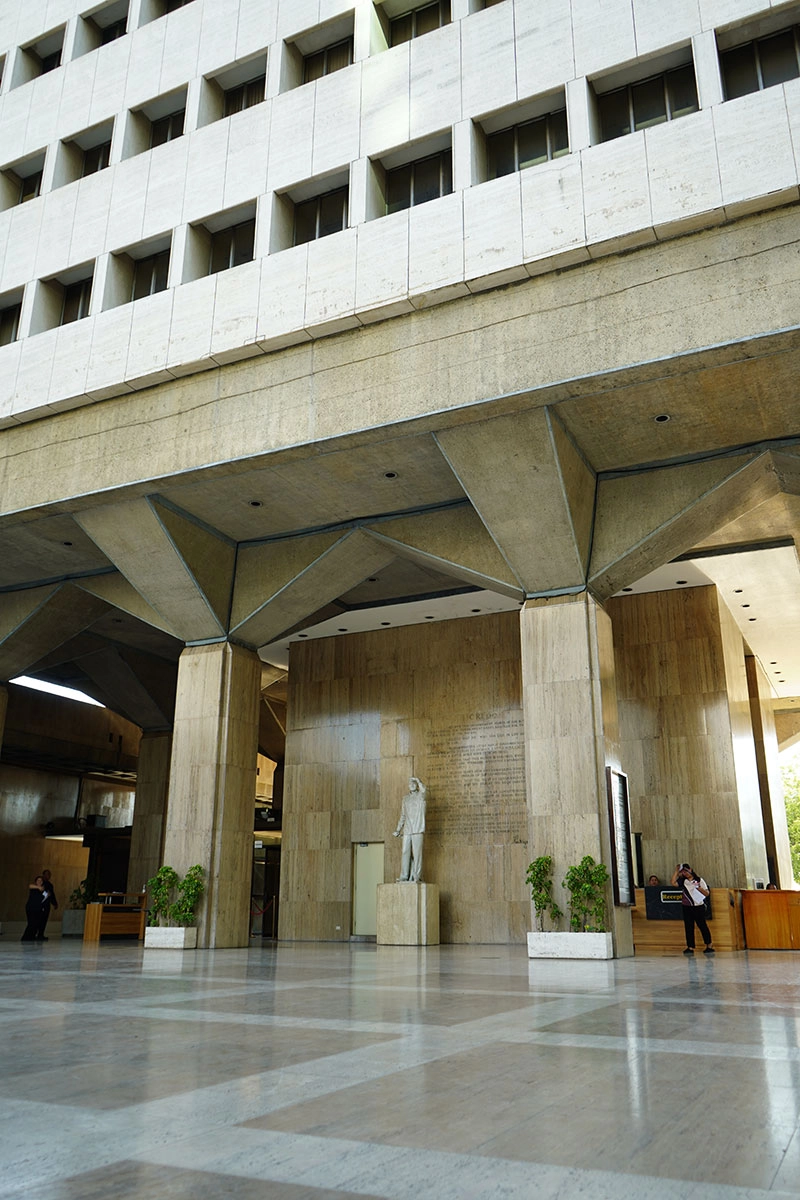
A short walk away is the Ramon Magsaysay Center, a towering complex of concrete angles and Brutalist restraint. Even if you don’t go inside, the façade itself is worth a long look. It’s severe in a way that feels intentional with its post-war optimism.
Monuments At Dusk
For lunch, circle back to Intramuros and sit down at Ilustrado. The Spanish-Filipino menu is classic without being theatrical. To eat inside a restored bahay na bato is to say you’re dining within a preserved artifact. Manila does this a lot: it serves history with a side of rice.
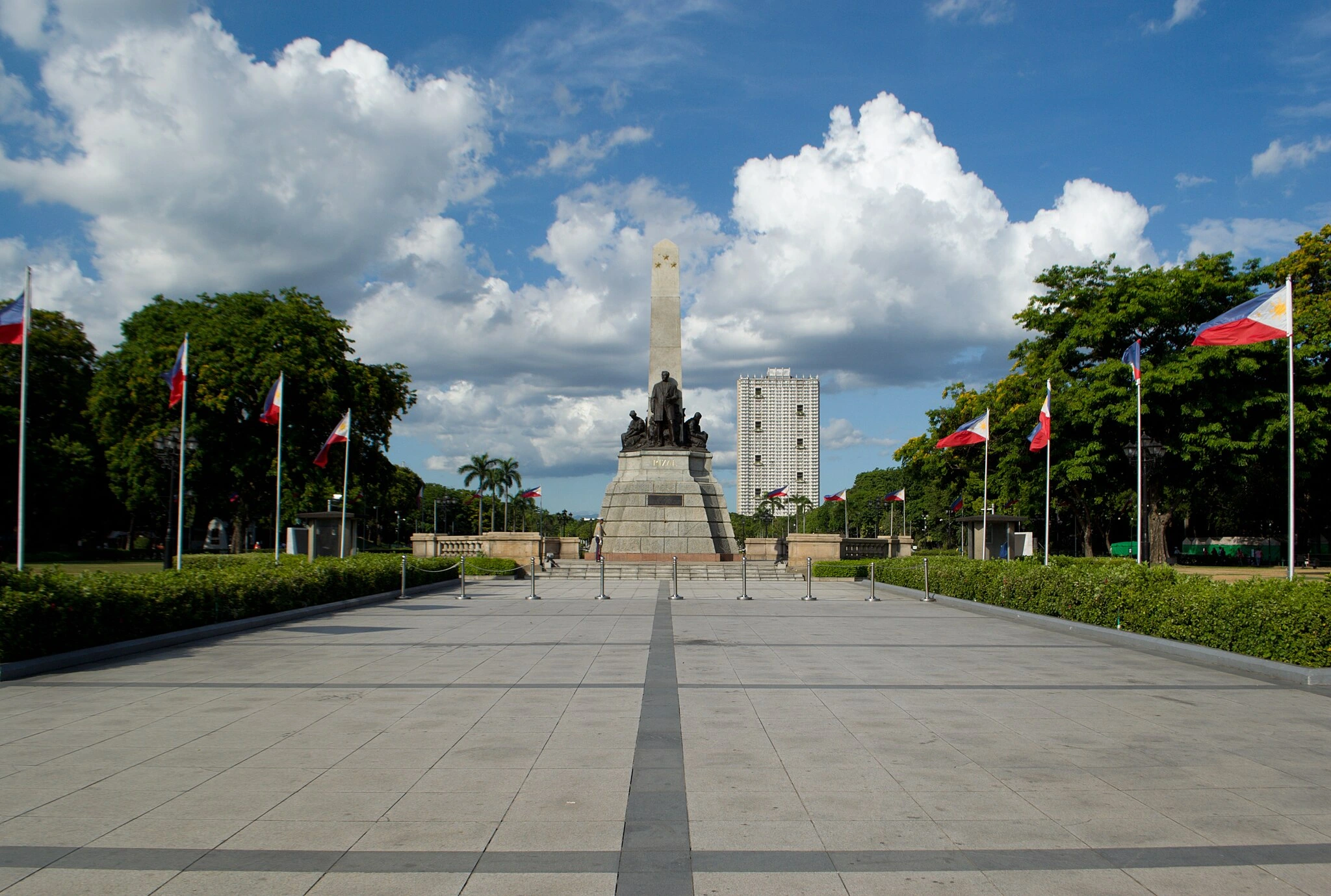
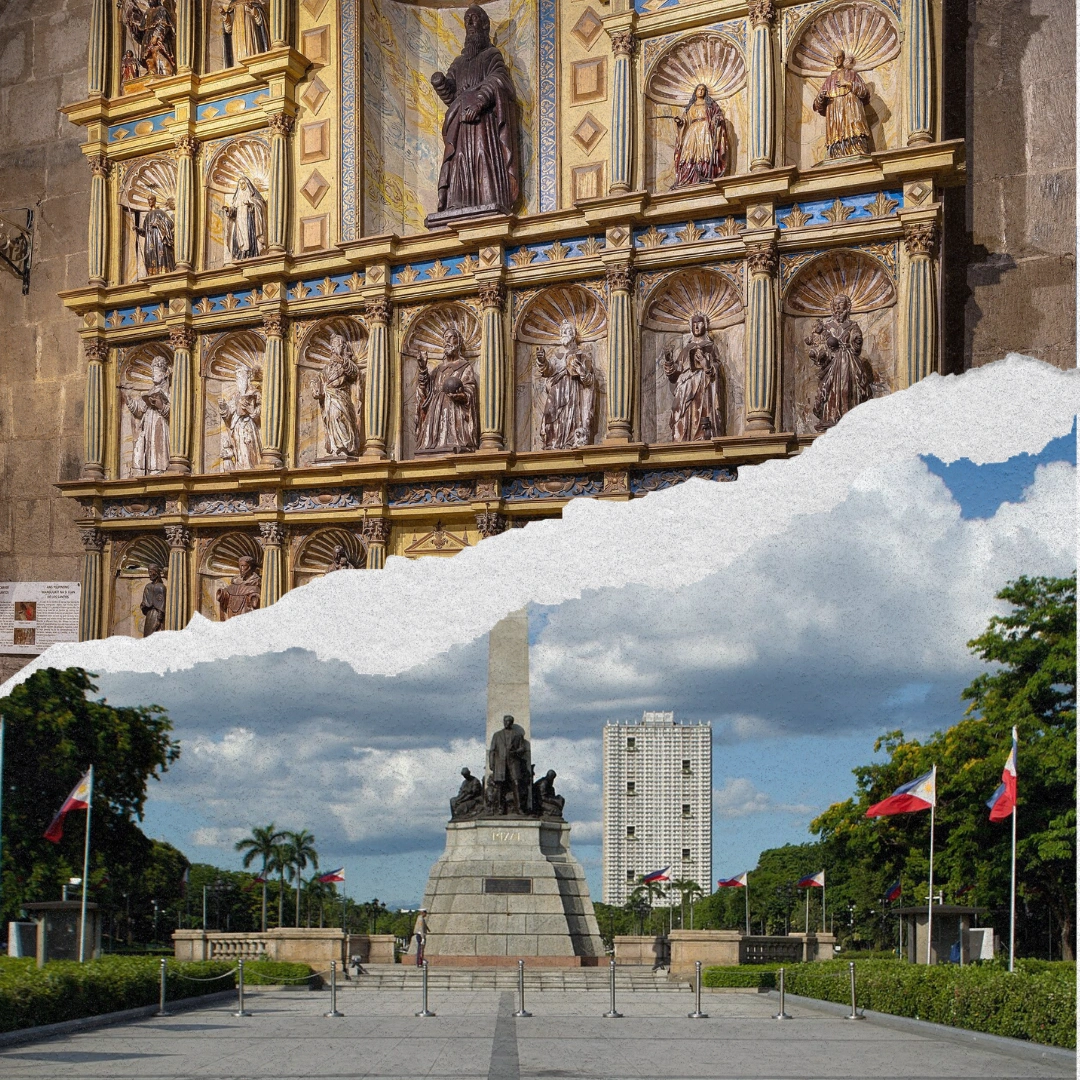
End at Rizal Park, which, on childhood field trips, functioned mostly as an open space where teachers did head counts. It’s where you stood in the sun for 10 minutes to wait for the changing of the guards. Now, it feels like a civic stage set against traffic and government buildings.
While your elementary school itinerary might’ve been about absorbing a narrative, the adult version is about interrogating it. Manila has the same streets, the same hero, and the same walls. Now, grown-up you have the freedom to decide what any of it means.