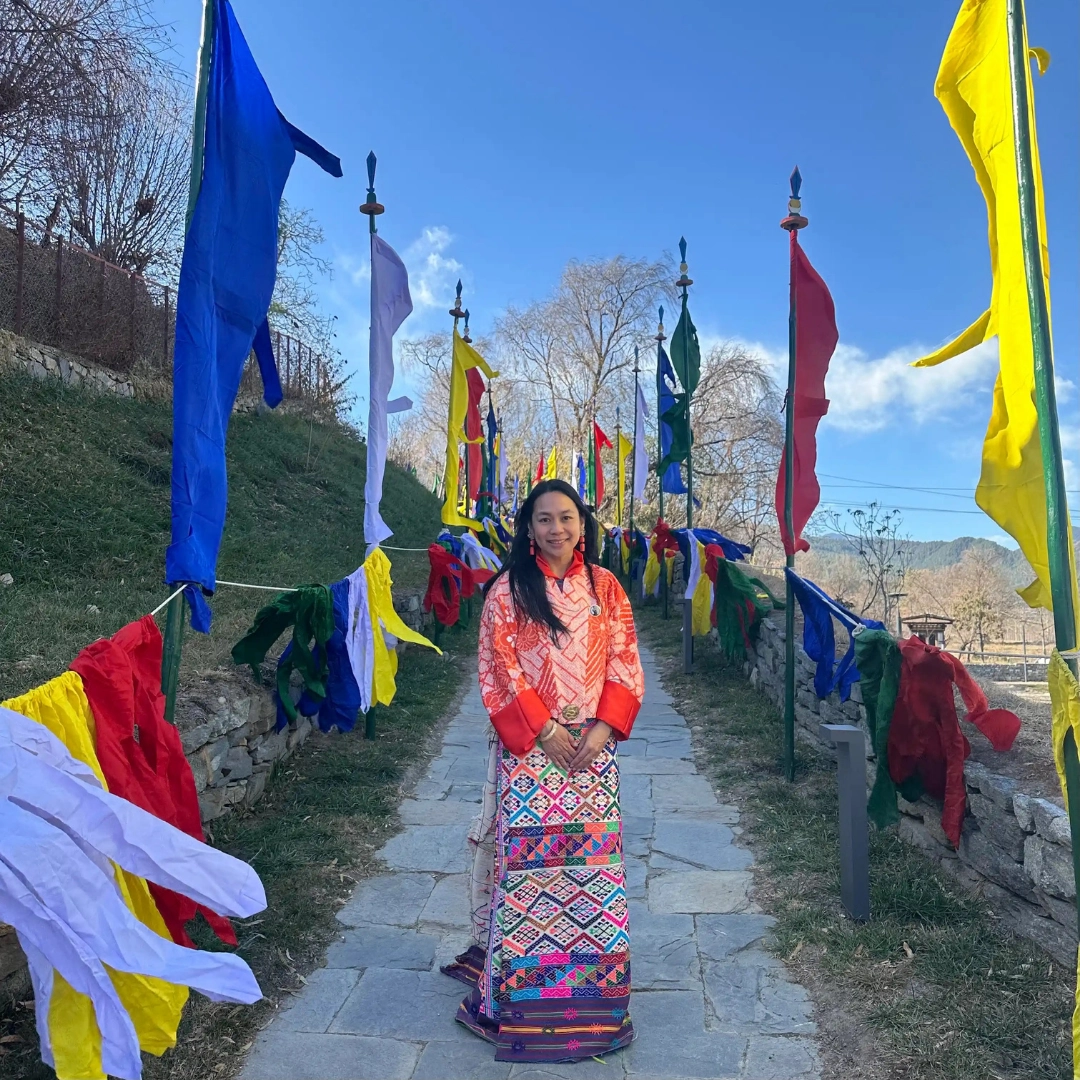
For early childhood educator Ligaya “Ling” Jonsay, Bhutan is more than the country she lives in: it’s a childhood home that shaped her values, welcomed her back, and became part of who she is.
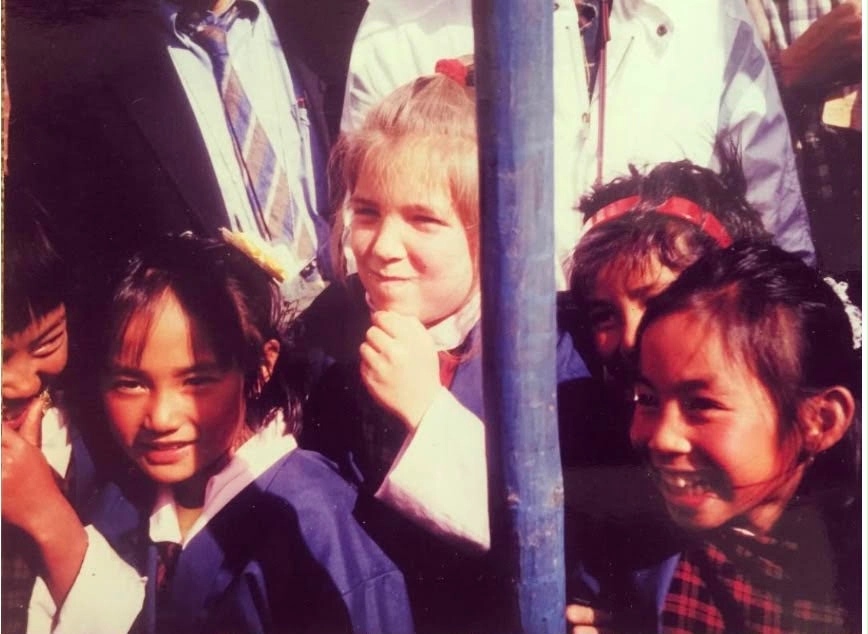
To her family, she’s Ling Jonsay. To her students, she’s Teacher LingLing. Ling’s father, Wilfredo Elia Jonsay, hailed from Tabaco, Albay, while her mother, Fe Palado Jonsay, was from Asingan, Pangasinan. In 1985, her father’s work with the United Nations Development Programme brought their family to Bhutan, where they lived until 1990. Nestled in the Eastern Himalayas between India and China, Bhutan is a small Buddhist kingdom known for its philosophy of Gross National Happiness, its commitment to environmental conservation, and its strong sense of cultural identity. Often called the Land of the Thunder Dragon, the country has a population of fewer than 800,000 people and is recognized as one of the world’s few carbon-negative nations.
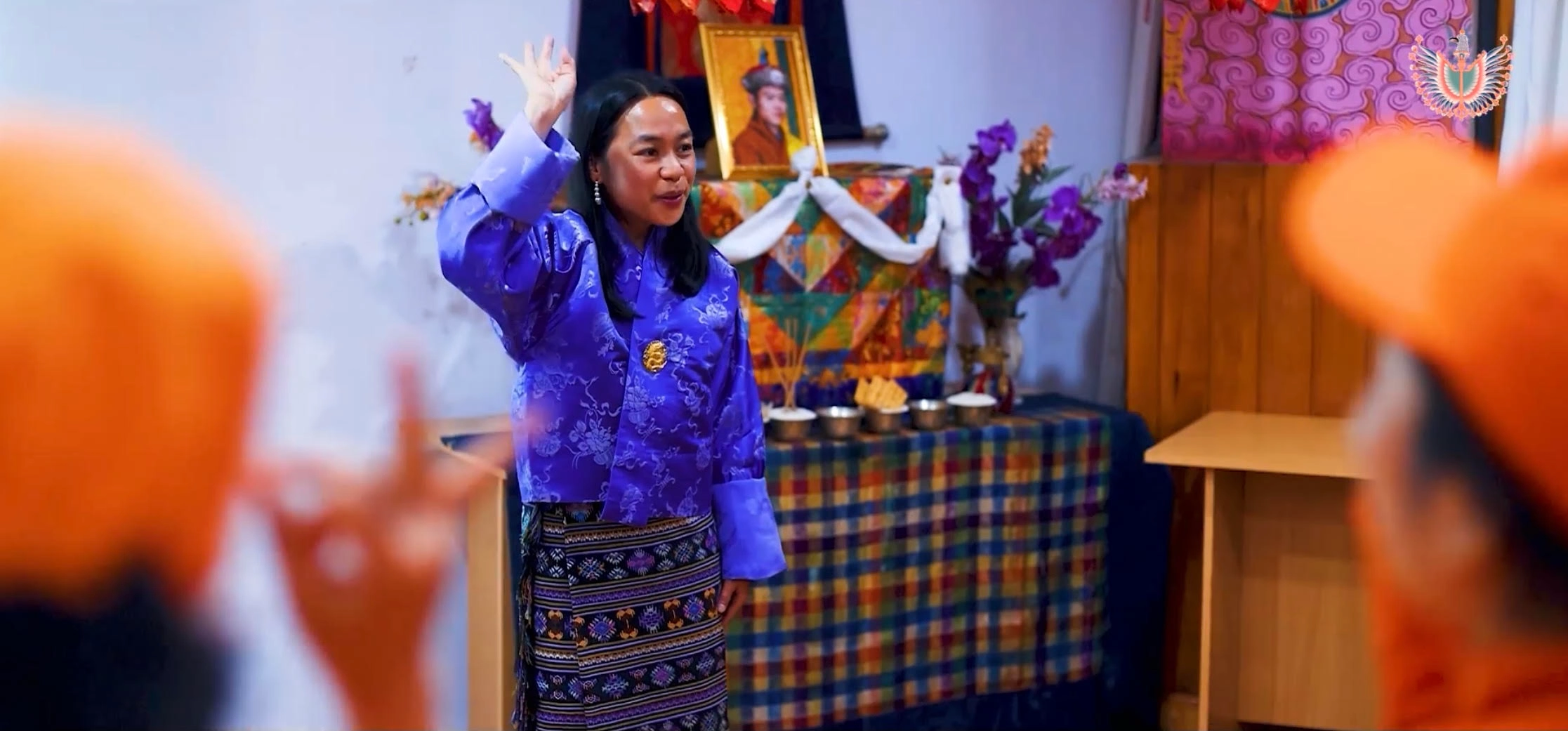
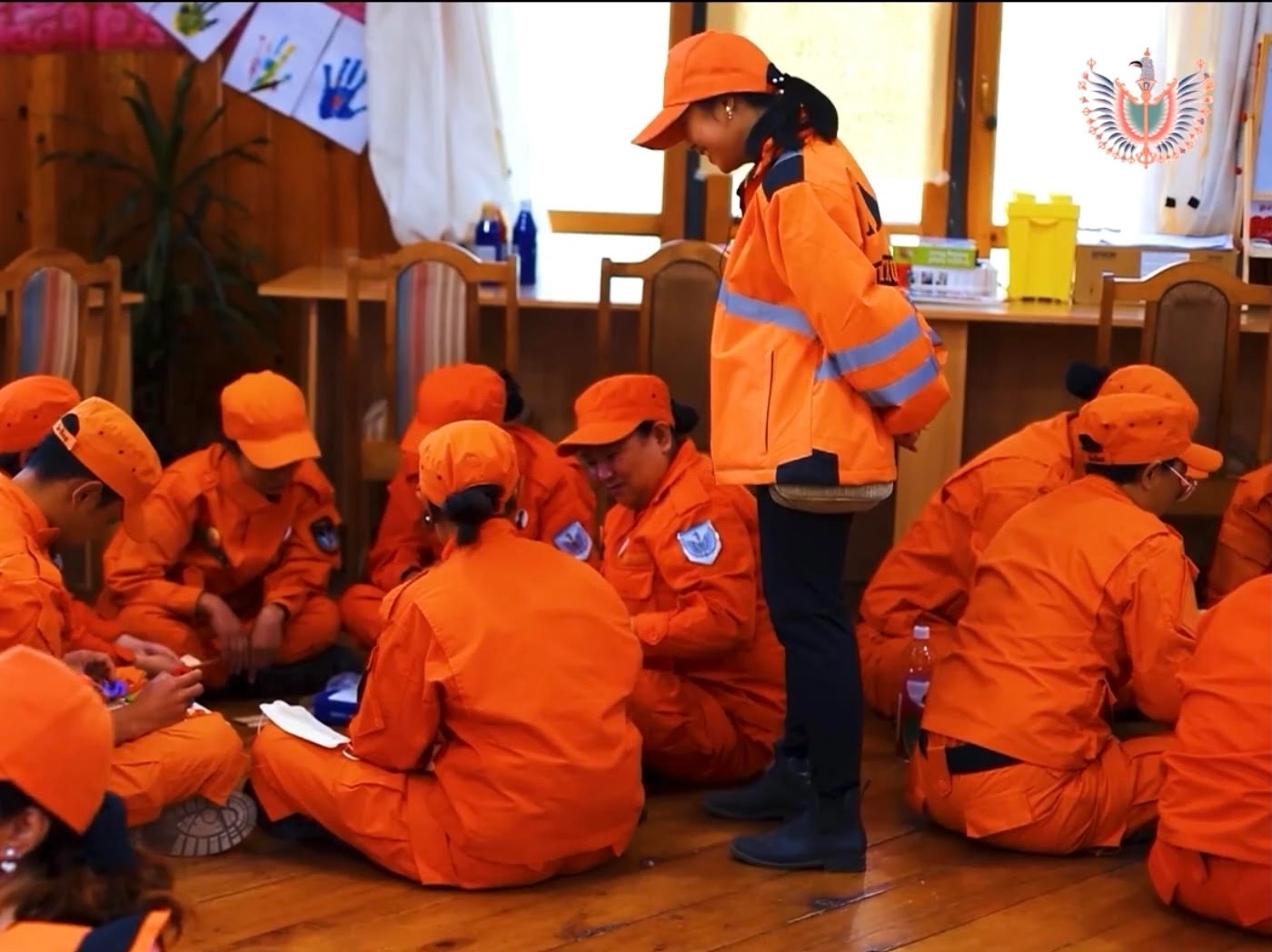
Ling studied at Lungtenzampa Junior High School from Class 2 to Class 7, spending her formative years immersed in Bhutanese cultureCultureshared traditions, beliefs, values, customs, arts, and social practices that define the identity and way of life of a community, society, or nation.Go to Culture Glossary. Although her family eventually left, her connection to the country remained. 21 years later, in 2011, she returned and began visiting every two years. In 2022, Ling was specially invited to serve as an instructor at Play School, part of the prestigious De-suung Skilling Programme under the Secretariat of His Majesty King Jigme Khesar Namgyel Wangchuck, Bhutan’s fifth and reigning monarch. The invitation was a distinct honor and an opportunity to contribute to His Majesty’s vision of progress rooted in Bhutan’s spiritual, cultural, and environmental values.
We spoke with Ling about growing up between two cultures, building a life in Bhutan and finding home in the Land of the Thunder Dragon.
READ ALSO: Lost & Found Horizon: Sikkim, India’s Hidden Himalayan Sanctuary
What was the Bhutan of your childhood like?
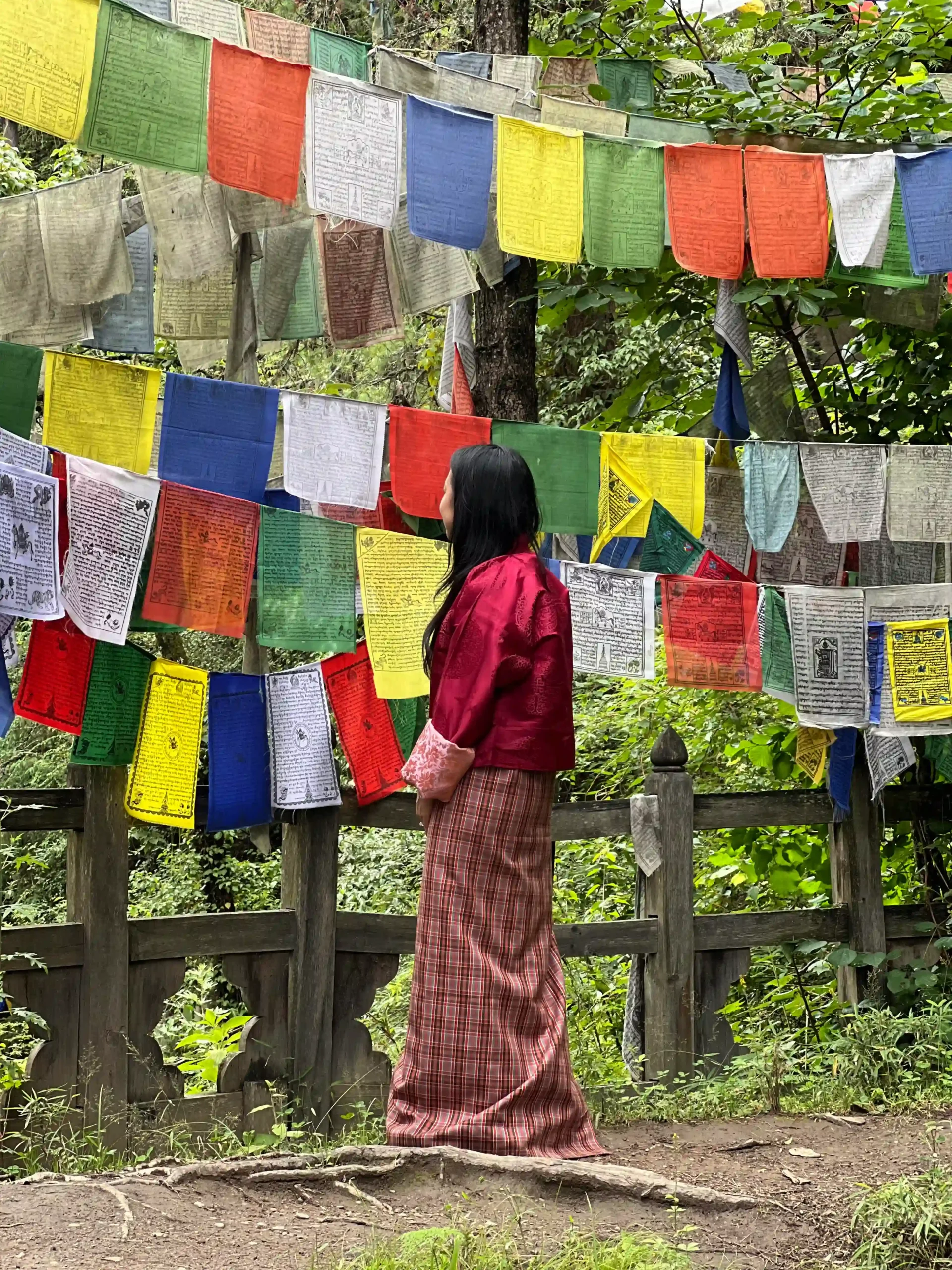
Ling: I fondly remember Bhutan as a deeply traditional kingdom, with almost everyone wearing the national dress, the kira and the gho. It was a sight I loved so much that I enjoyed wearing the kira myself. Today, Bhutan still holds its unified national identity while allowing gentle changes. The textiles of the national dress are now woven with more patterns and modern touches, yet they remain proudly Bhutanese.
What do you love most about living in Bhutan?
Ling: My love story with Bhutan is what I love most because it grew up with me. As a child, I loved Bhutan for the precious relationships it gifted me. As a teenager, I loved Bhutan for the traditions and values imprinted in my heart. As an adult, I love Bhutan for what it made me become. It’s a childhood fairy tale that became my real life.
What was the biggest adjustment after moving from Manila?
Ling: I came from a fast-paced life of constant chasing and keeping up with a busy schedule in Manila. Moving to a slower way of life taught me to live more intentionally by choosing what I want to do and how I want to spend my time.
How have you embraced Bhutanese culture while remaining connected to your Filipino identity?
Ling: Bhutanese cultureCultureshared traditions, beliefs, values, customs, arts, and social practices that define the identity and way of life of a community, society, or nation.Go to Culture Glossary has been in my heart since I grew up here during my formative years. I find comfort in wearing a kira, joy in Bhutanese cuisine, and peace in saying prayers at lhakhangs. I cherish the serenity all around me.
My Bhutanese family and cherished memories make Bhutan feel not only like my home, but also my heart. Still, I keep my Filipino values close. By sharing myself and treating others as I would treat myself, without reservation, I stay connected to the Filipino values instilled in me. My openness and kindness toward others allow me to remain connected to my Filipino identity and carry my Filipino values as I embrace the Bhutanese way of life.
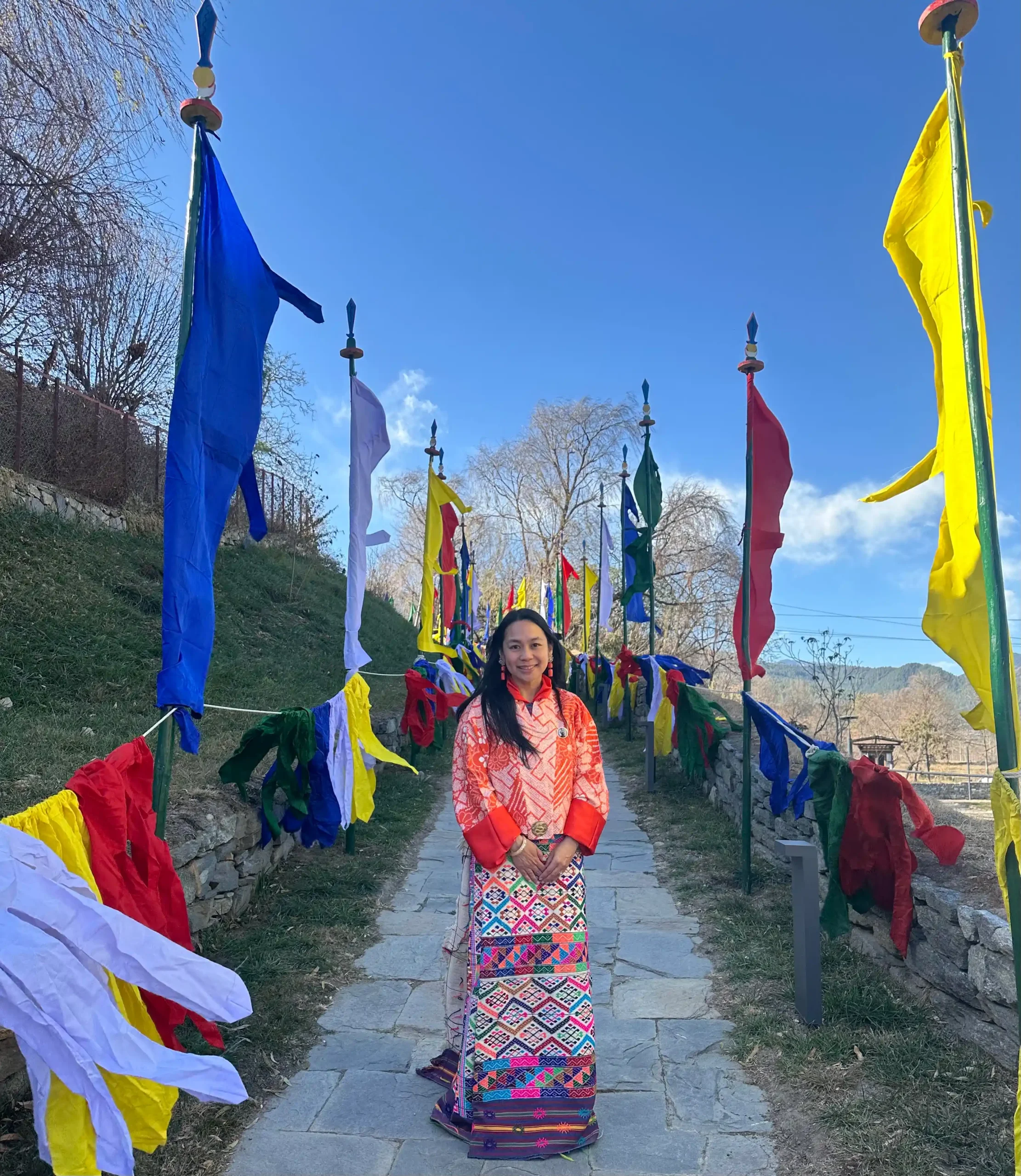
What Bhutanese food do you crave, and what Filipino dish would you introduce?
Ling: I crave dishes made with datshi, the traditional Bhutanese cheese. My favorites are kewa datshi, made with potatoes and cheese; shamu datshi, with mushrooms and cheese; and gondo datshi, made with eggs and cheese.
I would introduce adobo, a savory meat dish cooked with soy sauce, vinegar, and garlic. Since Bhutanese people enjoy meat, I think it would appeal to them. Chilies could also be added to suit the Bhutanese palate.
If a fellow Filipino visited Bhutan, I would bring them to a local restaurant and welcome them with Bhutanese cuisine. For me, hospitality begins by making guests feel at home over delicious comfort food.
What everyday part of Bhutan continues to make you smile?
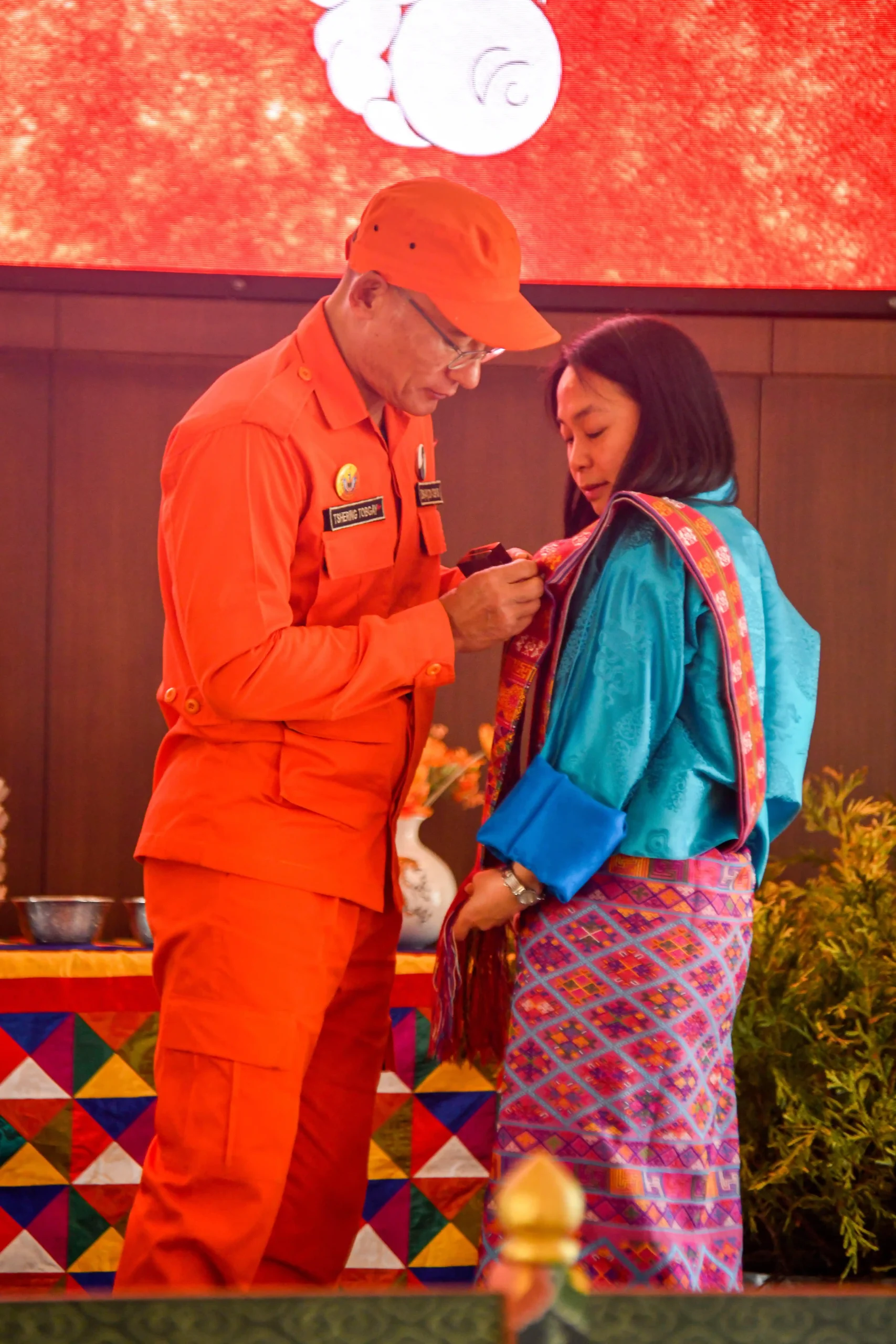
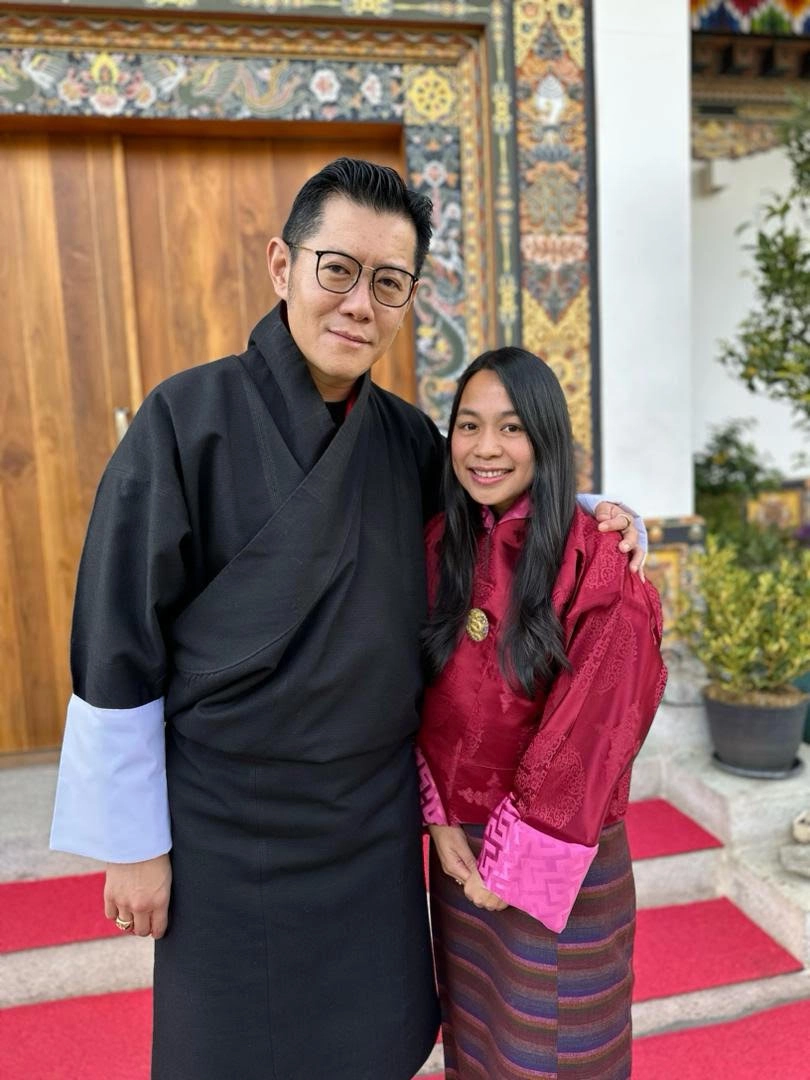
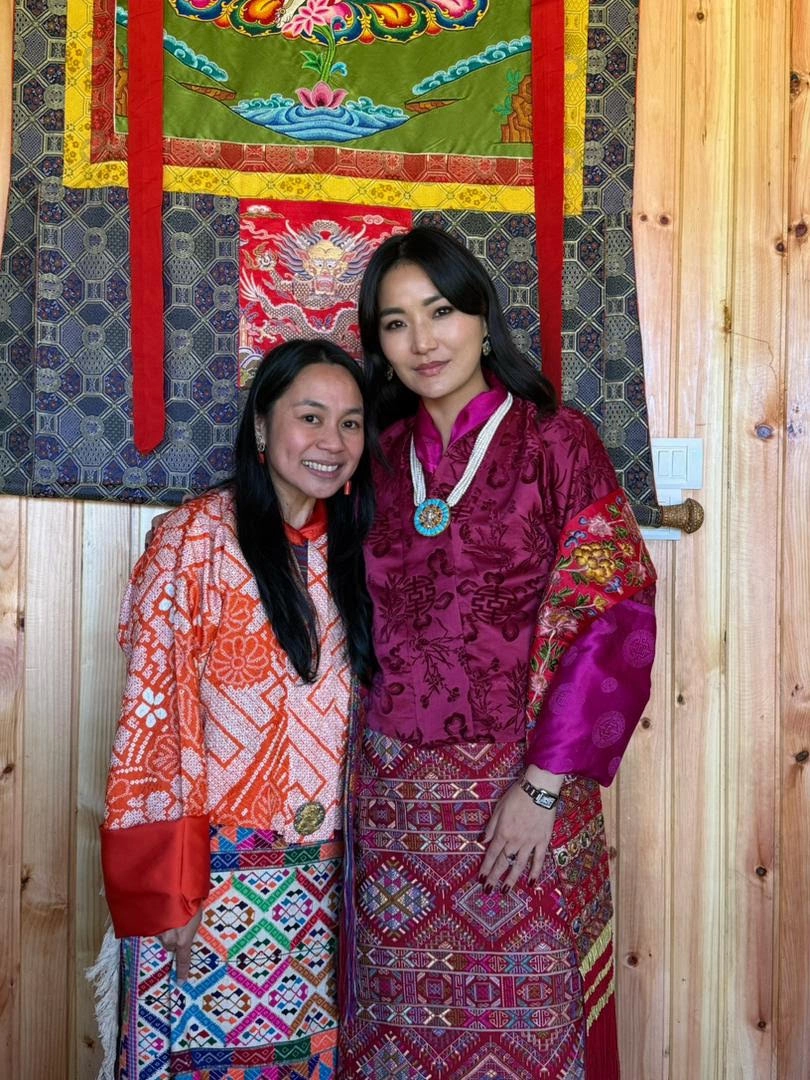
Ling: The Bhutanese people. Every day, I have the opportunity to meet and experience them in extraordinary ways. These encounters fill me with appreciation and give me memories worth cherishing with a smile. I also carry profound respect, deep love and pure admiration for the Wangchuck Dynasty and every member of the Royal Family of Bhutan. It’s etched in my heart and soul.
What are you most excited about in Bhutan’s future?
Ling: I am most excited about Gelephu Mindfulness City and Project 108.
Gelephu Mindfulness City, envisioned under the leadership of His Majesty King Jigme Khesar Namgyel Wangchuck, seeks to become a sanctuary of mindfulness and prosperity. It will bring together Bhutanese values of spirituality and harmony with nature while creating opportunities in technology, innovation, and commerce.
Project 108 is a Royal initiative to build 108 Jangchub Chortens, or Stupas of Enlightenment, along the Mau River in Gelephu. The chortens will form a sacred landscape representing peace, purity, compassion, and protection for the world.
More than an architectural project, it represents a significant moment for Gelephu Mindfulness City, uniting faith, heritage, and collective aspirations for the well-being of all beings.
How would you describe your life in Bhutan in three words?
Ling: Bountiful, blissful and blessed. Bountiful in love and affection. Blissful in the joy of living in the present moment. Blessed to belong to the Land of the Thunder Dragon.
All photos courtesy of Ling Jonsay
Frequently Asked Questions
Ligaya “Ling” Jonsay is a Filipina early childhood educator who spent her formative years in Bhutan and later returned to the country as an adult. In 2022, she was invited to serve as an instructor at Play School under Bhutan’s De-suung Skilling Programme.
Bhutan is a small Buddhist kingdom in the Eastern Himalayas, located between India and China. It is known for its philosophy of Gross National Happiness, environmental conservation, strong cultural identity, and status as one of the world’s few carbon-negative nations.
Ling Jonsay lived in Bhutan from 1985 to 1990 and studied at Lungtenzampa Junior High School from Class 2 to Class 7. Her childhood immersed her in Bhutanese traditions, including the national dress, cuisine, and cultural practices, which continued to shape her connection to the country.
Ling embraces Bhutanese culture through traditions such as wearing the kira, enjoying Bhutanese cuisine, and visiting lhakhangs, while keeping Filipino values of openness, kindness, and treating others with generosity close to her heart.
Ling particularly enjoys dishes made with datshi, the traditional Bhutanese cheese, including kewa datshi with potatoes, shamu datshi with mushrooms, and gondo datshi with eggs. For Filipino visitors to Bhutan, she recommends experiencing local Bhutanese cuisine, while she would introduce Bhutanese people to Filipino adobo.