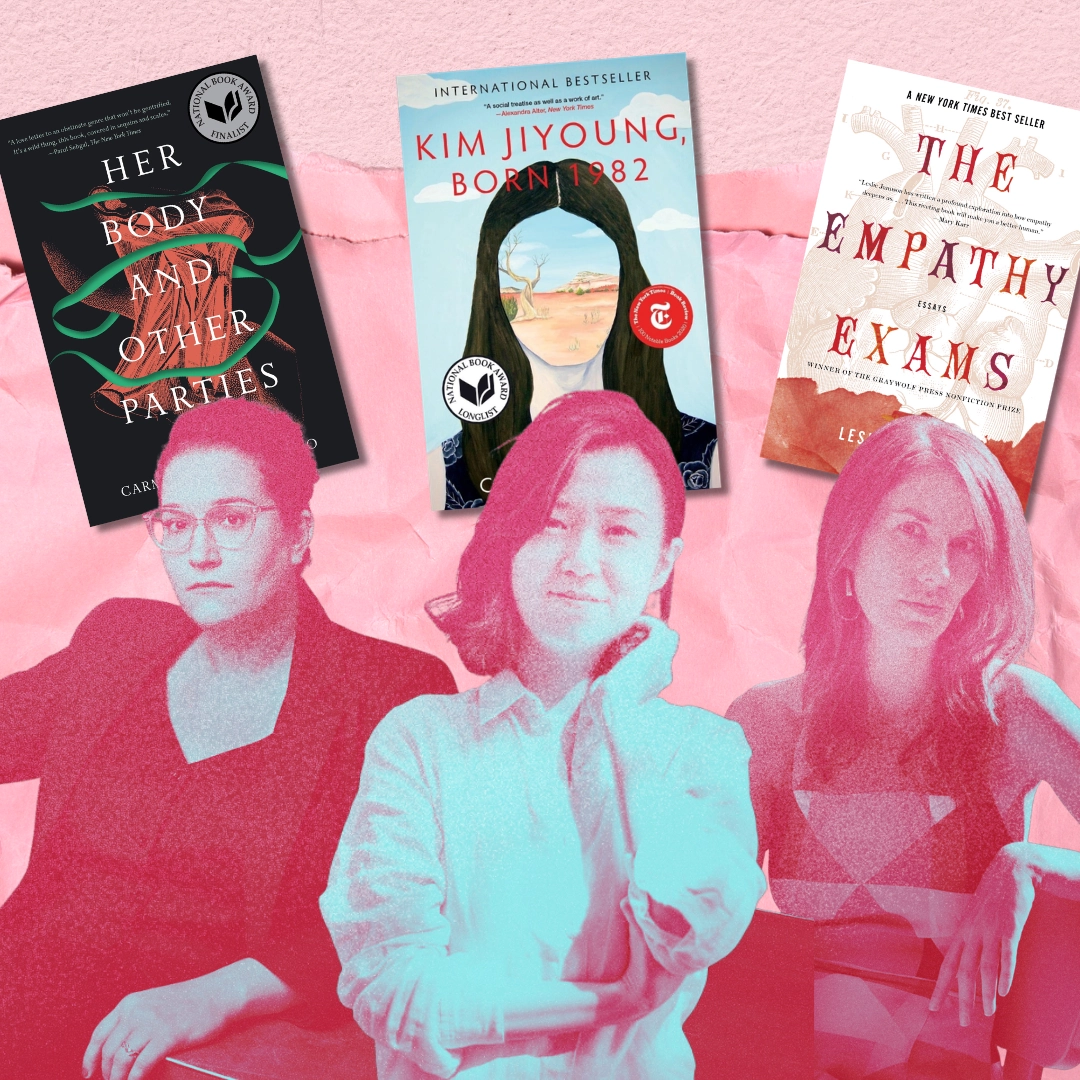
Because who else could so incisively dig into the nuances of the female experience, with both precision and plenty of heart? We round up the writers who just get it.
Women’s Month has arrived, and what better way to celebrate it than by reading great literature by brilliant women? Let’s take it a step further and focus on those who write about the female experience—hardly a monolith, but rather, a rich pool of intersectional narratives. These are stories shaped by differences in race, class, age, gender, and more, yet they still hold fragments of truth that reach across those divides, binding them into the situations, thoughts, and feelings many women navigate day to day.
While we don’t want to pigeonhole anyone into a narrow category, these writers do, indeed, get it, their works both resonant and conceptually compelling. Whether you like your stories with a touch of the surreal, or are simply looking for moving essays, we’ve compiled a list of writers to check out.
READ ALSO: 7 Online Independent Bookstores To Check Out
Leslie Jamison
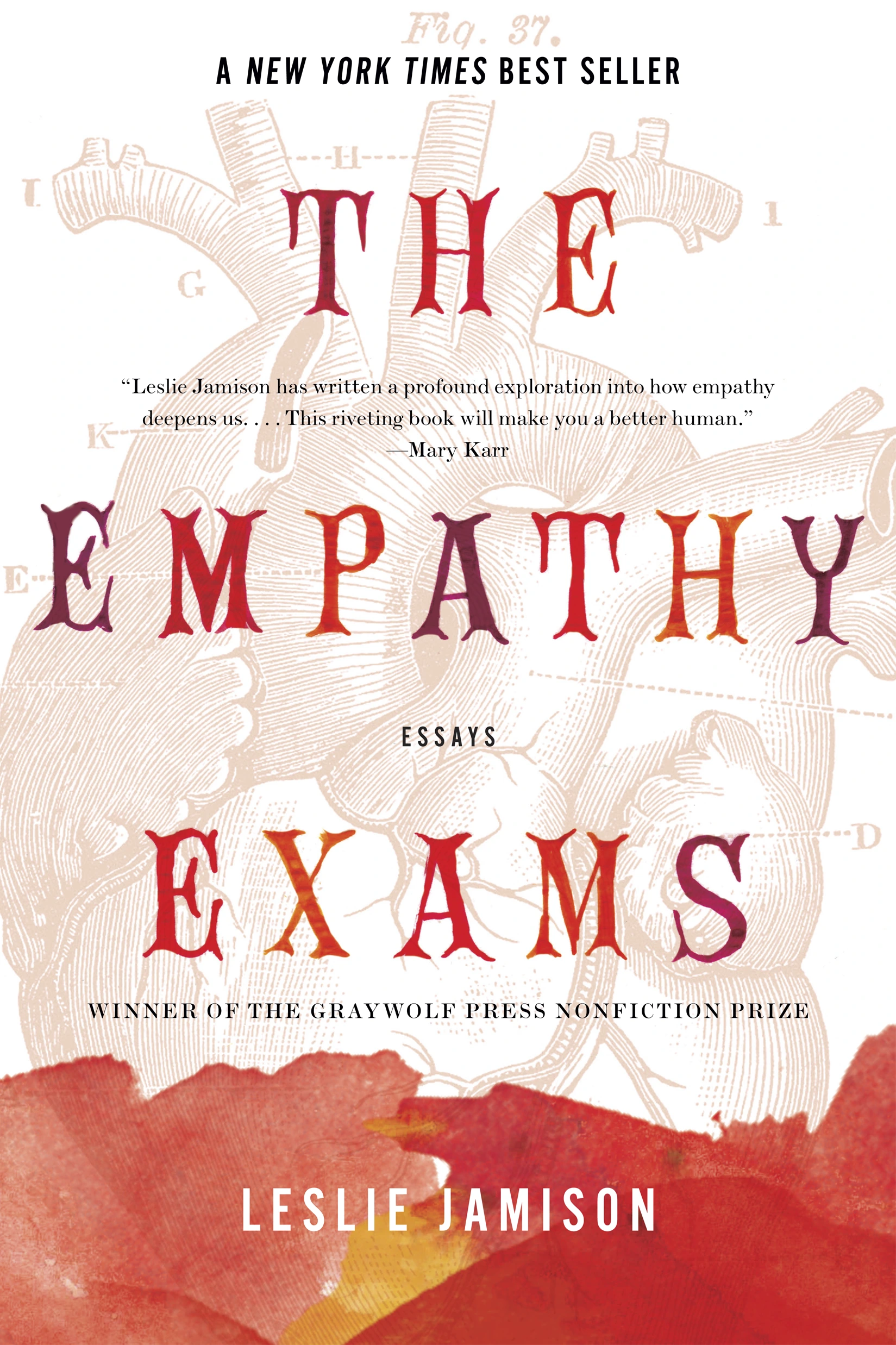
Leslie Jamison has made a name for herself in the realm of nonfiction writing, her essays and memoiristic works published in print and some of the world’s most prestigious online publications. Her essay collection The Empathy Exams covers a wide range of topics and situations that center on the ways humans understand and show care towards one another amid harrowing situations. Yet it’s one of her most personal pieces in the collection, “The Grand Unified Theory of Female Pain,” that’s not only a standout, but also an affirmation of the ways in which a woman’s pain—physical, psychological, and emotional—is often underestimated, overlooked, or seen as a cliché to avoid.
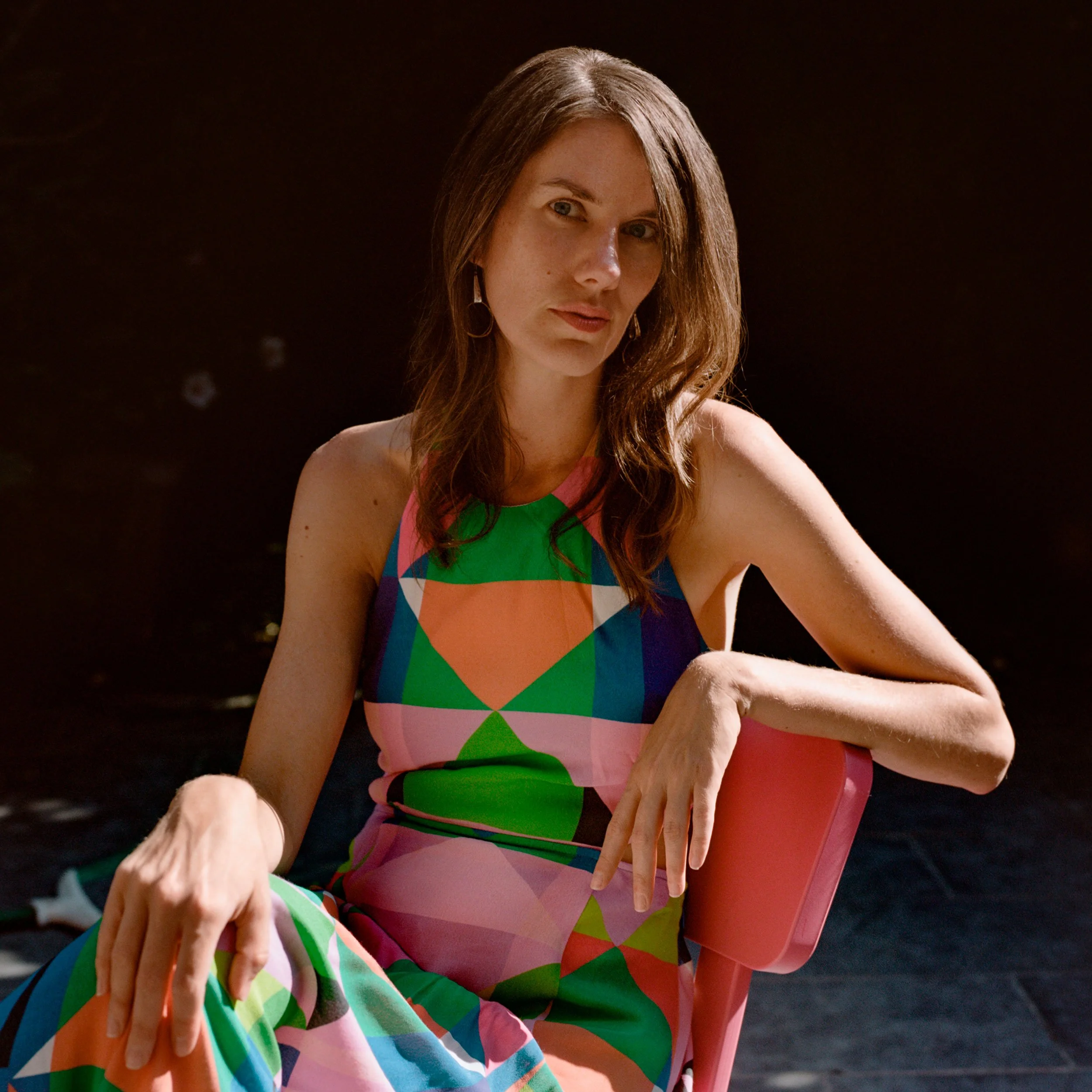
It’s a definite must-read for those who’ve felt their experiences minimized at any point in their lives. Jamison also wrote a fantastic essay on impostor syndrome for The New Yorker, and while it tackles the subject matter through various angles, it has a great section on why the problem is so prevalent among successful women today.
Carmen Maria Machado
No list of women who write about women would be complete without mentioning Carmen Maria Machado, who also incorporates queerness into her works, adding a level of intersectionality to her text. She’s a master at setting an atmosphere through narratives that often carry threads of horror or the macabre, her language and imagery lush yet accessible. Case in point, her highly acclaimed short story collection Her Body and Other Parties, which mainly has women at the forefront and tackles the timely, ever-relevant issues they face today through speculative fiction that’s equal parts enthralling and haunting.
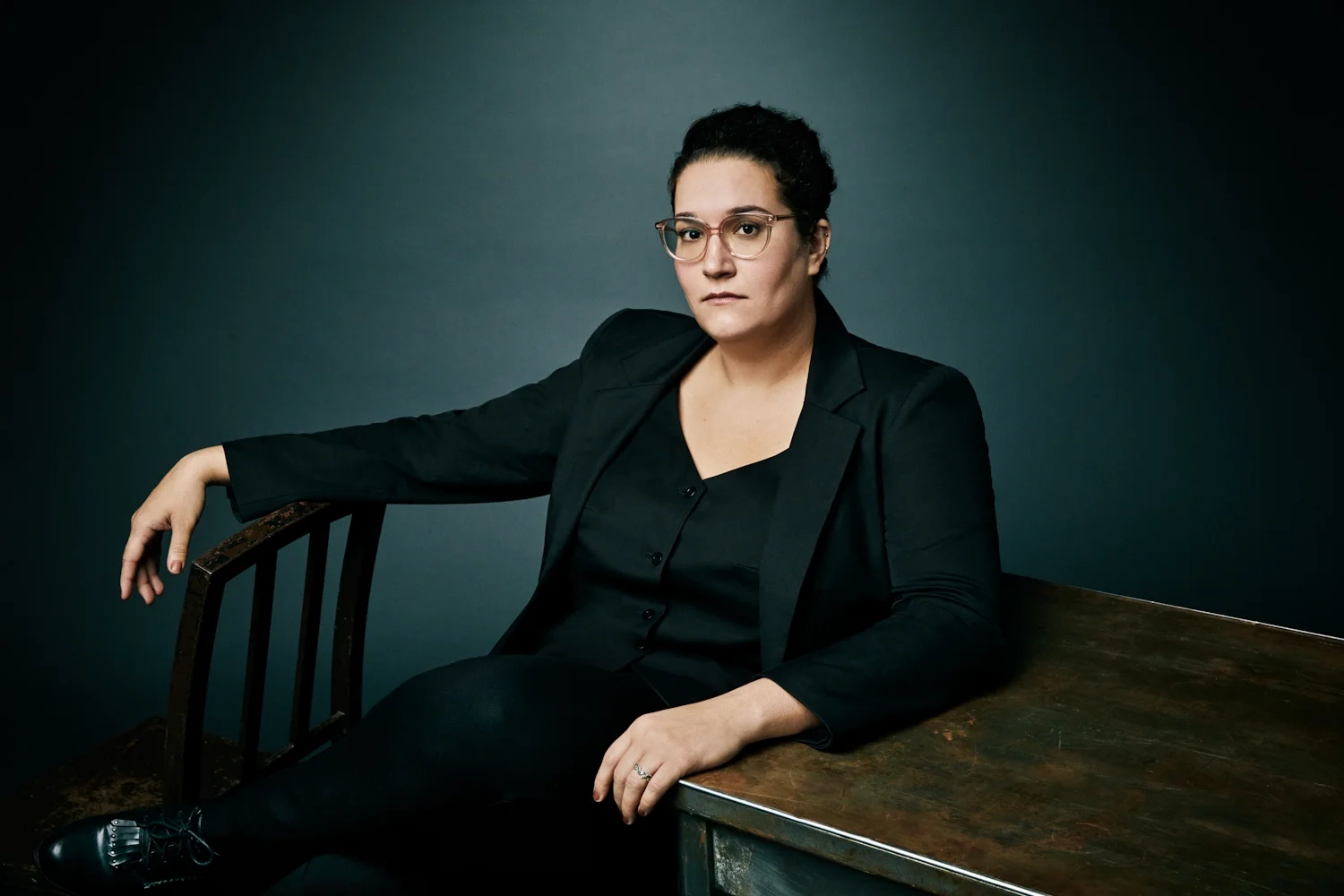
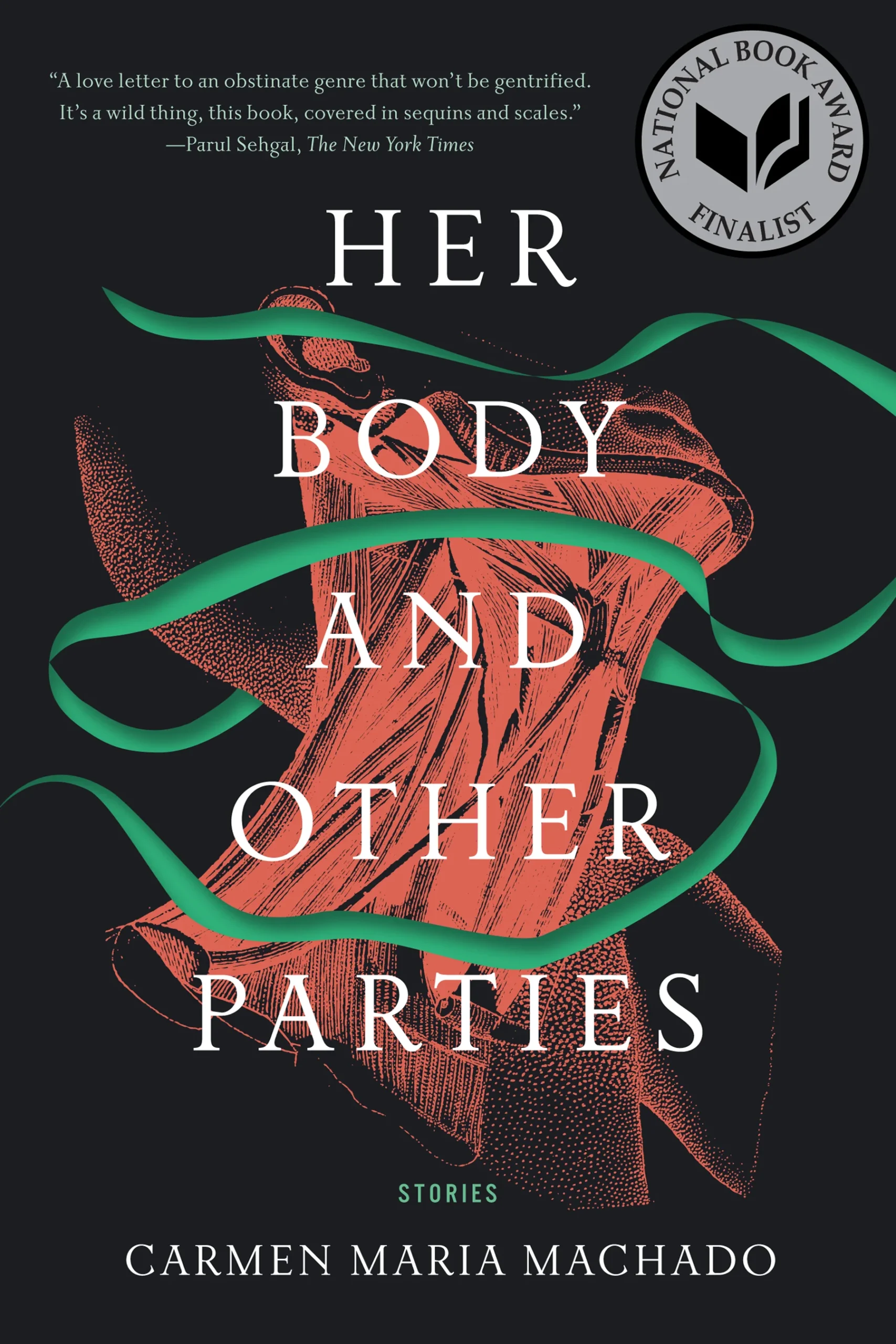
A notable mention, for fans of hybrid works, would be her memoir In the Dream House, which takes horror tropes, elements of the “haunted house,” and other pop cultureCultureshared traditions, beliefs, values, customs, arts, and social practices that define the identity and way of life of a community, society, or nation.Go to Culture Glossary references to build a poignant picture of a difficult topic: domestic abuse within a queer relationship between two women (her being one of them). It’s inventive and hard to put down—probably one of the most unique nonfiction pieces you’ll encounter.
Toni Morrison
Toni Morrison will always be remembered as the groundbreaking Nobel Prize for Literature winner who confronted racial injustice (especially in regard to the African-American community), intergenerational trauma, historical wrongs, and the lasting scars of slavery in the United States with incomparable prowess. The biting and necessary truths within her work are why her books have so often been the targets of bans in her home country, even as they’ve remained required reading in many an English class.
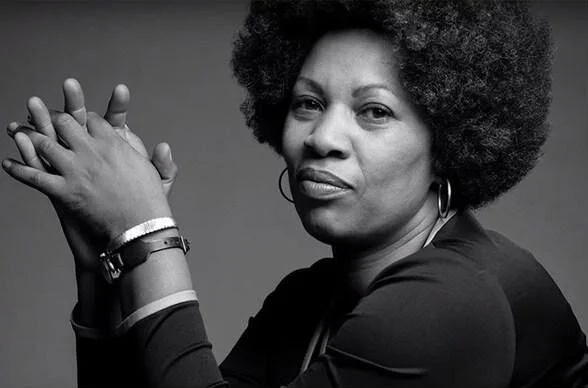
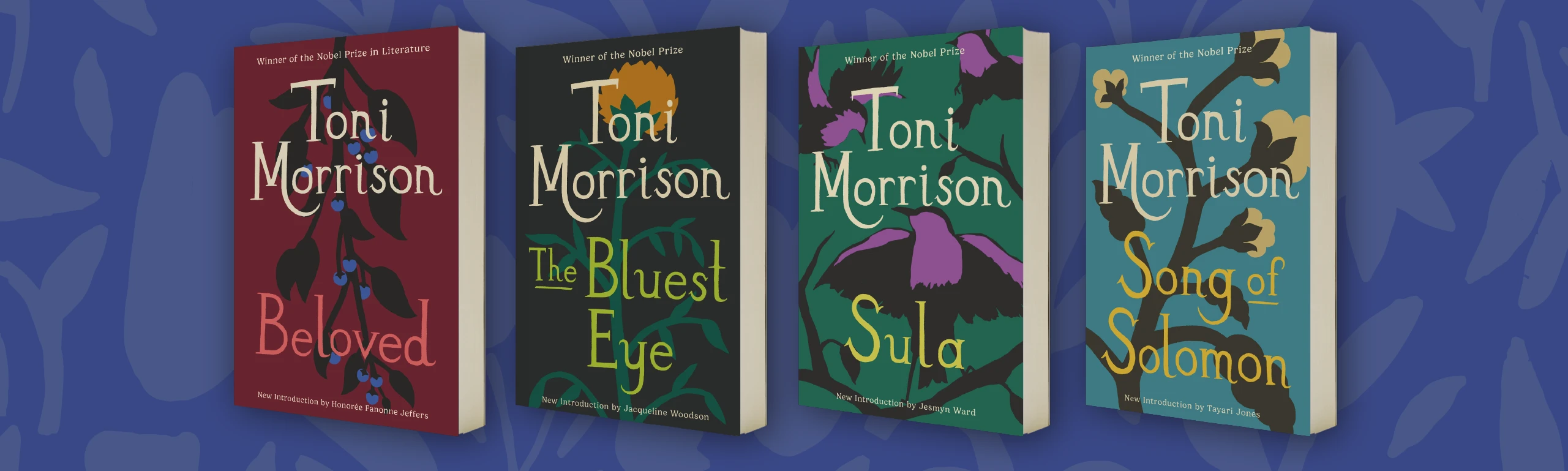
Though it would be reductive to confine the author to any one lane, it’s worth noting that her seminal novels—Beloved, The Bluest Eye, and Sula—center Black women as their protagonists. In each, they grapple with identity, sexuality, inherited wounds, and their fraught place within America, rendered with the depth and interiority only a writer of Morrison’s caliber could conjure.
Cho Nam-joo
South Korea’s fight for equality amid persistent gender disparities continues to this day, as the country grapples with a deeply entrenched patriarchal system. Writer Cho Nam-joo understands that, in writing her novel Kim Ji-young, Born 1982, these realities are used to sharpen the edge of fiction—and vice versa.
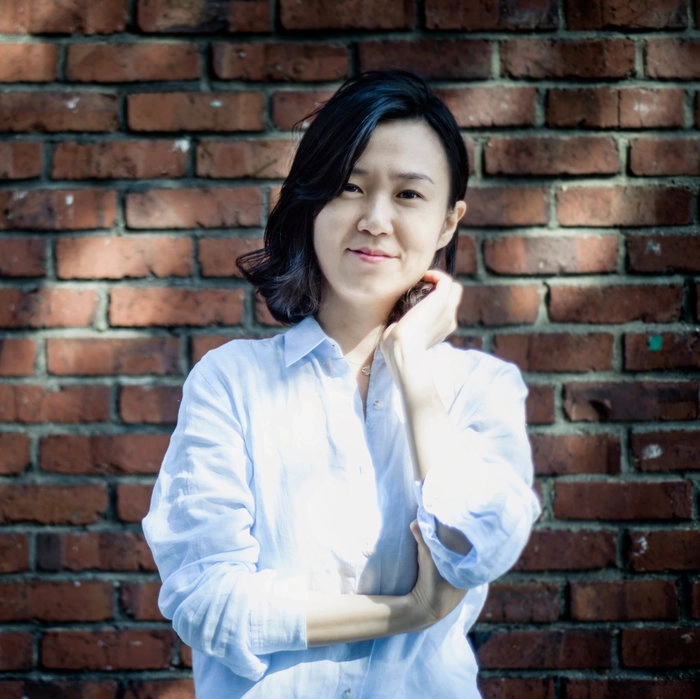
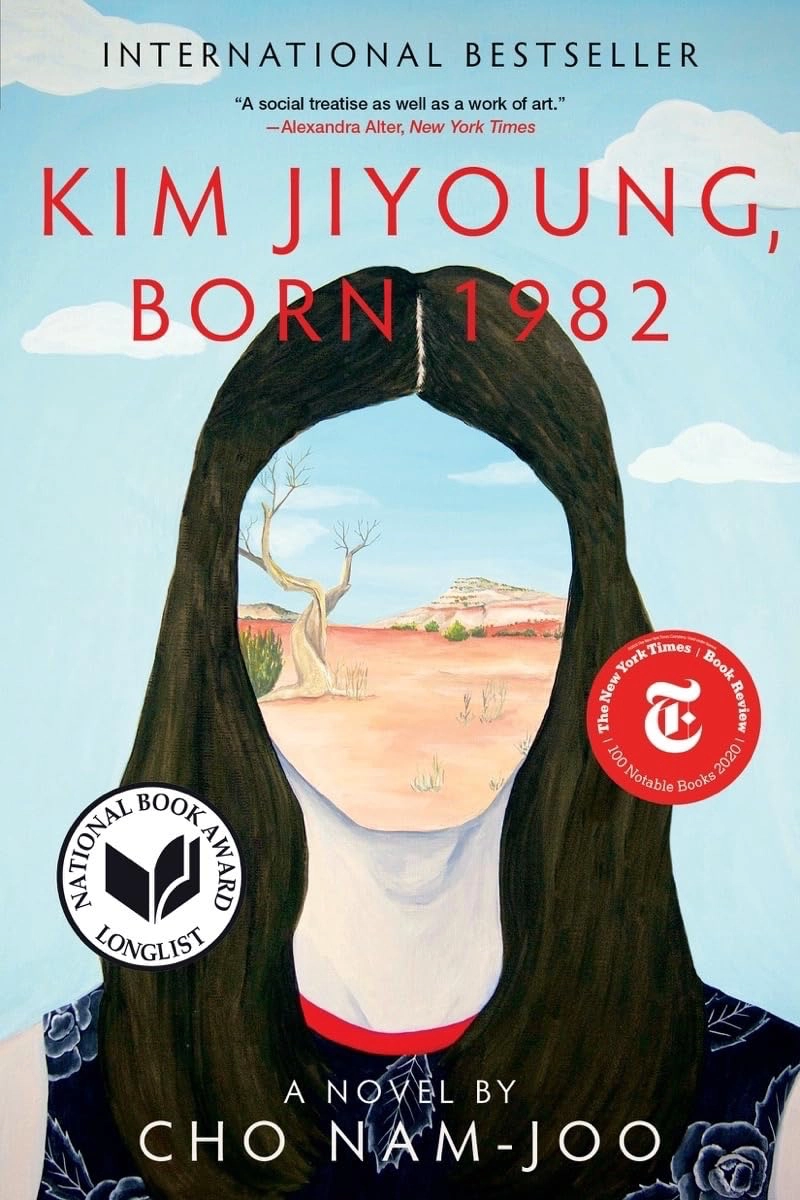
In the novel, a housewife in her 30s begins acting strangely and erratically in moments of distress—born from the very chauvinistic structures that confine her—appearing to be “possessed” by the spirits of her mother and grandmother in a state of psychosis. Though the story itself is fictional, it’s threaded with real statistics and documented facts about the lives of Korean women, presented as footnotes. The result is a sobering excavation of systemic inequality, one that has cemented the novel as among the most influential feminist works in South Korea’s history, sparking nationwide conversations and even helping fuel the famously radical (and, invariably, contentious) 4B movement.
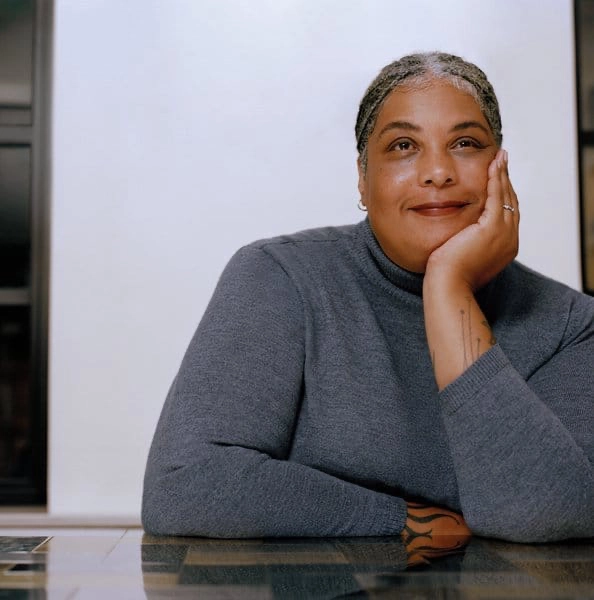
Roxane Gay
When Roxane Gay’s Bad Feminist first flew off shelves more than a decade ago, it quickly became a staple in the canon of nonfiction about women, one that remains as relevant as ever. You don’t have to agree with all her points, but Gay is a formidable writer who openly acknowledges the paradoxes, dualities, and nuances of being a woman, especially a feminist.
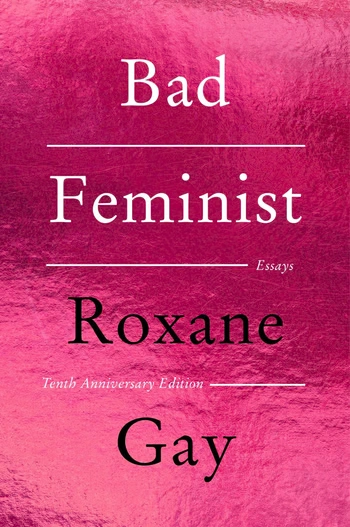
In this collection, she unpacks everything a so-called “good feminist” supposedly shouldn’t do, interrogating the contradictions we live with as humans: loving problematic song lyrics that degrade women, for instance, or participating in fashion and beauty standards that cater to the male gaze. Rather than denouncing or denying these realities, Gay faces them head-on and proposes ways we can sit with these clashing aspects without abandoning ourselves or the beliefs we hold.
Annie Ernaux
The thing about Annie Ernaux is that, like many of the great writers on this list, she makes the personal feel intensely universal. While much of her work centers on her own experiences, she uses them as springboards into conversations about the taboo—topics one might not expect a woman of her generation to tackle, yet here she is, confronting them head-on and with startling precision.
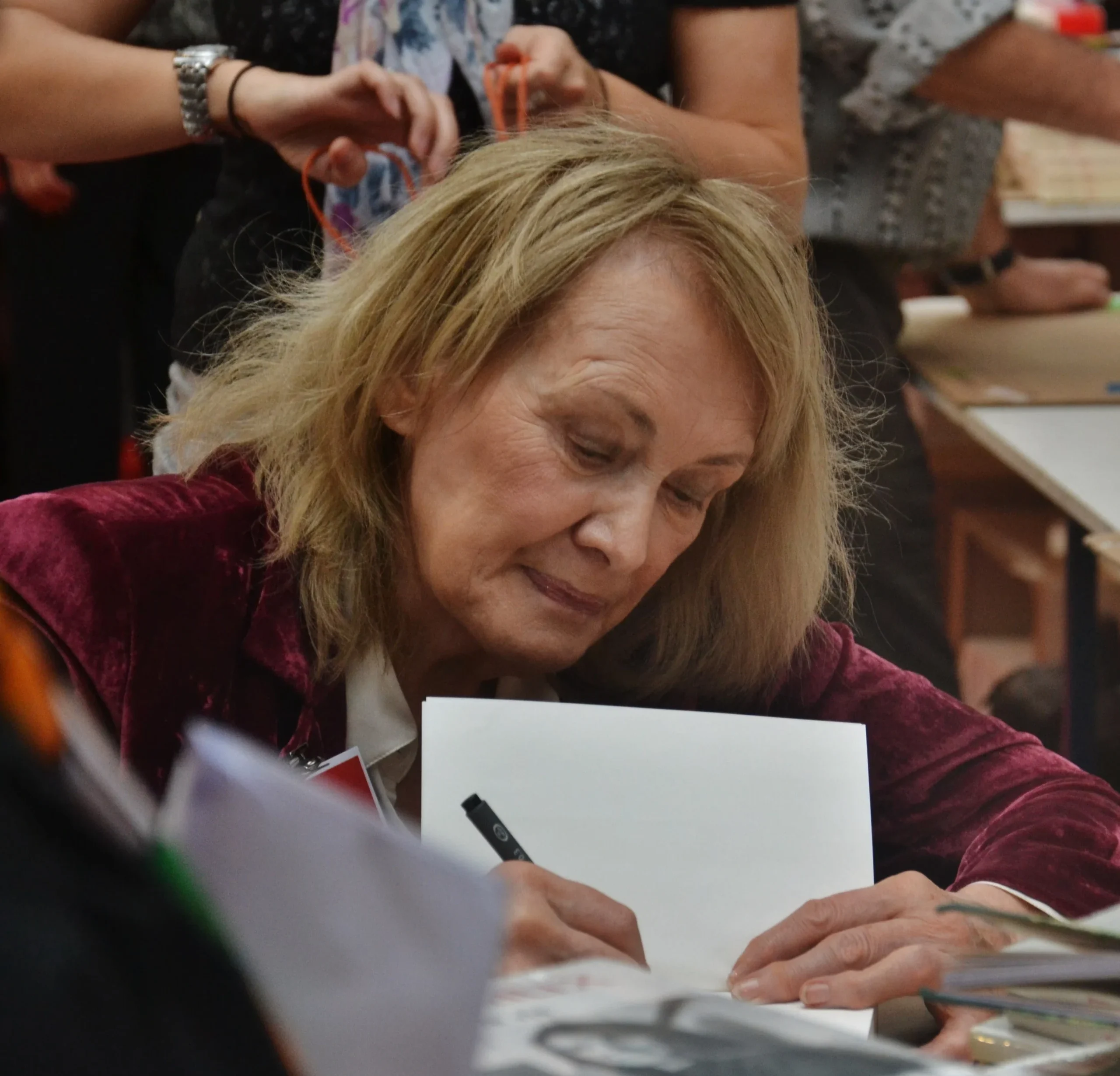
The things women have often been told to keep hidden, feel ashamed of, or avoid thinking about step into the light within her works. Many of her books explore female desire and sexuality through the lens of her own encounters and affairs (Simple Passion, A Girl’s Story, and A Frozen Woman, among them). Meanwhile, her book Happening tackles an abortion she underwent, a procedure that was illegal in France until 1975; and A Man’s Place and Shame have class disparities at their center.
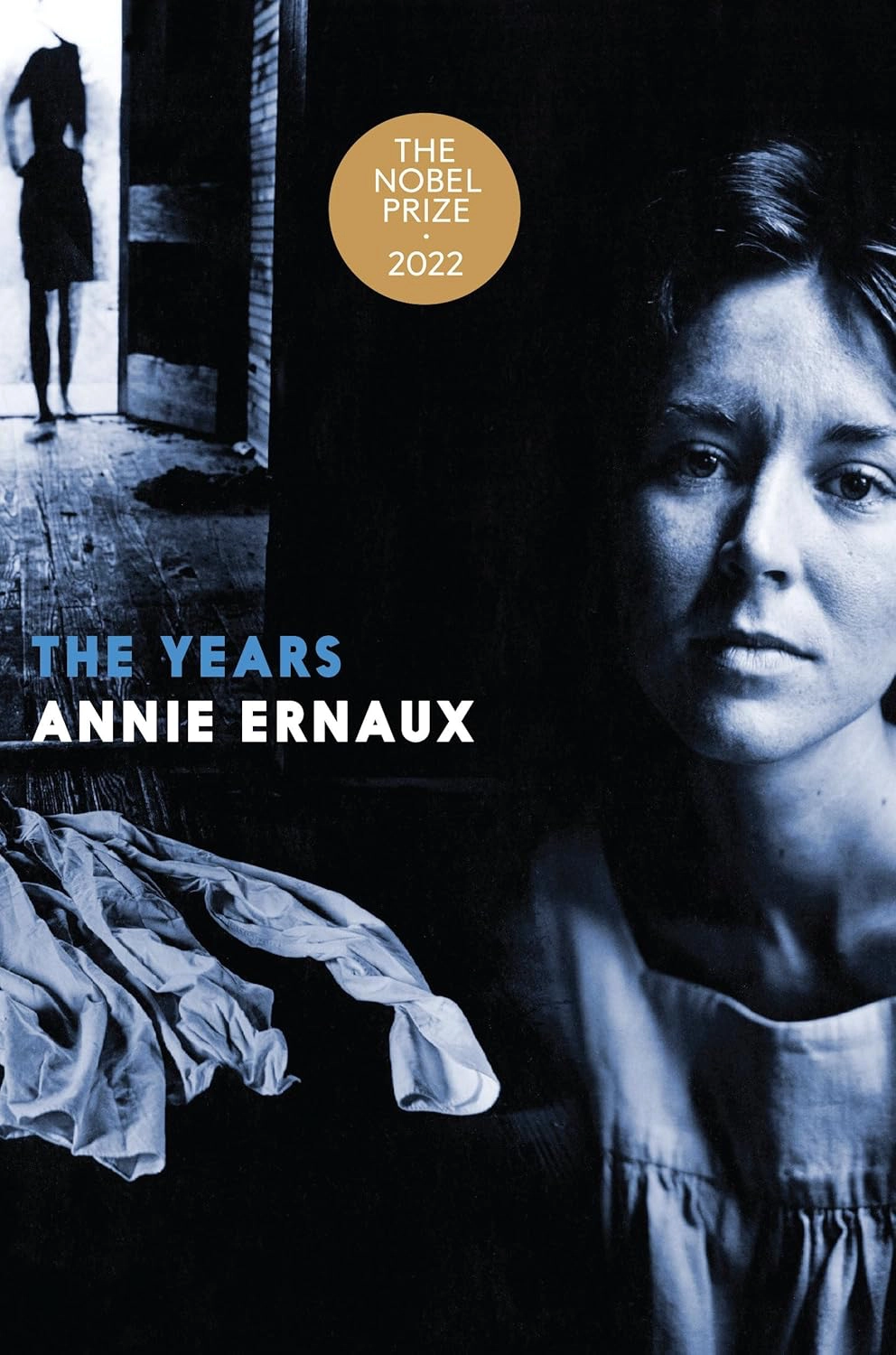
Ernaux’s magnum opus, The Years, is a sprawling chronicle of French society from the 1940s to the 2000s. It transcends the female experience yet never loses sight of it, masterfully weaving the writer’s life and observations (an “I” that’s transformed into the third-person “she”) into the broader social context.
Sayaka Murata
36-year-old Tokyo resident Keiko Furukura works at a convenience store. She has no husband, not much money in the bank, and struggles to conduct herself the way others seem to. She’s content, yet those around her constantly pressure her to tick off the expected boxes: get married, get a “better” job, and so on.
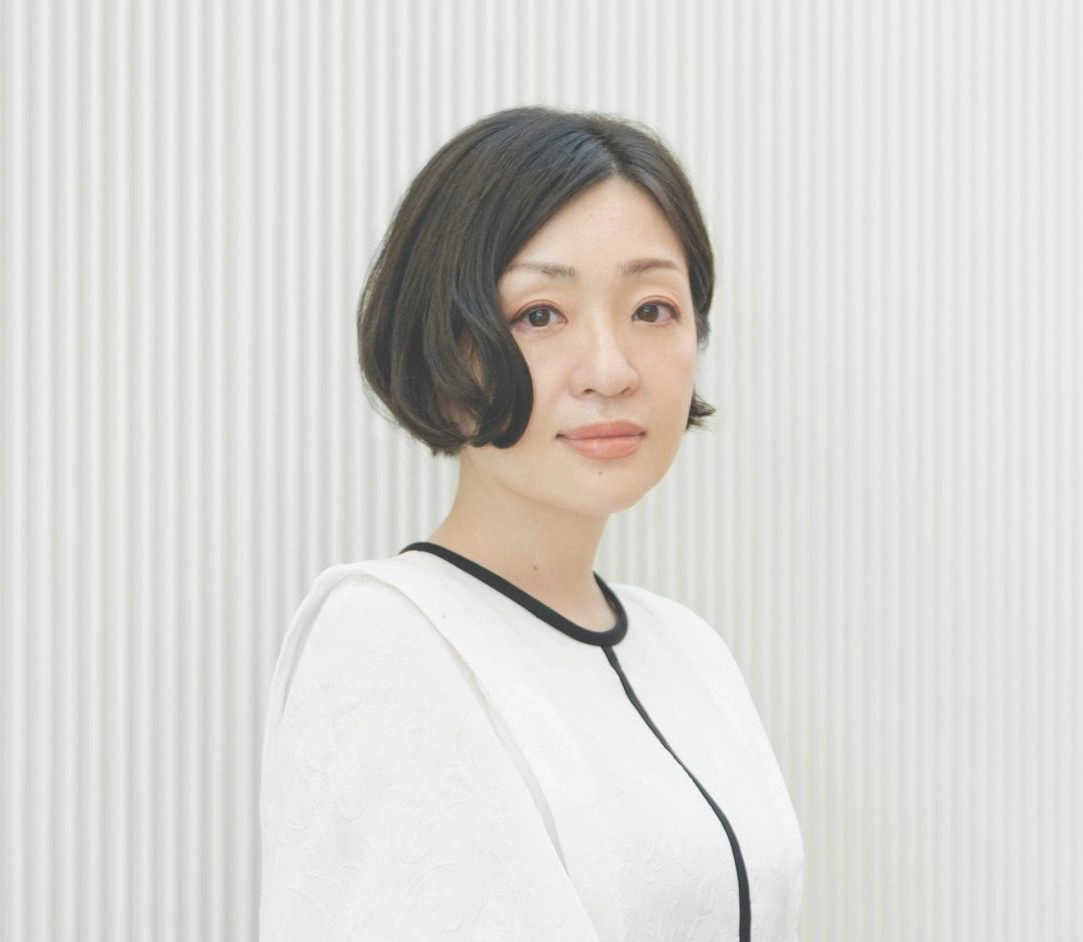
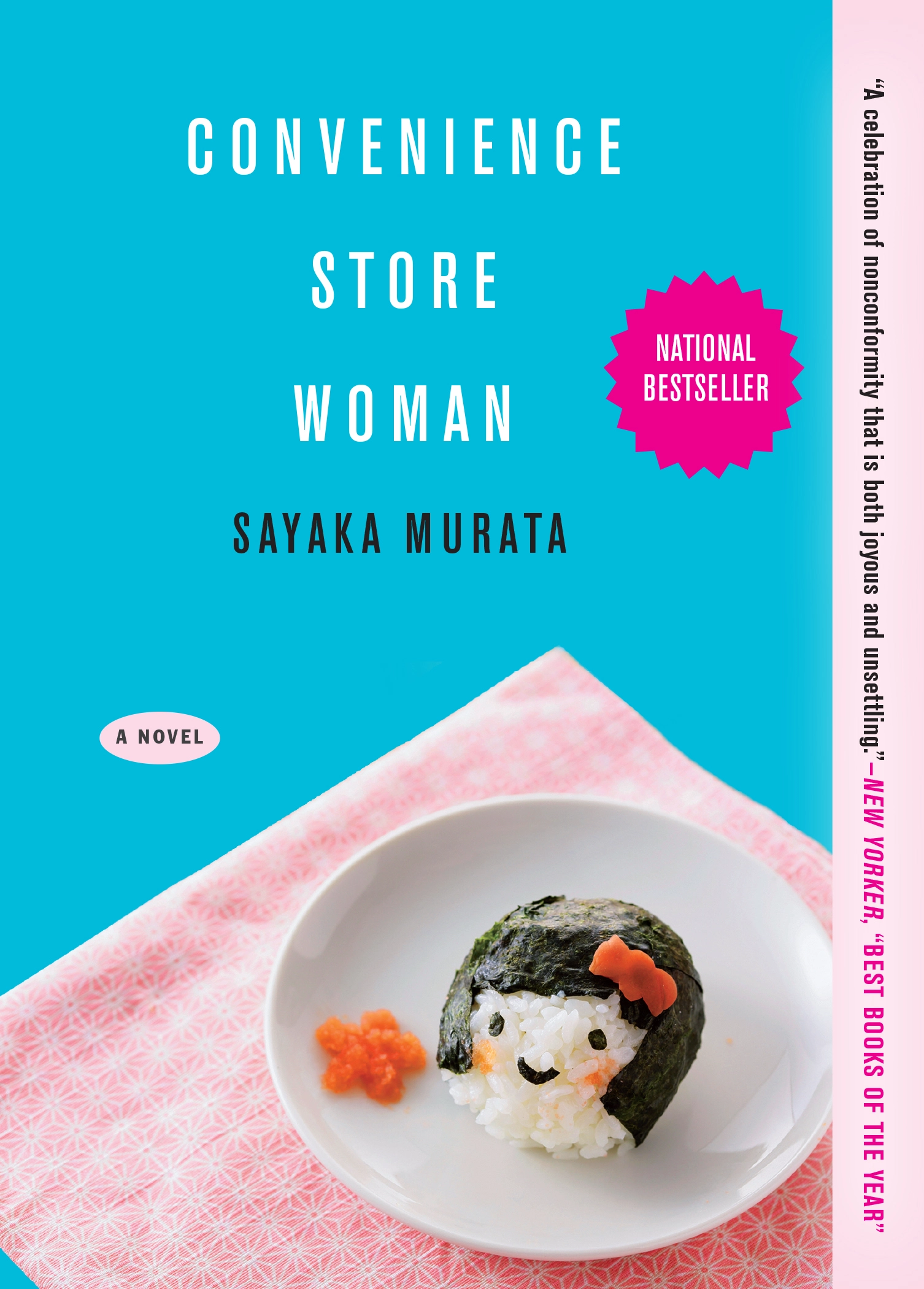
So goes the premise of Sayaka Murata’s Convenience Store Woman, a quirky yet heartfelt novel that showcases the rewards of authenticity while carefully interrogating the cultureCultureshared traditions, beliefs, values, customs, arts, and social practices that define the identity and way of life of a community, society, or nation.Go to Culture Glossary we’ve built around work, relationships, and rigid societal standards. (Murata actually did work part-time at a convenience store for about 20 years, even when her works began receiving acclaim, so she knows what she’s talking about.) Sure, you might not be Japanese, but if you’re a woman in a similar position (approaching your 30s or already there) this might just be the perfect read for you.
Frequently Asked Questions
The definitive collection features seven profound global essayists, novelists, and memoirists: Leslie Jamison (The Empathy Exams), celebrated for raw creative nonfiction probing somatic and psychological female pain; Carmen Maria Machado (Her Body and Other Parties), masterfully blending horror, speculative tropes, and queer identity; Toni Morrison (Beloved, The Bluest Eye), a Nobel Prize-winning titan confronting historical racial injustice and institutional trauma through Black female protagonists; Cho Nam-joo (Kim Ji-young, Born 1982), South Korea’s iconic feminist critique mapping structural misogyny and patriarchal constraints; Roxane Gay (Bad Feminist), an incisive essay collection exploring the deep contradictions, systemic expectations, and dualities of modern womanhood; Annie Ernaux (The Years), a Nobel laureate specializing in taboo-shattering, uncompromising memoirs on female sexuality, desire, and class inequality; and Sayaka Murata (Convenience Store Woman), known for quirky Japanese prose subverting traditional corporate work and relationship expectations.
In her defining essay “The Grand Unified Theory of Female Pain” within The Empathy Exams, Leslie Jamison explores how women’s psychological, emotional, and biological suffering is consistently trivialized, minimized, or written off as a dramatic cliché. Her literary analysis serves as a reclamation of emotional validity, challenging readers to re-examine how communities extend genuine medical and emotional empathy.
Cho Nam-joo’s Kim Ji-young, Born 1982 serves as a sobering combination of fiction and sociological fact. By inserting documented domestic statistics and structural footnotes directly into the narrative of a housewife’s psychological breakdown, the text catalyzed immense nationwide conversations regarding systemic inequality. It ultimately grew into a foundational literary symbol for South Korea’s radical, boundary-pushing 4B movement.
Roxane Gay’s Bad Feminist breaks open the restrictive perfectionism often demanded by cultural movements. She openly addresses the inherent human paradoxes women live with—such as enjoying mainstream pop lyrics with degrading themes or participating in restrictive beauty standards tailored to the male gaze—arguing that holding conflicting desires does not diminish one’s core devotion to gender equity.
In her historic autobiographical work The Years, Nobel Prize winner Annie Ernaux redefines traditional memoir by shifting the narrative perspective away from the personal pronoun “I.” Instead, she tracks French social evolution from the 1940s to the 2000s by utilizing a collective third-person “she,” blending individual female aging seamlessly into broader historical and sociological movements.