Liminal spaces have found popularity in the horror genre; we explore why these in-between environments provoke such a deep sense of unease.
The liminal space: as its name suggests, you’re not meant to stay for long. It’s transitory. It’s corridors and alleys and stairways and waiting rooms; some abandoned, some shrouded in shadow, all of them an in-between that feels like walking through a strange dream, or an endless nightmare.
Recently, CreaZion Studios announced that it’ll be bringing the upcoming A24 horror film Backrooms to Philippine cinemas this June 2026. For those unfamiliar with the title, here’s a brief explainer: the film grew out of a viral web series (racking up millions of views) by 20-year-old YouTuber Kane Parsons, who goes by “Kane Pixels” and now helms the feature as his directorial debut.
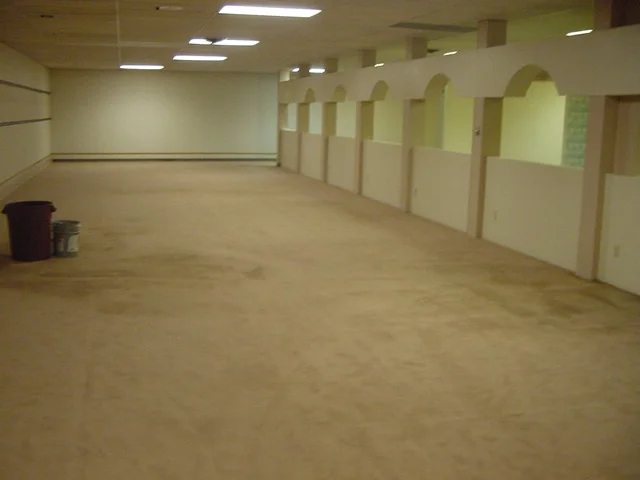
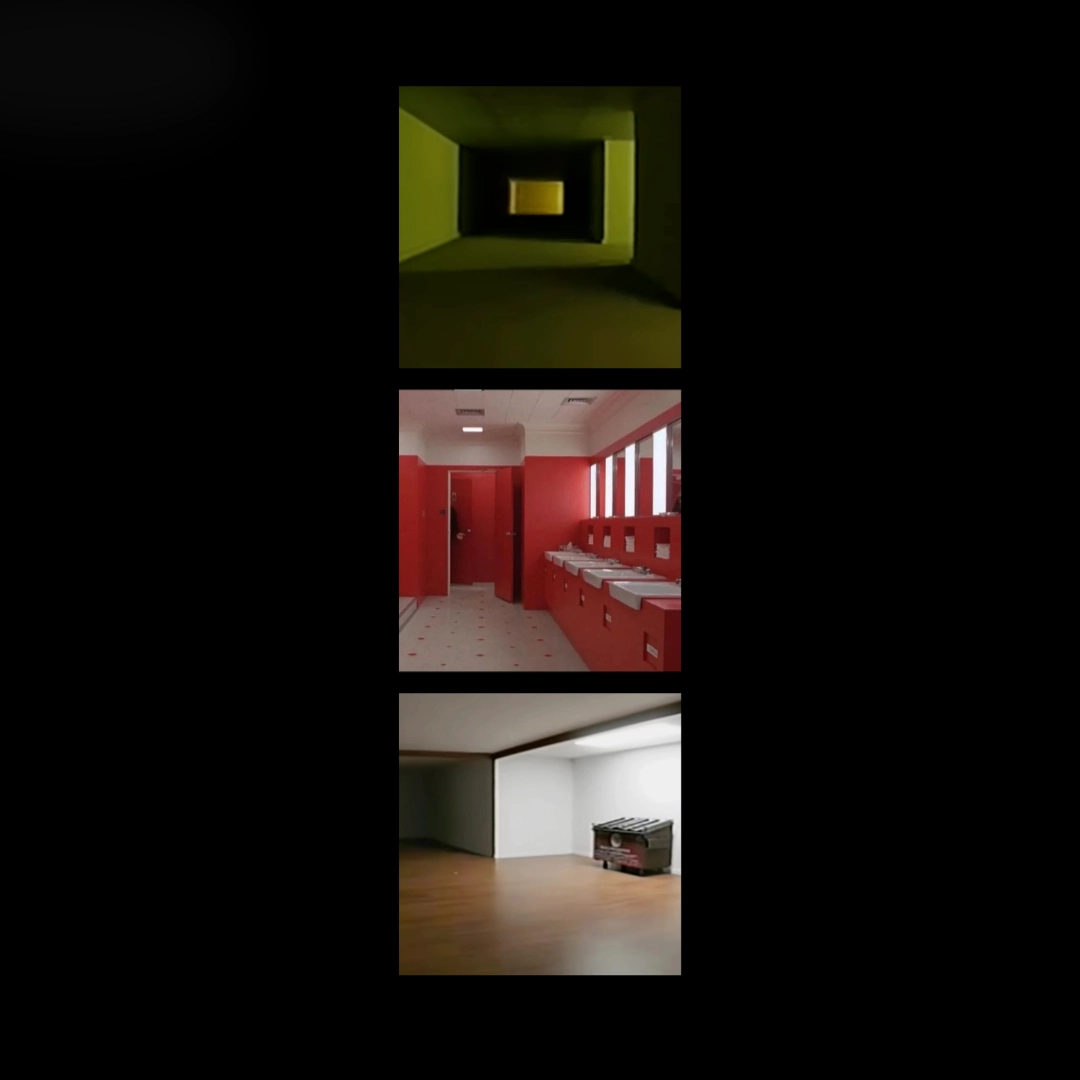
His age is impressive, and the opportunity well-earned when you see how effectively he creeped audiences out with the first nine-minute short in the series, a found footage piece based on an internet urban legend that emerged from 4chan in 2018. The legend began with a request for users to share “cursed” images; the response was a photo of pale yellow corridors stretching through a bare, fluorescent-lit room. On paper, it’s not so scary. But look at the original image long enough and something begins to stir at the back of your mind: a feeling of unease. And that’s precisely where horror’s fascination with the “liminal space” comes in.
Parsons built on the online urban legend, introducing an endless maze that mimics the original photo, a series of otherworldly threats chasing its unnamed protagonist across confusing spaces all throughout. If you felt even a little bit bothered by the image above, we explore the reasons why.
READ ALSO: Horror Is A Feeling: Yvette Tan On The Art Of Fear
Defining The Liminal Space
The liminal space is labeled as an aesthetic, another fairly recent term without formal definition. As Jack Lascky writes for EBSCO (Elton B. Stephens Company), it’s characterized by “images of empty or abandoned locations that evoke a sense of surrealism and nostalgia,” yet he adds that it “often elicits feelings of unease and familiarity.”
In some ways, it’s the uncanny valley, applied not to faces, but to space itself. These are places you know, quotidian areas that should feel normal, but somehow aren’t. And that “somehow” is important. There’s ambiguity to the liminal space, and in that nebulousness, an unrealness. You can’t pinpoint exactly why it feels off, but elements that ought to be there aren’t, and those that are there feel out of kilter.
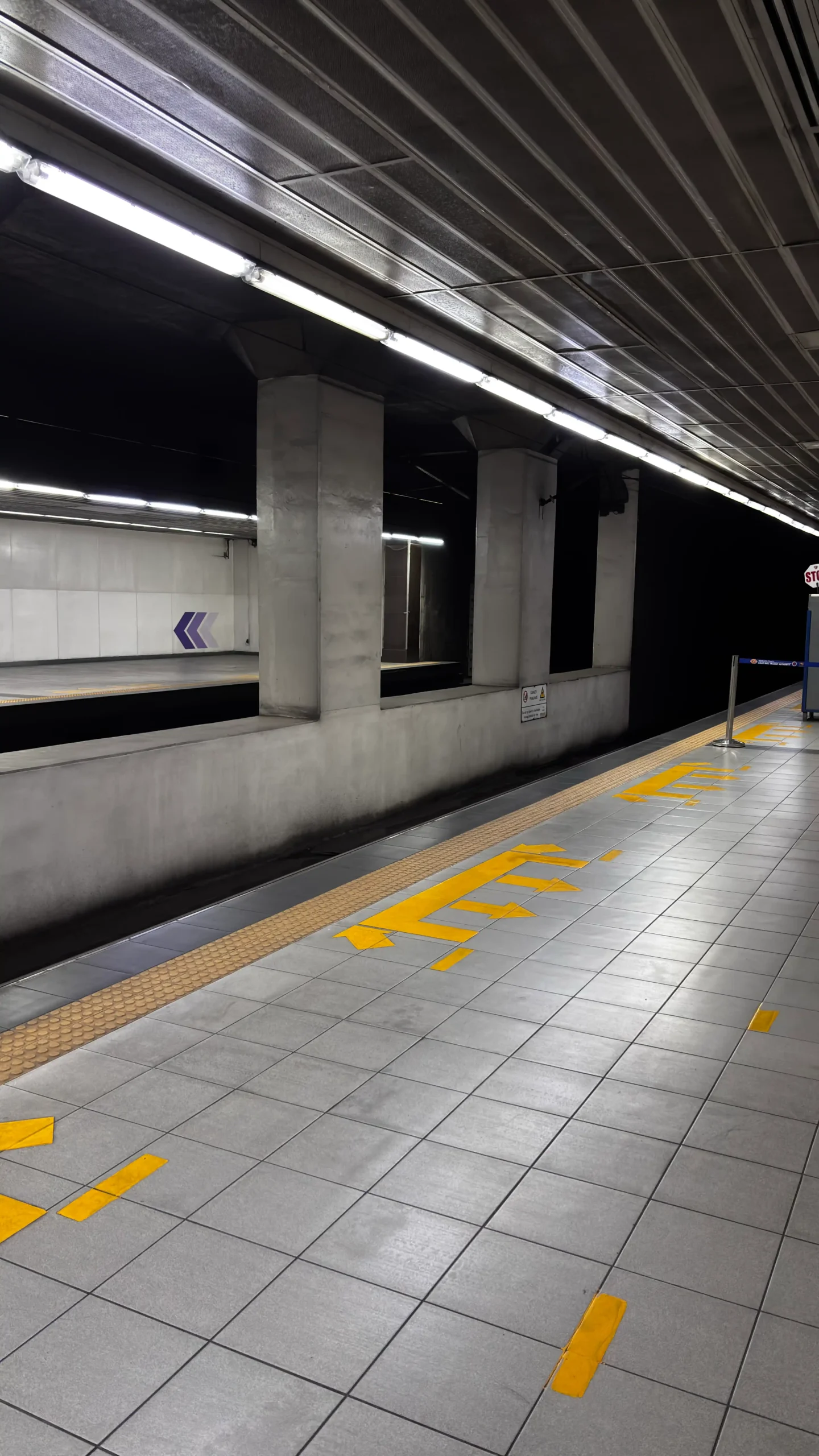
With this in mind, it’s not surprising that the aesthetic experienced a surge in popularity during the COVID pandemic, as writer Madelyne Xiao points out in an article for The New Yorker. The Reddit thread r/LiminalSpace’s 500 subscribers in March 2020 jumped to over 50,000 by mid-August of that year. People were curious about, and hungry for, glimpses of the outside world: familiar, yet made strange by the ways we’ve abandoned it. Spaces that should’ve been filled with humans were empty: public transport stations, malls, community centers, restaurants, and the like. Xiao approaches the phenomenon from a more balanced or neutral angle, describing the experience of inhabiting liminal spaces as a “kind of amniotic bliss,” even as it evokes a “state of fascinated horror.”
“In the end, though, the point is to leave,” she writes. Yet the most unsettling aspect of liminal spaces asks a darker question: what if you can’t?
The Sensory Experience Of Eternal Purgatory
There are other reasons why the liminal space creeps us out, beyond physical surroundings. In a way, it imposes a liminality on time itself: you lose track of how much has passed or what’s happening in the outside world. It’s an eternal purgatory, a dream you think you’ve woken from, only to realize you’re in another dream (or as I mentioned, nightmare).
“If you’re not careful and you noclip out of reality in the wrong areas, you’ll end up in the Backrooms, where it’s nothing but the stink of old moist carpet, the madness of mono-yellow, the endless background noise of fluorescent lights at maximum hum-buzz, and approximately 600 million square miles of randomly segmented empty rooms to be trapped in,” reads the 2019 urban legend inspired by the original backroom photo. “Good save you if you hear something wandering around nearby because it sure as hell has heard you.”
Backrooms found its success not by placing you in a single location, but by trapping you in an entire labyrinthine experience. As a found footage film, you see everything from the protagonist’s perspective. You’re the minotaur’s prey. The odd noises and figures are frightening enough on their own, but combined with a suffocating inescapability, they create a mounting dread.
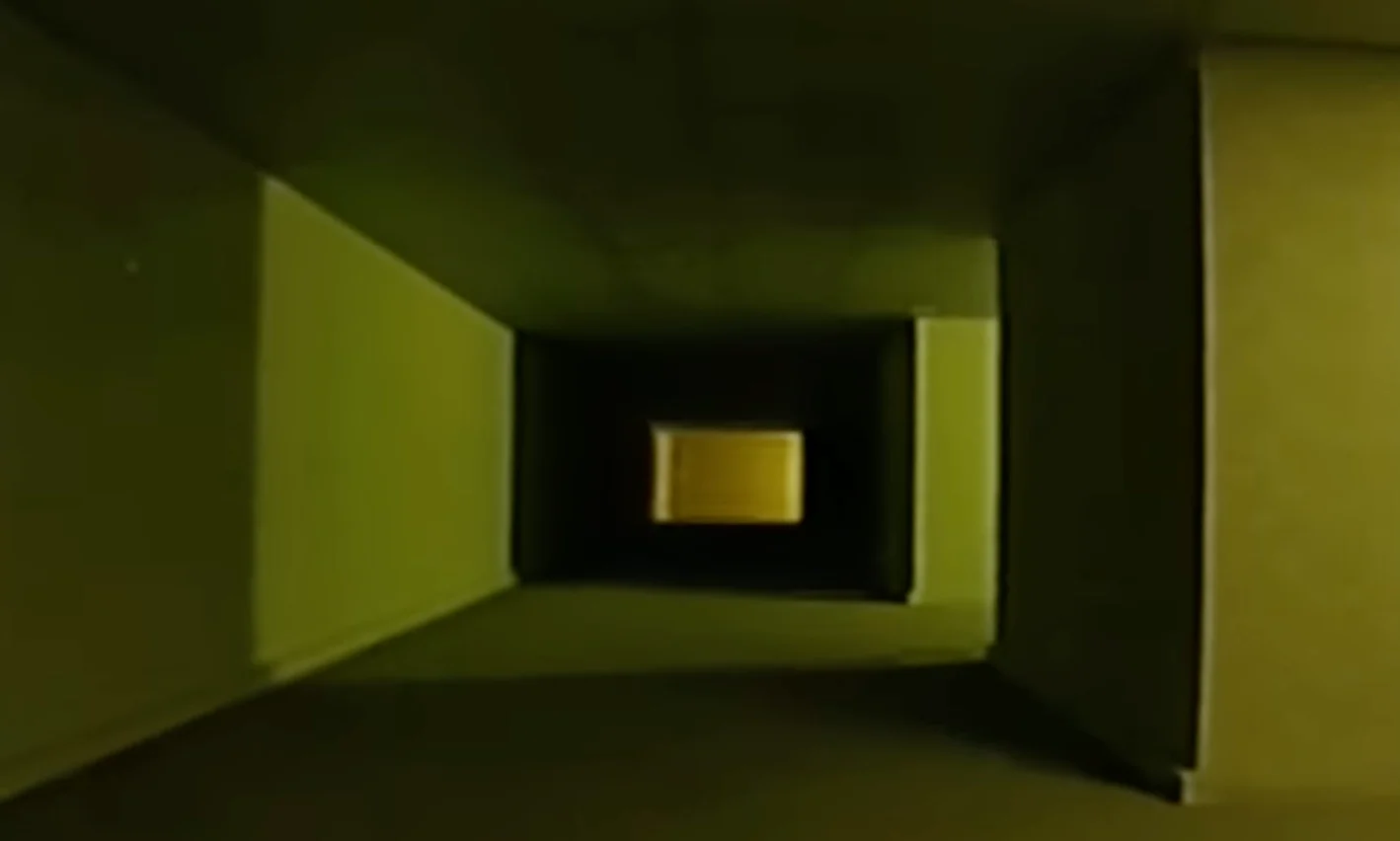
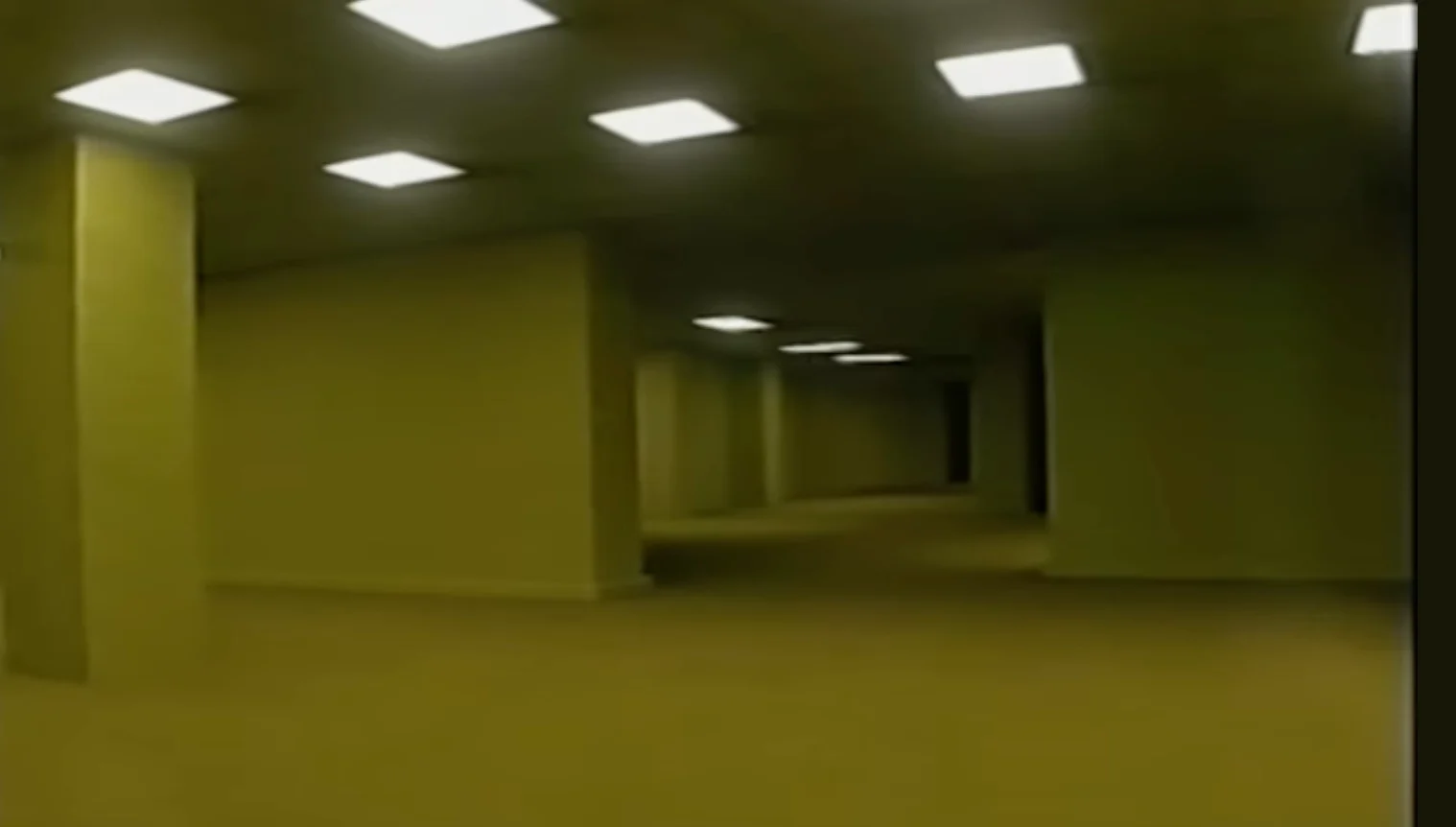
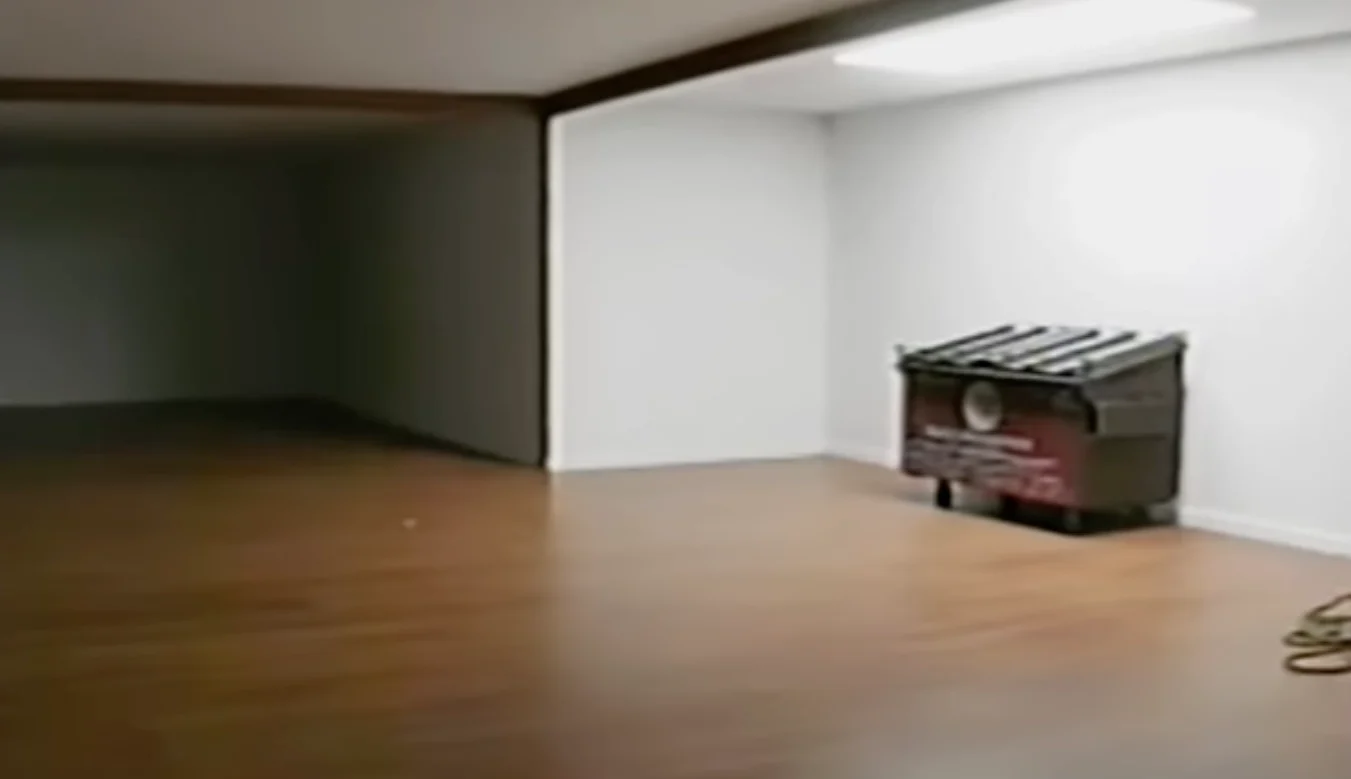
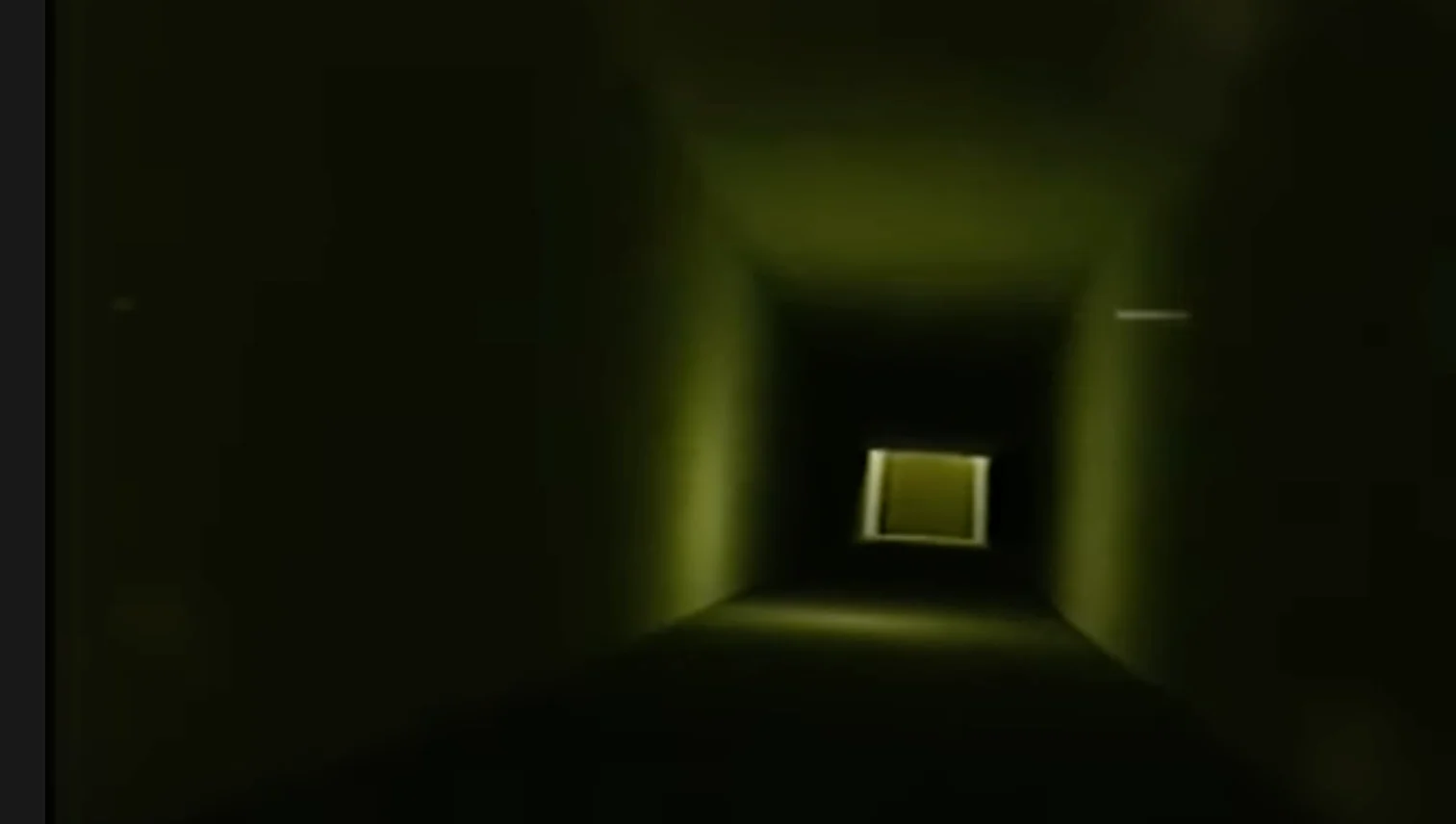
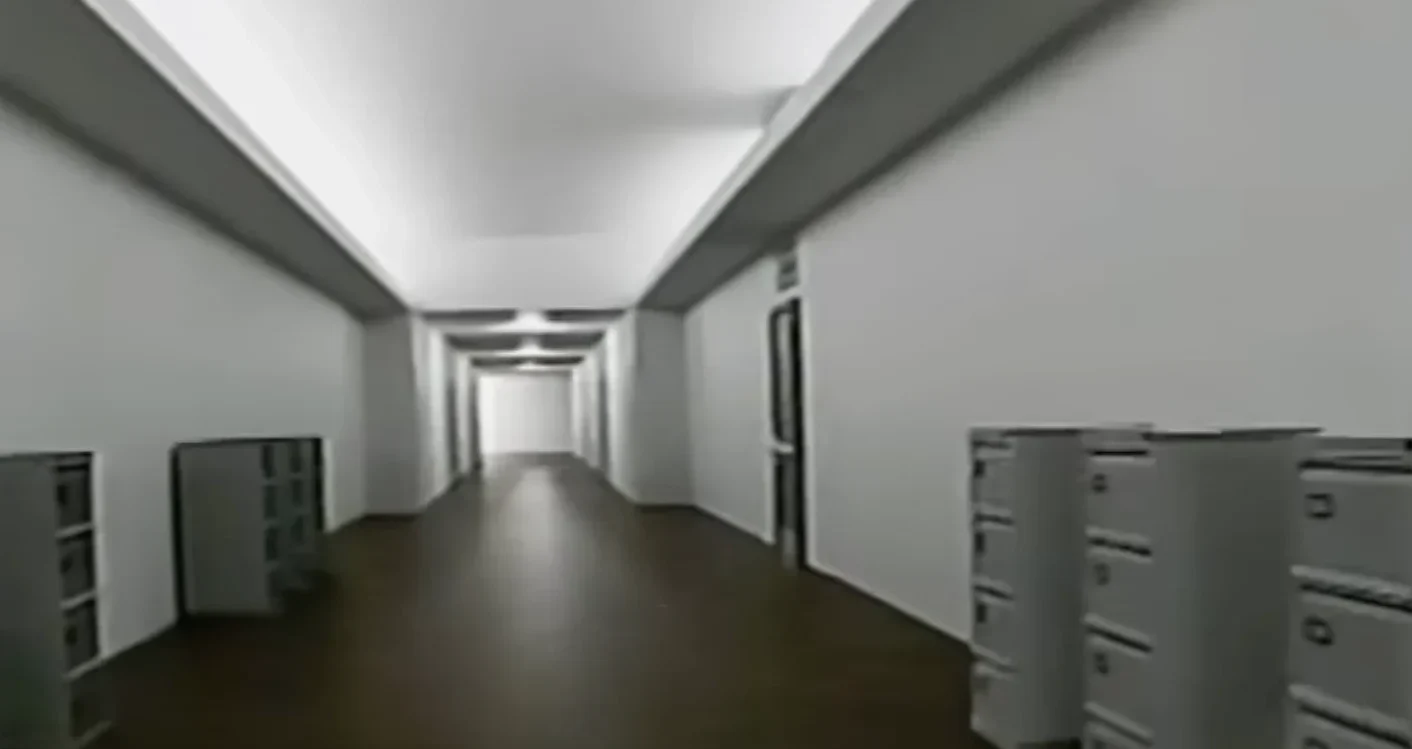
There’s a frustrating sense of wrongness in Backrooms, like most liminal spaces. There are no people. The lights are too bright, yet not bright enough in certain corners. Some spots feel too narrow, too small, too hostile toward living beings. Stairways appear oddly placed, leading to nowhere, another room, or a solid wall. Hallways intersect with identical-looking rooms. You think you’ve found an exit, only to be confronted by another set of liminal prisons; they’re claustrophobic, even in their vastness. It’s an aesthetic of contradictions that shouldn’t exist, but do, and you’re forced to contend with them.
This is partly why the chilling effects of liminal space are difficult to translate into words (though writers like Susanna Clarke and Mark Z. Danielewski have attempted this in their books Piranesi and House of Leaves, respectively). It’s an inherently visual, sensory-reliant concept, one that works best in video games (where players have a direct, meta role in the narrative) or in film.
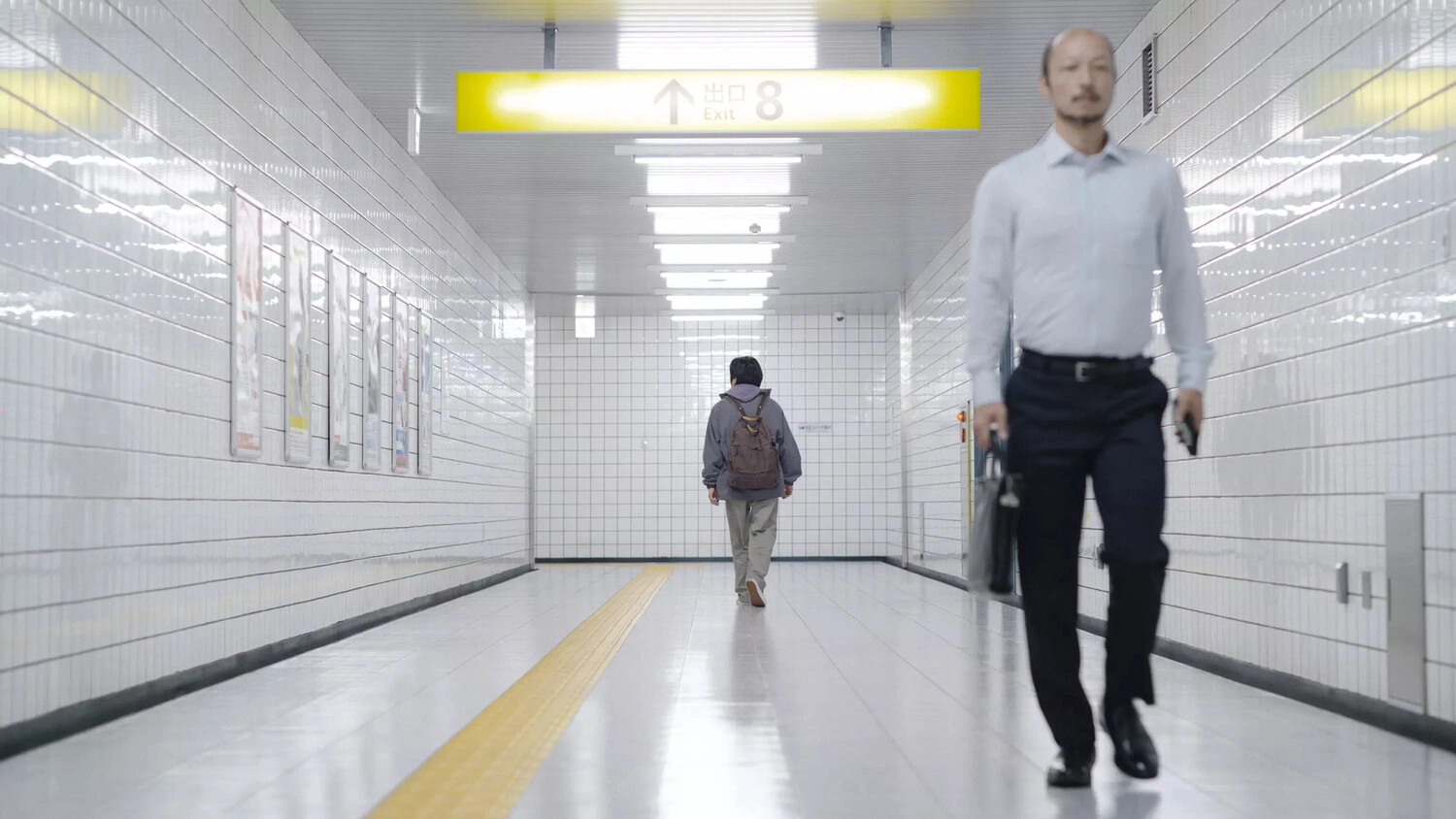
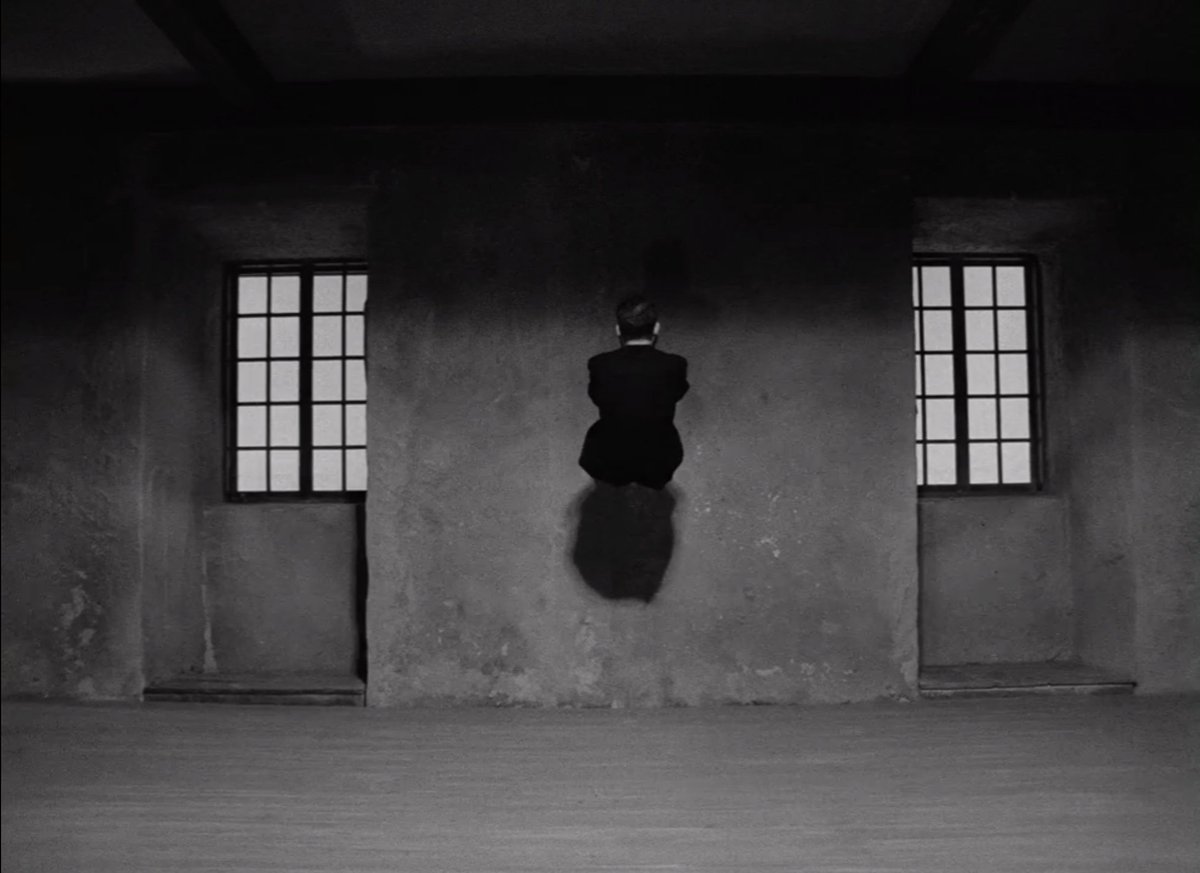
I recently watched Ingmar Bergman’s psychological horror Hour of the Wolf, and you can see liminal space at work in its eerie otherworldliness. Inspired by the director’s own dreams, that sense of unreality seeps into the film’s environments, most notably its haunting castle setting in the latter half of its runtime. In many ways, filmmaker Stanley Kubrick had an acute understanding of this kind of isolation, evident in the production design of his film The Shining, which takes place in the rundown Overlook Hotel. There’s also The Exit 8, a popular Japanese horror video game that recently received a film adaptation. The story centers on its mechanic: players are trapped in a looping, fluorescent-lit metro station passageway and must spot glitches or anomalies in the environment to find their way to the titular exit.
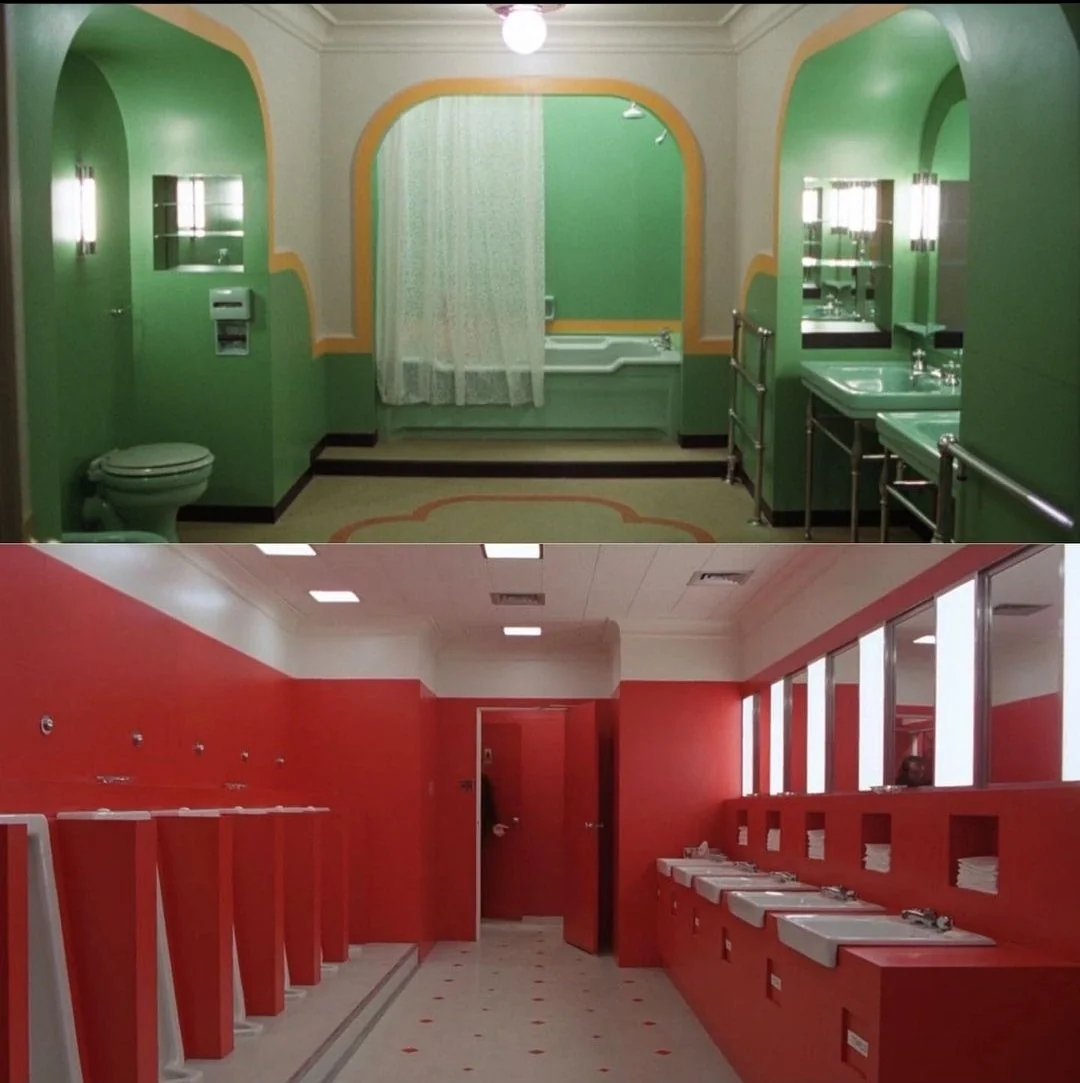
Though, playing devil’s advocate, this is also why it’s often difficult to anchor liminal space to a compelling narrative or plot. So much of it relies on vibes, on the inability to explain what’s happening, on the experiential oddities of dream logic that refuse to follow any normal progression.
The Liminal Space Doesn’t Care
The liminal space plays with that primal fear of uncertainty, a listlessness that demands you to surrender to forces (or in this case, environments) beyond your control and understanding. It’s another flavor of horror’s foundational ingredient, the “unknown.” Yet it also diverges from the usual genre tropes. A 2025 paper by Tibor Guzsvinecz highlights how the horror of liminal spaces distinguishes itself through a “pervasive lack of resolution.” While his study focuses on video games, the principle applies across media. Where many horror games rely on “explicit threats, scripted jump scares, or narrative-driven antagonists,” those centered on liminal spaces use “backtracking, repetition, or looping architecture” to evoke existential disorientation.
Where are you? Why does everything feel hazy and nonsensical? And worse, why does there seem to be no escape?
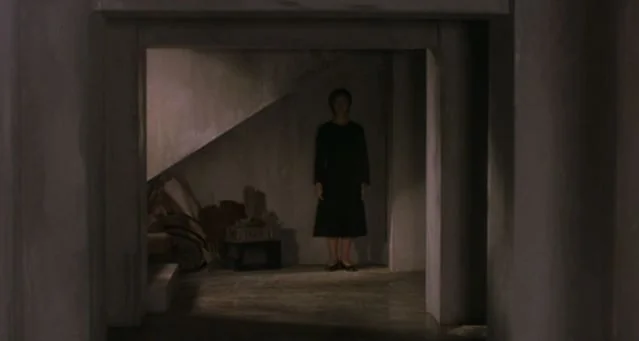
As humans, we crave resolution. We seek endings: tragic, happy, satisfying, or even unsatisfying, just any promise of closure. It’s why we cling to the idea of an afterlife beyond the stasis of purgatory. Liminal spaces deny us that. They confine us to nothingness, a void we can’t grasp.
If there’s such a thing as human-centered design, then there must be a human-hostile counterpart. But liminal spaces offer something even worse, something befitting their name: a transitory design that’s utterly apathetic. Because to many, indifference can be worse than hostility, simply because the former still requires a level of impassioned care. Like cosmic horror, the liminal space shrinks you, pitting you against a vastness that doesn’t care whether you’re there or not. Slowly but surely, you become aware of just how small you are—and that’s a state of inexorable helplessness no one would ever want to find themselves in.
Frequently Asked Questions
A liminal space refers to an empty, transitional architectural environment—such as hallways, transit hubs, or waiting rooms—devoid of its intended human activity. In horror, these settings evoke existential dread by pairing nostalgia with an uncanny sense of displacement.
Directed by Kane Parsons, the 2026 feature film Backrooms expands on a viral internet legend. Distributed in the Philippines by CreaZion Studios, the found-footage film utilizes repeating, fluorescent-lit office corridors to create a claustrophobic narrative based on architectural stasis.
The isolation of the COVID-19 pandemic left real-world public hubs entirely abandoned. Digital communities sought images of these empty transport stations and shopping centers, finding a surreal familiarity that mirrored the global state of societal and cultural suspension.
Director Stanley Kubrick famously utilized the expansive, repetitive layout of the Overlook Hotel in The Shining to induce isolation. Similarly, Ingmar Bergman’s Hour of the Wolf leverages surrealist, dream-like castle architecture to strip viewers of environmental certainty.
Unlike traditional horror that relies on explicit antagonists or sudden jump scares, liminal horror leverages looping architecture and a lack of narrative resolution. The dread stems from apathetic environments that resist human-centered design, inducing profound spatial disorientation.