You don’t need to be an expert to choose the right ring; you just need a clear sense of what best fits your partner.
So, this is where it starts. As a groom, buying an engagement ring doesn’t require a background in diamonds, but it does require attention. The best choices usually come down to observation: what she wears every day, what she avoids, what feels like her without trying too hard. The details matter, but they only work if the overall piece makes sense in the larger picture of her life. If an heirloomHeirloomA valued object, such as jewelry, a watch, furniture, or textile, passed down through generations, carrying sentimental worth. Heirloom-quality pieces are made to last, and buyers increasingly choose timeless craftsmanshipGo to Heirloom Glossary from your grandmother isn’t in the cards, here’s how to go about choosing the right engagement ring, step by step.
READ ALSO: 5 Places To Source Wedding Stationery For Your Big Day
Start With Shape
The shape of the stone sets the tone before anything else. It’s the first thing your partner’s friends will ask about, once she shares the big news with them. It also determines how the ring looks from across the room and how it’ll feel on her hand.
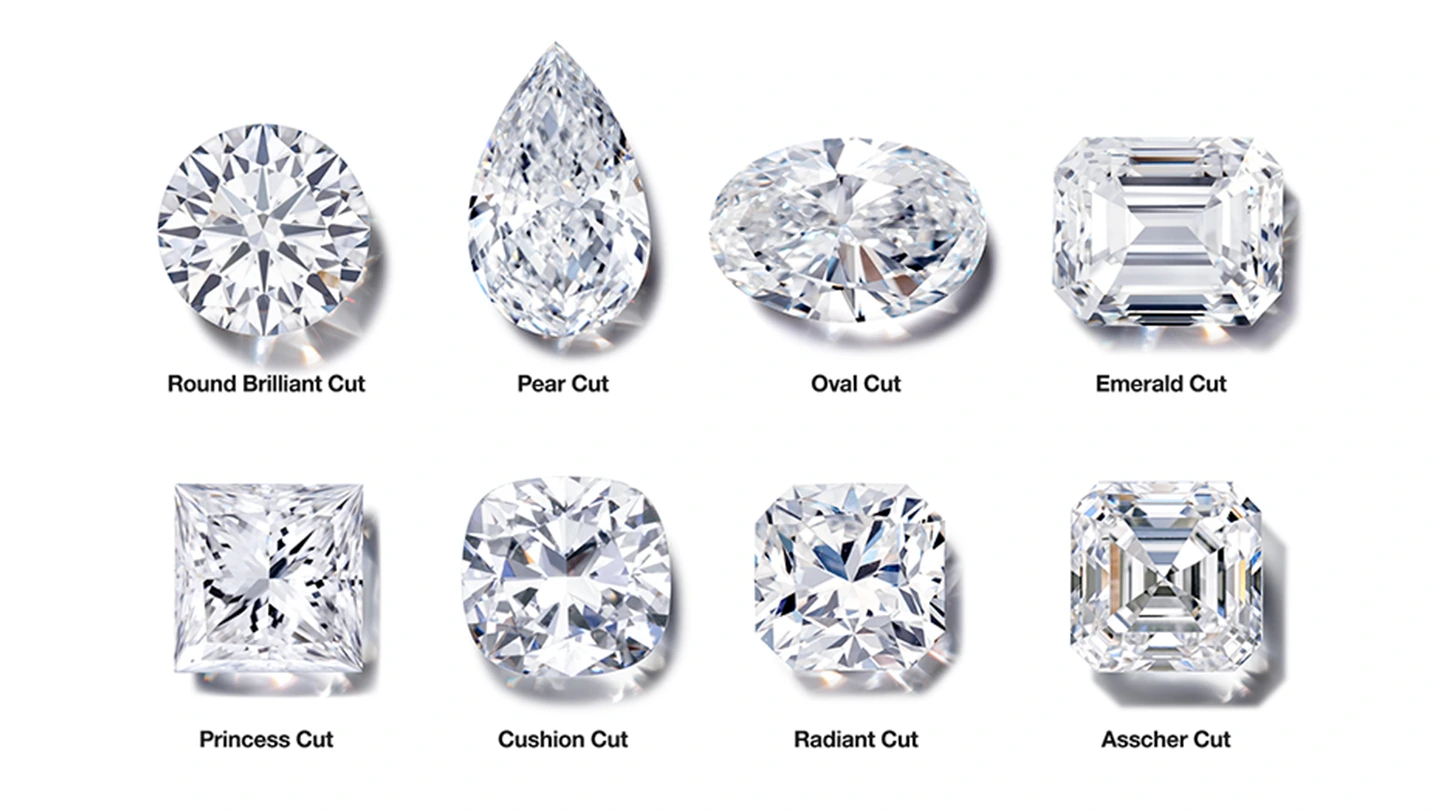
Round diamonds are the default for a reason: they tend to reflect the most light, looking balanced in almost any setting. Best of all, they don’t go out of style. If you’re unsure, this is the safest place to land.
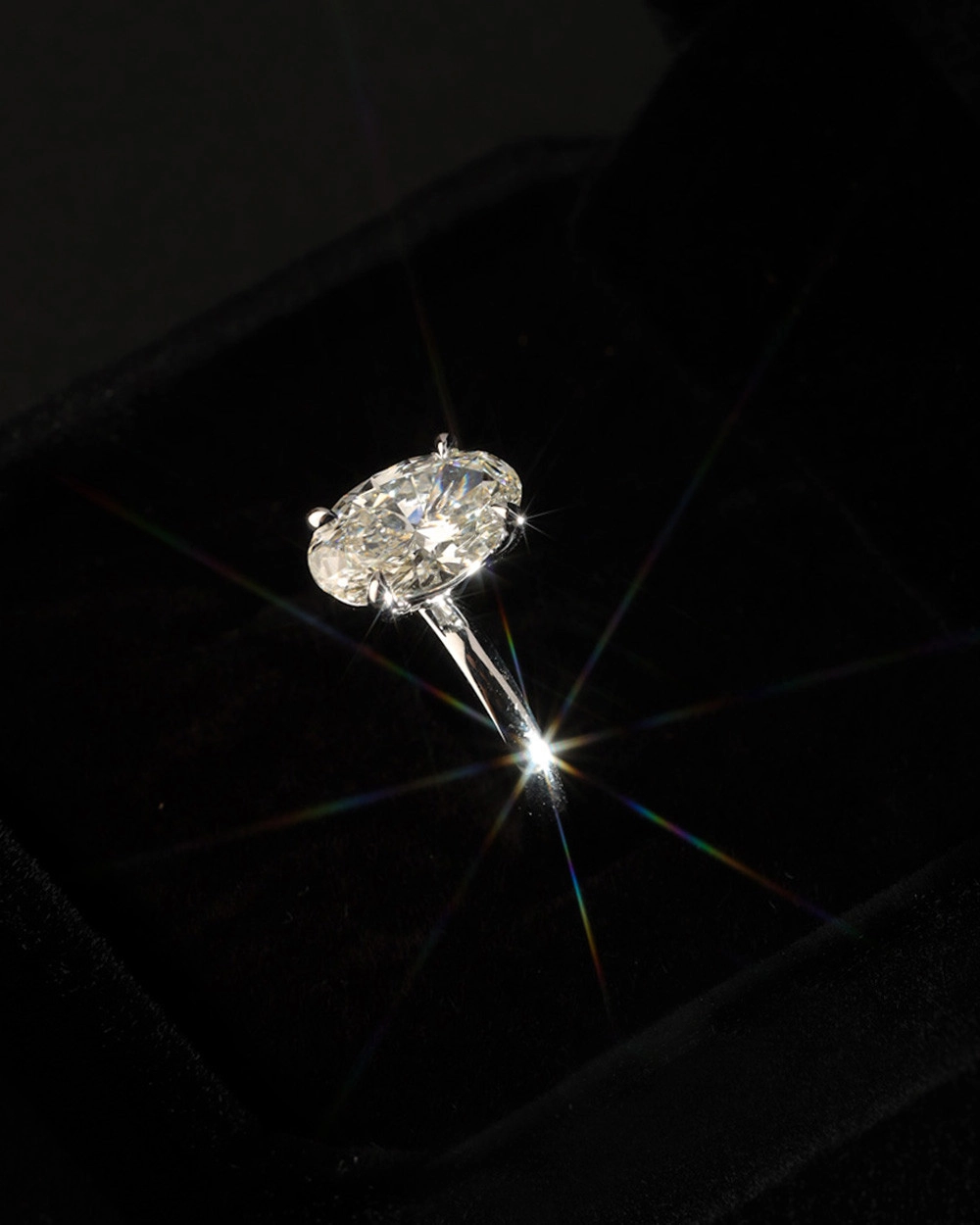
Oval diamonds offer something similar, but less expected. They look slightly larger than round stones of the same weight, elongating the finger in a way that feels modern but not trendy.
Cushion and radiant cuts are much softer choices due to their blunt, rounded corners and more diffused sparkle, which give them a vintage edge without feeling dated. Princess cuts go the opposite direction, as they look sharp, square, and more contemporary.
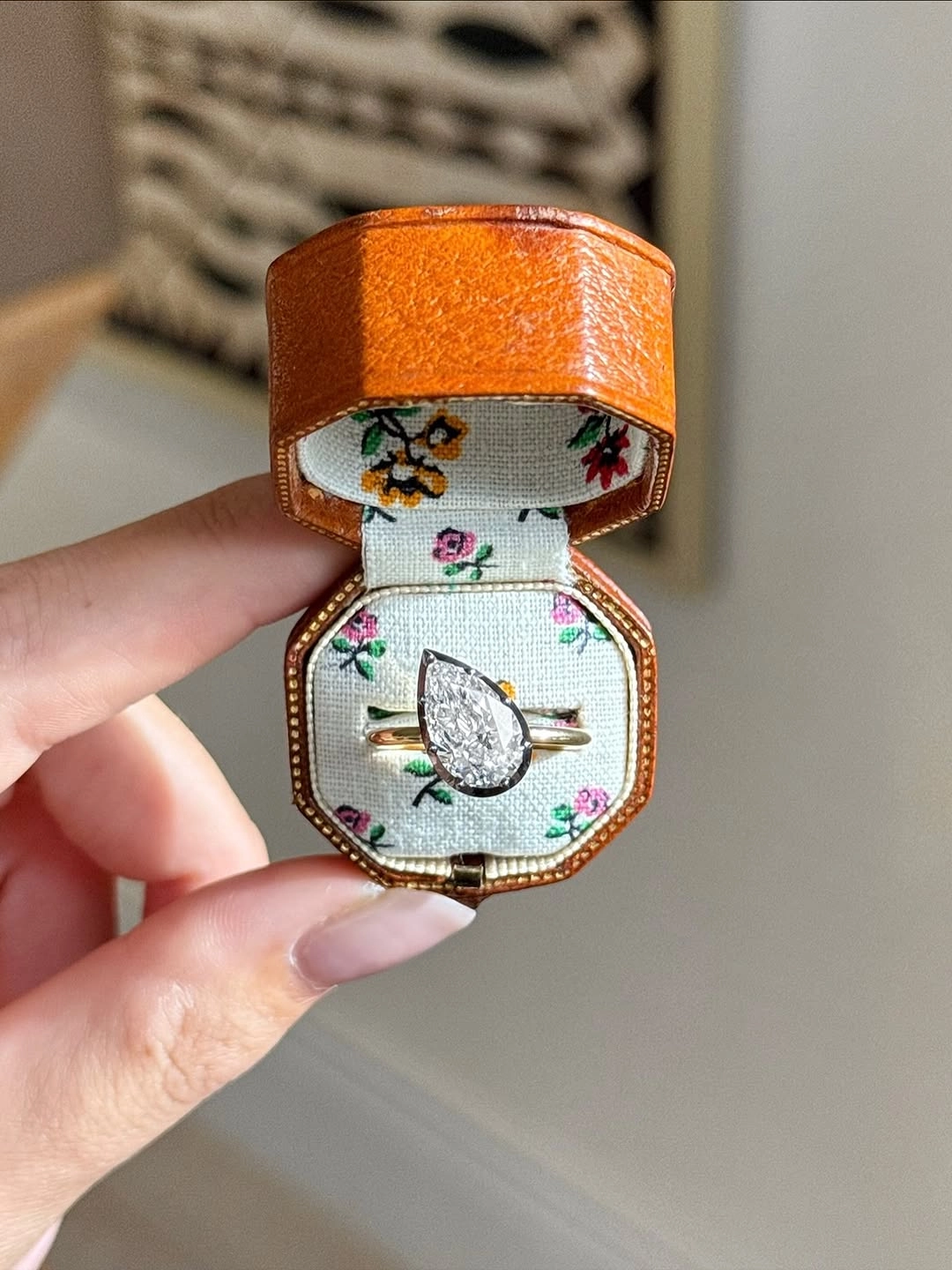
Emerald and Asscher cuts strip things back, as they don’t rely on sparkle as much as clarity and structure. They may appeal to someone who prefers a minimal look over a flashy one. If she wears statement pieces, you can look at pear or marquise shapes. They stand out, elongate the hand, and feel more directional. Heart-shaped diamonds are quite specific—they only work if you’re certain she’d want something overtly symbolic.
Choose A Setting That Matches Her Style
The setting controls how the diamond sits, how it catches light, and how it holds up over time. A solitaire is the most straightforward option with one stone on a plain metal band. It works well if she prefers clean, unfussy jewelry. Most solitaires use prongs to hold the diamond in place, which lets in more light. However, it can snag or loosen over time if not maintained.
Halo settings add a border of smaller diamonds around the center stone. They make the ring look bigger and brighter, but also busier; if she likes noticeable jewelry, this can work well.
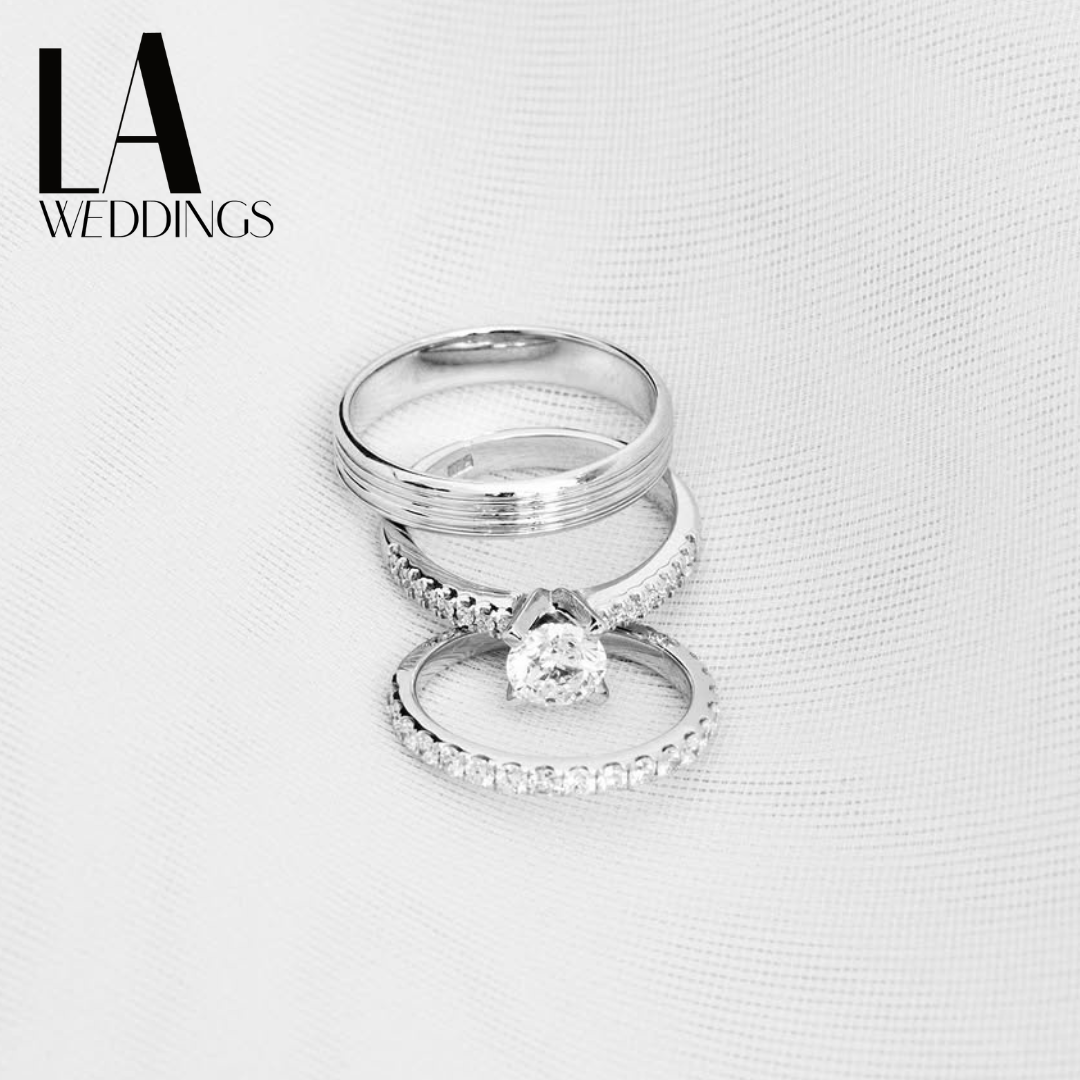
Pavé bands add small diamonds along the band itself. They bring in extra sparkle without changing the main shape, though they do require occasional upkeep.
For something more practical, a bezel setting surrounds the diamond with a metal rim, holding the stone securely. It also sits lower on the finger, which makes it a good choice for someone active or hands-on.
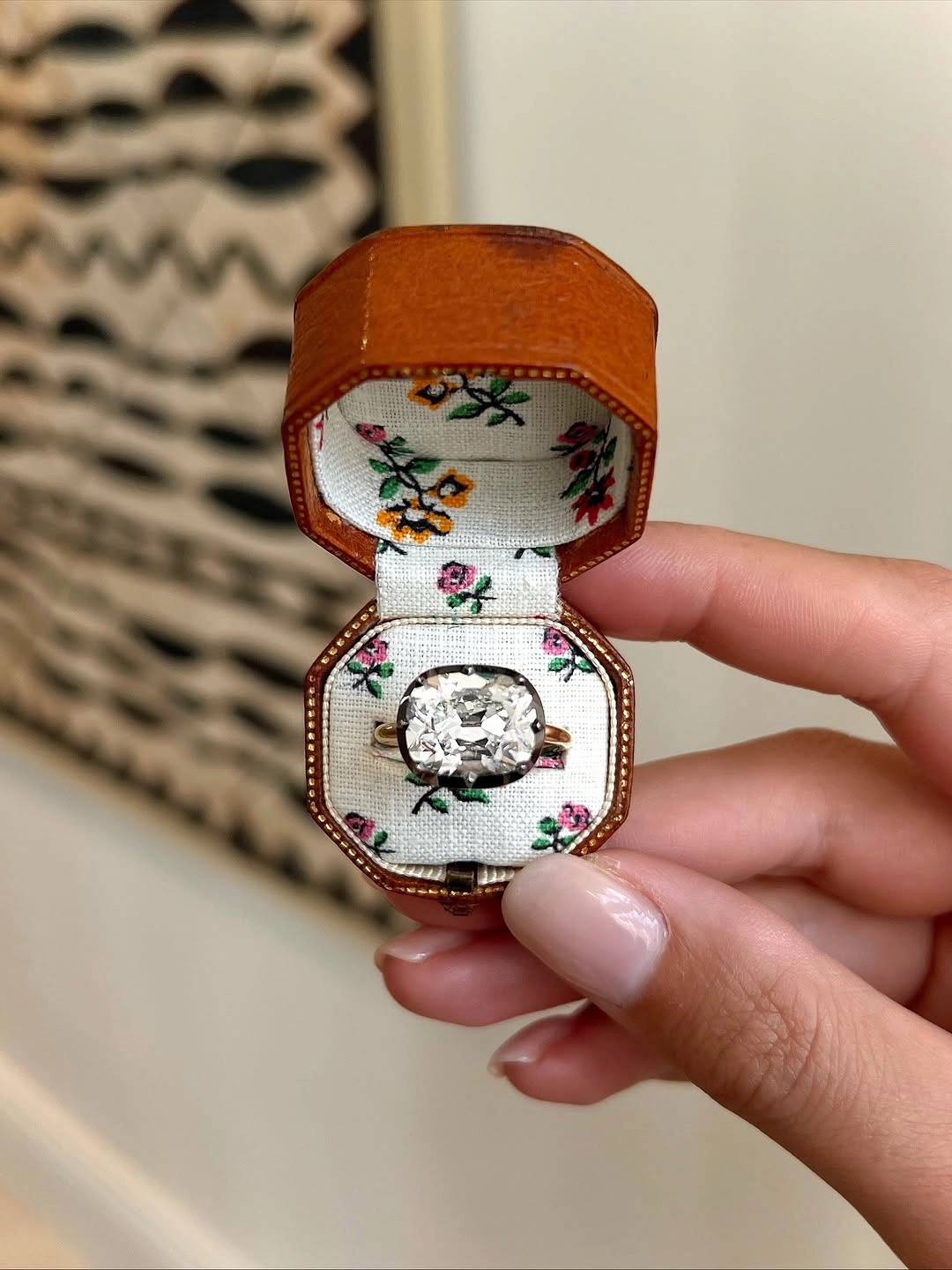
If you want an engagement ring that’s subtle but different, consider an east–west setting, where the diamond sits horizontally instead of vertically.
Pick a Metal That Works Long-Term
Metal affects both the look of a ring, and how it wears over time. Platinum is the most durable and naturally white. It doesn’t need plating and holds up well with daily wear, though it costs more and feels heavier.
Yellow gold is warmer and more traditional. It’s slightly softer, especially in higher karats, but that makes it easier to resize and maintain. White gold looks similar to platinum but costs less. It’s coated with rhodium to keep its bright finish, though that means it’ll need replating every so often.
Rose gold has a subtle pink tone and holds up well over time. It’s a good option if she already wears warmer-toned jewelry, or prefers something less standard.
Think About Her Lifestyle
This is where a lot of people get it wrong. A ring might look good in a box, but that doesn’t necessarily mean it’ll work in real life. If she’s active, does a lot of hands-on activities, or doesn’t usually wear jewelry, go for a low-profile setting. Avoid high prongs or very delicate bands, and note that platinum or 14K gold will hold up better over time.
If she likes bold pieces, you can lean into sparkle. A round, oval, or cushion diamond with a halo or pavé band will stand out more. An understated signature style works well with the simplicity of a clean shape and minimal setting, focusing instead on proportion—this is usually better than adding extra details.
If her taste is more on the eclectic side or vintage-inspired, you can look at cushion, emerald, or Asscher cuts with warmer metals and subtle detailing.
Pay Attention, Then Decide
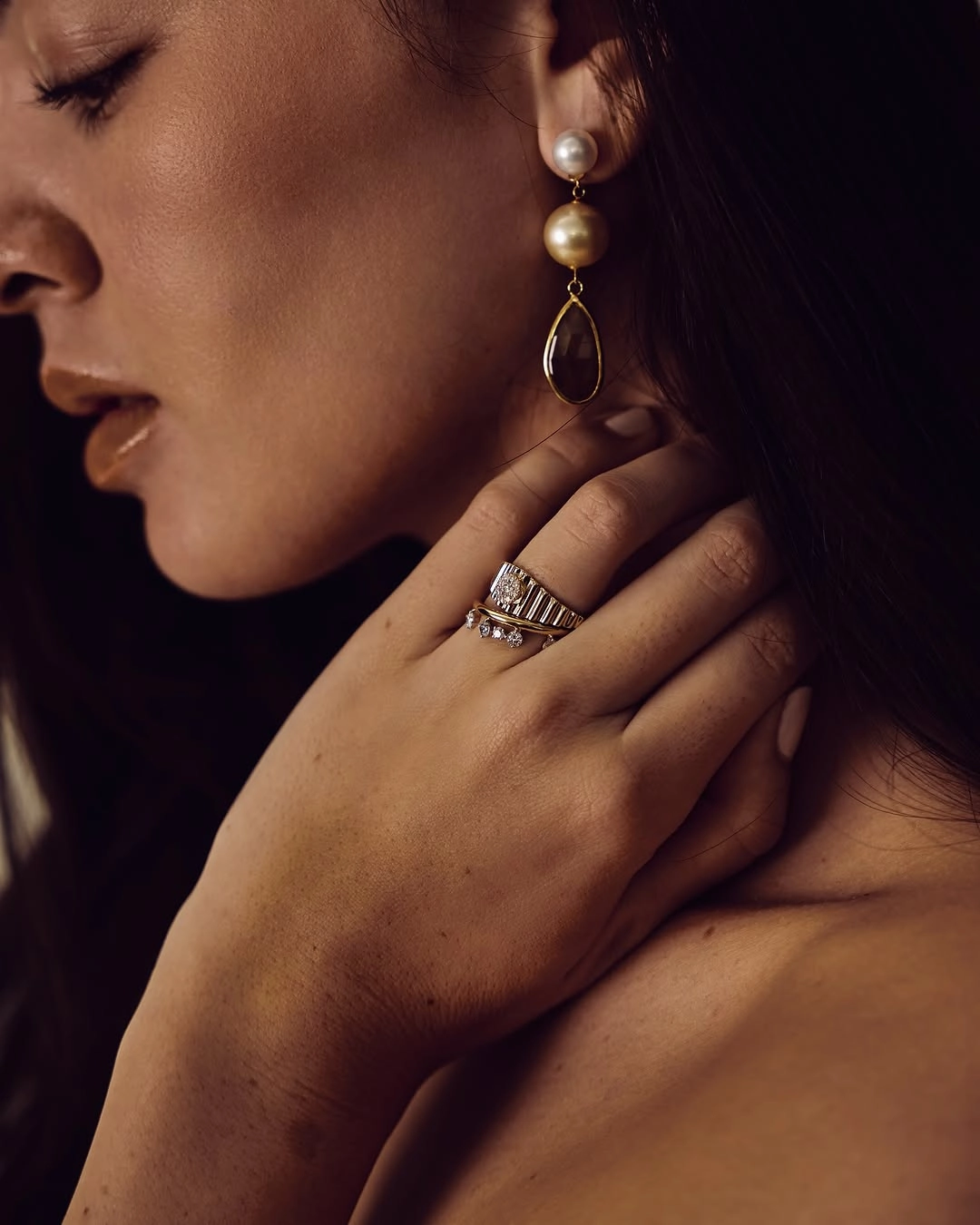
This process doesn’t have to be overcomplicated, but you do need to know one thing: the right ring will reflect what a woman already likes, and won’t try to reinvent her. A great tip is to look at the jewelry she wears most. Notice the metal color, how bold or minimal it is, or whether she mixes styles or sticks to one. If you’re still unsure, ask other people who are close to her, check what she has saved on her phone, or try to recall details she might’ve mentioned in passing. The goal isn’t to find the “best” ring, but to find the one that fits so naturally, she’ll never have to think twice about wearing it every day.
Frequently Asked Questions
Focus on three key elements: the diamond shape, the setting, and the metal. Together, these determine how the ring looks, how it wears over time, and how well it reflects your partner’s personal style.
Stone shape is one of the most important decisions because it defines the overall look of the ring. It affects how the stone catches light, how large it appears, and whether the design feels classic, modern, or more distinctive.
The setting holds the diamond in place and influences both appearance and durability. It affects how much the ring sparkles, how high or low the stone sits, and how secure it is for everyday wear.
Metal choice affects the ring’s color, durability, and maintenance. Some metals offer a brighter and cooler finish, while others feel warmer or more traditional. It’s best to choose one that complements the overall design and holds up well over time.
Pay attention to what your partner already wears. Notice their preferred styles and preferences. A ring that aligns with their existing taste will feel natural and easy to wear every day.