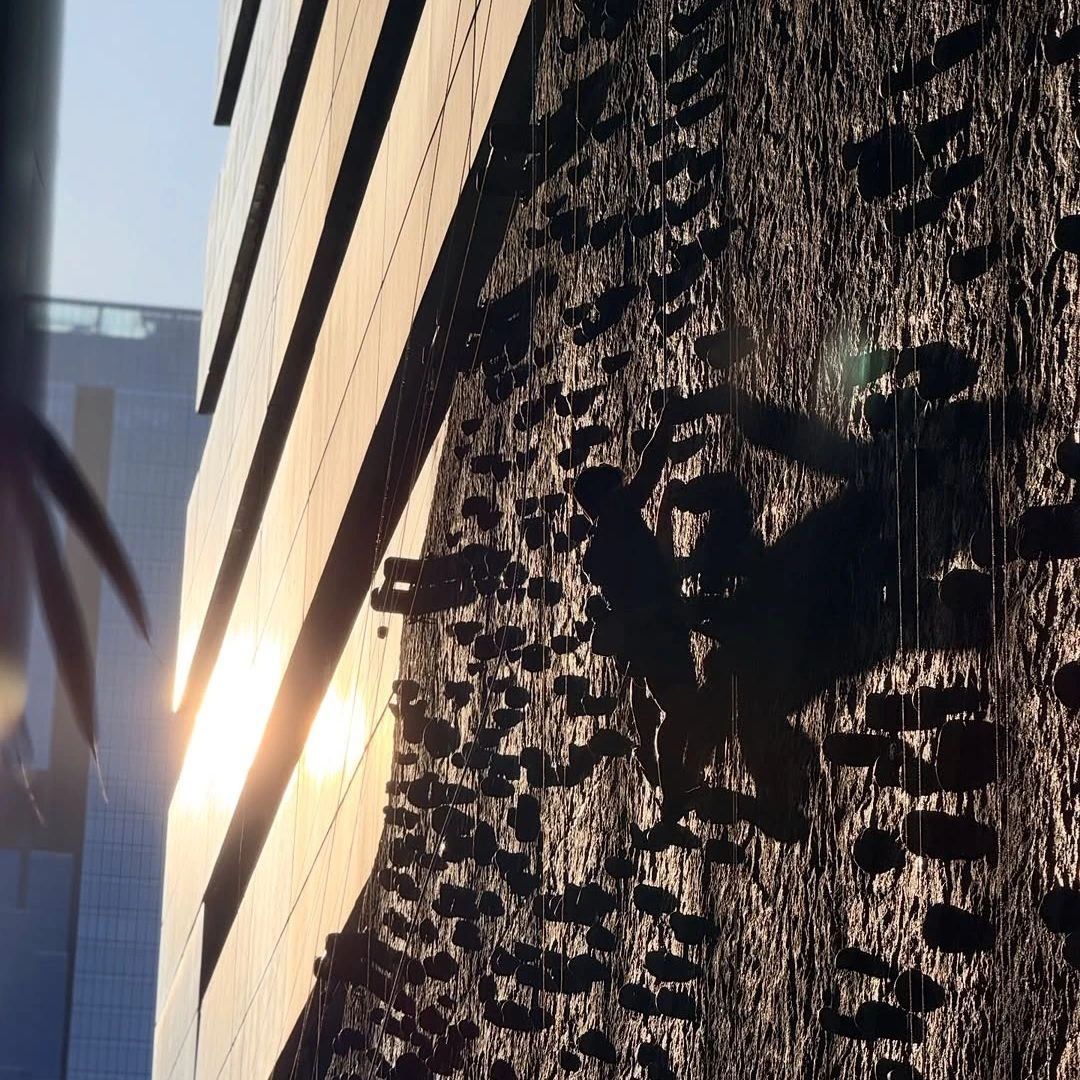
Bouldering isn’t just another fitness trend: it’s a full-body workout that doubles as a mental exercise. Here’s why people are trading treadmills for climbing walls.
A friend recently pointed out a curious phenomenon: these days, gay men can be archetyped by their chosen physical pursuits. There are the gym gays, the running gays, the newly initiated pickleball gays—and, of course, the bouldering gays, currently scaling both walls and TikTok feeds with equal enthusiasm. I don’t fall into any of these categories, but the last one in particular caught my attention.
When I spoke to someone who regularly spends entire Sundays at the bouldering gym, I couldn’t help but ask what keeps her there for hours, scaling wall after wall. Her answer was disarmingly simple: “It’s a workout for my body and my brain. It helps me disconnect for a while.” That idea stuck with me. Sure, bouldering is widely understood as a full-body workout, but an activity for the mind, too? The thought piqued my curiosity and sent me searching for answers that could explain how climbing walls reshapes the way we think.
READ ALSO: LA Phones A Friend: Can Pilates Help With My Golf Swing?
The Full Body Workout
At first glance, bouldering just seems like an upper-body workout: arms straining, fingers gripping, torsos suspended mid-air. But that’s only part of the story. In reality, it challenges every part of the body. Legs push you upward, your core stabilizes weight shifts, and even your toes are constantly adjusting to keep you from slipping off the wall. It’s not an activity that isolates muscles, instead getting your entire body to work together at once.
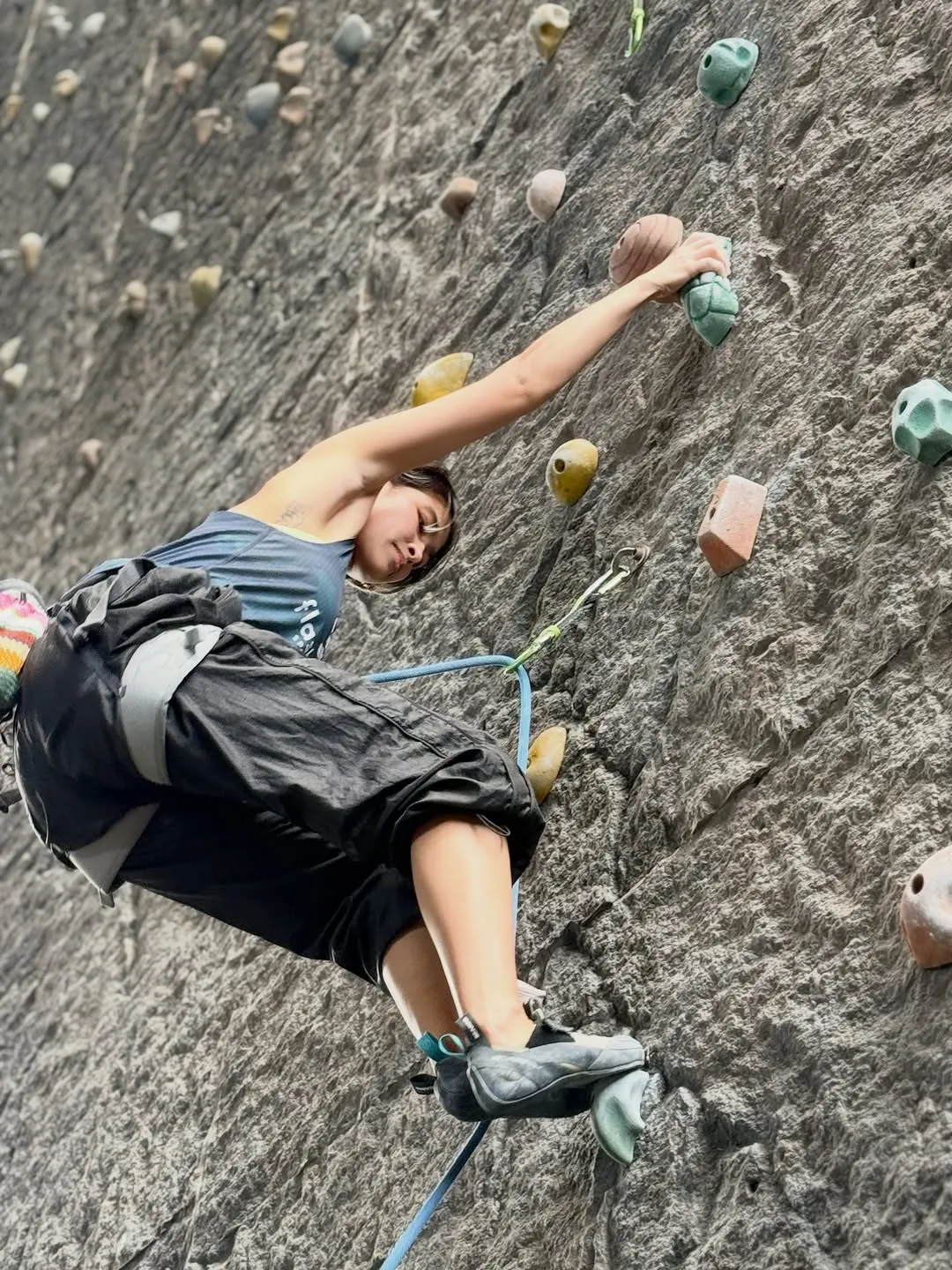
Climbing engages nearly every muscle in the body while simultaneously challenging your cardiovascular system. Each route becomes a kind of unintentional interval training, with bursts of movement followed by brief pauses that push your endurance and build strength in ways that don’t feel as repetitive as a typical gym session. You’re pulling yourself up, holding tension, then lowering down with control, often within a single sequence. It’s strength training, cardio, and mobility work folded into one continuous flow.
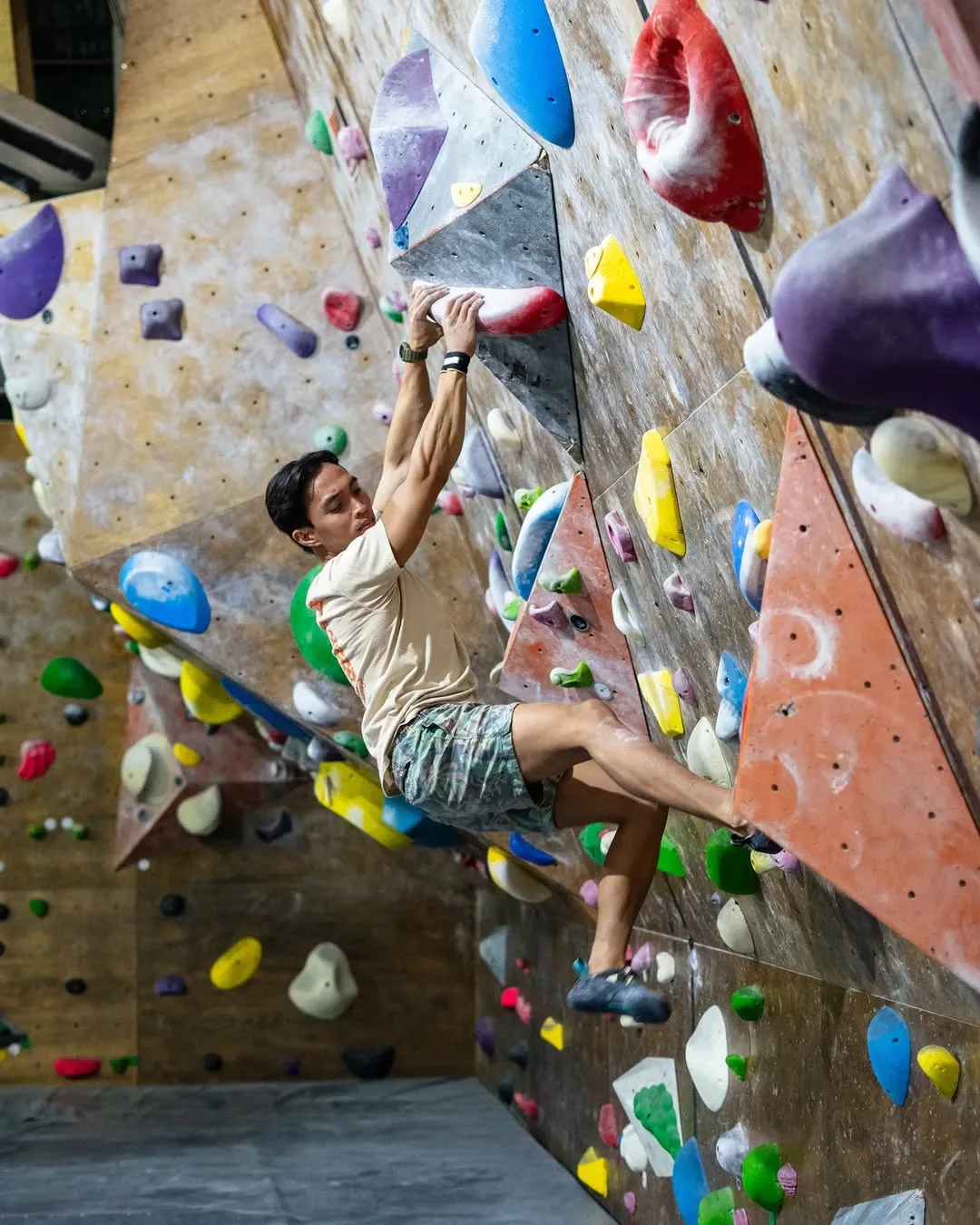
What makes bouldering different is how integrated it feels. You’re not thinking about reps or sets; instead, you’re thinking about how to reach the next hold without falling. And in that process, multiple muscle groups—arms, shoulders, core, legs—fire together instinctively. It improves coordination and balance, forcing your body to move efficiently in positions that are often awkward and unfamiliar, yet oddly satisfying to figure out.
Even flexibility comes into play. Some routes demand deep stretches, extended reaches, or unusual twists, pushing your body into ranges of motion that most workouts rarely touch. Over time, it’s this combination of strength, control, and mobility that makes bouldering feel like physical problem-solving.
How Bouldering Helps You Think
On the topic of problem-solving, what my friend said about bouldering being a workout for the brain began making more sense the deeper I looked into it. Bouldering isn’t so much about the result (getting to the top of a wall from Point A), but the process behind it; in other words, how to get there in the first place. Every route is a puzzle, and your body can’t move until your brain does.
Research shows that climbing improves “concentration, focus, problem-solving abilities, attention, and impulse control,” all of which are tied to how we process and respond to challenges in real time. Before you even lift a hand, you’re already scanning the wall, mapping out sequences, deciding which holds to trust and which to ignore. And once you’re up there, plans change quickly. A foothold feels less stable than expected, your grip slips slightly, and suddenly you’re recalibrating mid-move.
There’s also an underlying meditative aspect to bouldering. Because you’re so focused on movement and breath, everything else falls away. Studies suggest this blend of physical effort and mental engagement creates a kind of mindfulness state, where attention sharpens and outside noise fades. It’s not relaxation in the traditional sense, but it does something similar—it interrupts the constant mental chatter.
And then there’s the problem-solving itself. Some routes take multiple attempts, forcing you to rethink your approach each time. You adjust, test, fail, and try again. Over time, that process builds mental resilience: you learn to sit with frustration, to stay patient, and to trust there’s always a more efficient way up, even if you haven’t figured it out yet.
Bouldering Places In Manila
Bouldering in Manila has slowly moved from niche fitness corner to a whole subculture. What used to feel like a very specific gym activity is now a weekend plan, a stress outlet, and for some, a full-blown lifestyle shift. Tucked inside malls, nestled in building rooftops, and housed within fitness complexes are climbing gyms that offer walls to scale and a different kind of reset.
Climb Central Manila
One of the most accessible entry points into indoor climbing, Climb Central Manila is often where beginners get their first taste of the wall. The space is clean, structured, and designed to feel unintimidating even if you’ve never climbed before. You can show up here with zero experience and still leave feeling like you’ve done something satisfyingly intense.
The Bouldering Hive
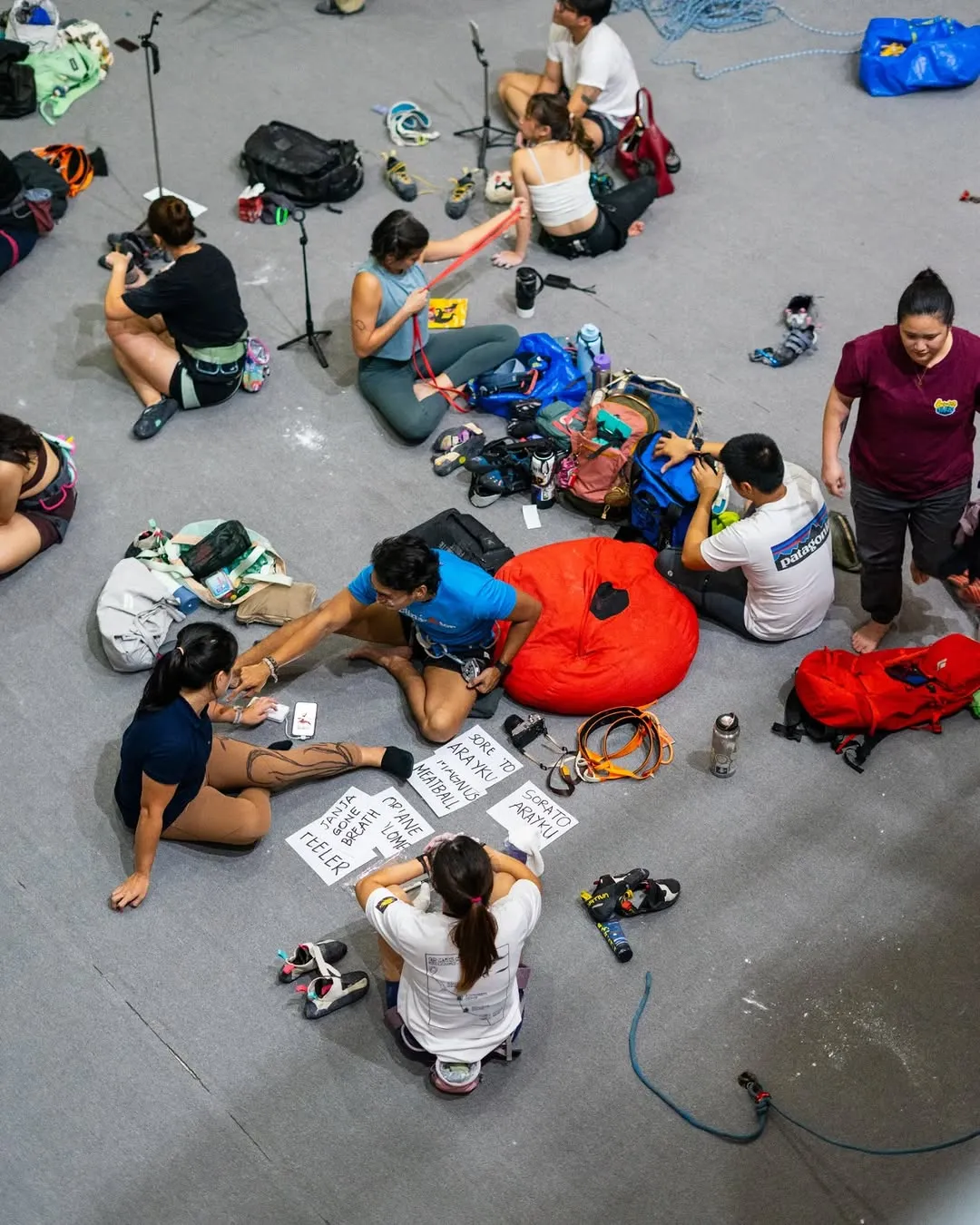
The Bouldering Hive is more about the community side of climbing. It’s very intimate with its smaller size, cultivating a “you’ll probably see the same people again” atmosphere within its walls. The routes are playful but challenging, designed to make you think as much as move. There’s a certain looseness to the space that makes it feel like a shared habit, rather than a plain workout space.
Edge Climb Gym At The Upper Deck Sports Center
Perched on The Upper Deck Sports Center in Pasig, Edge Climb Gym feels slightly more tucked away, like a hidden pocket of activity above the city. It expertly balances training and casual climbing, with routes that cater to different skill levels without overwhelming first-timers. The setting adds to the experience: you’re literally climbing above the noise of Metro Manila, which somehow makes your focus feel sharper.


Banner photo via Instagram @edgewallclimb
Frequently Asked Question
Not really. While it looks like a fitness trend from the outside, bouldering combines strength training, cardio, flexibility, and problem-solving in one activity. It’s about repetition and figuring out how to move through each route.
No. Most climbing gyms in Manila like Climb Central Manila are beginner-friendly and designed for first-timers. You’ll usually get a quick orientation before starting, and routes are set for different skill levels.
Because it requires full focus. Climbers constantly plan, adjust, and problem-solve mid-climb, which helps quiet external distractions. Many also describe it as a way to disconnect and reset mentally while staying physically active.
Indoor bouldering requires minimal specialized gear, primarily climbing shoes and chalk for grip. Most commercial climbing gyms offer these essential items as daily rentals for first-time visitors.
A typical bouldering session burns between four hundred and six hundred calories per hour. This high energy expenditure stems from engaging multiple major muscle groups simultaneously during climbs.