The stress that arrives with a wedding invitation isn’t only about the gift registry.
Every wedding guest, at some point, has stood in front of a mirror and genuinely questioned whether they’ve gotten it right. Most of the time, the answer is yes. Sometimes, it’s not. Here’s everything you need to know when deciding on your ensemble for the special day.
READ ALSO: Decoding The Dress Code: What To Wear To A Wedding
Start With The Dress Code And Actually Follow It
Wedding couples have gotten better at spelling out what they want, which means guests have fewer excuses for getting it wrong. “Cocktail attire” isn’t a suggestion. “Black tie optional” doesn’t mean wear whatever. Read the invitation, consider the venue, think about the time of day, and dress accordingly. A garden ceremony in the afternoon calls for something entirely different than a ballroom reception beginning at seven in the evening.
The No-White Rule Still Holds
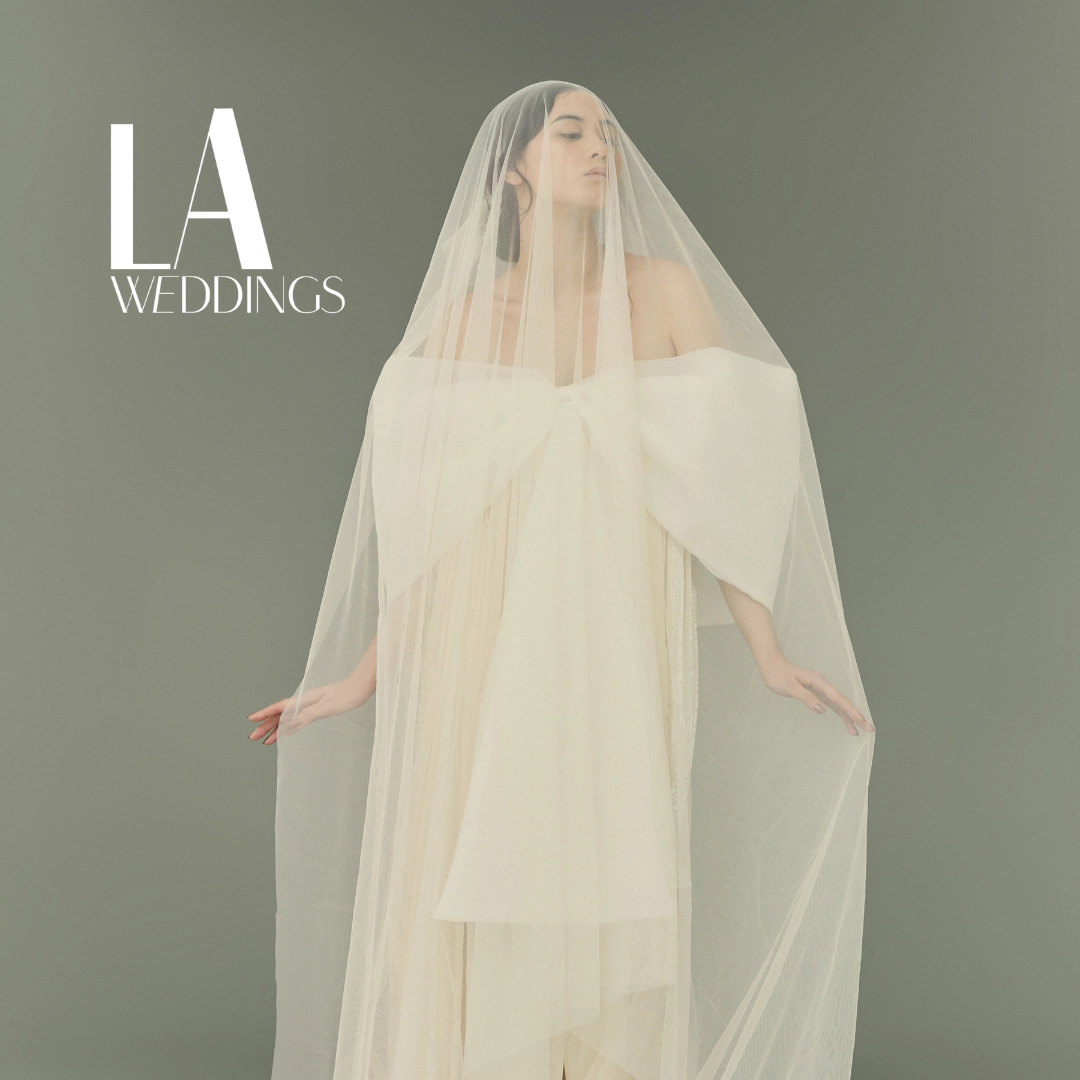
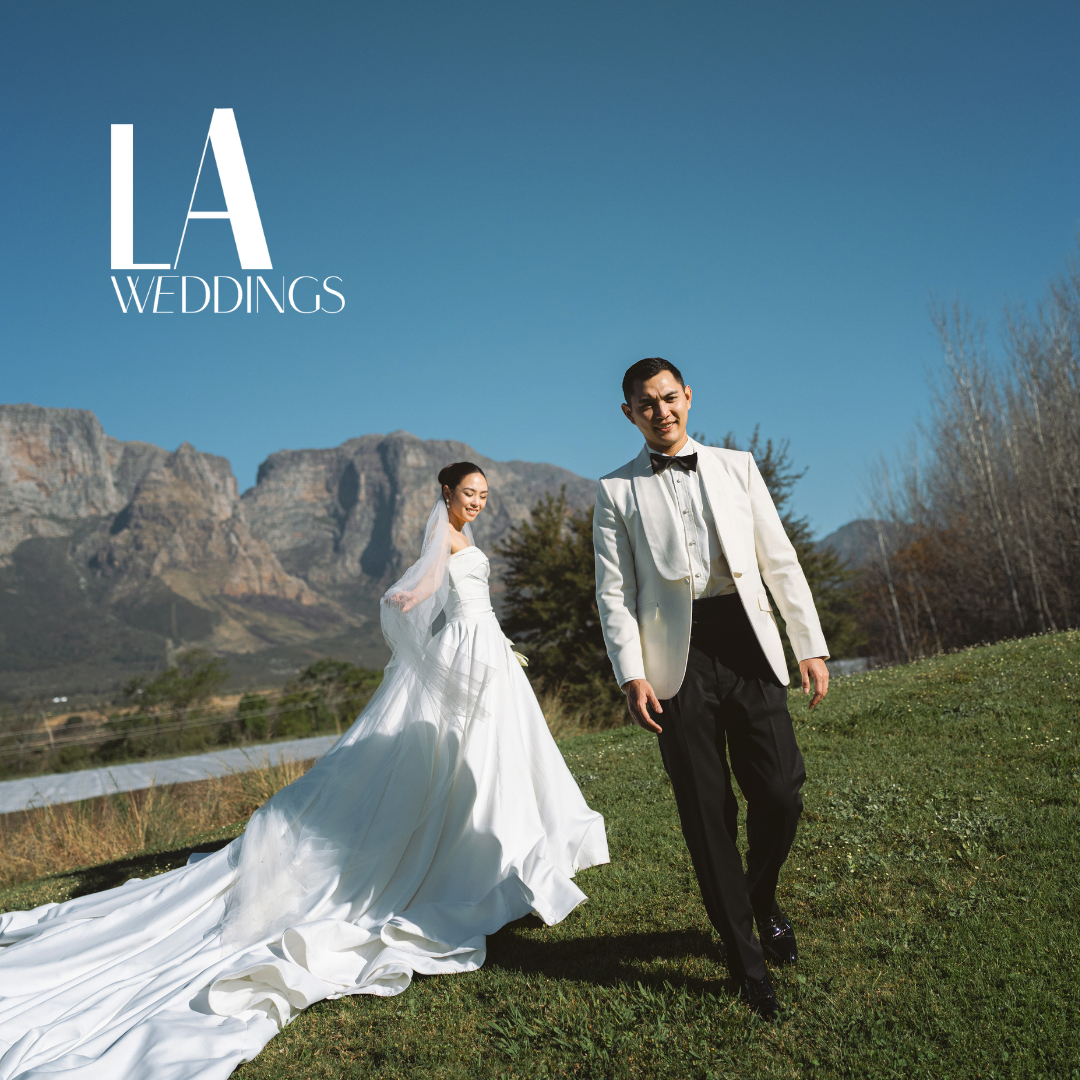
Wearing white to a wedding remains one of the few genuine fashion crimes. The same applies to ivory, cream, and any shade that could reasonably be mistaken for bridal at a glance. The rule exists because the day is not about you, and the dress code exists because the couple imagined their wedding looking a certain way. Wearing white isn’t edgy or interesting, it’s inconsiderate.
Dress For The Full Event, Not Just Part Of It
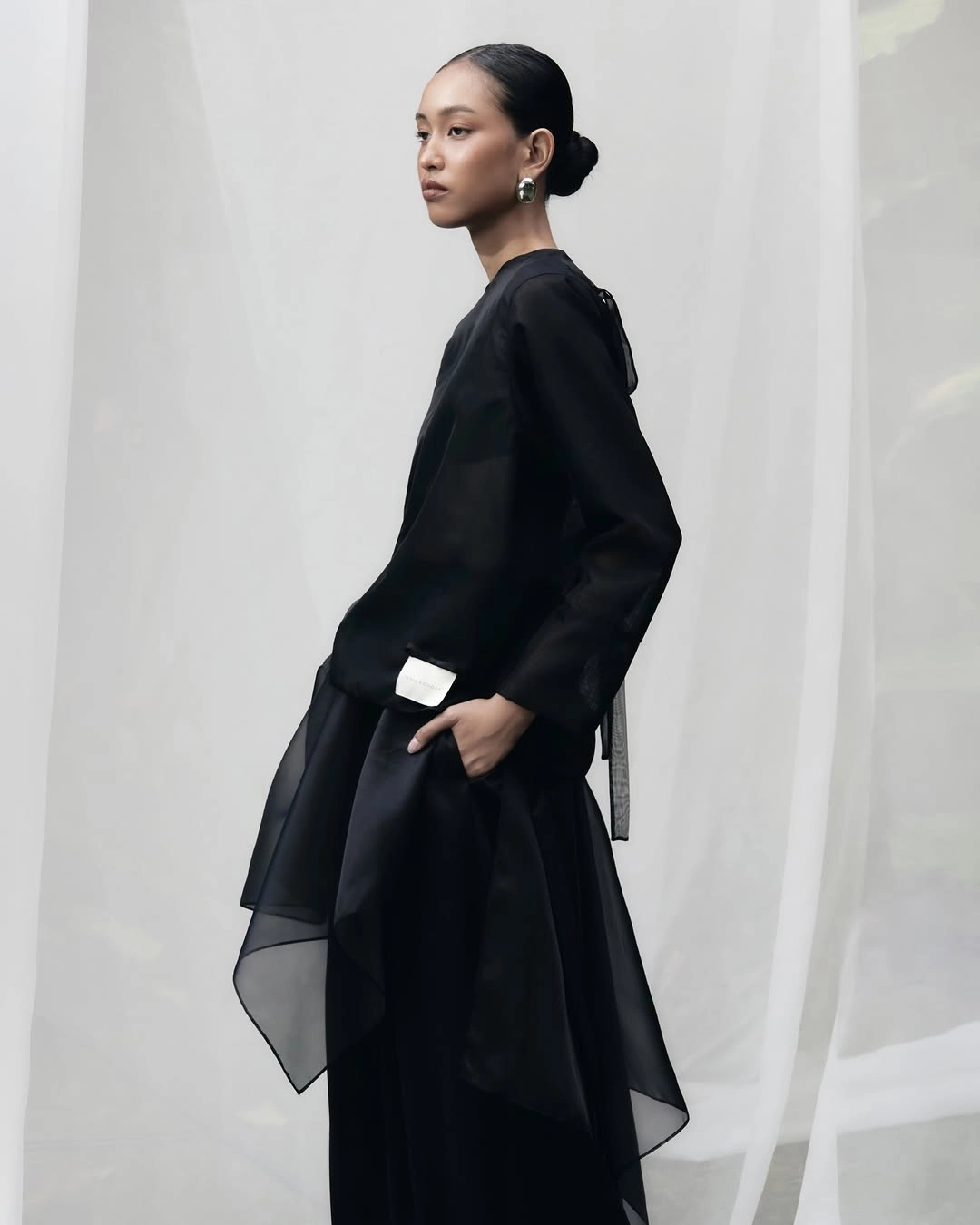
A common mistake is dressing for the reception and forgetting about the ceremony, or dressing for the photos and forgetting about dancing. Think through the entire day. If there’s a church ceremony followed by an outdoor cocktail hour followed by a dinner dance, your outfit and shoes need to survive all three. Kitten heels on grass are a personal decision with very real consequences.
Proportions Matter More Than Formality
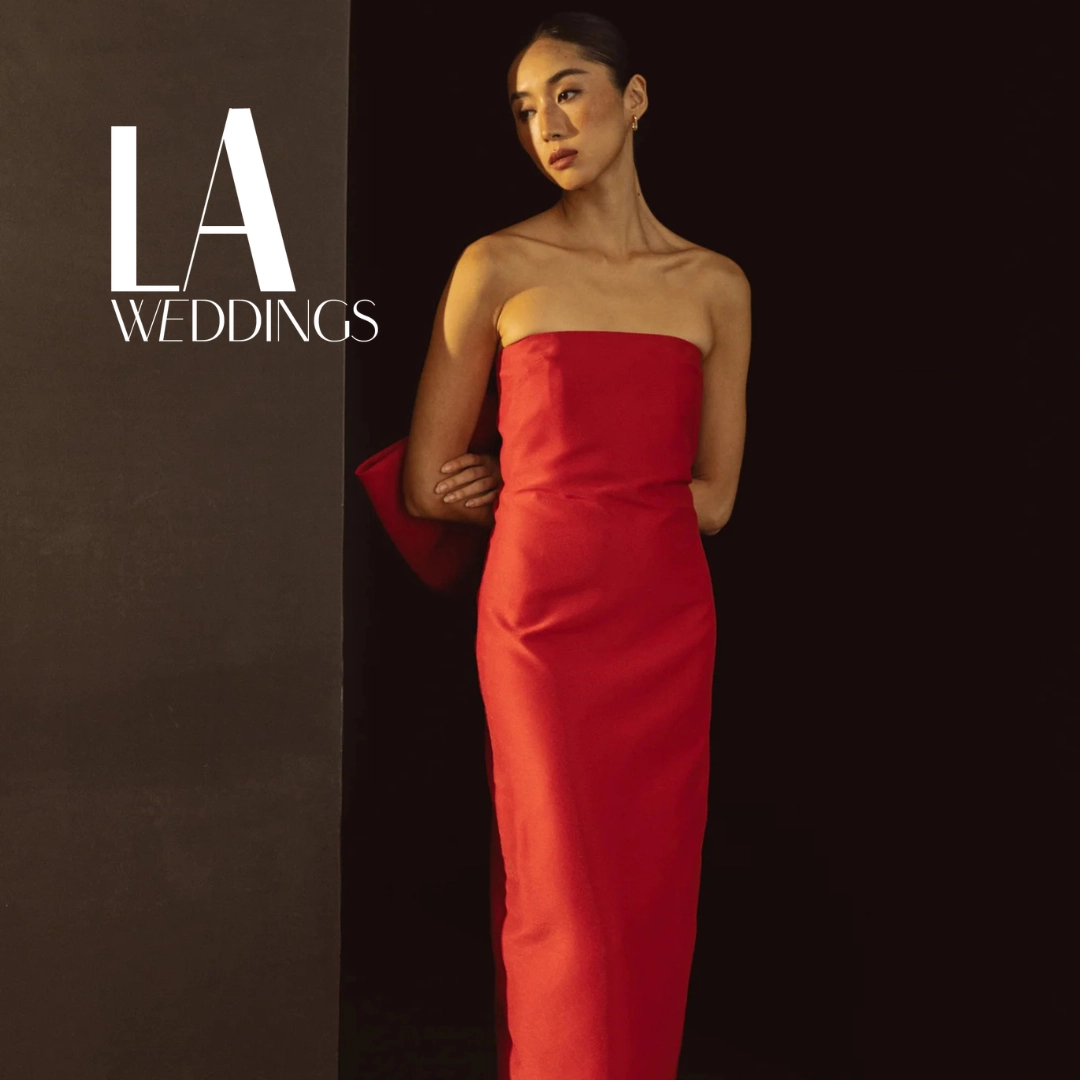
A midi dress in a rich fabric can read more appropriately than a short dress that’s technically more formal. A relaxed linen suit can be more polished than a tight synthetic one. What signals effort and elegance isn’t necessarily the level of formality, but how well the clothes fit and how deliberately they were chosen. Tailoring will always outperform price.
Prints And Color Are Almost Always Welcome
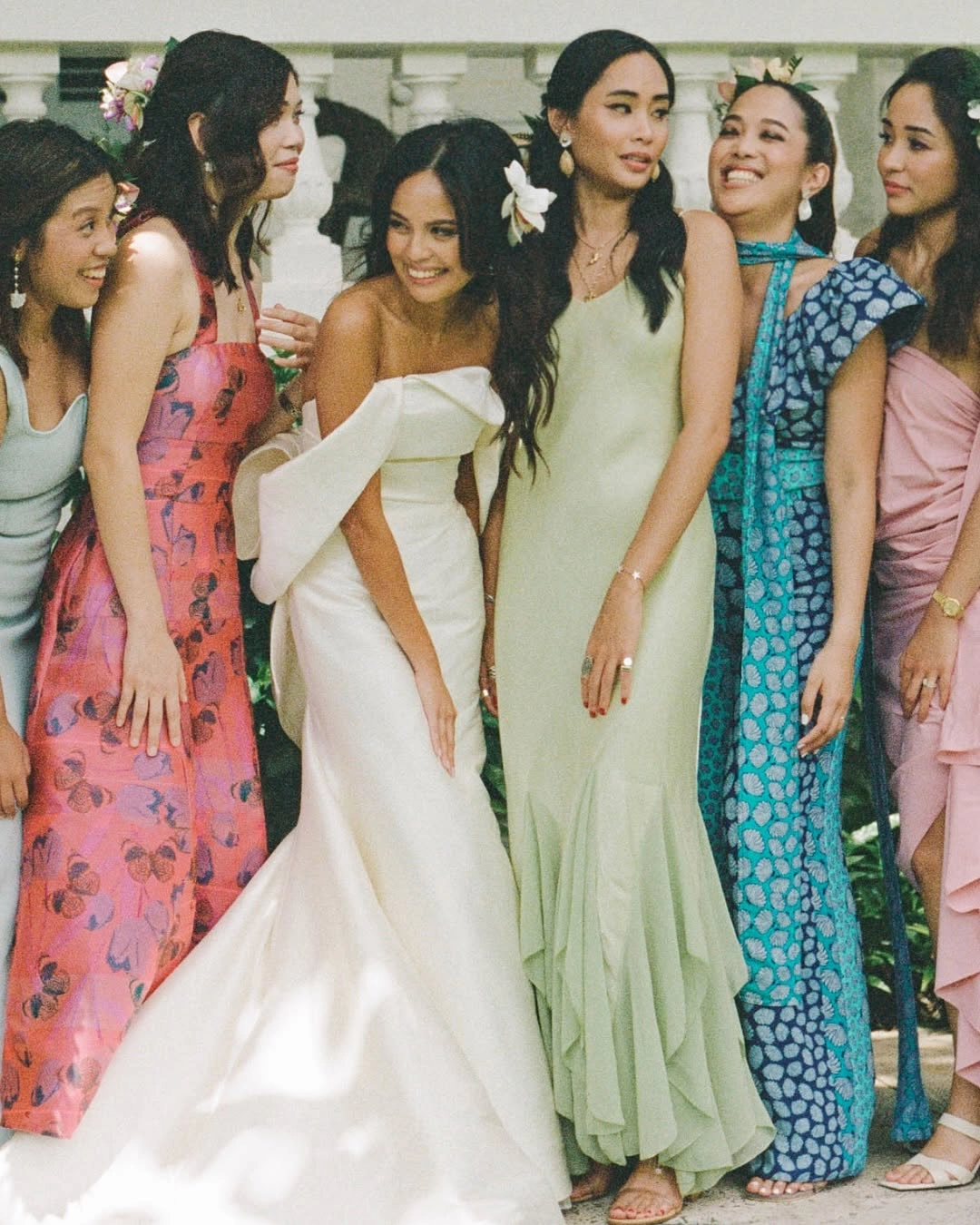
The idea that wedding guests should dress neutrally is outdated. Color and print, when encouraged, are festive and appropriate. Florals at a garden wedding are classic. A maximalist pattern at a formal evening reception requires a steadier hand.
Footwear Isn’t An Afterthought
Shoes carry an outfit. Worn-down heels, sneakers at a formal event, sandals that are too casual for the dress code, can all undercut an otherwise considered look. Conversely, the right shoe can elevate something simple into something that reads as genuinely put together. Think about where you will be walking and standing. Think about the floor and about the photographs.
Remember, Dressing Well Is A Form Of Respect
At its core, the calculus of wedding guest dressing is simple. The couple invited you to one of the more significant days of their lives, and they had a vision for what it would look like. Dressing appropriately is a way of honoring that. It requires paying attention and making a genuine effort, which is, ultimately, what being a good guest has always asked of people.
Frequently Asked Questions
No. White, ivory, and cream are reserved for the bride and should be avoided entirely by guests.
Cocktail attire means a knee-length or midi dress, a dressy skirt and top, or a suit. It’s a specific dress code, not a casual suggestion, and should be followed as stated on the invitation.
There’s no single required color. Guests are encouraged to wear color and prints, as these read as festive and appropriate. The main color to avoid is white and its close variations such as ivory and cream.
Not always. The dress code on the invitation determines the level of formality required. What matters most is that clothes fit well and look intentional, since tailoring and proportion carry more weight than formality alone.
Wear shoes that suit the dress code and the venue. Sneakers are generally too casual for formal events, and heels should be practical for the setting, since grass, cobblestones, and long evenings on your feet all affect what works.