If its predecessor began an iconic conversation that placed the era of print power front and center, The Devil Wears Prada 2 offers a timely and lucid look at where that world stands 20 years later.
Content Warning: This piece is free of major spoilers, but discusses key themes and certain plot details of The Devil Wears Prada 2
I didn’t think the world needed a sequel to The Devil Wears Prada. Of course, I wasn’t against the idea; 20 years is a long gap, and it does make you wonder what might’ve convinced the original cast to reprise their roles. But see, the first film was already, to my mind, an excellent one: it had full, satisfying character arcs; an immaculate ending; all the charm of an early 2000s flick about the then-flourishing print industry; and biting lines that remain etched in the collective memory of many viewers today. (“I see, you think this has nothing to do with you. You go to your closet and you select that lumpy blue sweater, for instance…” I bet you continued that monologue in your head.)
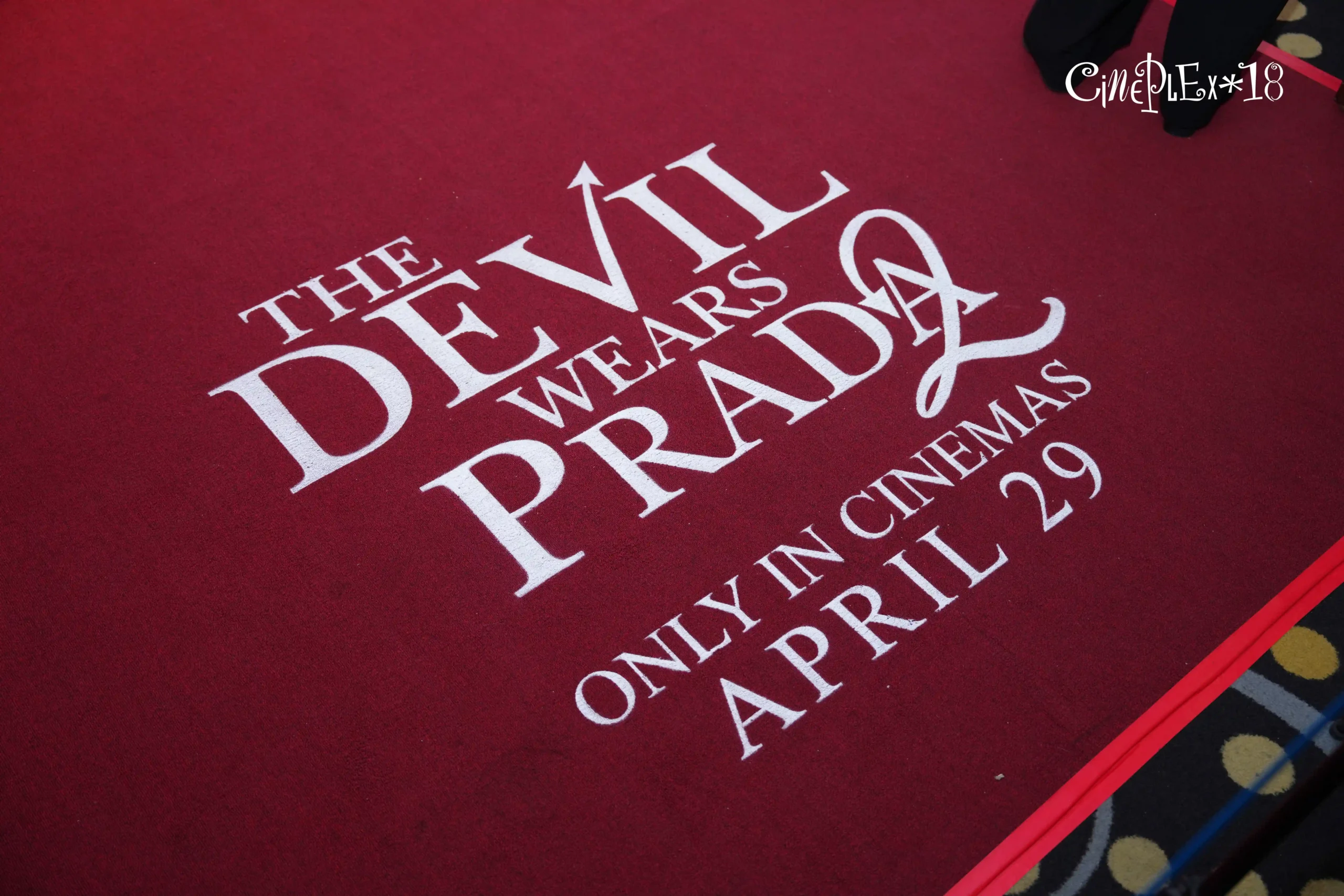
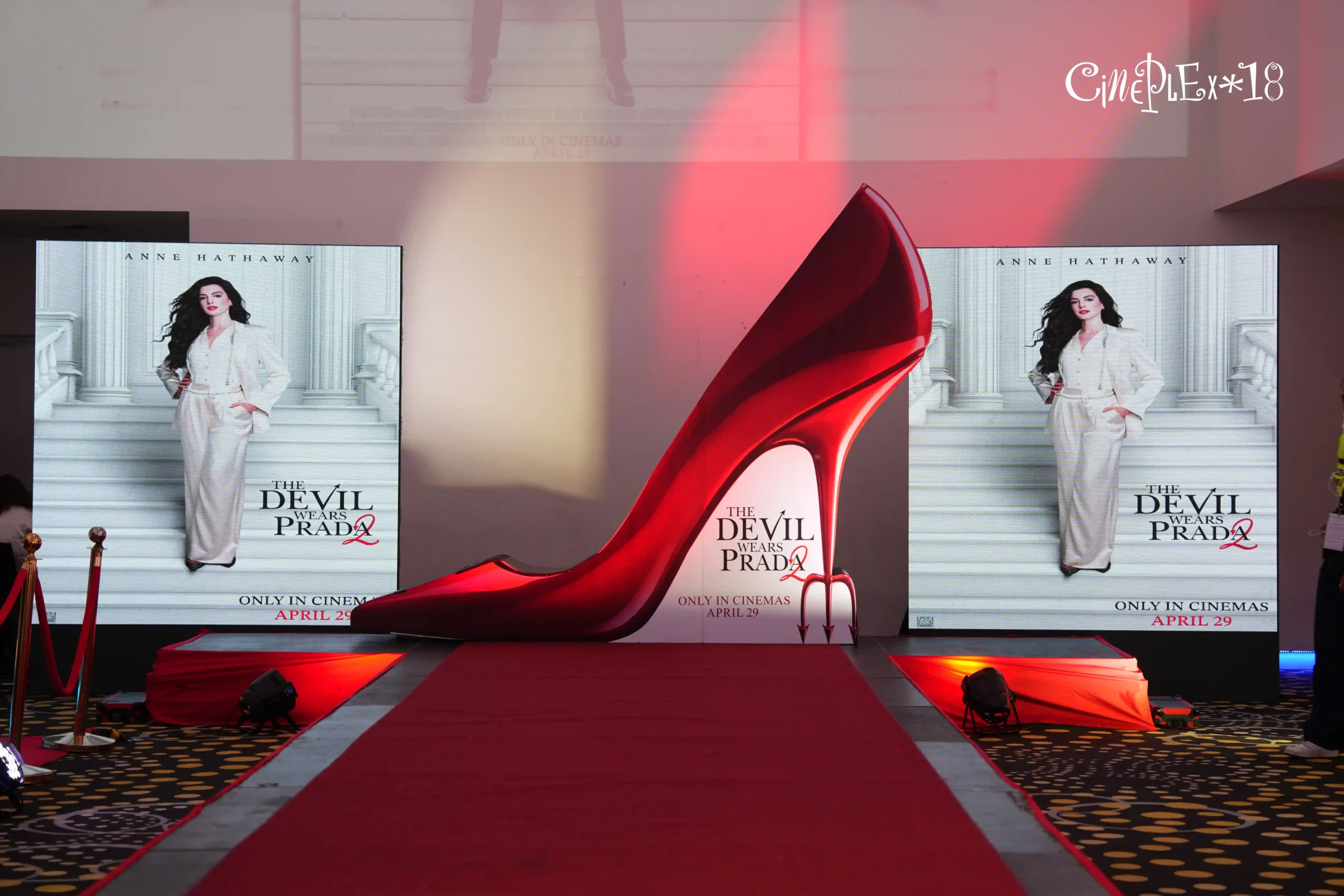
After getting the chance to see the film ahead of its Philippine premiere during 20th Century Studios Philippines’ special screening in collaboration with Disney Philippines, my perspective has changed. Did we need a sequel? No, not really. But did The Devil Wears Prada 2 add something to the conversation its predecessor began two decades ago? Definitely, and it had quite a few interesting and timely things to say.
READ ALSO: Film Review: Sometimes, Love Is All About The Drama
The Devil Becomes An Icon
Before I delve into the sequel, its strengths find their footing in its predecessor’s legacy, so let’s start there. No one was expecting The Devil Wears Prada to be a huge success. The fashion industry it centered on was terrified of contributing in any way, wary about incurring the wrath of Anna Wintour—the clear inspiration behind the film’s source material novel (Lauren Weisberger drew from her brief stint as Wintour’s assistant, much like Andrea “Andy” Sachs). Most fashion houses refused to lend pieces for the wardrobe, forcing costume designer Patricia Field to rely on personal contacts to assemble what she could. Designers agreed to read the script and give feedback, but only anonymously, out of fear of Wintour’s judgment.
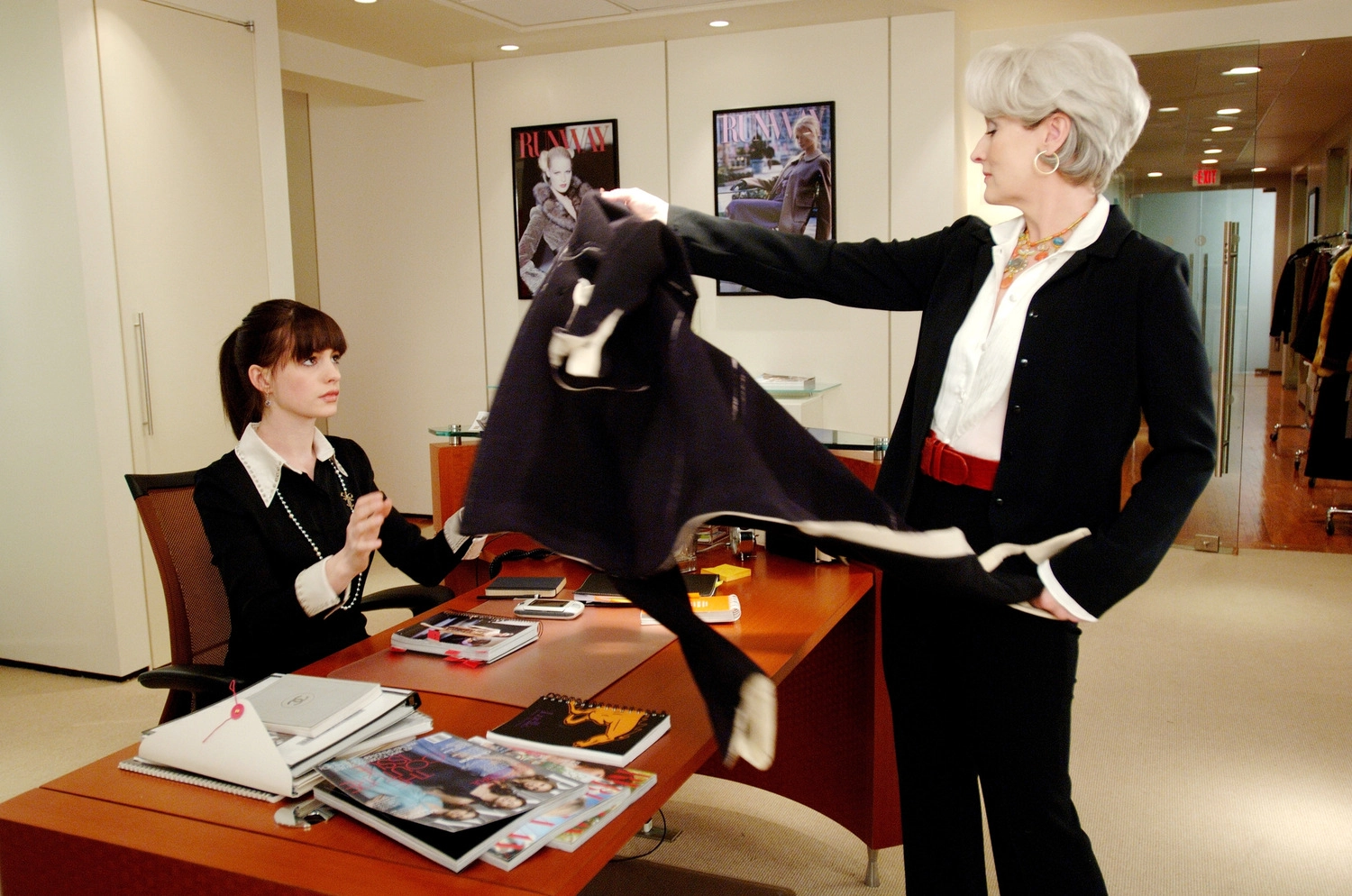
The good news? After all that toil, the film premiered in 2006 to massive success, earning USD $326 million worldwide against a budget of USD $35 million to $41 million. Wintour didn’t mind it one bit, too. In a 2025 New Yorker Radio Hour interview, she told David Remnick: “It had a lot of humor, a lot of wit […] In the end, I thought it was a fair shot.”
The Devil Wears Prada became a cultural phenomenon because it offered a fascinating inside look at an industry that was powerful, booming, and glamorously elusive in the early 2000s. As the dominant media form at the time, print publishing had the control and financial backing to set the agenda and, as Miranda Priestly implies, decide what was “in” and “out,” shaping cultureCultureshared traditions, beliefs, values, customs, arts, and social practices that define the identity and way of life of a community, society, or nation.Go to Culture Glossary on an enormous scale.
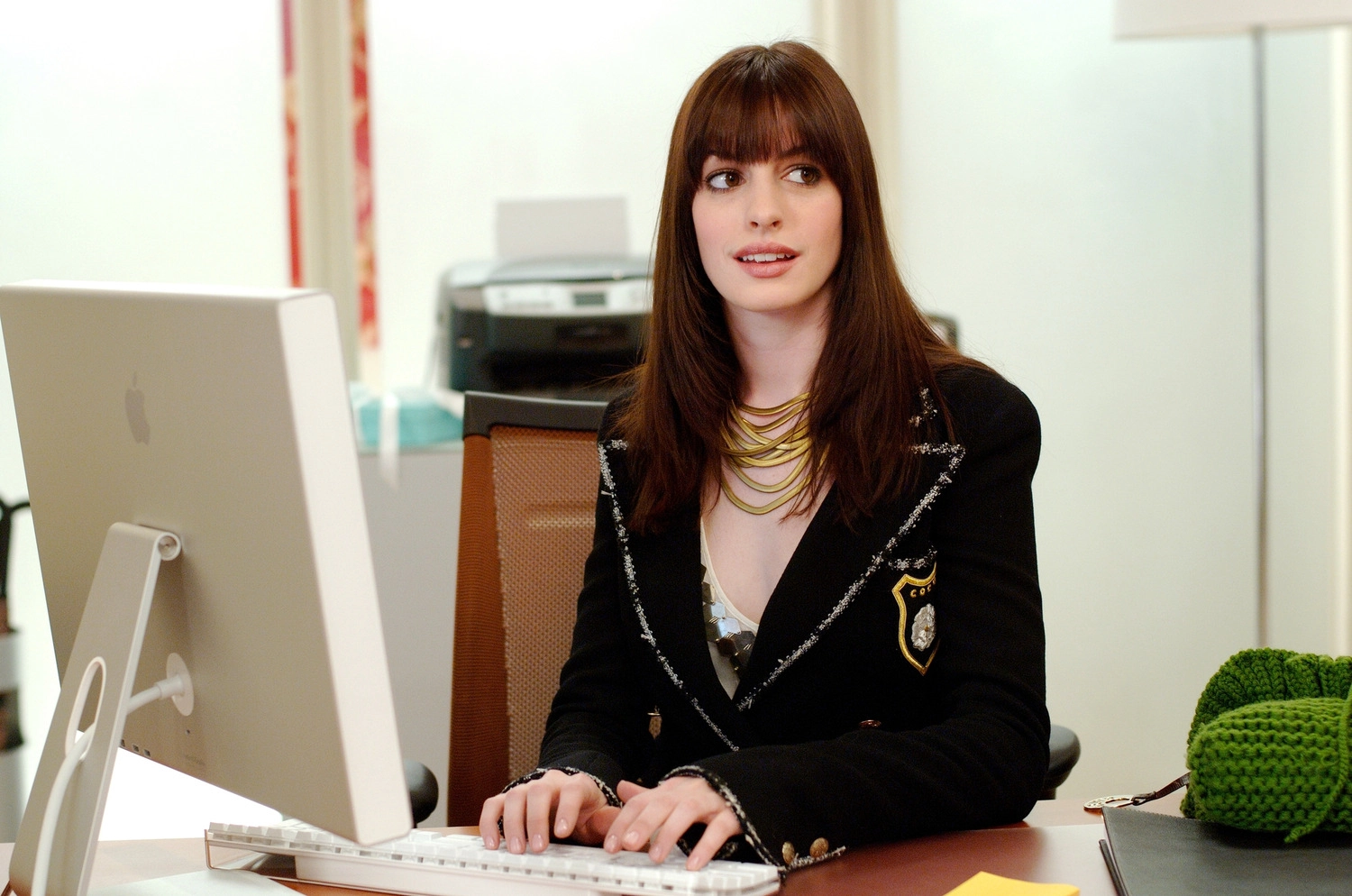
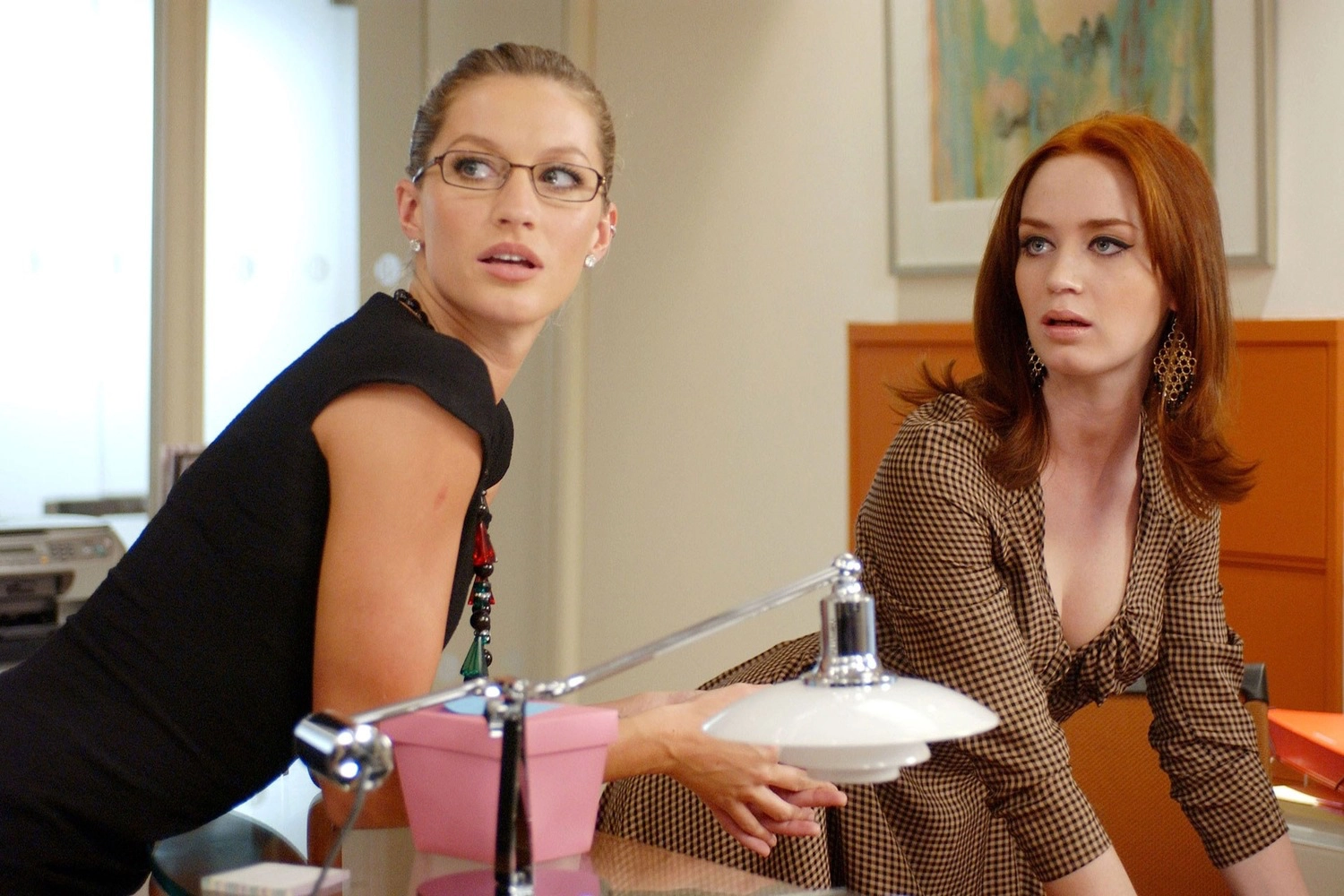
Yet even within that world, there was a divide between “serious” journalism and “not so serious” journalism, with fashion and beauty often placed in the latter. It’s a misconception that still pervades, but the film definitely played a big role in spotlighting the complexity of fashion and beauty publishing, giving it the attention it deserved. If Top Gun boosted military recruitment, The Devil Wears Prada did something similar for publishing and fashion.
A classic is never without its hindsight criticism. Some point out its “fat shaming” humor, reflecting early 2000s beauty standards and language (but what can one expect from an industry so concerned with optics, especially at that period). Others point to Miranda’s numerous HR violations (i.e. her memorable coat tosses on Andy’s desk, insults galore, and near impossible demands), which feel appalling by today’s standards but were part of the story’s reality (and let’s admit it, please, they bore the funniest parts of the film). Personally, I find them a necessary part of the story: you can’t paint a picture of a point in time without, well, the quirks of that point in time, as distasteful as they might be.
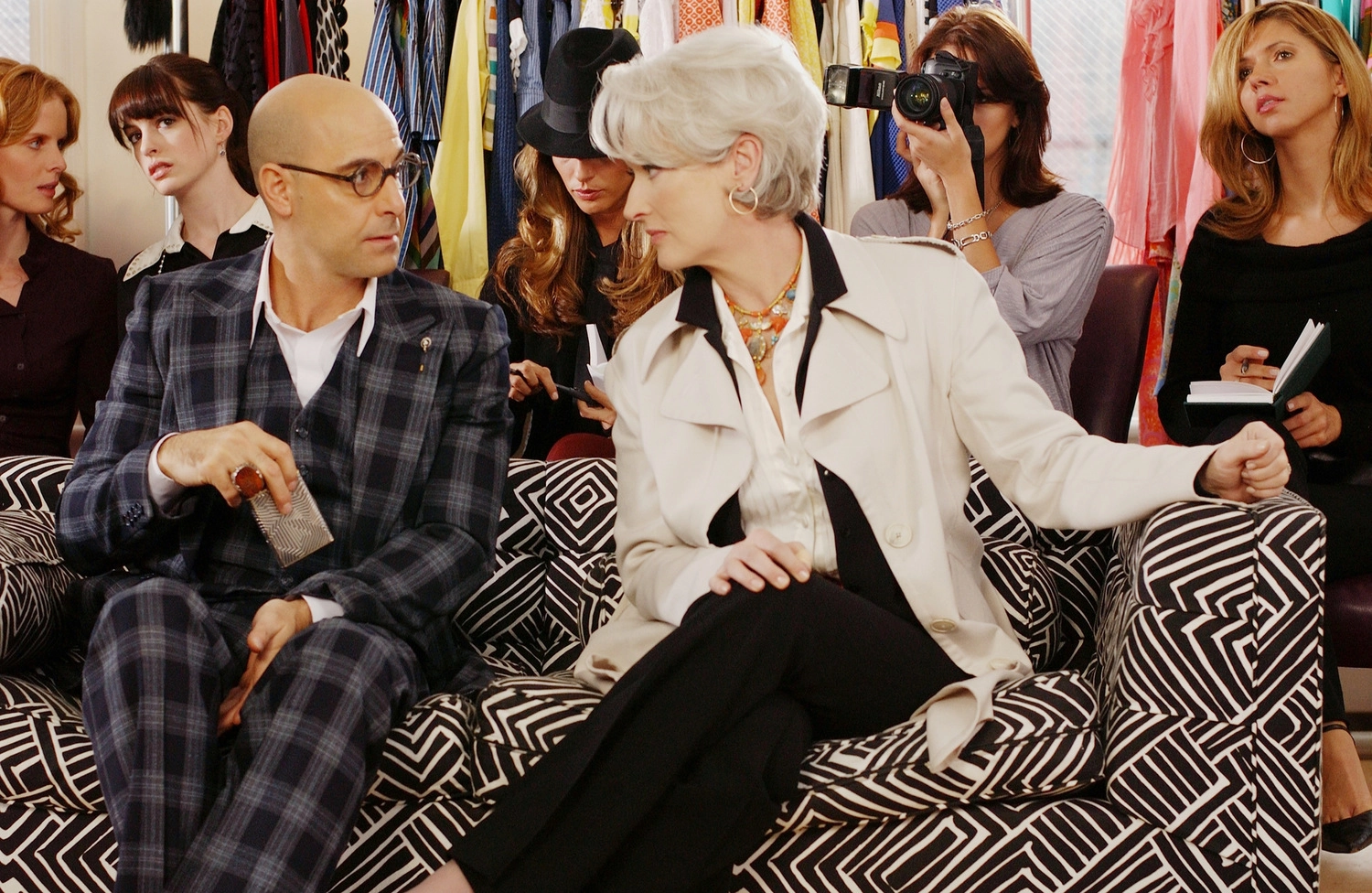
The Devil Wears Prada 2 succeeds in a similar way, though set in a different era, offering a candid look at publishing today without pandering to a particular audience, which gives viewers breathing room to form their own opinions.
Fun With Old Friends
Longtime fans will likely find comfort in the fact that The Devil Wears Prada 2 feels like a warm reunion with old, familiar friends. The original cast reprise their roles with ease, their chemistry as natural as ever—certain dynamics are further fleshed out as well, making for rewarding additions to the canon.
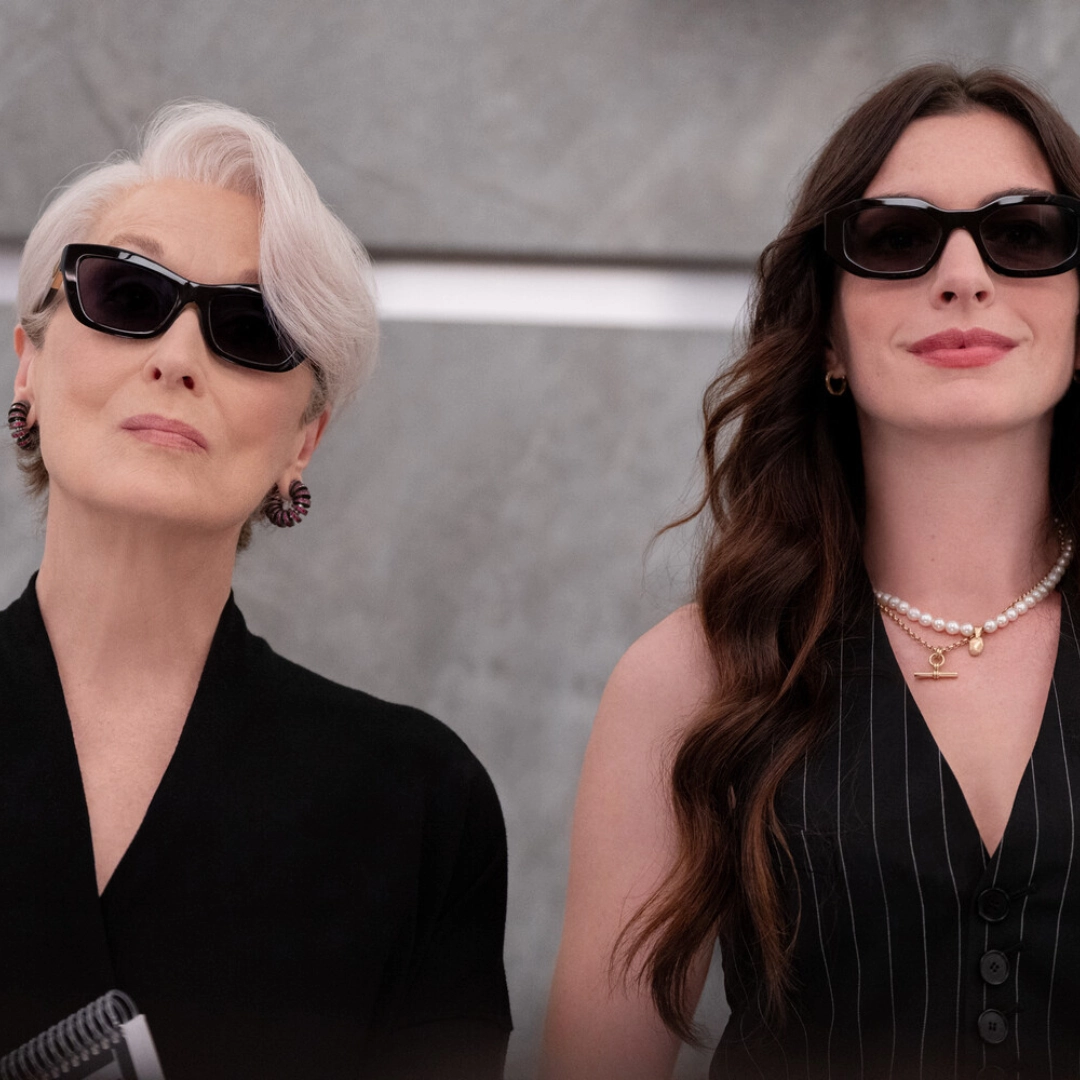
The heart of the film, as always, lies in the strange yet captivating dynamic between the incisive, exacting Miranda Priestly and her now-former assistant Andy Sachs. Their banter and callbacks to the first film are a lot of fun, though the sequel’s reliance on that nostalgia occasionally leads to more regressive creative choices.
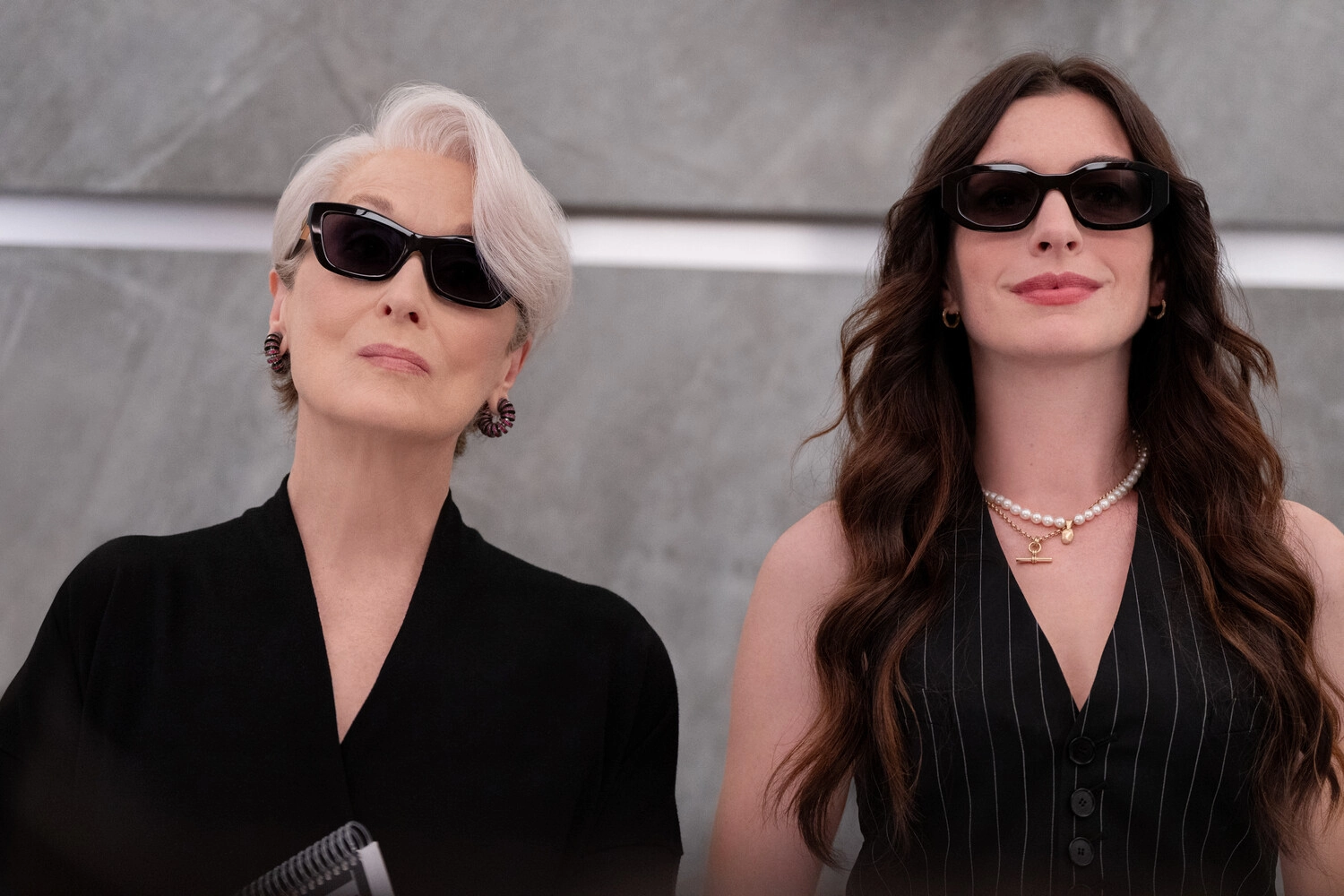
For instance, Andy returns with two decades of experience as a journalist, yet there are moments when Miranda slips back into treating her like a hapless assistant—even if the first film made it clear Andy had earned her respect and admiration (despite being her “biggest disappointment”). Then again, you could read it this way: no matter how much time has passed or how far Andy has gone in the world of “serious journalism,” Miranda is still the boss.
On that note, there are some inconsistencies in Andy’s characterization as well. One of her key takeaways in the first film was recognizing fashion and beauty journalism as a legitimate field, not just a stepping stone. Yet traces of her old mindset resurface here, which feels a bit puzzling. Granted, 20 years is a long time—but perhaps not long enough to revert to this extent, especially given her position as a staunch advocate for journalists in a sobering early scene.
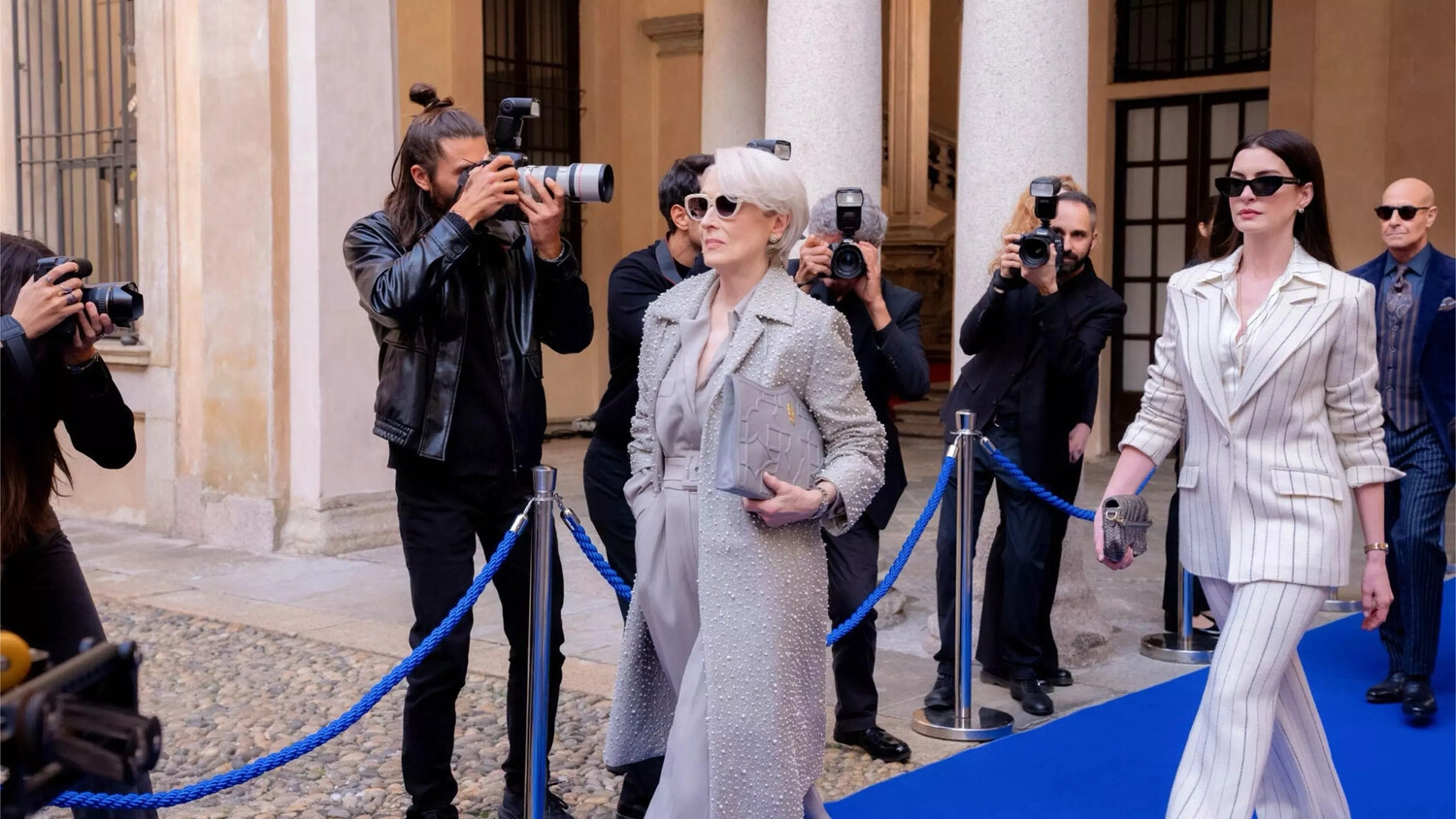
Still, the two play their charming and passionate selves well, and all is forgiven (which might just be the marketable nostalgia talking, but who cares). Meryl Streep once again delivers the strongest performance in the ensemble, adding fresh nuance to an already complex character. Stanley Tucci’s Nigel remains as witty and lovable as ever, as does Emily Blunt’s Emily, both given more room to shine this time around (and deservedly so).
The only old friend of Andy’s who returns to take on a more substantial role is Lily Goodwin (reprised by Tracie Thoms), whom I actually found more endearing in the sequel, serving as both a support system and wingwoman in Andy’s love life.
A new cast of supporting characters are introduced, and although they don’t carry the gravitas of the first film’s ensemble, they play their parts well enough. Miranda and Andy get their new rom-com beaus, though I have to say, Andy’s wooer plays a rather underwhelming and unnecessary role. It’s Miranda’s grounded and sweet partner (Kenneth Branagh) who actually enhances her character arc—and we can’t help but root for a man who’s finally giving Miranda the respect and space she deserves as a career-forward woman.
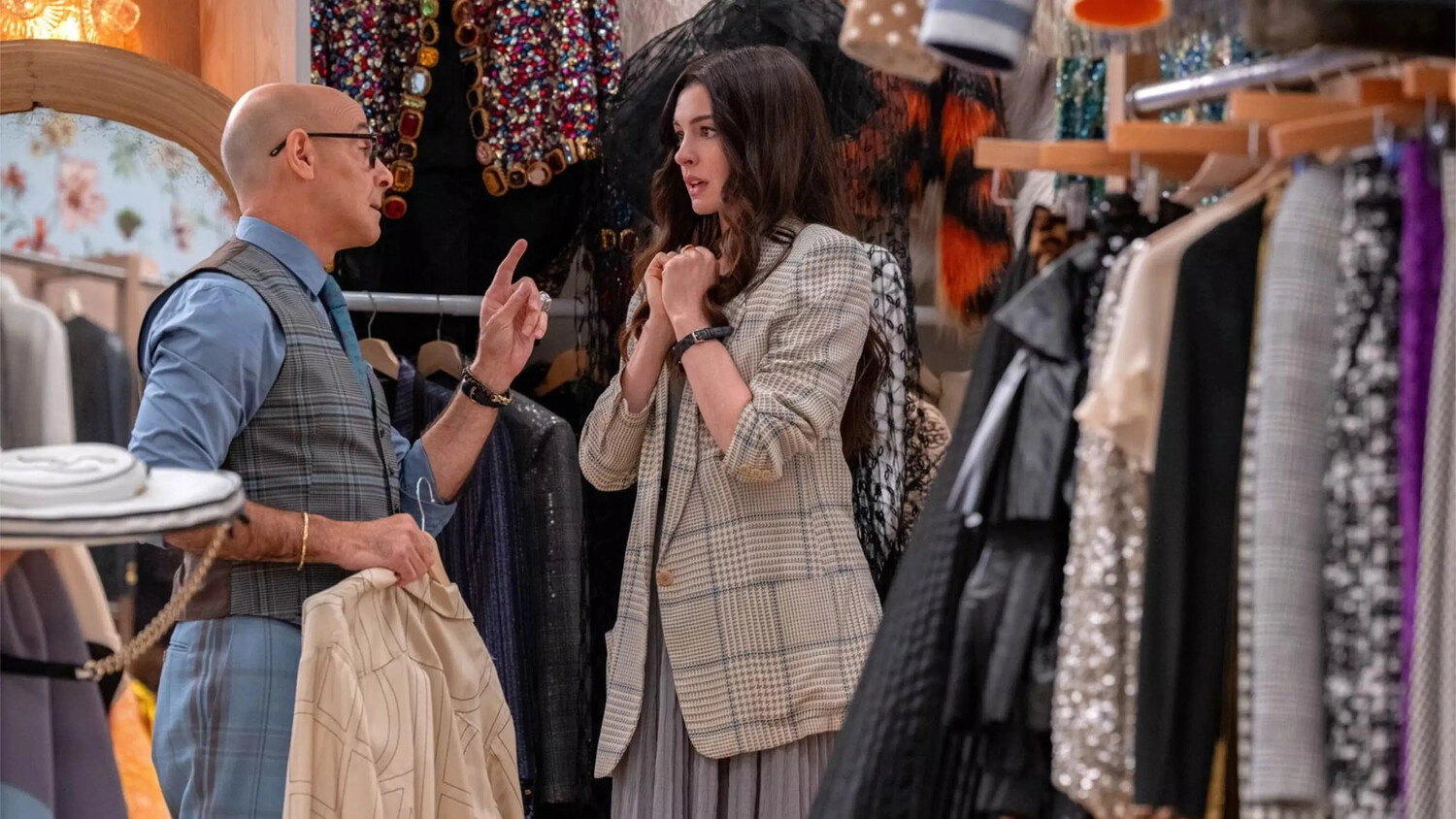
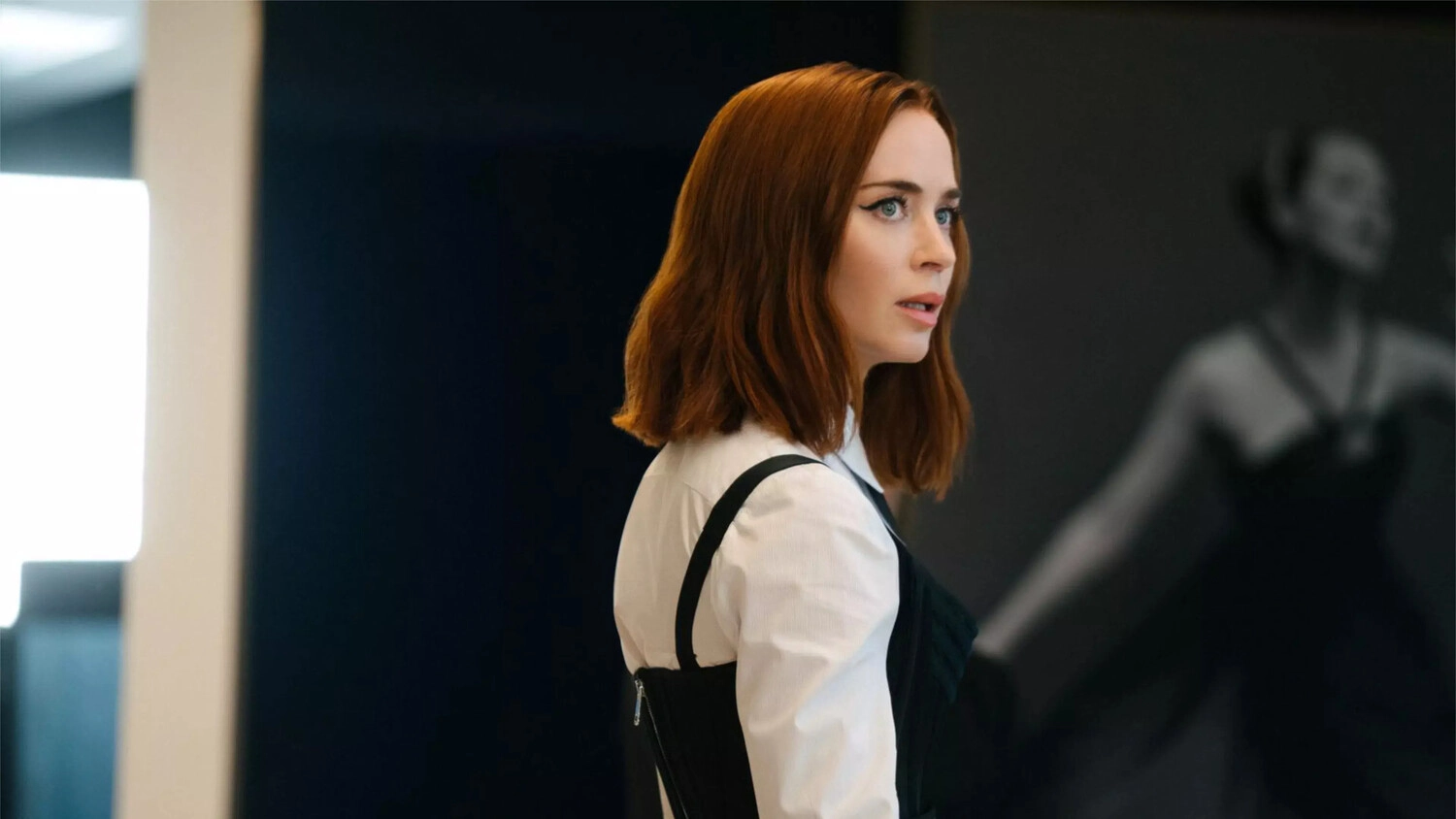
The costumes are still eye-catching, though they don’t carry the power of an early 2000s wardrobe. There were, however, a few standout choices that got my theater’s audience of fashion writers, models, and designers audibly “oohing” and “aahing.” With a bigger budget and the status of a classic, it had no excuse to fail in this department. Proof of its lasting cultural impact is an extensive guest appearance list in the end credits, featuring modern stars in fashion, entertainment, and beauty.
Miranda Wears Her Designer Coat—And Hangs It, Too
The Devil Wears Prada 2 doesn’t pick up where the first film left off. It functions more as the bookend of a larger story spanning 20 years, the “now” to its predecessor’s “then.” The industry has undergone drastic changes while maintaining its hilarious inner machinations within a little bubble, and the film showcases this to a T, so much so that I’m almost certain those who worked on the screenplay experienced these things firsthand or at least knew many people who did.
Miranda Priestly is still the head honcho of Runway, though she’s had to make many adjustments. Print is no longer the reigning medium, and the film makes it a point to joke about the many ways its fashion title has had to spread itself thin across multiple platforms.
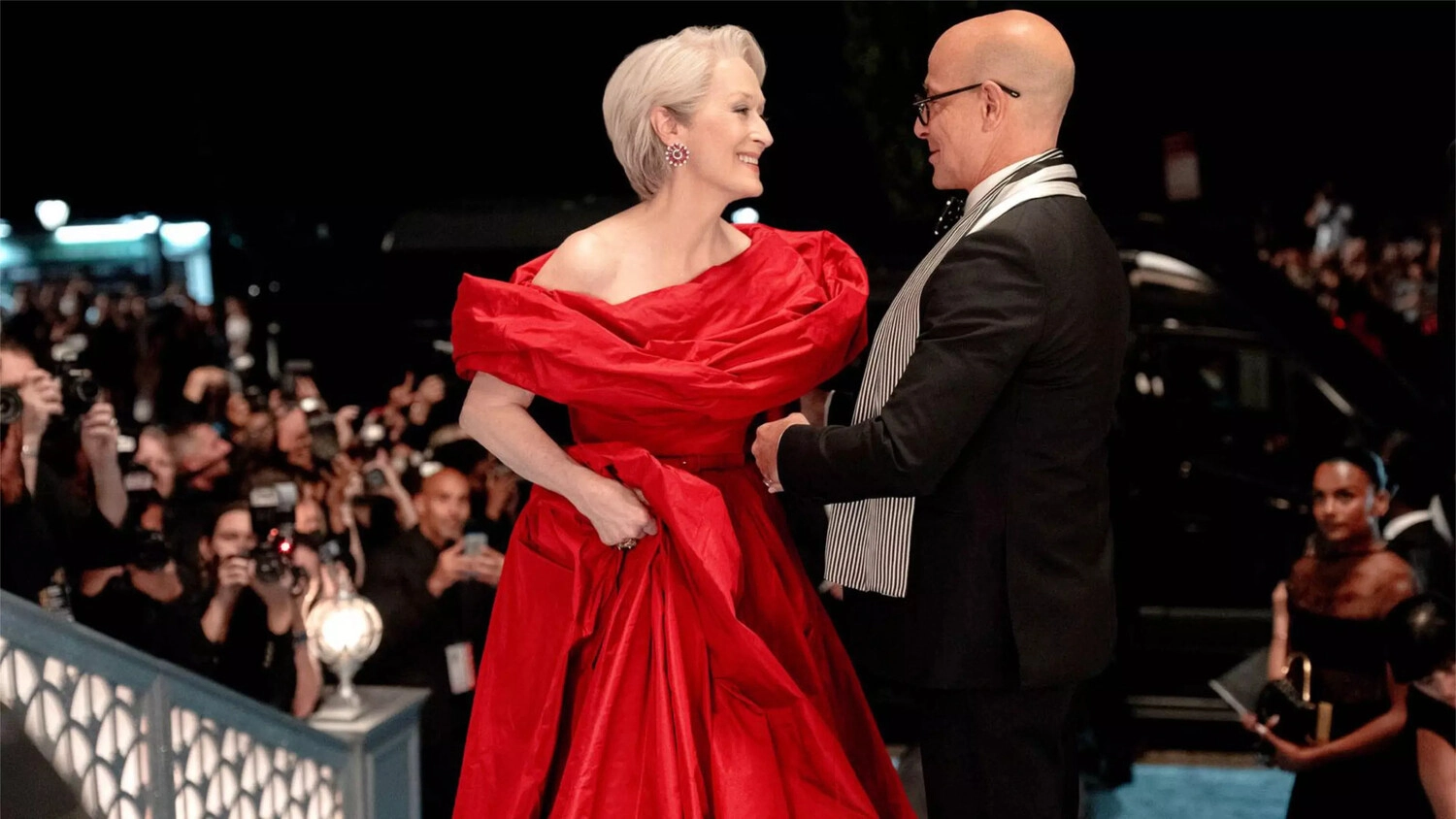
Social media now plays a role in everything, and “cancel cultureCultureshared traditions, beliefs, values, customs, arts, and social practices that define the identity and way of life of a community, society, or nation.Go to Culture Glossary” is part of it. I have to commend the way the film injects humor through a “this is what it is” lens, keeping it from becoming another myopic narrative that favors one side over the other, because whether we like it or not, these internet behaviors—be they valid calls for accountability or witch hunts—shape how media moves today. And yes, amid these struggles, the AI conversation makes a short but much-needed appearance.
Andy Sachs returns to Runway as a features editor, and though the world she comes back to feels familiar, its noticeable shifts reflect the current state of publishing. Big budget cuts are now the norm, and the film shows how the Runway team (and industry at large) must navigate a landscape where they’re no longer the primary authority, and arguably not even the go-to source for entertainment.
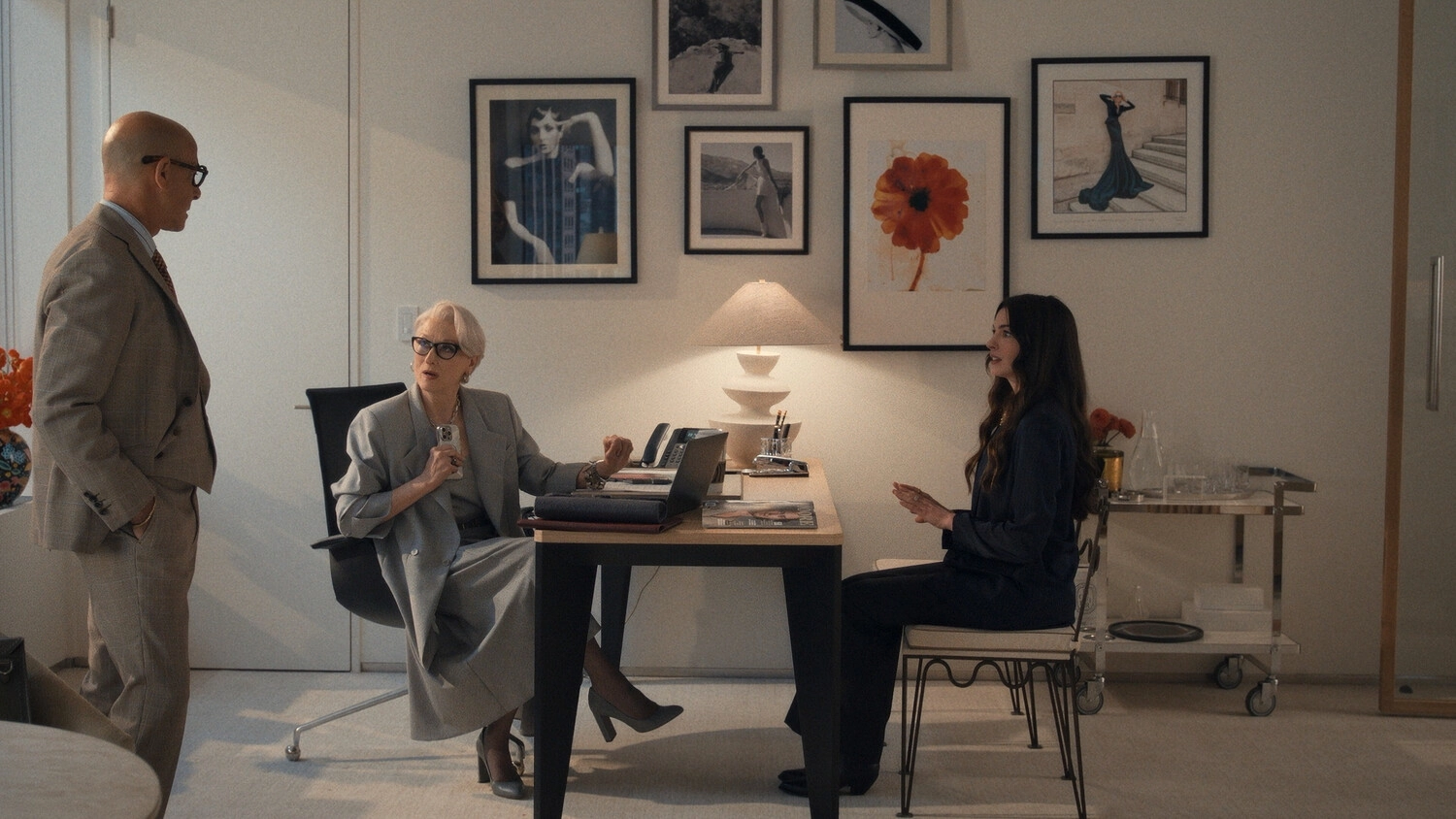
Watching Miranda contend with these constraints is a blast, especially in contrast to the first film. It’s not just financial limitations—today’s work culture keeps her in check, forcing her to *gasp* hang her own coats, among other things, which is a comically pitiful sight to behold. The trade-off is that the screenplay isn’t as sharp or quotable, but it makes sense; Miranda, much to her dismay, has to hold back the political incorrectness (though there are still enough dry-humored quips to keep her character recognizable). What we get is a steady stream of subtle, self-aware, and tongue-in-cheek humor that reflects how old structures are holding up now (or rather, struggling to).
It’s easy to be fatalistic given the current media landscape, but The Devil Wears Prada 2 decides that the world has had enough doom and gloom, opting for a more hopeful outlook that feels quite heartwarming in an amorphous and uncertain industry. But after all the talk of creative freedom, genuine love for craft, and journalistic integrity, one thing remains unchanged: for better or worse, money talks. The film’s central conflicts make clear just how inescapable that force is, today more than ever.
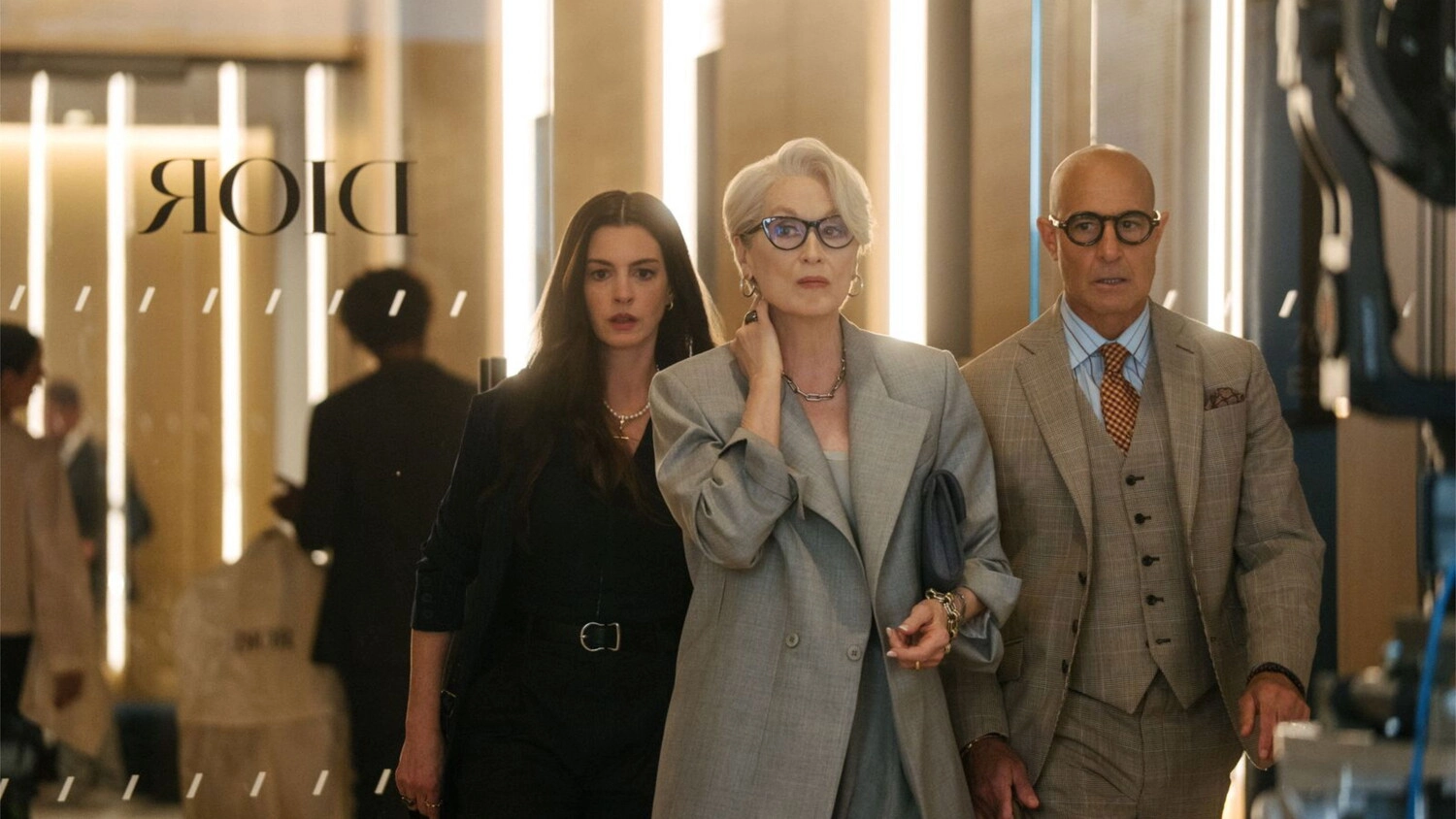
Assessed as a whole, The Devil Wears Prada 2 doesn’t quite fill the shoes of its predecessor, but it stands on its own as a surprisingly necessary addendum to a conversation that has evolved over two decades. Its flaws are easier to overlook when you take the film for what it is: the second half of a story that was never meant to be a cinematic tour de force, but an astute, entertaining drama with something to say about a particular world of passion, creativity, politics, grit, and glamor—one compelling enough to get lost in all over again.
Photos courtesy of Kinorium (unless specified)
Frequently Asked Questions
The Devil Wears Prada 2 revisits the world of Runway 20 years later, with Andy Sachs returning as a journalist to help manage a PR crisis. The film explores how the publishing industry has evolved, tackling shifts from print to digital, the influence of social media, cancel culture, and the realities of budget cuts, while maintaining the inner workings and dynamics that defined the original.
While it doesn’t fully match the sharpness or cultural impact of its predecessor, the sequel stands as a meaningful continuation. It offers a timely and candid look at today’s media landscape, functioning as the “now” to the original film’s “then,” with a more restrained tone and less quotable dialogue.
Yes, the original cast reprise their roles, including Miranda Priestly, Andy Sachs, Nigel, Emily, and Lily. Their chemistry remains strong, with certain character dynamics further developed. Meryl Streep’s performance as Miranda once again stands out, while Stanley Tucci and Emily Blunt are given more moments to shine.
The film examines the evolution of publishing, the tension between creative freedom and financial realities, and the impact of online culture on media. It also reflects on issues like cancel culture, workplace dynamics, and the enduring influence of money, ultimately presenting a more hopeful yet realistic outlook on an ever-changing industry.
Yes — while it doesn’t quite match the sharpness of the original, it stands as a surprisingly necessary sequel that offers a candid, timely look at where print publishing stands 20 years later, with the original cast’s chemistry as strong as ever.