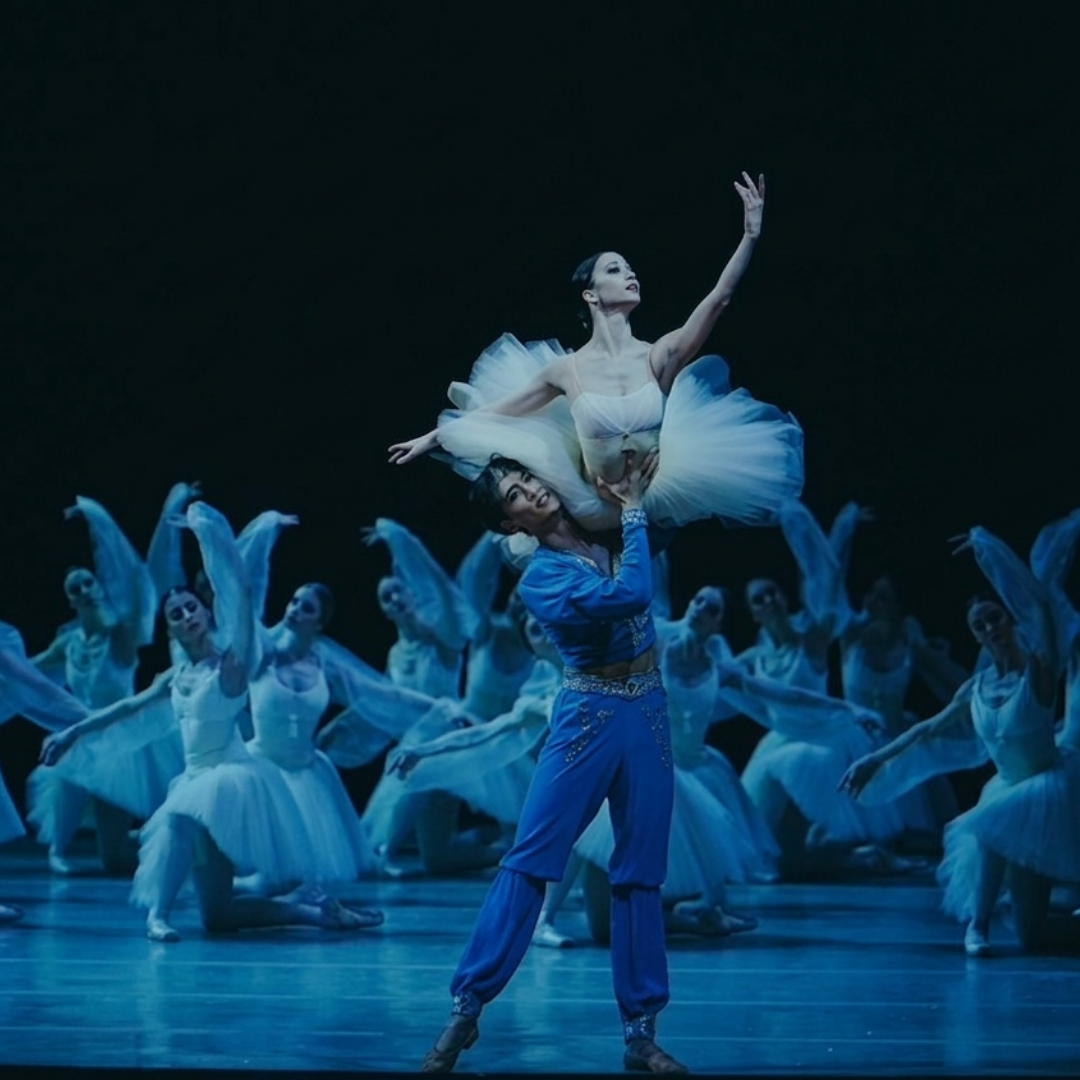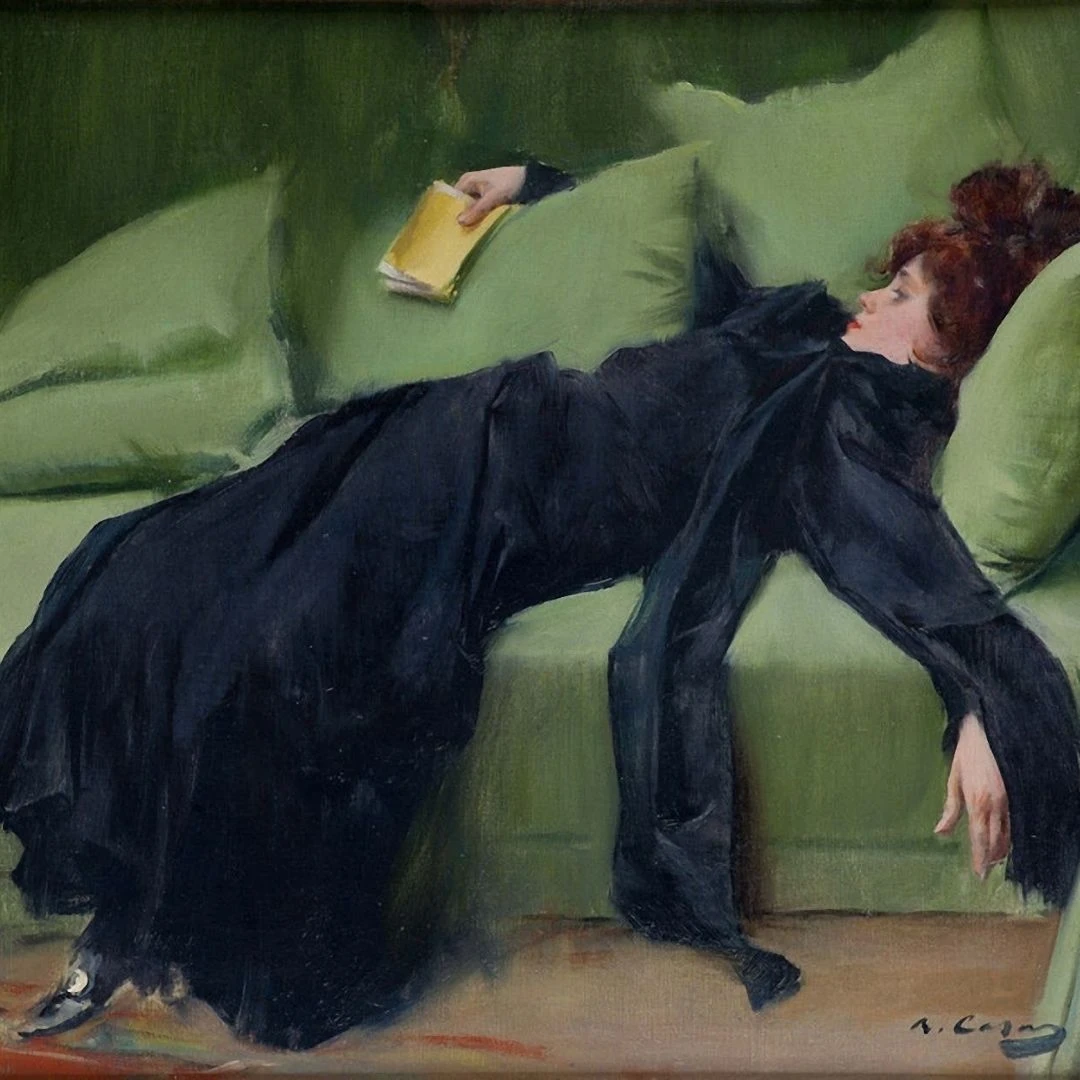
What happens when art, fashion, and history are stripped of context and reduced to moodboards? Welcome to the era of taste-slop.
Open Instagram for five seconds, and you might see one or more of the following: a grainy clip of a woman smoking outside a Paris café; a Renaissance sculpture that’s cropped just enough to hide the plaque; a minimalist living room with an Eames Lounge Chair and Ottoman placed at the perfect angle; a lo-fi beat playing over footage of someone pouring matcha into a handmade ceramic cup that probably costs more than your monthly electricity bill. Then, a pair of Maison Margiela Tabi Boots walks across cobblestone streets, before cutting to a quote by Joan Didion. You might even encounter an AI founder hosting a candlelit dinner where everyone wears The Row and pretends they “just threw something on.” It looks beautiful and feels cultured, but it means almost nothing. Writer and theorist Emily Segal coined the term “taste-slop” to describe this exact phenomenon: the algorithmic flattening of art, design, fashion, philosophy, and cultural history into endlessly consumable aesthetic fragments.
Everything becomes content. Everything becomes vibes. The problem isn’t that people are consuming beautiful things; it’s that their original context has been completely gutted from the experience, leaving you with nothing more than a collection of pretty things.
READ ALSO: Microtrends Are Basically Fast Fashion For Your Personality
How Taste Isn’t Just About “Liking Nice Things”
Taste, and we’re talking about real taste, has never been about simply recognizing beautiful objects. It’s about understanding why these things mattered in the first place.The French sociologist Pierre Bourdieu wrote extensively about taste as a form of cultural capital. Taste isn’t random: it’s shaped by education, history, class, exposure, and social environments. To understand a piece of art or design means understanding the world that produced it. A chair is never just a chair, and garment is never just a garment—that’s what gets lost online.
Slop is the opposite of intention. It’s the mass-aggregation of aesthetic imagery designed to farm engagement, keep users scrolling, and deliver instant sensorial pleasure without requiring actual intellectual engagement. Now, a brutalist housing complex, ₱50,000 cashmere sweater, and protein yogurt advertisement all occupy the same visual hierarchy on your feed, becoming interchangeable assets in the endless pursuit of aesthetic coherence. This is the great flattening of culture online, where everything simply becomes “content.”
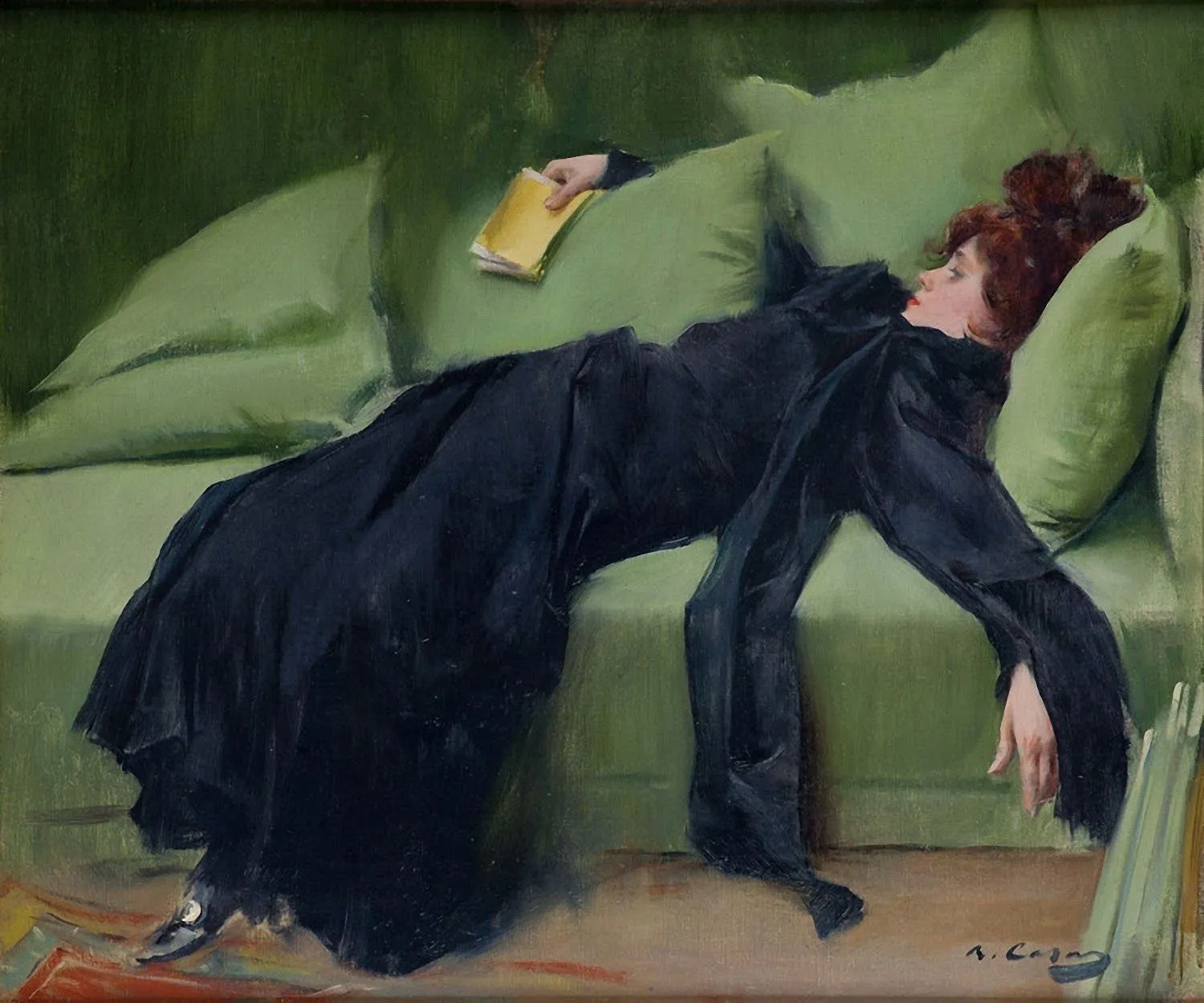
When History Becomes A Backdrop
Take brutalist architecture. On TikTok, brutalism is often reduced to “cool gray concrete buildings” used as backdrops for editorial outfit photos. But brutalism was born out of post-war reconstruction and utopian social ideals. Many of those buildings were attempts to create affordable communal housing after periods of immense devastation. In other words, the concrete wasn’t just an aesthetic choice, but a political, economic, and ideological one.
The algorithm doesn’t care about ideology, it cares about engagement. For instance, the averge online user might see a handmade wabi-sabi ceramic from Japan sitting on an IKEA countertop next to a scented candle named “Kyoto Rain,” but they might not know that the ceramic originally comes from a philosophy rooted in imperfection, impermanence, and the acceptance of aging. Online, the depth of wabi-sabi has been reduced to beige irregularity through a slightly crooked but visually appealing bowl. Taste-slop removes friction from culture, rendering everything as understandable, aestheticized, and consumable.
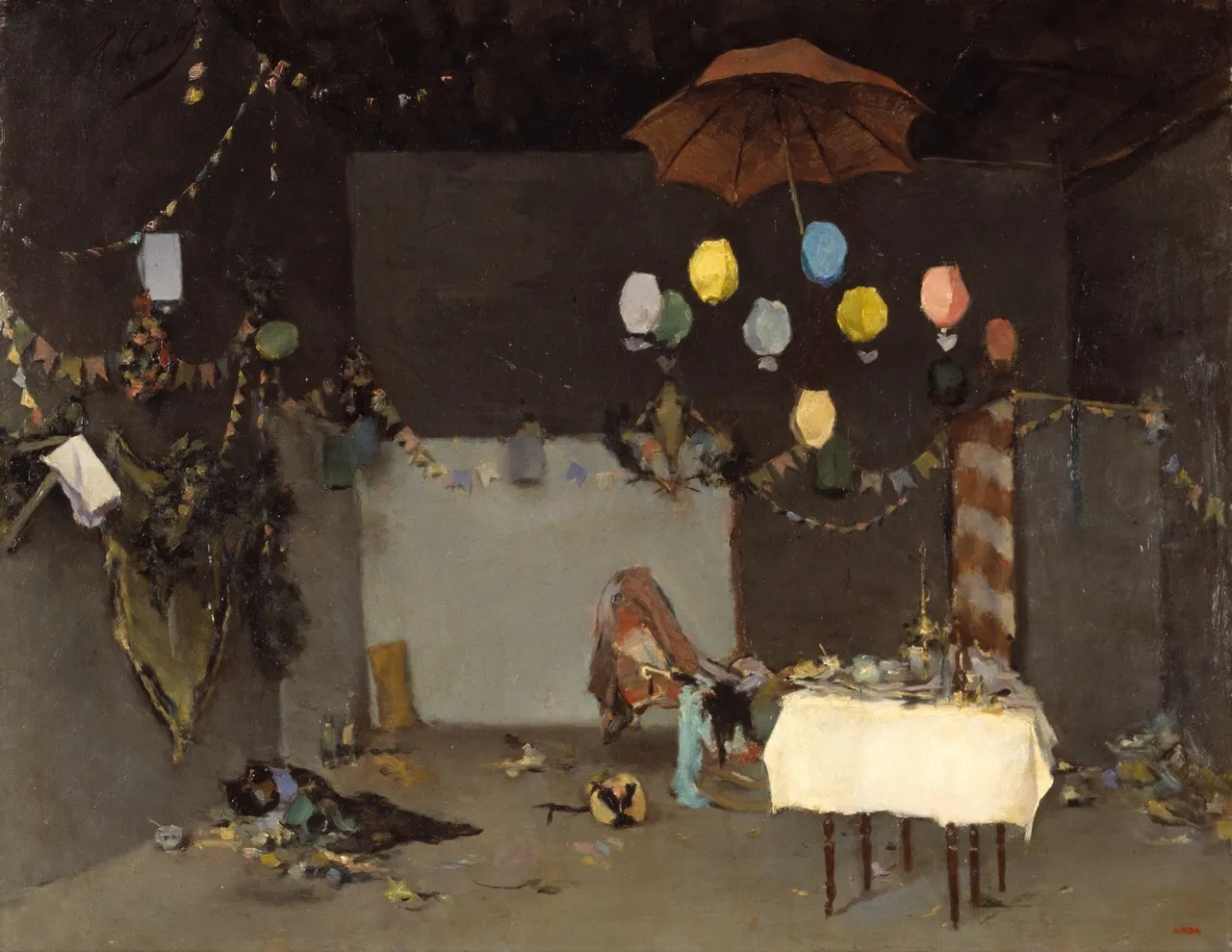
The Performance Of Being Cultured
Users are now encouraged to build identities through consumption. You don’t need to deeply engage with architecture, literature, or design—you just need enough recognizable references to appear culturally fluent. That’s why we’re now seeing AI companies hosting hyper-curated dinner parties with natural wine, vintage silverware, and conversations about “human creativity” while simultaneously building systems designed to automate creative labor. The aesthetics of intellectualism have become more valuable than intellectualism itself.
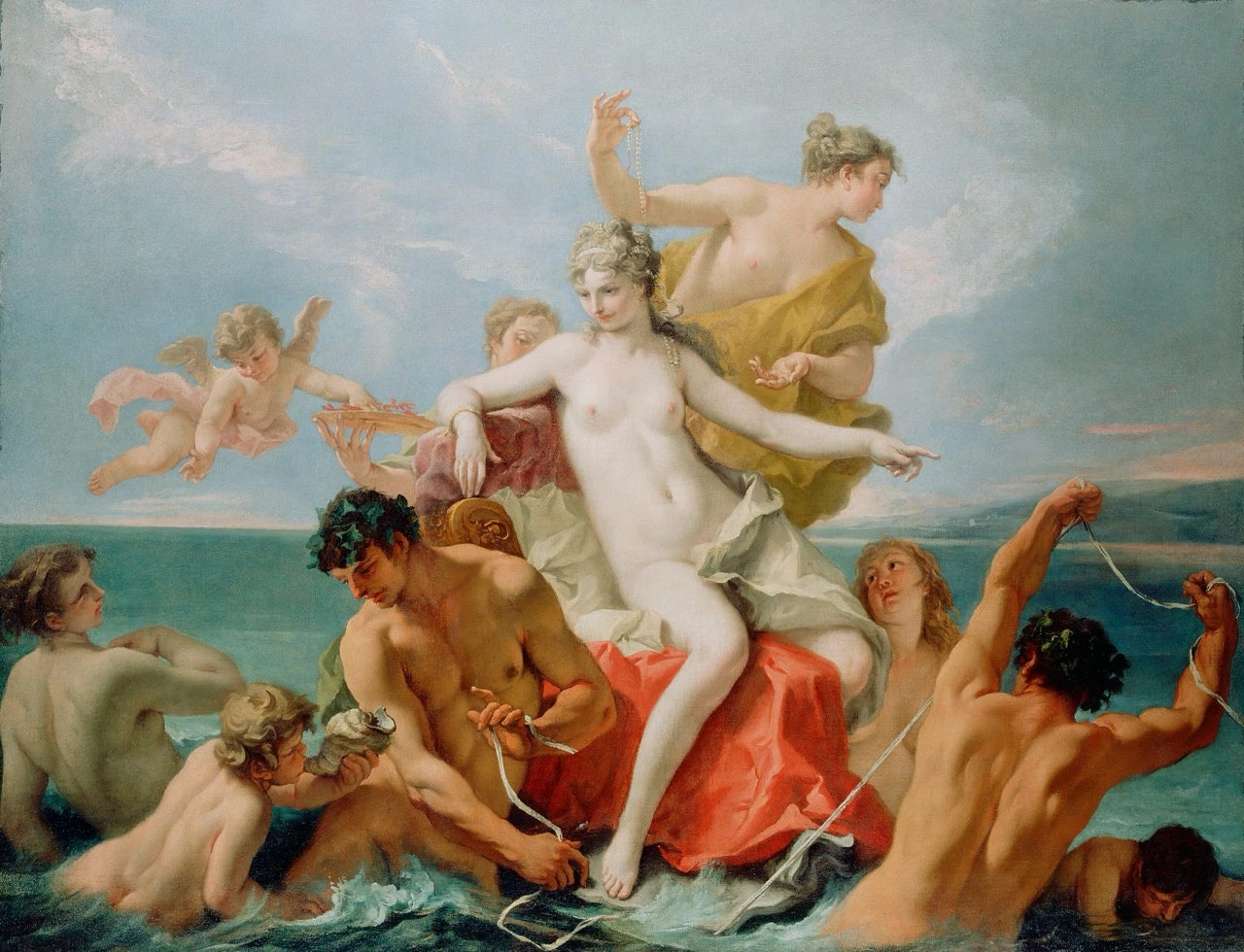
To be fair, the internet has democratized access to art in some ways. A teenager in a small town can now discover “The Birth of Venus,” Japanese ceramics, or avant-garde Belgian fashion within seconds, and that part is genuinely beautiful, though it has its parameters or limitations. Accessibility isn’t often the same thing as understanding, either. Seeing an image of art isn’t the same as knowing and experiencing its meaning. Culture can’t survive purely through screenshots and Pinterest boards, and if everything is reduced into aesthetic fragments optimized for scrolling, art stops challenging and becomes merely decorative.
Why Taste-Slop Feels Empty
The most meaningful art experiences aren’t immediately beautiful. Sometimes they’re difficult, uncomfortable, political, and even ugly. They might ask you to go forth and research, to ask questions and learn things beyond what’s presented on the screen. Context is what transforms an object from “pretty” into something emotionally resonant. Maybe this is why taste-slop ultimately feels empty after a while. You can only consume so many perfectly curated moodboards before realizing they have no nutritional value.
The solution to this is embarrassingly simple: pause. If something catches your eye online, resist the urge to immediately save it into a folder called “inspo.” Look it up. Read about the designer. Learn why the building was made, why the painting exists. Find out who wore the garment first and what it meant at the time. Read the entire book instead of reposting the quote or snippet. Taste, after all, is built through attention and steady cultivation, lest it risks reducing culture to an endless gallery of pretty things.
Banner photo via WikiArt
Frequently Asked Questions
Taste-slop is a term coined by writer and theorist Emily Segal to describe the algorithmic flattening of art, fashion, design, and culture into endlessly consumable aesthetic content online.
Because it prioritizes visual appeal over context and meaning. Without understanding the history, intention, or cultural significance behind something, people are often left consuming aesthetics without emotional or intellectual depth.
By slowing down and engaging with context. Instead of simply saving aesthetic images, readers can research the artist, designer, movement, or philosophy behind what they see and understand why it mattered in the first place.
Social media platforms reward content that is visually appealing, easily shareable, and quick to consume. As a result, art, architecture, fashion, literature, and design are often reduced to aesthetic highlights that generate engagement without requiring deeper context or understanding.
According to sociologist Pierre Bourdieu, taste is shaped by history, education, culture, social environments, and exposure. Understanding a work of art, a garment, or a design object involves understanding the world and circumstances that produced it, not just appreciating how it looks.
When context disappears, cultural objects become interchangeable visual assets. Architectural movements, artworks, fashion pieces, and design philosophies can be reduced to aesthetic trends, losing the political, social, historical, or philosophical meanings that originally shaped them.
Yes. The internet has made art, fashion, literature, and design more accessible than ever. People can discover paintings, architecture, ceramics, and fashion from around the world within seconds. However, access does not automatically lead to understanding, and deeper engagement still requires research and exploration.