The placement of the “L” in LGBTQIA+ isn’t random or accidental. Here’s why the acronym shifted from GLBT to LGBT during the AIDS crisis, and how Filipino lesbians helped shape the local queer movement.
In the acronym LGBTQIA+, the “L” (lesbians) comes before the “G” (gays); if you’ve found yourself wondering why, a good place to start is knowing it wasn’t always that way. Before various iterations of “LGBT” became widely accepted shorthand for the queer community, many organizations and publications used “GLBT,” which stood for “Gay, Lesbian, Bisexual, and Transgender.” At some point, the letters switched places, and the change was far from random; it was a deliberate gesture rooted in one of the most devastating chapters in queer history: the AIDS crisis of the 1980s.
READ ALSO: 10 Filipino Queer Films That Will Break And Heal Your Heart This Pride Month 2026
A “Thank You” Written Into an Acronym (Or, How “L” Became The First Letter Of LGBTQIA+)
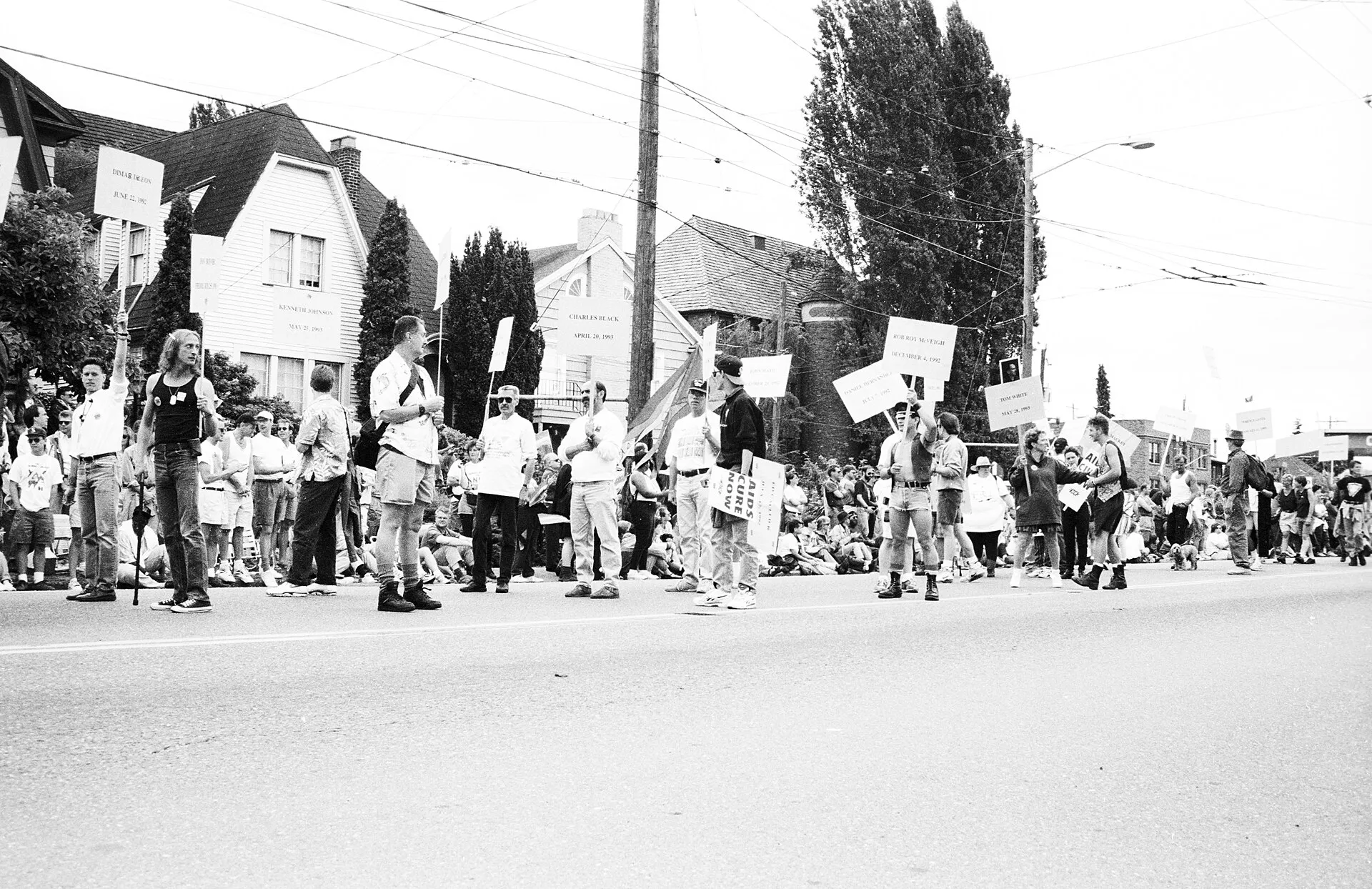
When HIV/AIDS began devastating communities across the United States and beyond, gay men were among the hardest hit. The epidemic was met with fear, misinformation, and outright discrimination. Many people living with AIDS were abandoned by their families, denied proper medical care, and treated as social outcasts.
During this period, countless lesbians stepped in to fill the gaps left by institutions that had failed. They volunteered in hospitals, organized support networks, raised funds, provided caregiving, and advocated for patients when few others would. Some even donated blood for testing and research efforts, despite facing stigma themselves.
Their contributions weren’t small acts occurring behind the scenes; they became an essential part of the community’s survival. As queer activism evolved in the late 1980s and early 1990s, many groups began moving the “L” to the front of the acronym as a way of recognizing the labor, solidarity, and leadership of lesbian allies. It was a symbolic thank you and an acknowledgment that lesbian voices had often been sidelined within a movement largely centered on gay men’s experiences.
How Filipino Lesbians Helped Shape The Queer Movement At Home
While the story behind the “L” in LGBTQIA+ is often linked to the AIDS crisis in the United States, Filipino lesbians have their own legacy of leadership and activism that helped shape the queer community we know today.
The Philippines has a long and complicated relationship with gender and sexuality. Before colonial rule, many indigenous communities embraced more fluid understandings of identity and social roles. However, centuries of Spanish and American influence imposed stricter ideas about gender, family, and sexuality, pushing queer identities to the margins.
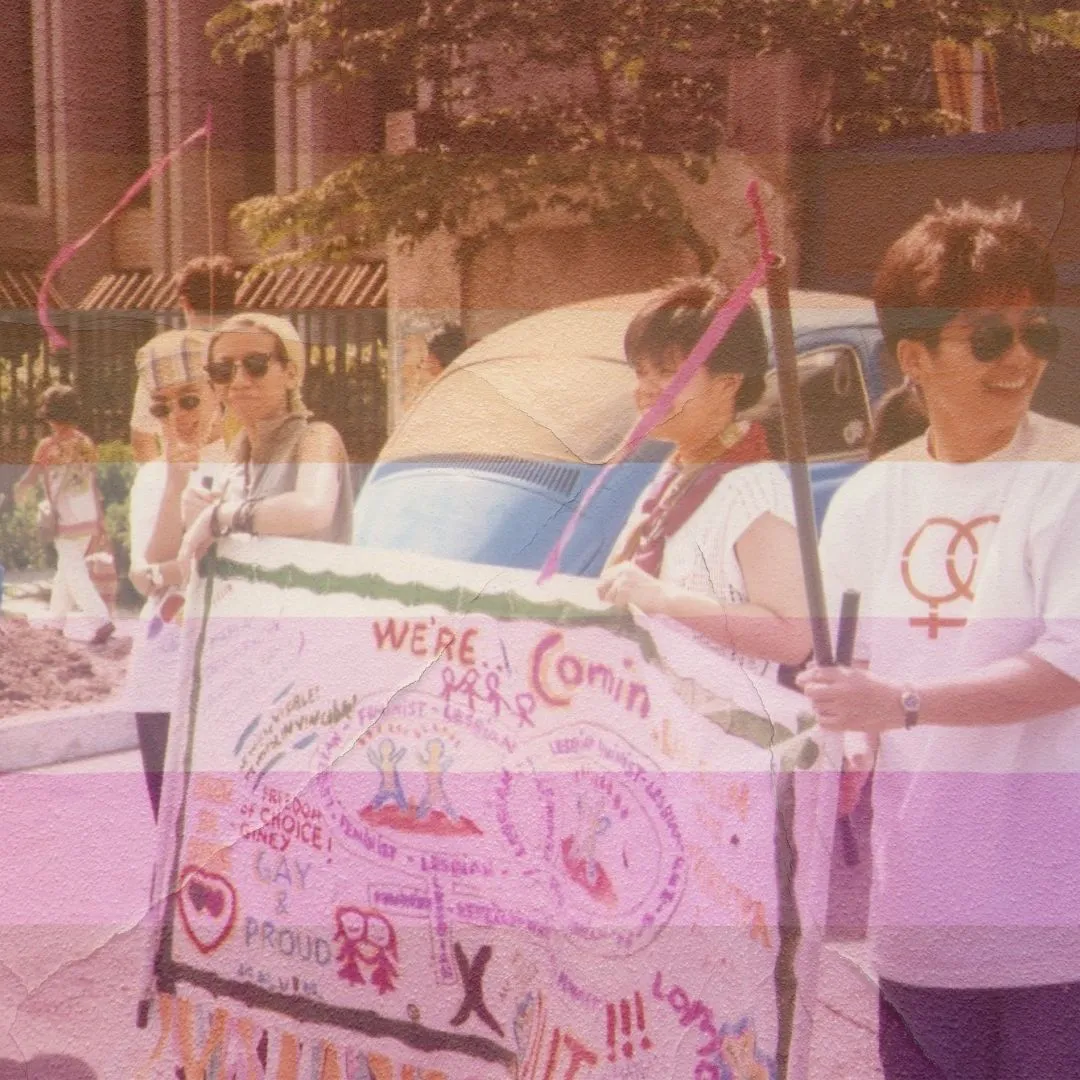
While colonial rule suppressed many indigenous understandings of gender and sexuality, Filipino women and queer communities continued to negotiate identity and visibility in changing social conditions. By the 1980s and 1990s, this growing consciousness contributed to the emergence of pioneering lesbian organizations such as The Lesbian Collective, which created spaces for community-building, discussion, and advocacy at a time when lesbian visibility remained limited. These early efforts helped expand conversations around gender, sexuality, and representation, laying important groundwork for the broader LGBTQ+ movement in the Philippines.
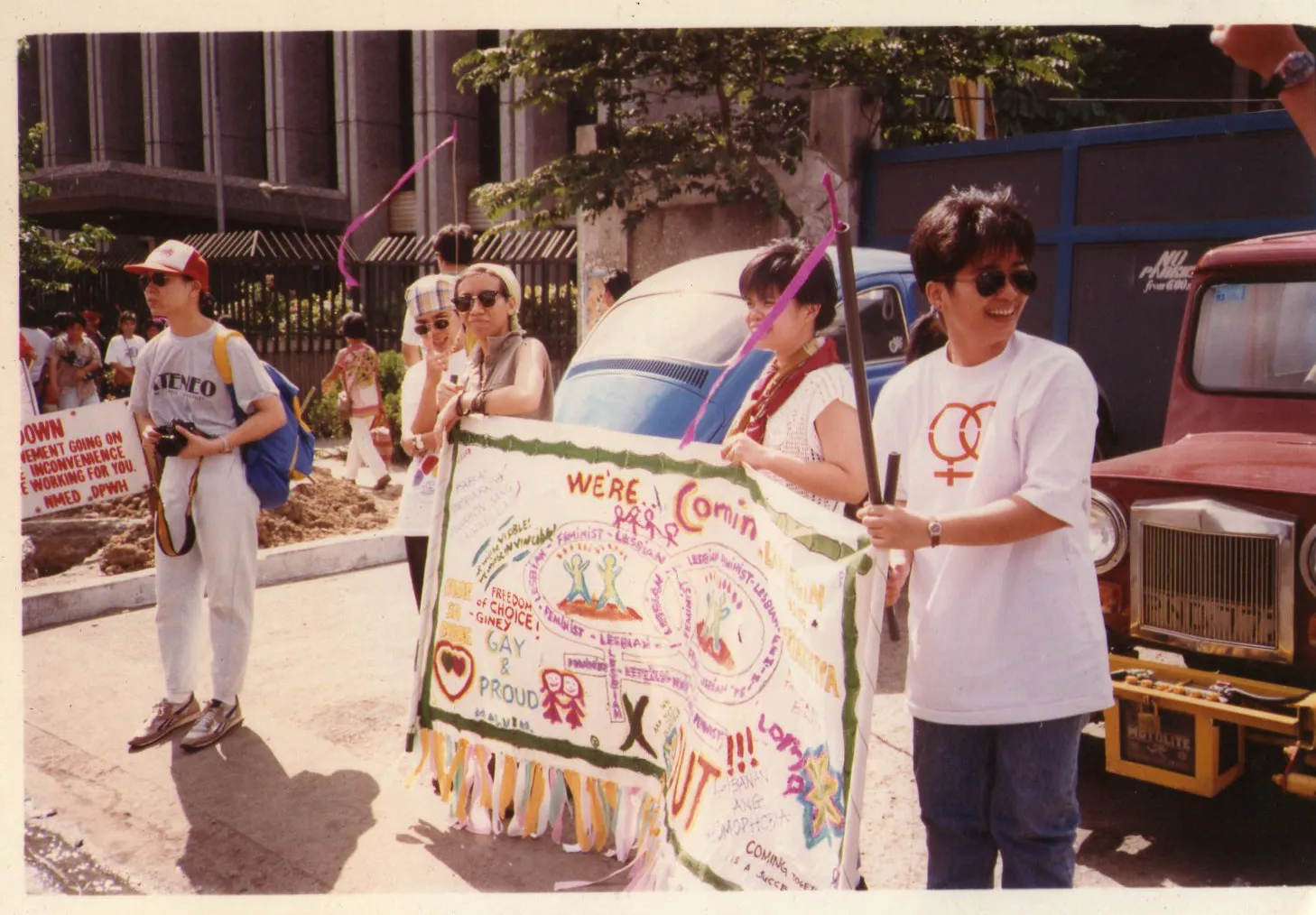
The “L” in LGBTQIA+ is often described as a symbol of recognition. In the Philippine context, it can also serve as a reminder of the lesbians who helped build communities, create opportunities for dialogue, and push the local queer movement forward before inclusion even became part of the national conversation.
So the next time someone asks why “lesbian” comes before “gay” in LGBTQIA+, the answer was never about random whims, optics, or catchiness. It’s a historical showcase of gratitude that preserves a pivotal moment, one when a community stepped up for one another during a crisis, because even the order of a few letters can tell a powerful story.
Frequently Asked Question
The acronym was originally often written as GLBT. Many organizations later adopted LGBT to recognize the significant contributions of lesbians who cared for and advocated for gay men during the AIDS crisis of the 1980s.
No. Earlier versions included GLBT, and the acronym has evolved over time to become more inclusive of different identities within the queer community, eventually expanding to LGBTQIA+ and beyond.
Filipino lesbians helped build community spaces, advocate for visibility, and organize support networks through pioneering groups such as The Lesbian Collective. Their work contributed to the growth of queer activism and representation in the Philippines.
Lesbians filled critical gaps left by failing institutions — volunteering in hospitals, raising funds, providing caregiving, organizing community support networks, and donating blood for research. Their contributions were so central to the community’s survival that moving the “L” to the front of the acronym became a deliberate act of recognition.
Before Spanish and American colonial rule, many indigenous Philippine communities held more fluid understandings of gender and social roles. Centuries of colonial influence imposed stricter definitions of gender, family, and sexuality, pushing queer identities to the margins — a suppression that Filipino women and queer communities continued to resist and navigate across generations.