Is it a bad mood or Irritable Male Syndrome (IMS)? Here’s what it is, where the term came from, and whether science actually supports it.
It was a usual Tuesday for me: I wrote stories in the morning, studied in the afternoon, and attended evening classes for law school. Yet there was something about the day that made me incredibly irritable, more so than usual. I was staring people down, my words were sharper, and I found myself rolling my eyes quite a lot, yet nothing had happened that day to warrant my mood. When I opened up to a friend about how I was feeling, she said, “I heard men also experience a pseudo-period.” I laughed at the thought, but the idea stayed with me. That rough Tuesday led me to discover what some call “Irritable Male Syndrome (IMS).” I’m not sure whether I simply woke up on the wrong side of the bed or if I was actually experiencing IMS. In all honesty, I was probably just looking for a reason to rationalize my meanness that day, but it did make me curious enough to do some research on the term and whether it had any scientific backing at all.
READ ALSO: Why So Many Strollers Are Carrying Dogs Instead Of Babies
What Is Irritable Male Syndrome (IMS)?
If you’ve ever caught yourself wondering whether men have their own version of PMS, chances are you’ve stumbled across Irritable Male Syndrome, or IMS. The name grabs your attention, but the idea behind it is a little more nuanced than a monthly “male period.” British reproductive biologist Dr. Gerald Lincoln first coined the term in the early 2000s. Interestingly, it didn’t come from studying humans at all. Lincoln observed that male mammals, particularly Soay rams, became unusually irritable, withdrawn, and aggressive after a sharp drop in testosterone following the mating season. He used the term “Irritable Male Syndrome” to describe that temporary behavioral state brought on by hormonal changes.

Eventually, the phrase made its way into conversations about men. Some researchers and authors suggested that a similar drop in testosterone, whether due to aging, chronic stress, illness, or other health conditions, could contribute to symptoms like irritability, fatigue, low mood, reduced motivation, and a shorter fuse.
That’s why IMS often gets lumped together with terms like “male menopause” or andropause, although those aren’t exactly the same thing. Testosterone in men generally declines gradually with age, unlike menopause, which is a distinct biological event. So if you’ve ever snapped at someone over something embarrassingly small, IMS might seem like the perfect explanation. But as satisfying as that sounds, being grumpy for a day isn’t enough to pin it on your hormones. Mood is influenced by far more than testosterone alone. Stress, poor sleep, anxiety, burnout, work pressure, and even skipping lunch can make you feel just as irritable. In other words, IMS is less of a catch-all excuse for bad behavior and more of a proposed explanation for a cluster of symptoms that may be linked to hormonal changes in some men.
Is It Real Or Is It Just A Medical Hoax?
Here’s where things get complicated. The symptoms people associate with IMS are very real. The diagnosis itself, however, remains up for debate. Despite how often the term appears online, Irritable Male Syndrome is not an officially recognized medical condition. You won’t find it listed as a formal diagnosis in major medical guidelines, and many doctors avoid using the term altogether because the research in humans simply isn’t strong enough. Much of the original evidence came from animal studies, and while testosterone certainly influences mood, scientists haven’t established IMS as its own distinct syndrome in people.
The catch is that the symptoms for IMS also overlap with depression, chronic stress, sleep deprivation, thyroid disorders, and plenty of other health conditions. That’s why doctors don’t diagnose someone with “IMS” based on mood alone. They look at the bigger picture, including medical history, symptoms, physical examination, and blood tests when appropriate. So, is IMS a medical hoax? Not exactly. Calling it fake would oversimplify, but calling it a proven medical condition would also be inaccurate. It’s probably more helpful to think of IMS as a popular label rather than a clinical diagnosis. It gives a name to experiences that some men genuinely report, but science hasn’t reached a consensus that it exists as a standalone disorder.
As for my particularly grumpy Tuesday, I’ll probably never know if hormones had anything to do with it. Maybe I was stressed. Maybe I was sleep-deprived. Maybe I just needed a snack. Whatever the reason, I’ll be a little more hesitant before joking that I’m “on my period.”
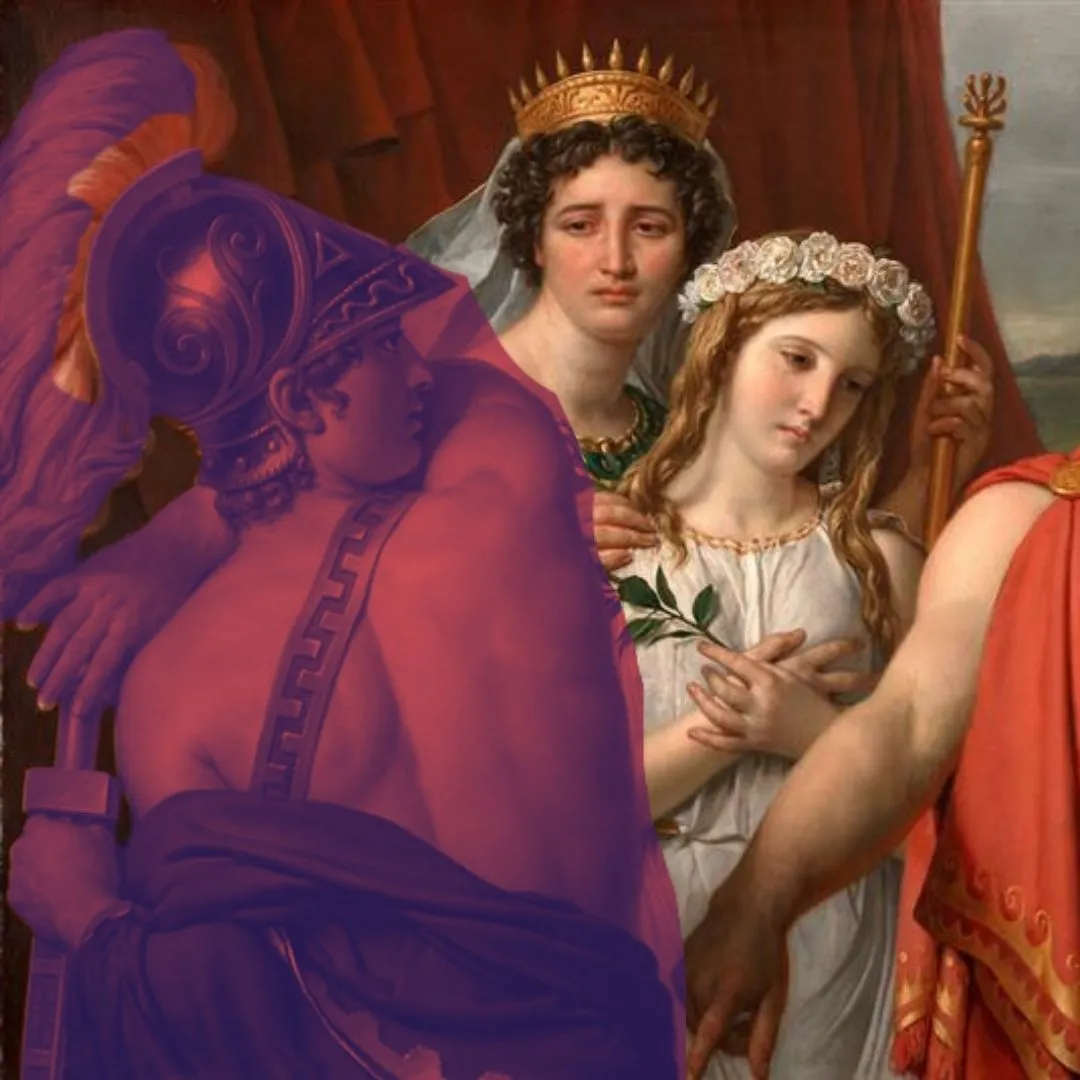
Banner image features “The Anger of Achilles” (1819) by Jacques-Louis David, courtesy of Wikimedia Commons
Frequently Asked Questions
IMS, or Irritable Male Syndrome, is a term used to describe irritability, mood changes, fatigue, and low motivation that some researchers believe may be linked to changes in testosterone levels. It is not an officially recognized medical diagnosis.
Not exactly. IMS is often compared to PMS because both involve mood changes that may be influenced by hormones. However, men don’t experience a menstrual cycle, and there’s no scientific evidence that IMS follows a regular monthly pattern.
Some experts suggest IMS may be associated with declining testosterone levels due to aging, chronic stress, illness, or other health conditions. However, factors like poor sleep, anxiety, burnout, and depression can also cause similar symptoms.
IMS is a real concept that’s discussed by some researchers, but it’s not recognized as an official medical diagnosis. The evidence in humans remains limited, and doctors typically investigate other possible causes of mood changes before attributing them to hormones.
If you’re experiencing persistent irritability, low mood, fatigue, or other symptoms that affect your daily life, it’s worth consulting a healthcare professional. They can assess whether your symptoms may be related to hormone levels, mental health, sleep, or another underlying condition.