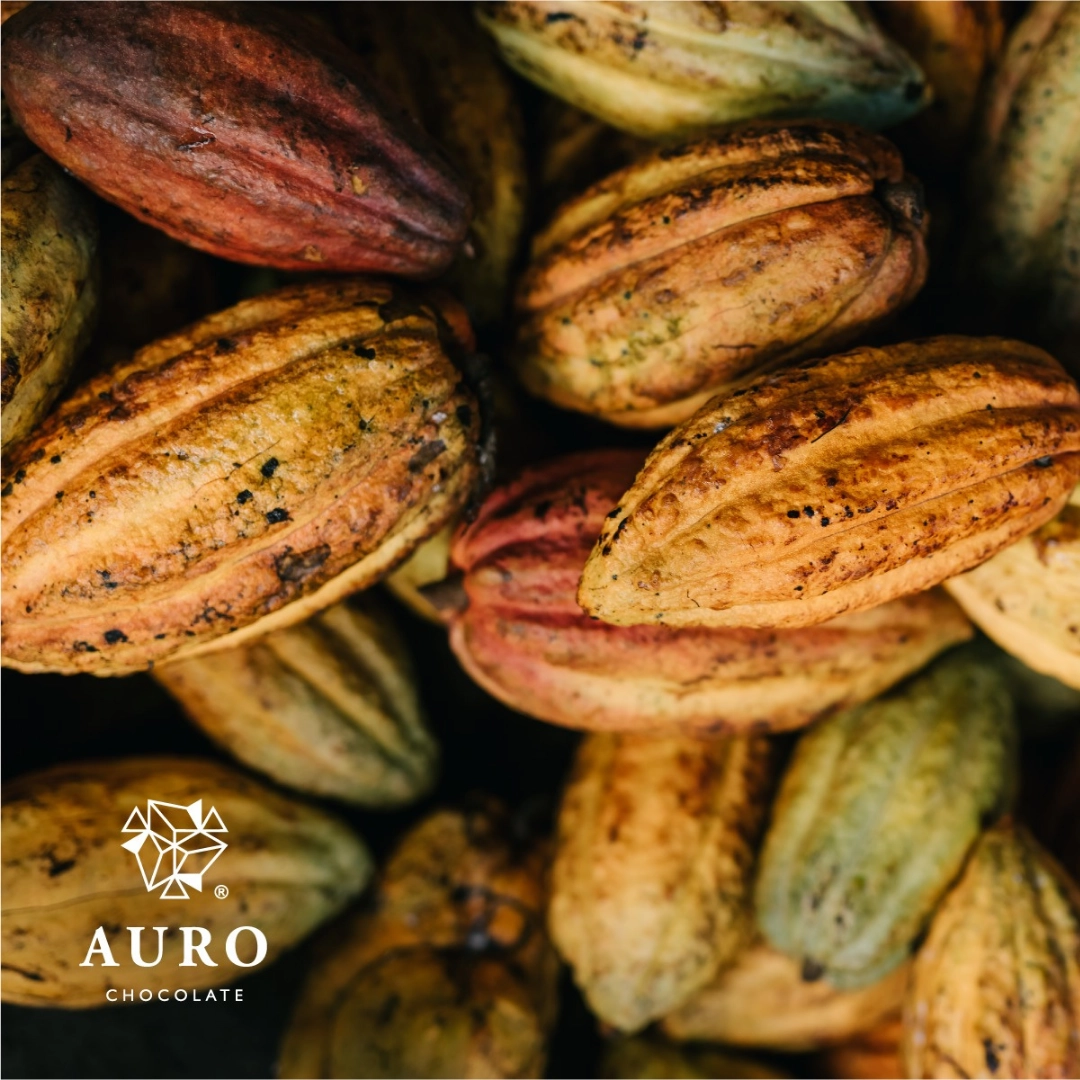
How did the byproducts of one tree’s fruit come to be an essential fixture in our cuisine? From ancient Mesoamerican civilizations to our own Philippine producers, we map the narrative of chocolate from tree to bar.
There’s a sacredness to chocolate, a divinity ingrained in its history and the scientific name of the tree that bears its cacao fruit. Theobroma cacao. A nomenclature of Swedish natural scientist Carl Linnaeus, given in the mid-1700s, it translates to “food of the gods.” However, this is a tale that’s even older than Linnaeus’ apt naming, going back over 3,000 years and spreading across the globe, all the way to the sunny shores of our archipelago and the hands of our very own Philippine chocolate makers.
READ ALSO: One Cold Dessert, A Mix Of Inspirations
In The Beginning, There Was Cacao: Chocolate’s Origins And Myths
The story of chocolate begins in the upper Amazon basin region of South America, a territory that encompasses parts of what’s now modern-day Peru, Ecuador, Brazil, and Colombia. One of the oldest tribes in Mesoamerican cultureCultureshared traditions, beliefs, values, customs, arts, and social practices that define the identity and way of life of a community, society, or nation.Go to Culture Glossary, called the “Moyaka,” was reportedly the first to use the pulp coating of the cacao in a beverage, as Pacita Juan, Josephine Ramos, and Regina Francisco detail in their book Cacao: Bean to Bar.
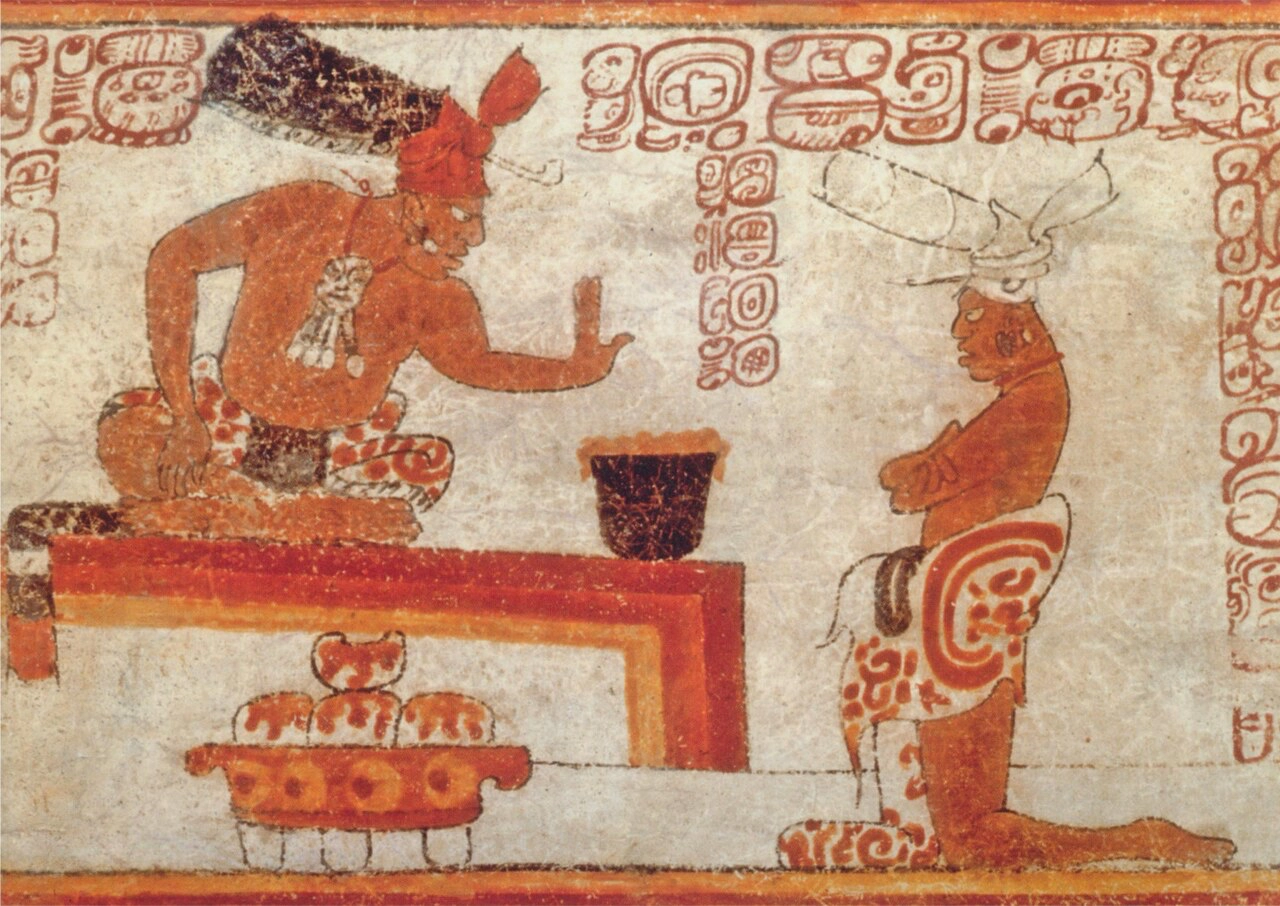
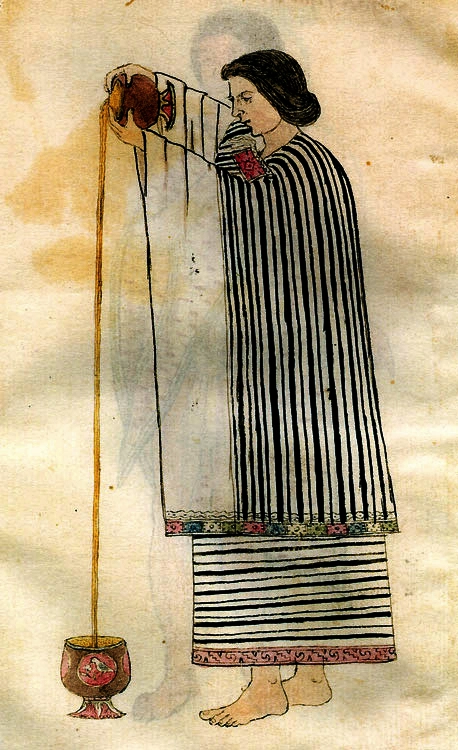
They would later be followed by the Olmecs, who settled in the Amazon- Orinoco basin of the Mexican Gulf Coast and domesticated the plant, which they referred to as kakaw. Subsequent Mesoamerican cultures continued to build on this practice, the Maya civilization consuming cacao as a cool, foamy chiliinfused drink that was both a sacred beverage and invigorating medicine, said to cure a variety of ailments from infections to olds.
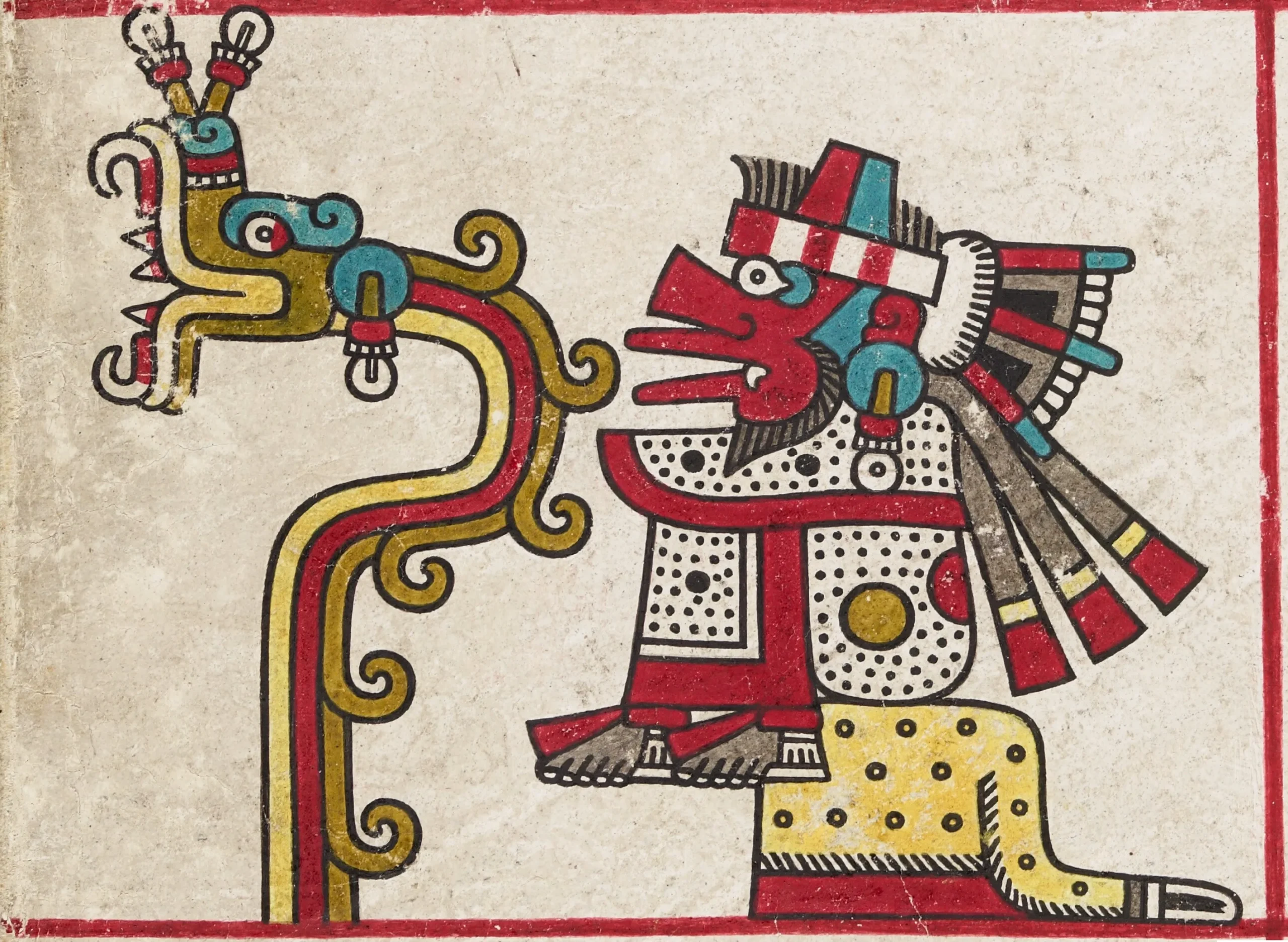
Cacao’s sacred, deeper meaning is embedded in the mythologies of these Mesoamerican cultures. In Popol Vuh, the Maya book detailing the culture’s creation narratives, the cacao tree stands as a symbol of life, death, and rebirth. Meanwhile, an Aztec legend sees the Sovereign Plumed Serpent god “Quetzalcoatl” gift humanity with the cacao tree after stealing it from paradise, planting it in the mortal realm, and teaching humans to cultivate and consume its fruit, which grants wisdom and power.
In some later versions of the aforementioned Quetzalcoatl legend, other deities punish or banish the serpent god for sharing the cacao tree with humanity. Like the Greek myth of Prometheus, who brings the forbidden knowledge of fire to humankind, cacao becomes an essential treasure many of us can no longer imagine living without.
Chocolate And Catholicism: How Did Cacao Come to the Philippines?
The “C” in chocolate may as well stand for “Catholicism” when it comes to cacao’s introduction to the Philippines. To understand how it got here, we begin with Spanish conquistador Hernán Cortés, who brought samples of cacao to Europe in the 1500s (after, of course, causing the fall of the Aztec empire)—the “brown gold,” as he described it, used to prepare a “divine drink” that “builds resistance and fights fatigue,” according to Chocolate as Medicine: A Quest Over the Centuries.
Yet it was Spanish nuns and friars who mastered the art of processing cacao, creating their own versions of the Mesoamerican drink, enjoyed within the privacy of their monasteries. They’re often credited with sweetening it with cane sugar, honey, and cinnamon, as well as serving it hot. No great recipe remains a secret forever, and these monastic communities eventually became the driving force behind chocolate’s steady spread across the rest of Europe.
As Cacao: Bean to Bar recounts, the French established plantations in the Caribbean; the Dutch introduced cacao to Indonesia, Ceylon, and parts of Africa, including what’s now West Africa; the Germans brought it to the Pacific, including New Guinea and Samoa; and Spain carried it to its colonies—among them, the Philippines, which stands as the first country in Asia to grow cacao.
The Spanish Galleon Trade of the 1500s brought these cacao fruits to our shores, whose beverages were initially and exclusively served to priests, officials, and Spanish ladies stationed in the country. Planting and cultivating the tree soon became crucial as the Spaniards sought a steady supply amid interruptions (and the end) of the Galleon Trade.
In time, cacao found its way to more people again. Production grew enough to supply the wider Philippine population, even reaching regions such as the Sultanate of Sulu, which remained independent from Spanish colonial rule.
Tsokolate And Tablea: A Country’s Takes On Chocolate
You might’ve noticed a salient detail: for most of history, including the earliest beginnings of humanity’s relationship with cacao, its products were primarily consumed as a liquid or drink. It wouldn’t be until the 1800s that British chocolatier Joseph Fry created what’s often considered the first chocolate bar—or at least a precursor to the modern solid sweet we know today—by mixing cocoa butter with sugar and adding it to cacao liquor (a nonalcoholic, liquid or solid paste made from grinding roasted cacao beans).
In the Philippines, cacao was mainly consumed as tsokolate: served hot and thick, made from cacao beans lightly roasted, hulled, then ground using a stone mill. The resulting paste was poured into molds, cooled, and unmolded into a tablea mixed with hot water or milk. The tsokolate drink would later give way to a cherished breakfast staple: champorado, a rice porridge enriched with the same chocolate concoction.
In 1953, Commonwealth Foods, Inc. (Comfoods) introduced cocoa (referring to cocoa powder and cocoa butter, the two extracted byproducts of the cacao bean) and chocolate processing, their products sold under the now-renowned brand, Ricoa. Other companies followed suit, including Serg’s Chocolate Products, Inc., which set up the first modern chocolate manufacturing plant in Southeast Asia.
From the mid-1950s to the 1970s, a number of initiatives were started to promote the development of the country’s cacao industry. The most notable one was the National Coffee and Cacao Development Program, a joint project of the Philippines’ Department of Agriculture and the United States Agency for International Development (USAID).
The five-year endeavor aimed to “enable the Philippines to produce enough of these two [coffee and cacao] commodities to meet domestic needs” and to “establish the basis for their future development as export crops,” describes Agricultural Production Advisor Howard W. Ream in his 1956 progress report on the project. It did so by providing farmers with different cacao varieties, supplies, research, and other support needed to further expand and develop cacao plantations in the country.
The plan was promising, especially with the growth of commercial-scale plantations in Mindanao during the late 1970s and early 1980s, according to Cacao: Bean to Bar. But issues such as agrarian reforms, limited far-reaching support, the spread of diseases, and unstable market conditions negatively affected production, as Rafael Bartolome notes in his paper “Cacao” in The Philippine Journal of Agriculture. And these challenges, paired with climate change, still persist today.
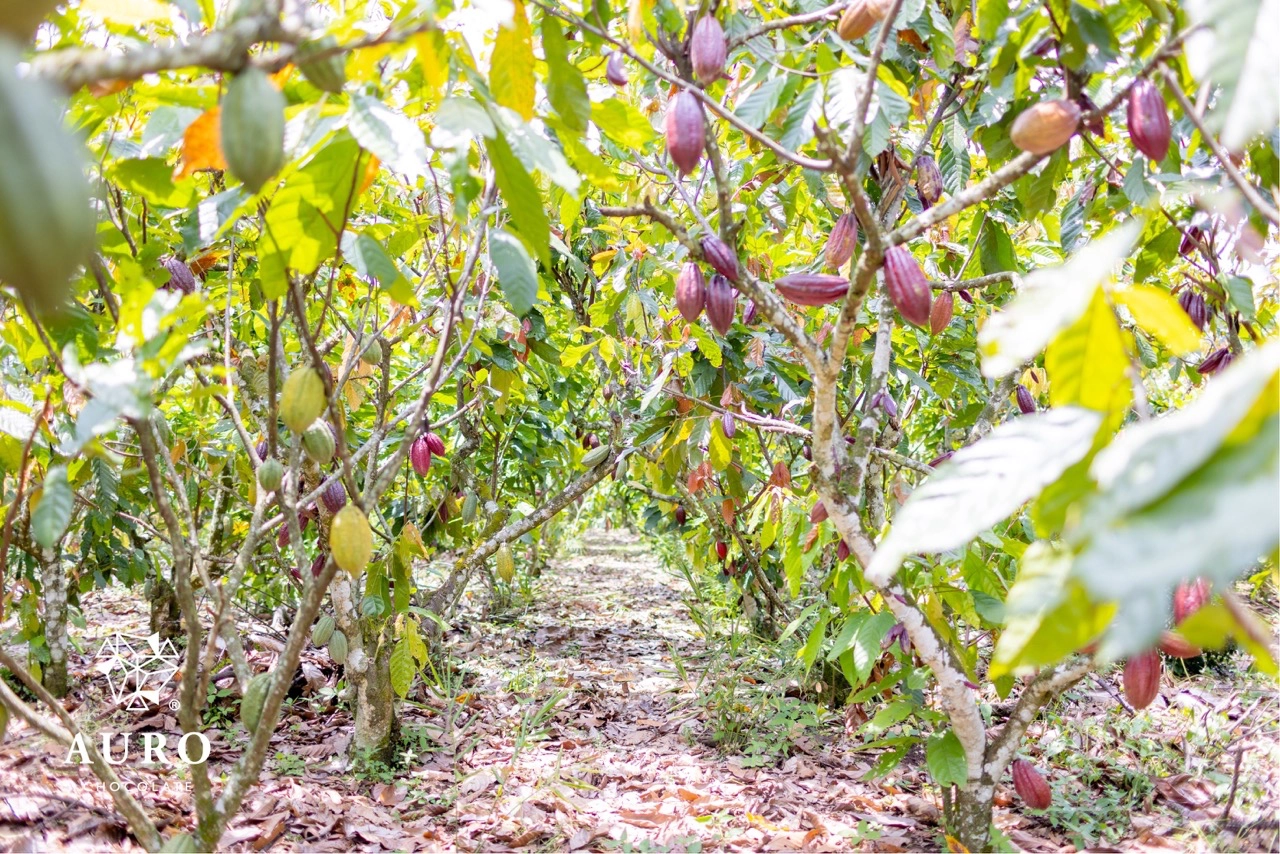
A Picture Of The Philippine Industry Today Through Auro Chocolate
Lifestyle Asia had the opportunity to sit down with Mark Ocampo, co-founder of the award-winning tree-to-bar chocolate company Auro Chocolate, to gain a deeper understanding of the chocolatemaking process and its current context within the Philippines.
The company sprouted from an observation made after Mark and fellow cofounder Kelly Go spent a significant time abroad. “We realized that despite being the first country in Asia to grow cacao, our local industry was largely invisible globally,” Mark explains. “We saw an opportunity to transform a neglected agricultural sector into a source of national pride. Our beginnings were defined by ‘unlearning.’ We spent two years in the mud—visiting farms in Davao, talking to farmers, and understanding the social dynamics of the trade.”
While cacao farming is experiencing a sort of revival, the industry faces what Mark describes as a “massive global supply-demand gap.” Climate-related crop failures in West Africa—among the world’s leading suppliers—have raised the global price of cacao to historic highs.
“While this seems like an opportunity for higher earnings, the challenge for Filipino farmers is scalability and consistency. We are struggling with a lack of supply locally because many trees are aging or have been replaced by other crops,” Mark elaborates. “Farmers are caught between the excitement of high prices and the reality of not having enough beans to meet the soaring demand.”
Still, with that gap comes the chance to magnify the inimitable appeal of locally-made chocolate within a saturated market, especially in regard to the craftsmanship and effort needed to produce top-tier products.
“The most exciting growth is in provenance-based chocolate,” Mark states. “The potential lies in quality over quantity, because we cannot compete with the sheer volume of major producers.”
“Ultimately, quality chocolate is a joint effort between producers and makers. There is still a lingering misconception that quality should come cheap,” he continues. “People often don’t realize that true quality is rooted in treating farmers fairly and paying them properly for the exceptional work that is produced.”
A necessary step in bringing this realization to fruition is consumer education. “By deepening their understanding of where chocolate comes from and how truly difficult it is to make, they gain a better appreciation for why quality products exist,” Mark adds. “When consumers understand that their purchase supports a fair ecosystem, it allows the entire industry to grow together.”
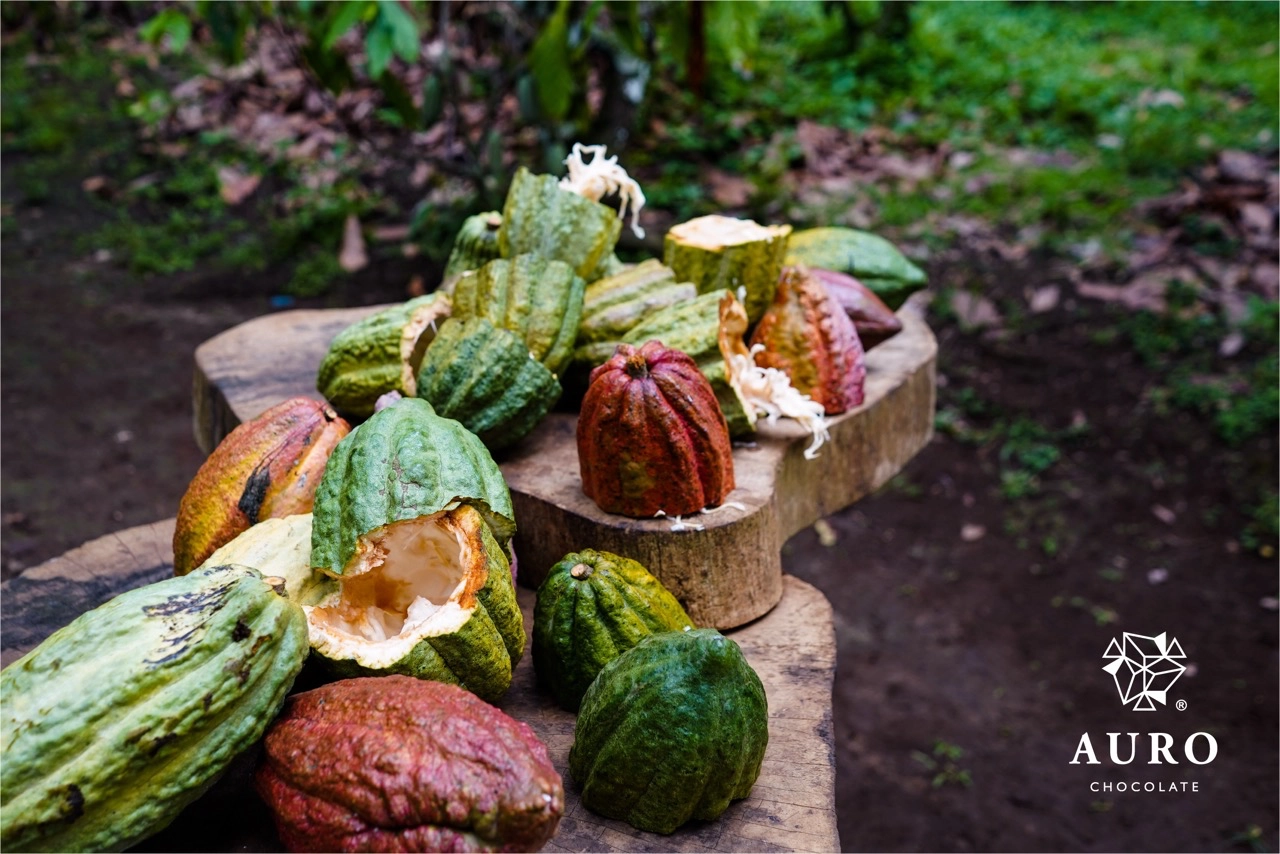
An Incomparable Fruit: Types Of Cacao In The Philippines
The first thing you need to know about Philippine chocolate is the distinct flavor profile that sets it apart from other countries’ products. Like wine, it boils down to terroir, or the unique characteristics of the land in which its cacao is grown.
“West African chocolate is often very ‘earthy’ and robust. Latin American chocolate can be quite ‘nutty’ or ‘spicy,’” Mark describes. “Filipino chocolate, specifically from Mindanao, is known for its tropical fruitiness and a distinct creamy, nutty finish. It has a brightness that reflects our tropical climate.”
There are three main varieties of cacao that grow in the country and are used in the production of local chocolate. First is the “Forastero,” which translates to “foreign,” a species that originates from the Amazon basin. It’s the variety with the highest yield yet “lower flavor,” distinguished mainly by smooth, thick, hard walls, their unroasted beans violet-colored and quite bitter. Then there’s the “Trinitario,” a hybrid between the Forastero and one of the world’s rarest and most prized varieties: the Criollo, also known as the “Prince of Cacao” or porcelana cacao for its white internal beans.
Criollo represents less than one to five percent of global production, a delicate variety highly susceptible to pests and diseases, and known for its far lower yield. In fact, it once came close to extinction before the collective efforts of growers around the globe kept it from dying out. The taste of its chocolate is unparalleled. “Expect the unexpected. It is mild, nuanced, and almost buttery. It lacks the ‘punchy’ bitterness people associate with dark chocolate,” Mark expounds. “Instead, you’ll find secondary notes of honey, nuts, and red fruits, with a very clean finish that does not linger heavily on the palate.”
In cultivating Criollo, Auro Chocolate doesn’t just aid in the production of a rare fruit—it also preserves a legacy far larger and older than itself. It was the original cacao brought by the Spanish galleons to our country all those centuries ago, and digging further back, it also happens to be one of the most ancient varieties, the very same fruit used by Maya and Aztec civilizations. “For us, preserving Criollo isn’t just about business; it’s about heritage conservation. We are protecting a piece of Philippine history that almost disappeared,” Mark shares.
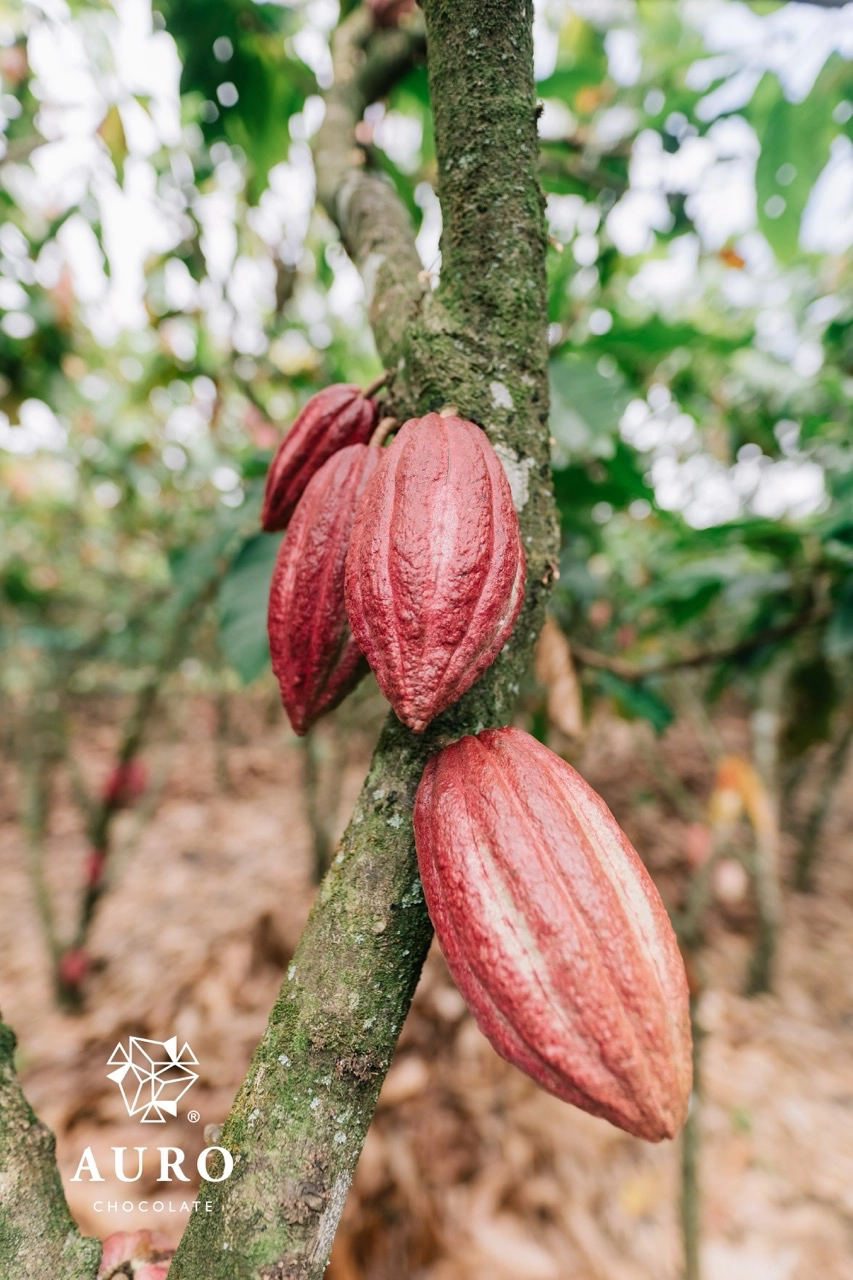
Tree To Bar, Heaven On Earth: The Process Of Creating Chocolate
Auro Chocolate describes its process as “tree-to-bar,” meaning they’re involved in every single step of production, starting from farming. Mark walked us through the process, an intricate dance that calls for balance and attention to detail.
First is the planting and nurturing, which is an integral prerequisite for successful harvesting. “We nurture the trees with the right farming inputs and care for years until they reach maturity,” Mark explains.
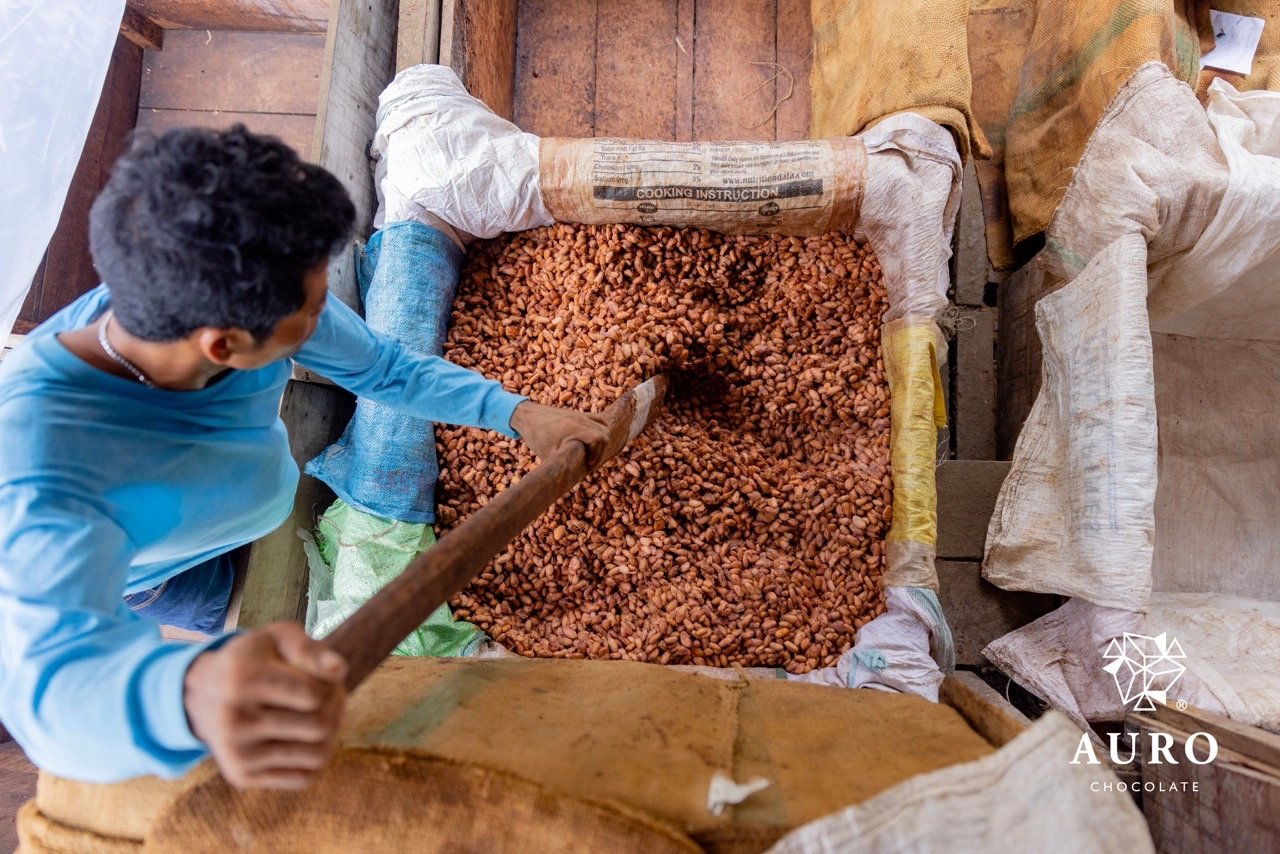
Then, cacao pods are picked at peak ripeness, brought to a controlled environment to undergo the fermentation process as soon as possible. “Fermentation is where the flavor is actually born,” Mark notes. “Reaching specific temperatures during this stage triggers chemical changes that allow complex flavors to develop. We must meticulously monitor the beans to ensure they are neither under-fermented nor over-fermented, where they develop ‘off’ notes.”
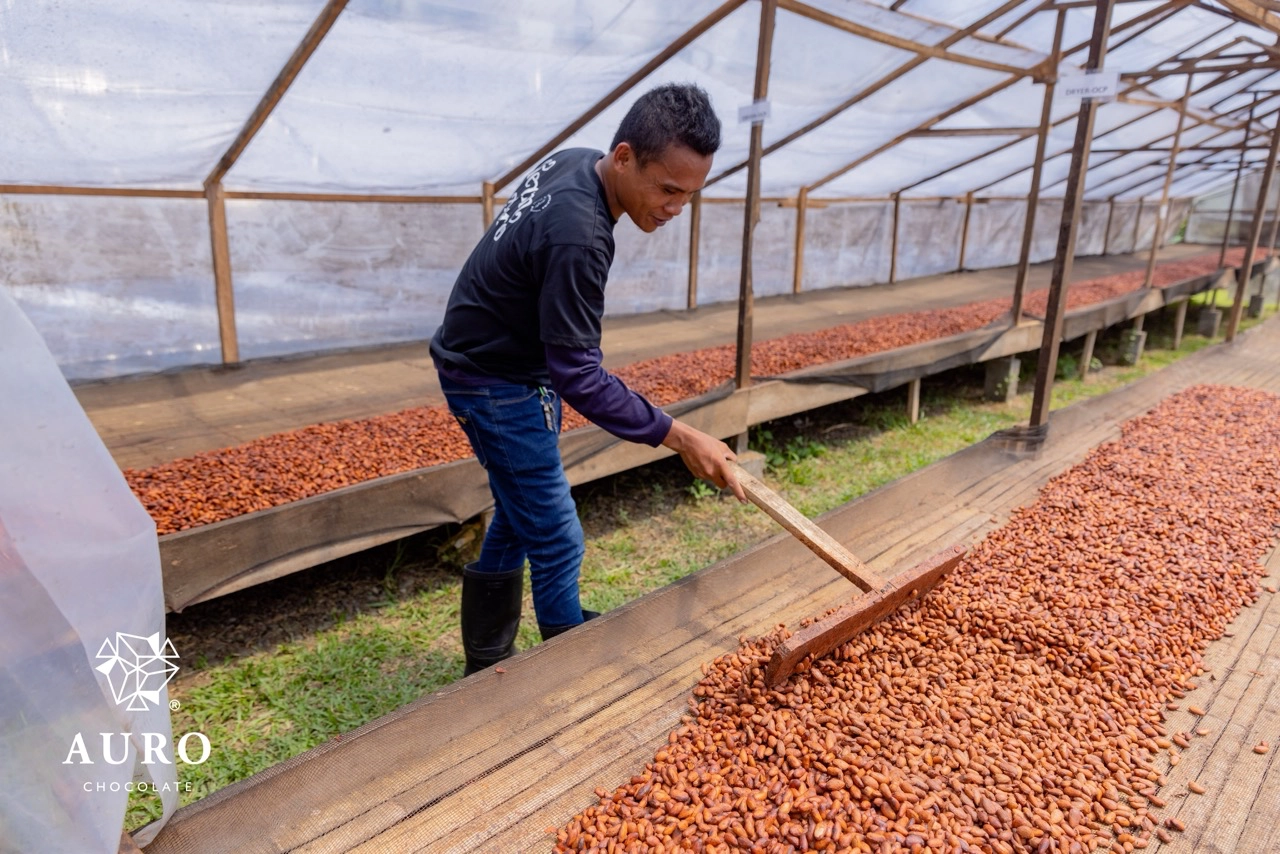
Next is the drying process, which not only locks in flavor but lets the beans settle. When done properly, it evaporates the last of the volatile “off” flavors, further helping the profile develop. “We must maintain a strict standard of 7.5% moisture— anything over leads to mold, and anything under makes the beans too brittle,” Mark elaborates.
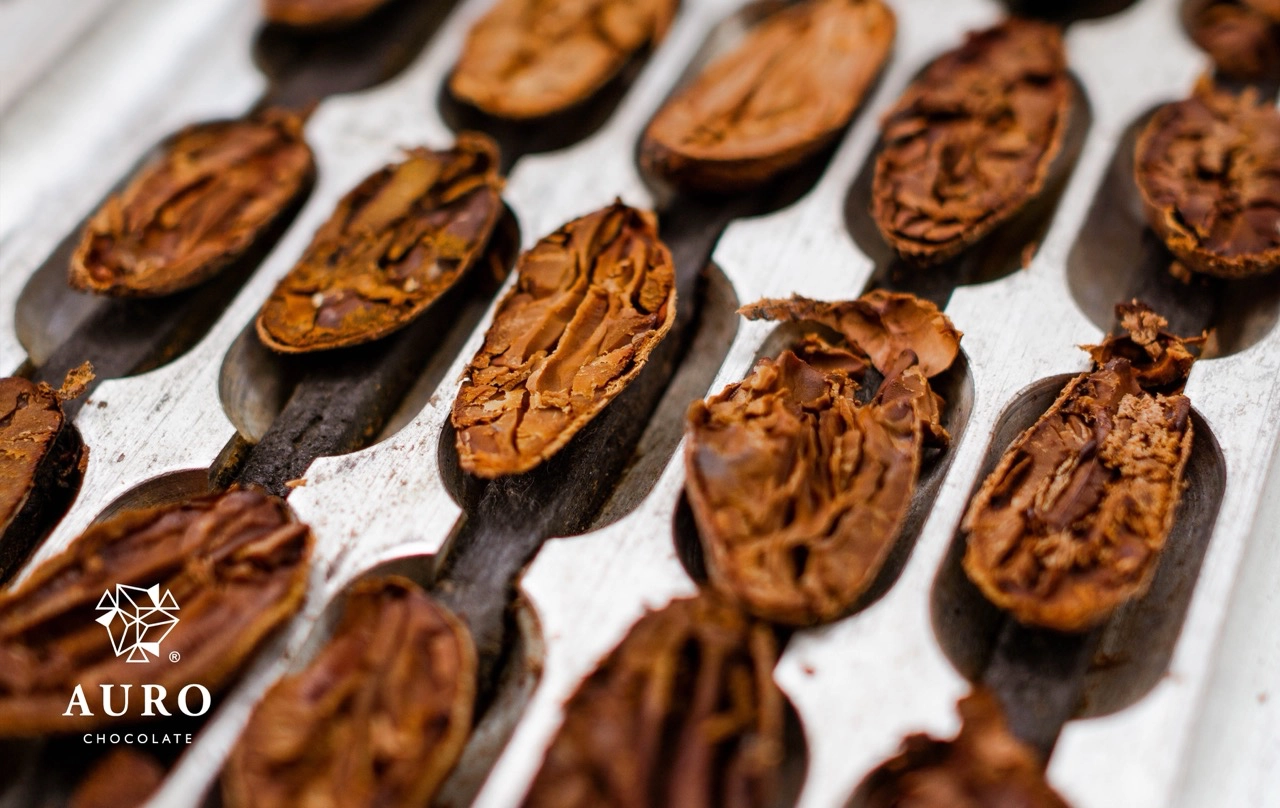
The roasting process that comes after serves two purposes: developing the signature aromatic notes of a chocolate (tropical fruits, nuts, and the like), and sanitizing the beans to kill bacteria and ensure food safety.
Shells are then removed from the bean during the winnowing and grinding process, before the resulting “nibs” are crushed and ground into cacao liquor or mass. This is followed by the “conching” step, which uses machines known as “conches” with heavy rollers to knead and homogenize the chocolate mass, eliminating residual “off” flavors and moisture so the chocolate’s more refined notes can shine.
Finally, there’s tempering and molding. “This final step is critical,” Mark explains. “Proper tempering is what gives the chocolate its brilliant shine and satisfying snap. It also stabilizes the cocoa butter, ensuring the chocolate doesn’t melt too easily and has a longer shelf life.”
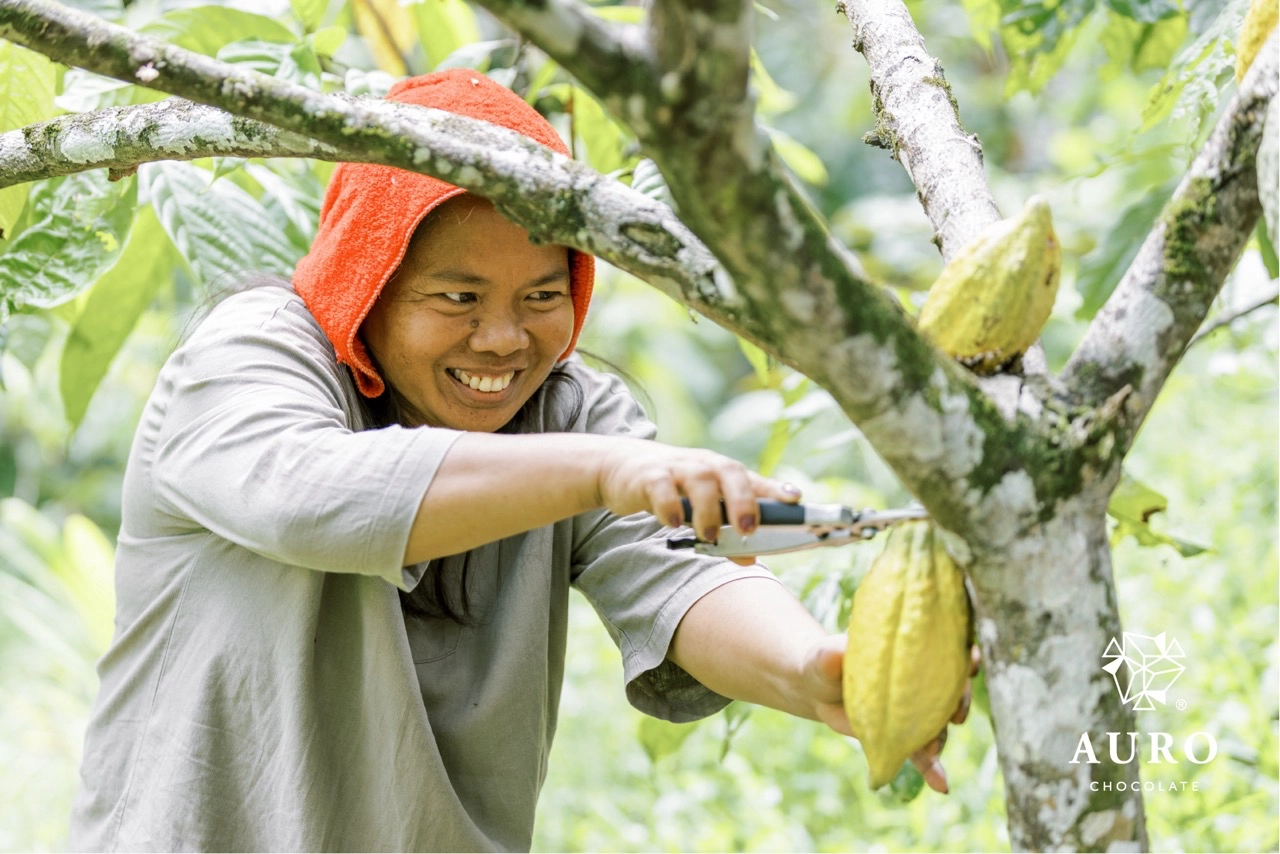

As the Auro Chocolate co-founder illustrates, the road from cacao bean to that rich, indulgent bar of chocolate in your hand isn’t an easy one to traverse—yet we must remember that most worthwhile things are never simple.
The story of cacao finds its closure where it began: in Mesoamerican myths, where a little piece of heaven was brought to earth. You snap a bar of chocolate and pop a piece into your mouth, or sip a hearty mug of tablea. You close your eyes, letting the sweet, earthy notes coat your tongue. “That’s divine,” you might say—figuratively, of course, because the literal weight of the word can feel unfathomably abstract or unreal in today’s world. Yet if there’s something that can summon an ounce of divine presence in this material plane, it might just be this.
This article was originally published in our June 2026 issue.
Photos courtesy of Auro Chocolate (except historical depictions)
Frequently Asked Questions
Chocolate traces its origins to the upper Amazon basin region of South America, covering parts of present-day Peru, Ecuador, Brazil, and Colombia. Early Mesoamerican civilizations such as the Olmecs, Maya, and Aztecs cultivated and consumed cacao long before chocolate spread to the rest of the world.
The cacao tree’s scientific name, Theobroma cacao, was given by Swedish natural scientist Carl Linnaeus in the 1700s. The name translates to “food of the gods.”
Cacao arrived in the Philippines through Spanish trade routes during the Spanish colonial period. Spanish galleons brought cacao to the country, making the Philippines the first nation in Asia to cultivate the crop.
Tsokolate is a traditional Filipino chocolate drink made from tablea, which are cacao beans that have been roasted, ground into a paste, molded, and cooled. The tablea is then mixed with hot water or milk to create a rich beverage.
Tablea is a traditional Filipino chocolate product made from roasted and ground cacao beans formed into tablets or discs. It is commonly used to prepare tsokolate and champorado.
The three main cacao varieties grown in the Philippines are Forastero, Trinitario, and Criollo. Each variety has distinct characteristics, flavors, and growing requirements.
Criollo is one of the world’s rarest cacao varieties, representing only a small percentage of global production. It is prized for its mild, nuanced flavor profile and is known for being difficult to cultivate because of its susceptibility to pests and diseases.
According to Auro Chocolate co-founder Mark Ocampo, Philippine chocolate, particularly from Mindanao, is known for its tropical fruit notes, brightness, and creamy, nutty finish.
Tree-to-bar chocolate refers to a process in which the chocolate maker is involved in every stage of production, from cacao farming and harvesting to fermentation, drying, roasting, and crafting the finished chocolate bar.
The process begins with growing and harvesting cacao pods. The beans are then fermented, dried, roasted, winnowed, ground into cacao liquor, conched to refine flavor and texture, and finally tempered and molded into chocolate products.
The Philippine cacao industry continues to face challenges including aging cacao trees, limited local supply, plant diseases, market instability, and the effects of climate change.
Consumer education helps people understand the work involved in producing quality chocolate, from farming and fermentation to chocolate making. Greater awareness can support fair compensation for farmers and encourage the growth of the local cacao industry.