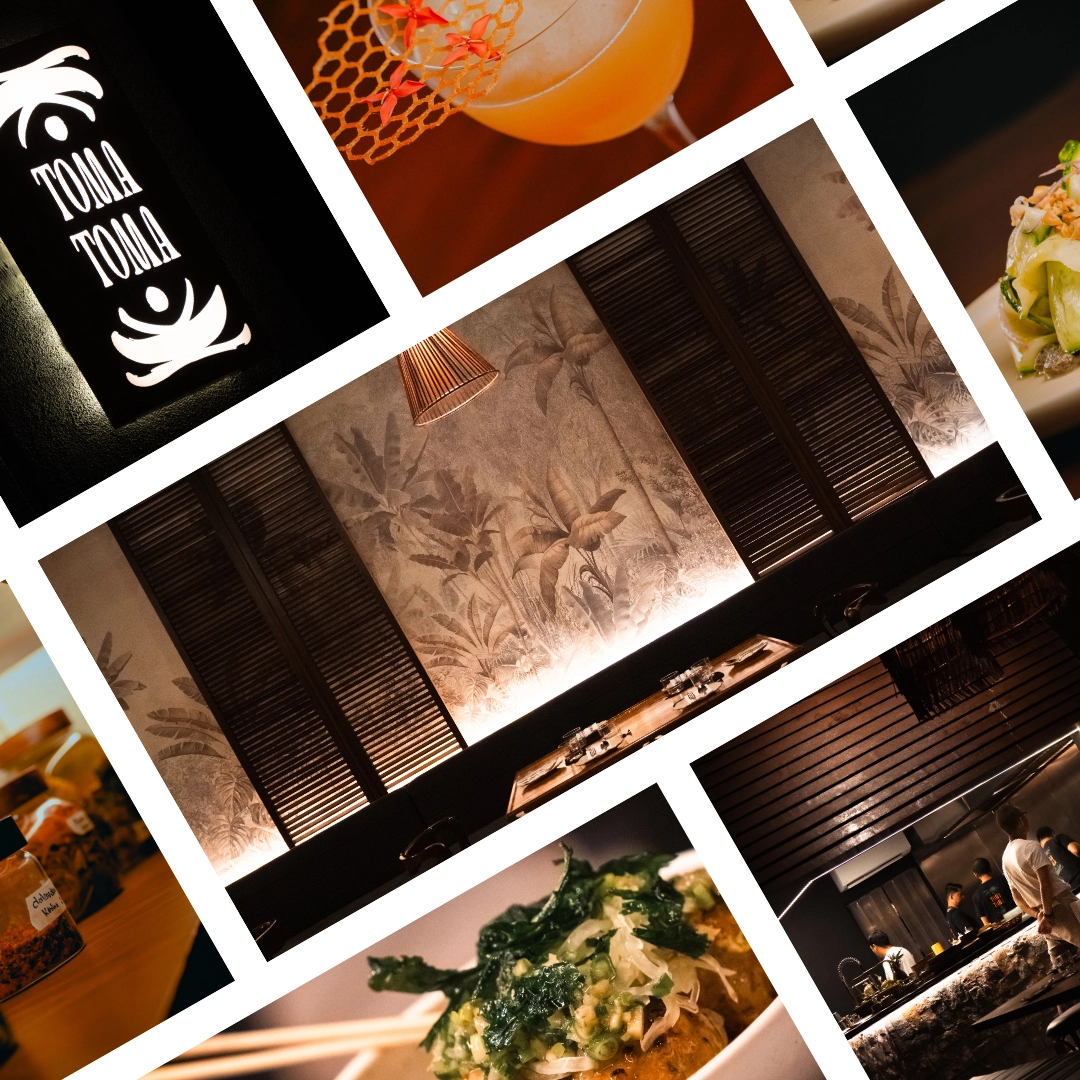
In the new bar and restaurant concept, Filipino ingredients, materials, and traditions meld into a single space that feels both familiar and transportive.
Like a great home, Toma Toma —a new bar and restaurant concept at Green Sun Hotel, Makati—was built from the ground up and from a place of care, fueled by a commitment to assembling the seemingly small and mundane into something lasting. Now on its soft opening, it invites guests to step into a place that feels like home, yet leaves space for the novel: the birth of new flavors, as well as stories told over great food and drinks, the orange glow of its open kitchen’s fire like a hearth that ties it all together.
READ ALSO: Chef Kevin Uy Is In His Flow State
Toma Toma And The Birth Of A Tropical Home
Toma Toma began as a passion project of mixologist Arcadius Ryback during a global pandemic that left many with the pause needed to reflect on what they wanted to do next. Six years in the making, the concept was carefully shaped by Arcadius’ experience as Director of Bars at Rosewood Hong Kong, a stint that included its award-winning cocktail parlor DarkSide, an entry in Asia’s 50 Best Bars list.
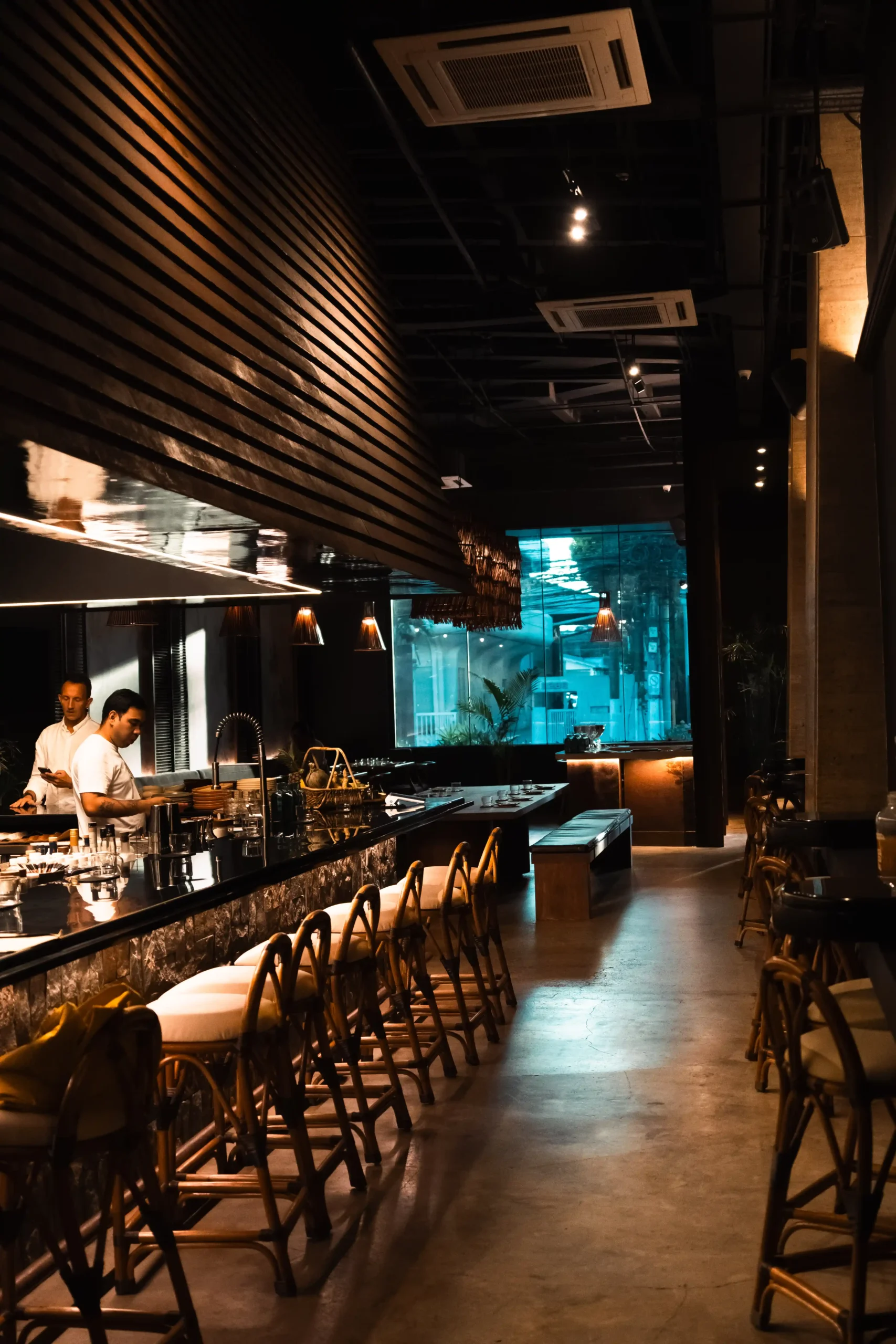
Arcadius’ business partner Michael “Mike” Hearn of Hearn & Hearn Consulting also plays an active role in the concept’s development, carrying years of experience in both construction and F&B management, having been part of the team behind Poblacion’s beloved cocktail bar Run Rabbit Run. “We wanted this to feel familiar, like you’re going into your lola’s house,” Mike explains as he takes us on a tour around the space. In the throes of its soft opening, there’s room for expansion and evolution; yet even now, it’s easy to see just how much care has gone into the concept’s creation.
The Minutiae Of Sensibilities And Craft
To say that Mike and Arcadius Rybak are hands-on would be an understatement. The moment guests enter, Arcadius is there to greet them; even with a full team, he moves between the bar and tables, personally noting cocktail orders.
Mike’s touches are just as present. A distinct scent fills the space, not just from the food, but from his own blend of black pepper, sandalwood, and ginger, a fragrance he mixed himself. He’s also behind details like the blooming capiz shell chandeliers, with furnishings and interiors crafted by Filipino artisans using locally sourced materials.
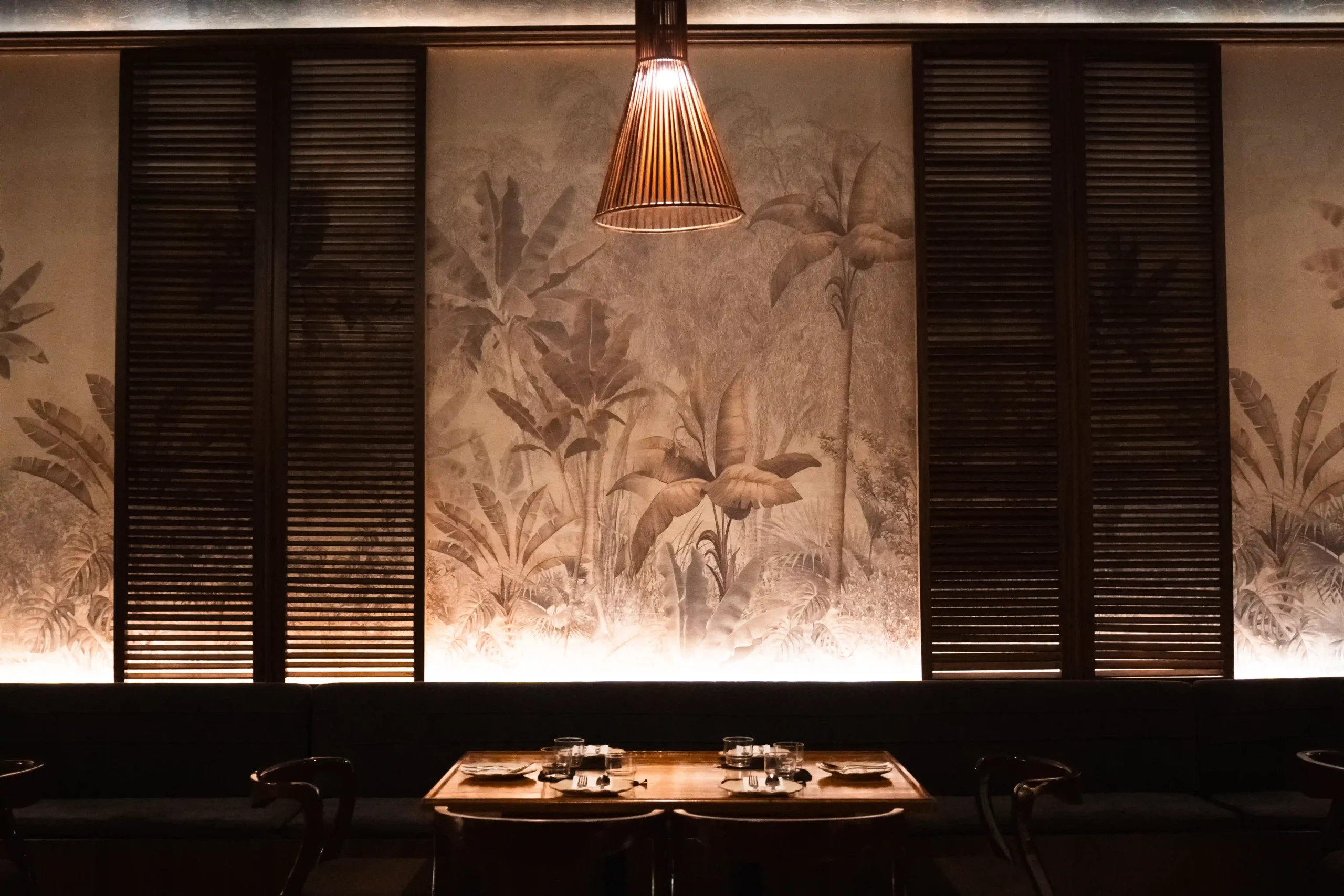
A mini bar that doubles as a DJ booth anchors one corner of the main dining area, while dark wood accents and tropicalia wallpaper evoke the feeling of opening a window that reveals the dense foliage of a tranquil morning in the mountains. This sense of place extends to the textiles: aprons, coasters, and a triptych of regional weaves at the entrance.
Down the hallway, shelves of labeled ferments (atsara, calamansiCalamansiA small, tart Philippine citrus fruit with a flavor between lime and mandarin, used in dipping sauces, marinades, drinks, and desserts. Calamansi brings bright acidity to Filipino cooking, and bartendersGo to Calamansi Glossary, lambanog, mead) show us the influence of Chef Stephane Duhesme, whose work at Filipino restaurant Metiz and its sister concept Automat carries through here. Like the rest of the team, he remains deeply involved, standing by the stovetop cooking, supervising his team, and occasionally stepping away to chat with guests.
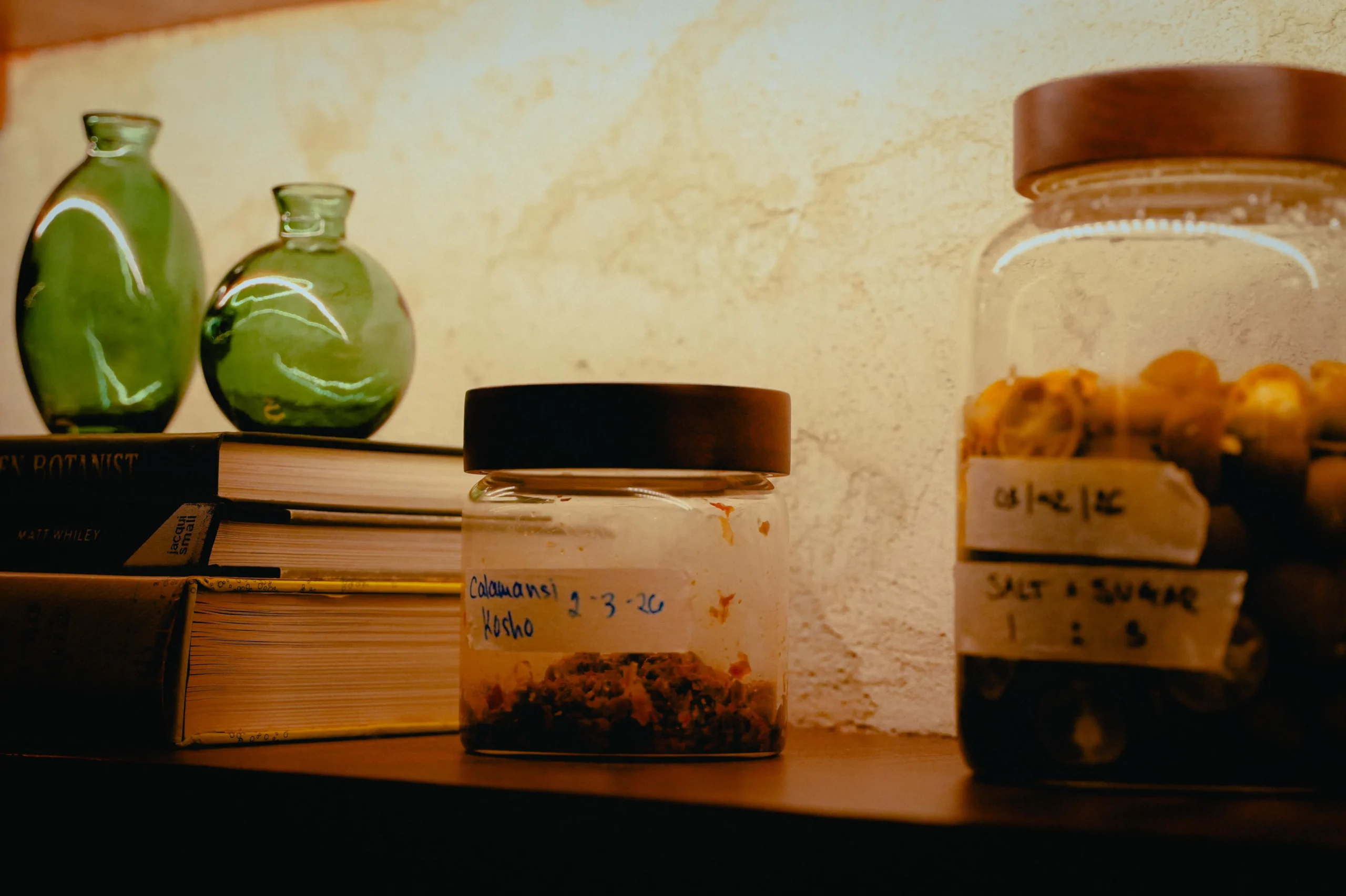
Space For Experimentation And Exploration
Further down the hallway is Toma Toma’s private dining area: two rooms divided by a sliding door. The first draws the eye with a T-shaped counter, complete with a sink and mixologyMixologyThe craft of creating cocktails, combining technique, knowledge of spirits, and creativity in flavors, garnishes, and presentation. Skilled mixologists treat drinks like culinary art, using house-made syrups, infusions, and rareGo to Mixology Glossary accoutrements. Tall cabinets with solihiya weaving line one wall beside a vertical flatscreen. While guests can dine here, the space also doubles as a cocktail-making classroom for about 14 people. Mike and Arcadius plan to host sessions with different brands, but beyond functioning as a venue, the intent is clear: to support and nurture young Filipino mixologists, giving them space to sharpen their craft and contribute to the country’s F&B scene.
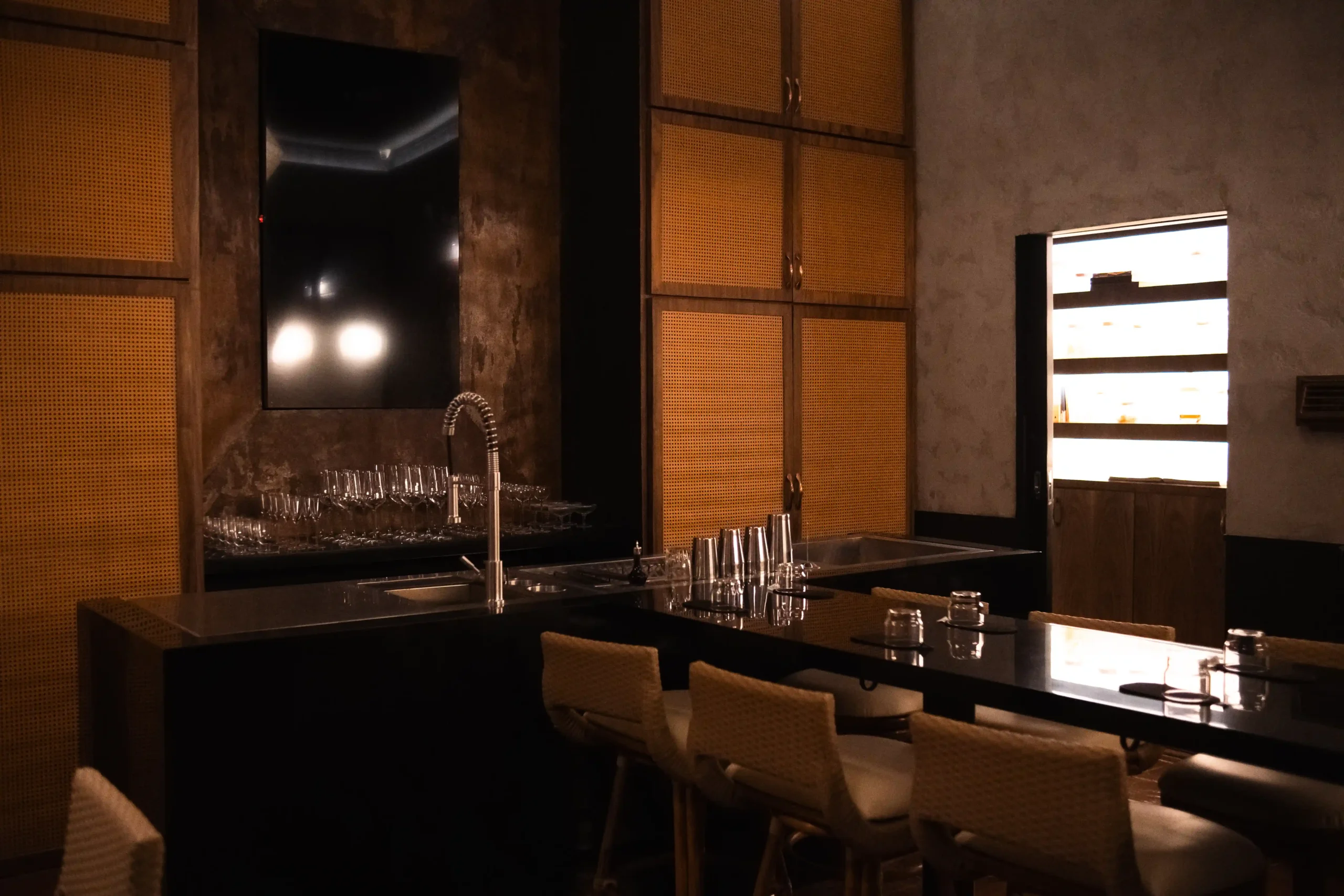
A little further back is a small private dining room that seats 10 people, its door and connected entrances enabling guests to expand the classroom, Mike’s capiz shell chandeliers completing the space.
Nostalgic And New Flavors At Toma Toma
In the capable hands of Chef Stephane, the menu at Toma Toma is streamlined yet versatile, melding Filipino and Southeast Asian flavors to suit a range of palates. Whether you’re after something light or richer in flavor, there’s plenty to choose from, each dish lending itself well to the equally thoughtful cocktail program.
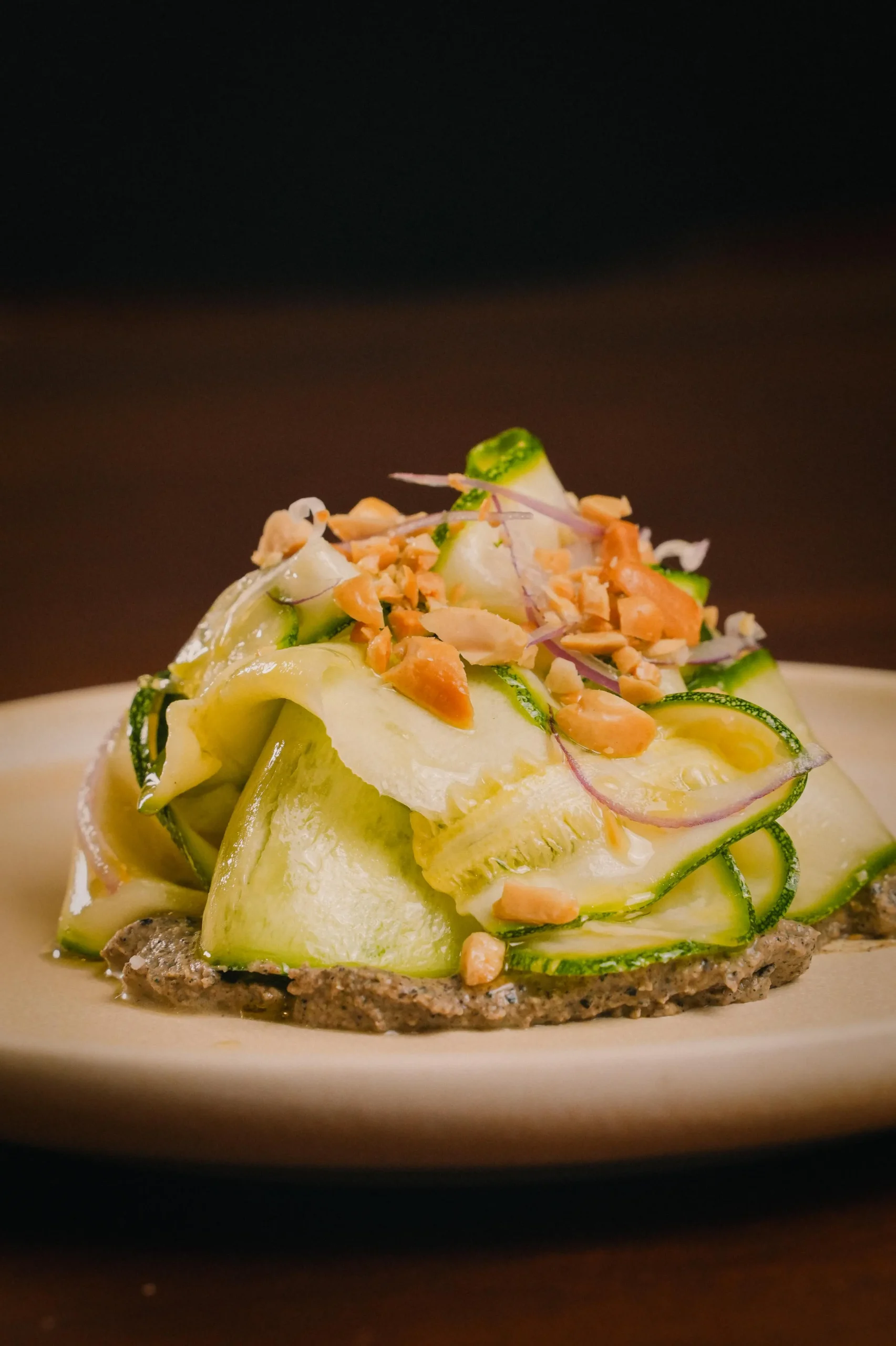
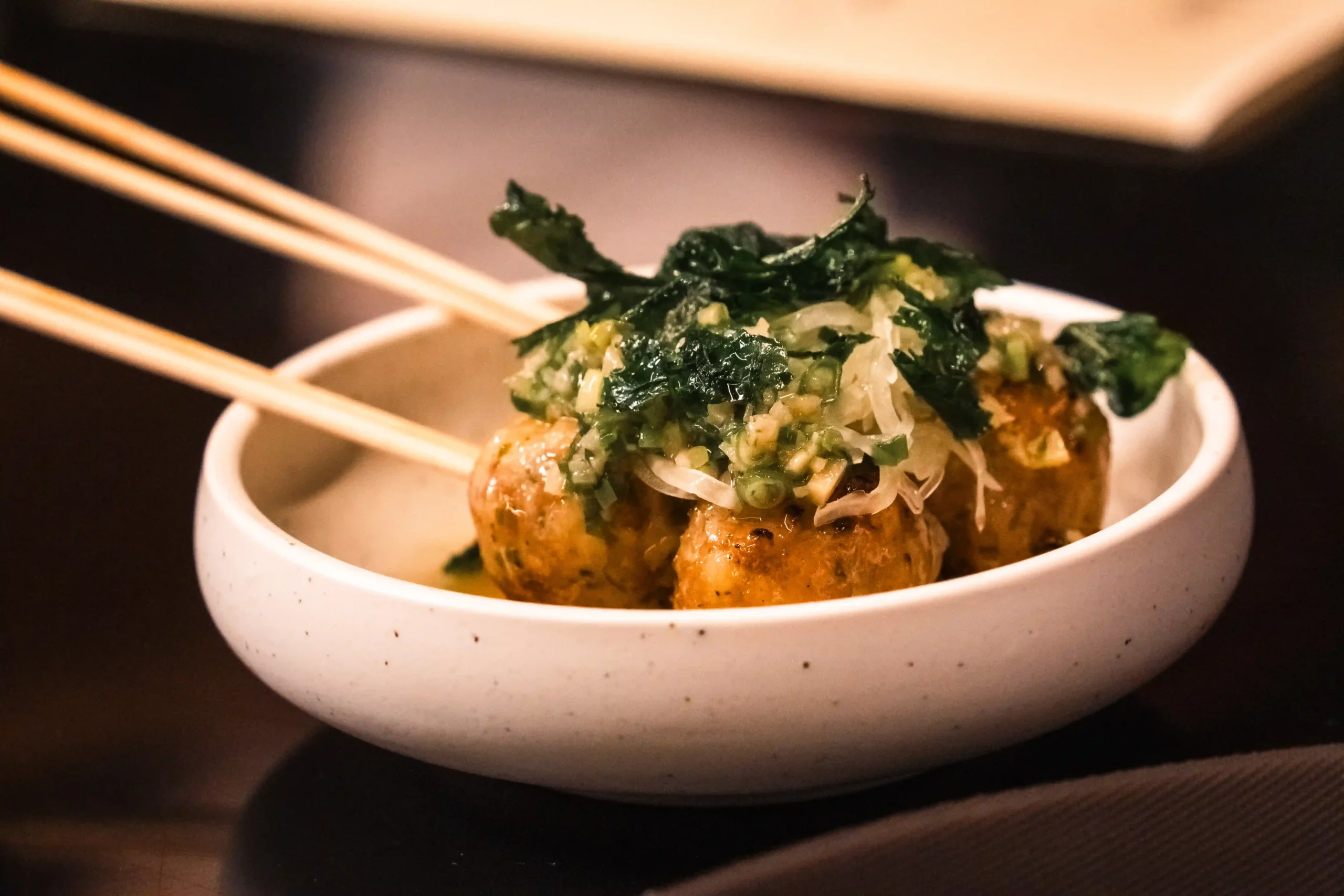
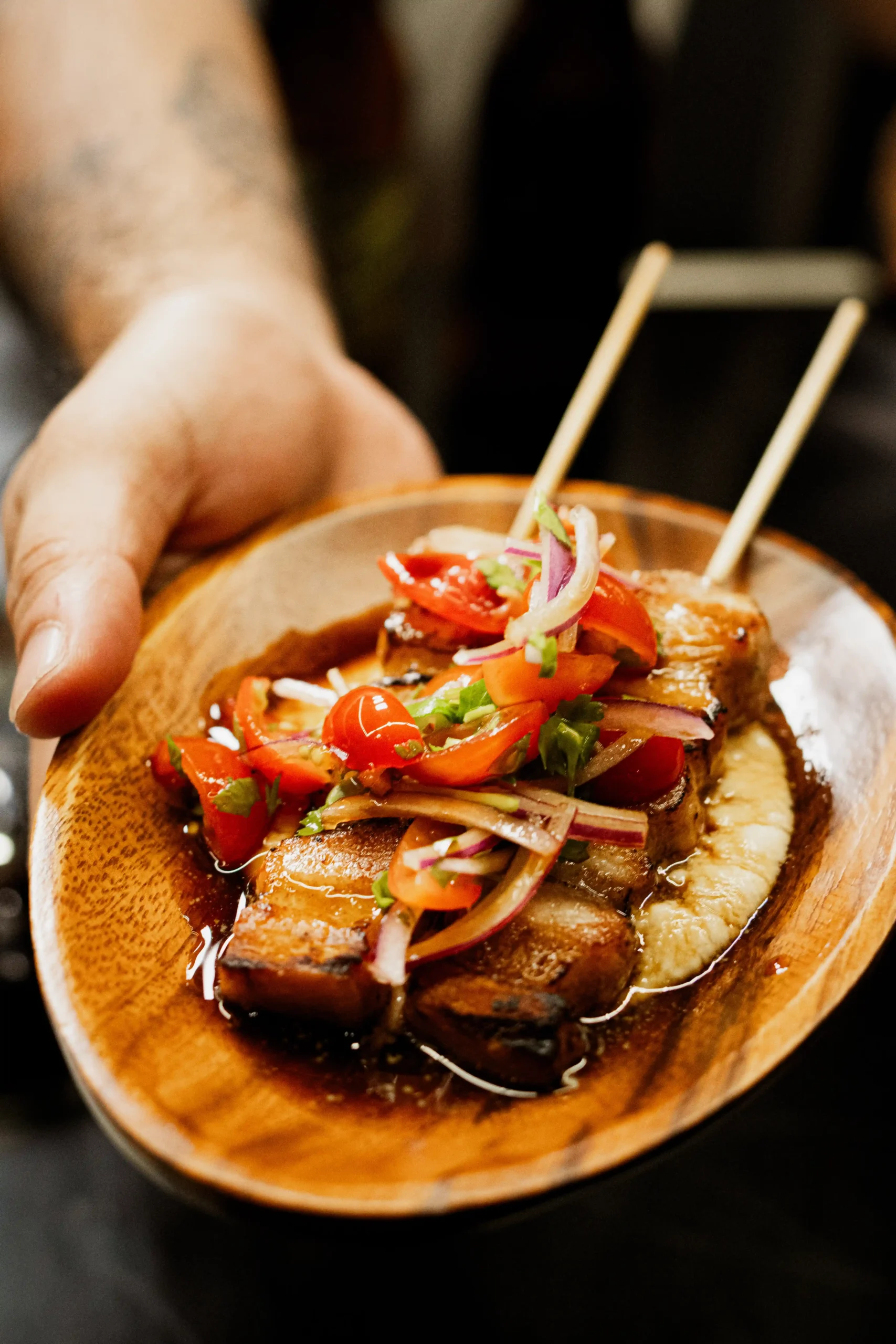
Dishes are grouped into “Small Plates,” “Skewers,” and “Big Plates,” making it easy to build your meal around your cravings. Among the standouts in Small Plates: the Grilled Eggplant & Ensaladang Zucchini, a refreshing helping of smoky flavor punctuated with cream cheese, calamansiCalamansiA small, tart Philippine citrus fruit with a flavor between lime and mandarin, used in dipping sauces, marinades, drinks, and desserts. Calamansi brings bright acidity to Filipino cooking, and bartendersGo to Calamansi Glossary, and peanuts; and the Prawn Lumpia, crisp and crowd-pleasing with a rich, umami filling. The skewers make full use of the open fire, serving up oyster mushrooms dressed in inasal emulsion and dayap; succulent Chicken Balls that riff on the comforting flavors of tinola; and Tokwa’t Baboy composed of tofu and nutty local pork.
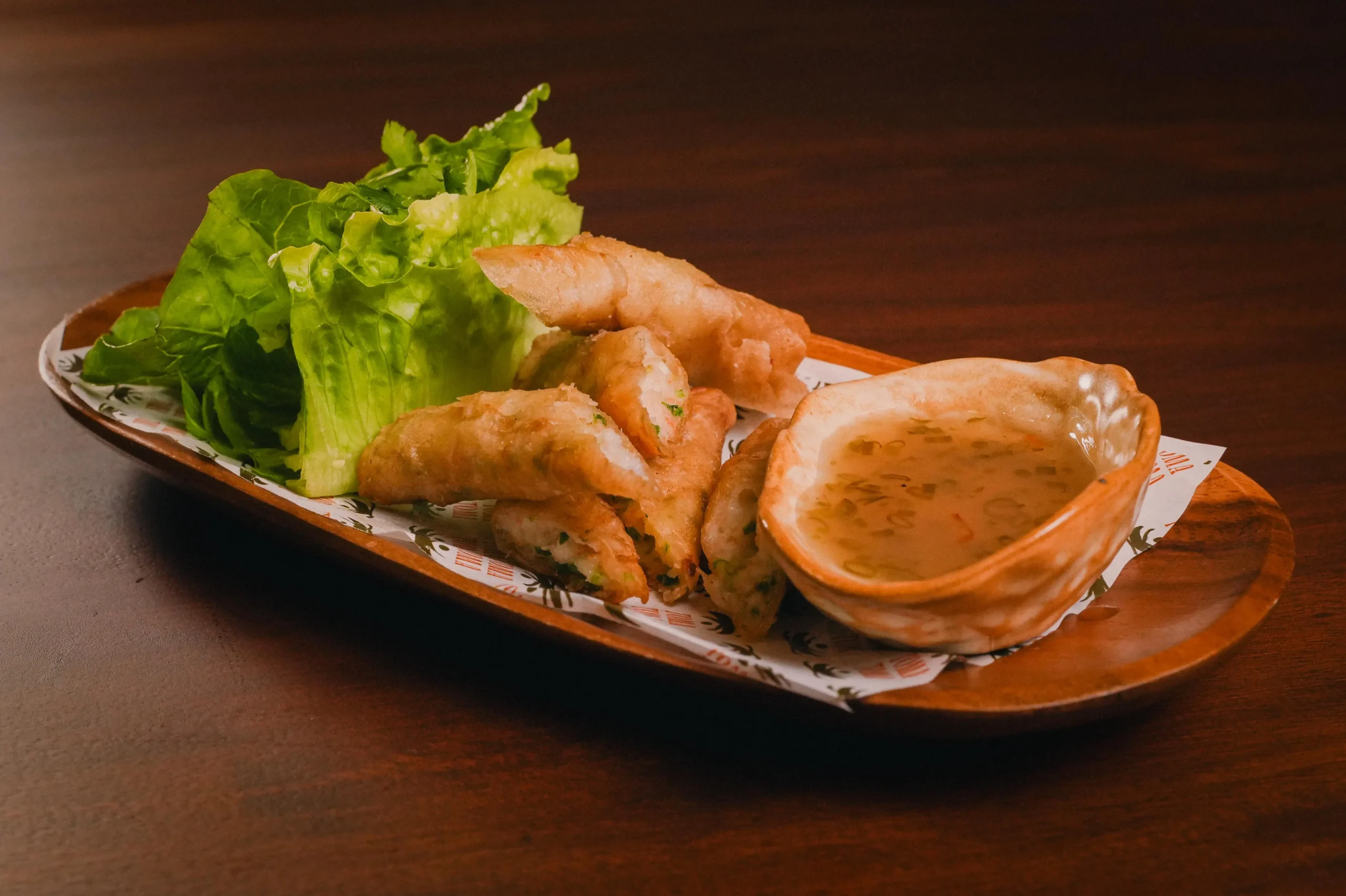
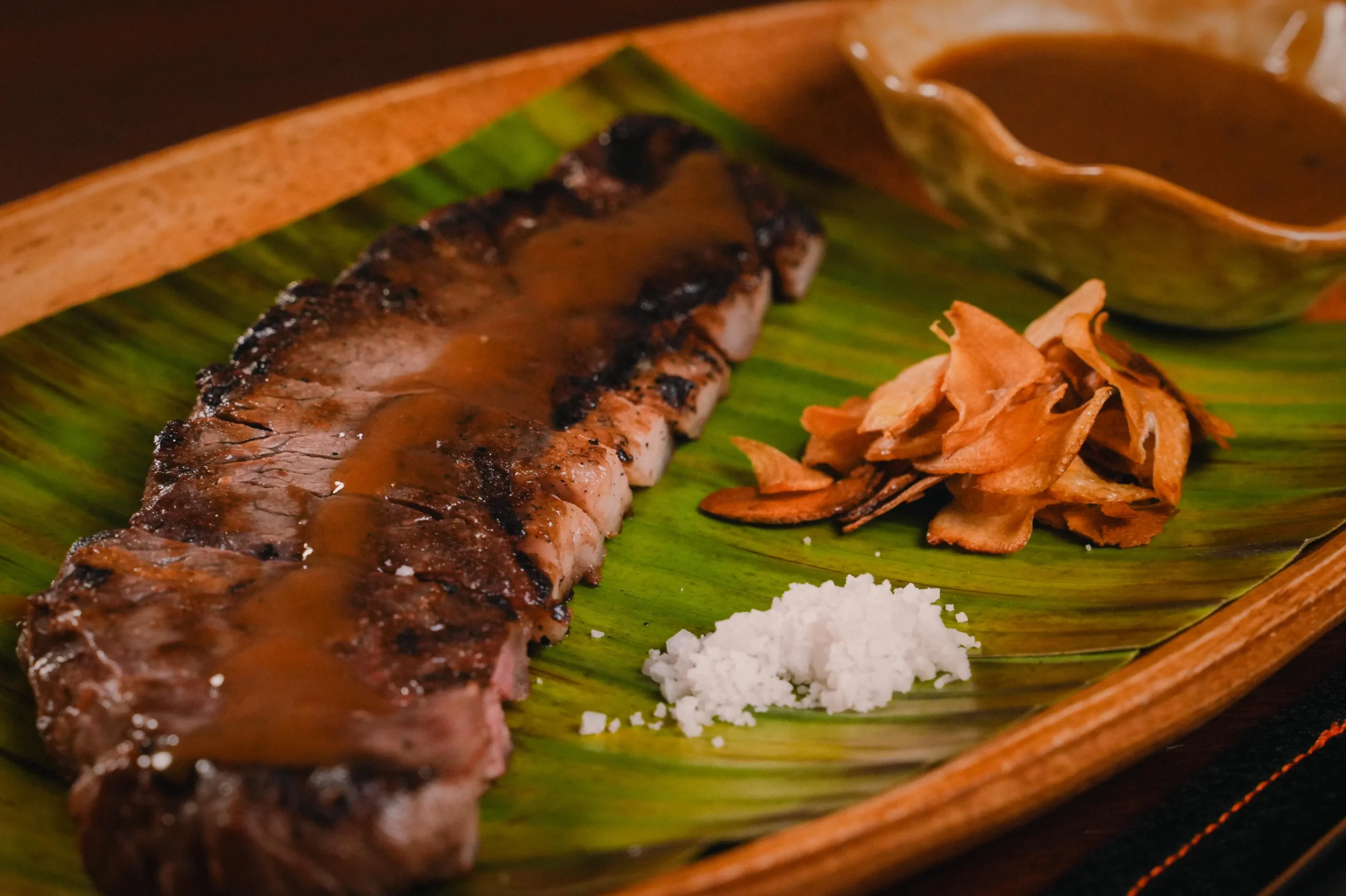
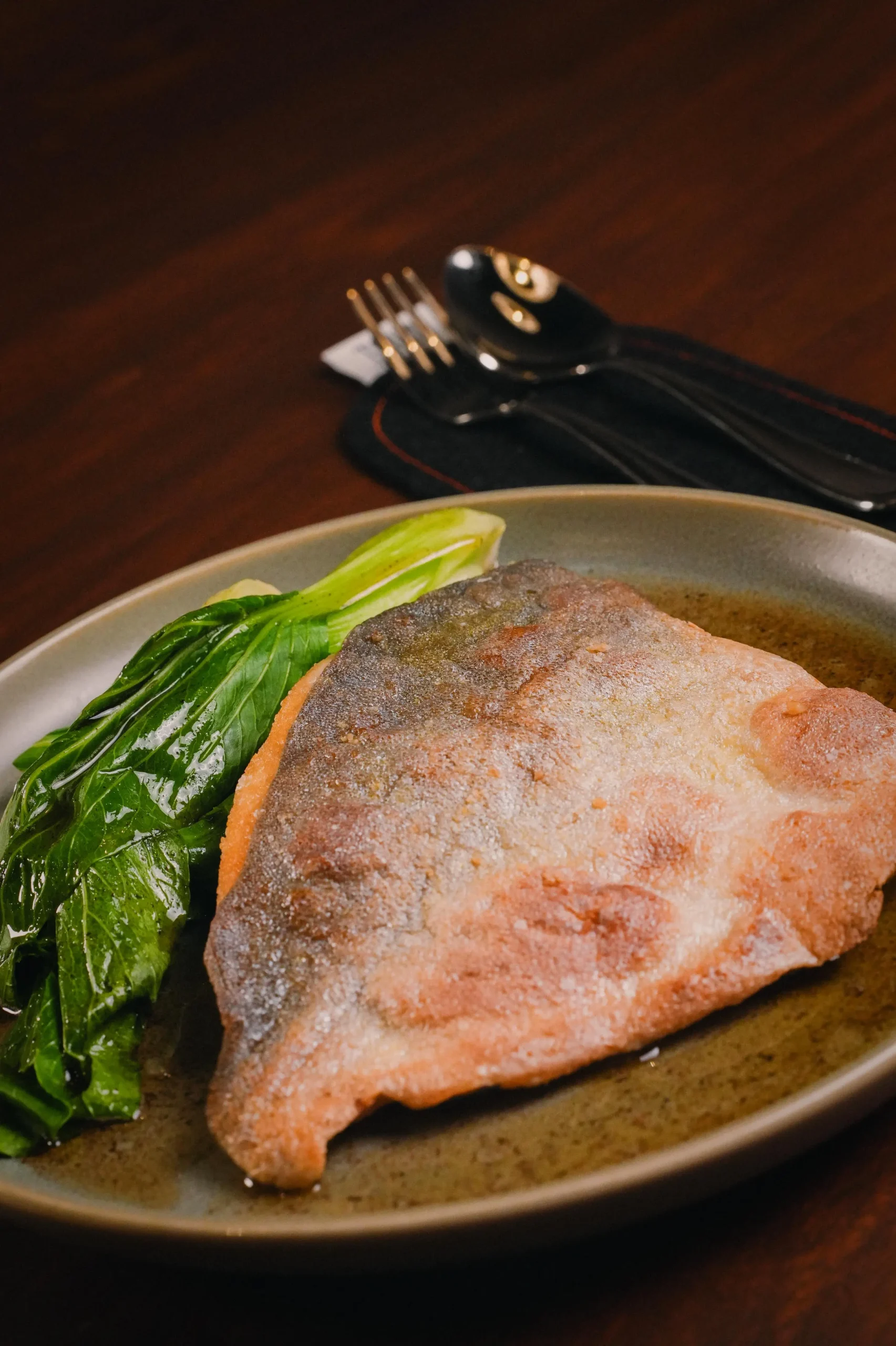
For something more substantial, the Big Plates fulfill the promise of their category. The Pompano is fried to a crisp skin, served with tasty brown butter sauce, as well as tomato and a squeeze of calamansiCalamansiA small, tart Philippine citrus fruit with a flavor between lime and mandarin, used in dipping sauces, marinades, drinks, and desserts. Calamansi brings bright acidity to Filipino cooking, and bartendersGo to Calamansi Glossary, while the Bistek offers tender, generous cuts of pink steak coated in tangy calamansi-based sauce and fried garlic.
Cocktails are split between “Seasonal” and “Classics.” In the former category, we have seasonal ingredients for drinks like the Guyabano: a tropical concoction of coconut vinegar, tultul salt, and rum. Meanwhile, the Bee’s Knees stands out with gin, lemon, and fragrant stingless bee honey from Laguna that’s all honest-to-goodness delicious. Dessert is simple but memorable: the Pannacotta, a creamy plain base, is neutral enough to let the nuances of its honey layer shine and mingle with shavings of tultul salt, yielding an addictive profile.
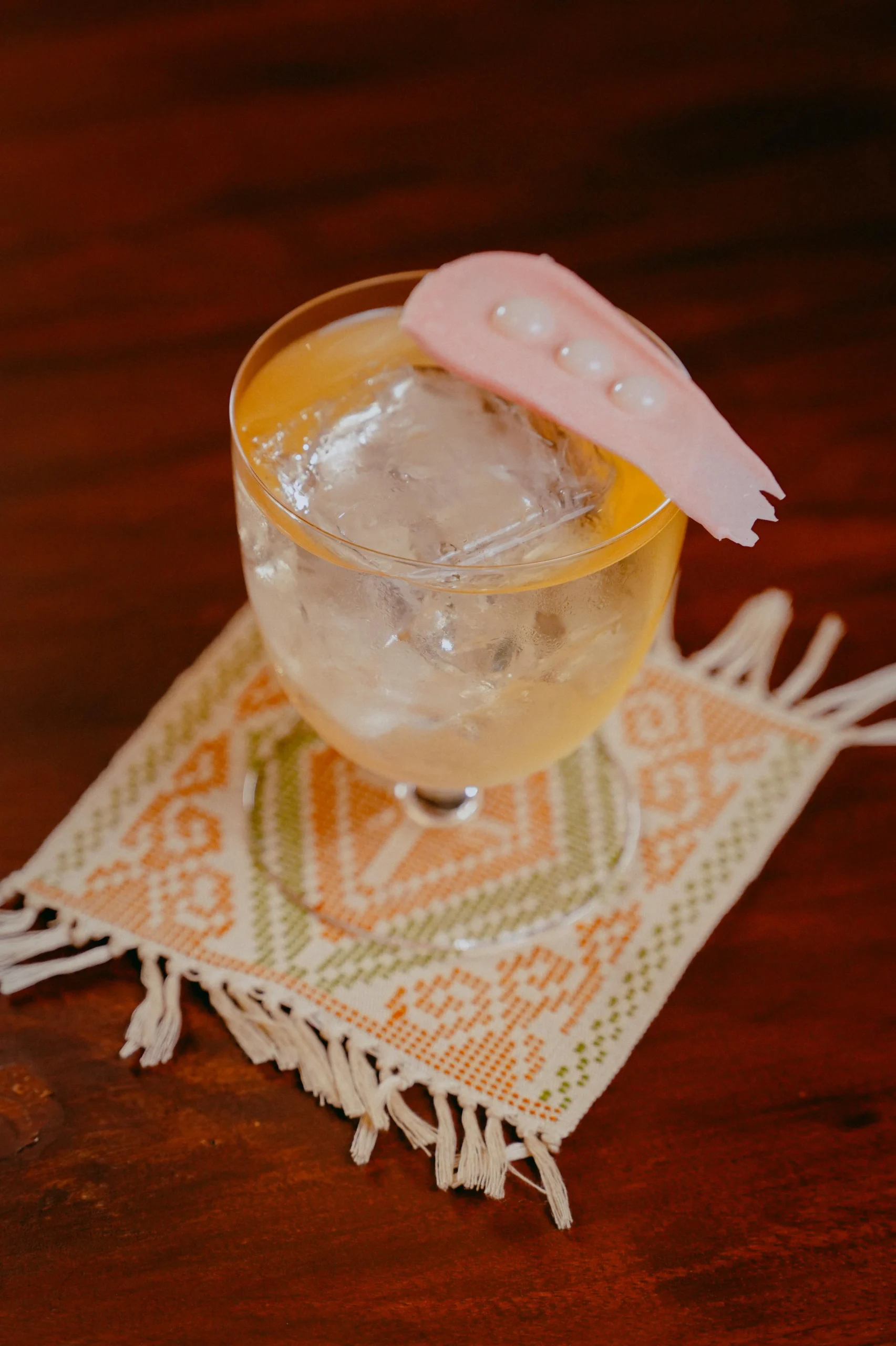
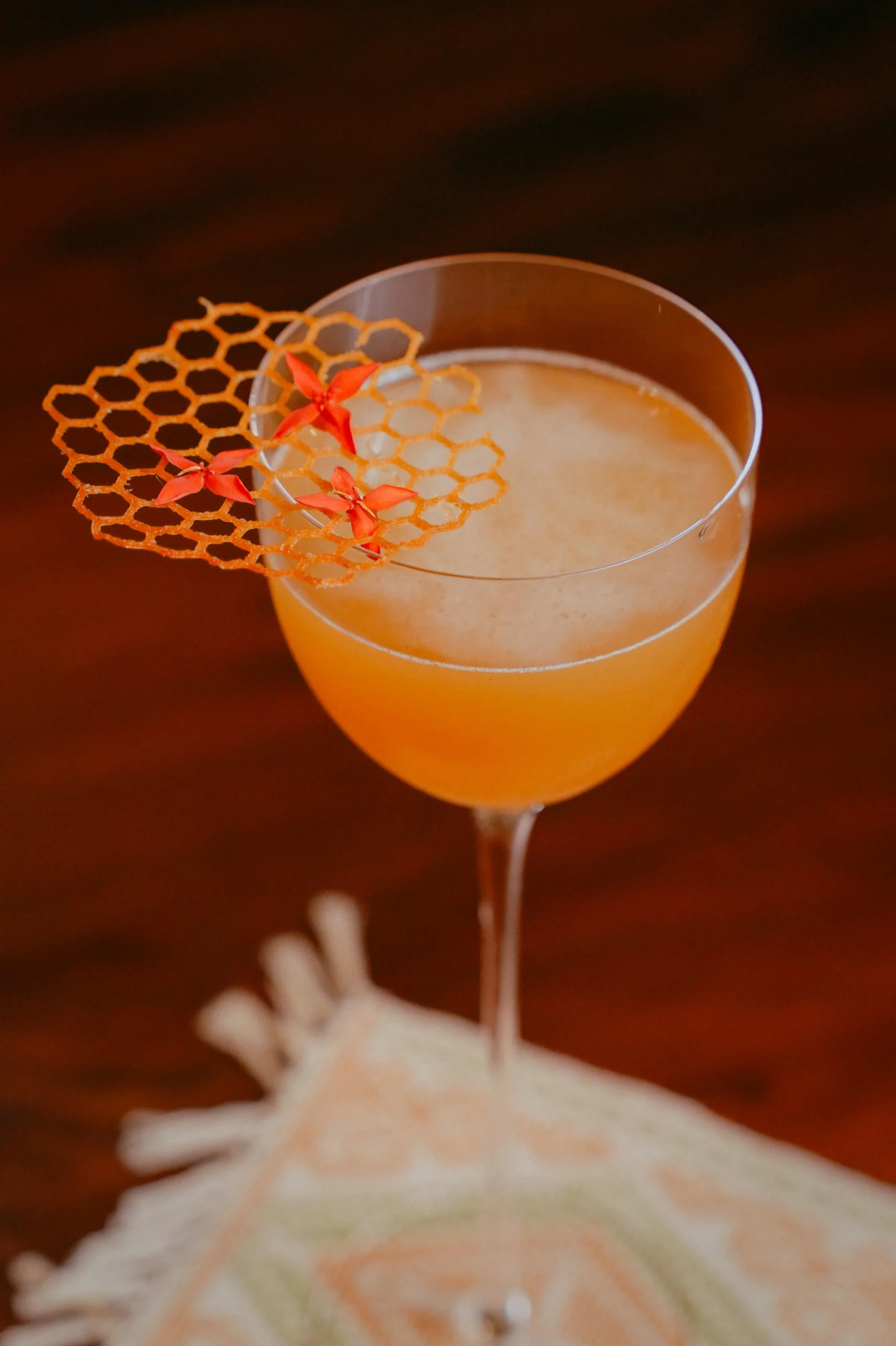
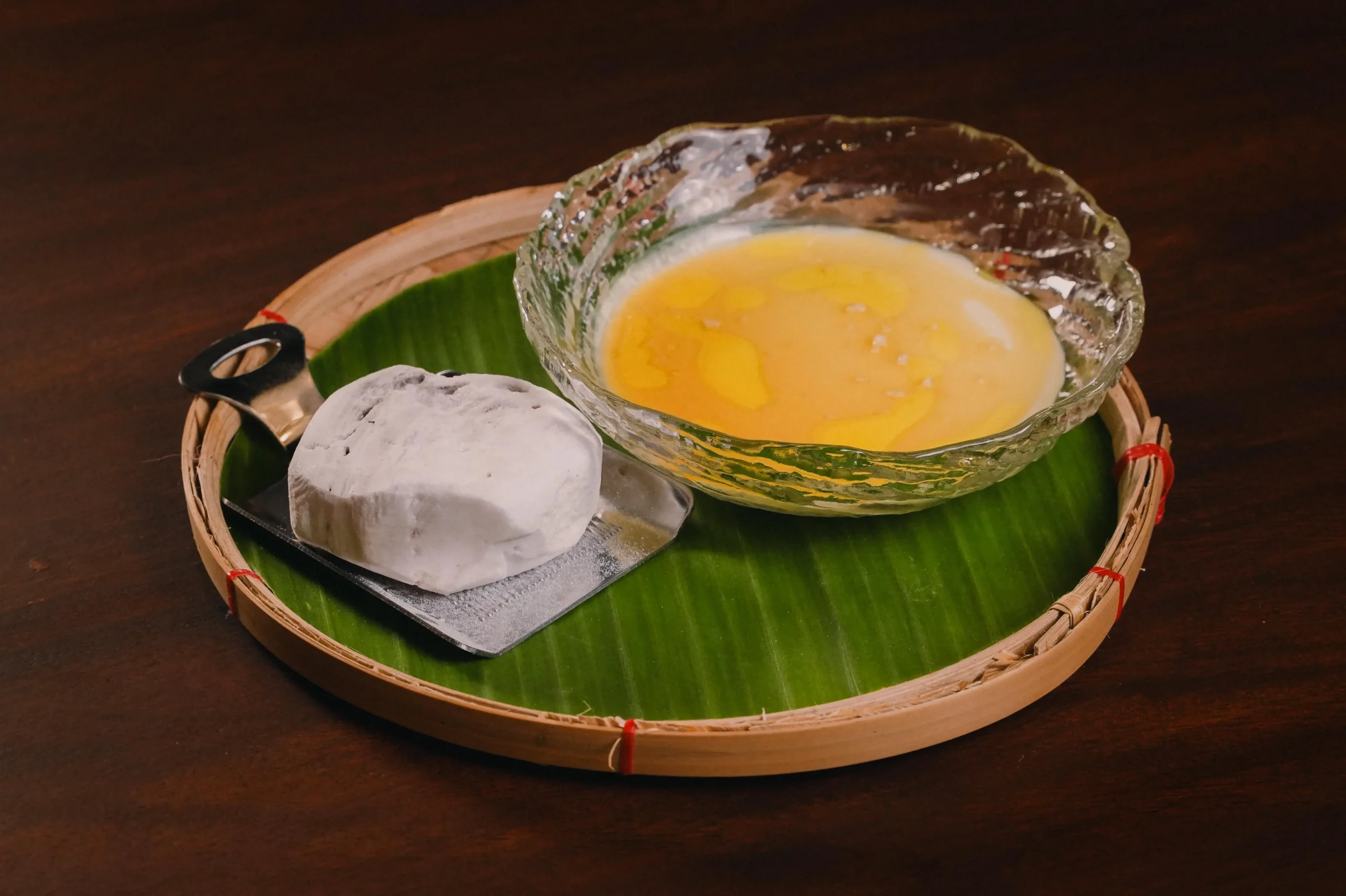
Now you might be wondering, why the name “Toma Toma”? In parts of the Philippines, “Tara, toma!” or “Toma, toma” is an open invitation to drink and make merry, likely derived from the Spanish word tomar, meaning “to drink.” The concept carries that same warmth, though it goes beyond revelry. In calling guests to the table, it also invites them to take in and savor the fine details that make this country remarkable. So, when the invite comes, stay a while, then come back for more. It’s well worth your time.
Toma Toma is located at Green Sun Hotel, 2285 Chino Roces Avenue, Makati City. Its soft opening hours are Tuesday to Saturday at 5 PM until 12 AM.
Photos courtesy of Toma Toma
Frequently Asked Questions
Toma Toma blends traditional Filipino and Southeast Asian flavor profiles through a streamlined, versatile menu developed by Chef Stephane Duhesme. The kitchen emphasizes open-fire cooking and houses localized shelf ferments, pairing heritage dishes with an equally complex, seasonal mixology program.
The concept was founded by award-winning mixologist Arcadius Ryback, former Director of Bars at Rosewood Hong Kong, alongside F&B consultant Michael Hearn. The culinary direction is led by Chef Stephane Duhesme, celebrated for his work at Metiz and Automat.
The space features intentional craftsmanship created entirely by Filipino artisans using locally sourced materials. Blooming capiz shell chandeliers, detailed solihiya weaving, and a triptych of regional weaves at the entrance evoke the nostalgic atmosphere of an upscale, tropical ancestral home.
The private dining area doubles as an advanced mixology classroom designed to accommodate up to 14 participants. This specialized incubator space hosts brand-partnered training sessions intended to actively support, mentor, and nurture the next generation of young Filipino mixologists.
Toma Toma is situated within the Green Sun Hotel at 2285 Chino Roces Avenue, Makati City. Observing its soft opening phase in 2026, the establishment welcomes guests from Tuesday through Saturday, with operational hours spanning from 5:00 PM until 12:00 AM.